China Blue

China Blue holds a Michelin Plate recognition in the 2026 guide, placing it among a small cohort of Pasay restaurants earning that level of independent validation. The kitchen works within a Chinese dining tradition that has long shaped Metro Manila's restaurant culture, and its location in Pasay positions it alongside a cluster of serious dining rooms in the city's southern hotel corridor.
Pearl is the En Primeur Club membership app — saves, bookings, and concierge access live there. Same editors, same standards.
- Address
- Pasay City, Metro Manila, Philippines
- Phone
- +639176504043
- Website
- hilton.com
- Directions
- Get directions
 Saves & bookings on Pearl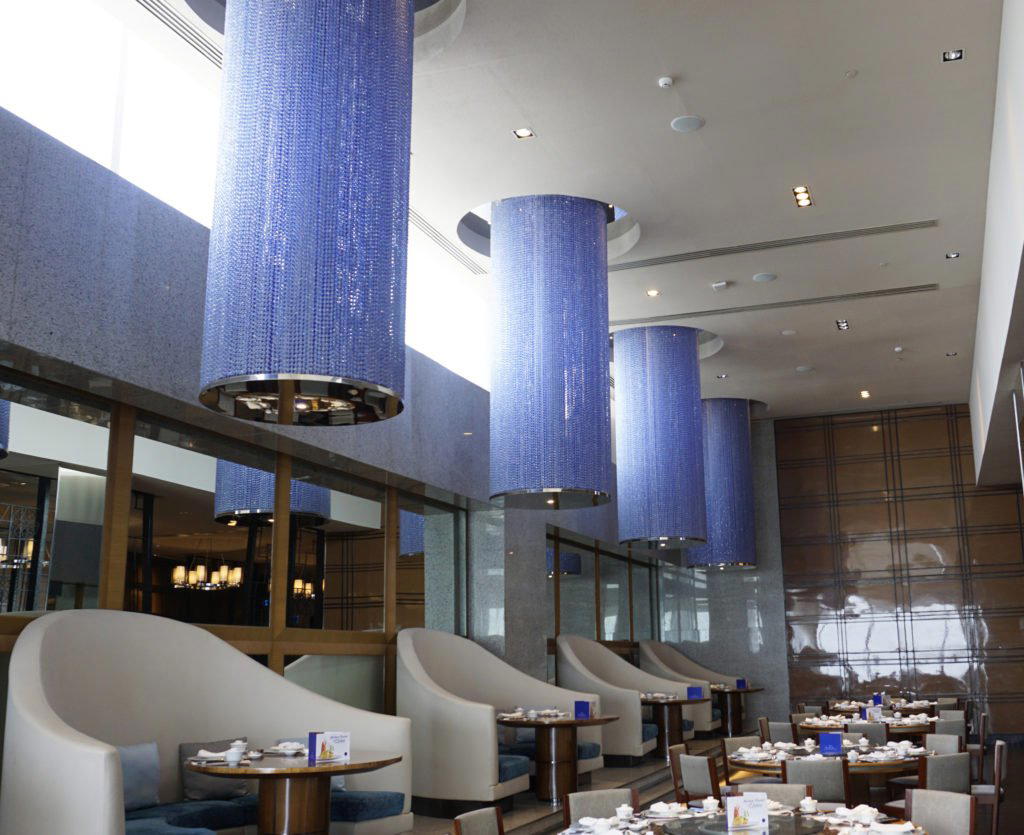
Where Pasay's Chinese Dining Scene Earns Its Credentials
China Blue is a Modern Chinese restaurant in Pasay City, Metro Manila, Philippines. While venues like Gallery By Chele in Manila anchor the conversation around modern tasting menus, and Celera in Makati represents a newer wave of ingredient-led cooking, the Cantonese and Chinese banquet tradition has maintained a quieter, more persistent presence across the metro. It is a tradition built on sourcing discipline, live seafood tanks, regional imported ingredients, produce chosen for freshness over convenience, and it tends to speak through technique rather than spectacle.
China Blue sits inside that tradition. The restaurant operates in Pasay City, Metro Manila, within the southern corridor that has become one of the more concentrated zones for formal dining in the Philippines. A Michelin Plate recognition in the 2026 guide places it in verified territory. That context matters.
The Logic of Ingredient Sourcing in Chinese Restaurant Kitchens
Chinese restaurant cooking at the level Michelin evaluates is, at its foundation, a sourcing argument. The cuisine's canonical techniques, velveting, wok hei, precise steaming, are well understood. What separates the rooms that earn recognition from those that do not is almost always the quality of what arrives in the kitchen before any technique is applied. Whole fish held in oxygenated tanks until service. Dim sum components using specific grades of rice flour. Roasted meats sourced from suppliers who handle breed, feed, and slaughter in ways that affect the final texture of the skin and fat.
This matters in the Philippine context because the supply chain for premium Chinese kitchen ingredients in Metro Manila has historically required either importation or relationships with specialist local producers. The restaurants that invest in those relationships operate differently from those that substitute. It is not a detail a diner always sees directly, but it shows in the outcome, in whether the broth has depth without being heavy, in whether the roast pork skin blisters cleanly, in whether the steamed seafood holds its texture through to the final piece on the plate.
Within Pasay's dining corridor, China Blue competes in a peer group that includes several other formally recognised rooms. Man Ho represents the Chinese dining category within the same broader zone, as does Yamazato in the Japanese tradition. On the non-Asian side, Cru Steakhouse and Gordon Ramsay Bar & Grill represent the Western formal dining end of the same neighbourhood. The restaurant's Michelin Plate places it in a measured tier within that competitive set, not at the summit of the guide's hierarchy, but carrying independent validation that a significant portion of Pasay's dining rooms do not.
Reading the Room: Pasay as a Dining District
Pasay has historically been associated with entertainment infrastructure, the airport perimeter, casino hotels, convention venues, rather than culinary identity. That is changing, in part because the hotel developments in the area have brought with them restaurants anchored to the standards those properties require. The dynamic is familiar across Asia: Bangkok's Silom corridor, Singapore's Marina Bay, Macau's Cotai Strip all developed serious restaurant scenes partly as a function of hotel investment rather than organic neighbourhood growth.
What this means for a diner is that Pasay's better restaurants tend to operate inside controlled environments with consistent execution standards. The trade-off is that the neighbourhood does not offer the texture of a district that grew around its food culture. For visitors making a point of covering the Philippines' broader dining map, Pasay works as a node alongside Makati and BGC rather than as a destination unto itself. Linamnam in Parañaque offers a counterpoint in the same southern metro zone, with a focus rooted more explicitly in Filipino culinary tradition. Blackbird Makati in Manila and Bolero in Taguig extend the conversation further across the metro.
For comparison outside the Philippines, the kind of sourcing-led Chinese kitchen that earns Michelin recognition in major Asian markets, think of the discipline applied at similarly recognised rooms in cities with deeper Chinese dining infrastructure, sets a baseline that Metro Manila's leading Chinese tables are increasingly measured against. Le Bernardin in New York City and Atomix in New York City represent what it looks like when that level of sourcing and technique discipline is applied with full resources in a major market. The restaurant operates in a different context and at a different scale, but the evaluative framework the Michelin guide applies is not different.
Planning a Visit
The restaurant is located in Pasay City, Metro Manila, Philippines. Reservations are recommended. Pasay's hotel-corridor restaurants are generally accessible by car or rideshare from both Makati and the airport, the district sits between those two points, making it a reasonable dinner option for travellers on arrival or departure days.
For those extending into other parts of the Philippines, Asador Alfonso in Cavite and Abaseria Deli & Cafe in Cebu represent interesting reference points in adjacent regions.
A Quick Peer Check
Comparable venues nearby, for context on price, style, and recognition.
| Venue | Cuisine | Price | Awards | Notes |
|---|---|---|---|---|
| China BlueThis venue — the venue you are viewing | Modern Chinese | $$$ | Michelin Plate | Not listed |
| Man Ho | Refined Cantonese | $$$ | Michelin Plate | Pasay |
| Cru Steakhouse | Premium Steakhouse | $$$$ | Michelin Plate | Pasay |
| Yamazato | Japanese | Not listed | Michelin Plate | Pasay |
| Gordon Ramsay Bar & Grill | British Grill | $$$$ | Michelin Plate | Newport World Resorts |
| Jollibee | Filipino Fast Food | $ | Not listed | Pasay |
Recognition history
Dated appearances from independent guides and award organizations, with the underlying list record or original source where available.
Michelin Plate
Michelin
At a Glance
- Elegant
- Sophisticated
- Modern
- Scenic
- Date Night
- Business Dinner
- Celebration
- Special Occasion
- Family
- Private Dining
- Waterfront
- Panoramic View
- Hotel Restaurant
- Waterfront
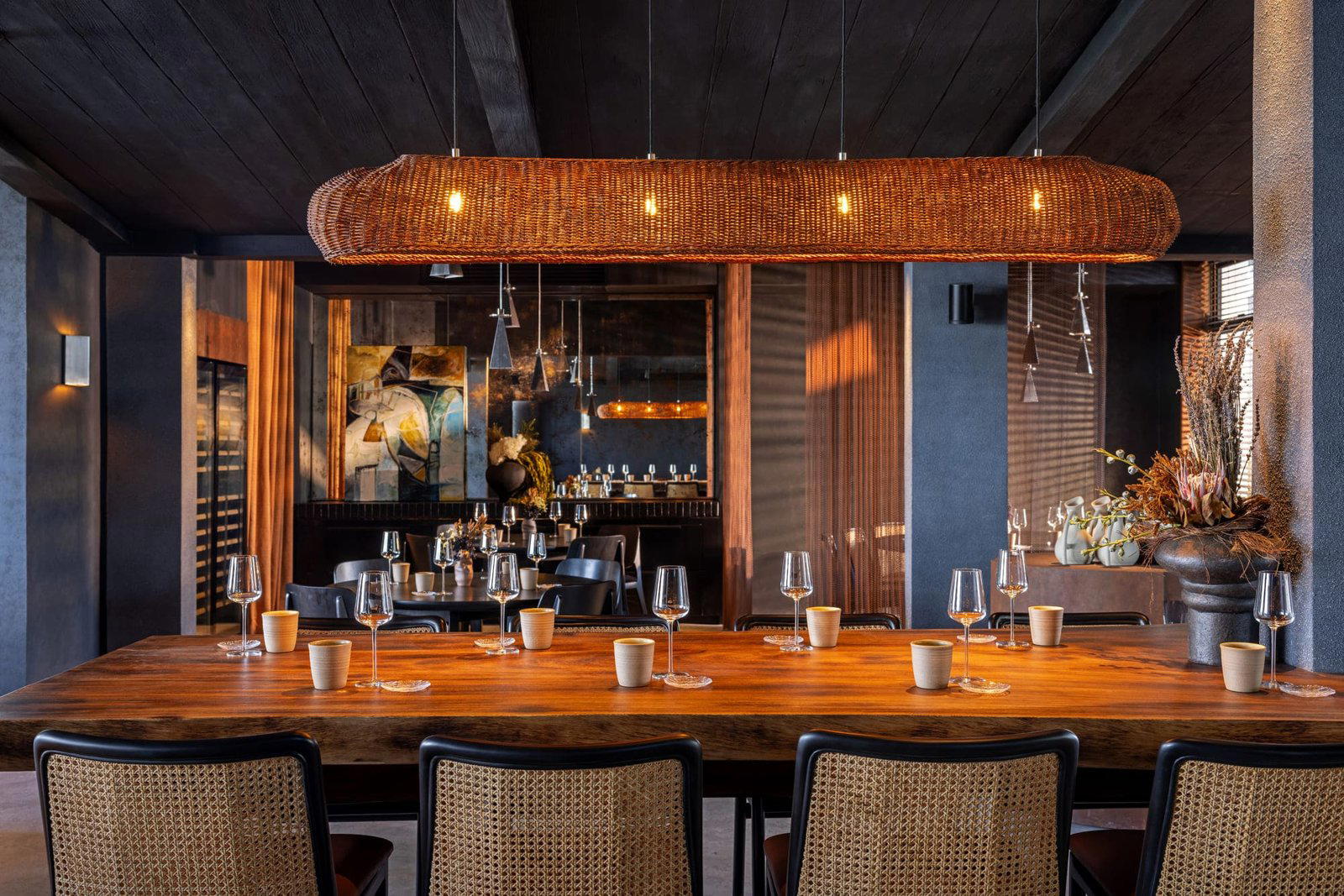
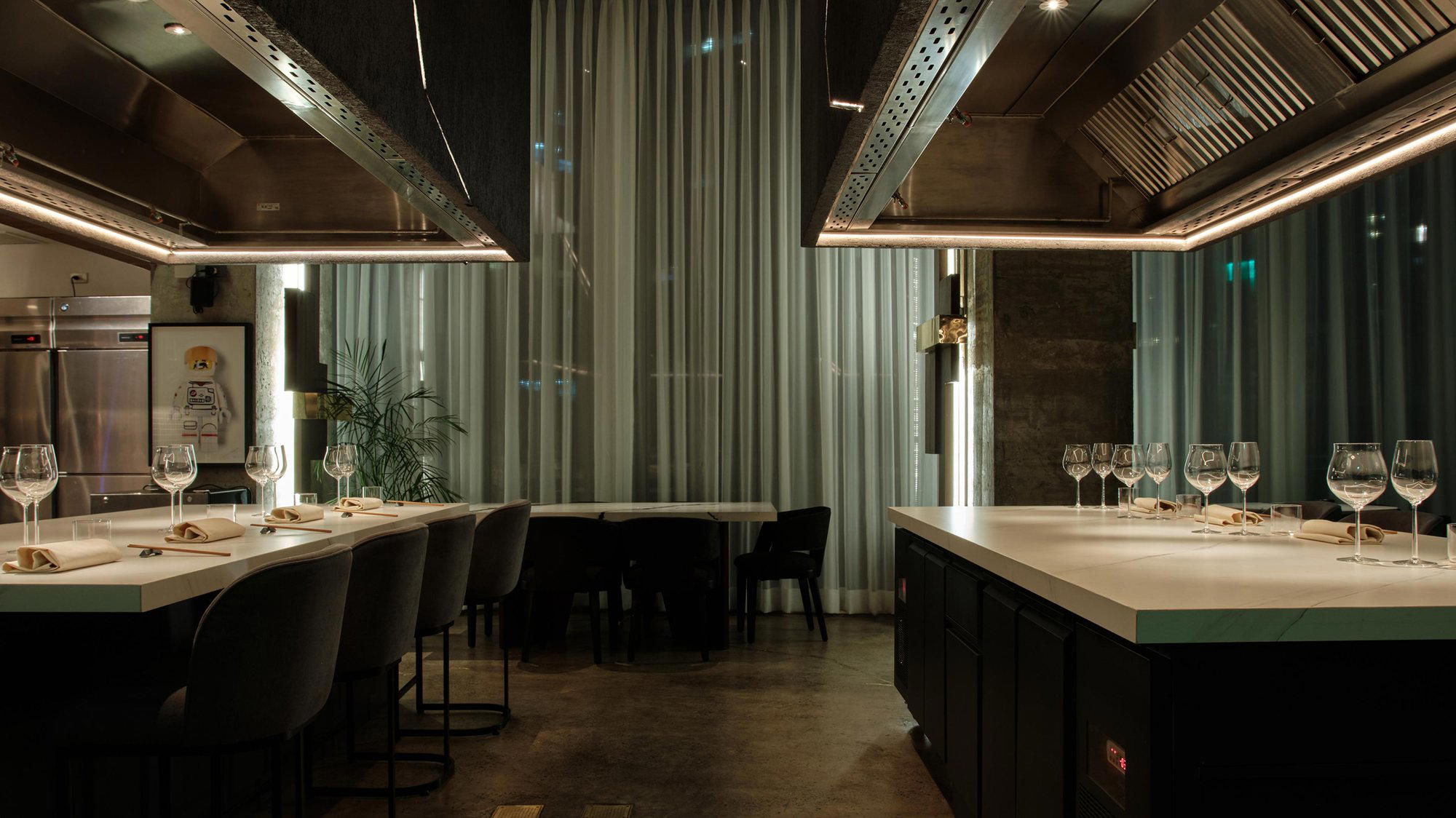
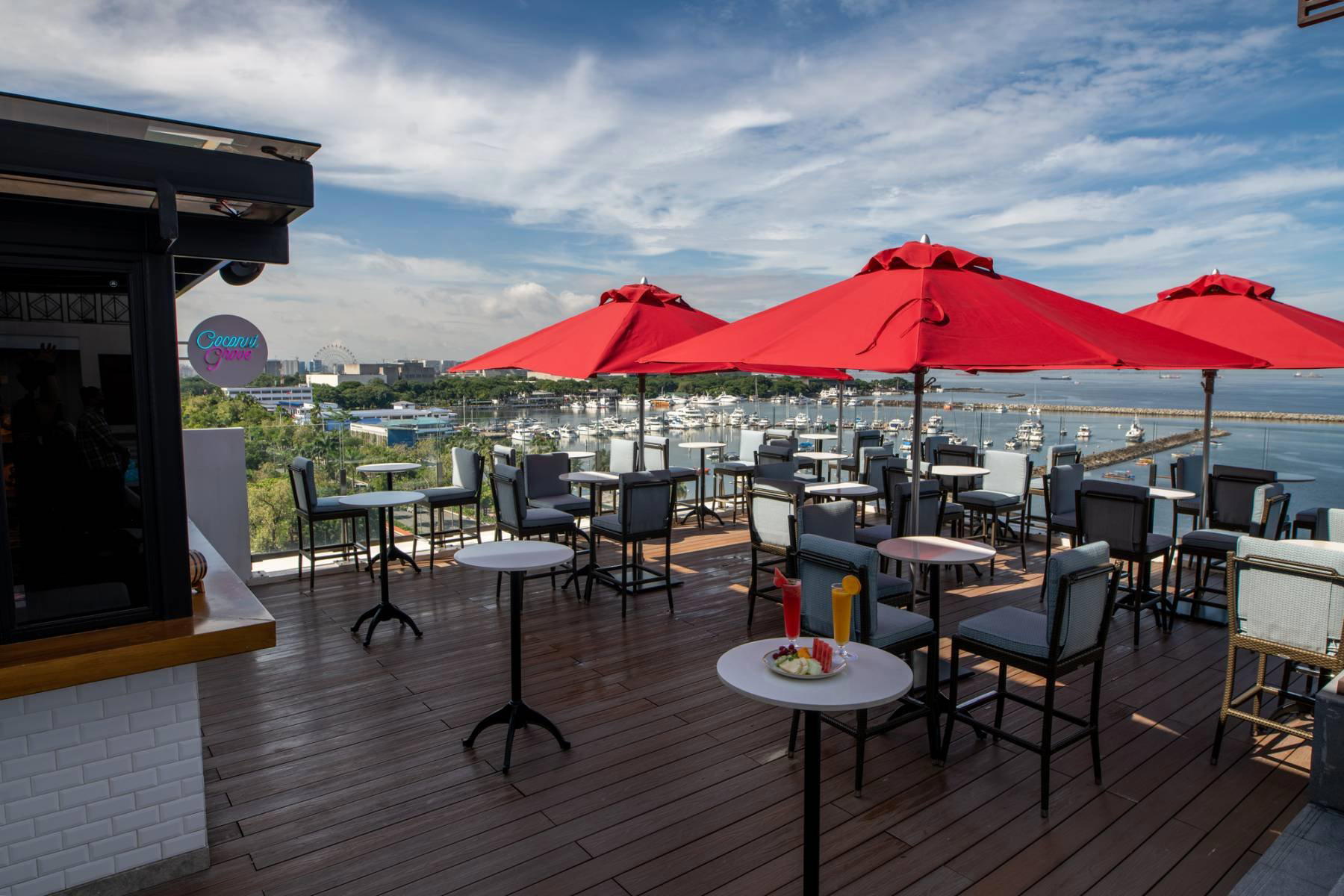
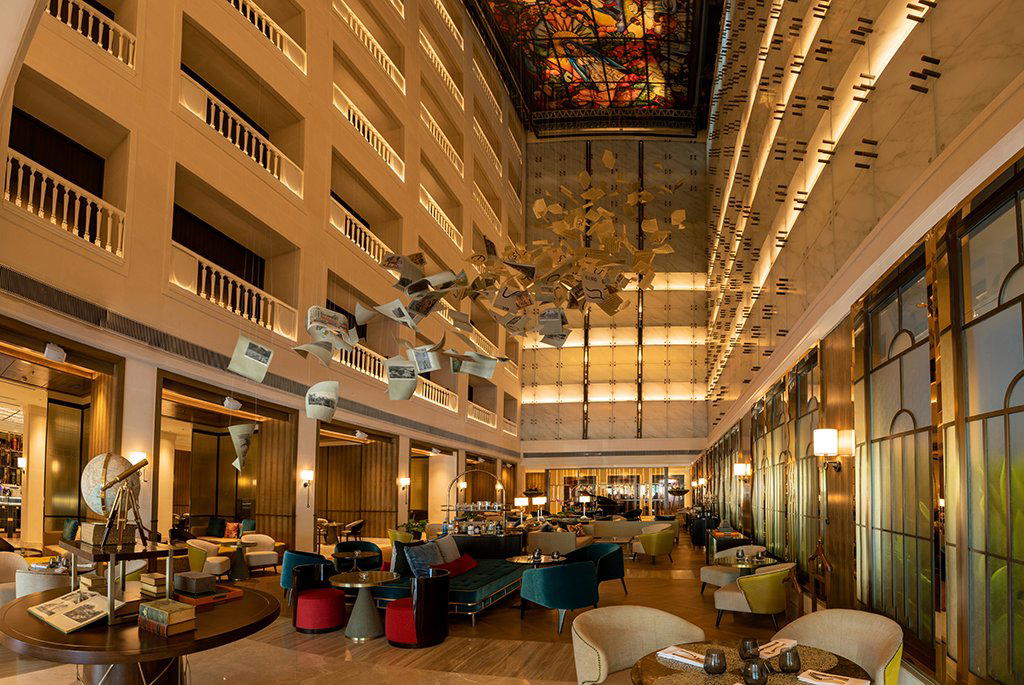
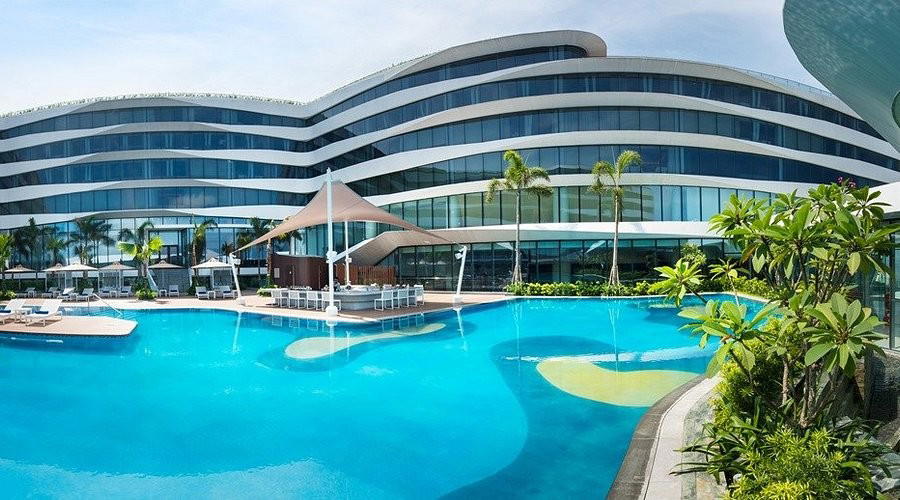
Elegant and refined with soaring ceilings, striking blue chandeliers, and sweeping Manila Bay views creating an inviting, upscale atmosphere.