
In Friedrichshain, li.ke: serious||thai||vegan occupies a specific and underserved position in Berlin's plant-based dining scene: a kitchen treating Thai cuisine as a serious culinary reference rather than a simplified accommodation. The address on Grünberger Strasse draws a returning crowd that comes less for novelty and more for consistency, proof that the vegan-Thai format can hold its own as a recurring dining choice rather than an occasional experiment.
Pearl is the En Primeur Club membership app — saves, bookings, and concierge access live there. Same editors, same standards.
- Address
- Grünberger Str. 69, 10245 Berlin, Germany
- Phone
- +493029009428
- Directions
- Get directions
 Saves & bookings on Pearl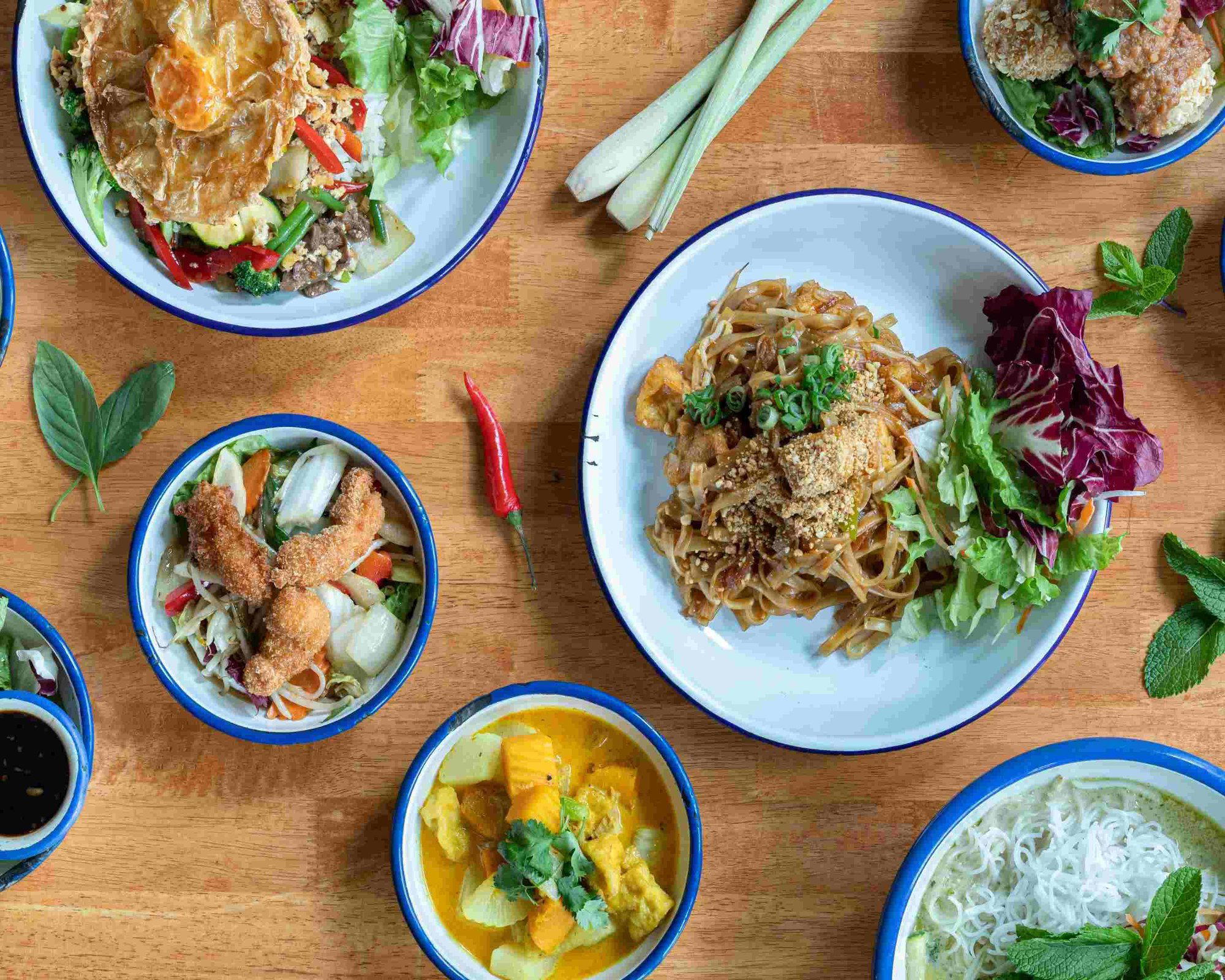
Friedrichshain's Quiet Argument for Plant-Based Precision
Grünberger Strasse sits in the commercial spine of Friedrichshain, a stretch where the neighbourhood's longer-term residents coexist with the turnover typical of any Berlin district that went through rapid gentrification. The street is practical rather than picturesque: tram lines, neighbourhood grocers, the kind of blocks where restaurants survive on repeat custom rather than tourist foot traffic. That context matters for understanding what li.ke: serious||thai||vegan is doing and who it is doing it for. The name itself is a positioning statement, the double pipes and lowercase typography signal deliberate intention, and the word "serious" signals culinary rigour. This is not a plant-based Thai menu assembled from convenience or dietary accommodation. It is a kitchen that has decided Thai cuisine is worth treating with the same rigour usually reserved for European fine dining formats, and that veganism is a constraint the kitchen works within rather than a marketing hook it leans on.
Where It Sits in the Berlin Vegan-Dining Conversation
Berlin has one of the densest concentrations of vegan restaurants in Europe, which means the category is simultaneously crowded and stratified. At one end, fast-casual operations run on high volume and accessible price points. At the other, a smaller number of kitchens are attempting more technically demanding work, CODA Dessert Dining being the clearest example of a plant-forward format (among other things) taken to a highly technical conclusion. li.ke occupies a middle register: not a counter-service operation, but also not positioned in the same bracket as Berlin's Michelin-recognised addresses like Rutz, Nobelhart & Schmutzig, or FACIL. What it shares with those rooms is the underlying premise that a single cuisine tradition, taken seriously, is sufficient foundation for a full dining program. The difference is that Thai culinary logic, the balance of heat, acidity, sweetness, and aromatic depth, is less familiar territory for Berlin diners than the modern European frameworks those starred kitchens operate within, which makes li.ke's commitment to it a more pronounced editorial statement.
Across Germany's broader fine dining scene, Thai and Southeast Asian cuisines remain underrepresented at the serious-kitchen level. Addresses like Restaurant Tim Raue have drawn on Chinese and Southeast Asian references within an haute cuisine framework, demonstrating that the flavour logic of the region can sustain ambitious cooking. li.ke is working from a different angle, not luxury reinterpretation but disciplined fidelity to Thai culinary structure, executed within a plant-based constraint. That approach has no obvious peer in the city.
The Regulars' View: What Keeps People Returning
One reliable indicator of a restaurant's actual quality is not its opening press but its regulars, the people who have eaten there enough times to be past novelty and are returning on merit. In a neighbourhood like Friedrichshain, where the local population skews younger and food-literate, a restaurant on Grünberger Strasse builds its core audience through word of mouth and consistency rather than destination dining. The regulars at a place like li.ke are not coming for the Instagram moment; they are coming because the kitchen delivers the flavour architecture of Thai cooking, the layered heat that builds slowly, the citrus-forward brightness, the depth from fermented and dried ingredients, without the animal proteins that Thai cuisine conventionally depends on. That is a genuine technical achievement, and it is the kind of thing a returning diner notices more acutely than a first-time visitor who has less to compare against.
The unwritten menu at a restaurant like this is the one regulars have assembled through repetition: knowing which dishes carry the heat, which are most reliably consistent, which to order when bringing someone unfamiliar with Thai flavour profiles. That accumulated knowledge, passed laterally between friends in the neighbourhood, is the infrastructure on which a restaurant of this type survives. It is also the reason that the address on Grünberger Strasse matters, the restaurant is embedded in a community that can sustain it through regular custom rather than depending on inbound dining tourism.
Thai Culinary Logic in a Plant-Based Kitchen
Thai cuisine's flavour architecture rests on a set of ingredients, fish sauce, shrimp paste, oyster sauce, that are categorically off the table in a vegan kitchen. The interesting question is not whether those ingredients can be replaced (they can, through various fermentation and umami-building techniques) but whether the replacements can carry the same structural weight in a dish. Kitchens working seriously with this problem tend to rely on a combination of fermented black beans, miso, nutritional yeast, and concentrated mushroom stocks to reconstruct the savoury depth that animal-derived ferments provide. The results vary considerably depending on how much attention the kitchen pays to each component. A kitchen that names itself "serious" in its own title is making an implicit promise about that attention level, and the returning customer base of a Friedrichshain neighbourhood restaurant is one honest test of whether the promise is kept.
Planning a Visit
li.ke: serious||thai||vegan is at Grünberger Str. 69, 10245 Berlin, in the Friedrichshain district. The address is accessible by tram along the Grünberger Strasse corridor and is within walking distance of Frankfurter Allee U-Bahn. The restaurant is open daily from 12 to 9:30 PM, and reservations are recommended. Walk-ins may be possible outside peak hours, though reservations are recommended. Pricing sits in a range appropriate to a serious independent restaurant in Berlin without Michelin-tier positioning, expect to pay meaningfully more than fast-casual but well below the €€€€ bracket occupied by Nobelhart & Schmutzig or FACIL.
Aqua in Wolfsburg, JAN in Munich, Schwarzwaldstube in Baiersbronn, Vendôme in Bergisch Gladbach, ES:SENZ in Grassau, Victor's Fine Dining by Christian Bau in Perl, Waldhotel Sonnora in Dreis, Restaurant Haerlin in Hamburg, Schanz in Piesport, and Bagatelle in Trier. Atomix in New York City offers a useful parallel in the Korean fine dining space, while Le Bernardin demonstrates what total commitment to a single culinary tradition can produce over decades.
Side-by-Side Snapshot
Comparable venues nearby, for context on price, style, and recognition.
| Venue | Cuisine | Price | Notes |
|---|---|---|---|
| li.ke: serious||thai||veganThis venue — the venue you are viewing | Serious Thai Vegan | $$ | Not listed |
| Langano | Authentic Ethiopian | $$ | Kreuzberg |
| Ei-12437-B Restaurant | Modern German Beer Garden | $$ | Plänterwald |
| Pizza Nostra | Authentic Neapolitan Pizza | $$ | Prenzlauer Berg |
| Cheers Kiez Pizza | Neapolitan Pizza | $$ | Prenzlauer Berg |
| W The Imbiss | Vegan Indo-Mexi-Cal-Italian Fusion | $$ | Scheunenviertel |
Recognition history
Dated appearances from independent guides and award organizations, with the underlying list record or original source where available.
Michelin Plate
Michelin
Continue exploring
More in Berlin
Restaurants in Berlin
Browse all →
Bars in Berlin
Browse all →
Hotels in Berlin
Browse all →
Wineries in Berlin
Browse all →
At a Glance
- Trendy
- Casual
- Modern
- Casual Hangout
- Group Dining
- Open Kitchen
Current opening hours
- Monday
- 12–9:30 PM
- Tuesday
- 12–9:30 PM
- Wednesday
- 12–9:30 PM
- Thursday
- 12–9:30 PM
- Friday
- 12–9:30 PM
- Saturday
- 12–9:30 PM
- Sunday
- 12–9:30 PM
Hours can change for holidays and private events. Last verified .
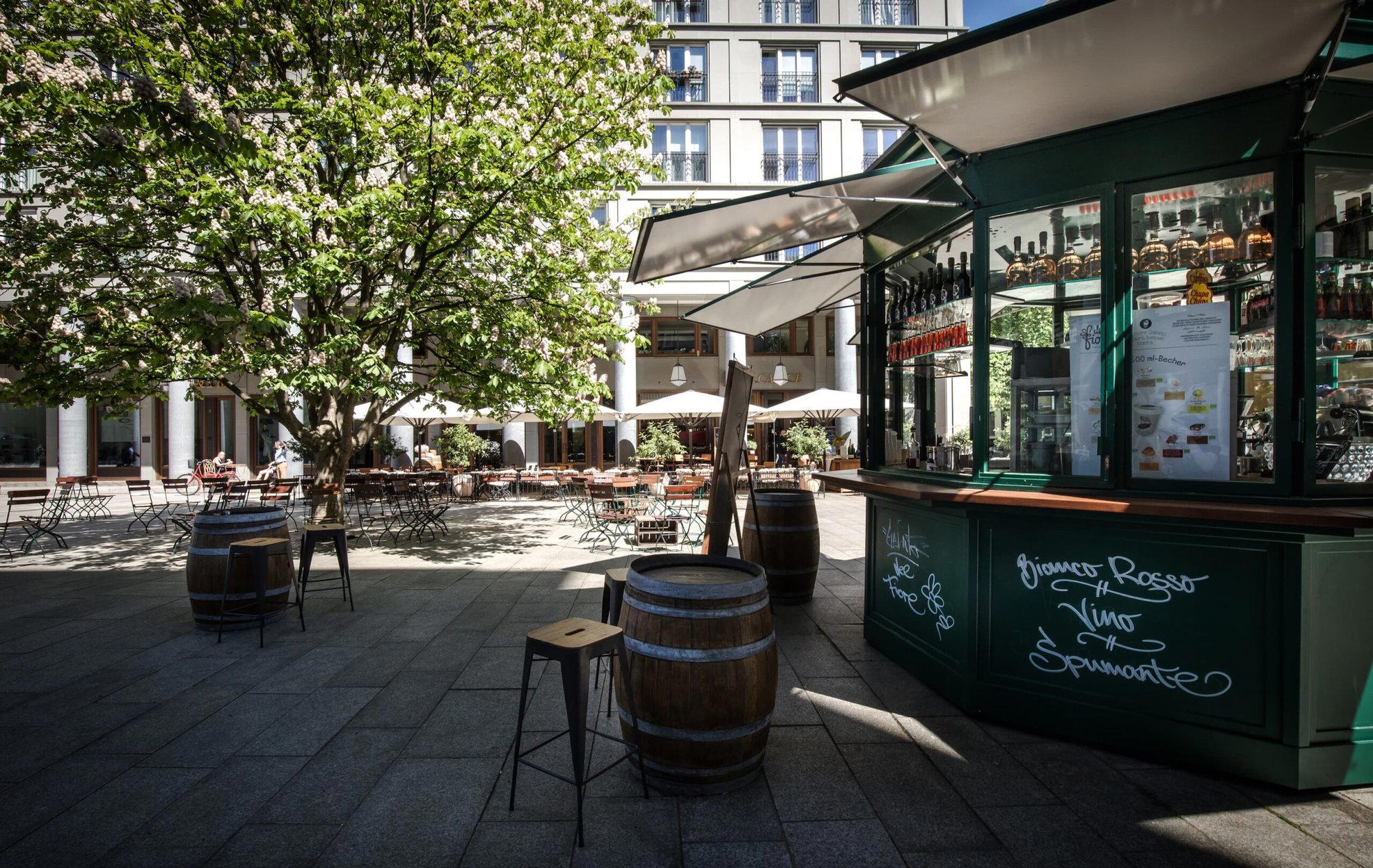
Funky and casual atmosphere with indoor and outdoor seating options suitable for relaxed sharing meals.