
A Michelin Plate-recognised Cantonese restaurant in Guangzhou's Yuexiu district, Liang Jia Cai Guan operates at the accessible end of the city's serious Chinese dining tier. Set within the commercial precinct of Fuli Dongshan Xintiandi, it draws locals and visitors seeking traditional Cantonese cooking without the price escalation of the hotel fine-dining circuit.
Pearl is the En Primeur Club membership app — saves, bookings, and concierge access live there. Same editors, same standards.
- Address
- China, CN 广东省 广州市 越秀区 富力东山新天地F区商业街 2 层 邮政编码: 510600
- Phone
- +86 20 8092 6002
- Directions
- Get directions
 Saves & bookings on Pearl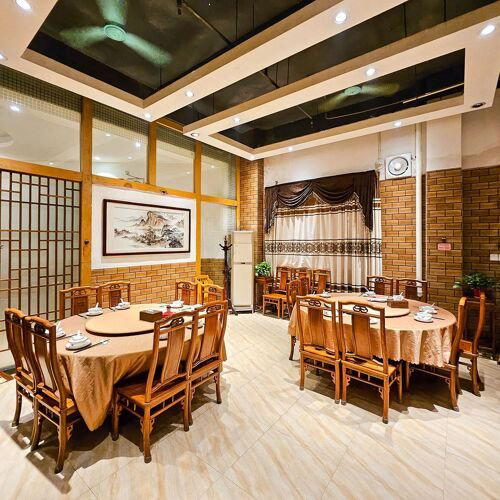
Cantonese at Street Level: The Case for Yuexiu's Neighbourhood Circuit
Guangzhou's dining identity is anchored in Cantonese cooking, but where that cooking is practised matters as much as how. The city's premium end, Michelin-starred rooms inside five-star hotels, tasting menus priced against regional peers like Lai Heen or Jiang by Chef Fei, occupies one tier. Below it, a different ecosystem operates: neighbourhood restaurants that carry genuine Michelin recognition but price at the ¥ bracket, where the clientele is mostly Guangzhou residents rather than expense-account visitors. Liang Jia Cai Guan sits in this second tier, holding a Michelin Plate distinction in the 2025 guide while keeping prices well below the city's hotel-dining circuit. In Cantonese food terms, that combination carries weight. The Plate designation signals that Michelin inspectors found the cooking worth attention, not merely passable.
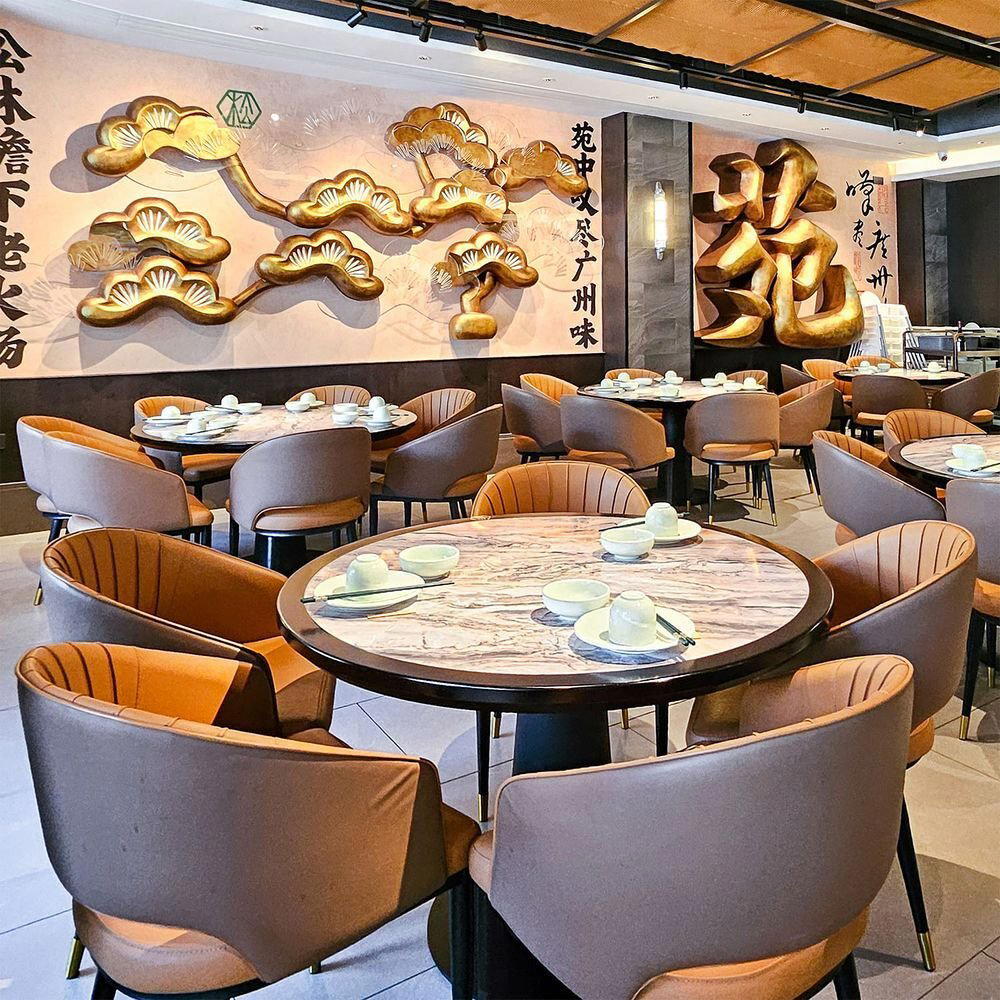
The restaurant occupies the second floor of the commercial street within Fuli Dongshan Xintiandi, a mixed retail and dining development in Yuexiu district. Yuexiu is one of Guangzhou's older urban cores, with a residential density and street-level commerce that distinguishes it from the newer, more polished precincts further south. Arriving here means passing through a neighbourhood that feels lived-in: ground-floor tea houses, street vendors, the kind of daytime foot traffic that validates a district's food credentials more reliably than any marketing campaign. The second-floor position creates a degree of separation from the street without the hermetic remove of a hotel dining room.
What the Michelin Plate Tells You About the Price Point
In China's major cities, the Michelin Plate functions as a signal that a restaurant has cleared a competence threshold without reaching the starred tier. For diners, its more practical use is identifying where serious cooking and accessible pricing coexist, a combination that in Guangzhou is less common than the city's reputation for democratic food culture might suggest. The starred restaurants here, including Imperial Treasure Fine Chinese Cuisine, Jade River, and BingSheng Mansion (Xiancun Road), occupy a ¥¥¥ or higher band. Liang Jia Cai Guan's ¥ pricing positions it as the entry point within the Michelin-recognised stratum, which in practice means it competes for the same Cantonese kitchen tradition at a fraction of the cost.
Across the wider Chinese dining scene, Cantonese restaurants operating at this intersection of recognition and affordability tend to draw a specific crowd: locals who trust the cuisine, younger diners cross-referencing guides, and travellers who have done enough research to look beyond the obvious hotel options. For context on how Cantonese cooking at different price tiers reads in peer cities, Forum in Hong Kong and Le Palais in Taipei represent what the cuisine looks like when it reaches the upper end of formality and price. Liang Jia Cai Guan argues a different point entirely.
Cantonese Cooking and the Question of Beverage Pairing
The editorial angle on wine at a ¥-bracket Cantonese restaurant in Guangzhou requires some reframing. Classical Cantonese cuisine, built around clean stock reductions, restrained seasoning, and technique that respects primary ingredient flavour rather than masking it, pairs more naturally with wine than almost any other major Chinese regional tradition. The challenge at the accessible price tier is that cellar investment and sommelier programming rarely match the kitchen's discipline. At restaurants like Liang Jia Cai Guan, the beverage story is typically written by the customer rather than the house: diners bringing their own selections, or choosing from a short list weighted toward domestic Chinese wine and tea rather than a curated international cellar.
That is not a criticism. In Guangzhou's mid-tier Cantonese dining, the absence of a deep wine program is a structural feature of the price model, not a gap in ambition. The serious cellar investment happens at the hotel dining level: rooms where the sommelier tier and the kitchen tier are priced together. For diners whose priority is beverage depth alongside Cantonese cooking, the comparison set shifts upward toward Guangzhou's starred circuit or toward cities with more developed Cantonese fine-dining infrastructure. For reference on how the tradition travels, Chef Tam's Seasons in Macau and Dai Yuet Heen in Nanjing show how Cantonese cooking is handled in other Pearl River Delta-adjacent cities with different hospitality contexts.
Guangzhou's Broader Dining Circuit and Where This Fits
Guangzhou occupies a specific position in mainland Chinese fine dining: it is the origin city for Cantonese cooking, which means local diners have high baseline expectations and low tolerance for technique that departs from tradition without earning the departure. That standard applies at every price tier. The city's Michelin Plate restaurants are evaluated against the same cultural benchmark as the starred rooms, even if the price and format are entirely different. Compared to how neighbourhood Cantonese dining functions in other Chinese cities, Ru Yuan in Hangzhou or 102 House in Shanghai, both operating in non-Cantonese culinary traditions at similar recognition tiers, the restaurant benefits from being located in the cuisine's home territory, where ingredient sourcing and supply chain familiarity are structural advantages.
For Cantonese diners planning a trip around a single city that concentrates the tradition at multiple formats, Guangzhou remains the reference point against which places like Xin Rong Ji in Beijing and Xin Rong Ji in Chengdu are measured.
Planning a Visit
The restaurant is located on the second floor of the Fuli Dongshan Xintiandi commercial precinct in Yuexiu district, with a postal code of 510600. As a ¥-bracket Cantonese restaurant with Michelin recognition, the practical calculus on timing is direct: weekday lunches will draw a local crowd and carry the characteristic Guangzhou rhythm of the yum cha tradition, while weekend evenings tend to fill earlier at restaurants in this tier. The Michelin Plate designation in the 2025 guide reflects current standing, making the autumn and winter seasons, when many Cantonese kitchens operate at their strongest, with seasonal ingredients at peak availability, a reasonable window to prioritise.
Peers Worth Knowing
Comparable venues nearby, for context on price, style, and recognition.
| Venue | Cuisine | Price | Notes |
|---|---|---|---|
| Liang Jia Cai GuanThis venue — the venue you are viewing | Traditional Cantonese | $ | Not listed |
| Hua Ge Si Chu | Traditional Hakkanese Cantonese | $ | Guangzhoushi |
| Beiyuan Cuisine | Traditional Cantonese Dim Sum | $$ | Guangzhoushi |
| FT · Bak Kut Teh | Singaporean Bak Kut Teh | $ | Guangzhoushi |
| Enning Liu Fu Ji (Donghua East Road) | Traditional Cantonese Noodles | $$ | Guangzhoushi |
| Song Yuan | Traditional Cantonese with Claypot Specialties | $$ | Guangzhoushi |
Recognition history
Dated appearances from independent guides and award organizations, with the underlying list record or original source where available.
Michelin Plate
Michelin
Continue exploring
More in Guangzhou
Restaurants in Guangzhou
Browse all →
Bars in Guangzhou
Browse all →
At a Glance
- Rustic
- Classic
- Casual Hangout
- Group Dining
- Family
- Standalone
- Local Sourcing