

A Michelin Bib Gourmand recipient in both 2024 and 2025, Hua Ge Si Chu operates from a heritage address on Guangfu North Road in Guangzhou's Liwan District, serving Cantonese cooking at a price point that makes it one of the more accessible Michelin-recognised tables in the city. The kitchen is led by Philippe Augé, a rare instance of a Western-trained chef anchoring a traditional Cantonese format in one of China's most demanding dining cities.
Pearl is the En Primeur Club membership app — saves, bookings, and concierge access live there. Same editors, same standards.
- Address
- 443 Guangfu N Rd, Liwan District, Guangzhou, Guangdong Province, China, 510145
- Phone
- +86 20 8187 9777
- Website
- s.openrice.com
- Directions
- Get directions
 Saves & bookings on Pearl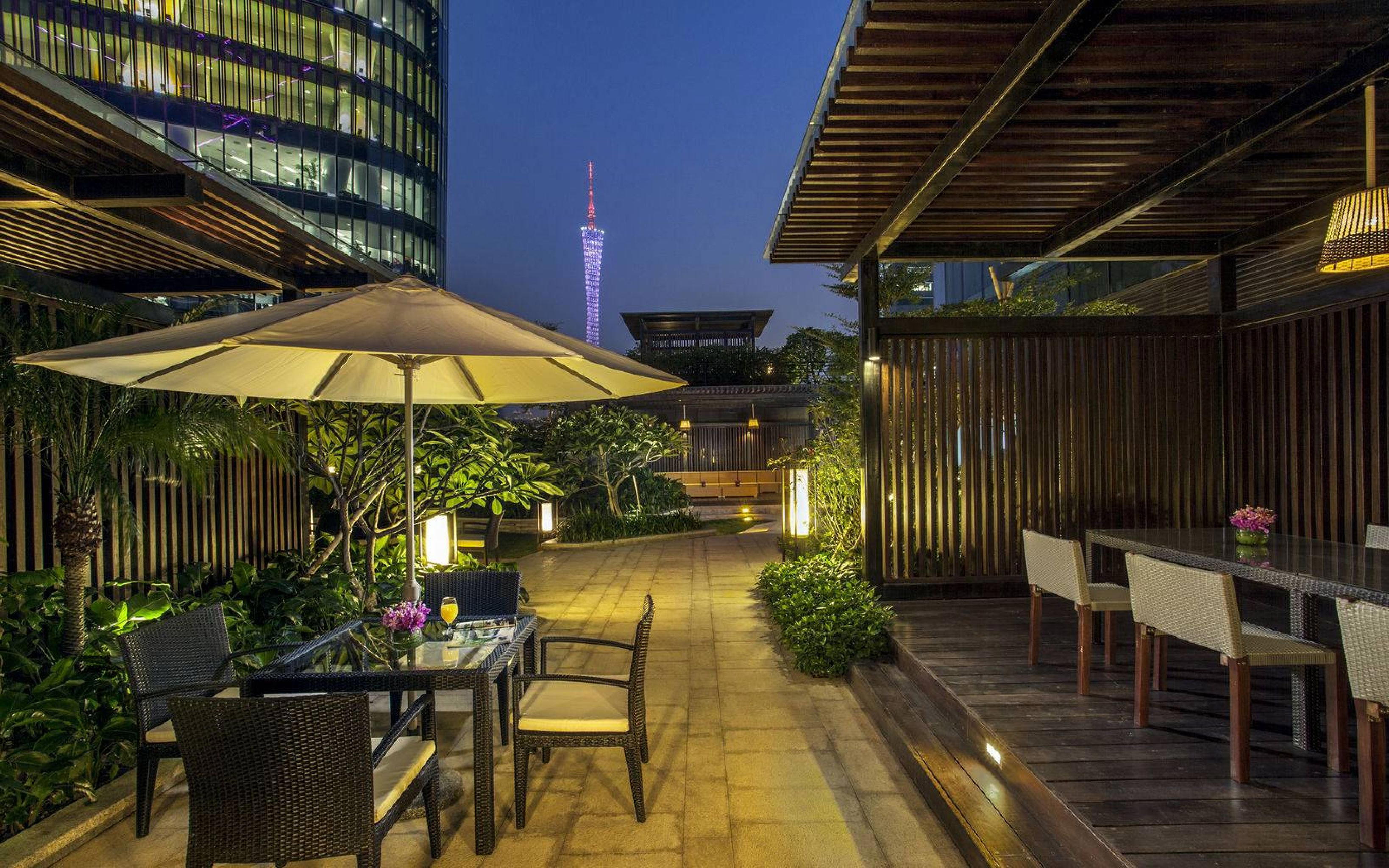
Guangfu North Road and the Cantonese Kitchen at Its Most Honest
Liwan District has been the commercial and cultural spine of old Guangzhou for centuries, and Guangfu North Road carries that history in its shophouse facades and the particular density of its street-level food culture. The neighbourhood sits west of the Pearl River, far enough from the financial towers of Tianhe to maintain its own tempo. Restaurants here tend to work harder for their recognition because the local clientele, Cantonese speakers with long institutional memory for what good food should taste like, are among the least forgiving dining audiences in China. It is in this context that Hua Ge Si Chu, at number 443, has earned consecutive Michelin Bib Gourmand recognition in 2024 and 2025.
The Bib Gourmand designation is a meaningful distinction, and in Guangzhou it carries particular weight. Michelin's inspectors award it to kitchens that deliver quality noticeably above expectation relative to price, and in a city where the ¥¥¥ tier is occupied by rooms like Imperial Treasure Fine Chinese Cuisine (two Michelin stars) and Jiang by Chef Fei, a Bib Gourmand at the ¥ price tier positions Hua Ge Si Chu as a different kind of proposition entirely. It is a Cantonese kitchen doing what Guangzhou does better than anywhere else in China: making good food from fresh ingredients without theatrical distraction.
The Logic of Live Seafood in a Cantonese Kitchen
To understand what Hua Ge Si Chu is doing, it helps to understand the structural role of live seafood selection in Cantonese dining culture. Across the city's traditional restaurants, from the private rooms of Lai Heen to the banquet halls of BingSheng Mansion, tanks positioned at the entrance or along a corridor allow guests to select live fish, crustaceans, and shellfish before being seated. The selection, and the kitchen's handling of it, is the measure of the restaurant. This is not theatre in the performative sense. It is a quality-control system embedded in the dining format: what is alive at the point of selection cannot have been frozen or mishandled, and the market-weight pricing that typically accompanies tank selection rewards kitchens that source well and turn stock quickly.
At the ¥ price point, maintaining that standard of live product requires either tight sourcing relationships or proximity to supply. Liwan District's position in older Guangzhou, close to traditional wet markets and the supply networks that feed the city's restaurant trade, makes this achievable at a cost structure that formal hotel dining rooms cannot replicate. The freshness theatre that higher-end venues stage as a premium differentiator is, in this neighbourhood and at this price tier, simply how things are done.
Philippe Augé in the Cantonese Context
The presence of Philippe Augé as chef at the restaurant is the detail that sharpens the venue's editorial interest. Western chefs working at the highest levels of Cantonese cuisine remain a small group, and those who earn Michelin recognition in Guangzhou, where the inspector's frame of reference for what Cantonese cooking should taste like is informed by one of the world's most sophisticated local dining cultures, face a specific kind of scrutiny. The back-to-back Bib Gourmands suggest the kitchen is meeting that standard on its own terms rather than as a novelty.
It is worth placing this against the broader geography of high-end Cantonese. In Macau, Jade Dragon and Chef Tam's Seasons represent Cantonese cooking at its most formal and expensive. In Hong Kong, Forum occupies the long-established institutional tier. Guangzhou's version of the cuisine tends to be less ornamented and more technically demanding, because the audience knows the tradition from the inside. The restaurant earns its recognition in that harder room.
Where It Sits in Guangzhou's Dining Range
Guangzhou's Michelin-recognised dining has a clear internal hierarchy. At the formal end, Jade River and Imperial Treasure occupy the multi-star tier. The Bib Gourmand tier, where the restaurant sits, is crowded but competitive, and back-to-back appearances on the list signal consistency rather than a single strong year. The ¥ price range places it well below the ¥¥¥ tables that define Guangzhou's formal Cantonese tier, making it one of the few Michelin-endorsed addresses in the city where the bill does not require advance financial planning.
A meal at the restaurant alongside a booking at a ¥¥¥ table gives a more complete picture of what Cantonese cooking does across contexts than any single formal dinner can provide.
Cantonese cooking in its home city is also worth tracing across other regional platforms: Xin Rong Ji in Beijing, 102 House in Shanghai, Ru Yuan in Hangzhou, Xin Rong Ji in Chengdu, and Dai Yuet Heen in Nanjing each show how the tradition travels and adapts.
Planning a Visit
The restaurant is at 443 Guangfu North Road in Liwan District, a part of the city most efficiently reached by metro on the Line 6 corridor that serves the historic western districts. The ¥ price tier means a full meal is unlikely to strain even a conservative daily budget, which in practice makes walk-in attempts more viable here than at the Bib Gourmand tables that occupy higher price tiers and attract correspondingly more competition for seats.
Cuisine-First Comparison
Comparable venues nearby, for context on price, style, and recognition.
| Venue | Cuisine | Price | Awards | Notes |
|---|---|---|---|---|
| Hua Ge Si ChuThis venue — the venue you are viewing | Traditional Hakkanese Cantonese | $ | Bib Gourmand | Not listed |
| Rong Yi Fa Niu Za Dian (Shishu Road) | Traditional Cantonese Beef Offal Noodles | $ | Bib Gourmand | Guangzhoushi |
| Hunan Cuisine | Hunanese | $$ | Bib Gourmand | Guangzhoushi |
| Chao Ji Claypot Rice (Liwan) | Cantonese Claypot Rice | $ | Michelin Plate | Guangzhoushi |
| FT · Bak Kut Teh | Singaporean Bak Kut Teh | $ | Bib Gourmand | Guangzhoushi |
| Da Ge Fan (Tangxiayong West Road) | Modern Teochew Chinese | $$ | Bib Gourmand | Guangzhoushi |
Recognition history
Dated appearances from independent guides and award organizations, with the underlying list record or original source where available.
Michelin Bib Gourmand
Michelin
Black Pearl 1 Diamond
Black Pearl
Michelin Bib Gourmand
Michelin
Michelin Bib Gourmand
Michelin
Continue exploring
More in Guangzhou
Restaurants in Guangzhou
Browse all →
Bars in Guangzhou
Browse all →

At a Glance
- Classic
- Rustic
- Casual
- Family
- Group Dining
- Casual Hangout
- Standalone
- Local Sourcing
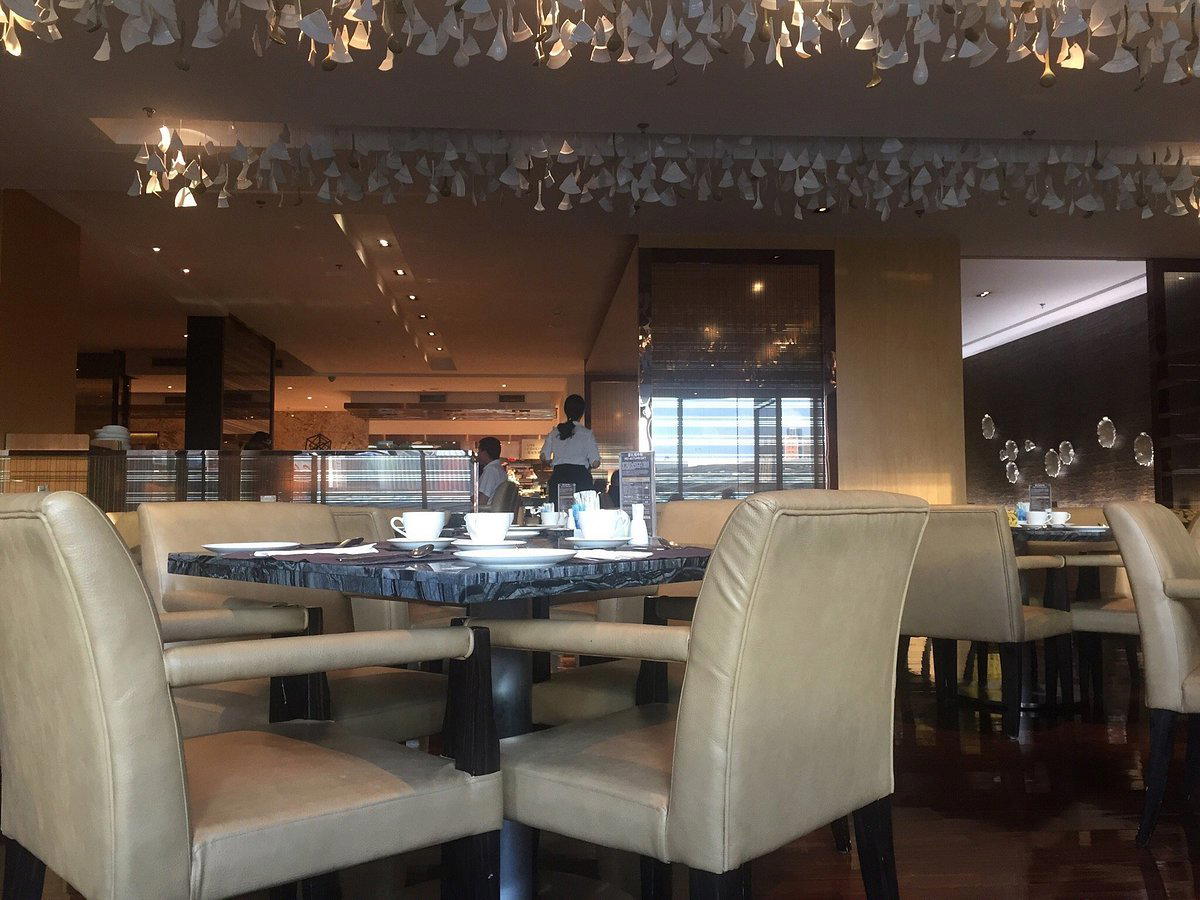
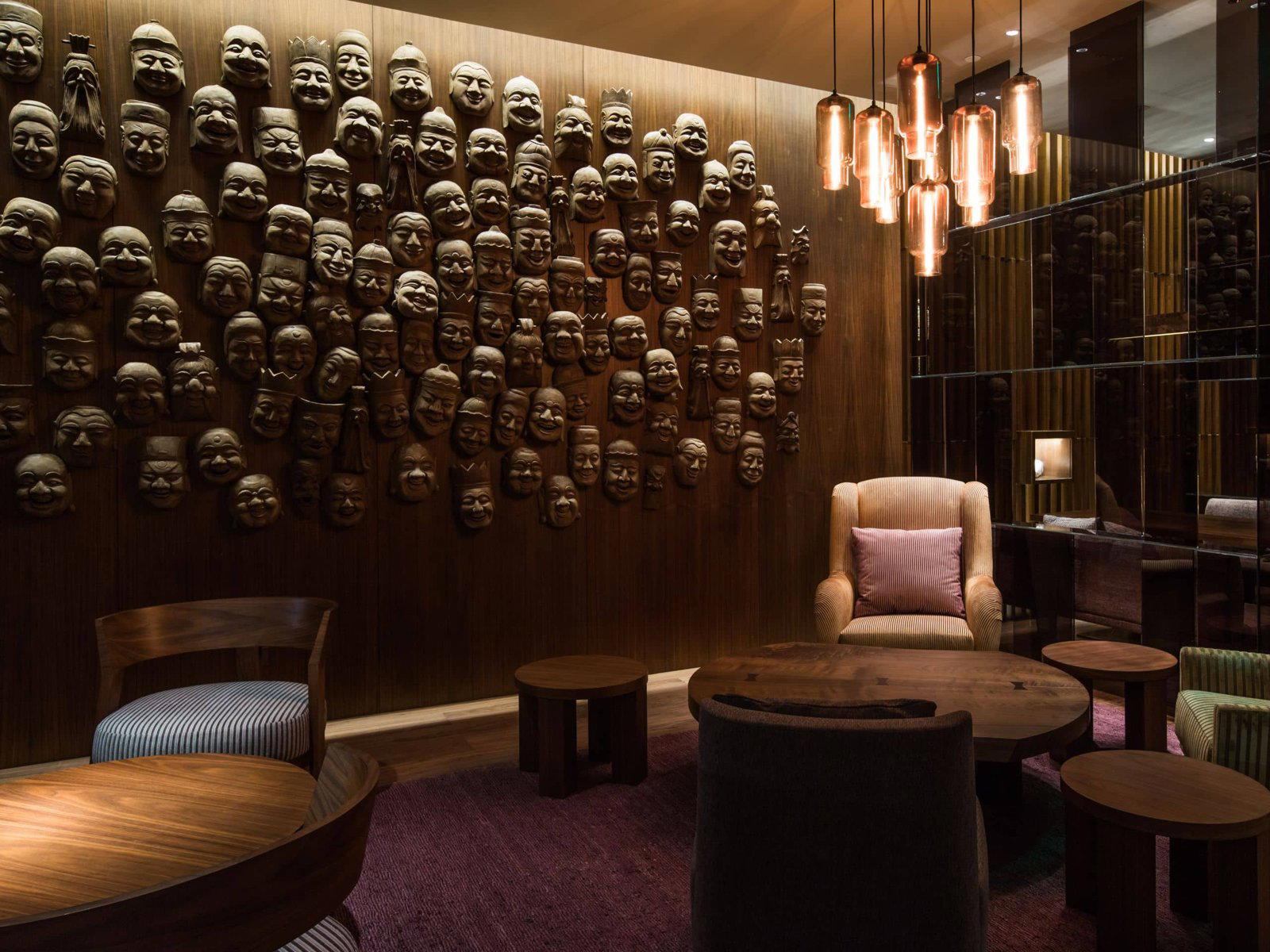
Old-style but pleasant dining environment with traditional Cantonese restaurant charm; clean and comfortable setting suitable for casual family meals and group dining.