.png)
Song Yuan holds a 2025 Michelin Bib Gourmand in Guangzhou's Haizhu District, placing it in the mid-price tier of the city's Cantonese dining scene. The recognition signals honest, well-executed cooking at accessible prices — a category where Guangzhou's standards are among the highest in China. For visitors tracking value-led Cantonese alongside the city's starred rooms, Song Yuan is a relevant data point.
 Discover on Pearl
Pearl is the En Primeur Club membership app — saves, bookings, and concierge access live there. Same editors, same standards.
- Address
- China, Guangdong Province, Guangzhou, Haizhu District, 376, 东北方向190米 邮政编码: 510310
- Phone
- +86 189 2239 9021
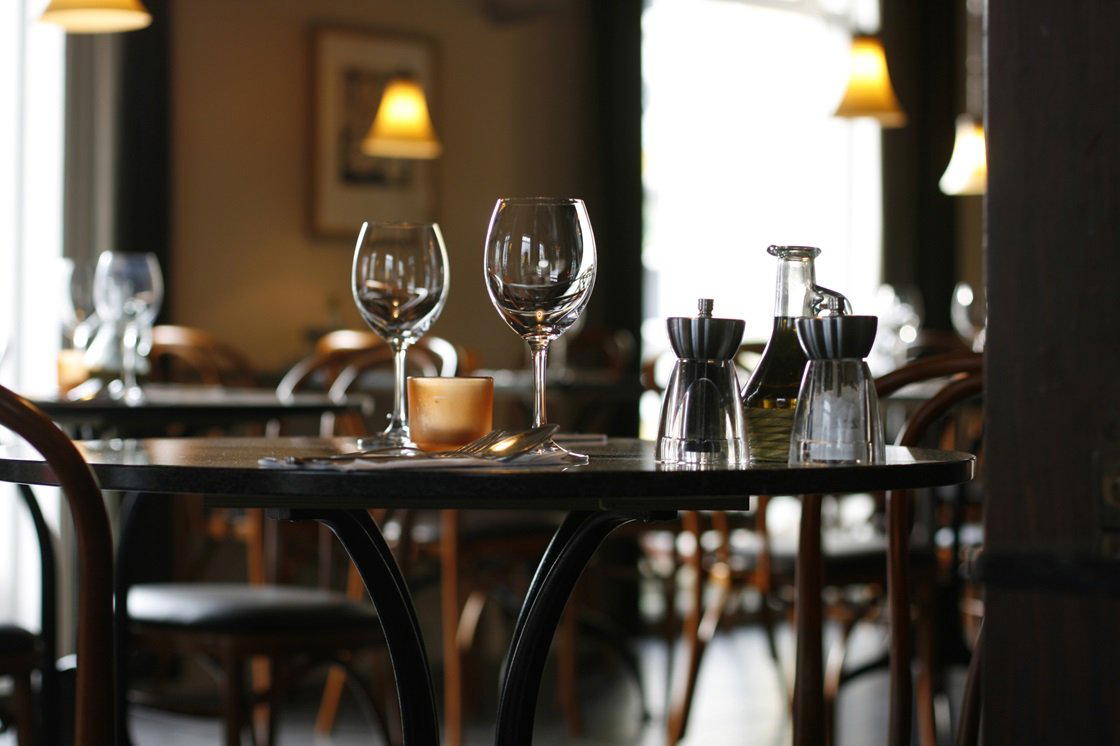
Haizhu and the Everyday Cantonese Standard
Song Yuan is a restaurant in Guangzhou, Guangdong, recognized by Michelin Bib Gourmand in 2025 and priced at about ¥¥, or roughly US$50 per person. Guangzhou's dining reputation rests less on its formal banquet rooms than on the density and consistency of its neighbourhood cooking. Haizhu District sits south of the Pearl River, away from the glossier commercial corridors of Tianhe, and its restaurant scene reflects a more local-facing character: higher turnover, sharper pricing, and a clientele that measures a kitchen against lifelong familiarity with the cuisine. Song Yuan operates in that context. Its 2025 Michelin Bib Gourmand recognition places it in a specific, well-defined category — not the white-tablecloth circuit occupied by Imperial Treasure Fine Chinese Cuisine or Jiang by Chef Fei, but the tier where Cantonese technique is applied without ceremony or significant markup.
The Bib Gourmand designation, which Michelin awards for quality cooking at moderate prices, carries real weight in a city this competitive. Guangzhou has more Cantonese restaurants per square kilometre than anywhere else in China, and the inspectors who awarded Song Yuan in 2025 were working against that full field. The ¥¥ price range confirms the positioning: this is a room where two people can eat well at moderate cost.
The Live Seafood Dimension
In Cantonese cooking, the seafood tank is not a decorative feature — it is a statement of kitchen philosophy. Live holding requires infrastructure, sourcing relationships, and daily management that simpler operations skip. When a mid-price Cantonese restaurant maintains that standard, it signals a kitchen that takes freshness as a baseline rather than a premium add-on.
The tradition runs deep across the Pearl River Delta. At the formal end, restaurants like BingSheng Mansion (Xiancun Road) and Jade River offer live selection at market-weight pricing as a matter of course, where the guest selects from tanks and pays by the gram. That model, transparent, ingredient-led, dependent on supply chain integrity, is one of the defining characteristics of serious Cantonese dining at any price point. A Bib Gourmand recognition in this city almost always implies a kitchen that handles seafood with the same care as its more expensive peers, because the local diner would accept nothing less.
What changes between the tiers is not the principle but the species range and the room's formality. The live seafood culture that anchors Lai Heen at the luxury end operates on the same logic as the tanks at a Haizhu neighbourhood restaurant: proximity to supply, daily turnover, and the understanding that a fish cooked within hours of the water tastes categorically different from one that has been chilled in transit.
Where Song Yuan Sits in Guangzhou's Cantonese Hierarchy
Guangzhou's Cantonese scene in 2025 is broadly split into three operating tiers. At the leading, hotel-anchored and destination restaurants charge ¥¥¥ to ¥¥¥¥ and compete on pedigree, service, and imported or rare ingredients. In the middle, neighbourhood institutions like Song Yuan hold Michelin recognition without changing their fundamental value proposition. Below that, the city's countless tea houses and roast-meat shops operate outside formal recognition entirely but remain essential to how Guangzhou eats.
Song Yuan's Bib Gourmand places it at the upper end of that middle tier. The Michelin guide's threshold for the designation is cooking good enough to warrant a special journey, not just a convenient nearby meal. In Guangzhou, where the competition for that assessment is severe, the award functions as a stronger signal than it might in a less saturated market.
For comparison across China's Cantonese diaspora, the tradition that Song Yuan represents in Guangzhou finds parallel expressions in other cities: Dai Yuet Heen in Nanjing and Chef Tam's Seasons in Macau both carry the cuisine into different regional contexts, while Forum in Hong Kong and Le Palais in Taipei represent how the tradition travels and adapts across Greater China. The source, however, remains Guangdong, and within Guangdong, Guangzhou is the reference point against which all of those addresses are ultimately measured.
What the Price Point Actually Means
A ¥¥ designation in Guangzhou's context typically means a meal in the range of ¥100 to ¥200 per person, though exact prices are not published. At that level, the kitchen's choices about sourcing are constrained in ways that a ¥¥¥¥ operation's are not, which makes the Bib Gourmand recognition more telling, not less. It reflects cooking that extracts strong results from ingredients at accessible price points, a skill that is arguably harder to sustain than luxury-ingredient cookery where the product carries most of the weight.
Cantonese cuisine has a long tradition of making this argument through technique: the wok breath (wok hei) that can only be achieved at high heat with seasoned equipment, the steaming timing that separates a silky fish from an overcooked one, the stock work that underlies dishes where the flavour appears simple but the base is complex. These are skills that exist independently of price tier, and a Michelin inspector looking for them at a neighbourhood address in Haizhu is applying the same criteria as one evaluating a banquet room in Tianhe.
Planning a Visit
Given the Bib Gourmand recognition and the neighbourhood character of the area, booking ahead is advisable, particularly for weekend lunch, when Guangzhou's dim sum and Cantonese lunch culture generates heavy demand across the city's mid-range rooms. Phone and website details are not available in the current record, so reservation enquiries are leading handled through a hotel concierge or a Chinese-language booking platform. The ¥¥ price positioning means the financial commitment is low relative to the city's starred rooms, making it a logical pairing with a broader Guangzhou itinerary that might also include higher-end addresses.
Comparable Spots, Quickly
Comparable venues nearby, for context on price, style, and recognition.
| Venue | Cuisine | Price | Awards | Notes |
|---|---|---|---|---|
| Song YuanThis venue — the venue you are viewing | Traditional Cantonese with Claypot Specialties | $$ | Bib Gourmand | |
| Xiguan Zhuyuan (Lizhiwan) | Cantonese Duck-Egg Noodle Atelier | $$ | Bib Gourmand | Guangzhoushi |
| Dai Yong Town | Chao Zhou (Chaoshan) | $$ | Bib Gourmand | Guangzhoushi |
| Temple Street | Cantonese Claypot Rice | $$ | Bib Gourmand | Guangzhoushi |
| Hunan Cuisine | Hunanese | $$ | Bib Gourmand | Guangzhoushi |
| Xin Wen Ji (Panfu Road) | Cantonese Seafood Claypot | $$ | Bib Gourmand | Guangzhoushi |
Continue exploring
More in Guangzhou
Restaurants in Guangzhou
Browse all →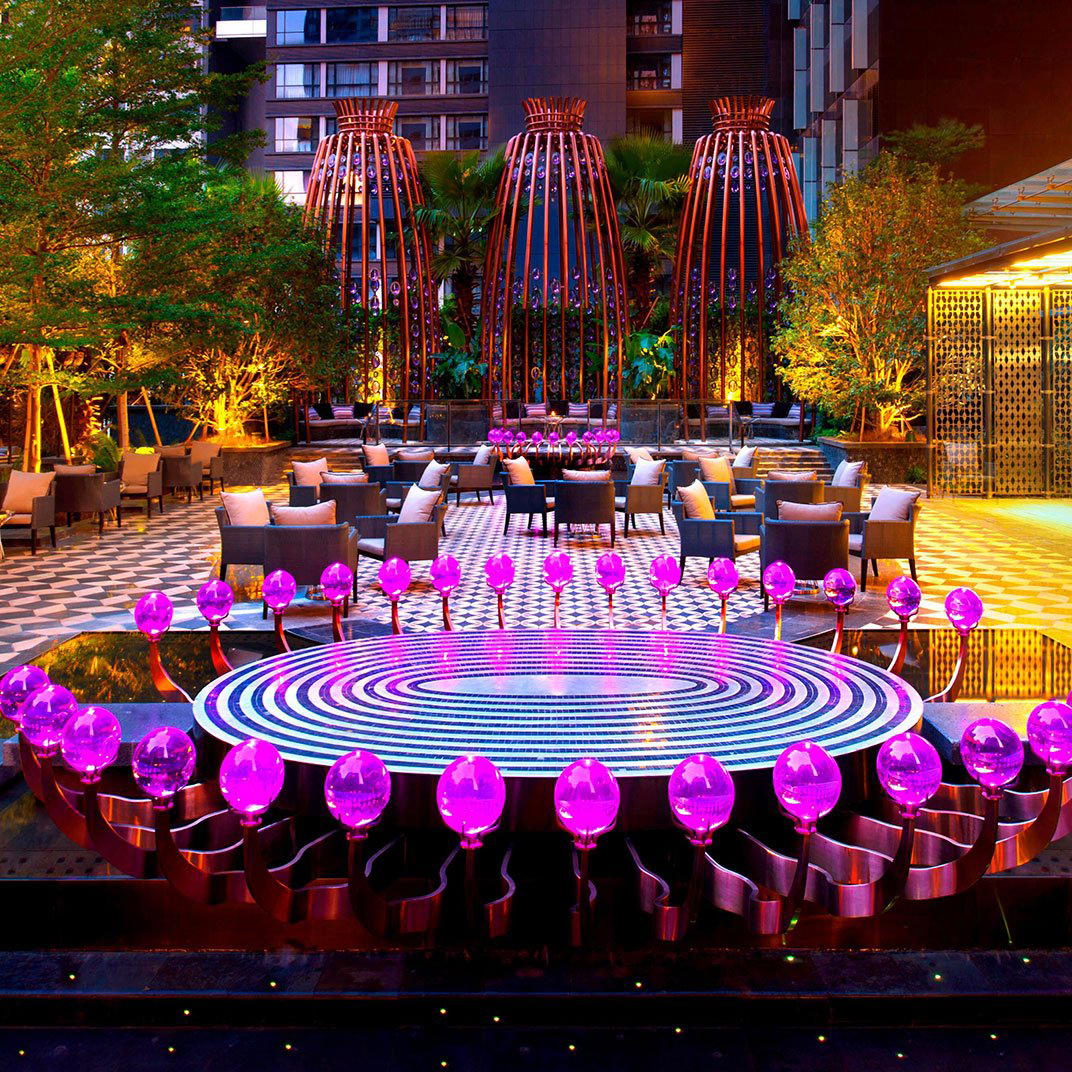
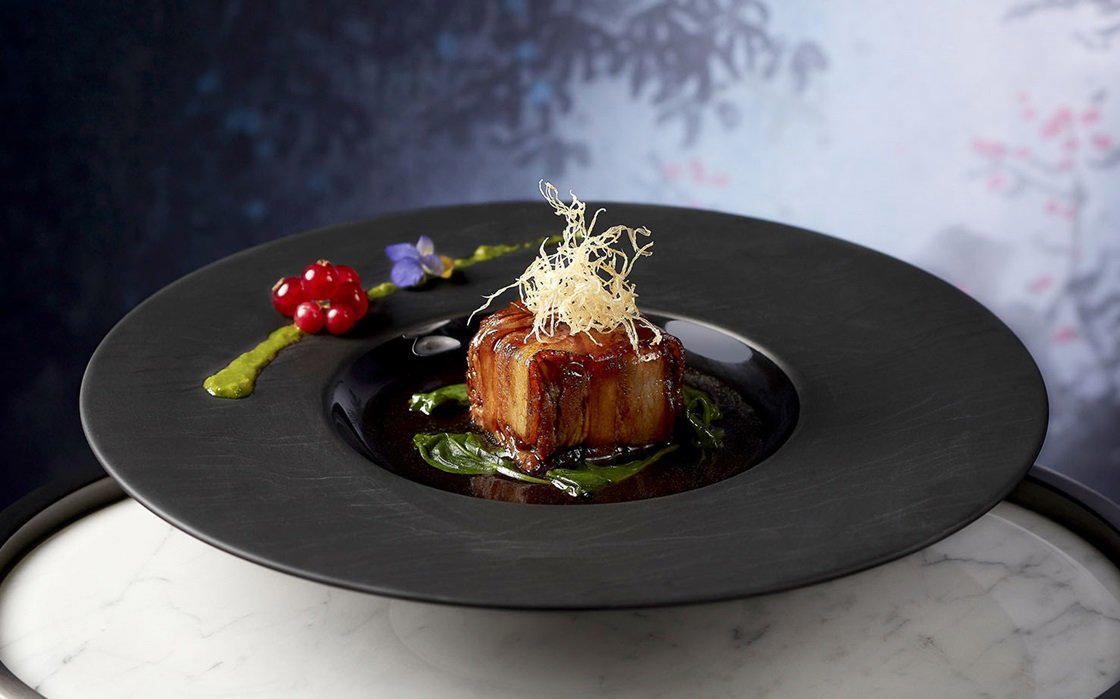
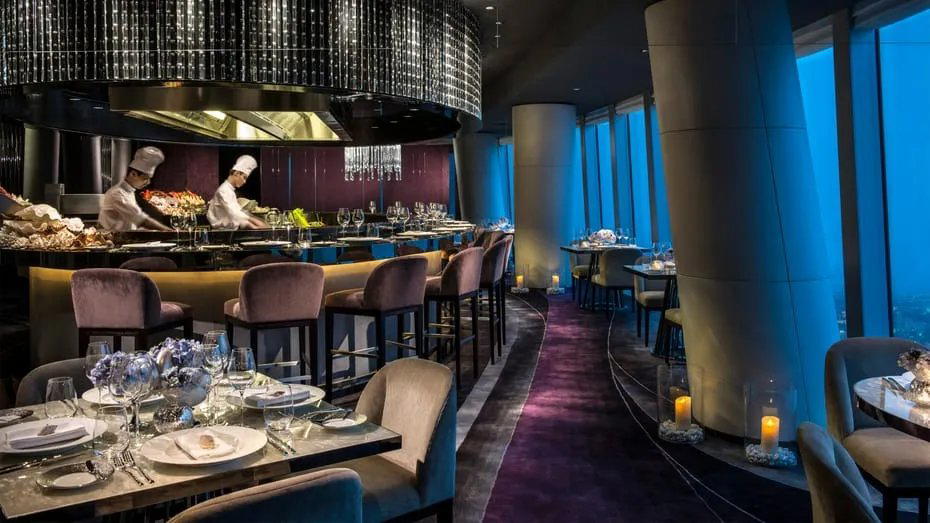
Bars in Guangzhou
Browse all →




At a Glance
- Elegant
- Sophisticated
- Quiet
- Modern
- Business Dinner
- Group Dining
- Special Occasion
- Private Dining
- Open Kitchen
- Local Sourcing
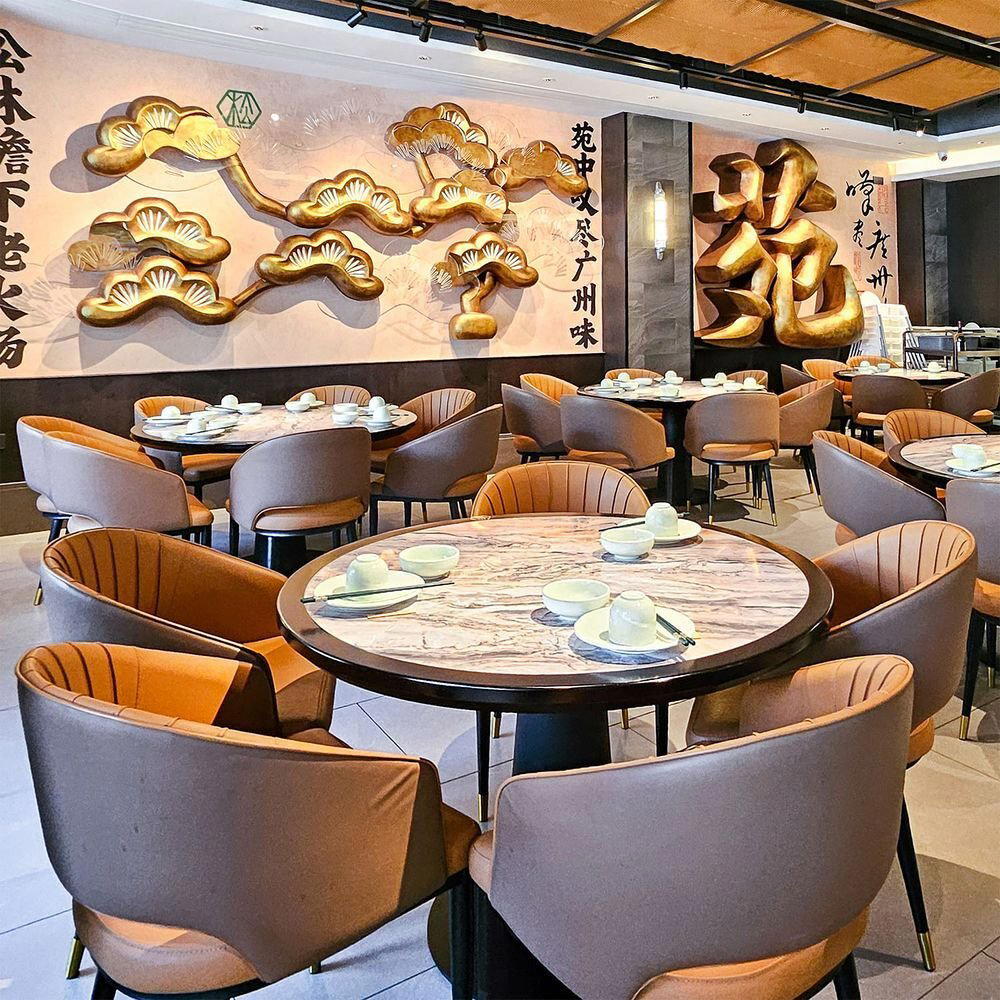
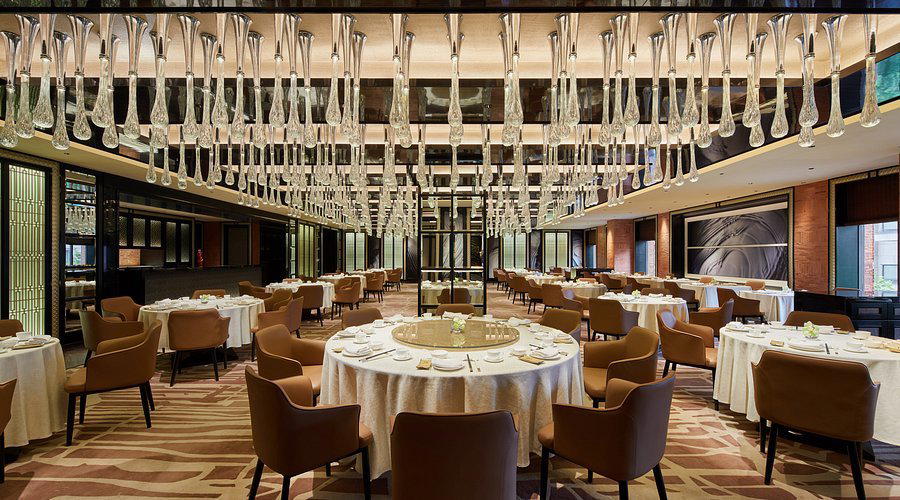
Refined and luminous with polished wood, hand-brushed textures, and tasteful porcelain accents; hushed and cocooned atmosphere that feels like a sanctuary from the city.