Levante occupies a Franz-Joseph-Straße address in Munich's Schwabing district, a neighbourhood that has long traded in Mediterranean character alongside Bavarian craft. The kitchen works at the intersection where imported technique meets local produce, a positioning that places it within a broader shift in how Munich's mid-to-upper dining tier thinks about sourcing and method. For visitors building a serious Munich itinerary, it earns consideration alongside the city's more decorated addresses.
Pearl is the En Primeur Club membership app — saves, bookings, and concierge access live there. Same editors, same standards.
- Address
- Franz-Joseph-Straße 45, 80801 München, Germany
- Phone
- +498934077788
- Website
- levante-munich.com
- Directions
- Get directions
 Saves & bookings on Pearl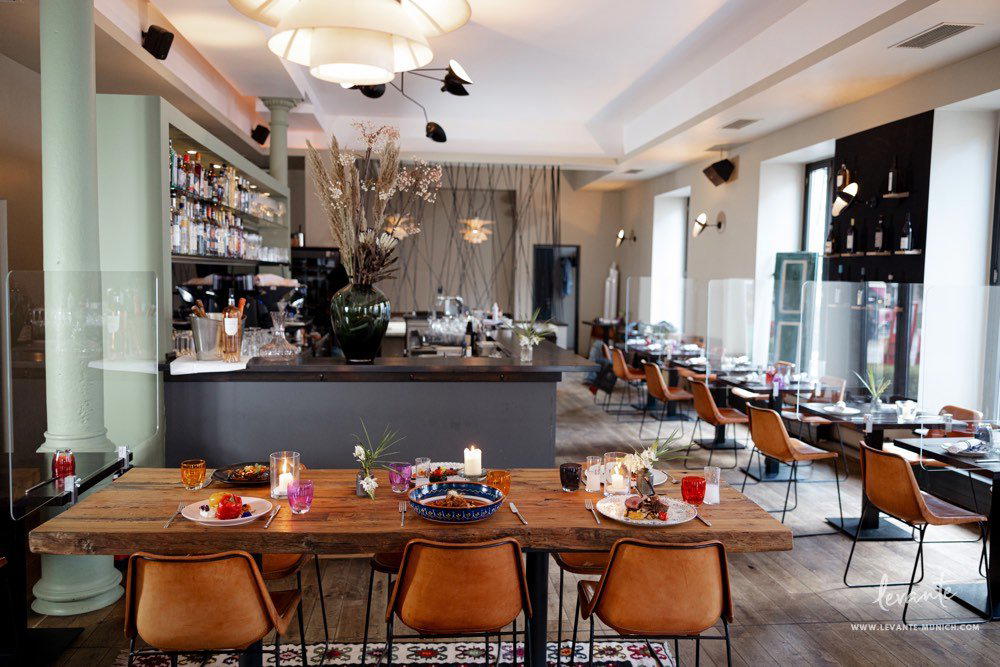
Where Schwabing's Mediterranean Instinct Meets Continental Technique
Franz-Joseph-Straße runs through one of Munich's most architecturally coherent neighbourhoods, the streets broad and lined with late-19th-century facades that give Schwabing a residential gravity absent from the tourist circuits around Marienplatz. Levante sits at number 45, and the address itself signals something about its positioning: this is a dining room serving a local clientele with specific expectations about quality and provenance, not a venue calibrated for passing trade. Munich's upper-mid dining tier has, over the past decade, grown increasingly serious about the conversation between imported culinary method and Bavarian or broader German produce, and Levante participates in that conversation from a Schwabing vantage point that carries its own cultural weight.
The Technique-Provenance Argument in Munich Dining
Across Germany's serious restaurant scene, particularly interesting creative tension is rarely about cuisine type and almost always about methodology: how much does a kitchen owe to the specific landscape it operates in, and how much does it borrow from international frameworks to make something that didn't exist before? Aqua in Wolfsburg and Vendôme in Bergisch Gladbach represent different answers, Aqua leaning into precision internationalism, Vendôme into a more grounded Franco-German register. Further south, ES:SENZ in Grassau works with Alpine produce through a lens trained partly by international experience. The pattern repeats across the country: technique travels; produce anchors.
Munich's own fine dining addresses demonstrate the same logic. Tohru in der Schreiberei applies Japanese method to German ingredients with enough rigour to hold two Michelin stars. JAN works a creative register that draws on South African formation applied to Bavarian and European product. Alois at Dallmayr and Atelier both sit at the point where French technique and Central European sourcing produce something that reads as distinctly Münchner rather than generic European. Levante, on Franz-Joseph-Straße, operates within this same framework: the name gestures toward Levantine or eastern Mediterranean reference, and the kitchen's interest appears to lie in how those flavours and methods interact with the produce available in and around Bavaria.
What the Mediterranean Register Means in a Bavarian Context
The Levantine culinary tradition, running broadly from southern Turkey through Lebanon, Syria, and the coastal eastern Mediterranean, brings with it a particular approach to acid, spice layering, and the relationship between cooked and raw components within a single dish. When that method encounters Bavarian dairy, Allgäu cheeses, Franconian vegetables, or the freshwater fish available from Bavarian rivers and lakes, the result is rarely fusion in the imprecise sense of the word. Done seriously, it produces dishes where the technique reveals something new in the local ingredient, and where the local ingredient in turn grounds the technique in something geographically specific.
This is the creative argument that particularly thoughtful practitioners in Germany's restaurant scene have been making for some years. Schwarzwaldstube in Baiersbronn and Waldhotel Sonnora in Dreis each anchor their identity in a specific regional terroir; the question for a Munich kitchen working with a Mediterranean register is whether it can achieve the same kind of rootedness, or whether it remains an interesting exercise in borrowing. The restaurants that succeed tend to be those where the kitchen has a clear position on sourcing, where the Bavarian ingredient is not a substitute for an imported one but the starting point from which the cooking reasons outward.
Comparisons to kitchens working the same intersection elsewhere in Europe sharpen the picture. Le Bernardin in New York demonstrates how a single-minded technical focus, applied with discipline, creates a coherent identity that transcends its geography. Atomix, also in New York, shows what happens when Korean technique and European fine dining structure are brought into genuine dialogue rather than superficial proximity. The lesson from both is that the technique-provenance argument only produces compelling results when the kitchen commits to it with consistency, not as a stylistic garnish.
Schwabing as a Dining Neighbourhood
Munich's dining map has historically concentrated its decorated addresses in the centre and in Maxvorstadt, but Schwabing carries its own culinary character, shaped by a residential population with strong opinions about quality and a lower tolerance for tourist-facing shortcuts. The neighbourhood's café culture and its proximity to the English Garden give it a pace distinct from the commercial districts: meals here tend to be less hurried, the clientele more repeat than first-time, and the kitchens more attentive to the kind of regular who notices when something changes. Tantris, among the more historically significant restaurants in Germany, its 1971 opening placed it at the origin point of modern German fine dining, operates on Johann-Fichte-Straße, a short distance from Levante's address, and its continued relevance shapes expectations for the whole district.
For a broader view of where Levante sits within Munich's current restaurant culture, the EP Club Munich restaurants guide covers the full range of the city's serious dining addresses, from the Michelin-decorated to the neighbourhood-essential. Within that map, Schwabing addresses tend to index toward a local-first clientele and a cooking style that prioritises produce relationships over spectacle.
Planning Your Visit
Levante is located at Franz-Joseph-Straße 45, 80801 München, in the Schwabing district. The address is accessible by U-Bahn, with Giselastraße on the U3/U6 line within comfortable walking distance. For a restaurant in this part of Munich, booking ahead is the practical approach. Visitors building a broader Germany itinerary that extends beyond Munich might cross-reference kitchens of comparable ambition: Restaurant Haerlin in Hamburg, Schanz in Piesport, Bagatelle in Trier, Victor's Fine Dining by Christian Bau in Perl, and CODA Dessert Dining in Berlin each represent a distinct point on Germany's serious dining register. Autumn and early winter tend to be the months when Bavarian produce is at its most compelling, game, root vegetables, and late-harvest dairy products give kitchens working the local-ingredient argument to work with.
Nearby-ish Comparables
Comparable venues nearby, for context on price, style, and recognition.
| Venue | Cuisine | Price | Notes |
|---|---|---|---|
| LevanteThis venue — the venue you are viewing | Levantine Mezze Bar | $$$ | Not listed |
| Cochinchina | Modern Vietnamese Fine Dining | $$$ | Schwabing |
| Magari by Geisha | Modern Asian Fusion | $$$ | Haidhausen |
| VINOTHEK by Geisel | Mediterranean & Regional Wine Bistro | $$$ | Isarvorstadt |
| Gandl | Mediterranean Bistro with Italian and French Influences | $$$ | Lehel |
| Haxnbauer | Traditional Bavarian | $$$ | Altstadt |
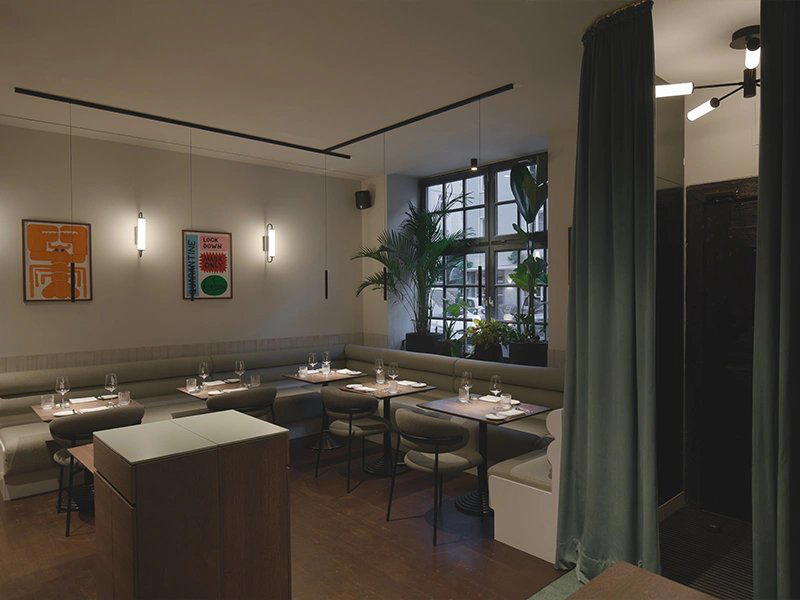
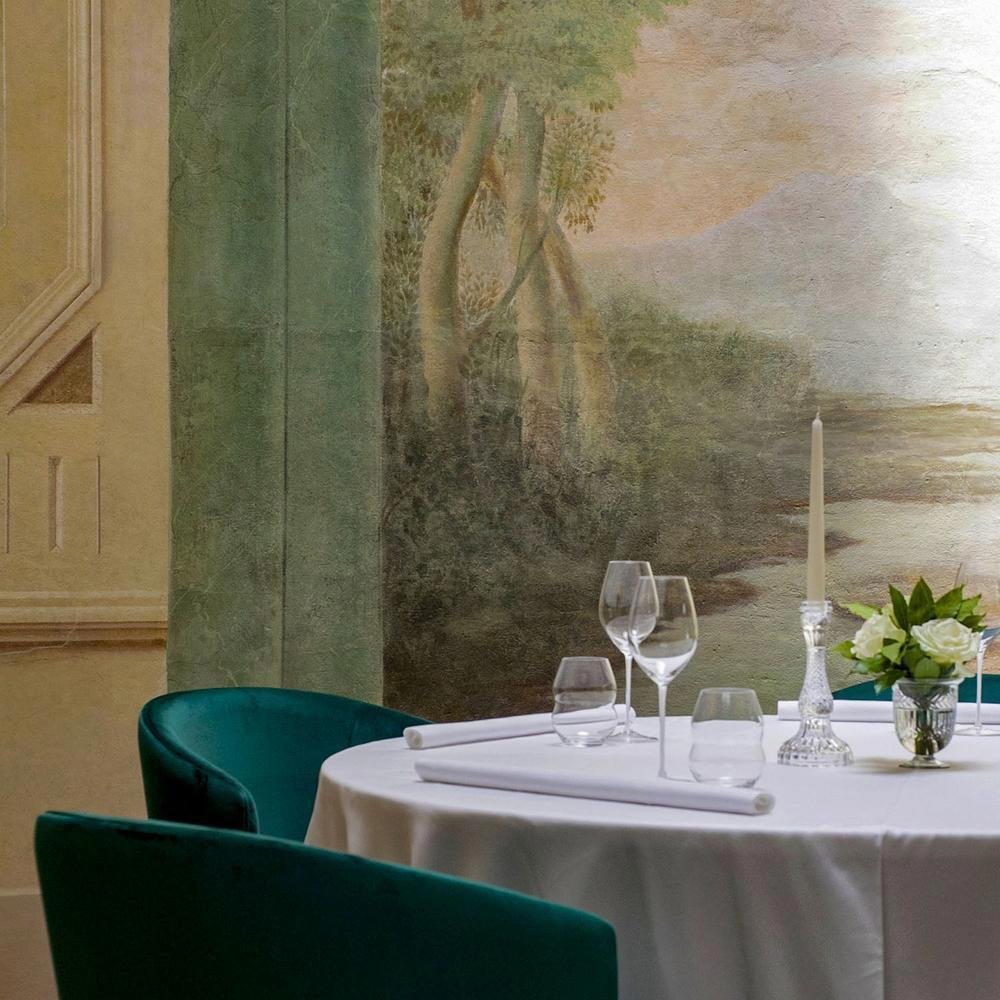
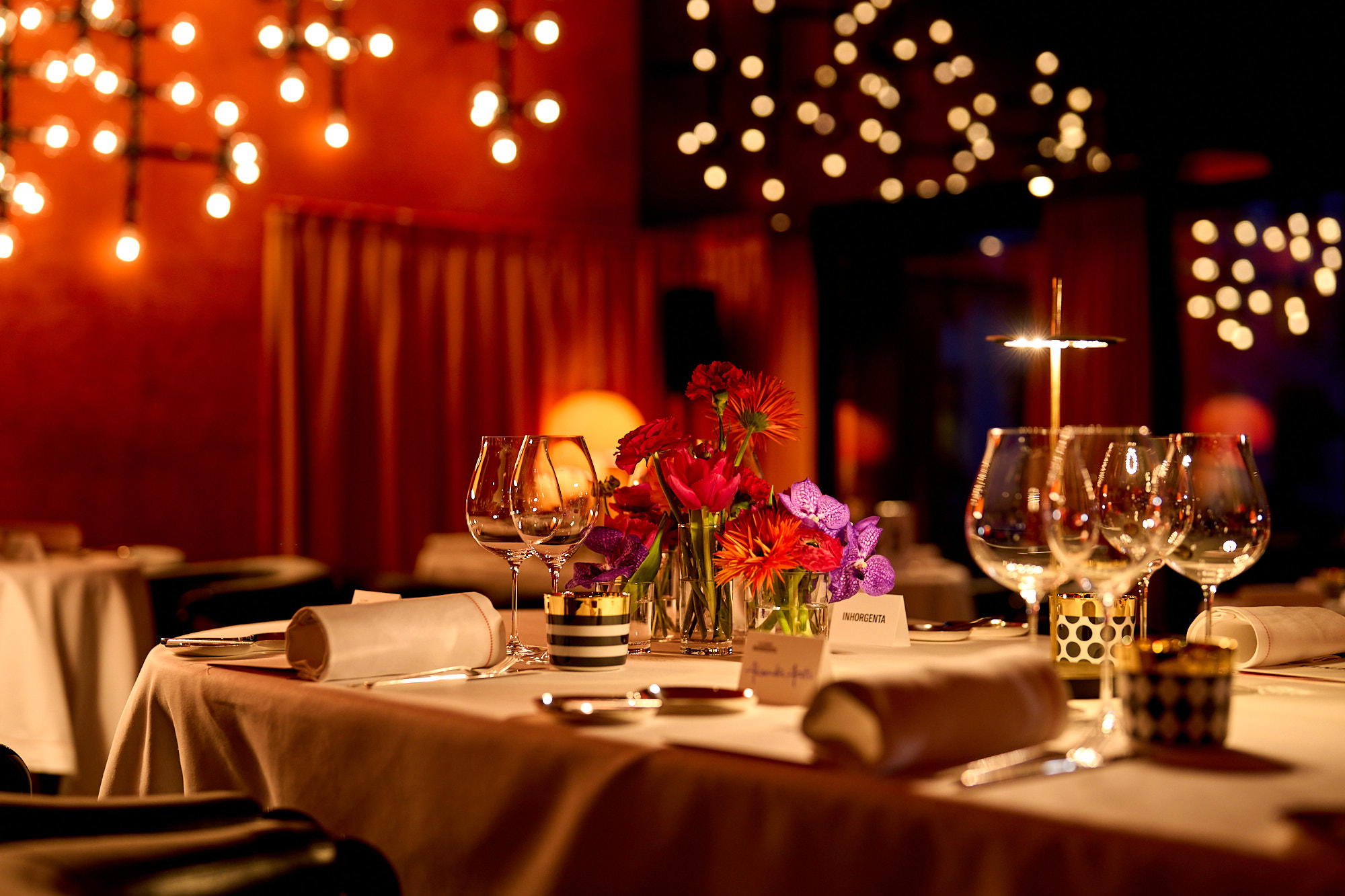
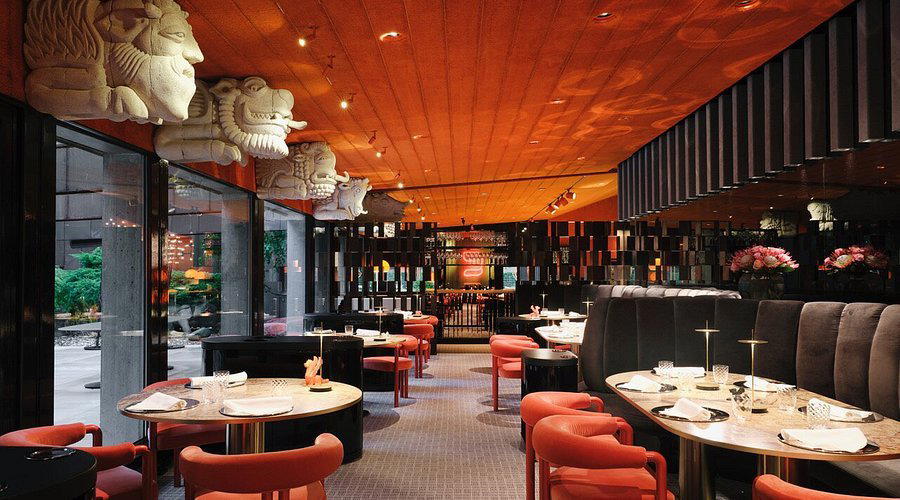
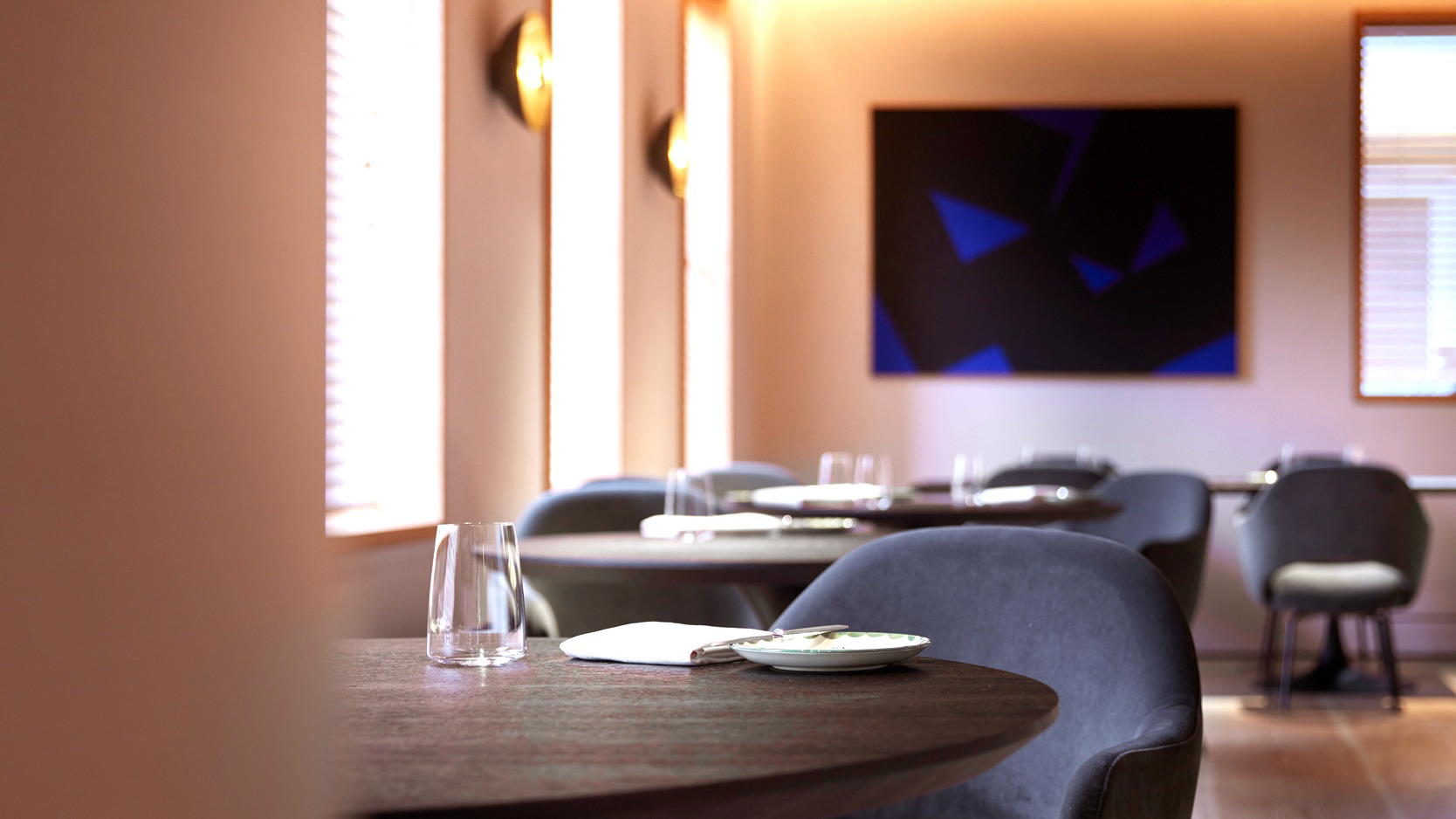
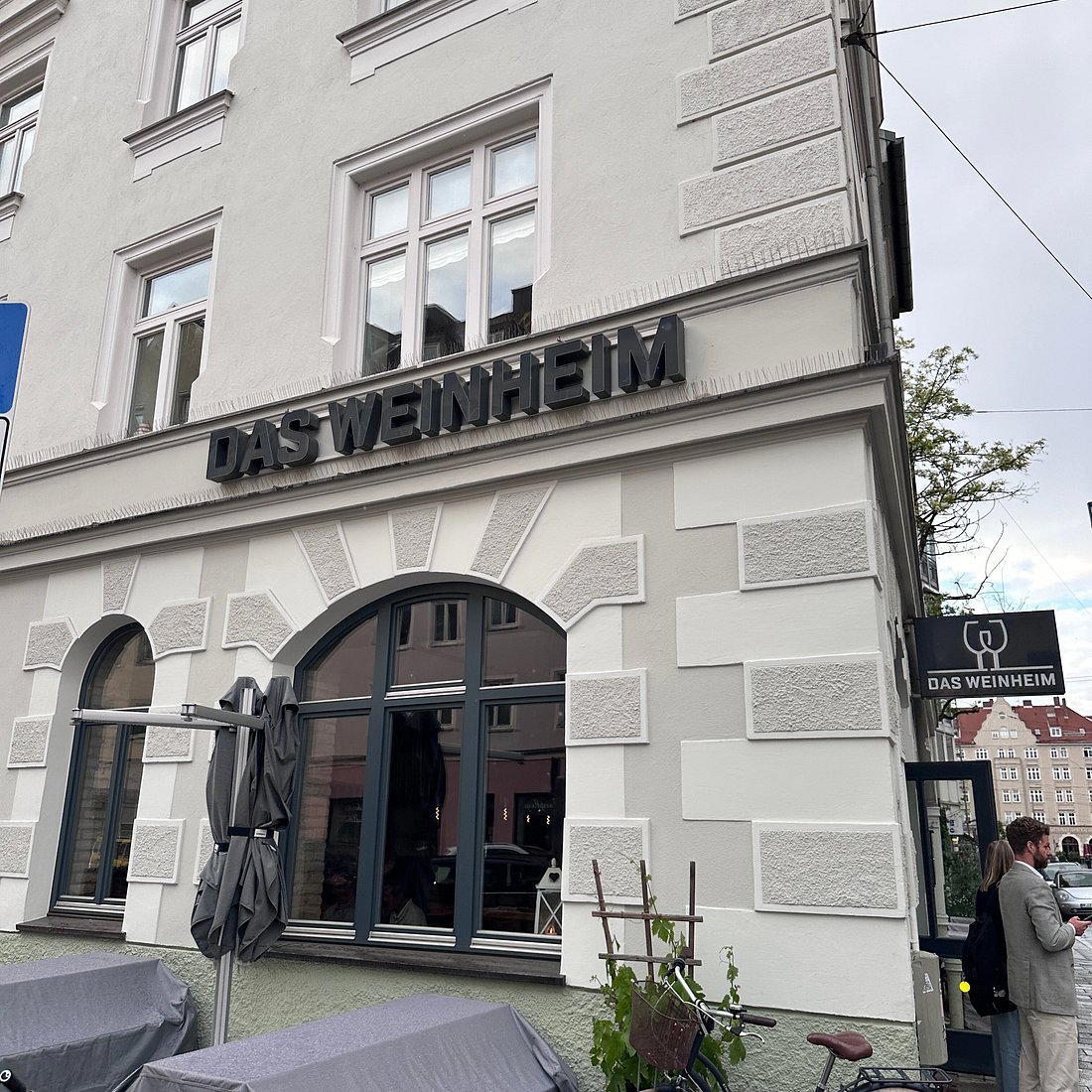
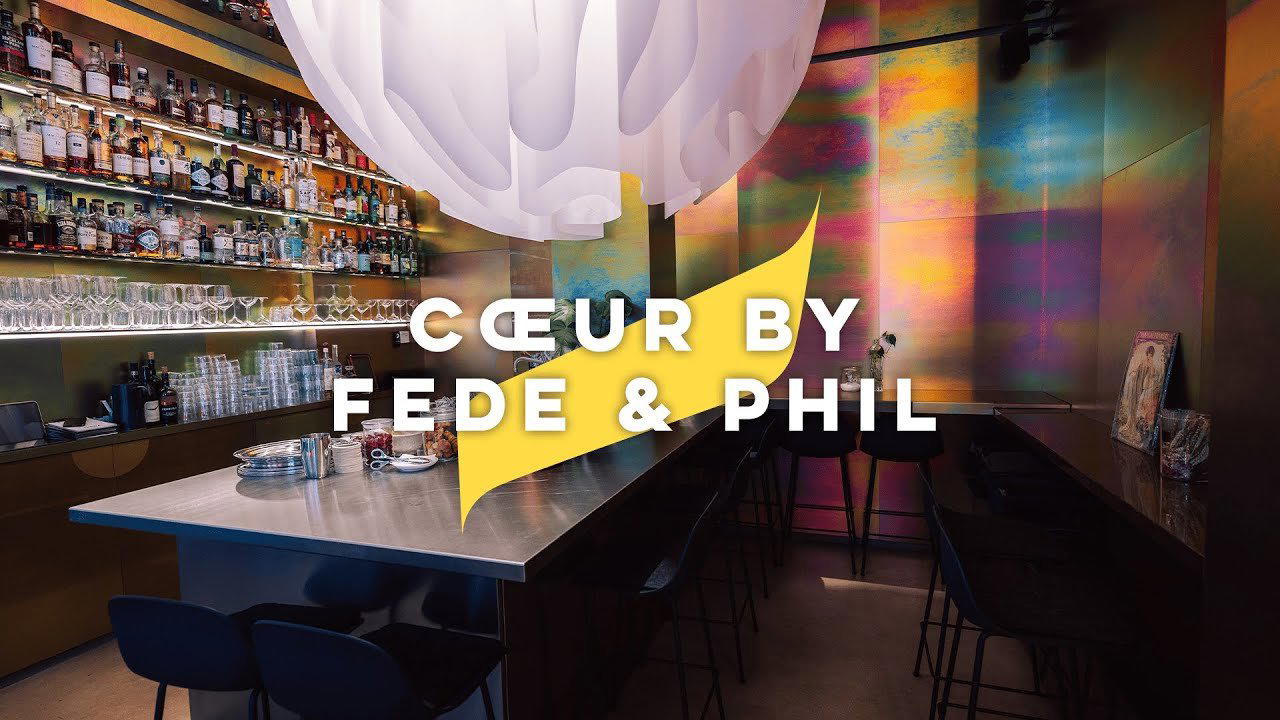

At a Glance
- Cozy
- Lively
- Elegant
- Date Night
- Group Dining
- Casual Hangout
- Open Kitchen
- Extensive Wine List
Current opening hours
- Monday
- 6 PM–12 AM
- Tuesday
- 6 PM–12 AM
- Wednesday
- 6 PM–12 AM
- Thursday
- 6 PM–12 AM
- Friday
- 6 PM–12:30 AM
- Saturday
- 6 PM–12:30 AM
- Sunday
- 10 AM–3 PM, 6 PM–12 AM
Hours can change for holidays and private events. Last verified .
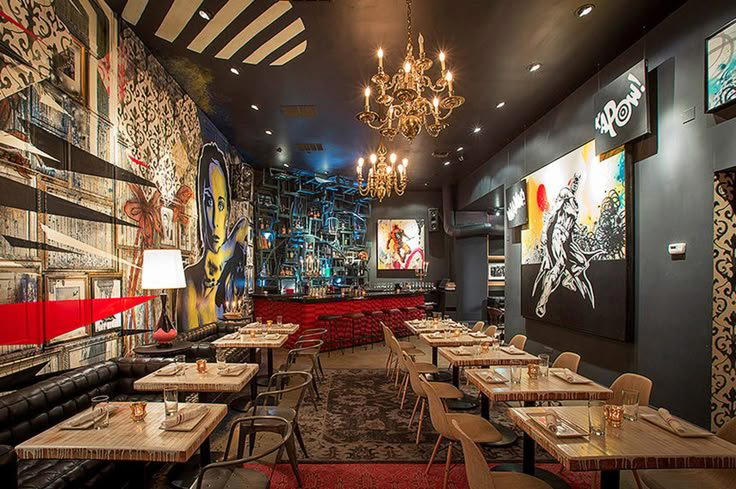
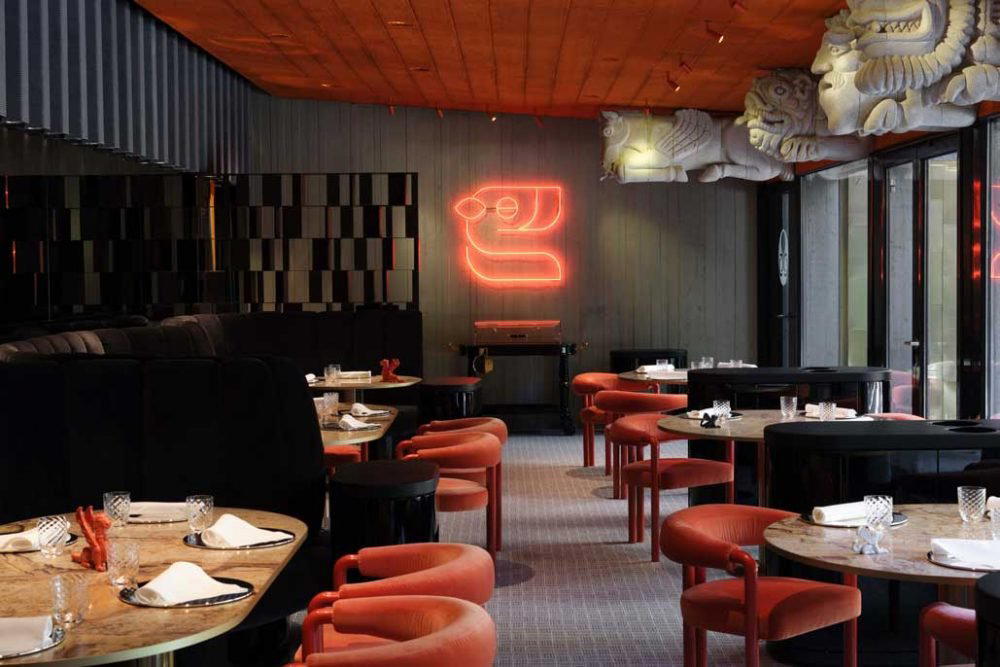
Lovely balance of lively and cozy with lively yet comfortable noise levels and stylish decor.