Gandl occupies St.-Anna-Platz 1 in Munich's Lehel quarter, a residential address that separates it from the city's more conspicuous fine-dining corridor. The restaurant sits within a neighbourhood defined by patrician apartment blocks and the landmark St. Anna church, giving it a local anchor that many of Munich's destination restaurants lack. For visitors tracking the city's evolving mid-to-upper dining tier, it represents a specific kind of considered ambition.
Pearl is the En Primeur Club membership app — saves, bookings, and concierge access live there. Same editors, same standards.
- Address
- St.-Anna-Platz 1, 80538 München, Germany
- Phone
- +498929162525
- Website
- gandl.de
- Directions
- Get directions
 Saves & bookings on Pearl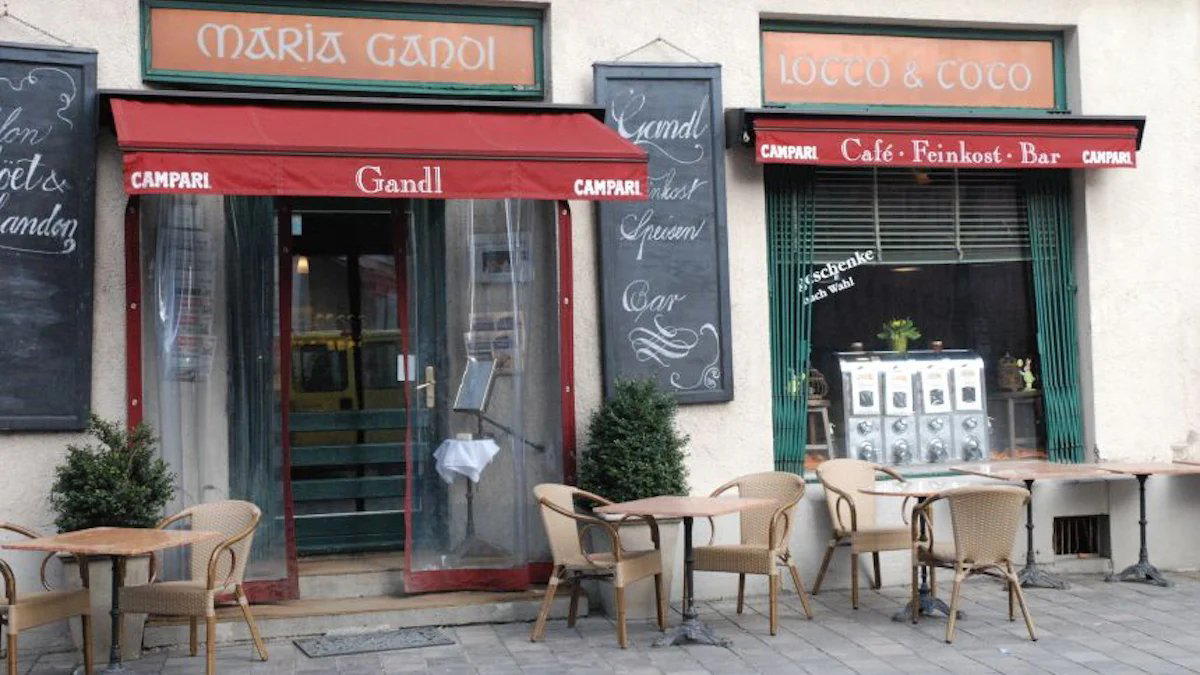
A Square That Sets the Tone
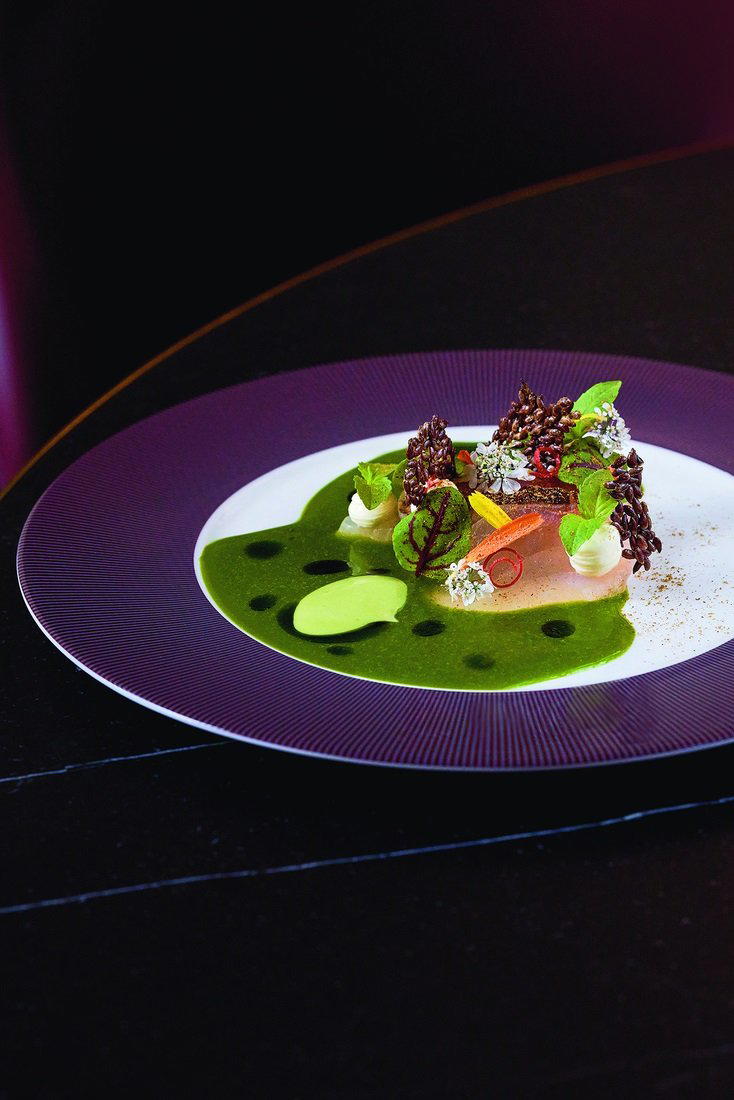
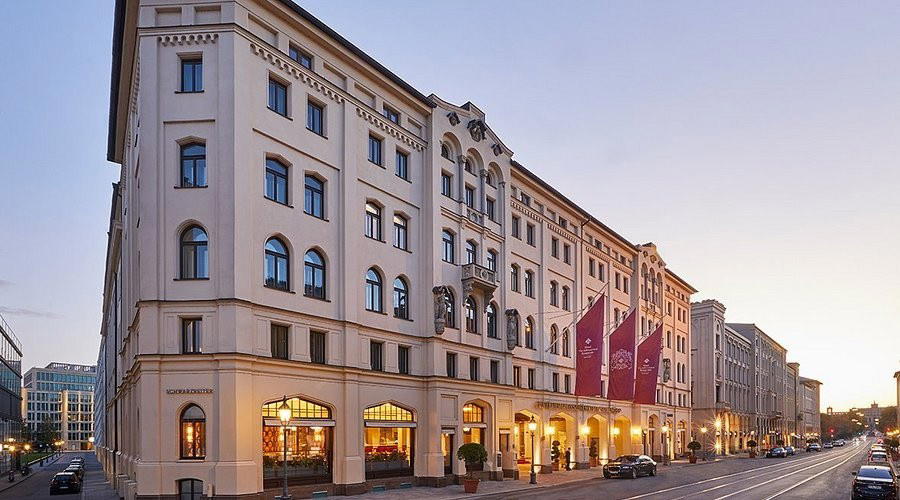
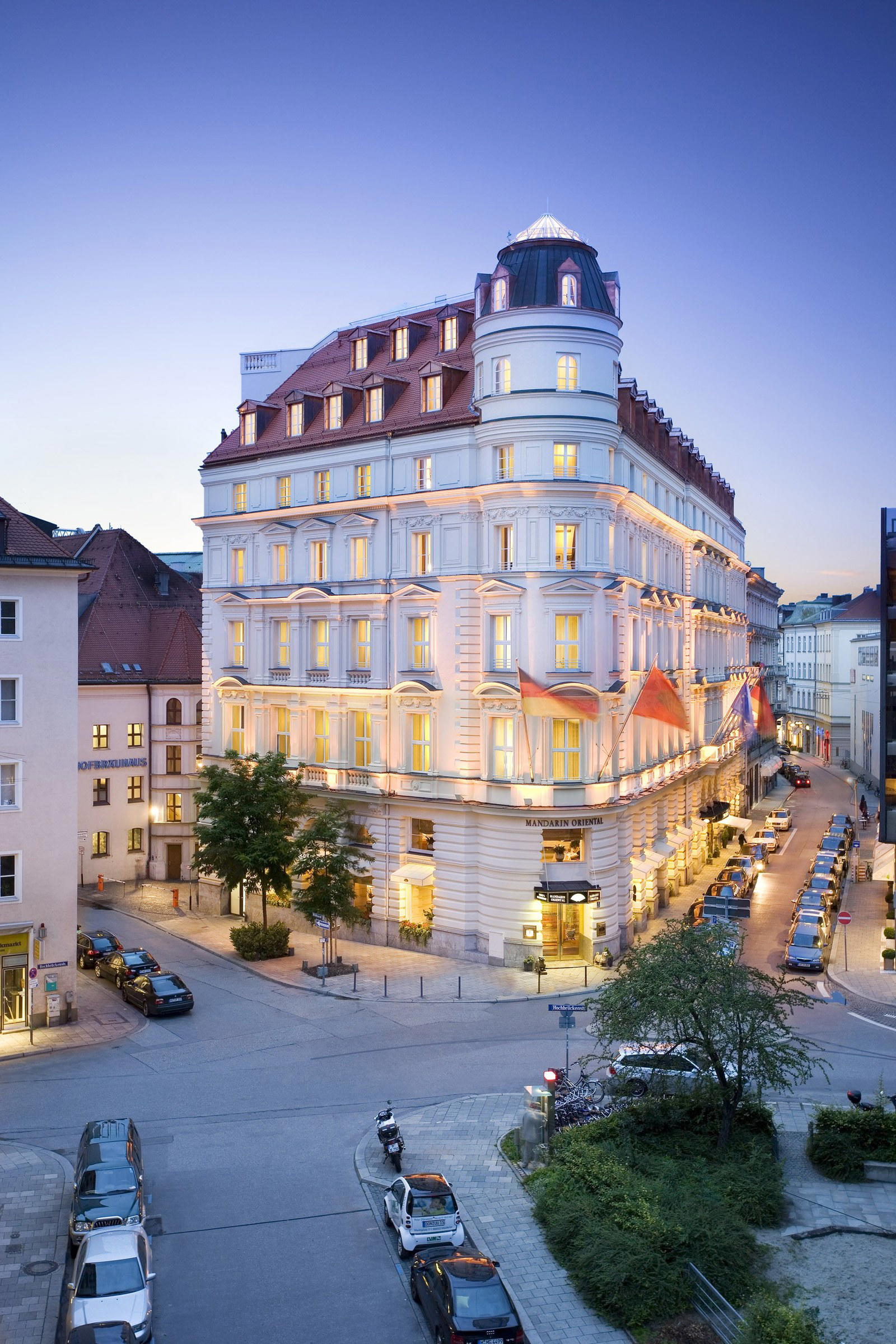
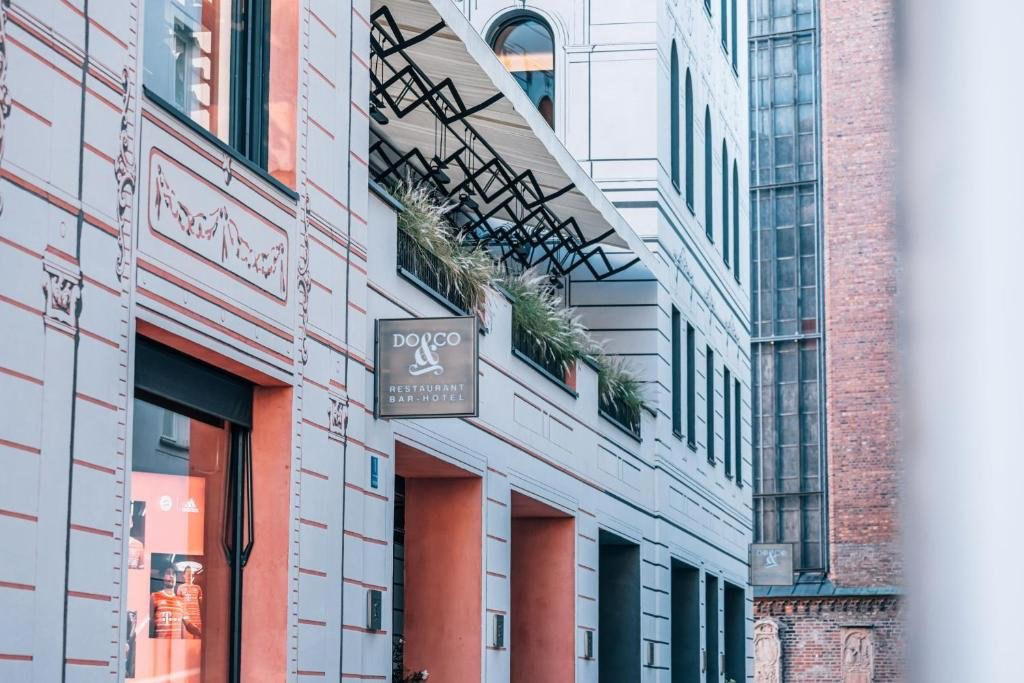
St.-Anna-Platz is a residential square in Munich's Lehel district, and Gandl serves Mediterranean bistro cooking with Italian and French influences at a price of about $64 per person. The square sits in Lehel, the compact residential district wedged between the Isar and the city centre, where the dominant sounds are bicycle wheels on cobblestones and the bells of the neo-Romanesque St. Anna church rather than the ambient hum of a restaurant strip.
Munich's fine-dining geography has long been weighted toward the city's western and central precincts. The addresses that defined the city's reputation for serious eating, places like Tantris in Schwabing and Atelier in the Bayerischer Hof, sit well away from Lehel's quieter residential rhythm. Gandl's position at St.-Anna-Platz 1 places it in a different register entirely, closer to the kind of neighbourhood institution that earns loyalty through consistency and context rather than through destination-dining spectacle.
How Lehel Shapes the Room
The broader pattern in Munich's dining scene over the past decade has been a gradual decentralisation. As the city's appetite for considered eating has deepened, restaurants with genuine culinary ambition have appeared in neighbourhoods that previously had no claim on the conversation. Lehel, with its high concentration of well-travelled residents and proximity to the Maxvorstadt's cultural institutions, has developed exactly the kind of local audience that sustains a restaurant willing to operate on its own terms rather than on the logic of tourist footfall.
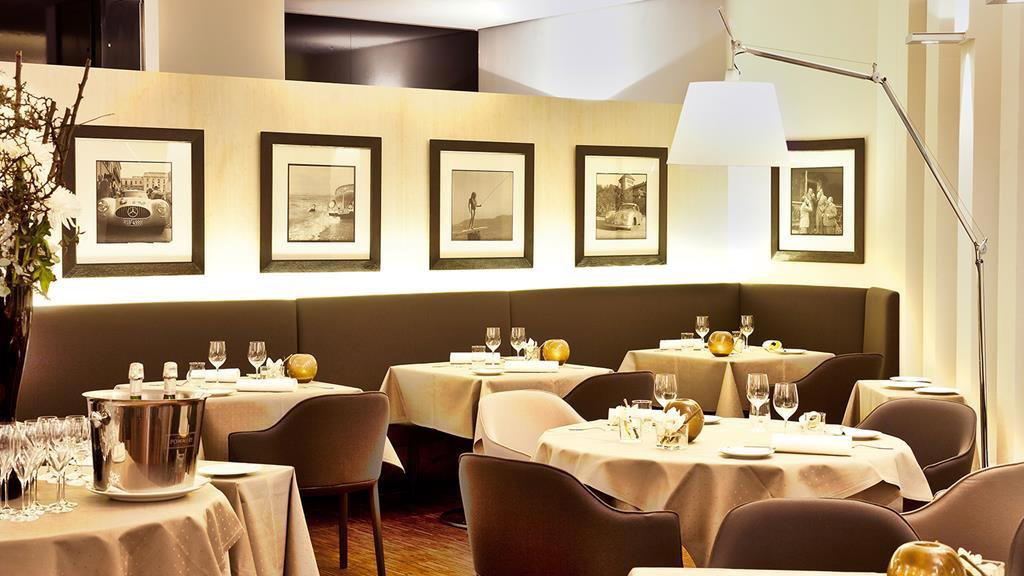
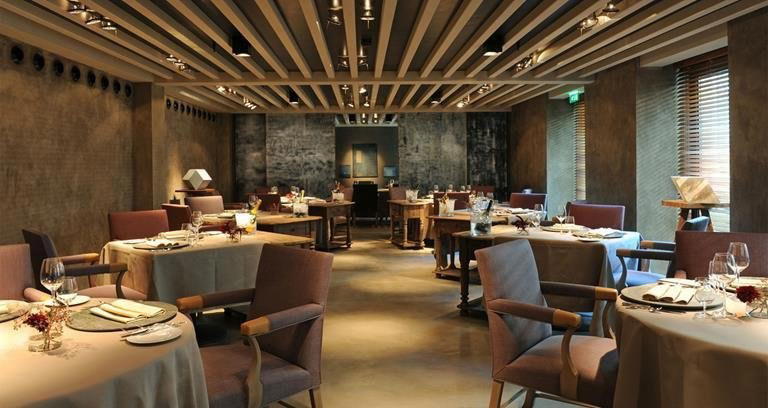
That neighbourhood character matters when reading a room. Dining in Lehel tends to feel less performative than in Munich's more conspicuous quarters. The clientele is likely to include regulars who know the menu well, and the atmosphere that results is one of settled confidence rather than occasion-driven tension. This is a meaningful distinction within Munich's upper-tier dining scene, where venues like JAN and Alois - Dallmayr Fine Dining operate with a degree of ceremony that Gandl's address does not demand.
The Evolution Question
Restaurants at addresses like St.-Anna-Platz tend to change in quieter ways than their city-centre counterparts. The evolution at a place like this tends to be driven from within: a gradual refinement of what the kitchen does well, a recalibration of the relationship between the room and the plate, a slow accumulation of the kind of local trust that takes years to build and is easily lost.
Across Germany's broader fine-dining tier, this internal evolution has become increasingly valued. The country's most discussed restaurant addresses, from Schwarzwaldstube in Baiersbronn to Aqua in Wolfsburg and Vendôme in Bergisch Gladbach, have built their reputations over decades rather than seasons. The expectation that a serious restaurant develops a point of view over time, rather than pivoting to maintain relevance, is embedded in how Germany's dining culture rewards consistency. Gandl's Lehel setting suggests it operates within that same patient framework.
For comparison, Munich's own Tohru in der Schreiberei represents the city's appetite for genuine reinvention, its German-Japanese synthesis arriving as a considered pivot rather than a marketing repositioning. The more interesting question for any neighbourhood restaurant is whether its evolution is legible to the people who have been eating there for years, not just to critics arriving fresh. That legibility is harder to manufacture than a new tasting menu format.
Where Gandl Sits in Munich's Current Picture
Munich's upper-middle dining tier has become increasingly crowded and increasingly specific. Venues are now positioned more precisely within sub-categories: the modernist tasting-menu format, the ingredient-led bistro, the regional-produce showcase, the international technique applied to Bavarian material. Each positioning carries its own competitive logic and its own audience expectations.
Germany's wider fine-dining circuit has also expanded the pool of reference points that sophisticated Munich diners carry with them. A regular at Gandl may also have eaten at Victor's Fine Dining by Christian Bau in Perl, at ES:SENZ in Grassau, or at Waldhotel Sonnora in Dreis. The frame of reference has widened considerably, and it has raised the implicit standard against which any serious Munich address is measured, even one as locally anchored as Gandl.
That context extends internationally, too. The shift toward transparency and precision that has defined serious dining from Le Bernardin in New York to Lazy Bear in San Francisco has set a broadly shared expectation for what considered cooking looks like at this level. Closer to home, Restaurant Haerlin in Hamburg, CODA Dessert Dining in Berlin, Schanz in Piesport, and Bagatelle in Trier each represent distinct answers to the question of what German fine dining means in the current moment. Gandl, from its Lehel square, is formulating its own answer from a position of comparative quietness, which is itself a form of editorial statement.
Know Before You Go
- Address: St.-Anna-Platz 1, 80538 München, Germany
- Neighbourhood: Lehel, Munich
- Nearest landmark: St. Anna church, St.-Anna-Platz
- Phone: Check current booking channels directly
- Website: Search current listings for up-to-date information
- Booking: Reservations are recommended.
- Practical note: Lehel is well served by Munich's U-Bahn and tram network; the square itself is compact and walkable from the city centre.
Comparable Venues
Comparable venues nearby, for context on price, style, and recognition.
| Venue | Cuisine | Price | Notes |
|---|---|---|---|
| GandlThis venue — the venue you are viewing | Mediterranean Bistro with Italian and French Influences | $$$ | Not listed |
| KLIMENTI'S Restaurant | Modern Mediterranean with Fresh Seafood & Grilled Specialties | $$$ | Lehel |
| Preysinggarten | Mediterranean with local Bavarian influences | $$ | Haidhausen |
| Moro Mou | Authentic Greek Mediterranean | $$$ | Schwabing |
| Grill im Künstlerhaus | Premium Grilled Steaks & Seafood | $$$ | Isarvorstadt |
| Magari by Geisha | Modern Asian Fusion | $$$ | Haidhausen |
At a Glance
- Romantic
- Cozy
- Elegant
- Intimate
- Date Night
- Business Dinner
- Special Occasion
- Terrace
- Extensive Wine List
- Street Scene
Current opening hours
- Monday
- Closed
- Tuesday
- 11 AM–12 AM
- Wednesday
- 11 AM–12 AM
- Thursday
- 11 AM–12 AM
- Friday
- 11 AM–12 AM
- Saturday
- 11 AM–12 AM
- Sunday
- Closed
Hours can change for holidays and private events. Last verified .
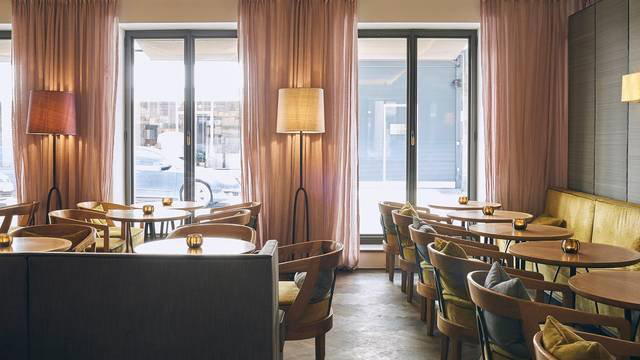
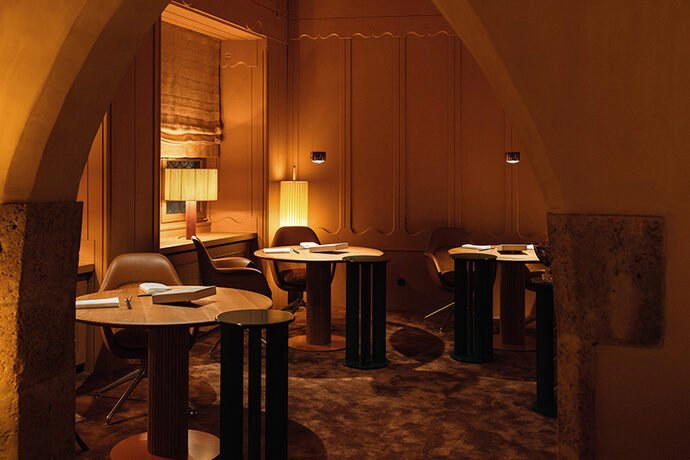
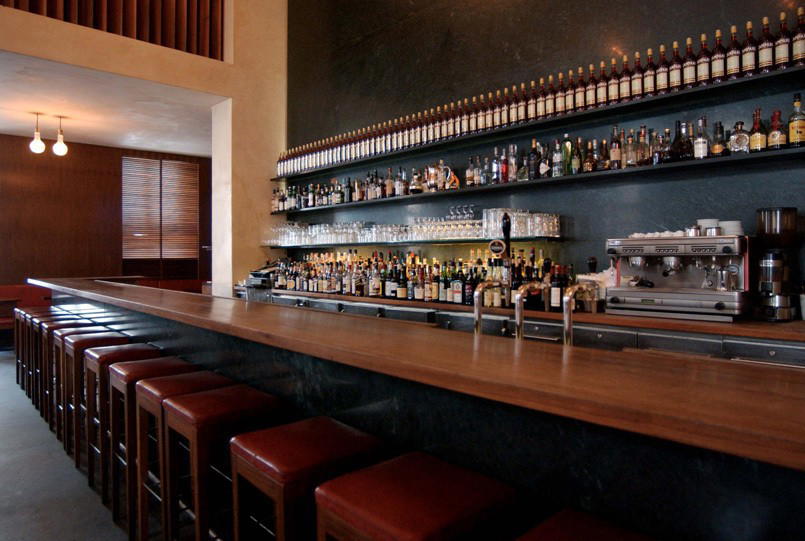
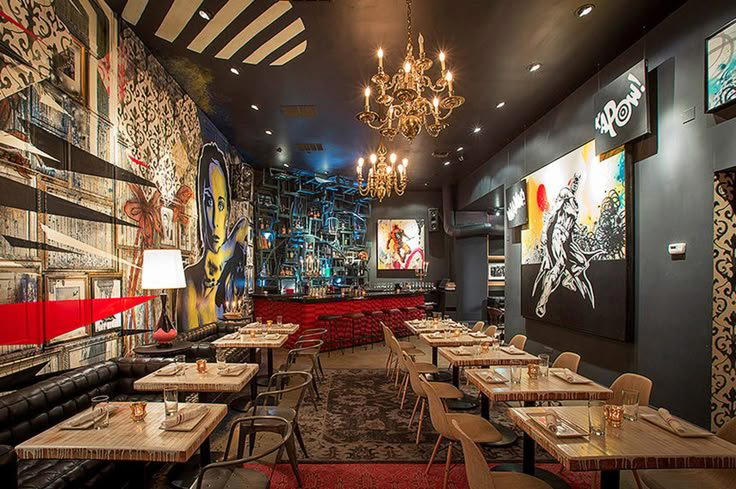
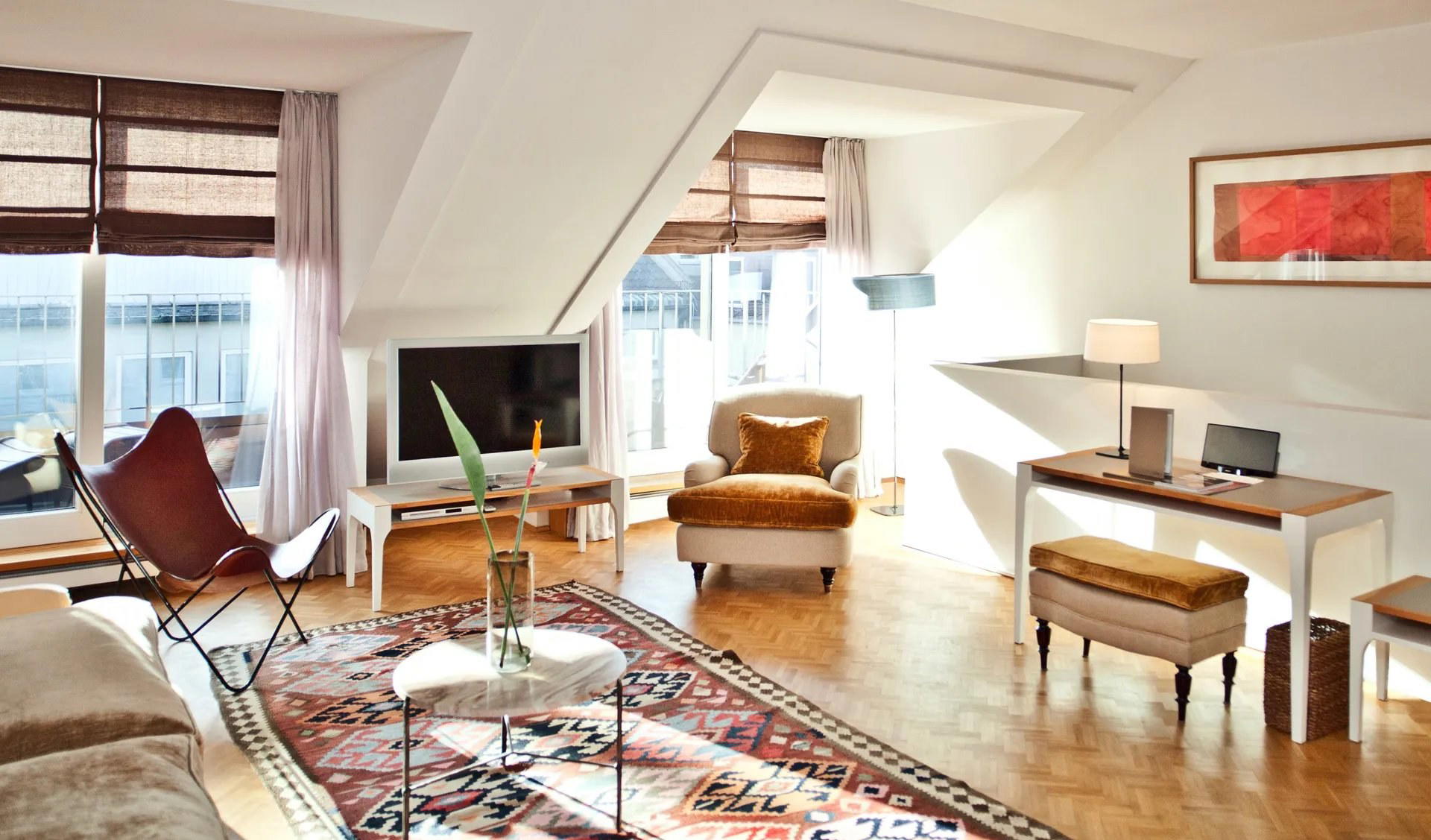
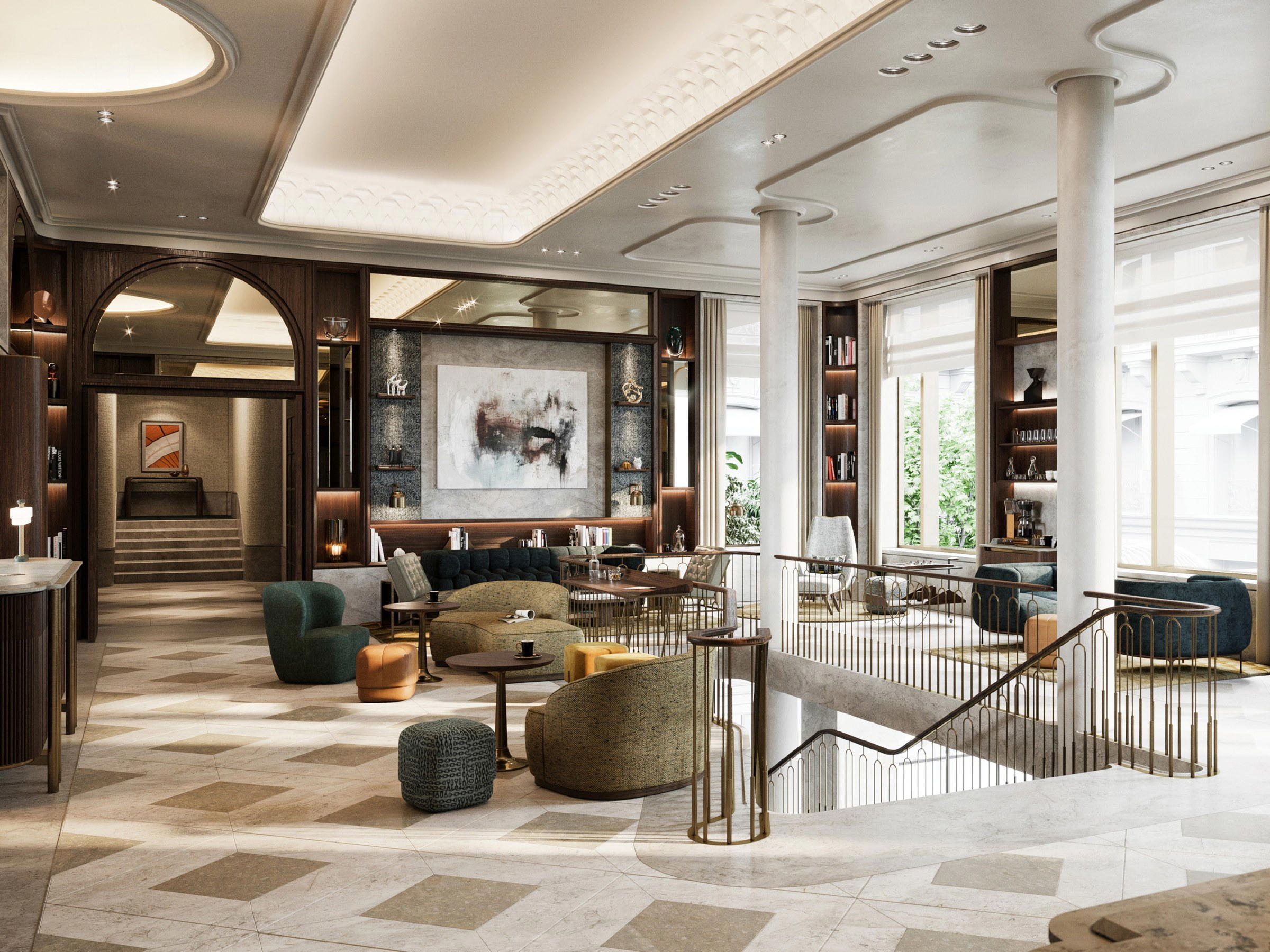
Cozy and pleasant atmosphere with white tablecloths, terrace seating, quiet and relaxing vibe praised in reviews.