Levant
On the Weteringschans canal in Amsterdam's museum quarter, Levant occupies a position in the city's growing conversation about Eastern Mediterranean cooking and ethical sourcing. The address places it within easy reach of the Rijksmuseum corridor, while the name signals a regional culinary focus that sits apart from Amsterdam's more Nordic-leaning fine dining tier.
Pearl is the En Primeur Club membership app — saves, bookings, and concierge access live there. Same editors, same standards.
- Address
- Weteringschans 93, 1017 RZ Amsterdam, Netherlands
- Phone
- +31 20 622 5184
- Website
- restaurantlevant.nl
- Directions
- Get directions
 Saves & bookings on Pearl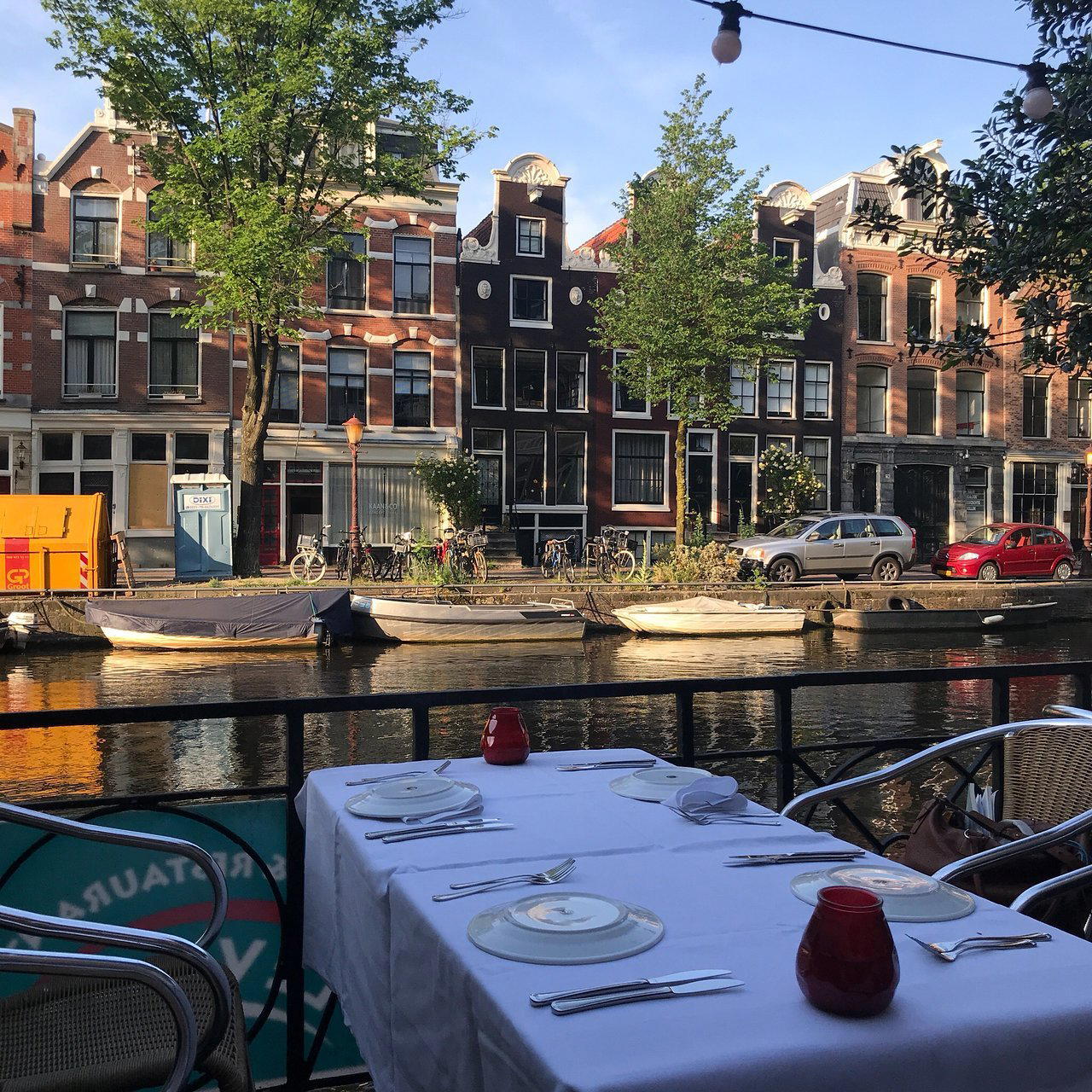
Where the Canal Belt Meets the Eastern Mediterranean
Amsterdam's southern canal ring has a particular quality at dusk: the water flattens to a dark mirror, the houseboats settle, and the pedestrian traffic on Weteringschans thins to a purposeful few. It is in this quieter stretch, away from the Leidseplein crowds, that Levant occupies its address at number 93. The canal belt location places the restaurant within the museum quarter corridor, a neighbourhood whose dining options have historically skewed toward tourist-facing brasseries and legacy Dutch institutions rather than the sharper, more ingredient-led formats that have emerged elsewhere in the city over the past decade.
That context matters. Amsterdam's serious restaurant scene has increasingly polarised between the high-investment fine dining tier, anchored by venues like Ciel Bleu, Flore, Spectrum, and Vinkeles, and a mid-tier that has struggled to find a consistent identity. The Eastern Mediterranean angle that Levant's name implies connects to a broader European trend: the move away from French-coded luxury toward cuisines rooted in fermentation, fire, legumes, and preserved ingredients, approaches that carry their own kind of intellectual rigour without requiring the formal apparatus of a tasting menu operation.
The Sustainability Frame in Eastern Mediterranean Cooking
The Eastern Mediterranean culinary tradition, stretching from the Levantine coast through Turkey, Greece, and North Africa, has always been structurally sustainable in ways that contemporary fine dining is only now rediscovering. Whole-animal cooking, pulse-heavy menus, fermented dairy, preserved lemons, dried herbs: these are not innovations borrowed from Scandinavian new-wave thinking. They are techniques and ingredients that have been in continuous use for centuries precisely because they minimise waste and extend the value of every ingredient. When Amsterdam restaurants in the mid-price tier, such as De Kas with its greenhouse-to-table model or BAK with its farm-to-table positioning, built their identities around ethical sourcing, they were joining a conversation that Mediterranean cuisines had never left.
Levant's address in the canal belt places it in a part of the city where this conversation has been slower to arrive. The museum quarter has long served a dining public more interested in reliability than innovation, which means a venue with a Levantine focus and any meaningful commitment to sourcing ethics occupies a relatively clear position in its immediate neighbourhood. What the name and location together suggest is an intention to operate in the space between casual and formal, with a smart-casual room and reservations recommended.
How Levant Fits Amsterdam's Broader Restaurant Map
To understand where Levant sits in Amsterdam's restaurant ecosystem, it helps to trace the city's relationship with Middle Eastern and Mediterranean cooking more broadly. Amsterdam has a substantial Moroccan and Turkish population, and the street-level expression of Levantine food has been part of the city's fabric for decades. What has been slower to develop is the format that treats these flavours with the same sourcing discipline and presentation care that Dutch fine dining applies to North Sea fish or Zeeland produce. The gap between the döner-and-falafel tier and the fully formal fine dining tier has only recently begun to fill with mid-level operators taking the cuisine seriously on its own terms.
That mid-tier is where venues like Bistro de la Mer operate in classic cuisine, and where Levant's Eastern Mediterranean focus could carve a distinct angle. Across the Netherlands, the sustainability-oriented dining movement has produced some of its most committed practitioners outside Amsterdam: De Nieuwe Winkel in Nijmegen has built a national reputation on plant-based fine dining, while Brut172 in Reijmerstok and De Groene Lantaarn in Staphorst represent the kind of regional seriousness that Amsterdam's dining scene has sometimes lacked. Levantine cooking, with its structural reliance on vegetables, legumes, and preserved ingredients, aligns naturally with this direction without needing to frame itself as explicitly plant-forward.
Further afield, the Dutch fine dining circuit includes heavy-hitters like De Librije in Zwolle, 't Nonnetje in Harderwijk, and Aan de Poel in Amstelveen, as well as destination addresses like De Bokkedoorns in Overveen, De Lindehof in Nuenen, De Lindenhof in Giethoorn, and De Treeswijkhoeve in Waalre. These are primarily Dutch and French-lineage operations. An Amsterdam venue that draws on Levantine tradition rather than European classical technique occupies a genuinely different lane within this national map.
Internationally, the shift toward Mediterranean and Middle Eastern cooking at serious restaurant level has been well-documented. In New York, venues like Le Bernardin and Atomix demonstrate what happens when non-European culinary traditions receive the same investment in sourcing and technique that French fine dining once monopolised. The European version of this shift is playing out across Amsterdam, London, and Berlin, with Levantine cooking often at the centre of it.
What the Address Tells You
Weteringschans 93 sits on the outer edge of the museum quarter, on a canal that connects the Rijksmuseum corridor to the Leidseplein axis. It is a location that draws both neighbourhood residents and visitors staying in the surrounding hotels, a catchment area that rewards a restaurant offering something more specific than the generic European menus that dominate the immediate area. For diners using Amsterdam as a base to explore the broader Dutch dining scene, the canal belt location is also logistically convenient: the city's tram network runs along this corridor, making Levant accessible from most central neighbourhoods without requiring a taxi or significant walking.
Know Before You Go
Address: Weteringschans 93, 1017 RZ Amsterdam, Netherlands
Neighbourhood: Museum Quarter / Southern Canal Ring
Cuisine focus: Eastern Mediterranean (Levantine)
Reservations: Recommended
Getting there: The Weteringschans corridor is served by Amsterdam's tram network; the address is walkable from Leidseplein and the Rijksmuseum
Note: Price is about $35 per person.
Comparable Spots, Quickly
Comparable venues nearby, for context on price, style, and recognition.
| Venue | Cuisine | Price | Notes |
|---|---|---|---|
| LevantThis venue — the venue you are viewing | Turkish Mediterranean | $$$ | Not listed |
| Rondo Restaurant | Modern European Fine Dining | $$$ | Planciusbuurt |
| Ristorante 51 | Authentic Italian Trattoria | $$$ | Amstel III deel A/B Noord |
| Copain | Modern French Seasonal Bistro | $$$ | Terrasdorp |
| Van De Kaart | French Regional Bistro | $$$ | Spiegelbuurt |
| Simply Fish | Fresh Seafood from Oosterschelde | $$$ | Willemsparkbuurt Noord |
Continue exploring
More in Amsterdam
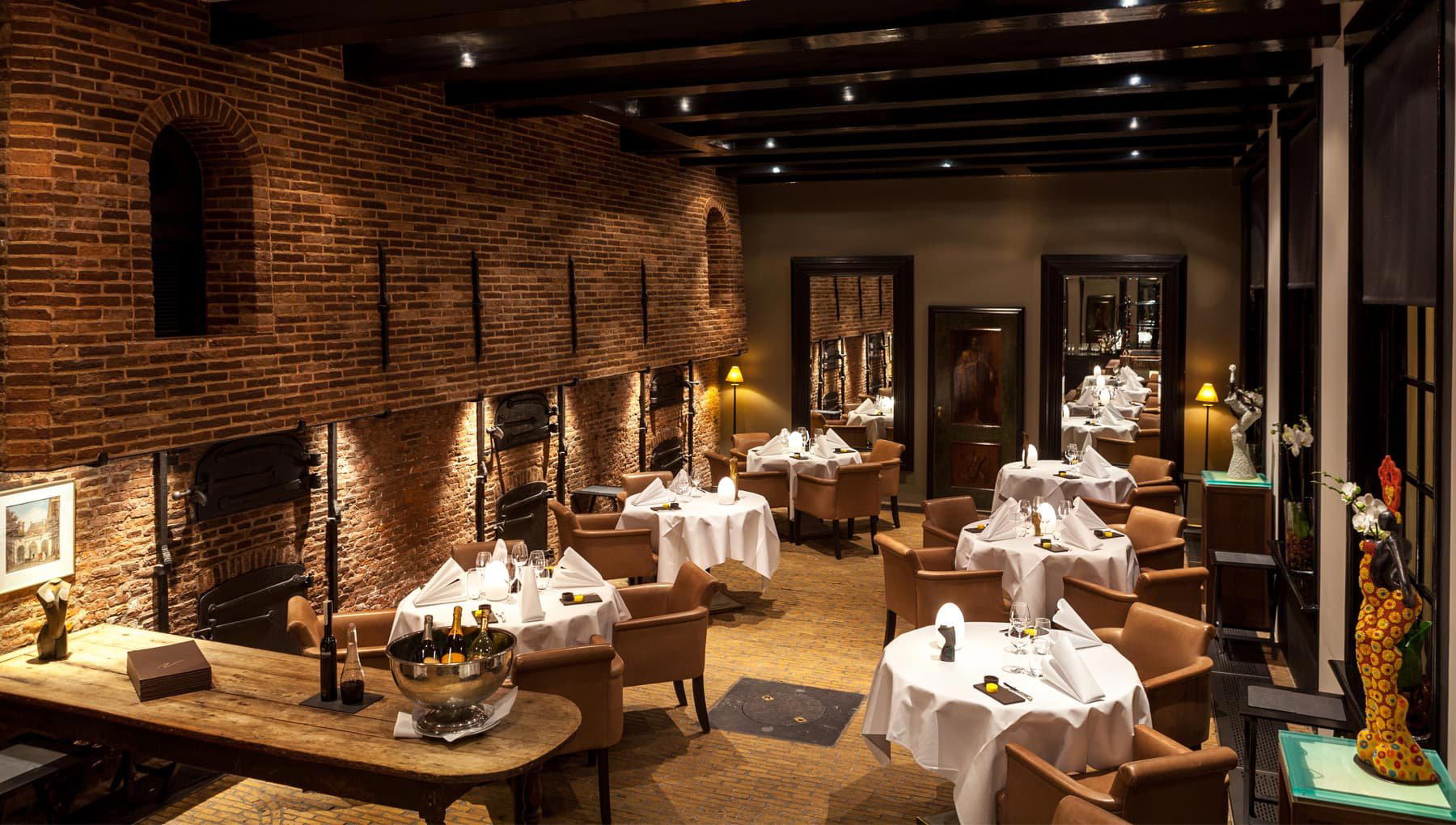
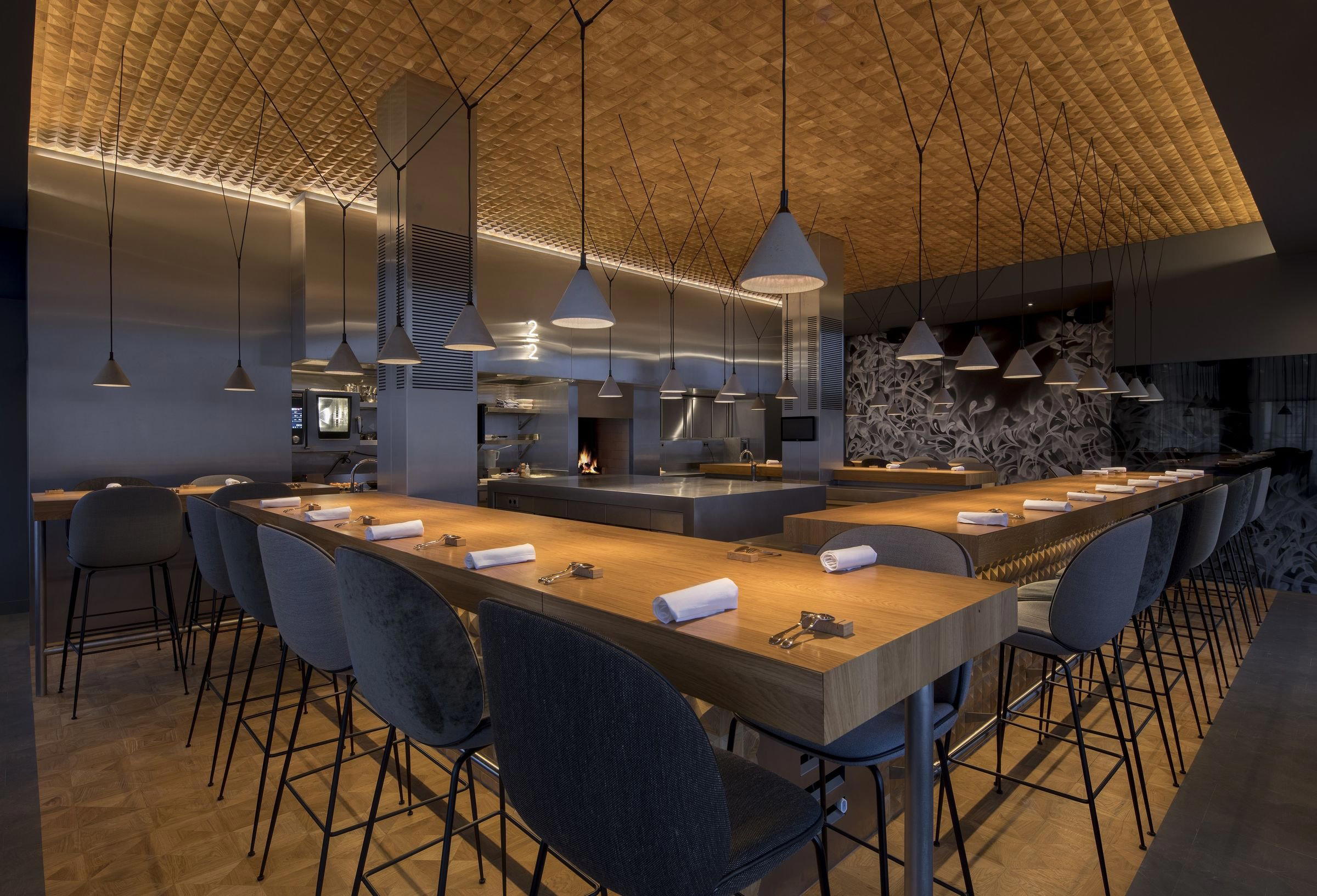
Restaurants in Amsterdam
Browse all →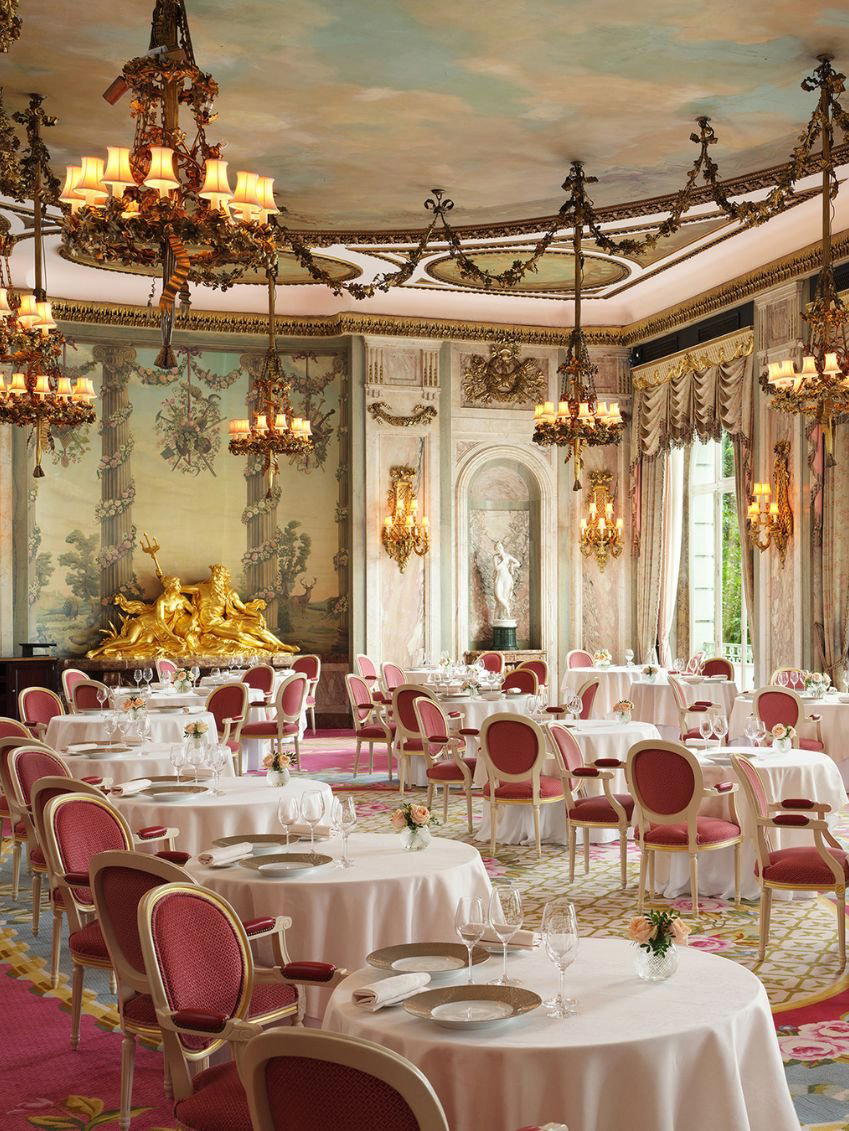
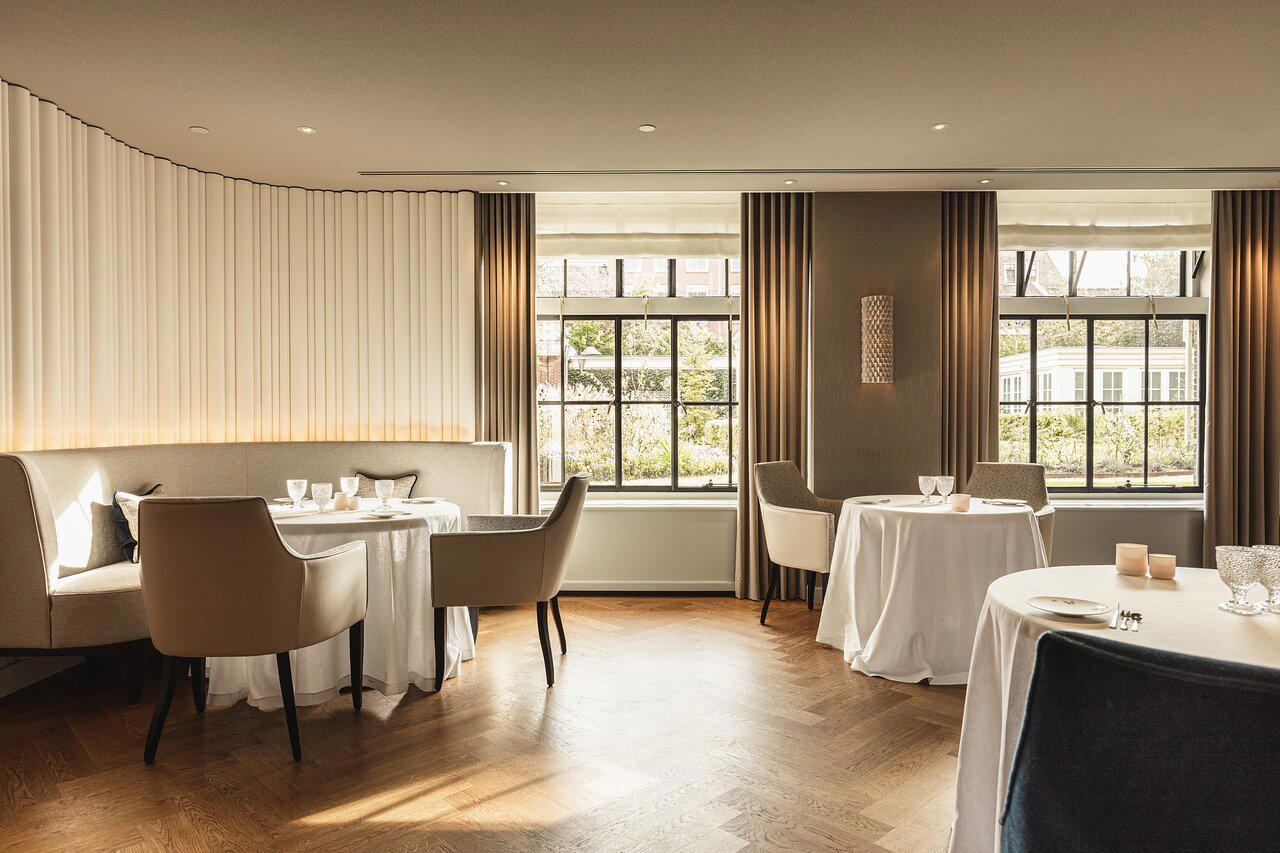
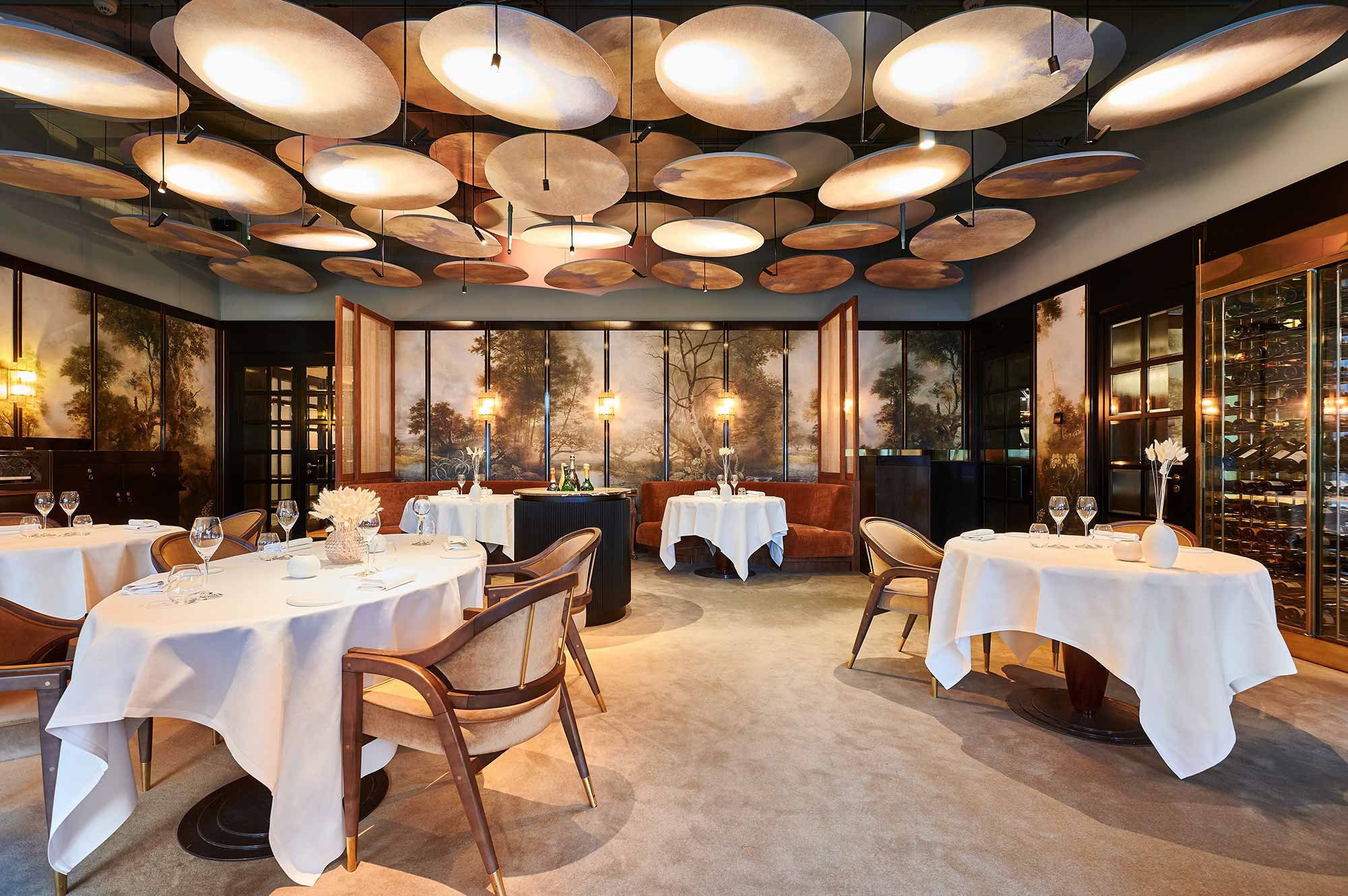
Bars in Amsterdam
Browse all →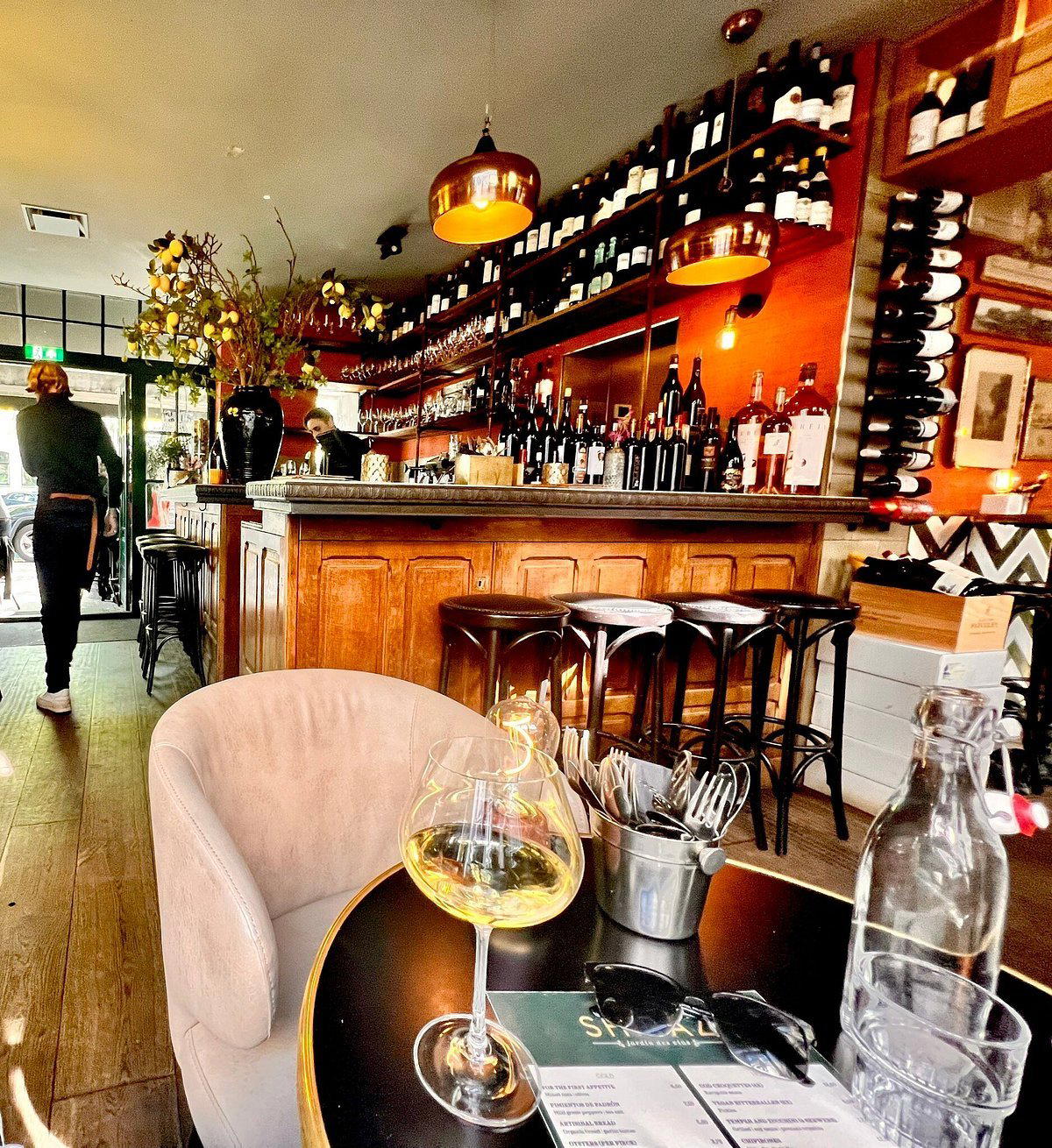
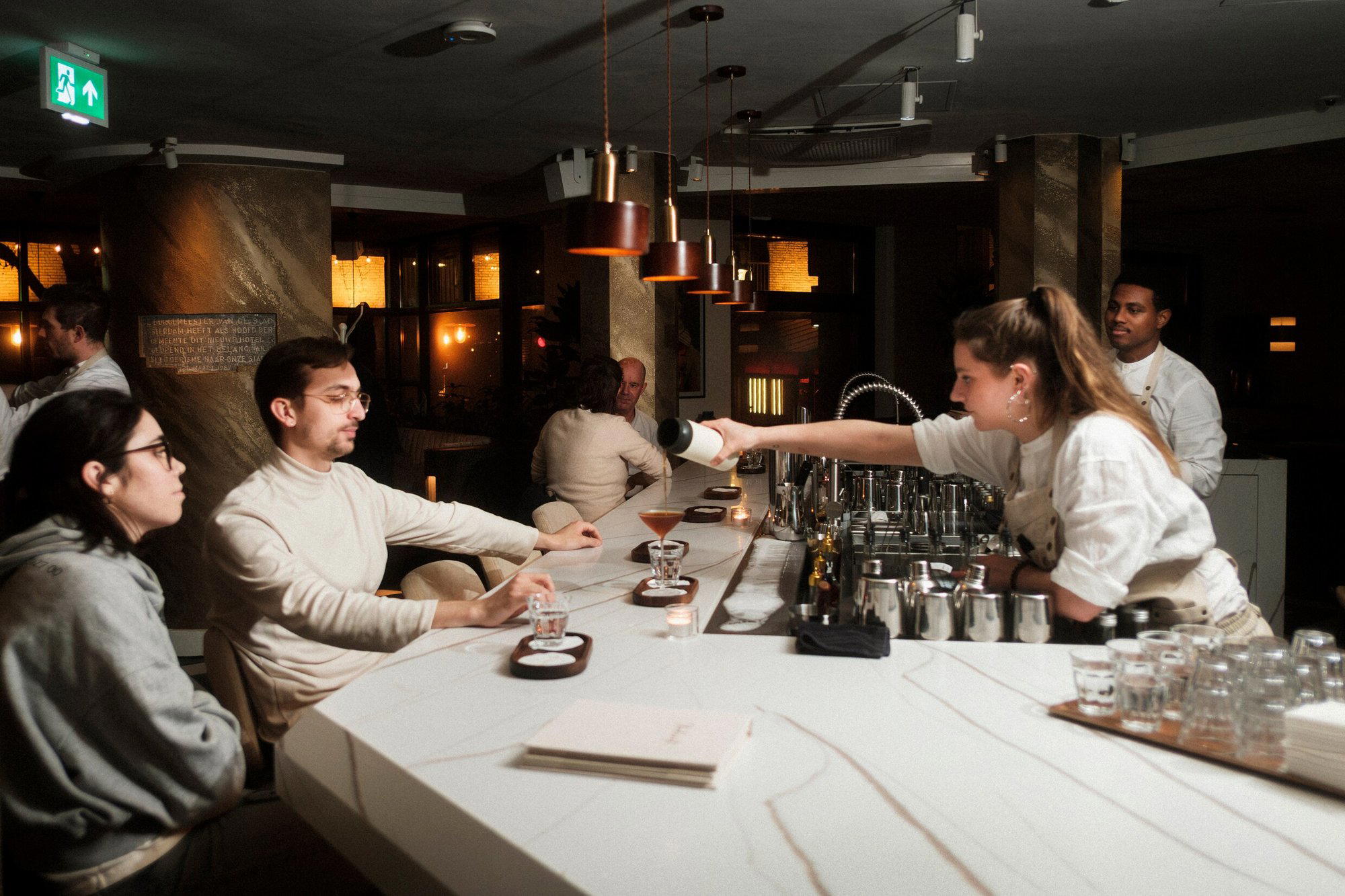
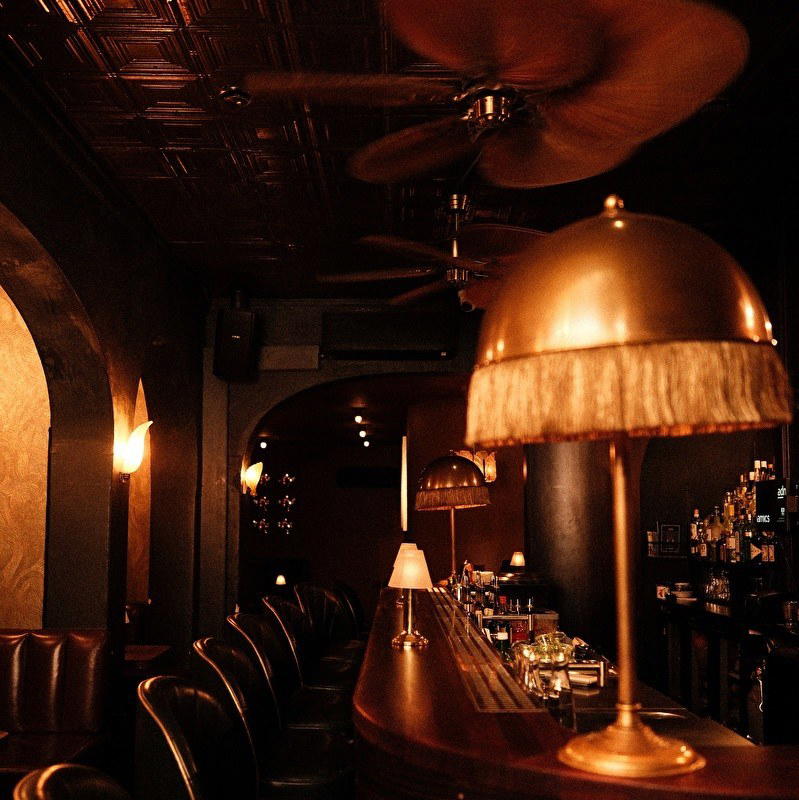
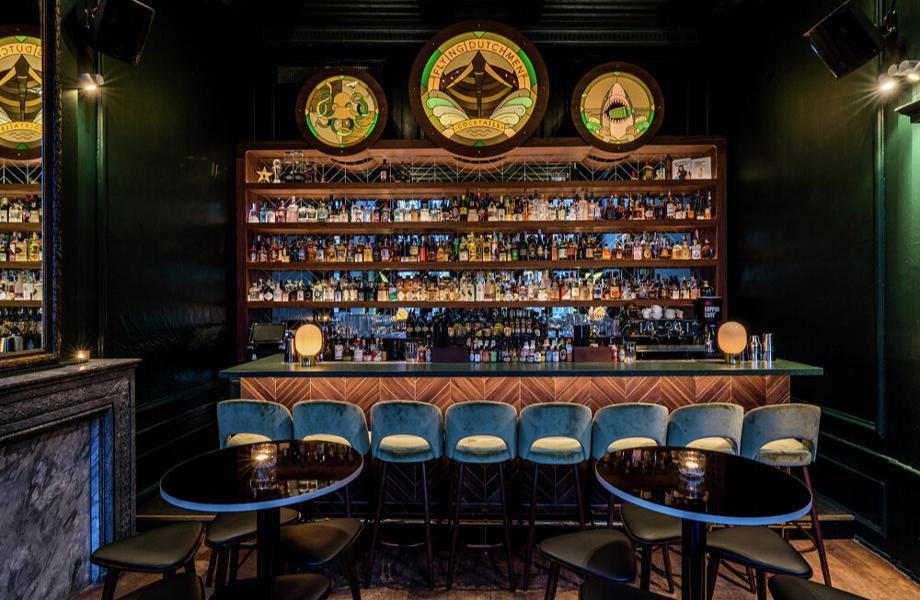
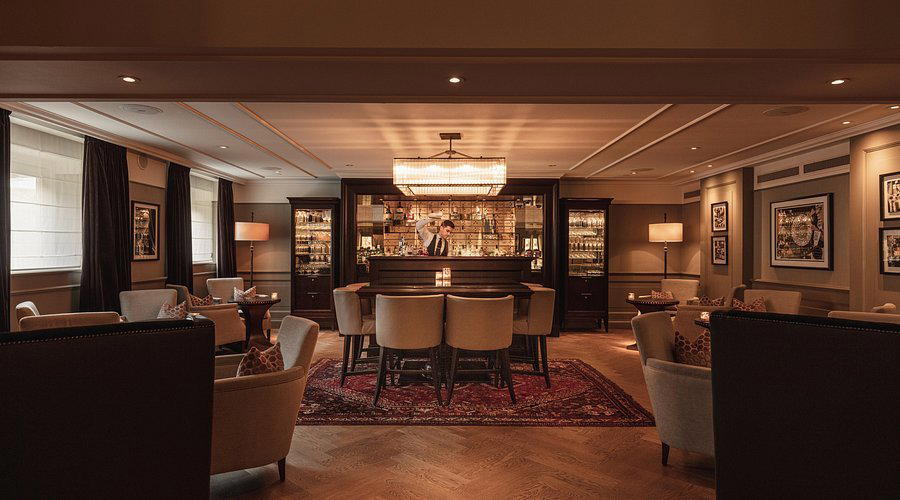
Hotels in Amsterdam
Browse all →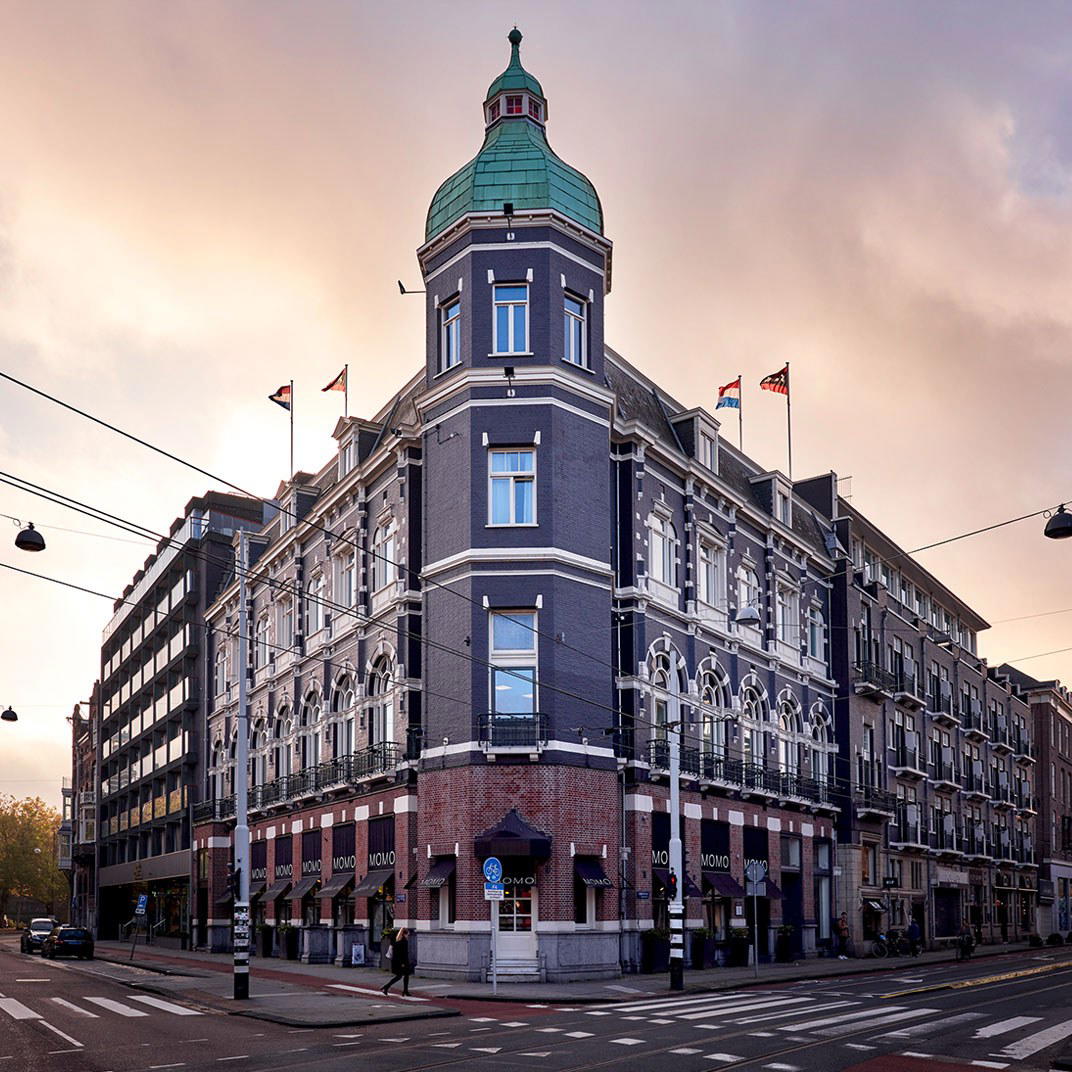
Wineries in Amsterdam
Browse all →
At a Glance
- Elegant
- Intimate
- Sophisticated
- Date Night
- Special Occasion
- Standalone
Current opening hours
- Monday
- 5–11 PM
- Tuesday
- 5–11 PM
- Wednesday
- 5–11 PM
- Thursday
- 5–11 PM
- Friday
- 5–11 PM
- Saturday
- 5–11 PM
- Sunday
- 5–11 PM
Hours can change for holidays and private events. Last verified .
Warm and inviting with high guest ratings for atmosphere (9.3/10).