Skip to Main Content
French Bistro

Google: 4.9 · 21 reviews

← Collection
Tokyo, Japan

Les six

CuisineFrench
Executive ChefChris Davies
Price¥¥
Dress CodeSmart Casual
ServiceUpscale Casual
NoiseConversational
CapacitySmall
Michelin

A Michelin Bib Gourmand-recognised French bistro in Hiroo, Minato City, Les six brings seasonal French cooking to one of Tokyo's quieter residential quarters. Chef Chris Davies works a blackboard menu of classic and adapted bistro dishes, adjusting daily with market availability. The format rewards unhurried dining: an appetiser and main course land as the practical unit, with half-portions available on request.

Pearl is the En Primeur Club membership app — saves, bookings, and concierge access live there. Same editors, same standards.

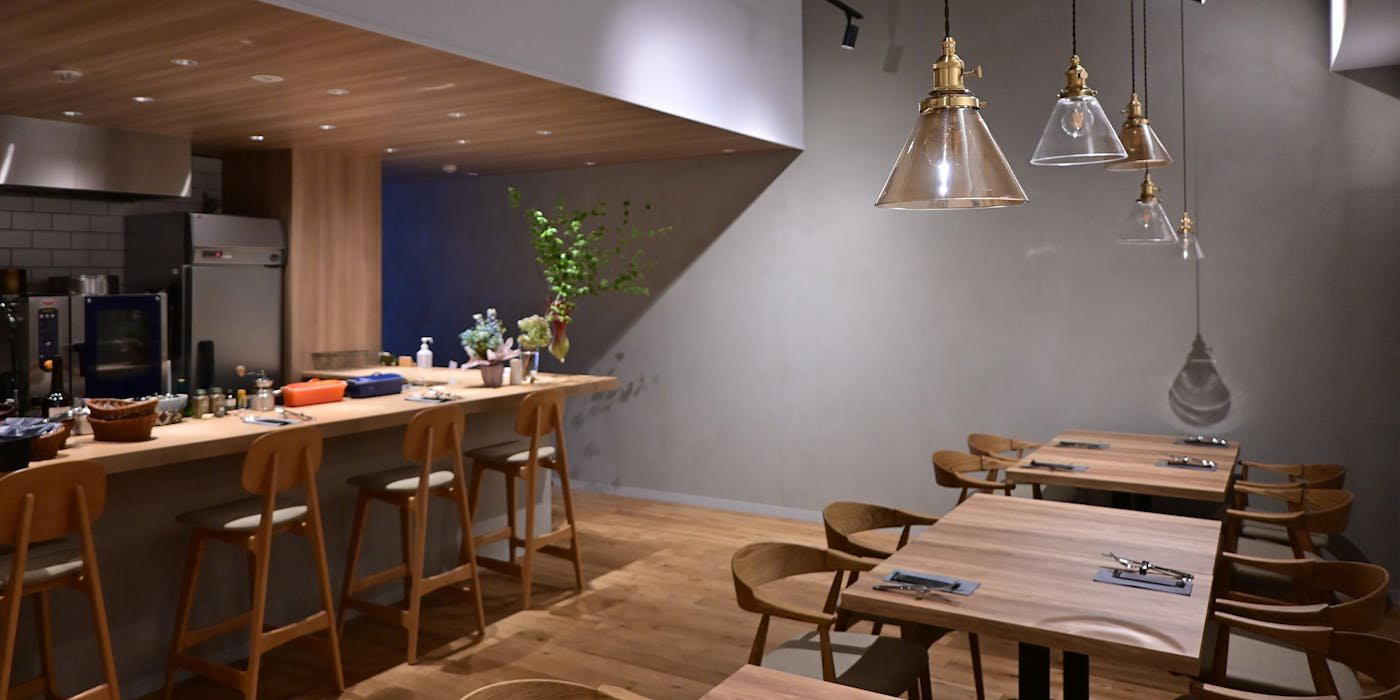
Les six restaurant in Tokyo, Japan
About

French Bistro, Tokyo Style: The Hiroo Tradition of Neighbourhood Cooking

Tokyo's French dining scene has always operated across a wider register than its Michelin headlines suggest. At the leading, tasting-menu houses like L'Effervescence, Sézanne, and ESqUISSE operate at ¥¥¥¥ price points with multi-course architecture designed for occasions. Below that tier sits something quieter and arguably more durable: the neighbourhood bistro, where the cooking is disciplined, the format is informal, and the kitchen's relationship with suppliers and seasons carries the real weight. Hiroo, in Minato City, has long hosted this middle register. The area's density of embassies, long-term expatriates, and food-literate locals has sustained a cluster of small Western-inflected restaurants that serve without ceremony and rely on return visits rather than tourist traffic.

Les six, on the second floor of a low-rise building on Minamiazabu's quieter residential edge, occupies that space deliberately. Its 2024 Michelin Bib Gourmand recognition places it in the category the Guide reserves for cooking that delivers quality above its price — a designation that draws a specific kind of reader: one who measures value by what arrives on the plate, not by how the room is dressed.

What the Blackboard Menu Signals About How the Kitchen Works

The format here is telling. A blackboard menu, adjusted by season and availability, is not a design gesture — it is a supply-chain commitment. It means the kitchen does not over-order, does not hold dishes beyond their natural window, and does not work from a static repertoire that forces ingredients into pre-written descriptions. In the broader context of how Tokyo's mid-market French restaurants manage food waste, this approach sits at the more disciplined end. Kitchens that print fixed menus months in advance tend to absorb seasonal variation through substitution; kitchens that write the menu each service period work the other direction, sourcing first and composing second.

Chef Chris Davies works within the French bistro tradition , classical preparations, recognisable dish structures, the kind of cooking that is easier to execute badly than it looks , and layers in his own read on the ingredients available. The result is a menu that reads as a medley: some dishes that sit firmly in the bistro canon, others that shift based on what the season produces. À la carte ordering is the standard model, with half-portions available on select items, which allows the table to cover more ground without the commitment of a tasting format. The practical consensus, reflected in guest feedback, is that one appetiser and one main course is the coherent unit for a complete meal.

Seasonal Sourcing and the Ethics of the Daily Menu

The blackboard model carries an implicit sustainability argument that is worth taking seriously. Japanese ingredient culture already prizes seasonal specificity in ways that many Western sourcing practices do not , the concept of shun, the peak season window for any given ingredient, is embedded in how professional kitchens across Tokyo think about produce. A French bistro operating inside that environment, run by a chef who has adapted to local supply rhythms, tends to produce food that is more precisely timed than the equivalent operation in Paris or London, where seasonal sourcing is a stated value but logistics often blur it.

When the menu is written daily against available supply, waste reduction follows structurally rather than as policy. There is no excess mise en place prepared for dishes that may not sell; the kitchen prepares what the menu calls for, and the menu is calibrated to what is available and what can be used. This is the operational logic behind the Bib Gourmand category at its most coherent: the price efficiency that earns the designation is, in part, a function of supply discipline that prevents the hidden costs of over-preparation and discard from inflating prices.

For a full picture of Tokyo's sustainability-conscious restaurant approaches, Florilège at the ¥¥¥¥ end has made zero-waste cooking a structural part of its identity, and Château Restaurant Joël Robuchon represents an older French tradition of classical precision. Les six operates in a different register from both, but the underlying discipline of working with what the season offers connects these approaches across price tiers.

Hiroo and the Logic of the Neighbourhood Restaurant

The Hiroo address matters. Minamiazabu sits at enough distance from the tourist circuits of Shibuya and Roppongi that a restaurant here does not benefit from passing footfall. The 4.8 Google rating across 19 reviews is a small sample, but it signals something: this is a room where the repeat visitor and the recommendation-follower are the primary audience. That profile tends to produce a different service dynamic than high-turnover central addresses , slower pacing, more attention to individual tables, a kitchen that is cooking for people who have come specifically rather than people who wandered in.

The ¥¥ price positioning places Les six firmly in the accessible tier of Minato City dining, which spans an unusually wide range. The same ward contains ¥¥¥¥ French institutions and neighbourhood noodle counters; the mid-market French bistro sits in a specific band where the cooking is serious but the occasion is not. That is a harder band to sustain than either extreme, which is one reason the Bib Gourmand carries weight as a signal here.

Planning a Visit

Les six is located at 5 Chome-15-25 Minamiazabu, Minato City, Tokyo, on the second floor of the Hiroo Rokkōkan building. The nearest access point is Hiroo Station on the Tokyo Metro Hibiya Line. Given the small scale of the room and the nature of the neighbourhood clientele, booking ahead is advisable, particularly for weekend service. The half-portion option on some dishes is worth raising with the server at the point of ordering, as it allows a more expansive read across the menu without committing to full-portion quantities on every course.

For broader planning across the city, our full Tokyo restaurants guide maps the French dining tier in detail, from Bib Gourmand neighbourhood addresses through to multi-starred tasting menus. For accommodation and other categories, see our full Tokyo hotels guide, our full Tokyo bars guide, our full Tokyo wineries guide, and our full Tokyo experiences guide.

Those building a broader Japan itinerary can reference HAJIME in Osaka, Gion Sasaki in Kyoto, akordu in Nara, Goh in Fukuoka, 1000 in Yokohama, and 6 in Okinawa for regional context. For French bistro comparison points beyond Japan, Hotel de Ville Crissier in Crissier and Les Amis in Singapore offer useful benchmarks across the French fine-dining spectrum in different cultural contexts.

Frequently asked questions

Awards and Standing

A small peer set for context; details vary by what’s recorded in our database.

At a Glance
Vibe
  • Intimate
  • Cozy
  • Classic
  • Elegant
Best For
  • Date Night
  • Special Occasion
  • Casual Hangout
Experience
  • Standalone
Drink Program
  • Extensive Wine List
Dress CodeSmart Casual
Noise LevelConversational
CapacitySmall
Service StyleUpscale Casual
Meal PacingLeisurely

Intimate neighborhood bistro with warm, understated French charm; small dining space with focus on culinary craftsmanship rather than elaborate decor.