

Michelin Bib Gourmand
Our verdict
A Michelin Bib Gourmand bistro in the heart of Ginza, Les Copains de Dominique Bouchet applies the bistronomy formula, accessible French classics alongside gastronomic technique, at a price point that sits well below its starred neighbours. Pâté en croûte, steak frites, and Bouchet's signature lobster macaroni anchor a menu built on the conviction that serious cooking doesn't require a formal tasting format.

Pearl is the En Primeur Club membership app, where members save venues, book tables and use the concierge.
The menu
What to order
- Lobster Macaroni
- Pâté en Croûte
- Steak Frites
Bistronomy in Ginza: Where the Price Point Is Part of the Argument
Ginza has long been Tokyo's highest-stakes address for French cooking. The concentration of starred rooms along this stretch of Chuo Ward, from the grand-format dining of Château Restaurant Joël Robuchon to the ingredient-led precision of L'Effervescence and the contemporary rigour of Sézanne, makes it one of the most competitive corridors for French cuisine anywhere in the world. That density also creates an expectation of formality and expenditure that the bistronomy tier explicitly refuses to meet on those terms.
Bistronomy, the contraction of bistro and gastronomie that emerged from Paris in the 1990s and gathered real momentum in the 2010s, is a format built on a deliberate trade. You give up white tablecloth ceremony and receive, in its place, technical cooking applied to vernacular dishes at a price point that doesn't require a pre-planned occasion. In France, pâté en croûte and steak frites are not special-occasion food; they are the vocabulary of daily eating. The bistronomy proposition is that these dishes deserve the same quality of attention as anything served in a tasting menu room. Les Copains de Dominique Bouchet, holding a Michelin Bib Gourmand in 2024, is positioned at 5-chome Ginza as exactly that argument made concrete.
The Bib Gourmand Tier and What It Signals
The Michelin Bib Gourmand designation is awarded to restaurants where inspectors find cooking of notable quality at a price considered favourable for the city in question. In Tokyo, a city where the French dining tier runs from ¥¥ through ¥¥¥¥, this is a meaningful signal. It places Les Copains alongside a cohort of restaurants that have been assessed not merely as affordable, but as delivering quality that exceeds what the price would lead a diner to expect. Among Ginza's French addresses, the ¥¥ price range is conspicuous: neighbours like ESqUISSE and Florilège operate at higher price points with corresponding formality.
For travellers arriving from destinations where serious French cooking commands a significant premium, whether that's Hotel de Ville Crissier in Crissier or the high-end French rooms of Southeast Asia like Les Amis in Singapore, the Bib Gourmand at a ¥¥ price point in central Ginza represents a different kind of proposition entirely.
The Menu as an Editorial Statement
The bistronomy format is only credible when the kitchen behind it has the technical range to make vernacular dishes feel considered rather than merely competent. Dominique Bouchet, whose background is in haute cuisine, provides that credential here. Pâté en croûte and steak frites function as anchors of French bistro tradition: the former a test of pastry, seasoning, and charcuterie knowledge; the latter a measure of sourcing and technique that can expose a kitchen as quickly as any composed plate. These are not forgiving dishes for a cook without classical grounding.
The lobster macaroni identified as a Bouchet speciality points toward the gastronomic end of the bistronomy spectrum. This is the dish format that separates the concept from simple bistro cooking: a familiar pasta structure refined by luxury protein and, presumably, the kind of sauce construction that comes from classical French training. It is the type of dish that has drawn Parisian diners to bistronomy rooms since the format first found an audience, and its presence here signals that the menu isn't simply a French greatest-hits list but a considered argument about where classical and popular cooking intersect.
The Wine Context: Bistronomy and the Carafe Question
Editorial angle that most clearly distinguishes bistronomy from both casual bistros and formal French dining rooms is the wine format. In the Paris bistronomy model that this genre draws on, the wine list tends toward accessible regional French producers, natural wine, lesser-known appellations, bottles that support the without-ceremony ethos of the room, served by carafe or glass as often as by bottle. The sommelier role, where it exists, is less about guiding through an extensive cellar and more about matching a confident, short list to food that is designed for drinking wine alongside.
In a Ginza context, where the broader French dining tier supports some of the most extensively stocked French cellars in Asia, the bistronomy wine format represents a deliberate counter-position. A ¥¥ price point does not typically sustain deep cellar inventory; what it can sustain is sharp curation: a short list where every selection earns its place. This is the wine philosophy that fits the bistronomy format, not breadth, but editorial precision. Diners who want to explore Tokyo's deeper French wine cellars will find that at the ¥¥¥¥ rooms nearby. At Les Copains, the drink format is likely to match the food format: approachable, technically grounded, and free of ceremony.
Ginza as a French Dining Address
Tokyo's French dining scene has developed across multiple districts, but Ginza remains the address most closely associated with the formal French tradition. The neighbourhood's history as Tokyo's luxury commercial centre translated naturally into high-end dining concentration, and French cuisine, long associated in Japan with occasion dining and premium positioning, found its most formal expression here. What has shifted over the past two decades is the emergence of Japanese-led French cooking that treats French technique as a starting point rather than a destination, visible in rooms like ESqUISSE and the broader new-wave French movement that includes Florilège.
The bistronomy insertion into this context is a different kind of statement: not a reimagining of French technique through Japanese sensibility, but an import of a specific Parisian dining culture, the neighbourhood room with serious cooking, into an address that usually reserves seriousness for formal occasions. For visitors building a Tokyo itinerary that spans multiple price tiers and dining formats, Les Copains sits at the accessible end of Ginza's French range and is worth considering alongside the broader French options available across the city. See our full Tokyo restaurants guide for the complete picture.
Placing It in the Wider Japan French Dining Circuit
Travellers using Tokyo as a base for wider Japan exploration will find French cooking of varying registers across the country. The haute cuisine French tradition extends beyond Tokyo: HAJIME in Osaka represents the starred end of the Kansai French scene, while akordu in Nara brings a European-trained perspective to an unusual setting. In Fukuoka, Goh works the boundary between Japanese and Western culinary traditions. In Kyoto, Gion Sasaki applies Japanese kaiseki discipline at a level that draws comparison with the leading French rooms. Further afield, 1000 in Yokohama and 6 in Okinawa extend the map to regions rarely covered in mainstream French dining coverage.
Within Ginza itself, Les Copains occupies the tier that allows a multi-meal strategy: it works as a lunch or casual dinner alongside a starred-room booking elsewhere on the same trip, rather than competing directly with the formal tasting menu circuit.
Planning a Visit
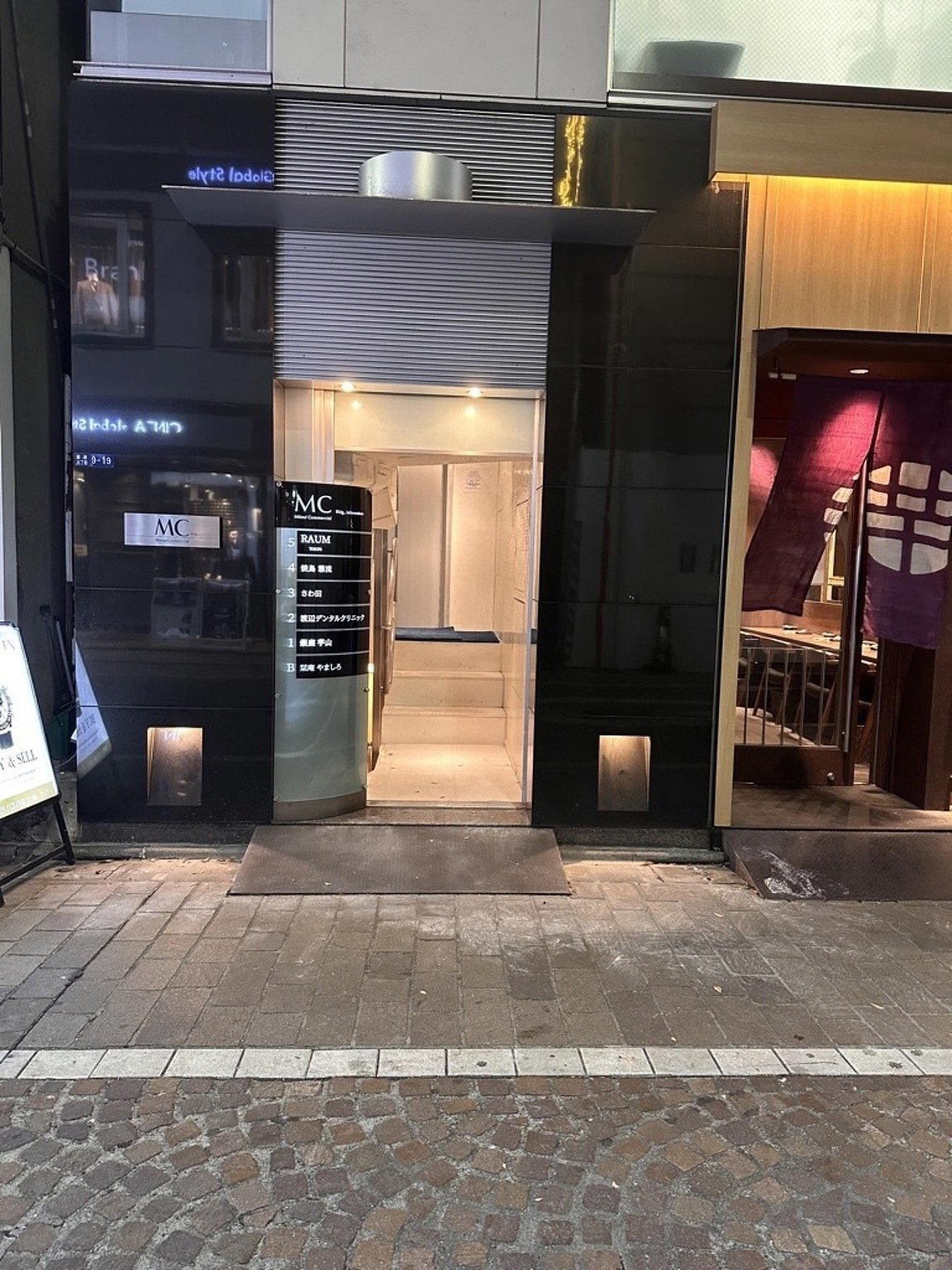
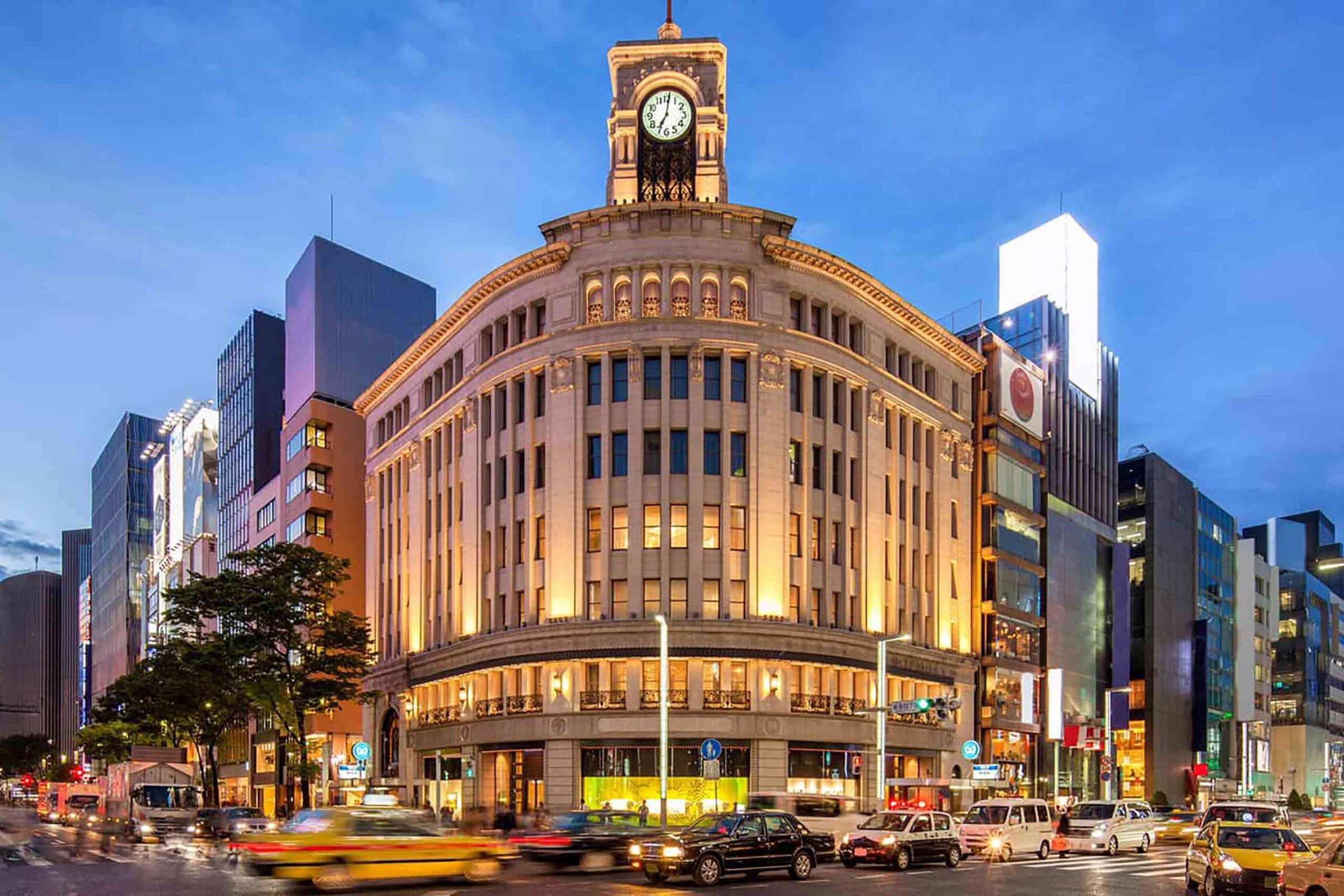
Les Copains de Dominique Bouchet is located at 5-chome 1-8 Ginza, Chuo City, central Tokyo, an address walkable from Ginza Station and within easy reach of the broader Ginza dining corridor. The ¥¥ price range positions it as one of the more accessible French options in the area, and the Bib Gourmand recognition means it draws attention from travellers specifically looking for quality-over-formality French dining. Reservations, particularly for weekend sittings, should be made in advance; the combination of Bib recognition and a relatively small Ginza address typically creates booking pressure that a casual walk-in approach will not reliably solve. For context on where to stay and drink around this part of central Tokyo, see our Tokyo hotels guide, our Tokyo bars guide, our Tokyo wineries guide, and our Tokyo experiences guide.
What to Order
at Les Copains de Dominique Bouchet? The menu is structured around bistronomy anchors, with pâté en croûte and steak frites as the dishes most closely associated with the bistro tradition the format draws on. The lobster macaroni is identified as a Bouchet signature and represents the gastronomic end of the menu: a dish that has attracted consistent attention from diners in the Parisian context and travels with the same rationale to Ginza. For a first visit, ordering across both registers, a classical bistro plate alongside the lobster macaroni, gives the clearest read on what the bistronomy format is doing here. The 2024 Michelin Bib Gourmand recognition confirms that the value-quality ratio holds at the price point offered.
Frequently asked questions
Where exactly is Les Copains de DOMINIQUE BOUCHET?
Les Copains de DOMINIQUE BOUCHET is located at 5 Chome-1-8 Ginza, Chuo City, Tokyo 104-0061, Japan, Tokyo.
Has Les Copains de DOMINIQUE BOUCHET won any awards?
Les Copains de DOMINIQUE BOUCHET has received recognition including: A bistro by Dominique Bouchet. The theme is ‘bistronomy’: a bistro with added gastronomic enhancements. Favourites such as pâté en croûte and steak frites are everyday standards in France. Lobster macaroni is a Bouchet speciality that captu….
What's the best thing to order at Les Copains de DOMINIQUE BOUCHET?
The lobster macaroni is Bouchet's signature and the dish most closely associated with his name across Paris and Tokyo alike. Alongside it, pâté en croûte and steak frites function as the bistronomy anchors, vernacular French standards executed with a kitchen that has the technical range to make them count. The Michelin Bib Gourmand recognition confirms inspectors found the cooking quality notable relative to the price point, which for Ginza is genuinely favourable.
What's the pricing like at Les Copains de DOMINIQUE BOUCHET?
Pricing at Les Copains de DOMINIQUE BOUCHET is listed as ¥¥.
Price Lens
A quick snapshot of similar venues for side-by-side context.
| Venue | Cuisine | Price | Awards | Notes |
|---|---|---|---|---|
| Les Copains de DOMINIQUE BOUCHETThis venue (the venue you are viewing) | French Bistronomy | $100–150 | Michelin Bib Gourmand | Not listed |
| Harutaka | Edo-Style Omakase Sushi | $200–300 | 3 Michelin Stars · World's 50 Best #76 | Sushi |
| RyuGin | Modern Kaiseki | $500+ | 3 Michelin Stars · World's 50 Best #41 | Kaiseki, Japanese |
| L'Effervescence | Modern French with Japanese Influences | $200–300 | 3 Michelin Stars · World's 50 Best #69 | French |
| HOMMAGE | Modern French with Japanese Influences | $150–200 | 2 Michelin Stars · World's 50 Best #78 | Innovtive French, French |
| MAZ | Innovative Peruvian-Japanese Fusion | $150–200 | 2 Michelin Stars · World's 50 Best #28 | Innovative |
Recognition history
Dated appearances from independent guides and award organizations, with the underlying list record or original source where available.
Michelin Bib Gourmand
Michelin
Opinionated About Dining Casual in Japan Ranked #150
Opinionated About Dining
Full recognition history (3 entries)
Michelin Bib Gourmand
Michelin
Continue exploring
More in Tokyo
Restaurants in Tokyo
All restaurants in Tokyo →
Bars in Tokyo
All bars in Tokyo →

Les Copains de DOMINIQUE BOUCHET
The wine
- Extensive wine list
- Sake program
Details
- Elegant
- Sophisticated
- Cozy
- Intimate
- Date Night
- Special Occasion
- Business Dinner
- Open Kitchen
- Extensive Wine List
- Sake Program
- Tasting Menu
- A La Carte
Current opening hours
- Monday
- 11:30 AM–3 PM, 6–11 PM
- Tuesday
- 11:30 AM–3 PM, 6–11 PM
- Wednesday
- 11:30 AM–3 PM, 6–11 PM
- Thursday
- 11:30 AM–3 PM, 6–11 PM
- Friday
- 11:30 AM–3 PM, 6–11 PM
- Saturday
- 11:30 AM–3 PM, 6–11 PM
- Sunday
- 11:30 AM–3 PM, 6–11 PM
Hours can change for holidays and private events. Hours as of .
Softly lit, clean, and casually elegant basement space conducive to conversation with well-spaced tables.