



1 Michelin Star · Guía Repsol 2 Soles · Macarfi 8 Food Rating
Our verdict
A Michelin-starred address on a converted farm outside Ulldecona, Les Moles places the Terres de l'Ebre region at the centre of its cooking. Chef Jeroni Castell runs multiple tasting menus alongside an à la carte, drawing on a kitchen garden, Balfegó tuna, Delta del Ebro seafood, and a dedicated R&D space. The €€€ price tier makes it one of coastal Catalonia's more accessible starred tables.

Pearl is the En Primeur Club membership app — saves, bookings, and concierge access live there. Same editors, same standards.
- Address
- Carr. de la Sénia, Km. 2, 43550 Ulldecona, Tarragona, Spain
- Phone
- +34 977 57 32 24
- Hours
- Mon ClosedTue–Thu 1–3:30 p.m.Fri–Sat 1–3:30 p.m., 8:30–10:30 p.m.Sun 1–3:30 p.m.
- Website
- lesmoles.com
- Directions
- Get directions
- Booking
- Book on TheFork
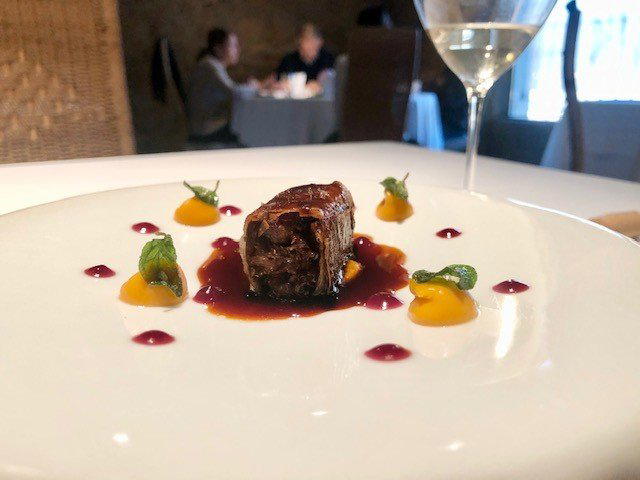
The menu
What to order
- Ostra del Sol oysters
- Tuna harmonica
- Borratxets omelette
An Old Farm, a New Kind of Meal
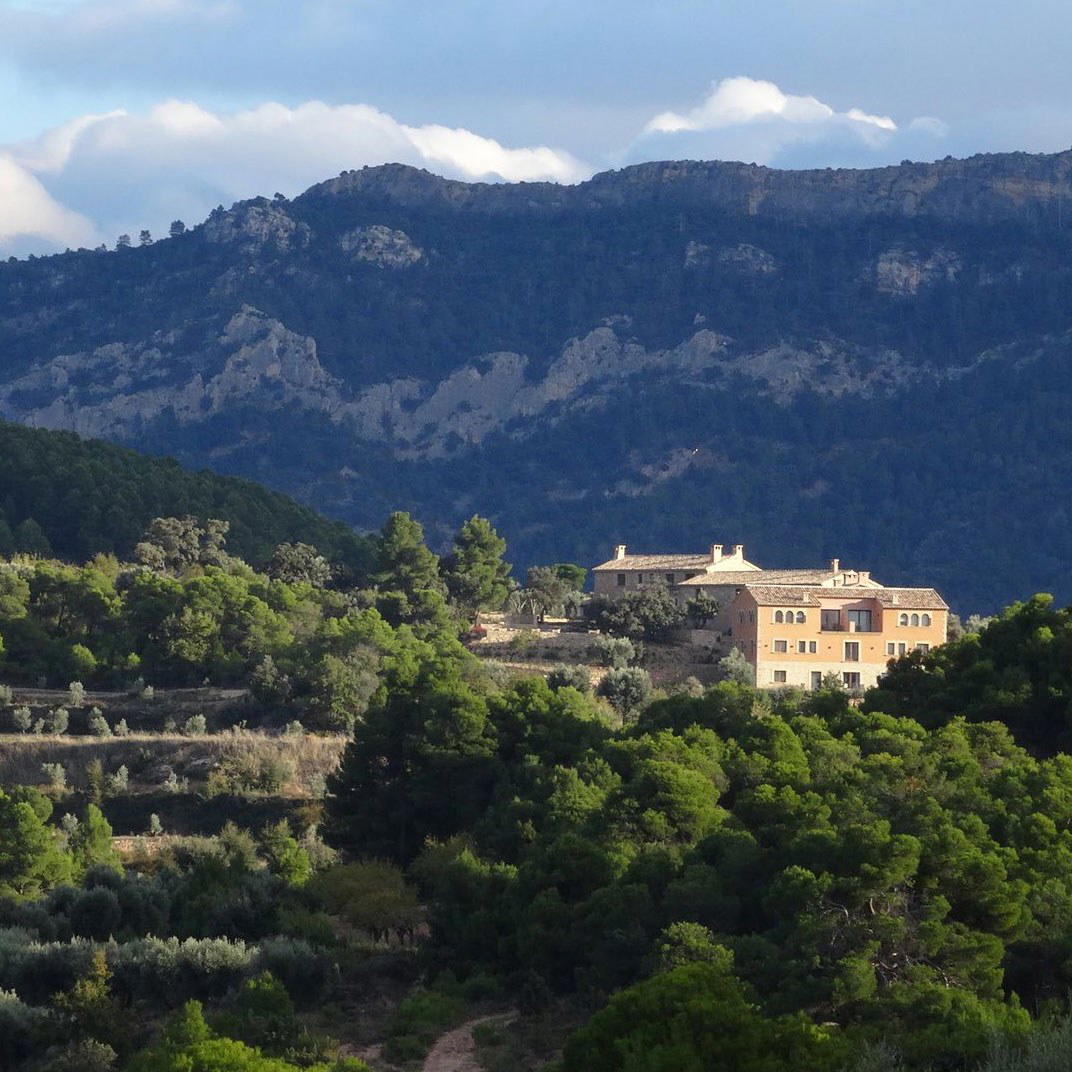
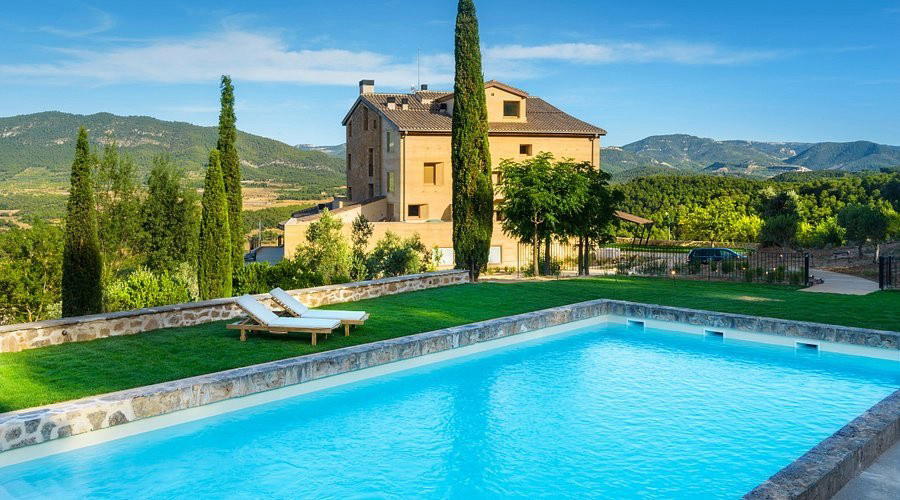
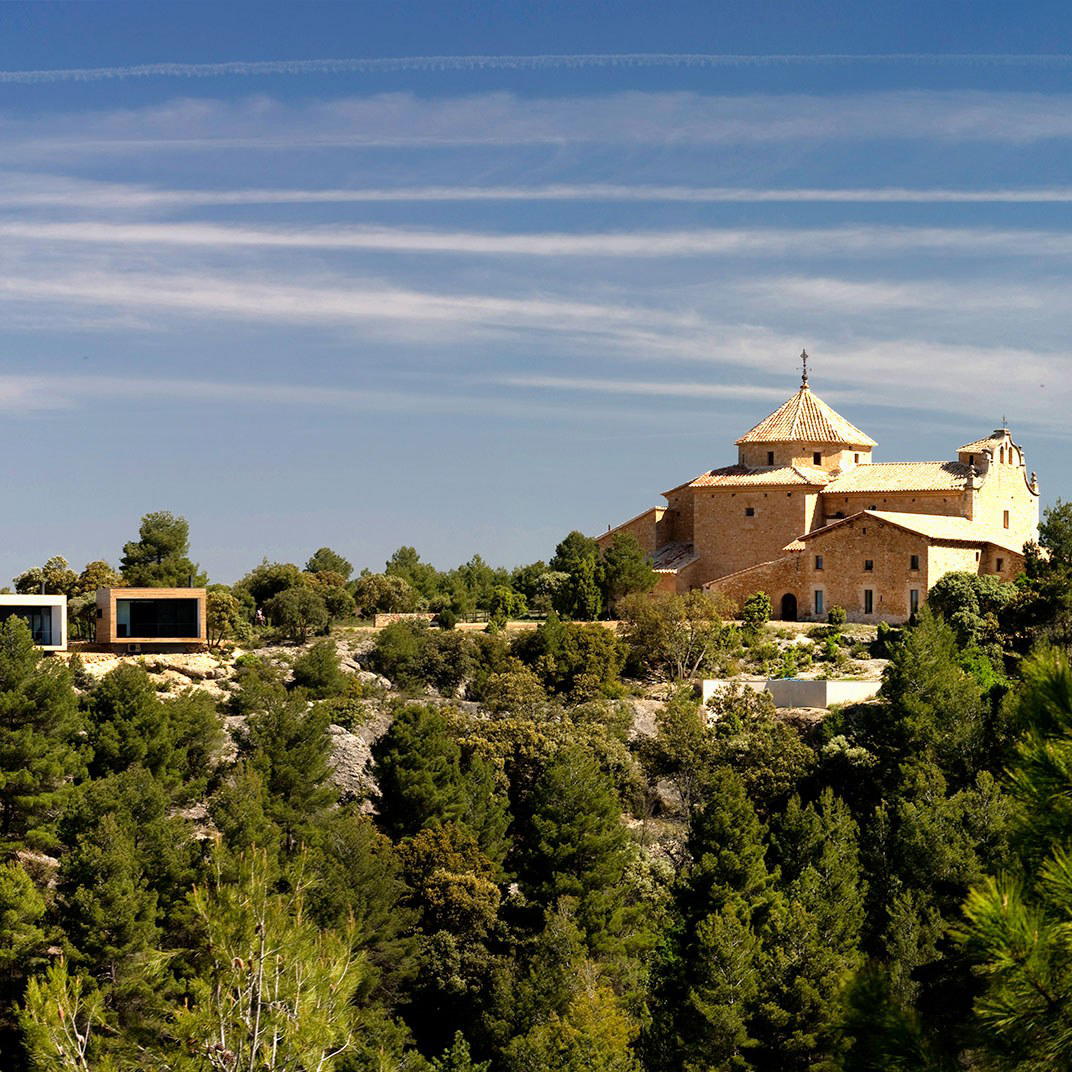
The road from Ulldecona towards La Sénia passes through scrubland and dry-stone terraces before a converted farmhouse appears at kilometre two. The building's rough masonry and working-farm bones sit alongside considered contemporary detail inside, a combination that signals something about what the meal ahead will ask of you. This is not a city restaurant that happens to source locally. The surrounding Terres de l'Ebre region, its coast and its hinterland, its oyster beds and its mountain produce, is the actual subject of the cooking, and the physical setting is the first sentence of that argument.
In the broader context of Spain's starred dining, restaurants at this price tier (€€€) that hold a Michelin star occupy a specific and increasingly watched position. Most of Spain's highest-profile addresses, from El Celler de Can Roca in Girona to Disfrutar in Barcelona and further afield to Arzak in San Sebastián or DiverXO in Madrid, sit at the €€€€ ceiling. Les Moles earns its star at a more accessible price point, making it a reference for readers looking to map Spain's fine dining geography beyond its most publicised capitals. For comparison, other marine-focused starred kitchens such as Aponiente in El Puerto de Santa María or Quique Dacosta in Dénia operate at the higher bracket. Les Moles belongs to a smaller cohort: regional, place-specific, Michelin-endorsed, and set against a price tier that does not assume a metropolitan expense account.
How the Meal Is Structured
The menu architecture at Les Moles reflects a deliberate approach to how different guests might engage with the same kitchen. Four named tasting menus run in parallel: Terra Incognita, El Camino Recorrido, Tradición, and a Vegetarian option. Each frames the Terres de l'Ebre differently, from the exploratory logic of Terra Incognita to the retrospective register of El Camino Recorrido. Alongside these, an à la carte operates with the option of ordering medias raciones, half-plates that allow guests to compose a more lateral meal without committing to a fixed sequence.
This format matters because it shifts the rhythm of the table. A tasting menu in the Spanish tradition tends to pace conversation around the kitchen's logic rather than the diner's mood. The medias raciones option partially returns that control, particularly useful for guests who want to concentrate on the seafood current running through the menu rather than follow every turn. Across southern Spain and the Levante coast, the media ración convention is embedded in local eating culture; its presence here within a starred format is a deliberate bridge between the region's casual hospitality and the more formal European tasting-menu convention.
All tasting menus originate in the restaurant's in-house R&D; space, a dedicated creative development area that functions as a working laboratory rather than a back-of-house curiosity. This is consistent with how the more technically ambitious Spanish kitchens, such as Mugaritz in Errenteria or Azurmendi in Larrabetzu, approach menu evolution. The difference at Les Moles is that the R&D; output feeds directly into a kitchen whose reference point is a single, well-defined region rather than a broader conceptual programme.
The Produce and the Place
Terres de l'Ebre is one of Spain's less-discussed gastronomic territories despite its density of raw material. The Ebro Delta, where the river empties into the Mediterranean south of Tarragona, produces rice, eels, clams, and oysters under conditions shaped by the meeting of fresh and salt water. Balfegó, the tuna-farming operation based near L'Ametlla de Mar, has in the past decade become one of the reference names in Spanish premium fish supply, supplying tasting-menu kitchens across the country. The oysters farmed by Ostras del Sol in the same delta represent a local aquaculture tradition that rarely reaches wider attention.
Chef Jeroni Castell's approach to this material, described in Michelin's own citation, centres on the balance between provenance, technique, and what the kitchen calls fun, a deliberately informal word for the creative layer that separates a technically competent regional restaurant from one with genuine editorial ambition. Two dishes from the current rotation illustrate this: the "armónica" preparation of grilled Balfegó red tuna, served with cured egg yolk and a purée of mashed potato and butter, and El Delta del Ebro, a steamed seafood dish combining Ostras del Sol oysters with eel and mackerel in a tasting format. Both are built around ingredients specific to within roughly fifty kilometres of the restaurant. Neither reads as a preservation exercise. The technique is present and precise, but the geography does the framing.
The kitchen garden operates as a third tier of sourcing beneath the wild and aquaculture produce, contributing to daily menu decisions and reinforcing the sustainable production logic that the We're Smart Green Guide has formally recognised. That recognition, alongside the 2024 Michelin star, positions Les Moles within a small group of Spanish kitchens that hold credibility across both the conventional fine dining hierarchy and the sustainability-focused evaluation systems that have grown in weight over the past five years.
Nearby at the Table
Ulldecona's dining scene is small but worth understanding in context. Les Moles sits on the rural outskirts; in the town itself, L'Antic Molí and Espacio Amunt offer alternative registers. The broader guides for the area, including our full Ulldecona restaurants guide, our Ulldecona hotels guide, bars guide, wineries guide, and experiences guide, map out what surrounds the restaurant for visitors building an itinerary around this corner of southern Catalonia. For reference beyond Spain, readers interested in how farm-rooted, sustainability-committed kitchens operate at this level internationally might consider Frantzén in Stockholm or FZN by Björn Frantzén in Dubai, and Martin Berasategui in Lasarte-Oria as a northern Spanish rural fine-dining parallel.
Planning the Visit
Les Moles is located at Carr. de la Sénia, Km. 2, outside Ulldecona, Tarragona, which means arriving by car is the practical approach for most visitors. The restaurant sits roughly two kilometres from the town centre, accessible from the AP-7 motorway. The price tier is €€€, which in the Spanish Michelin context typically corresponds to tasting menus at mid-range starred pricing. Given the Michelin star awarded in 2024 and the multiple menu formats on offer, advance booking is advisable, particularly for weekend visits or if you intend to request a specific tasting menu. The family-run structure and the farm setting mean that service operates differently from a hotel-backed or city-centre starred restaurant; the pace is deliberate and the room connects directly to the landscape outside.
Frequently asked questions
What part of town is Les Moles in?
Les Moles is located at Carr. de la Sénia, Km. 2, 43550 Ulldecona, Tarragona, Spain, Ulldecona.
What's the signature at Les Moles?
Two dishes carry the most consistent recognition in the restaurant's documentation. The 'armónica' pairs grilled Balfegó red tuna — a traceable, sustainably farmed bluefin from the Tarragona coast — with cured egg yolk and mashed potato. The other, El Delta del Ebro, is a steamed seafood preparation built around Ostras del Sol oysters alongside eel and mackerel, directly referencing the Ebro Delta geography that defines the kitchen's sourcing. Both sit within a 1-Michelin-star kitchen awarded in 2024.
Cuisine and Credentials
| Venue | Cuisine | Price | Awards |
|---|---|---|---|
| Les MolesThis venue — the venue you are viewing | Modern Catalan Fine Dining | $100–150 | 1 Michelin Star · Guía Repsol 2 Soles |
| Aponiente | Progressive - Seafood, Creative | Not listed | Michelin 3 Star |
| Arzak | Modern Basque, Creative | Not listed | Michelin 3 Star |
| DiverXO | Progressive - Asian, Creative | Not listed | Michelin 3 Star |
| El Celler de Can Roca | Progressive Spanish, Creative | Not listed | Michelin 3 Star |
| Quique Dacosta | Creative | Not listed | Michelin 3 Star |
Recognition history
Dated appearances from independent guides and award organizations, with the underlying list record or original source where available.
Michelin 1 Star
Michelin
Guía Repsol 2 Soles
Guía Repsol
Macarfi 8 Food Rating
Macarfi
We're Smart World 4 Radishes
We're Smart World
Full recognition history (6 entries)
Michelin 1 Star
Michelin
Michelin 1 Star
Michelin
Continue exploring
More in Ulldecona
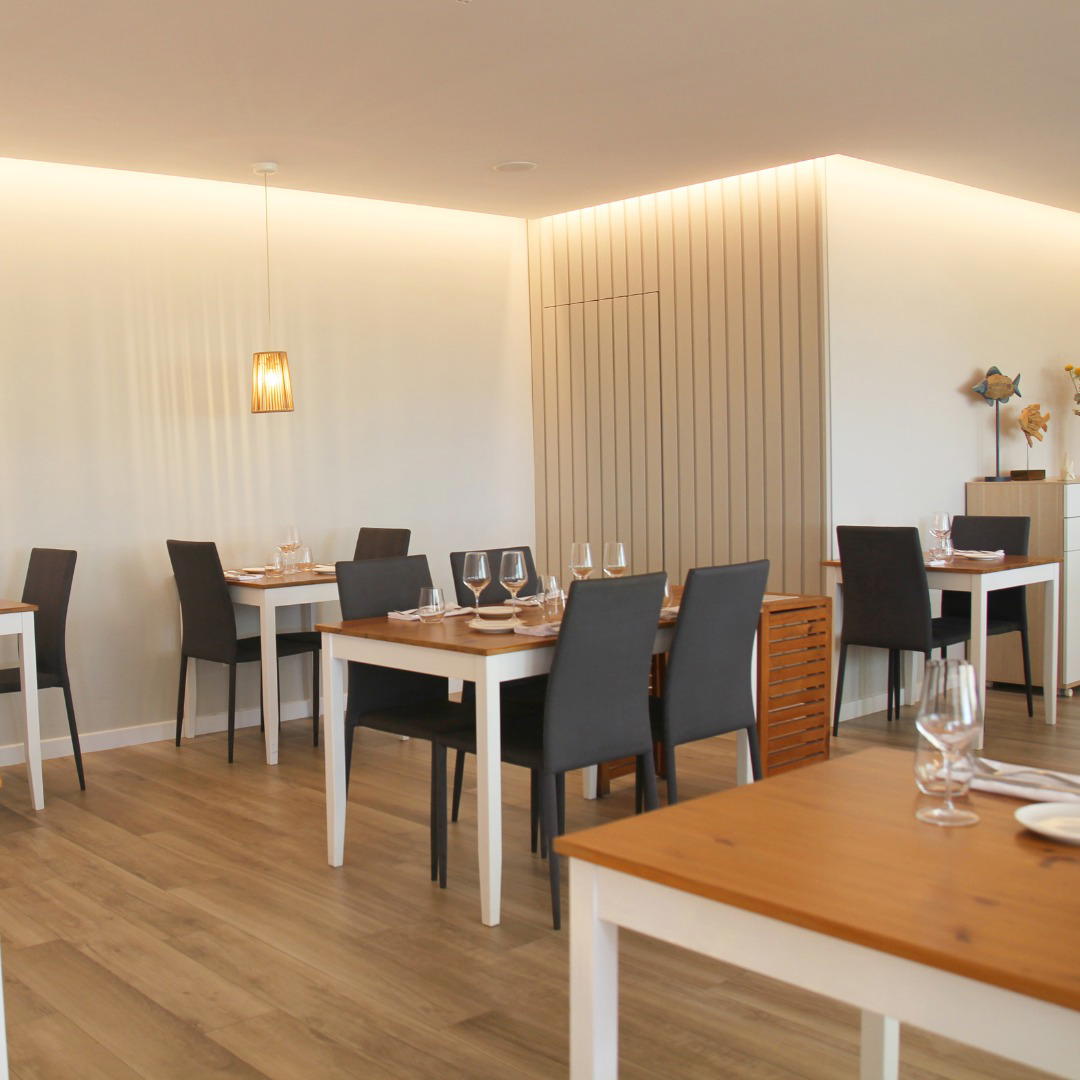
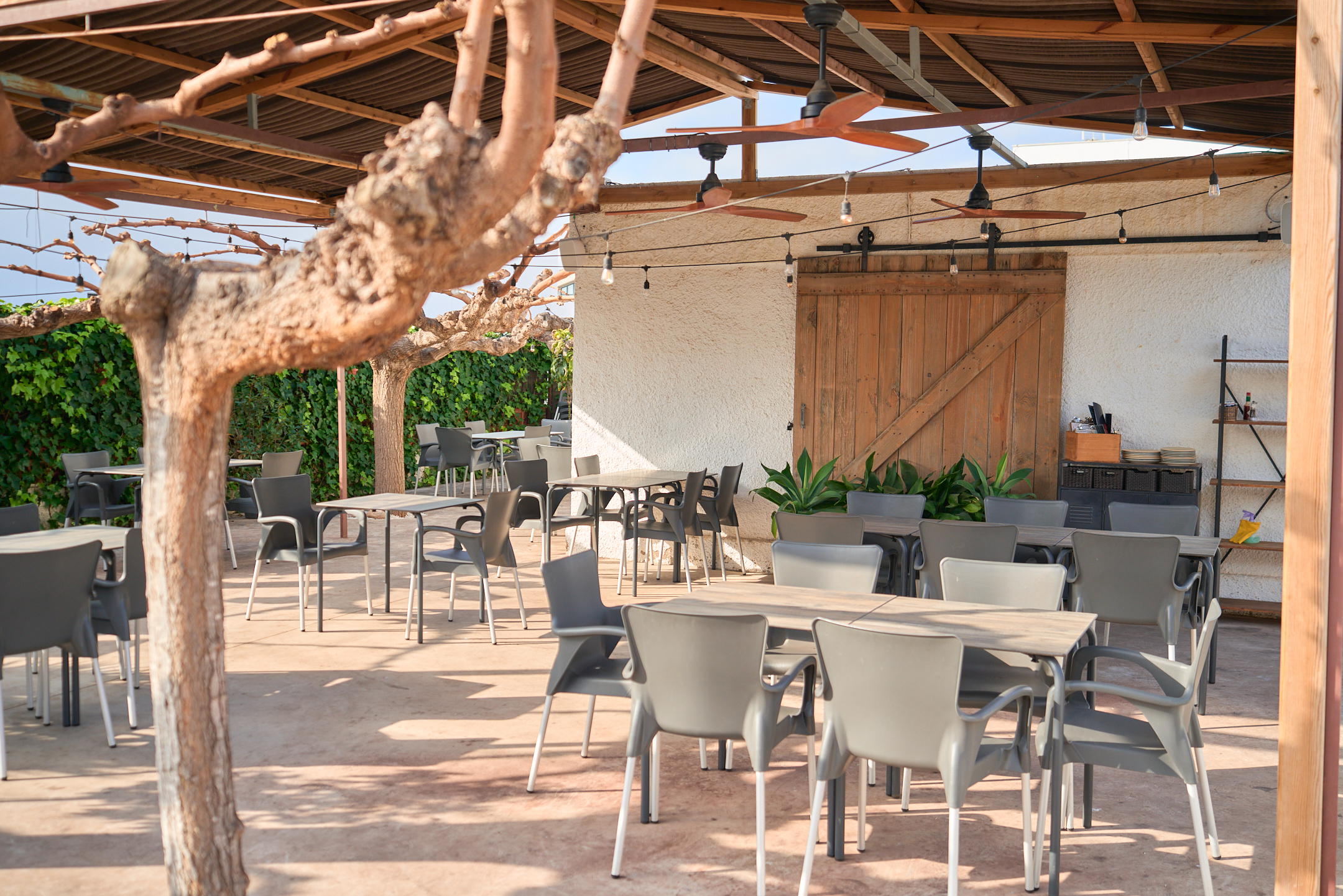
Restaurants in Ulldecona
Browse all →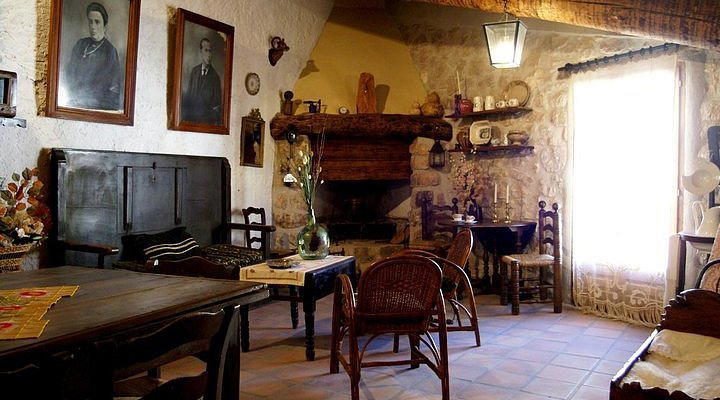
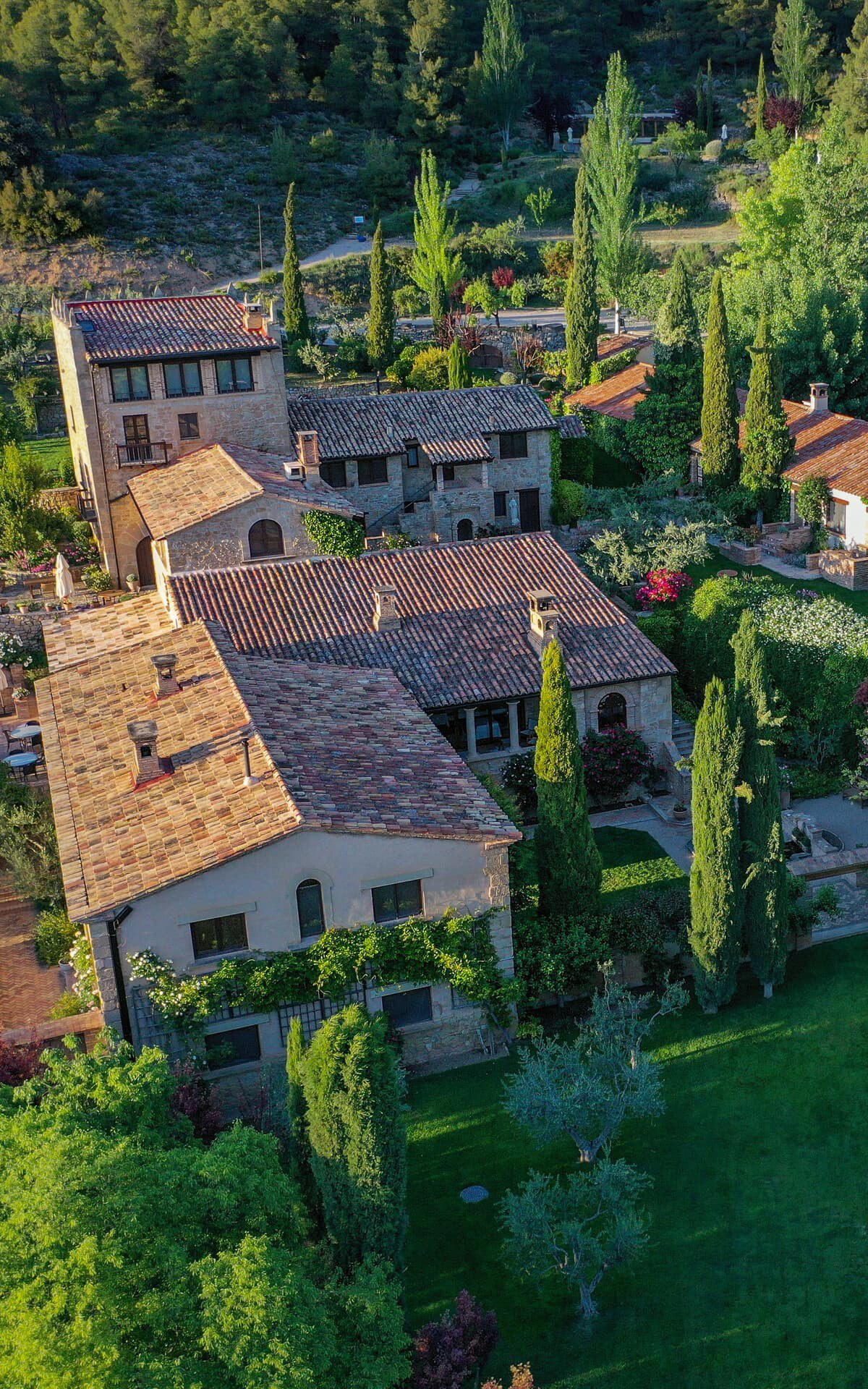
Hotels in Ulldecona
Browse all →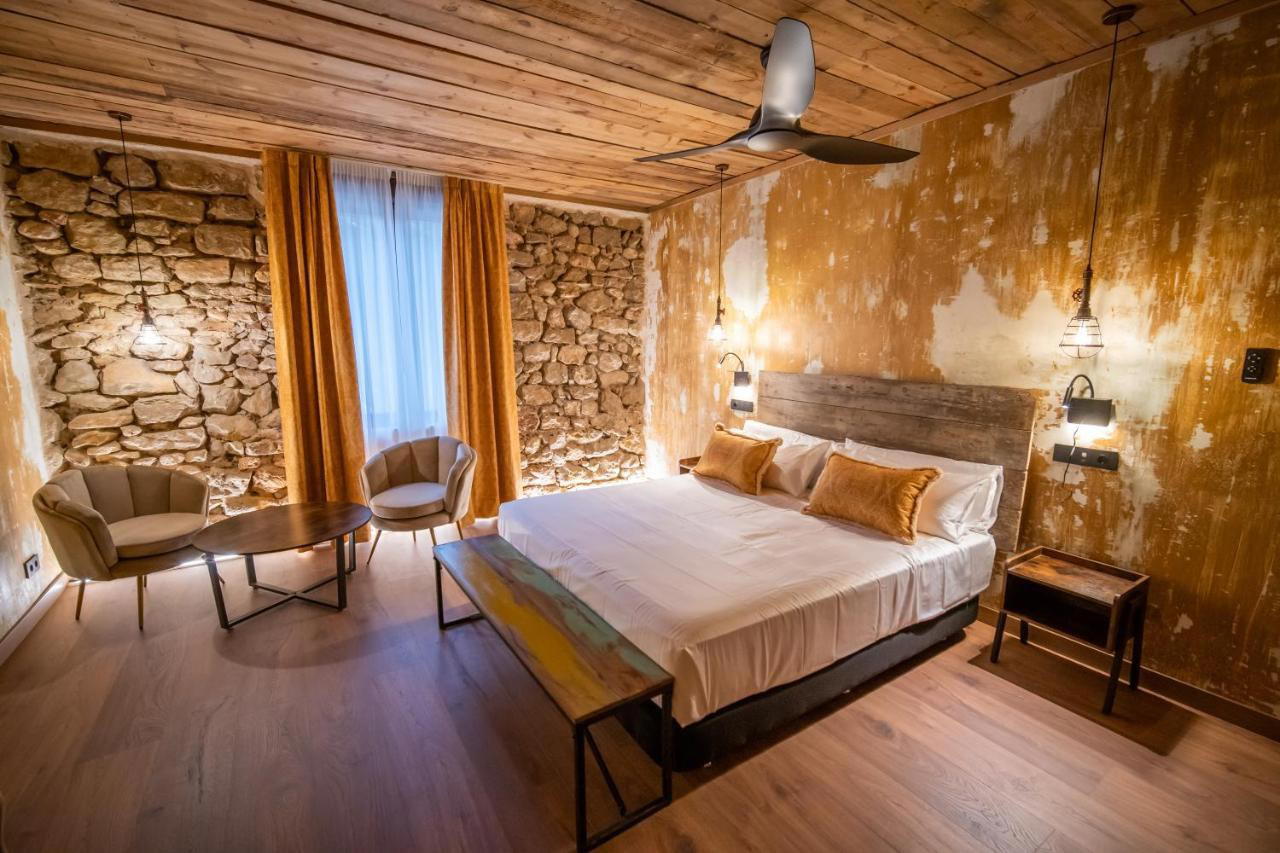

Details
- Rustic
- Elegant
- Intimate
- Historic
- Cozy
- Special Occasion
- Date Night
- Celebration
- Historic Building
- Open Kitchen
- Extensive Wine List
- Sommelier Led
- Farm To Table
- Local Sourcing
- Biodynamic
- Tasting Menu
- A La Carte
- Wine
- Vegetarian Friendly
- Vegan Options
- Gluten Free Options
Current opening hours
- Monday
- Closed
- Tuesday
- 1–3:30 p.m.
- Wednesday
- 1–3:30 p.m.
- Thursday
- 1–3:30 p.m.
- Friday
- 1–3:30 p.m., 8:30–10:30 p.m.
- Saturday
- 1–3:30 p.m., 8:30–10:30 p.m.
- Sunday
- 1–3:30 p.m.
Hours can change for holidays and private events. Last verified .
Warm and inviting historic setting with rustic stone walls, contemporary details, and a casual yet sophisticated atmosphere.