Atalaya



Atalaya holds a Michelin star in Alcossebre, a small coastal town on the Valencian Community's northern shore, where its two young chefs bring technique sharpened at Martín Berasategui's three-star kitchen to a menu rooted in local Mediterranean produce. Three set menus, an open kitchen, and a wine cellar anteroom make this one of the Costa del Azahar's most considered fine-dining addresses at the €€€ price point.
Pearl is the En Primeur Club membership app — saves, bookings, and concierge access live there. Same editors, same standards.
- Address
- Carrer del Camí de L'Atall, 1A, 12579 Alcossebre, Castelló, Spain
- Phone
- +34 964 96 71 07
- Website
- atalayarestaurante.com
- Directions
- Get directions
 Saves & bookings on Pearl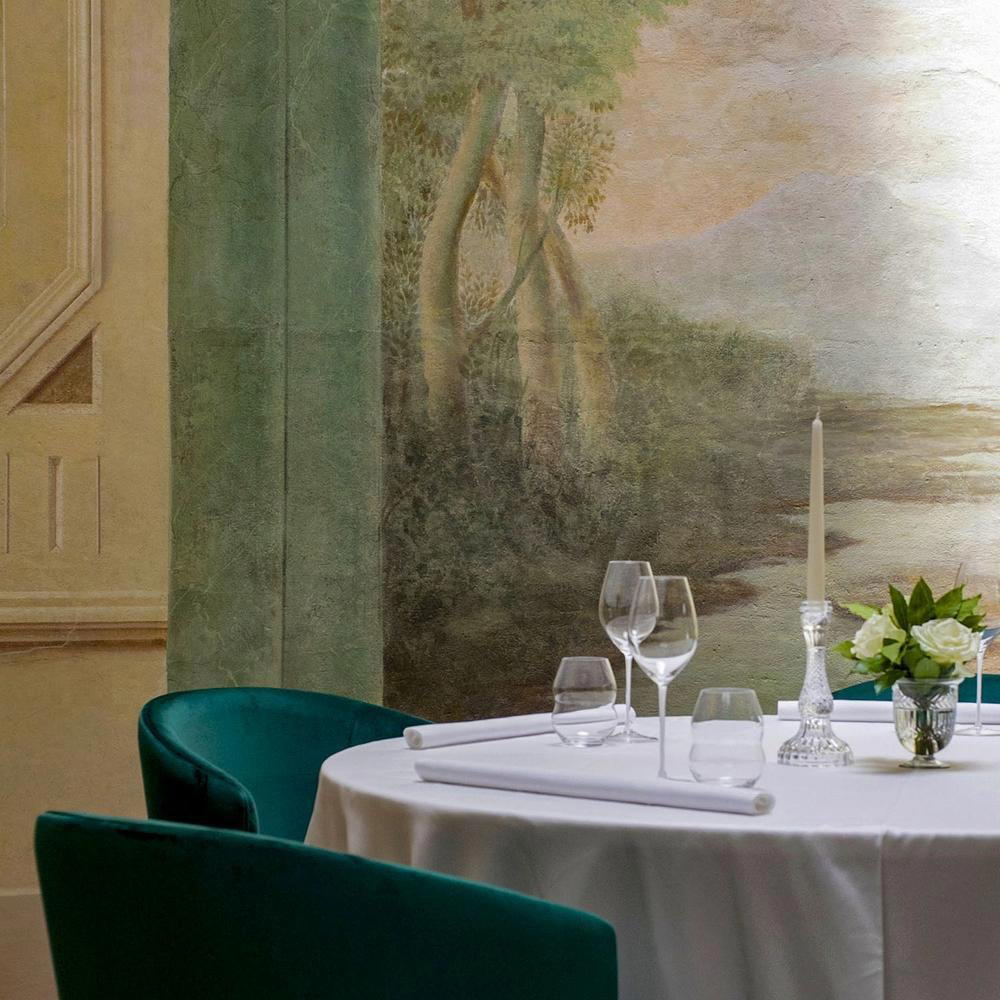
Where the Costa del Azahar Meets Haute Technique
Alcossebre sits on a stretch of the Castellón coast that most international visitors bypass entirely, content to stop at Valencia or push north to Catalonia. The town's principal asset is its quieter pace: the marina remains low-key, the promenades uncrowded, and the fishing infrastructure is still operational rather than decorative. It is into this context that Atalaya arrives, a Michelin-starred restaurant in Alcossebre, occupying the ground floor of a residential block close to the waterfront, its dining rooms fitted out in a Mediterranean register of warm finishes and open sight lines, its wine cellar repurposed as a space for aperitifs and early appetisers before guests move through to the table.
The physical arrangement matters more than it might seem. An anteroom beside the cellar sets a deliberately unhurried tempo, separating arrival from the meal itself in a way that larger city restaurants rarely attempt at this price tier. The open kitchen at the rear keeps the room connected to the process, not as theatre exactly, but as a statement of transparency about where the food comes from and how it is being assembled.
A Lineage That Explains the Cooking
Spain's Michelin map is heavily concentrated in the Basque Country and Catalonia, with a handful of notable addresses scattered along the Mediterranean coast. The restaurants that hold stars in smaller coastal towns almost always carry a biographical argument: the chefs trained somewhere significant and chose to open somewhere quiet. At Atalaya, the culinary lineage runs through Martin Berasategui in Lasarte - Oria, one of Spain's most decorated kitchens and a consistent reference point on any list of the country's leading restaurants alongside addresses like Arzak in San Sebastián, Azurmendi in Larrabetzu, and Mugaritz in Errenteria. That Berasategui training placed the chefs here inside a specific technical tradition: precise classical foundations, disciplined mise en place, and a working understanding of how haute cuisine handles texture and presentation.
The difference between Alcossebre and Lasarte-Oria is not merely geographical. It is agricultural and marine. The Valencian Community coastline between Castellón and Vinaròs produces particularly sought-after shellfish in Spain: the king prawns from Vinaròs carry a protected reputation that runs through the local market system and into high-end kitchens across the region. What Berasategui-trained technique contributes to this context is not an imposition of Basque style but a methodology for handling ingredient quality rigorously, the kind of preparation discipline that distinguishes a one-star kitchen from a well-regarded local restaurant.
The Source of Things: Ingredient Provenance on the Costa del Azahar
Atalaya's case rests substantially on ingredient sourcing. The Costa del Azahar, which runs along the Castellón and northern Valencia coastlines, has an agricultural identity that is often undersold in the broader Spanish food narrative. The name itself, Orange Blossom Coast, points to one axis of that identity, but the marine dimension is equally significant. Vinaròs, the fishing town roughly 35 kilometres north, supplies a consistent stream of shellfish and fish to the restaurants along this shore, and the king prawn from those waters has a specific sweetness and texture that distinguishes it from equivalent product fished further south.
A kitchen operating at Atalaya's level uses that proximity deliberately. The contemporary technique inherited from high-end Basque training does not override local ingredient identity; it frames it. The al ajillo preparation of Vinaròs king prawns, garlic, oil, heat, timing, is one of the simplest formats in the Spanish kitchen and also one of the least forgiving of mediocre product. At this level, the dish functions as a credential: an assertion that the sourcing is good enough to carry a preparation that removes nowhere to hide.
This is characteristic of how Mediterranean fine dining has evolved along the Spanish coast over the past decade. Restaurants like Quique Dacosta in Dénia and Ricard Camarena in València have built their reputations on a similar axis: technical ambition applied to local produce rather than imported luxury product. Atalaya operates at a smaller scale and a lower price tier, €€€ against the €€€€ of Dacosta or Camarena, but the underlying logic is consistent. The Valencian coastal kitchen, at its most serious, is a cuisine of sourcing discipline and textural precision, not of imported reference points.
Three Menus and What They Signal
Atalaya structures its offer across three set menus: Llaüt, Bergantín, and Goleta. The Llaüt menu runs at lunchtime midweek, while Bergantín and Goleta extend the format across the evening service. For the comparison visitor, someone who has eaten at El Celler de Can Roca in Girona, Cocina Hermanos Torres in Barcelona, or Aponiente in El Puerto de Santa María, the tiered menu structure will be familiar as a format signal: the kitchen controls the sequence, the pacing, and the thematic arc of the meal.
The emphasis on presentation and textures aligns Atalaya with a contemporary Spanish idiom that has been developing since the Ferran Adrià era reshaped what fine dining here could mean. The current generation, trained in post-Adrià kitchens, tends to work with that inheritance more quietly, combining classical technique with local produce and restraining the spectacle that defined the mid-2000s avant-garde. Atalaya reads as part of that quieter contemporary current, which is also visible internationally at restaurants like Jungsik in Seoul and César in New York City.
Planning Your Visit
Atalaya opens for lunch on Monday, Wednesday through Sunday from 1:45 PM, with service closing at 3:00 PM. Dinner service runs Wednesday through Sunday, from 8:45 PM to 10:30 PM. Tuesday is the weekly closing day. The tighter lunch window on Monday, lunch only, no dinner, reflects a pattern common to Michelin-recognised Spanish restaurants where the kitchen needs recovery time without closing the week entirely.
Alcossebre is a coastal town without a large city airport nearby; the nearest significant hubs are Valencia (approximately 120 kilometres south) and Tarragona to the north. Driving is the practical approach for most visitors, and the address, Carrer del Camí de L'Atall, 1A, is close to the marina, which provides a direct orientation. Given the limited service windows and the likelihood of advance demand during the summer season, booking well ahead is advisable.
Side-by-Side Snapshot
Comparable venues nearby, for context on price, style, and recognition.
| Venue | Cuisine | Price | Awards | Notes |
|---|---|---|---|---|
| AtalayaThis venue — the venue you are viewing | Modern Mediterranean Fine Dining | $$$ | Michelin 1 Star | Not listed |
| Citrus del Tancat | Modern Mediterranean Fine Dining | $$$ | Michelin 1 Star | Alcanar |
| Tula | Modern Mediterranean Seafood | $$$ | Michelin 1 Star | Platja de l’Arenal |
| El Xato | Modern Alicante Mediterranean | $$$$ | Michelin 1 Star | la Nucia |
| Es Fum | Modern Mediterranean Fusion | $$$$ | Michelin 1 Star | Costa d'en Blanes |
| Fierro | Modern Mediterranean Tasting | $$$$ | Michelin 1 Star | Russafa |
Recognition history
Dated appearances from independent guides and award organizations, with the underlying list record or original source where available.
Guía Repsol 2 Soles
Guía Repsol
Macarfi 8.6 Food Rating
Macarfi
Michelin 1 Star
Michelin
Michelin 1 Star
Michelin
Michelin 1 Star
Michelin
Continue exploring
More in Alcossebre

At a Glance
- Modern
- Elegant
- Intimate
- Special Occasion
- Date Night
- Open Kitchen
- Extensive Wine List
- Local Sourcing
Current opening hours
- Monday
- Closed
- Tuesday
- Closed
- Wednesday
- 1:45–3 PM
- Thursday
- 1:45–3 PM
- Friday
- 1:45–3 PM
- Saturday
- 1:45–3 PM
- Sunday
- 1:45–3 PM
Hours can change for holidays and private events. Last verified .
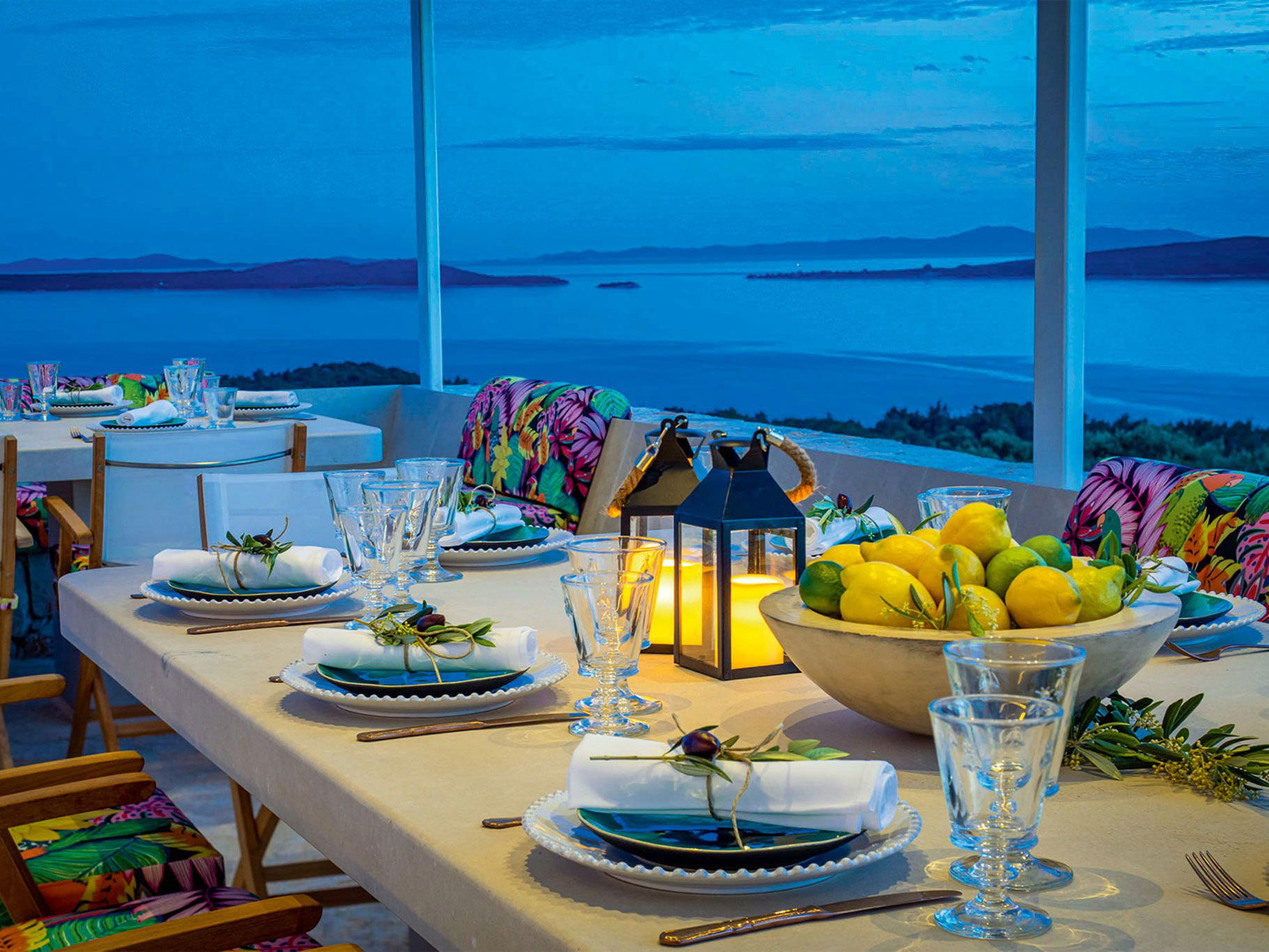
Pleasantly renovated Mediterranean-style dining rooms with modern open kitchen, lively yet welcoming atmosphere.