
Michelin Selected
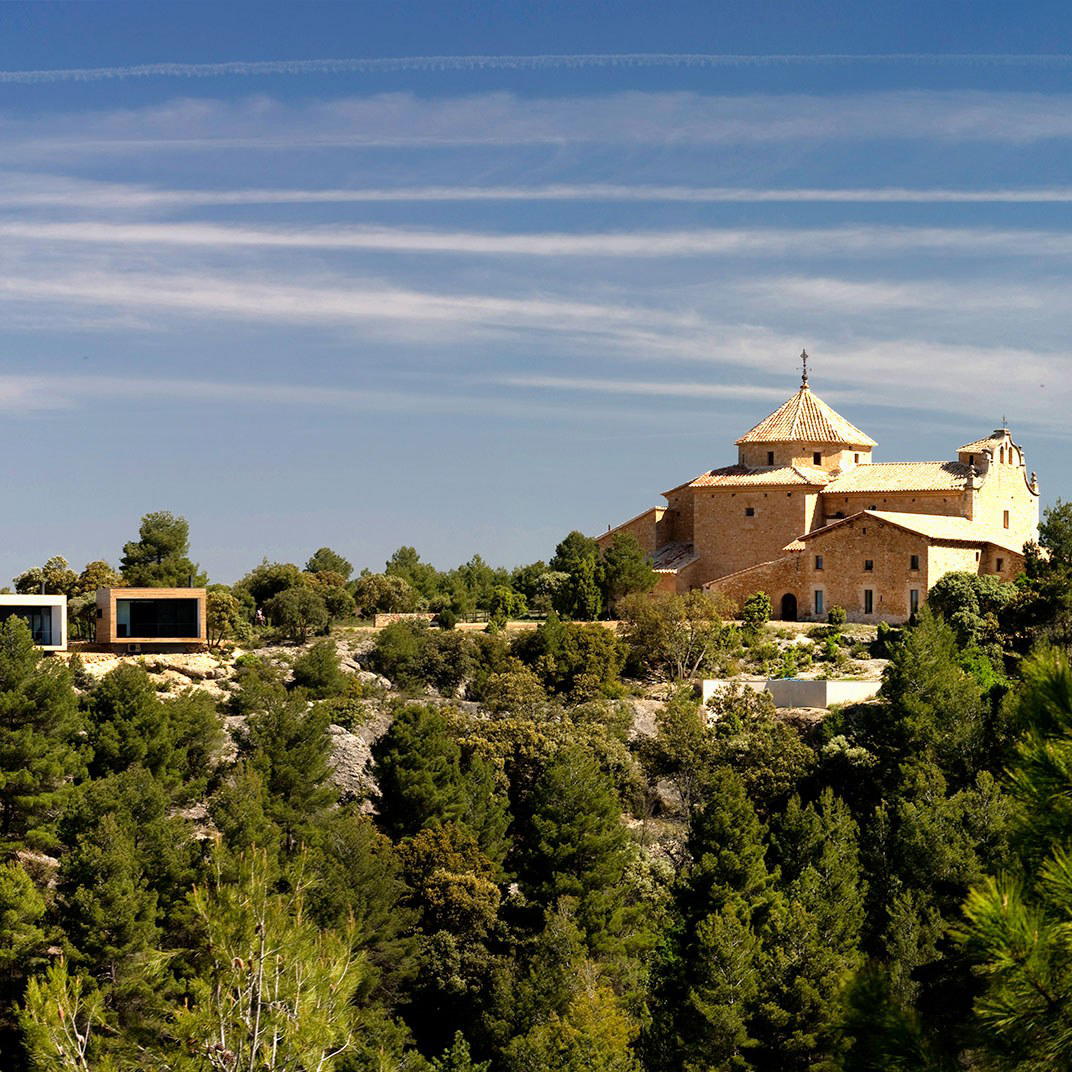
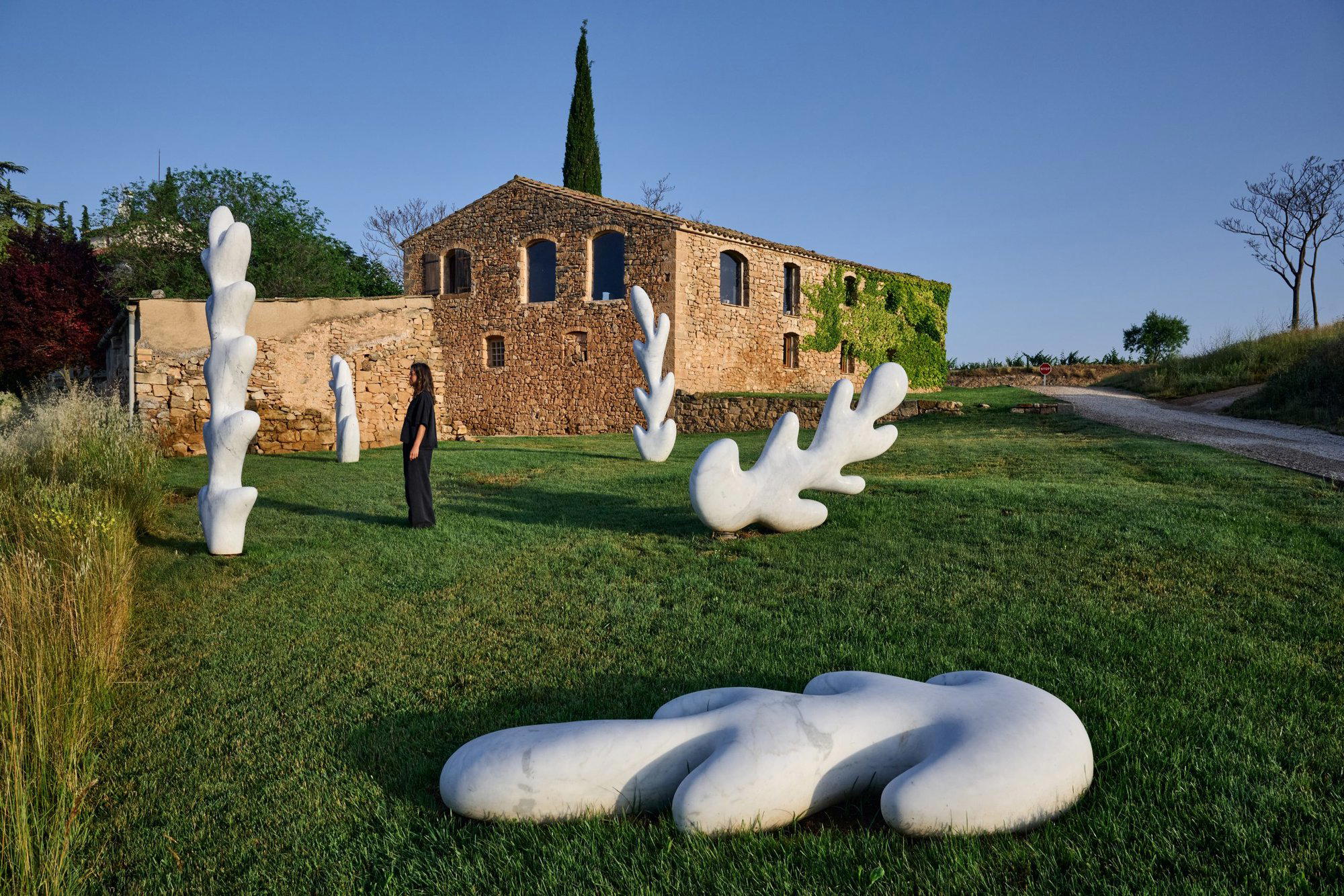
A Michelin Selected farmhouse hotel set in the rugged Matarraña comarca of Teruel, Mas de la Costa offers the kind of stripped-back rural architecture that lets the landscape do the heavy lifting. Stone walls, agricultural bones, and deliberate quiet place it firmly in the tradition of Aragonese rural conversion — closer to working farm than resort, and all the stronger for it.

Pearl is the En Primeur Club membership app — saves, bookings, and concierge access live there. Same editors, same standards.
- Address
- ctra de, A-1414, km 22, 44580 Valderrobres, Teruel, Spain
- Phone
- +34 978 09 20 02
- Website
- masdelacosta.com
- Directions
- Get directions
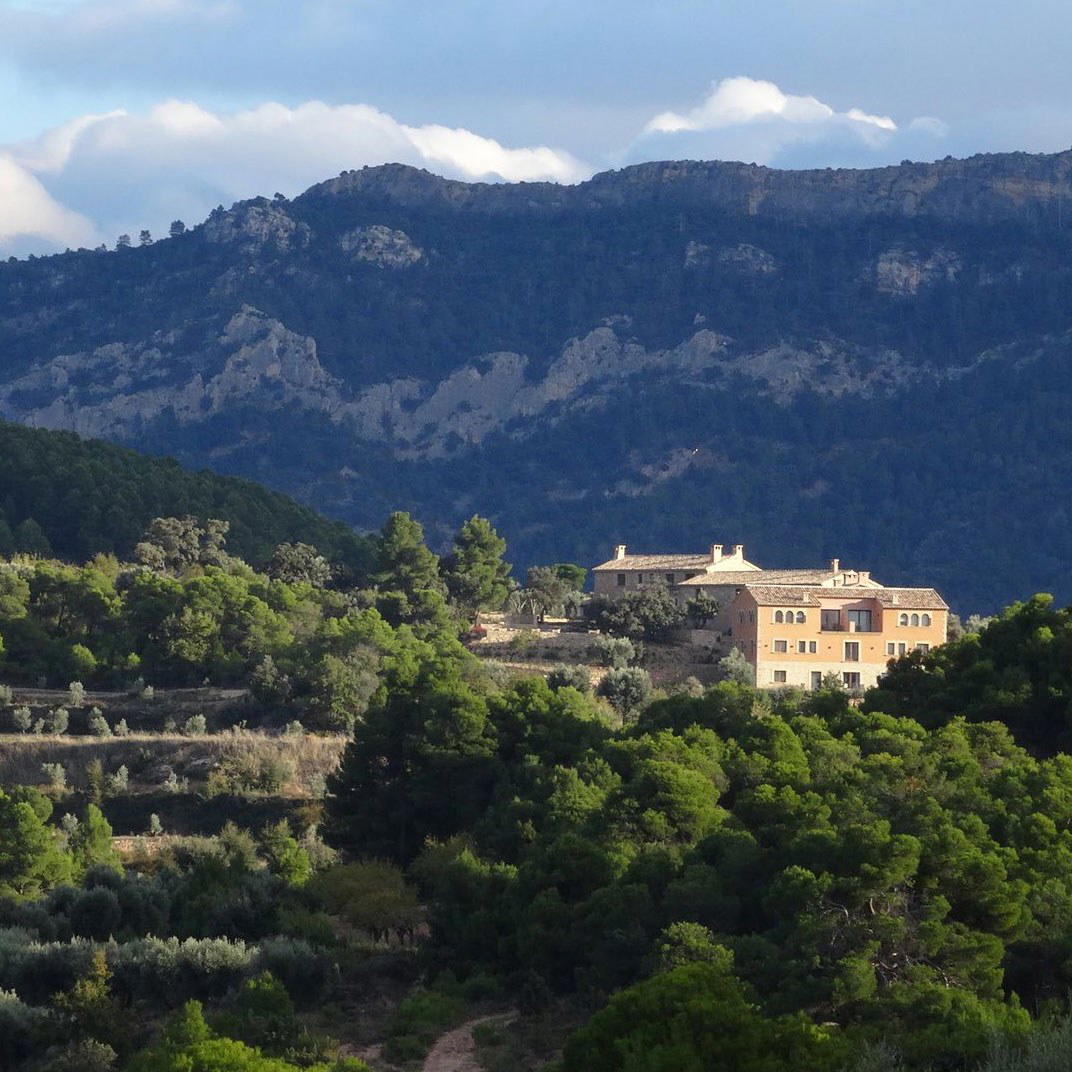
Stone, Silence, and the Matarraña Tradition
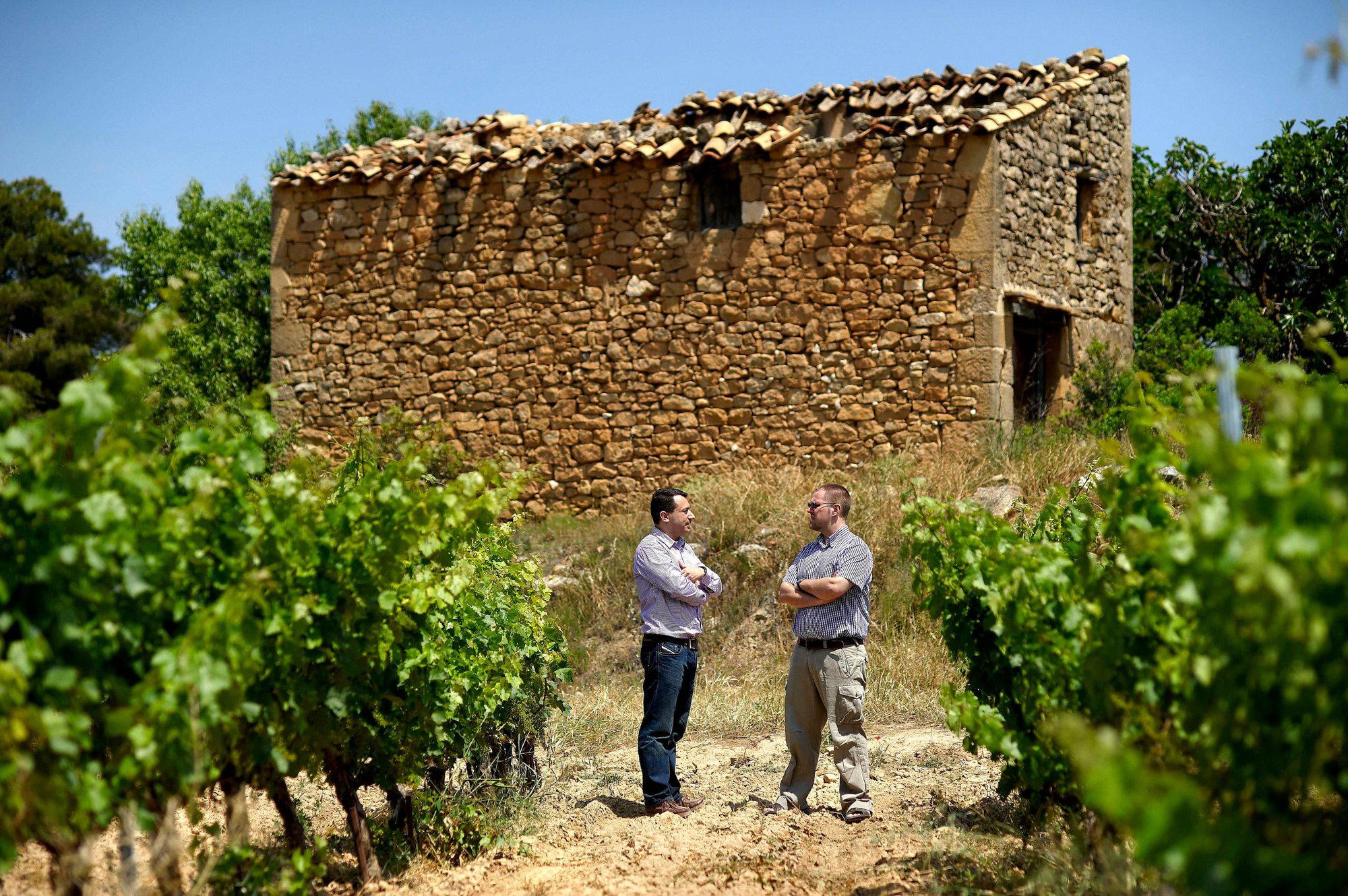
The road to Mas de la Costa tells you something before the building does. The Matarraña comarca, tucked into the southeastern corner of Aragon near the Catalan border, is one of Spain's least-trafficked rural zones — a range of limestone ridges, olive groves, and medieval stone villages that has resisted the kind of tourist infrastructure that softens edges elsewhere. Arriving at a property on the Carr. del Mas de la Costa outside Valderrobres, you encounter the architectural logic that defines this territory: thick stone walls built for thermal mass, not aesthetics; low horizontal profiles that sit inside the terrain rather than on top of it; a functional austerity that reads as restraint in retrospect.
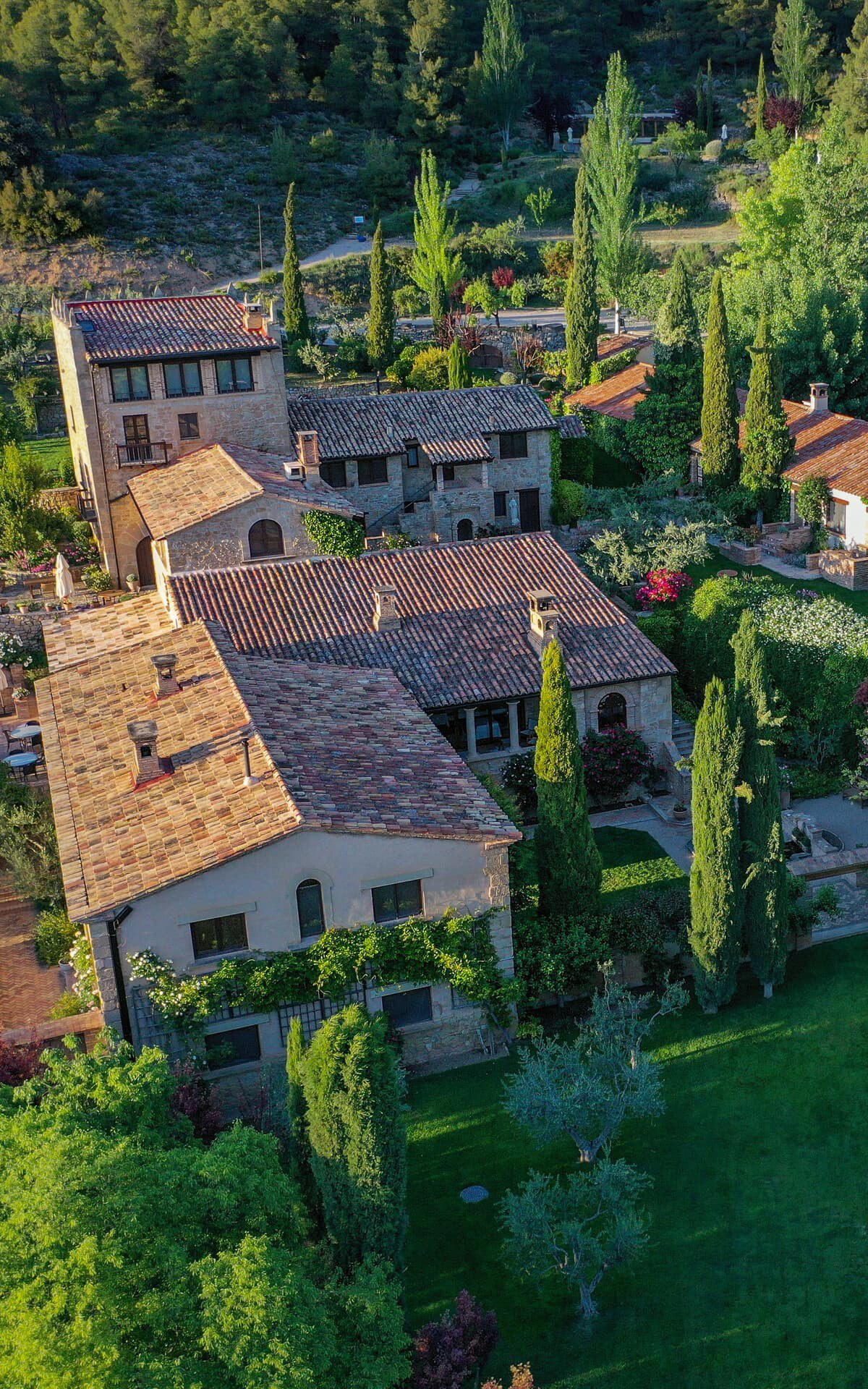
Mas de la Costa belongs to a specific tradition of rural hotel conversion that has gained traction across inland Spain over the past two decades. Agricultural masías — the working farmhouses of Aragon and Catalonia, have been adapted into small-capacity lodging with varying degrees of fidelity to the original structure. The most considered examples preserve the building's material honesty: exposed stone, heavy timber, earthen tones that reference the surrounding geology. The less successful ones install incongruous luxury finishes that sever any connection to the place. Mas de la Costa's inclusion in the Michelin Selected Hotels 2025 list positions it in the former category, properties recognised for authentic character rather than amenity accumulation.
Architectural Identity in a Stone-Building Culture
Valderrobres itself is a useful reference point for understanding what Mas de la Costa is working with architecturally. The town is often cited as one of the most complete examples of medieval urban fabric in Aragon, built in the same golden sandstone that defines the whole comarca. The castle-church of Santa María la Mayor rises directly from the rock above the Matarranya river; the Gothic bridge below it has been in continuous use for centuries. In this context, a masía converted with care is not a novelty, it's a continuation of a building culture that has been working in the same materials for half a millennium.
The rural hotel category across inland Spain has split in recent years between properties that use heritage architecture as a backdrop for high-spec wellness programming and those that treat the building itself as the primary experience. Consolación in Teruel province represents one interpretation of this; Abadía Retuerta LeDomaine occupies a different tier altogether, with its Duero Valley monastery setting and full wine-production infrastructure. Mas de la Costa sits closer to the quieter, materially focused end of that range, a property where the architecture is the argument rather than the amenity list.
Properties in the Mas de Torrent mode, Catalan masía conversions, offer a useful comparison set. Mas de Torrent Hotel & Spa in Girona's Empordà region has operated within this tradition for decades, maintaining stone-and-timber interiors alongside more contemporary service expectations. Hotel Mas Lazuli, also in Girona province, works a similar vein at smaller scale. What distinguishes the Aragonese examples is the relative absence of international visitor traffic, which tends to preserve a more local character in both the physical space and the rhythm of the place.
The Wider Spanish Rural Conversion Scene
Spain has one of the denser concentrations of architecturally serious rural hotels in Europe, in part because of the sheer volume of agricultural and ecclesiastical buildings that fell out of productive use during the twentieth-century rural exodus. The conversions that have earned Michelin recognition tend to share a few characteristics: limited room counts that preserve intimacy, local materials used without apology, and a site relationship that makes the surrounding terrain legible from inside the property. Terra Dominicata in Escaladei, set within a wine estate beside a Carthusian monastery, demonstrates how completely a converted property can absorb its landscape. Cap Rocat in Mallorca takes a different approach, adapting a nineteenth-century coastal fortress into a property where military architecture becomes the dominant design statement.
At the other end of Spain's hotel range, urban properties like Mandarin Oriental Ritz, Madrid or Mandarin Oriental Barcelona operate in an entirely different register, heritage buildings in major cities, transformed through significant capital investment into five-star urban anchors. The rural Michelin Selected tier is neither competing with nor adjacent to those properties. It addresses a different reader: someone for whom the removal from urban infrastructure is itself the point.
For that reader, the Matarraña is a serious destination. The comarca holds nine Moorish-origin stone villages, a river system with swimming holes, and a density of Romanesque and Gothic architecture per square kilometre that rivals better-known Pyrenean circuits. Valderrobres sits at the centre of this and functions well as a base for the broader area. Properties that position themselves within this landscape, rather than as escapes from it, tend to hold the most interest for visitors making the drive from Barcelona (roughly two and a half hours) or Valencia.
Planning a Stay
Mas de la Costa operates from its address on the Carr. del Mas de la Costa outside Valderrobres, in the Teruel province of Aragon. Contact and booking details are best confirmed directly, as properties of this type frequently manage reservations by phone or direct email rather than through central reservation systems. The Matarraña is most accessible by private car; the nearest significant rail junction is in Tortosa to the east, from which the comarca requires onward road travel. Spring and early autumn are the conventional high seasons for the region, when temperatures are moderate and the almond and cherry orchards that cover the hillsides are at their most photogenic. Summer stays are viable given the stone architecture's natural cooling properties, though midday temperatures in July and August are high. Visitors exploring the broader region might also consider Torre del Marqués Hotel Spa & Winery in Sardoncillo for a wine-estate counterpoint, or reference our full Teruel guide for the wider context of what the province offers across accommodation and dining.
A Quick Peer Check
Comparable venues nearby, for context on price, style, and recognition.
| Venue | Cuisine | Price | Awards | Notes |
|---|---|---|---|---|
| Mas de la CostaThis venue — the venue you are viewing | Renovated historic farmhouse in harmony with nature. | Not listed | Michelin Selected | Not listed |
| Consolación | Singular countryside design hotel combining restored hermitage with independent modern kubes | $100–200 | Michelin Selected | Monroyo |
| Parador de Baiona | Historic fortress-palace hybrid combining medieval fortification with 19th-century Neo-Gothic architecture, operated by Spain's prestigious Paradores chain. | $100–200 | Michelin Selected | Monterreal Peninsula |
| INNSiDE Tenerife Santa Cruz | Urban lifestyle hotel blending business and leisure in the commercial heart of Santa Cruz. | Not listed | Not listed | Santa Cruz city centre |
| Vincci Consulado de Bilbao | Contemporary nautical-inspired design hotel positioned as a modern architectural landmark blending maritime heritage with luxury hospitality. | $100–200 | Michelin Selected | Paseo de Abandoibarra |
| Hotel Pulitzer | Renovated 1920s building blending historic facade with modern, upscale interiors. | $200–300 | Michelin Selected · Mr & Mrs Smith Seal of Approval | la Dreta de l'Eixample |
Recognition history
Dated appearances from independent guides and award organizations, with the underlying list record or original source where available.
Michelin Selected
Michelin

Details
- Romantic
- Rustic
- Scenic
- Cozy
- Elegant
- Intimate
- Quiet
- Romantic Getaway
- Honeymoon
- Weekend Escape
- Panoramic View
- Terrace
- Historic Building
- Pool
- Spa
- Wi Fi
- Restaurant
- Sauna
- Mountain
- Garden
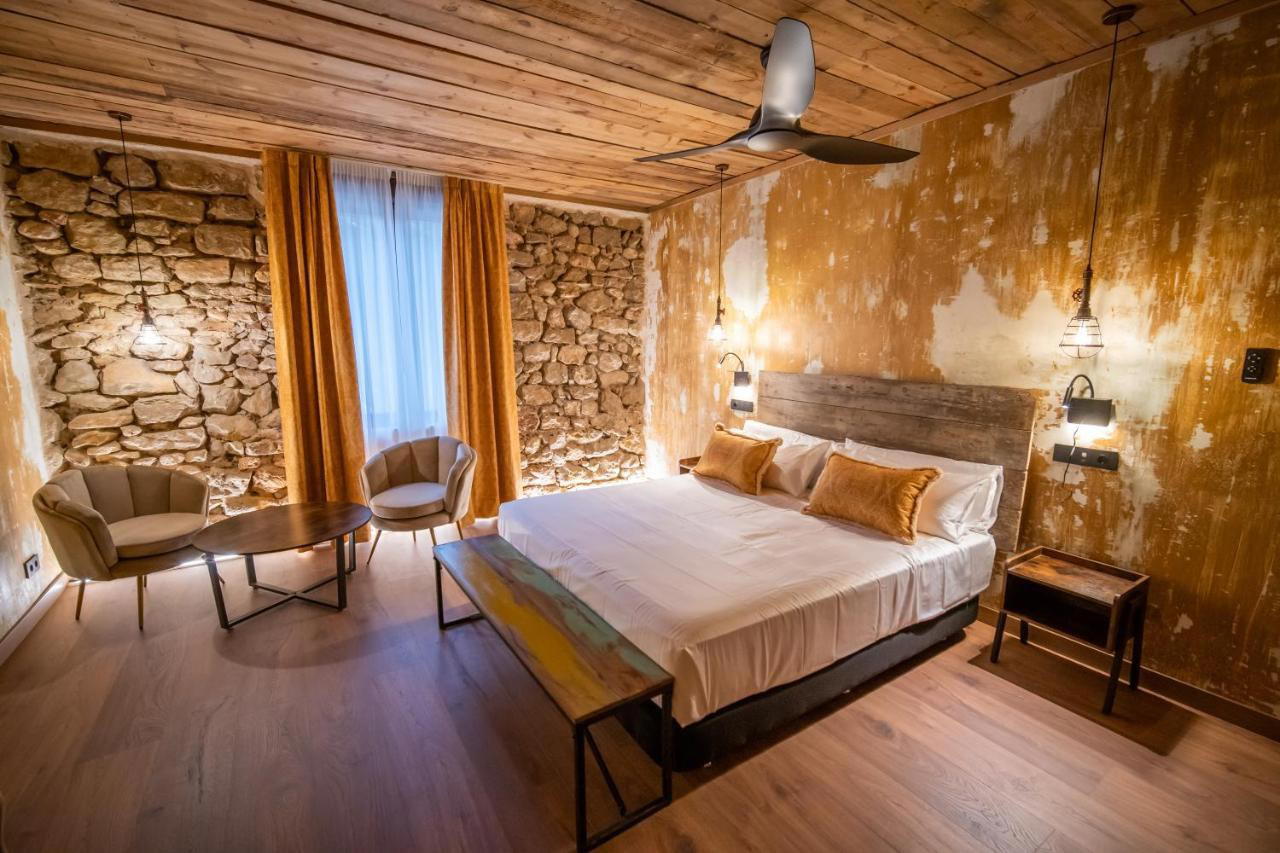
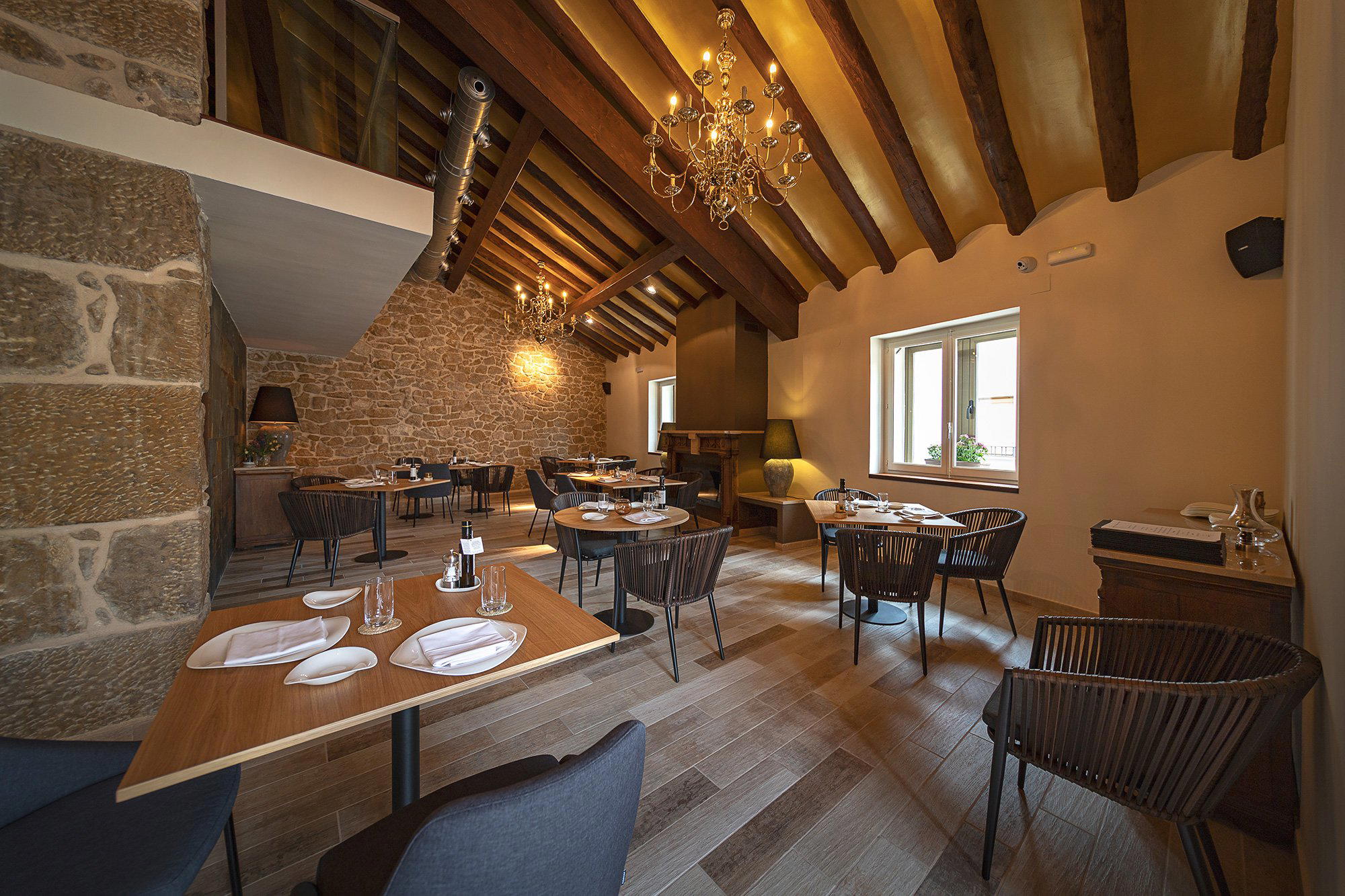
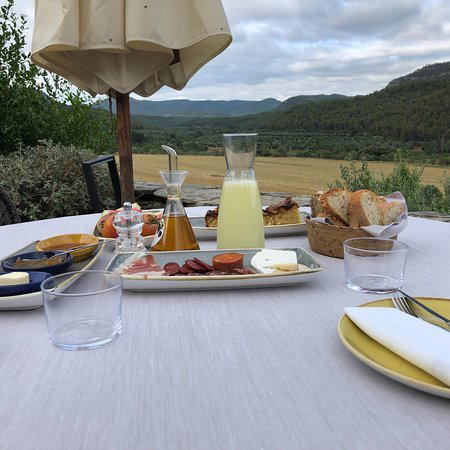
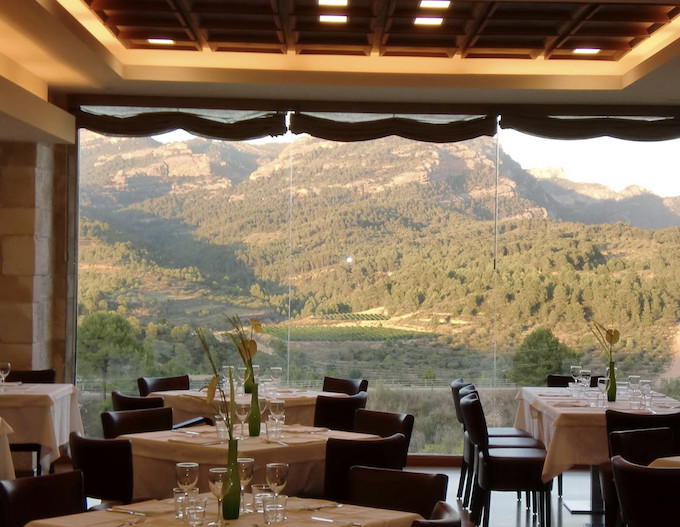
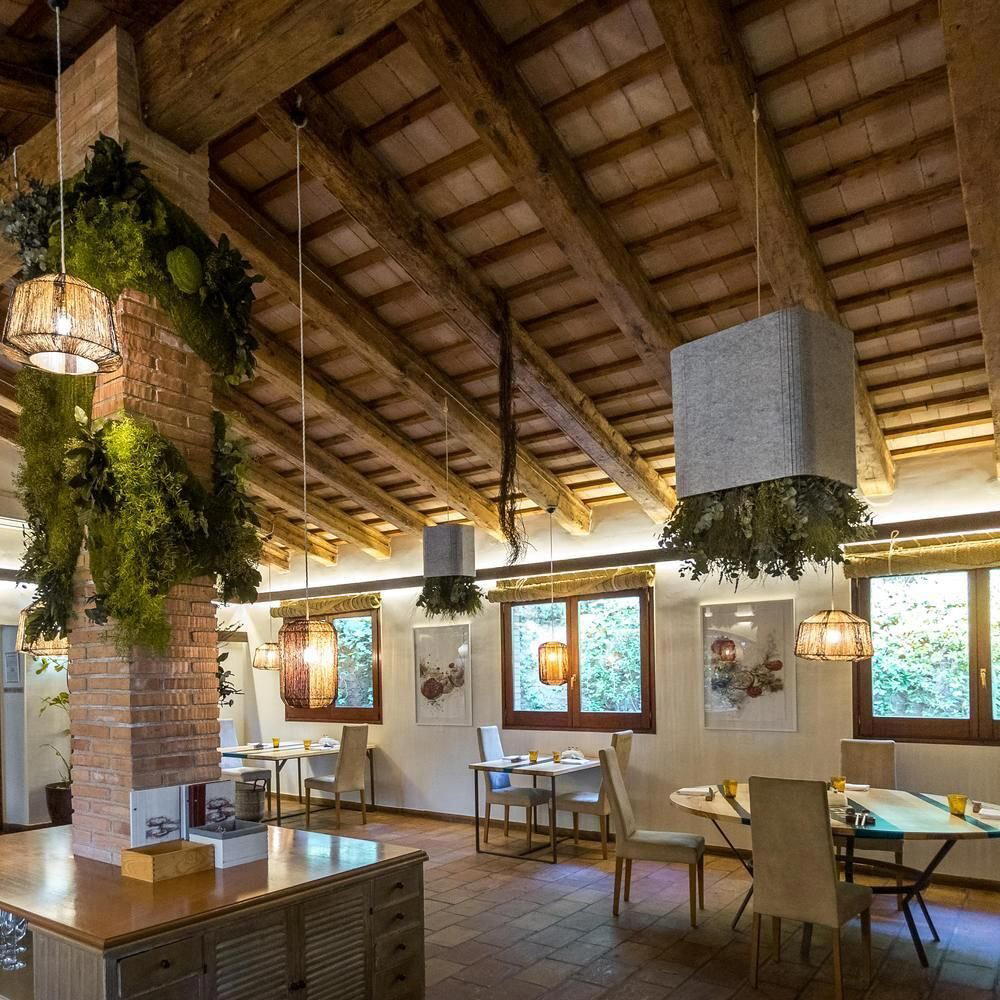
Cozy with stone walls, wooden rafters, fireplaces, and serene countryside atmosphere.