


Citrus del Tancat holds a Michelin star within an organic estate of over 2,000 citrus and fruit trees on the Catalan-Valencian border. Chef Aitor López builds three tasting menus around ingredients from the Ràpita fish auction and the Ebro delta, placing the restaurant in a small but serious tier of destination dining well outside Spain's main culinary capitals.
Pearl is the En Primeur Club membership app — saves, bookings, and concierge access live there. Same editors, same standards.
- Address
- CN-340 KM1059 - Sol de Riu, Alcanar, 43530, Spain
- Phone
- +34 977 73 71 94
- Website
- citrusdeltancat.com
- Directions
- Get directions
 Saves & bookings on Pearl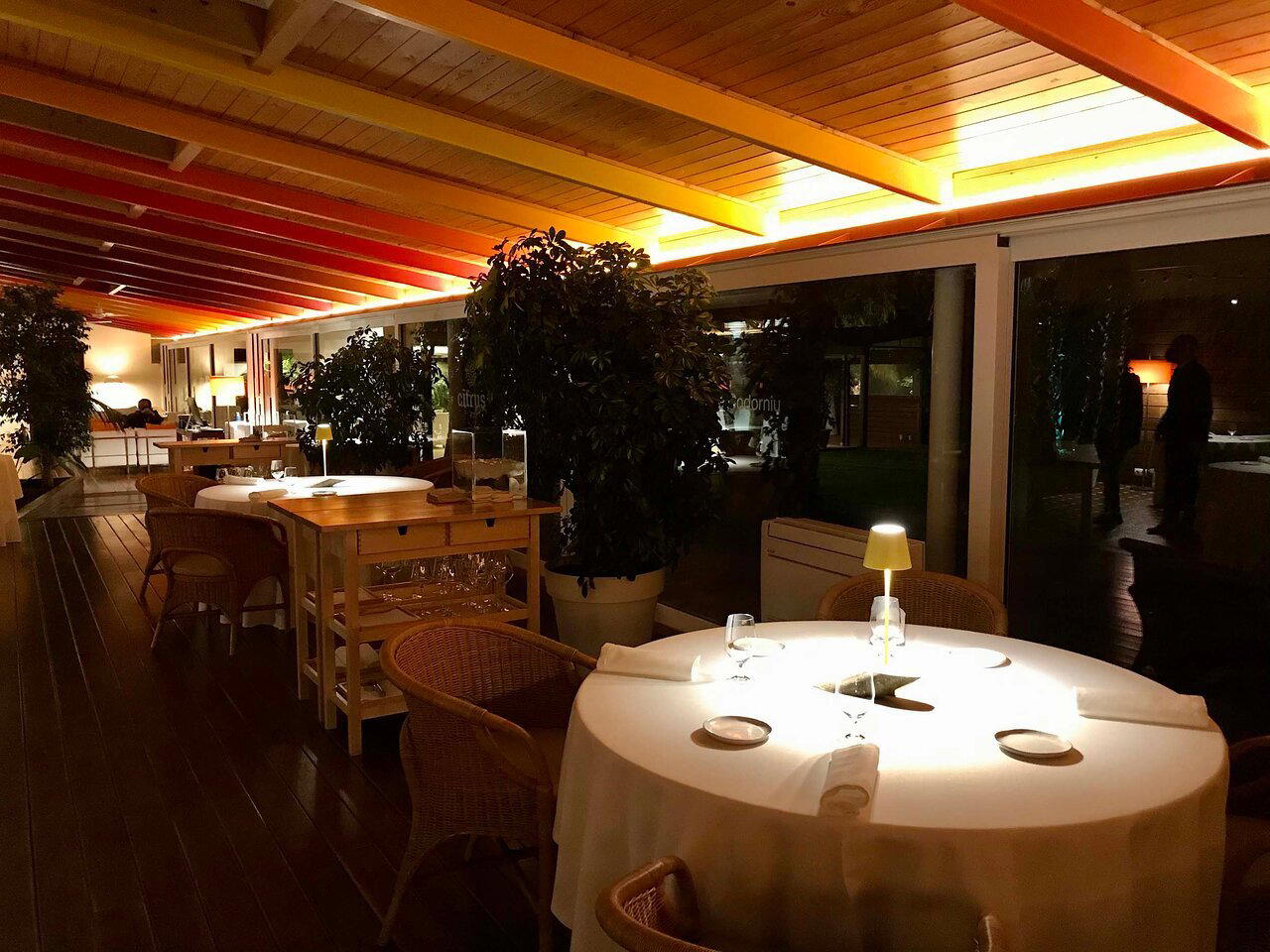
An Estate at the Edge of Two Regions
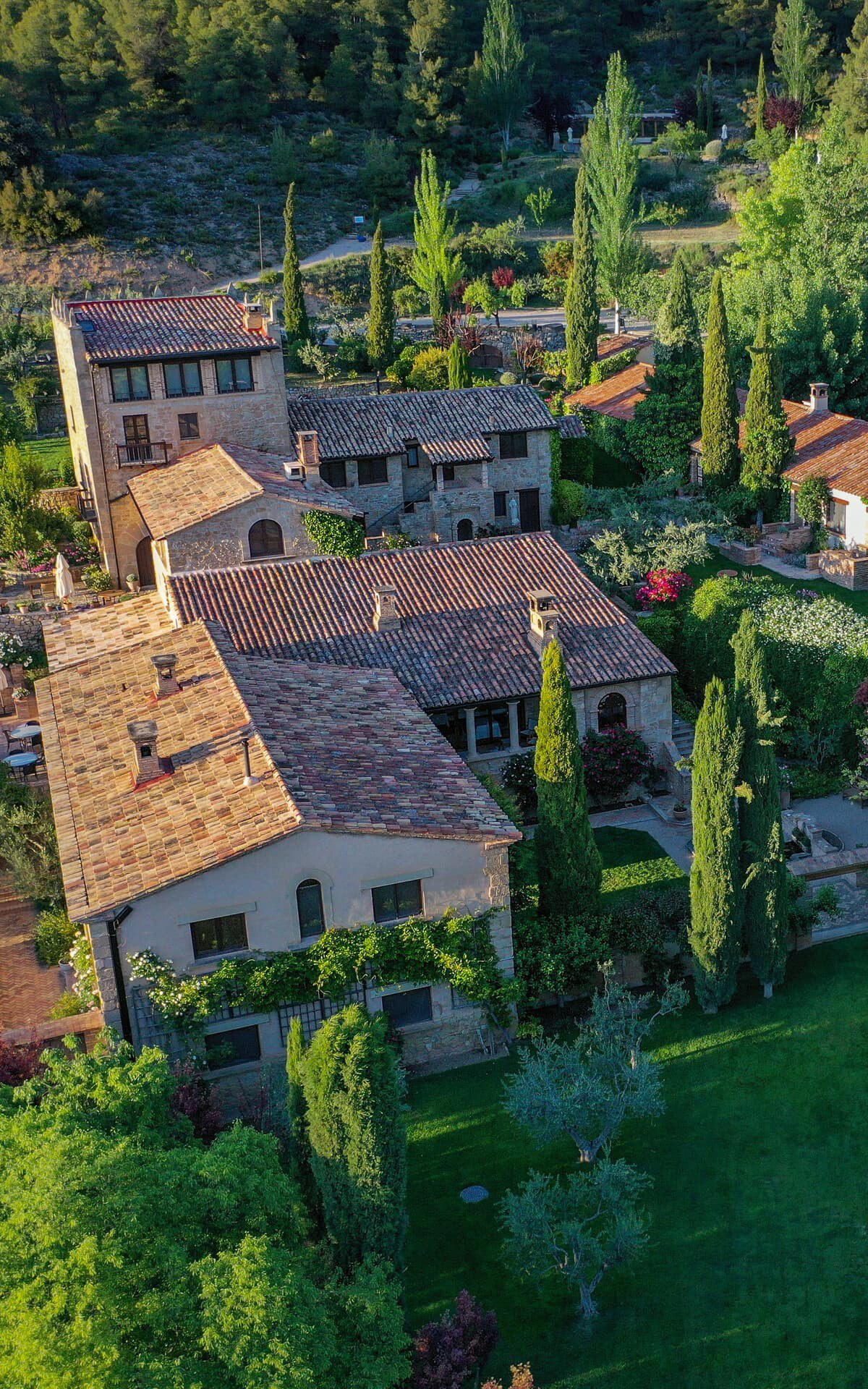
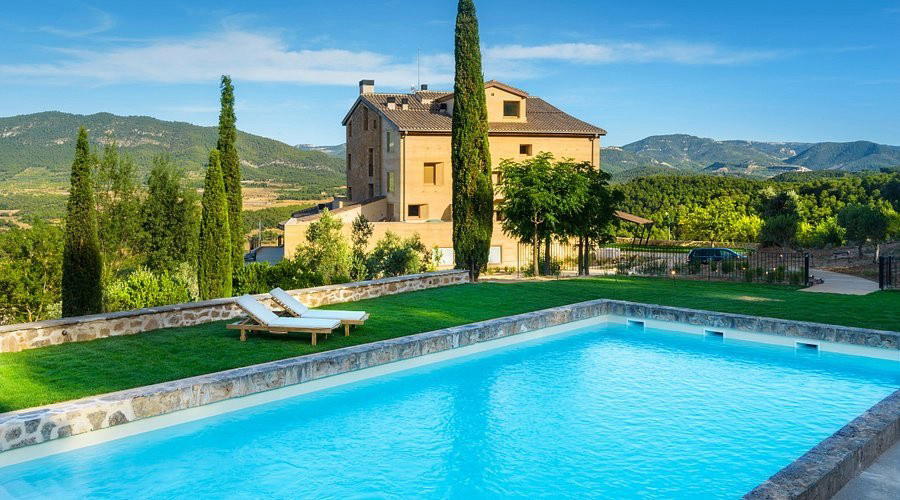
The approach to the Tancat de Codorniu estate along the CN-340 sets a particular expectation. Rows of orange and fruit trees, more than 2,000 of them, which give Citrus del Tancat its name, line an organic growing property that also maintains a large kitchen garden. The restaurant sits within this working estate, which includes a small hotel, and the physical context is not incidental to what arrives at the table. This is a part of Spain where the Catalan and Valencian culinary traditions collide rather than coexist neatly, and the cooking at Citrus is shaped by exactly that tension.
Geographically, Alcanar sits at the southern tip of Catalonia, close enough to the Valencian border that its markets, its fish auctions, and its agricultural produce reflect both cultures simultaneously. For the kitchen, that position creates an unusual freedom: the rice traditions of Valencia are as available as the fish preparations of Catalonia, and both sit within reach of the Ebro delta, among the more productive wetland and fishing areas in the western Mediterranean.
Where the Ingredients Come From, and Why It Matters
Spain's upper tier of modern restaurants has largely moved toward a sourcing model built on direct producer relationships, small-scale agriculture, and coastal fishing with named origins. What distinguishes the sourcing model at Citrus del Tancat is how compressed the supply chain is. The Ràpita fish auction in nearby Sant Carles de la Ràpita operates as a daily wholesale market for the catch coming off the delta and the adjacent coastal waters. It is not a premium boutique supplier; it is a working commercial auction where volume and seasonality dictate what is available. A kitchen that builds its menus around that auction rather than around a fixed printed ingredient list is committing to a different kind of discipline, one where the catch of the day is a structural decision rather than a menu footnote.
The estate's own organic vegetable garden adds a second layer. Across the wider movement of European destination restaurants, the on-site kitchen garden has sometimes become more symbolic than operational, a marketing feature rather than a genuine source of daily produce. On an estate of this scale, with agricultural production as its historical function, the relationship between the garden and the kitchen is more integral. Chef Aitor López is described as working with locally sourced ingredients as a foundation, not as a garnish concept.
This places Citrus del Tancat in a category that larger urban Michelin-starred restaurants cannot easily occupy. Quique Dacosta in Dénia works a comparable coastal Mediterranean sourcing premise further down the coast, and Ricard Camarena in València has built a reputation around similar ingredient transparency within the Valencian tradition. Citrus operates in that same register but with an estate-integrated model that neither urban restaurant can replicate.
Three Menus, One Kitchen Philosophy
The tasting menu format at Citrus runs across three distinct offerings: Lo Canar, Montsià, and Sol de Riu. The names themselves are geographic, Lo Canar references the reed beds and wetlands of the delta, Montsià is the comarca (administrative county) in which the restaurant sits, and Sol de Riu connects the estate's address directly to the menu title. This kind of naming is not decoration. It signals that the menus are conceived as expressions of a specific territory, not as abstract compositions that happen to use local produce.
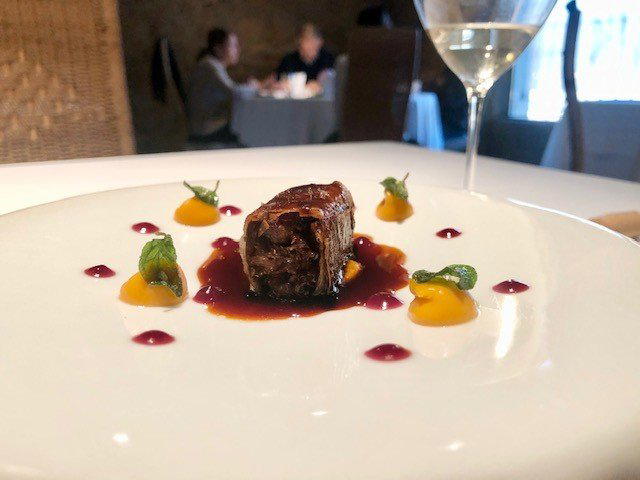
Among the dishes associated with the kitchen, roasted onion with langoustine and fish suquet both point toward a cooking register that works with deep-rooted regional preparations rather than against them. Suquet is a Catalan fisherman's stew, historically a practical dish built from whatever came off the boats cheapest, thickened with potato and picada. When a Michelin-starred kitchen references suquet, it is placing itself in direct conversation with that tradition rather than departing from it. The dish carries weight precisely because the tradition it draws from is substantive.
The price tier sits at €€€, which positions Citrus below the €€€€ bracket occupied by Spain's three-star addresses, among them El Celler de Can Roca in Girona, Arzak in San Sebastián, Azurmendi in Larrabetzu, Cocina Hermanos Torres in Barcelona, and DiverXO in Madrid. For a one-star address with this sourcing model and estate setting, the value proposition within Spain's fine dining tier is clear. Comparable estate-based destination restaurants in France or northern Italy routinely price at or above the equivalent of the four-symbol bracket.
The Michelin Recognition and What It Signals
The Michelin star is the relevant credential here, and it carries particular meaning given the restaurant's location. Michelin recognition in a rural or semi-rural setting outside a major culinary city requires a level of destination appeal, the inspectors are accounting for the commitment a guest makes to travel to the site, and the star implies the kitchen justifies that journey. For context, Spain's broader Michelin map is heavily weighted toward the Basque Country, Catalonia, and Madrid. A star in the Terres de l'Ebre delta zone, at a property that also functions as an agricultural estate, reflects a different kind of editorial decision by the guide than a star awarded to a restaurant on a Barcelona side street.
Tasting menu formats typically generate more polarised scores than à la carte restaurants, because the commitment from the guest is higher and the margin for a misaligned expectation is narrower. A sustained 4.8 across a meaningful review count suggests the kitchen's output is consistently meeting the expectations the estate and menu format establish.
How the Estate Works as a Dining Destination
The dual-restaurant structure of the estate is worth understanding before booking. Els Jardins del Tancat, positioned at the entrance to the property, operates at a different register, rice dishes and grilled fish, without the tasting menu format. It functions as a separate proposition, suitable for a different kind of visit. Els Jardins del Tancat shares the estate's agricultural context and sourcing proximity but is not the same experience as Citrus. Guests arriving for the gastronomic menus should confirm they are booking the correct restaurant, as the estate's address and approach road serve both.
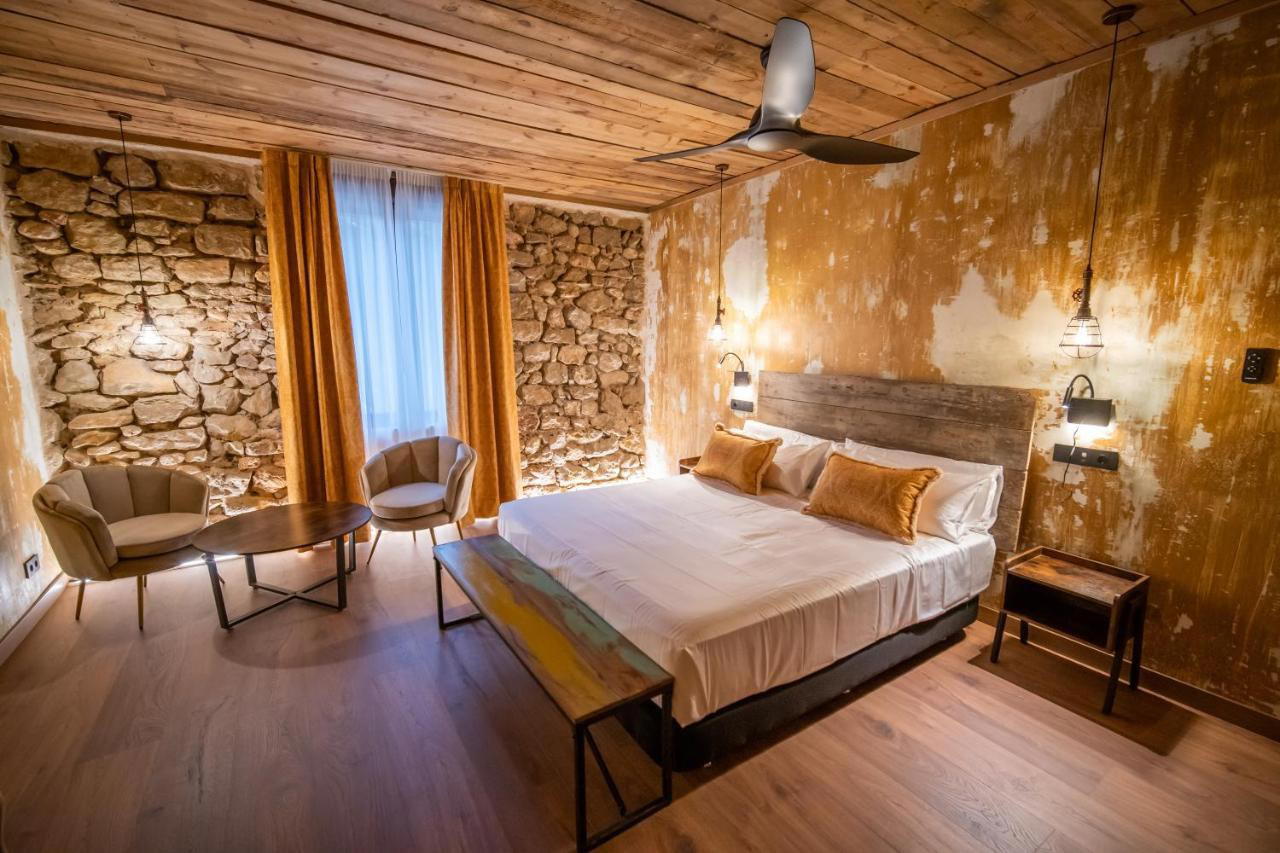
The hotel on the property, Tancat de Codorniu, makes an overnight stay practical for guests travelling from Barcelona or from the Valencian coast. This is consistent with a broader pattern in European destination dining where estate-integrated properties offer a combined accommodation and dining offer that removes the logistical friction of a long-distance restaurant visit. For comparison, the model resembles what Azurmendi in Larrabetzu or Mugaritz in Errenteria achieve in the Basque Country, or what Aponiente in El Puerto de Santa María does for the Andalusian coast, a restaurant that gives its location a reason to be visited specifically rather than incidentally.
Kitchen operates on a four-day service week, closing Wednesday and Thursday. Lunch service runs from 1 PM to 3 PM; dinner from 8 PM to 10 PM on open days (Monday, Tuesday, Friday, Saturday, Sunday). Guests planning a weekend visit from Barcelona or Valencia should note that Friday lunch is available, which opens a longer-weekend itinerary if combined with a night at the estate hotel.
For a fuller picture of the area, EP Club's Alcanar restaurants guide, hotels guide, bars guide, wineries guide, and experiences guide cover the wider territory around the Terres de l'Ebre and the Montsià comarca. The region remains less visited than the Costa Daurada to the north or the Costa del Azahar to the south, which is precisely what keeps the Ràpita fish auction operating at the scale and quality that makes sourcing of this kind possible. Among the Spanish restaurants EP Club covers elsewhere, Martin Berasategui in Lasarte-Oria and Frantzén in Stockholm represent similar cases of destination restaurants where removal from a city centre is a structural asset rather than a compromise, and FZN by Björn Frantzén in Dubai illustrates how far that template can travel. Citrus del Tancat stays rooted.
What Regulars Order
What do regulars order at Citrus del Tancat?
The dishes most associated with the kitchen in Michelin documentation are the roasted onion with langoustine and the fish suquet. Both represent the kitchen's approach to the Catalan-Valencian culinary archive: preparations with deep regional roots, reworked through a precise modern technique and sourced through the Ràpita auction and estate garden. Among the three tasting menus, Montsià references the local comarca most directly, making it the natural entry point for a first visit oriented toward understanding the territory. Guests who return tend to track the seasonal shifts that the delta sourcing model produces.
Fast Comparison
Comparable venues nearby, for context on price, style, and recognition.
| Venue | Cuisine | Price | Awards | Notes |
|---|---|---|---|---|
| Citrus del TancatThis venue — the venue you are viewing | Modern Mediterranean Fine Dining | $$$ | Michelin 1 Star | Not listed |
| Els Jardins del Tancat | Traditional Mediterranean Rice and Grilled Fish | $$$ | Michelin Plate | Sol de Riu |
| Atalaya | Modern Mediterranean Fine Dining | $$$ | Michelin 1 Star | Les Fonts |
| Bresca | Contemporary Mediterranean | $$$ | Michelin 1 Star | Cambrils |
| Tula | Modern Mediterranean Seafood | $$$ | Michelin 1 Star | Platja de l’Arenal |
| Béns d'Avall | Modern Balearic Fine Dining | $$$$ | Michelin 1 Star | Soller |
Recognition history
Dated appearances from independent guides and award organizations, with the underlying list record or original source where available.
Guía Repsol 1 Sol
Guía Repsol
Macarfi 7.8 Food Rating
Macarfi
Michelin 1 Star
Michelin
Michelin 1 Star
Michelin
Michelin 1 Star
Michelin
Continue exploring
More in Alcanar
Restaurants in Alcanar
Browse all →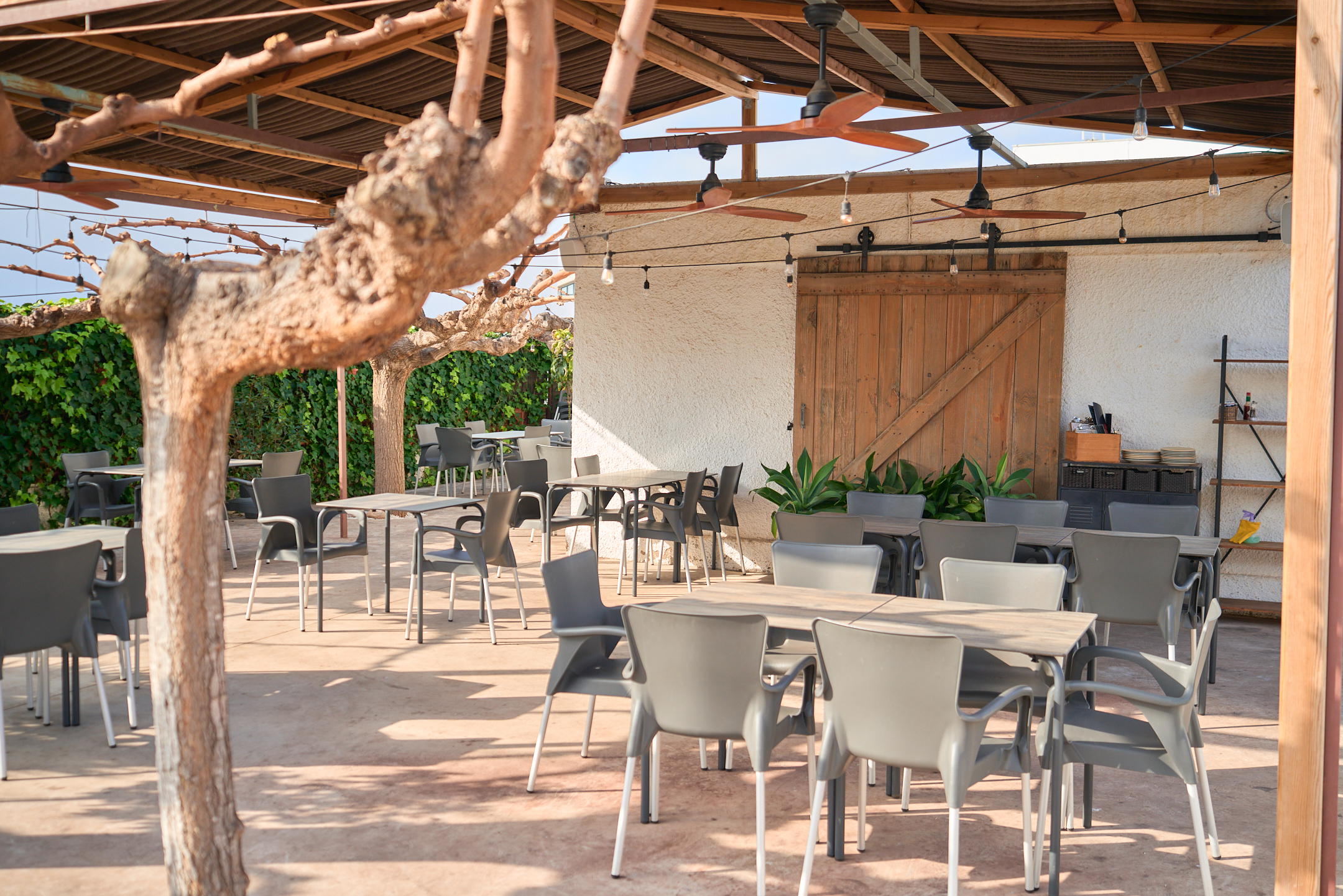

At a Glance
- Elegant
- Rustic
- Intimate
- Scenic
- Date Night
- Special Occasion
- Garden
- Historic Building
- Extensive Wine List
- Local Sourcing
- Organic
- Garden
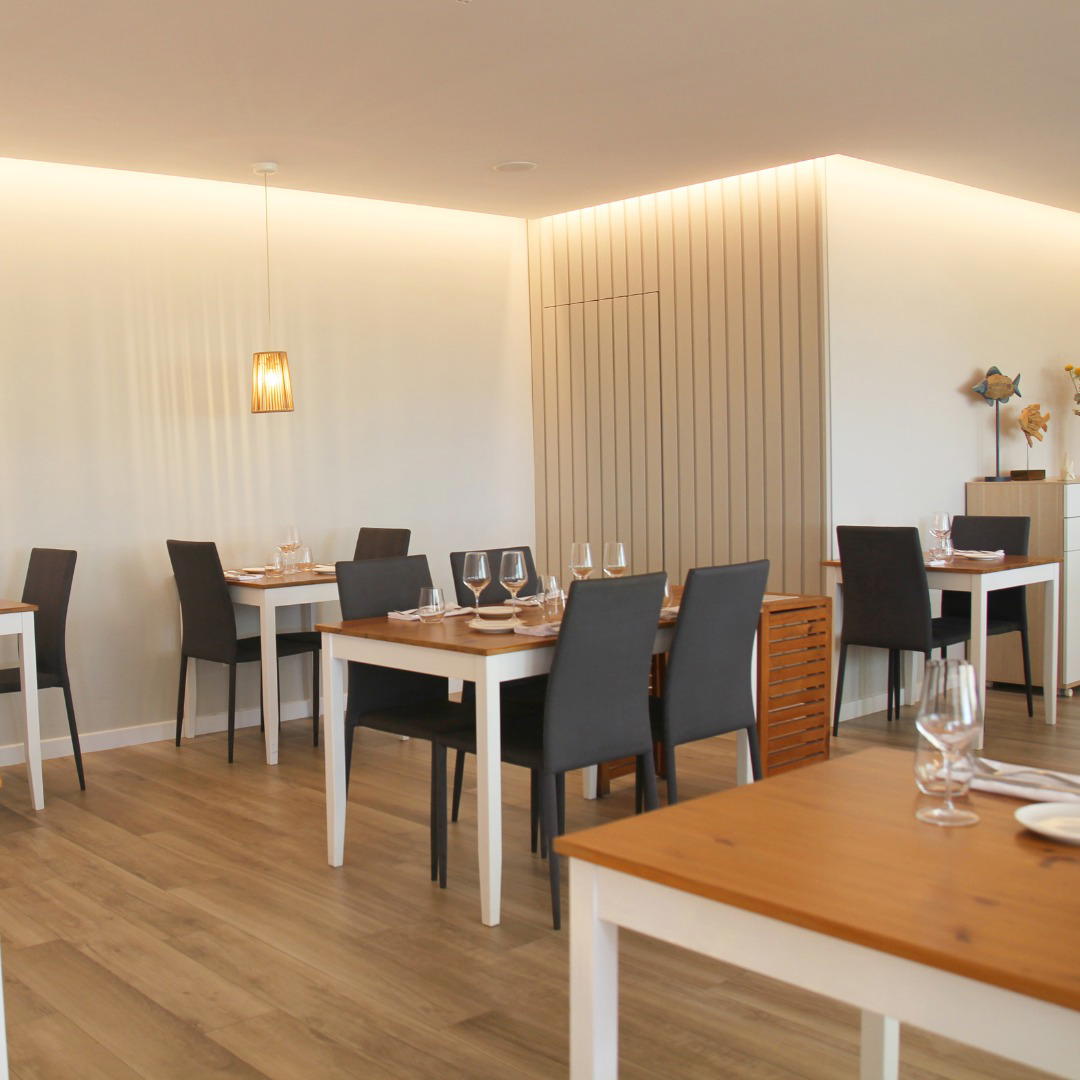
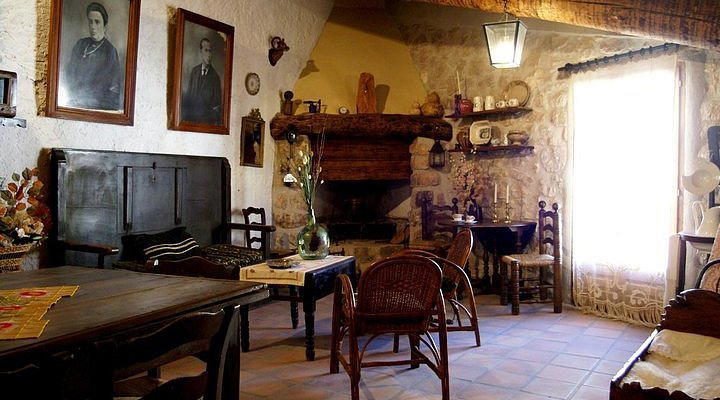
Bright, welcoming atmosphere surrounded by orange groves and landscaped grounds, with warm, professional service in a quiet, elegant setting.