Hotel Somnifabrik

Michelin Selected
A Michelin Selected hotel set on the road out of Valderrobres toward Beceite, Hotel Somnifabrik occupies a converted industrial building in one of Aragon's most architecturally preserved medieval towns. The design reframes the vernacular stone and industrial heritage of the Matarraña region rather than erasing it. For travellers seeking design-led accommodation in Spain's rural interior, it represents a small but considered option in an otherwise thin field.

Pearl is the En Primeur Club membership app — saves, bookings, and concierge access live there. Same editors, same standards.
- Address
- Crtra. Beceite km 1, 5, 44580 Valderrobres, Teruel, Spain
- Phone
- +34 978 07 99 27
- Website
- somnifabrik.com
- Directions
- Get directions
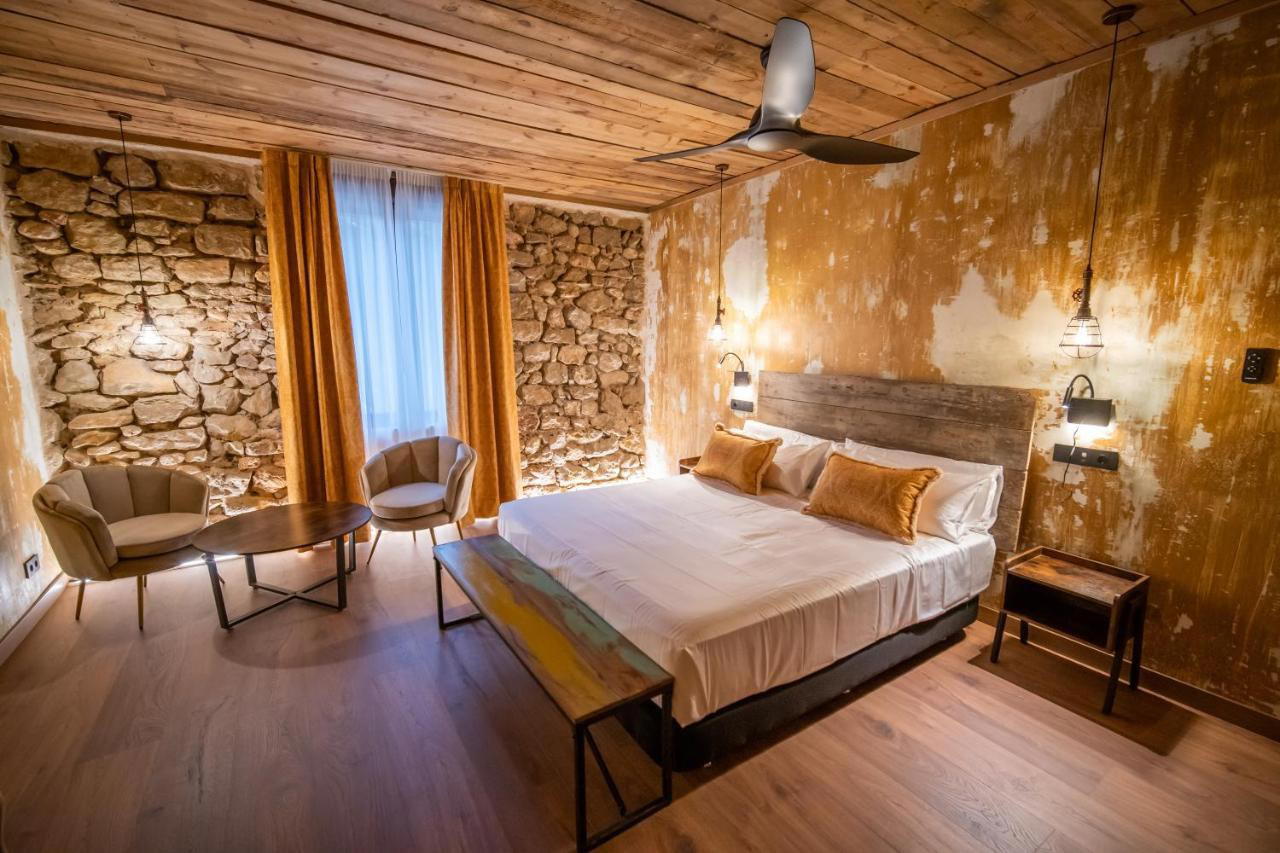
Industrial Heritage Meets Aragonese Stone
The Matarraña comarca in southern Aragon occupies a particular position in Spain's rural travel circuit: it draws visitors who have already exhausted the obvious, who know their Michelin-starred wine estates and their coastal fincas, and who are now looking at the country's interior with different questions. Valderrobres, the comarca's de facto capital, is the kind of place that stops first-time visitors cold. A near-intact medieval centre, a castle-palace overlooking the river, and a Gothic church that wouldn't look out of place in a far more trafficked city. The architecture here sets a high bar for anything new trying to coexist with it.
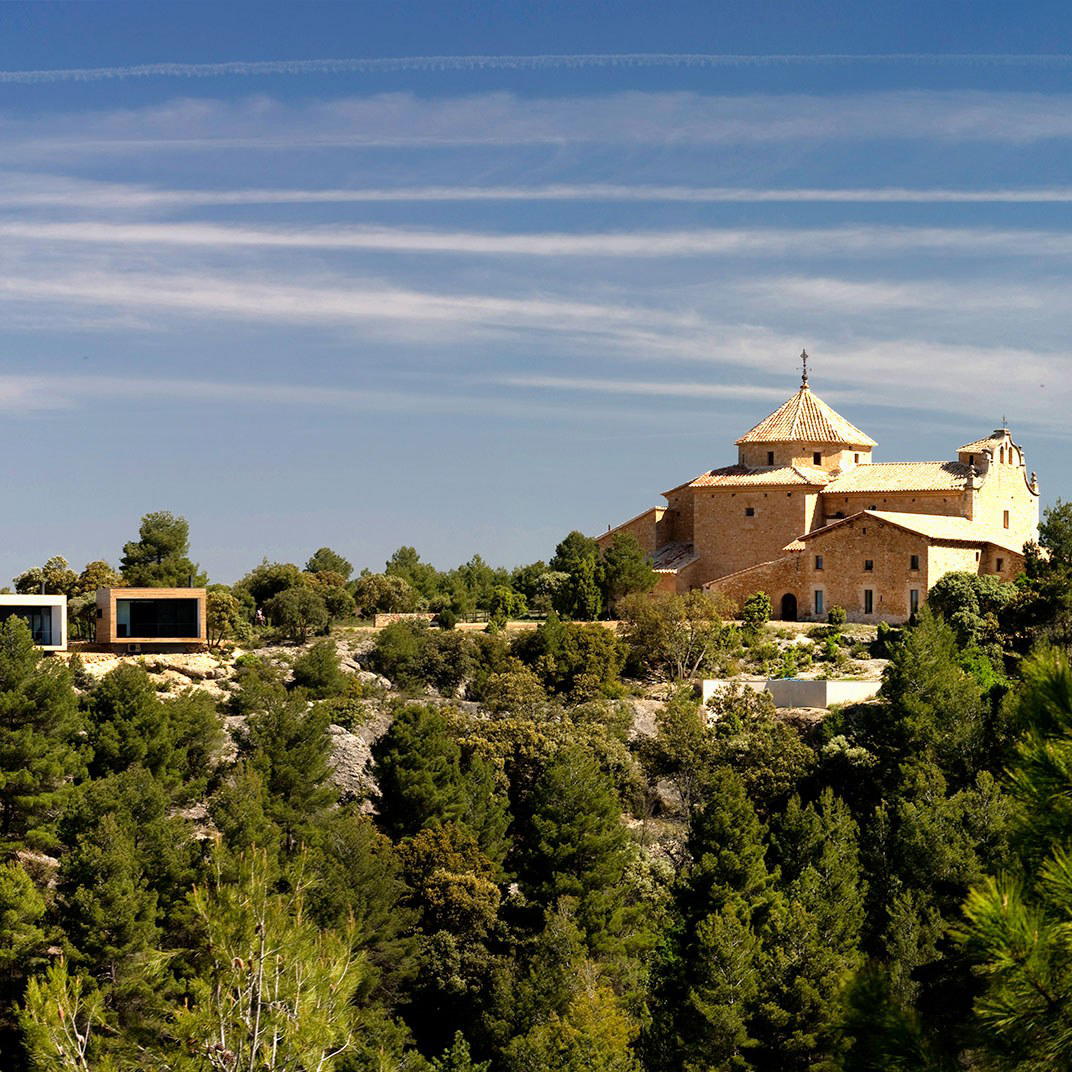
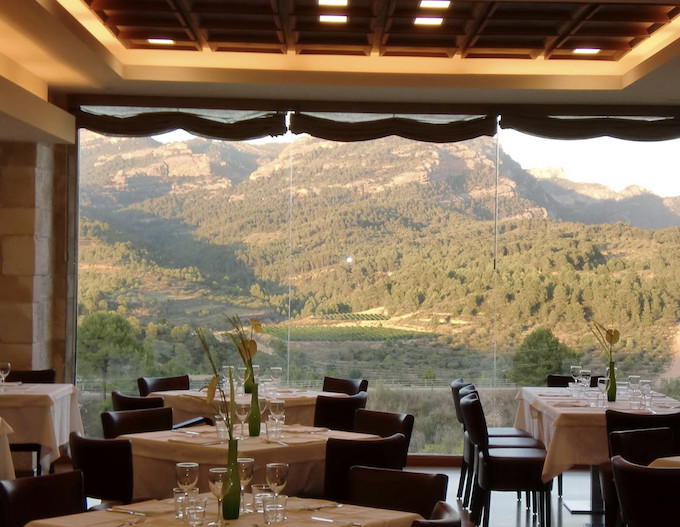
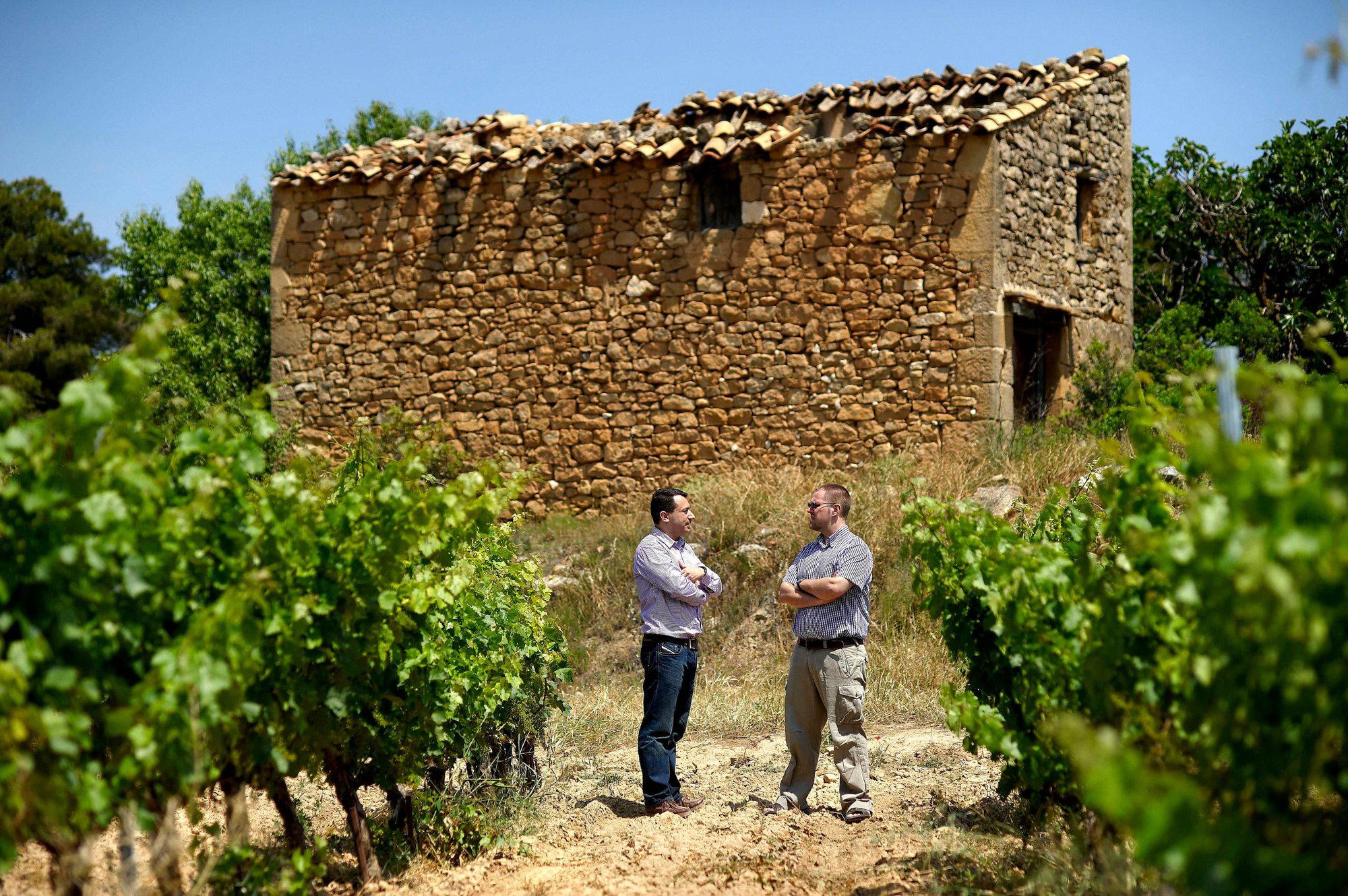
Hotel Somnifabrik takes its position on the Carretera de Beceite, about 1.5 kilometres outside the old town, where the logic of conversion rather than construction makes particular sense. The name itself signals the approach: a portmanteau drawing on the Latin for sleep and the Catalan-inflected word for factory. Industrial repurposing has become a design shorthand across Europe's boutique hotel sector, from textile mills in Catalonia to warehouse conversions in Valencia's old quarter at Caro Hotel, but the Matarraña version operates at a different register of scale and remoteness. There is no surrounding urban density to cushion or animate the building. It stands in a range of olive groves and limestone ridges, which puts the architectural proposition under a different kind of scrutiny.
The Design Logic of a Converted Fabric
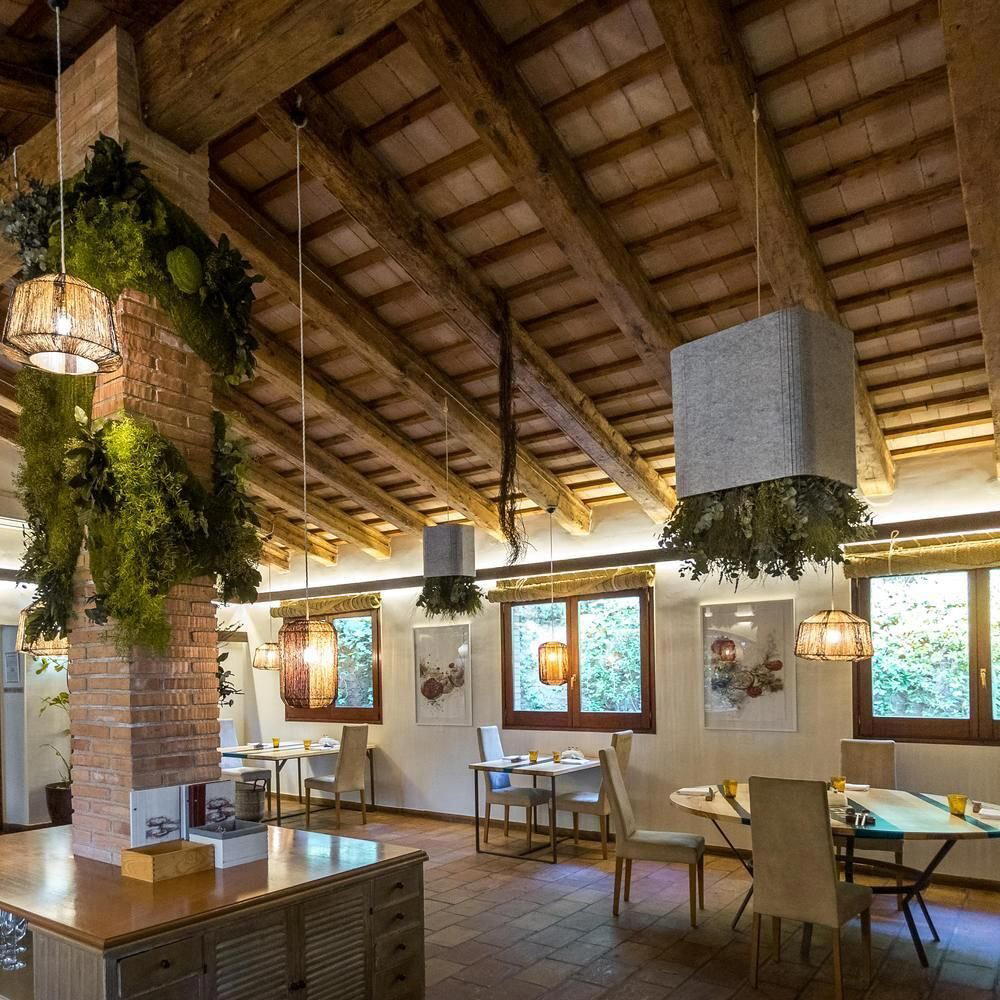
Across Spain, the most considered rural hotel conversions tend to share a set of design instincts: retained structural honesty, a reluctance to impose decorative layers that obscure the building's original purpose, and a material palette drawn from the local context rather than imported from a generic luxury handbook. The properties that have earned lasting critical attention in this register, among them Terra Dominicata in Escaladei and Atrio Restaurante Hotel in Cáceres, tend to work with buildings that carry genuine historical weight rather than merely aesthetic charm. Hotel Somnifabrik's industrial origin gives it something to work against and with simultaneously: the rawness of factory architecture, exposed over time by the elements of the Matarraña, sits in productive tension with the softness that a functioning hotel must also deliver.
Michelin's hotel selection, which included Somnifabrik in its 2025 edition, applies criteria that foreground quality of welcome, comfort, and personality alongside physical environment. Selection at this level places the property in a small cohort of Aragon's independently operated hotels that have cleared a defined bar of editorial recognition. It does not indicate star rating, price tier, or a specific design award, but it does signal that the property functions as more than a utilitarian rural stopover. For travellers cross-referencing design-led rural properties in northeastern Spain, that distinction carries weight when the alternative set is thin.
Valderrobres as Architectural Context
Understanding why anyone builds a hotel of this ambition in Valderrobres requires understanding what the town already is. The castle of Valderrobres, dating to the late fourteenth century and extensively restored, forms the visual anchor of a medieval ensemble that includes the Gothic church of Santa María la Mayor and a series of arcaded streets that local conservation efforts have largely preserved. The Matarraña river runs beneath the castle, and the old stone bridge connecting the historic centre to the newer town edges is among the most photographed structures in Aragon. For a small province, this is an unusually concentrated architectural inheritance.
That inheritance shapes what a hotel here can and cannot do. Grand international footprints, the kind that Mandarin Oriental Ritz, Madrid or Mandarin Oriental Barcelona operate within the logic of major city landmark buildings, have no natural home in Valderrobres. The appropriate scale is intimate, the appropriate material language is local stone and industrial pragmatism, and the appropriate positioning is as a base for the surrounding landscape rather than a destination whose amenities compete with what surrounds it. Hotel Somnifabrik, situated on the Beceite road, puts guests within reach of both the medieval centre and the natural park at Beceite, where the Els Ports massif offers hiking terrain that draws serious walkers from across the region.
Rural Spain's premium hotel market has grown significantly more competitive since 2015, with wine-estate hotels, converted monasteries, and agricultural fincas all competing for the same demographic of travellers who have already done the coastal circuit. In Aragon specifically, the competition is thinner than in Catalonia or Castile, which makes a Michelin Selected property stand out more clearly against its local context. The nearest comparable concentration of design-led rural accommodation sits across the border in the Priorat wine region, where Terra Dominicata anchors a wine-and-landscape offer that Matarraña lacks but whose natural scenery arguably exceeds. Further afield, the winery hotel model exemplified by Abadía Retuerta LeDomaine and Torre del Marqués Hotel Spa & Winery operates at a different price tier and amenity level, targeting a wine-collector audience rather than a design-and-landscape one.
Hotel Somnifabrik's competitive positioning is therefore less about price-point rivalry and more about category clarity. In a comarca where most accommodation is functional rural casas rurales or small pensions, a Michelin-recognised property with a defined architectural identity occupies a tier of its own by default.
Getting There and Planning Your Stay
Valderrobres sits roughly two hours by road from both Zaragoza and Tarragona, making it a plausible extension of either a wider Aragon itinerary or a coastal Catalonia trip. The address on the Carretera de Beceite places Hotel Somnifabrik at the edge of town rather than within it, which suits guests arriving by car, the only practical option given limited public transport to the Matarraña. The natural park at Beceite begins within a few kilometres, and the town's medieval centre is an easy walk from the property's position at the 1.5-kilometre mark on the Beceite road. Given the Michelin recognition and the scarcity of comparable accommodation in the region, advance reservation is advisable, particularly across the spring and autumn hiking seasons when the Matarraña draws its highest visitor numbers. Contact via the hotel directly or through third-party booking channels is the practical approach, as specific booking details are not publicly listed in the available record. For those building a broader northeast Spain itinerary, the EP Club Valderrobres guide provides additional context on the town's dining and cultural offer. Travellers extending further into the region might also consider Mas de Torrent Hotel & Spa in Girona province or Hotel Mas Lazuli as complementary design-led rural properties within the broader northeastern Spain circuit.
Fast Comparison
| Venue | Price | Awards |
|---|---|---|
| Hotel SomnifabrikThis venue — the venue you are viewing | Not listed | Michelin Selected |
| Mandarin Oriental Ritz, Madrid | Not listed | 3 Michelin Keys · World's 50 Best #71 |
| Four Seasons Hotel Madrid | Not listed | 2 Michelin Keys · World's 50 Best #66 |
| Mandarin Oriental Barcelona | Not listed | 2 Michelin Keys · La Liste Top Hotels |
| La Residencia, A Belmond Hotel, Mallorca | Not listed | 2 Michelin Keys · La Liste Top Hotels |
| Rosewood Villa Magna | $300–500 | 2 Michelin Keys · La Liste Top Hotels |
Recognition history
Dated appearances from independent guides and award organizations, with the underlying list record or original source where available.
Michelin Selected
Michelin
Continue exploring
More in Valderrobres
Hotels in Valderrobres
Browse all →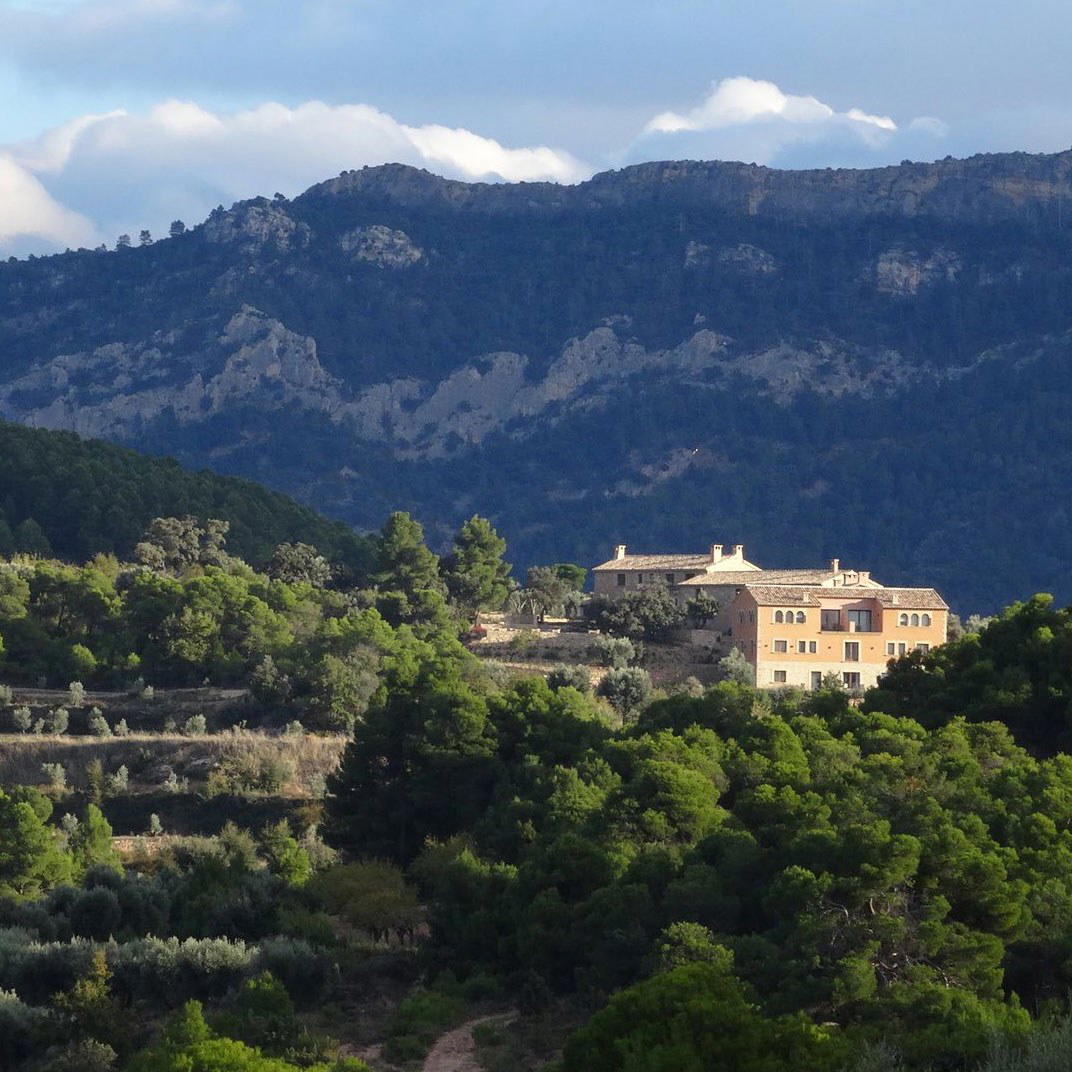
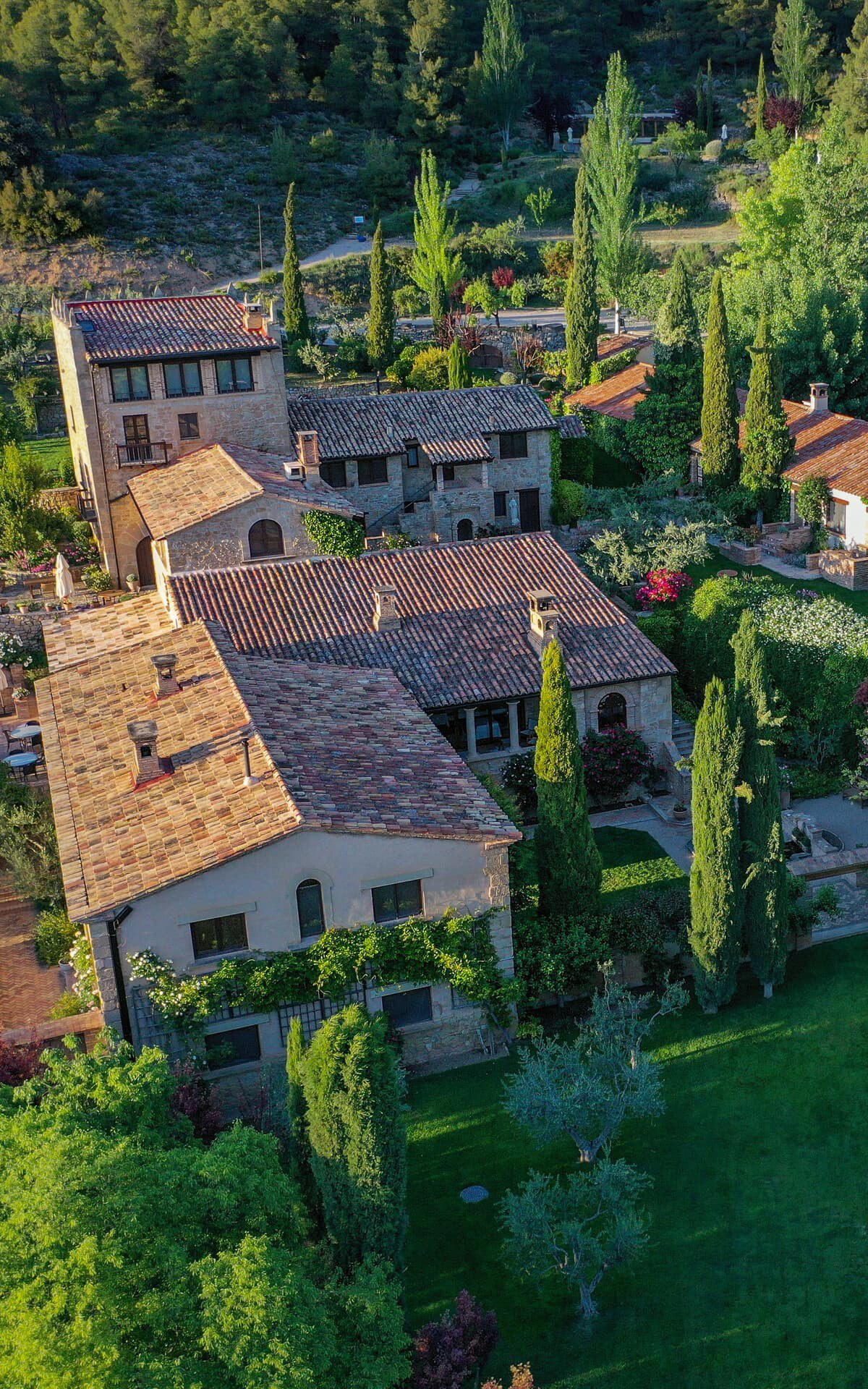
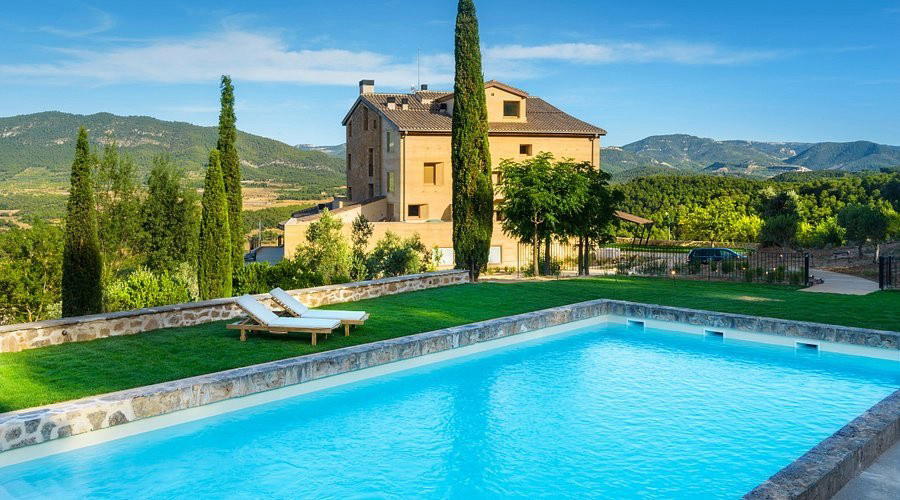
Restaurants in Valderrobres
Browse all →

Details
- Quiet
- Rustic
- Scenic
- Cozy
- Intimate
- Romantic Getaway
- Wellness Retreat
- Weekend Escape
- Historic Building
- Wi Fi
- Pool
- Spa
- Fitness Center
- Restaurant
- Sauna
- Massage
- Garden
- Wheelchair Accessible
- Elevator
Quiet and pleasant with charming spaces, soundproofed rooms, spa relaxation, and natural riverside setting.