Les Marronniers d'Arc
Our verdict
A village address on the edge of Dijon's agricultural corridor, Les Marronniers d'Arc sits at 16 Rue de Dijon in Arc-sur-Tille, where Burgundy's farming heritage shapes what reaches the table. The setting places it squarely in France's tradition of terrain-rooted, regional cooking, where provenance carries more weight than spectacle. For travellers approaching from Dijon, it offers a quieter counterpoint to the city's more formal dining circuit.

Pearl is the En Primeur Club membership app, where members save venues, book tables and use the concierge.
The menu
What to order
- Sole meunière
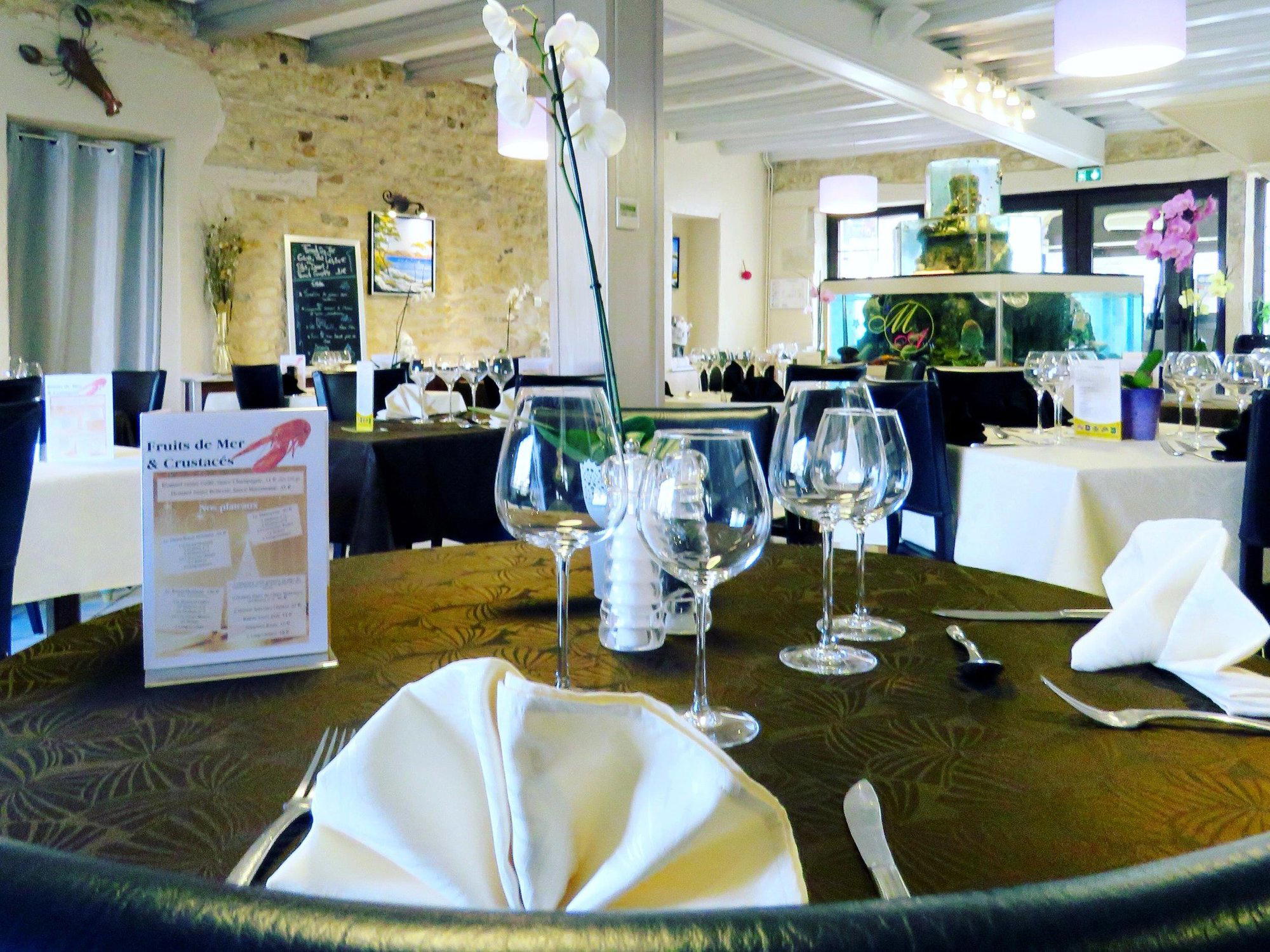
- Plateaux de fruits de mer
Where Burgundy's Fields Set the Table
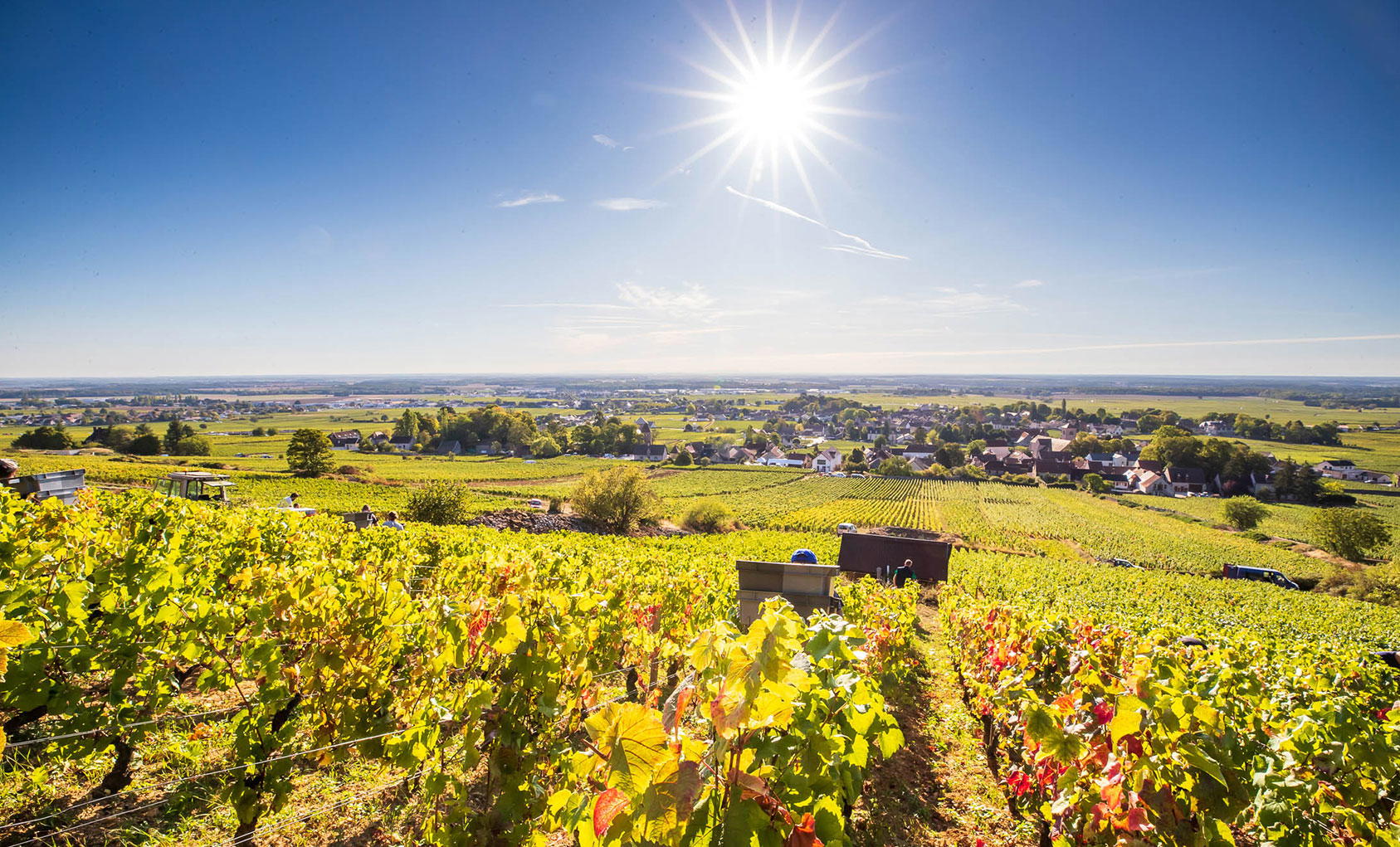
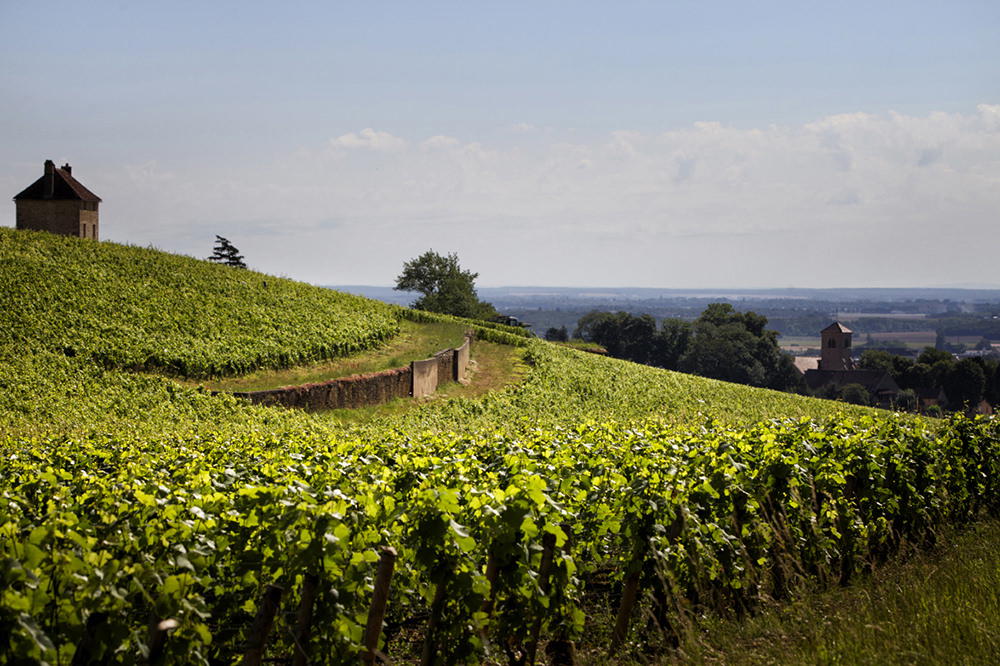
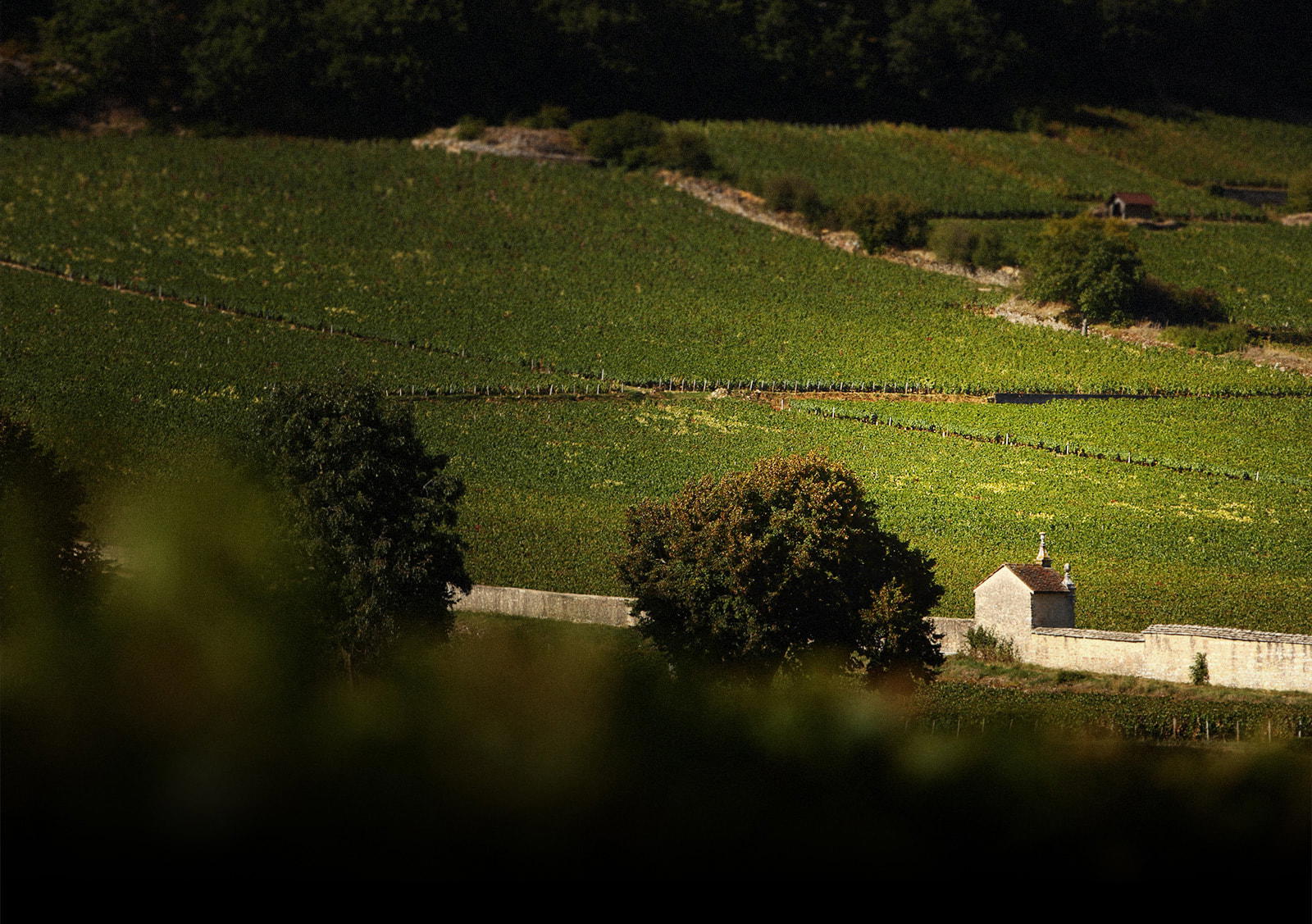
The road from Dijon to Arc-sur-Tille runs through some of the most productive agricultural land in eastern France. This is not wine country in the Côte d'Or sense, there are no famous appellations here, but it is farming country in a deeper, older way: cereal crops, kitchen gardens, small-scale producers whose output feeds the regional table rather than the export market. By the time you reach 16 Rue de Dijon, the address of Les Marronniers d'Arc, the character of the village has already made an argument for a certain kind of cooking: one where ingredient sourcing is less a marketing claim than a practical reality shaped by geography.
Arc-sur-Tille sits roughly ten kilometres northeast of Dijon's centre, close enough to draw from the city's supplier networks but sufficiently removed to operate as a village restaurant rather than a Dijon satellite. That positioning matters in French regional dining, where the distinction between a city table and a countryside one carries genuine culinary implication. Village restaurants in the Burgundy corridor have historically answered to a local clientele first, which tends to produce cooking grounded in season and supply rather than performance.
The Sourcing Logic of the Burgundy Corridor
Burgundy's reputation in French gastronomy rests partly on its wine and partly on a broader agricultural confidence that runs through the region's cooking. The area around Dijon produces mustard, Charolais beef from the western pastures, Bresse poultry from the north, Époisses cheese from the plateau to the west, and a range of freshwater fish from the Saône and its tributaries. These are not incidental ingredients, they form a coherent regional pantry that serious local kitchens have drawn from for generations.
A restaurant at an address like Arc-sur-Tille sits within reach of that pantry in a logistical sense that a Parisian restaurant cannot replicate. Provenance in French regional cooking is often a function of proximity: the shorter the supply chain, the more a kitchen can respond to what is actually available rather than what a distributor catalogues. This is the structural advantage that smaller Burgundian addresses have always held over the capital's ambitious tables, and it is the context in which a village address like Les Marronniers d'Arc operates.
For comparison, the French restaurant tradition has produced a range of approaches to sourcing, from the hyper-local terroir commitment of Bras in Laguiole to the market-driven precision of Mirazur in Menton, where the kitchen's own gardens supply a significant share of the menu. In Alsace, Auberge de l'Ill in Illhaeusern has built decades of recognition around its riverine and regional sourcing. These are the reference points against which regional sourcing philosophy in France is measured, and they illustrate how seriously the country's serious kitchens treat the question of where ingredients originate.
The Village Setting and What It Signals
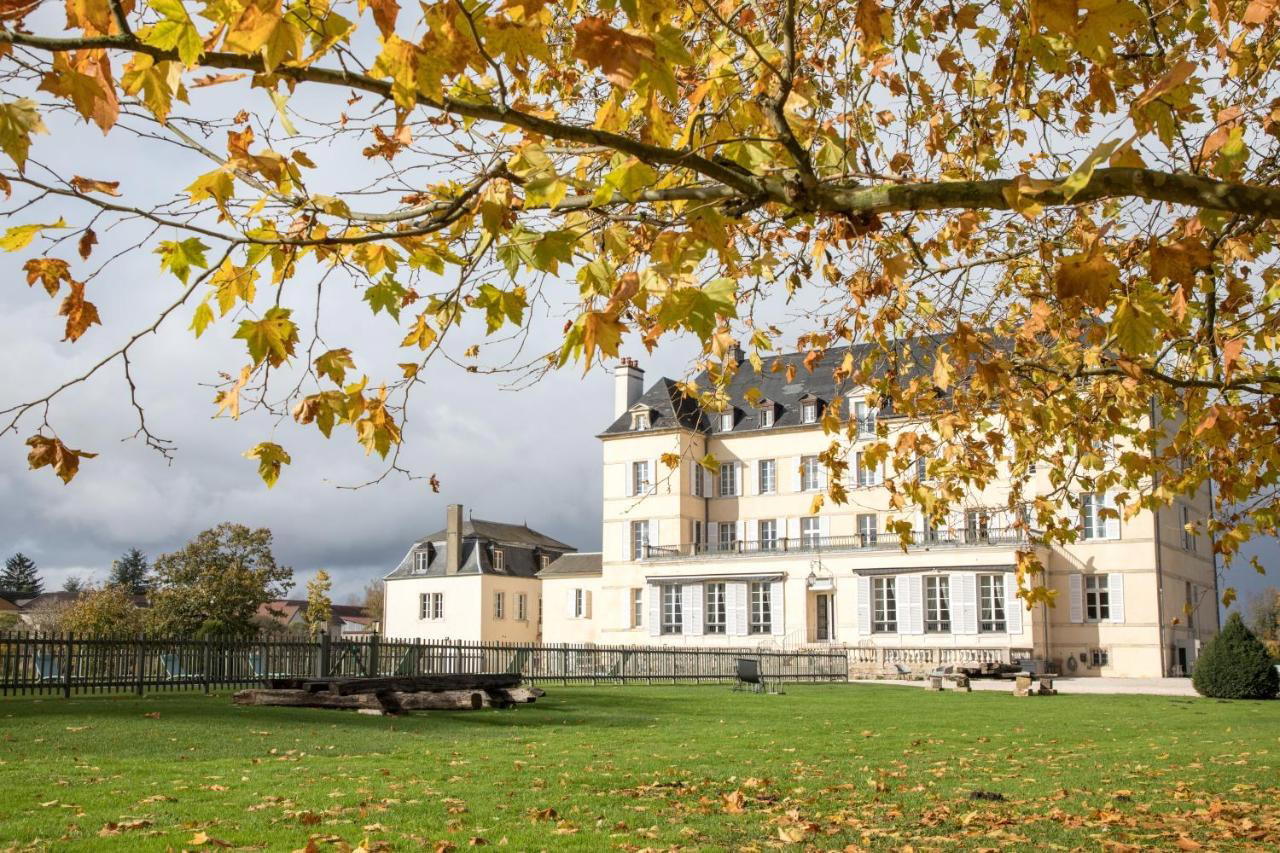
Arc-sur-Tille is a commune of modest scale, the kind of place where a restaurant earns its place through regulars rather than destination diners. The chestnut trees referenced in the name, marronniers, are a fixture of French village squares, and their presence in a restaurant's identity signals a rootedness in place rather than an aspiration toward metropolitan sophistication. This is a different register from the grand maisons of Dijon's centre, and it positions Les Marronniers d'Arc within a specific and valued tradition of French provincial hospitality: the neighbourhood table that takes its local responsibility seriously.
That tradition has deep precedent across the country. Georges Blanc in Vonnas began as a village auberge before its Michelin trajectory transformed it into a destination. Auberge du Vieux Puits in Fontjoncouse operates from a village of fewer than two hundred inhabitants and holds three Michelin stars. The French provincial model has consistently demonstrated that address is not a constraint on quality, it is often the condition that makes a particular kind of quality possible. See also Troisgros - Le Bois sans Feuilles in Ouches and Flocons de Sel in Megève for further examples of French restaurants that have made remoteness a defining feature rather than a limitation.
For those travelling from further afield, the Dijon connection is the practical anchor. Dijon is served by high-speed rail from Paris Gare de Lyon in approximately one hour forty minutes, and Arc-sur-Tille is accessible from Dijon by car or local transport. The approach from Dijon along the N274 passes through the flat agricultural plain characteristic of the Saône valley, which reinforces rather than contradicts the sourcing narrative, you are travelling through the ingredient supply chain on the way to the table.
Placing Arc-sur-Tille on France's Dining Map
France's serious dining circuit is heavily weighted toward its cities. Alléno Paris au Pavillon Ledoyen and the broader Paris constellation represent one pole of that circuit. AM par Alexandre Mazzia in Marseille, Assiette Champenoise in Reims, and Au Crocodile in Strasbourg anchor the regional city tier. But the village and small-town tier, which includes addresses like Les Marronniers d'Arc, operates by different logic, one in which consistency of supply, community relationships, and seasonal rhythm carry more weight than tasting-menu ambition.
This does not mean the village tier is less serious about food. It means it is serious about different things. The cooking at a well-run village table in Burgundy draws on the same regional pantry as the starred kitchens in Dijon but without the infrastructure cost that forces a city restaurant toward high price points and theatrical presentation. It is, in many respects, closer to the original form of French regional cooking than the destination-dining version that attracts international attention. For comparable coastal and regional thinking beyond Burgundy, Christopher Coutanceau in La Rochelle and La Marine in Noirmoutier-en-l'île illustrate how France's serious provincial kitchens have built credibility outside the capital's orbit. Our full Arc-sur-Tille restaurants guide covers the broader dining context for the village and its immediate surroundings.
Planning Your Visit
Les Marronniers d'Arc is located at 16 Rue de Dijon, 21560 Arc-sur-Tille, France. Travellers arriving via Dijon benefit from the city's strong transport links, including TGV connections from Paris and Lyon. Driving from Dijon takes under fifteen minutes along a direct route through the Saône corridor. As with most village restaurants in Burgundy, visiting on a weekday tends to offer a calmer experience than weekend service, when regional families and Dijon residents make up a significant share of covers. Booking ahead is advisable regardless of day, since smaller village restaurants operate with limited capacity and do not absorb walk-in pressure the way urban addresses do.
Frequently asked questions
Can I bring kids to Les Marronniers d'Arc?
Arc-sur-Tille is a residential commune where restaurants typically serve the local community across generations, which generally means a relaxed environment for families. check the venue's official channels at 16 Rue de Dijon to confirm before visiting with young children.
What should I expect atmosphere-wise at Les Marronniers d'Arc?
Arc-sur-Tille is a village of modest scale where restaurants build their trade on regulars rather than passing tourists. A room shaped by that dynamic tends toward the informal and familiar rather than theatrical. Expect a neighbourhood pace rather than the choreographed service rhythms found at Dijon's city-centre tables.
Is Les Marronniers d'Arc a good base for exploring Dijon and the surrounding Burgundy region?
Arc-sur-Tille sits a short drive from Dijon, which anchors the northern end of Burgundy's dining and wine circuit. The village's address at 16 Rue de Dijon places it directly on the corridor connecting the city to the agricultural plains of Côte-d'Or. For travellers using Dijon as a transit hub, Les Marronniers d'Arc offers a local alternative to eating within the city itself.
What's the must-try dish at Les Marronniers d'Arc?
No specific dishes or menus are documented for Les Marronniers d'Arc. Given the restaurant's position along the Dijon-to-Arc-sur-Tille agricultural corridor in Côte-d'Or, the kitchen is well-placed to draw on Burgundy's broad larder of poultry, mustard, and regional produce. The most reliable approach is to ask the room what's arrived recently.
What's the address for Les Marronniers d'Arc?
Les Marronniers d'Arc is located at 16 Rue de Dijon, 21560 Arc-sur-Tille, France, Arc Sur Tille.
Comparable Spots, Quickly
Comparable venues nearby, for context on price, style, and recognition.
| Venue | Cuisine | Price | Notes |
|---|---|---|---|
| Les Marronniers d'ArcThis venue (the venue you are viewing) | Traditional French Seafood Bistro | $20–30 | Not listed |
| Le Conty | Traditional Burgundian French Bistro | $30–50 | historic center |
| BRASSERIE FRANCOIS | Classic French Brasserie | Not listed | central Dijon |
| Le Bouchon | Traditional French Burgundian Bistro | $20–30 | Meursault |
| Café des Abattoirs | French Bistro & Charcuterie | $20–30 | Vesoul |
| Bleu de Sapin | Cuisine créative française locale | $20–30 | Richebourg |
Continue exploring
More in Arc Sur Tille
Restaurants in Arc Sur Tille
All restaurants in Arc Sur Tille →
Bars in Arc Sur Tille
Browse all →
Hotels in Arc Sur Tille
Browse all →
Details
- Cozy
- Rustic
- Elegant
- Family
- Casual Hangout
- Terrace
- Hotel Restaurant
- Extensive Wine List
- Garden
- A La Carte
- Vegetarian Friendly
Current opening hours
- Monday
- 7 AM–9 PM
- Tuesday
- 7 AM–9 PM
- Wednesday
- 7 AM–9 PM
- Thursday
- 7 AM–9 PM
- Friday
- 7 AM–9 PM
- Saturday
- 7 AM–9 PM
- Sunday
- Closed
Hours can change for holidays and private events. Hours as of .
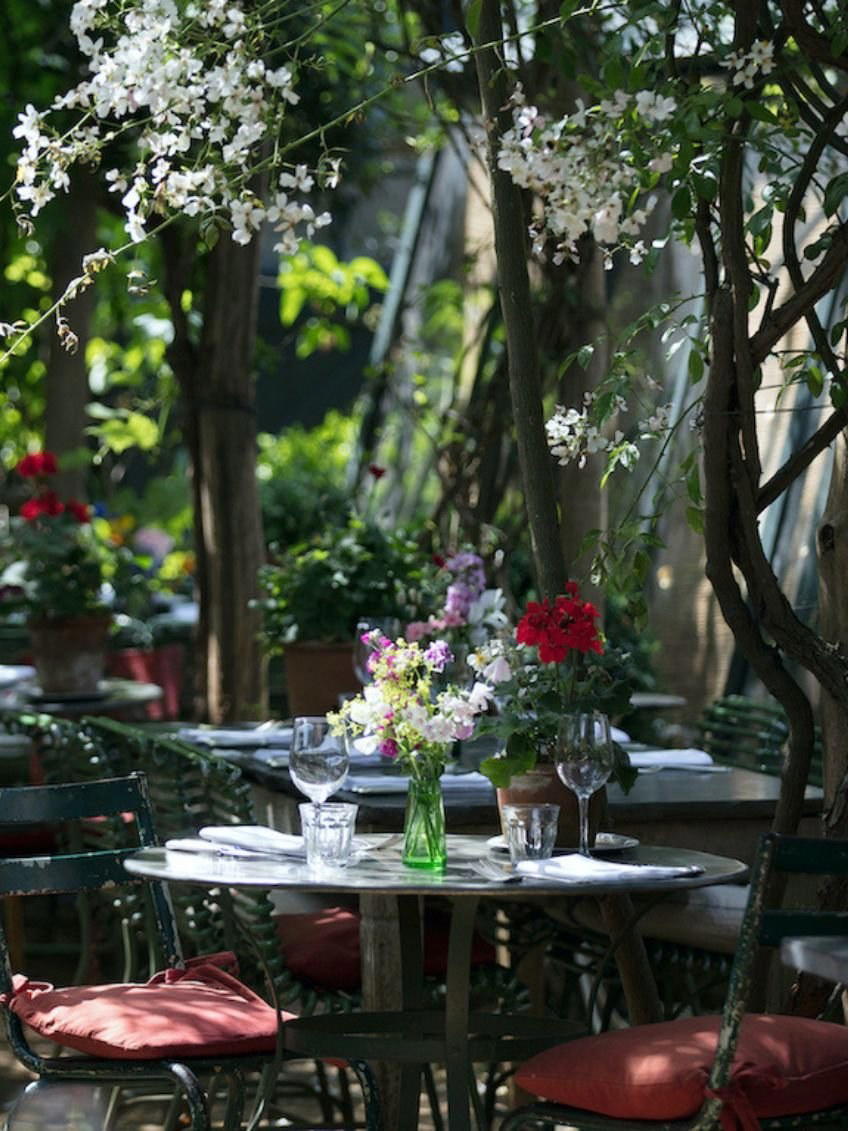
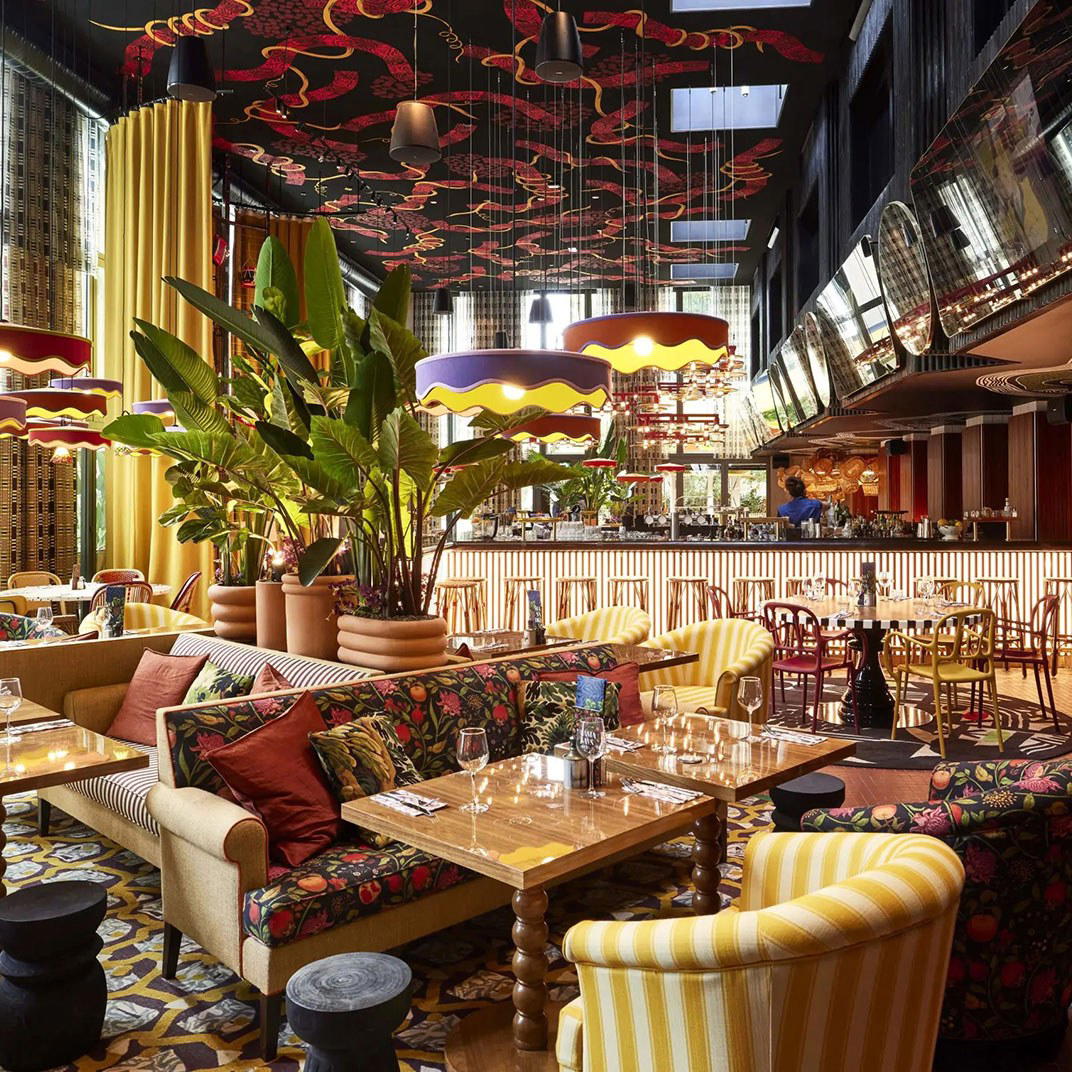
Pleasant terrace under chestnut trees and elegant indoor space with a live lobster tank, offering a peaceful and authentic atmosphere.