


1 Michelin Star · We're Smart World 1 Radish · Gault & Millau Remarkable Restaurant
Our verdict
Holding a Michelin star since at least 2024, L'Aspérule on Rue Jean Jacques Rousseau operates at a price point that makes starred dining in Dijon genuinely accessible. Chef Keigo Kimura, trained under Marc Veyrat and Joël Robuchon, runs a kitchen-garden-driven menu that shifts between a market-led afternoon format and more adventurous evening tasting sequences built around Burgundian produce.

Pearl is the En Primeur Club membership app — saves, bookings, and concierge access live there. Same editors, same standards.
- Address
- 43 Rue Jean Jacques Rousseau, 21000 Dijon, France
- Phone
- +33 3 80 19 12 84
- Hours
- Mon ClosedTue–Sat 12–1:30 PM, 7:30–9 PMSun Closed
- Website
- restaurant-asperule.fr
- Directions
- Get directions
- Booking
- Book on the venue's website
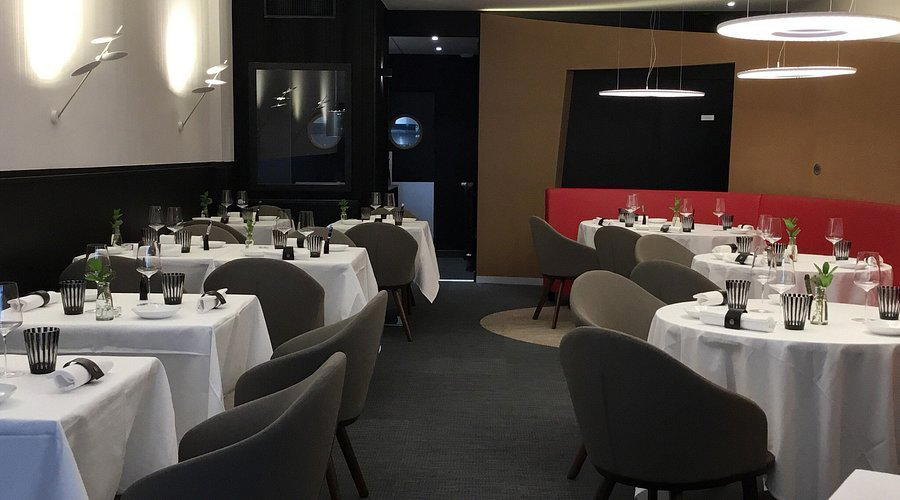
Where Starred Dining Earns Its Price Tag
Dijon's fine dining scene has long been anchored by grand-tradition houses serving Burgundian classics at prices that match their ambition. The more interesting development in recent years is a smaller cohort of one-star addresses that sit at the €€€ tier rather than the €€€€ bracket occupied by peers like CIBO and L'Arôme. L'Aspérule belongs to that tier, and the question worth asking is whether the Michelin recognition translates into a value equation that holds up against the city's broader options. Based on the evidence, it does — and then some.
The restaurant sits on Rue Jean Jacques Rousseau, a quiet address that carries none of the foot-traffic noise of the central place or the Marché des Ducs. The approach is residential in character: no awnings advertising the star, no valets, no theatre of arrival that signals you are about to pay for atmosphere rather than cooking. That restraint is not an accident. It sets the register for what follows inside.
The Kitchen Garden as a Competitive Advantage
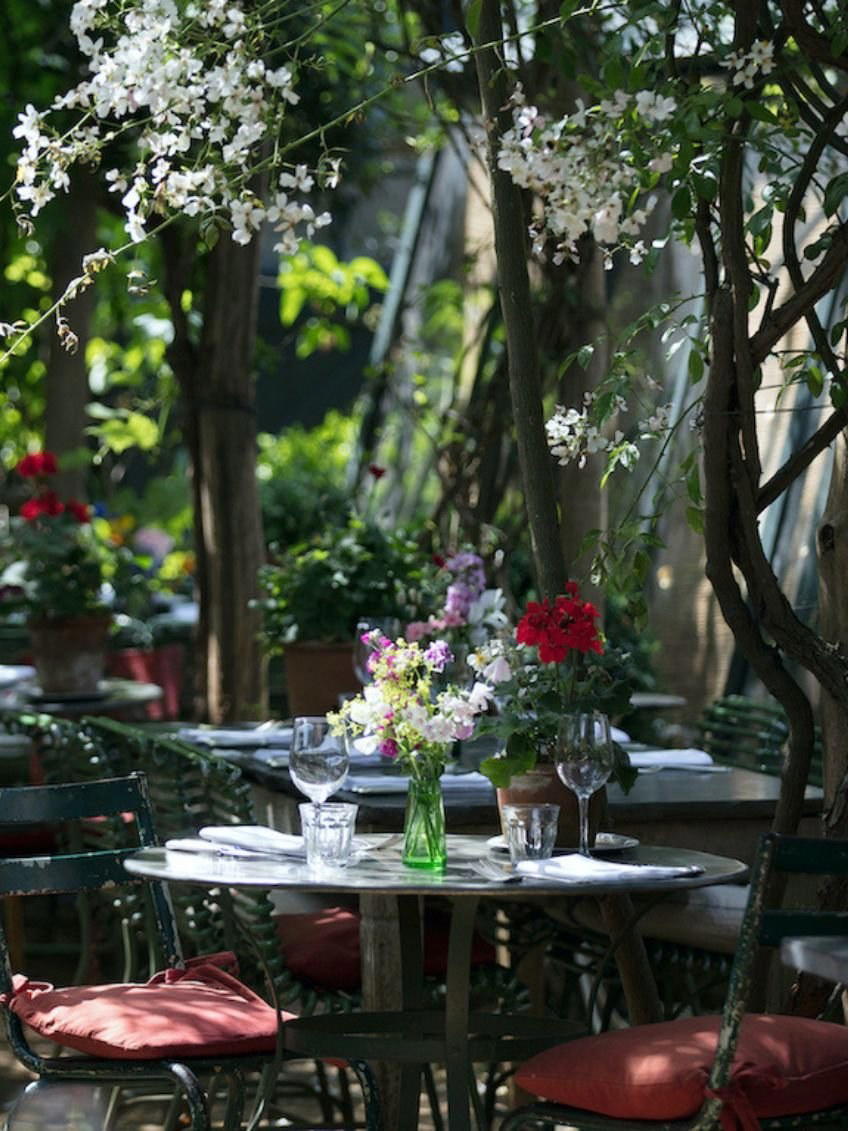
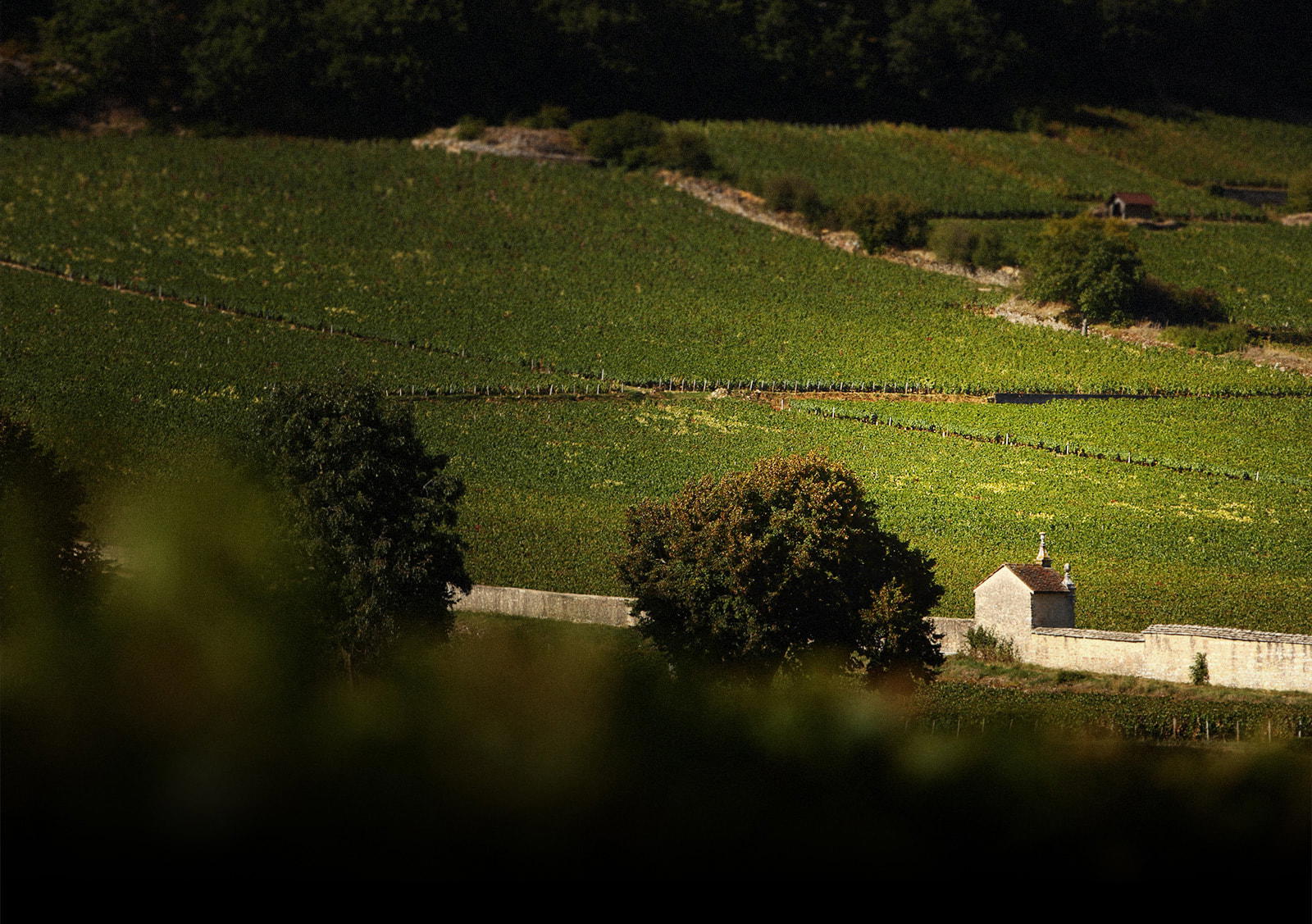
Across France, the phrase jardin potager has become as common on menus as the word terroir — invoked frequently, delivered inconsistently. What distinguishes the serious kitchen-garden programs from the decorative ones is how directly the garden governs the menu's structure, not merely its garnishes. At L'Aspérule, the kitchen garden is described as playing an essential role in the cooking, not as a marketing note appended to the menu, but as the organisational logic behind what appears on the plate.
Chef Keigo Kimura's background explains part of this. His time at Flocons de Sel in Megève under Marc Veyrat, and before that with Joël Robuchon, gave him exposure to two of the most demanding approaches to ingredient sourcing in French cooking, Veyrat's obsessive relationship with alpine botanicals, and Robuchon's uncompromising insistence on product quality as the foundation of technique. Those reference points matter less as biography and more as calibration signals: a chef trained at that level handles produce differently than one schooled in more classical brigade structures.
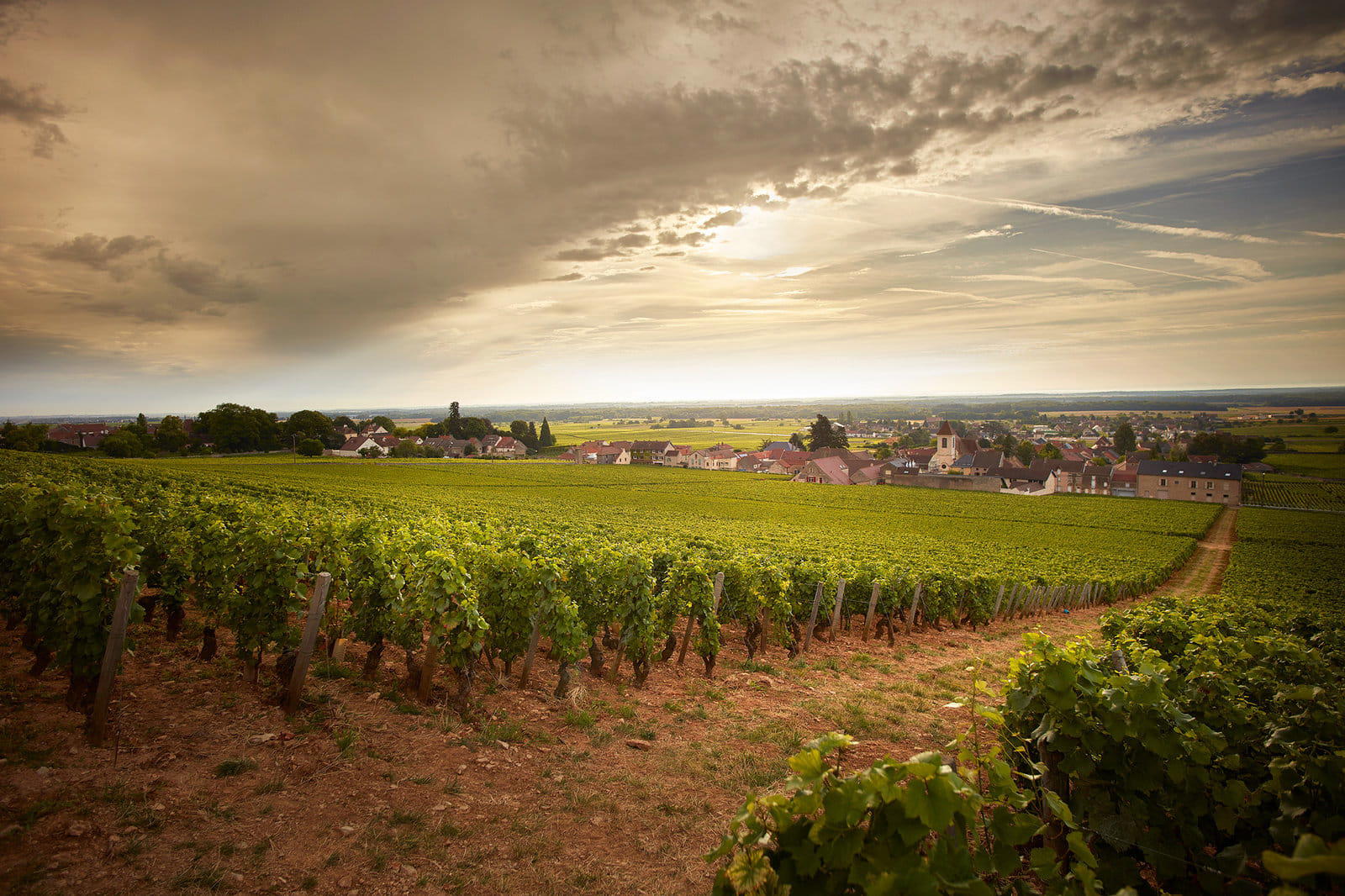
The Burgundy context adds another layer. Dijon sits at the northern tip of one of the world's most scrutinised agricultural regions. The Côte d'Or's reputation rests on wine, but the surrounding area produces some of France's finest mustard, blackcurrant, and an agricultural calendar that shifts meaningfully by month. A kitchen garden in this region, managed with precision, accesses a seasonal vocabulary that kitchens in Lyon or Paris largely have to import. That local rootedness shows up most clearly in a menu format that changes with the market rather than running on a fixed six-month cycle.
Two Menus, Two Registers, One Kitchen
The format split at L'Aspérule is worth understanding before booking. The afternoon service runs a market menu described as an ode to the leading products of the moment, a shorter, more accessible format with pricing described as modest. Evening service is a different proposition: longer, more technical, and driven by Kimura's willingness to take risks that would seem out of place at lunchtime. The phrase used to describe his evening cooking, sometimes particularly crazed dishes, signals a kitchen that hasn't settled into the comfortable repetition that afflicts many post-first-star operations.
This two-speed structure is not unusual among French one-star addresses; DZ'envies and L'Essentiel in Dijon both operate similar format distinctions between service times. What matters at L'Aspérule is that neither format feels like a diluted version of the other. The lunch is not a loss-leader tasting menu stripped of ambition. The evening is not simply the lunch with more courses added. They serve different functions for the diner's calendar and wallet, and the kitchen treats them as such.
For context on what the evening format might imply, it helps to think about where this kind of Franco-Japanese kitchen sensibility sits in the broader French scene. The pairing of rigorous classical French training with Japanese sensitivity to ingredient seasonality and visual precision has produced some of the more interesting cooking in the country, from names like Mirazur in Menton to smaller regional addresses. At the one-star level, it tends to produce menus that feel lighter in texture and more restless in structure than their purely French-trained peers. That restlessness, when grounded in product quality, is what keeps a Michelin rating coherent over successive annual assessments.
How L'Aspérule Compares in Dijon's Starred Tier
Dijon's Michelin-recognised addresses span a meaningful price range. At the leading, William Frachot at €€€€ represents the city's full-dress fine dining commitment, with a level of service infrastructure and room investment that justifies its position. Loiseau des Ducs carries its own institutional weight as part of the Loiseau group. These are addresses where the room, the cellar, and the brigade collectively explain the price.
L'Aspérule operates on a different logic. That reliability is what makes the value proposition hold: you are not betting on a good night.
For comparison in the broader French one-star universe, consider that addresses with Robuchon lineage in the kitchen have historically carried reputations that extend well beyond their star count, whether at flagship level like Alléno Paris au Pavillon Ledoyen or at regional houses. The presence of Veyrat training in the same biography is an unusual combination that signals a specific approach to produce: technically demanding, botanically curious, and resistant to the kind of heavy sauce architecture that can obscure rather than express ingredient quality.
Booking and Planning
L'Aspérule is at 43 Rue Jean Jacques Rousseau in central Dijon, close enough to the historic centre to combine with the city's other draws but removed from the immediate tourist circuit around the Palais des Ducs. The restaurant holds a Michelin star for both 2024 and 2025, which confirms the rating is not a single-year anomaly. At the €€€ price point, a table here represents the most direct route to starred cooking in Dijon without the commitment of the city's top-tier addresses.
The afternoon market menu is the lower-friction entry point, both financially and logistically, and the right choice for first visits if you want to assess the kitchen's product sensibility before committing to the full evening format. The evening service is where the cooking takes more latitude, and where the Japanese-Burgundian synthesis that defines the kitchen's identity is most fully expressed. Given the 4.7 rating and the star retention, advance booking is advisable, this is not a room you walk into on short notice during Dijon's busier periods, particularly around the autumn harvest calendar when the city sees its highest visitor concentration.
For broader planning in the city, see our full Dijon restaurants guide, along with guides to Dijon hotels, Dijon bars, Dijon wineries, and Dijon experiences. If you are building a longer French itinerary around addresses at this level, Troisgros in Ouches, Bras in Laguiole, and Paul Bocuse in Collonges-au-Mont-d'Or represent the wider regional context in which a kitchen like L'Aspérule's develops its own position. For modern cuisine in a global frame, Frantzén in Stockholm and FZN by Björn Frantzén in Dubai illustrate how the same product-forward sensibility translates across different culinary latitudes.
Questions Worth Asking Before You Book
- Is L'Aspérule good for families?
- At €€€ in a city with more casual options, it is better suited to adult tables with an interest in focused tasting than to families with young children.
- Is L'Aspérule better for a quiet night or a lively one?
- If the award retention and price tier signal anything, it is a room calibrated for conversation and attention rather than occasion noise. Go on a quiet night when the evening menu is the plan; if you want energy and a lower financial commitment, the afternoon market format in Dijon's broader dining scene may match that mood more naturally.
- at L'Aspérule?
- Trust the evening menu over à la carte selection. With Michelin recognition held across two consecutive years and a kitchen trained at Veyrat and Robuchon level, the tasting sequence is where the kitchen's full range is visible, the market-led afternoon format is the access point, but the evening is where the cooking makes its case.
Frequently asked questions
What's the price range at L'Aspérule?
Pricing at L'Aspérule is listed as €€€.
Peers You’d Cross-Shop
A quick peer check to anchor this venue’s price and recognition.
| Venue | Cuisine | Price | Awards | Notes |
|---|---|---|---|---|
| L'AspéruleThis venue — the venue you are viewing | Japanese-inflected French Fine Dining | $100–150 | 1 Michelin Star · We're Smart World 1 Radish | Not listed |
| William Frachot | Contemporary Burgundian Fine Dining | $150–200 | 2 Michelin Stars · La Liste Top Restaurants | Modern French, Creative |
| CIBO | Modern French Gastronomique | $100–150 | 1 Michelin Star · Falstaff Restaurant - 92 Falstaff Points | Modern Cuisine |
| Sublime | Modern Italian-French Fusion | $50–100 | Michelin Plate | Innovative, Modern Cuisine |
| Origine | Creative | Not listed | Not listed | Not listed |
| Cave | Modern French Bistro with Wine Focus | $30–50 | Michelin Bib Gourmand | Traditional Cuisine |
Recognition history
Dated appearances from independent guides and award organizations, with the underlying list record or original source where available.
Michelin 1 Star
Michelin
Gault & Millau Remarkable Restaurant
Gault & Millau
We're Smart World 1 Radish
We're Smart World
Full recognition history (5 entries)
Michelin 1 Star
Michelin
Michelin 1 Star
Michelin
Continue exploring
More in Dijon
Restaurants in Dijon
Browse all →
Bars in Dijon
Browse all →
Hotels in Dijon
Browse all →
Details
- Modern
- Elegant
- Intimate
- Sophisticated
- Date Night
- Special Occasion
- Wine Cellar
- Extensive Wine List
- Tasting Menu
Current opening hours
- Monday
- Closed
- Tuesday
- 12–1:30 PM, 7:30–9 PM
- Wednesday
- 12–1:30 PM, 7:30–9 PM
- Thursday
- 12–1:30 PM, 7:30–9 PM
- Friday
- 12–1:30 PM, 7:30–9 PM
- Saturday
- 12–1:30 PM, 7:30–9 PM
- Sunday
- Closed
Hours can change for holidays and private events. Last verified .
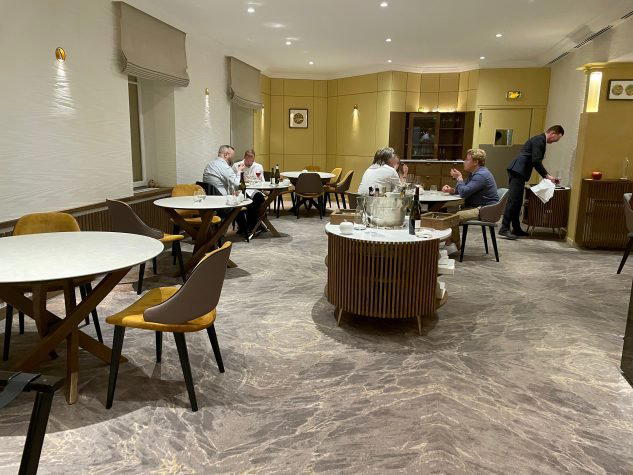
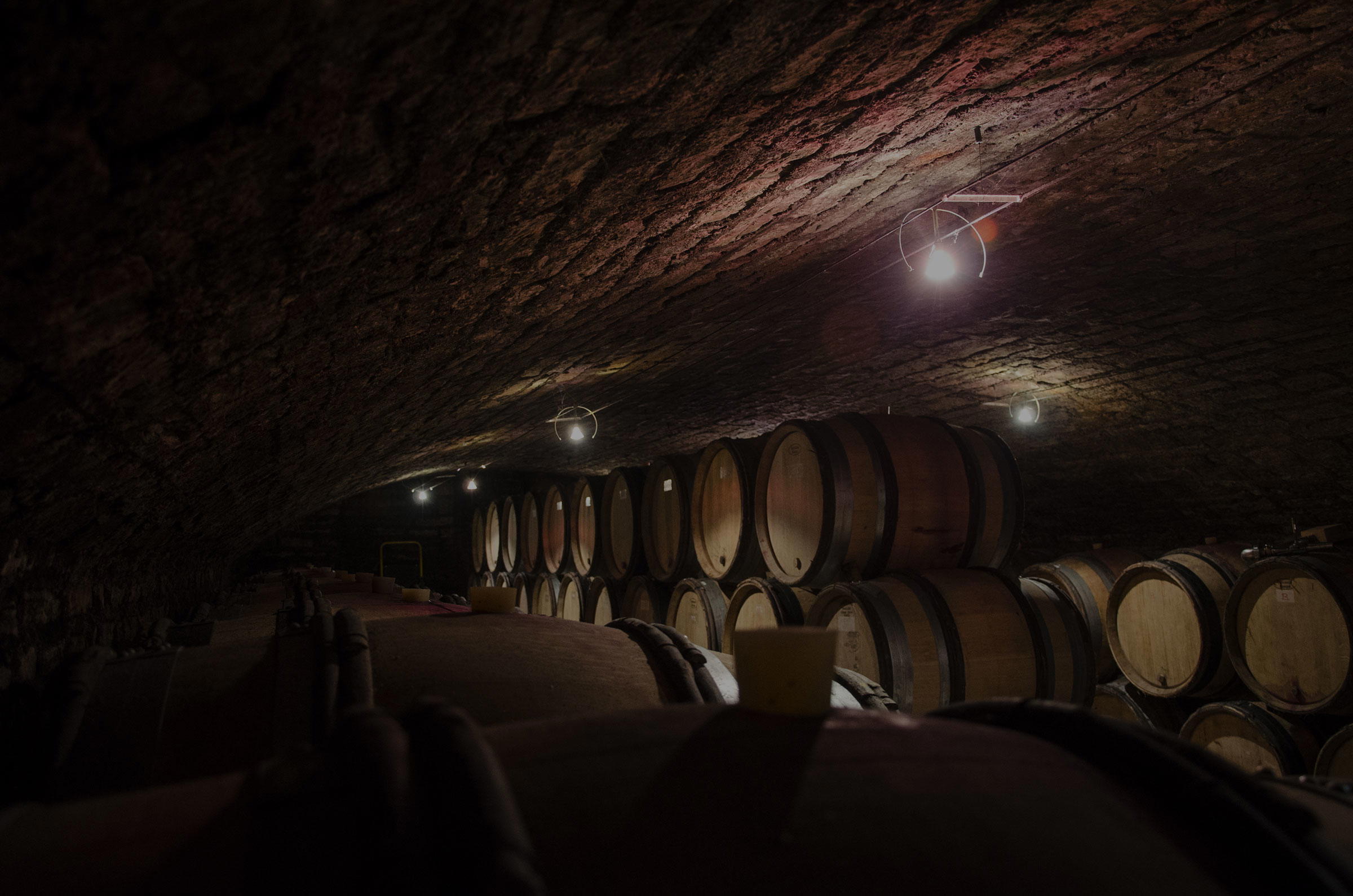
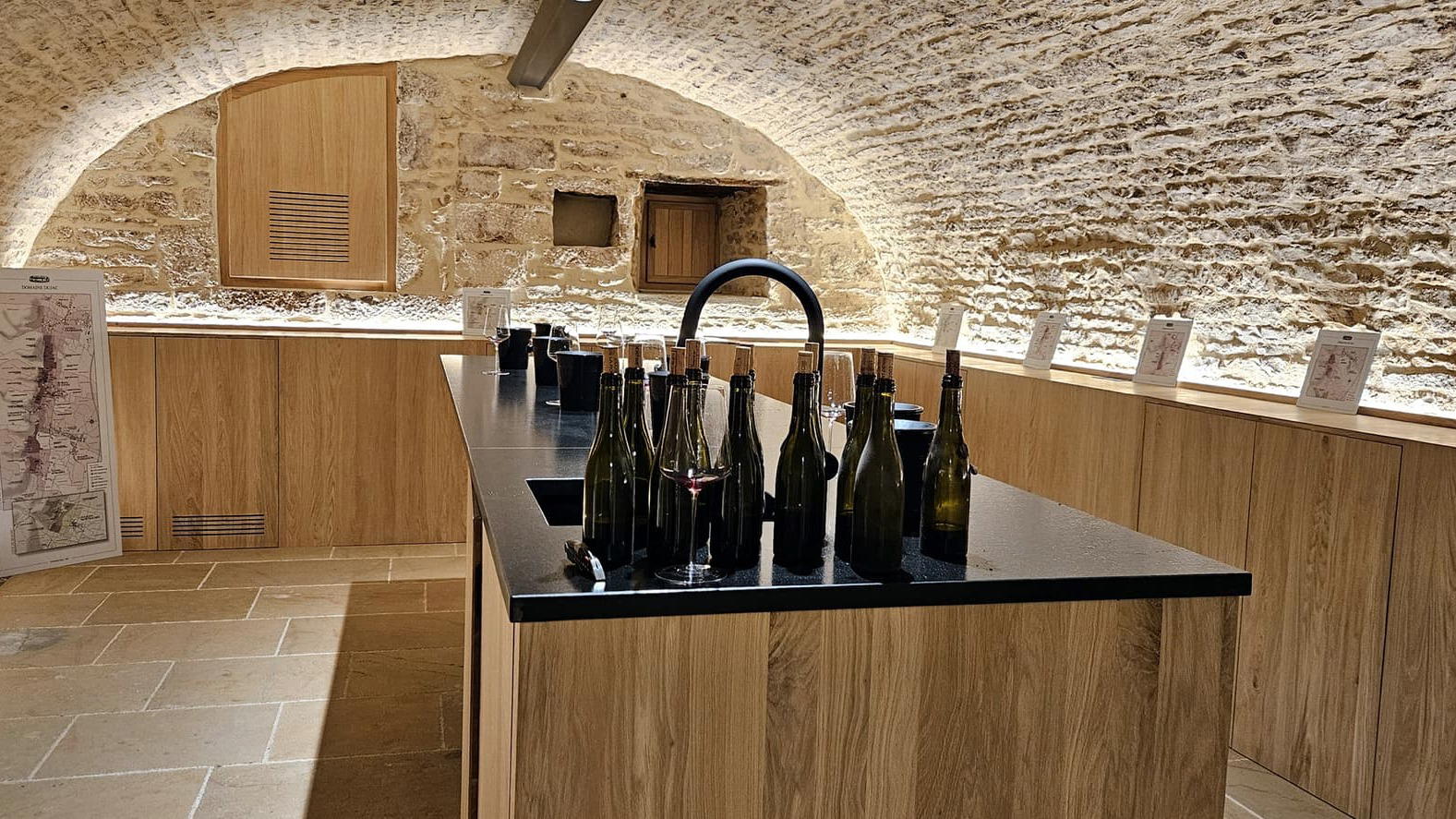
Simple, contemporary decor with minimalist plating and an impressive wine cellar beneath the restaurant.