
Occupying a Haussmann-style building on rue Devosge in central Dijon, Vertigo Hotel pairs sleek contemporary interiors with a wine offering that reflects the city's position at the northern edge of the Côte d'Or. For travellers whose Dijon visit is organised around Burgundy's vineyards and table culture, the property sits at a practical intersection of architectural character and wine-forward hospitality.
Pearl is the En Primeur Club membership app — saves, bookings, and concierge access live there. Same editors, same standards.
- Address
- 3 rue Devosge, Dijon 21000, France
- Website
- marriott.com
- Directions
- Get directions
 Saves & bookings on Pearl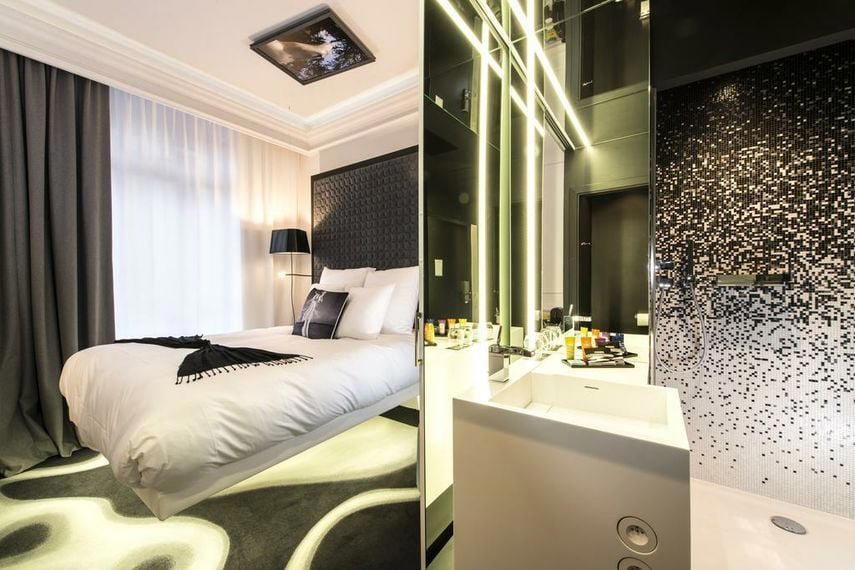
Dijon's Hotel Register and Where Vertigo Fits
Dijon operates as both a working French provincial city and the administrative and cultural capital of Burgundy, which means its hotel market carries a split identity. On one side sit the grand historic addresses, led by properties like the Grand Hôtel La Cloche Dijon, which anchors the upper end of the market with belle époque credentials and a long guest list of notable visitors. On the other side, a tier of smaller, design-conscious hotels has emerged to serve the growing number of travellers who arrive for the wine route rather than the conference circuit. Vertigo Hotel occupies this second register: a Haussmann-style building on rue Devosge converted into a property where architectural lineage and contemporary interior decisions coexist without obvious tension.
Rue Devosge sits within walking distance of the Palais des Ducs de Bourgogne and the covered market at Les Halles — the two poles of Dijon's food and cultural life. That address matters for a property whose identity aligns with the city's wine culture, because most of what makes Dijon worth staying in rather than passing through is concentrated in a compact central radius. Travellers arriving by TGV from Paris Gare de Lyon (roughly one hour forty minutes) land at Dijon-Ville station, from which the property is a short cab or walk into the old centre.
The Wine Proposition at the Centre of the Stay
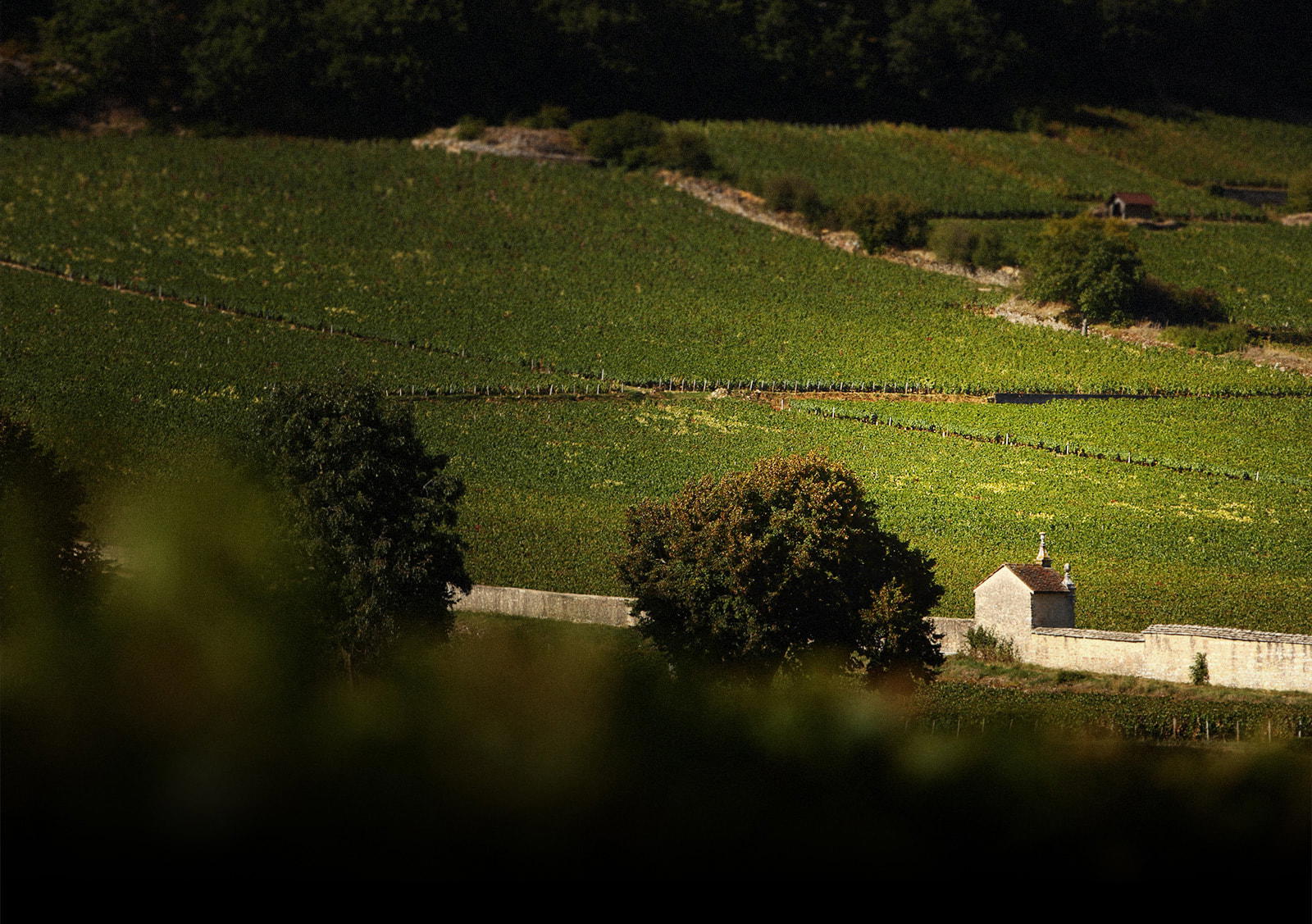
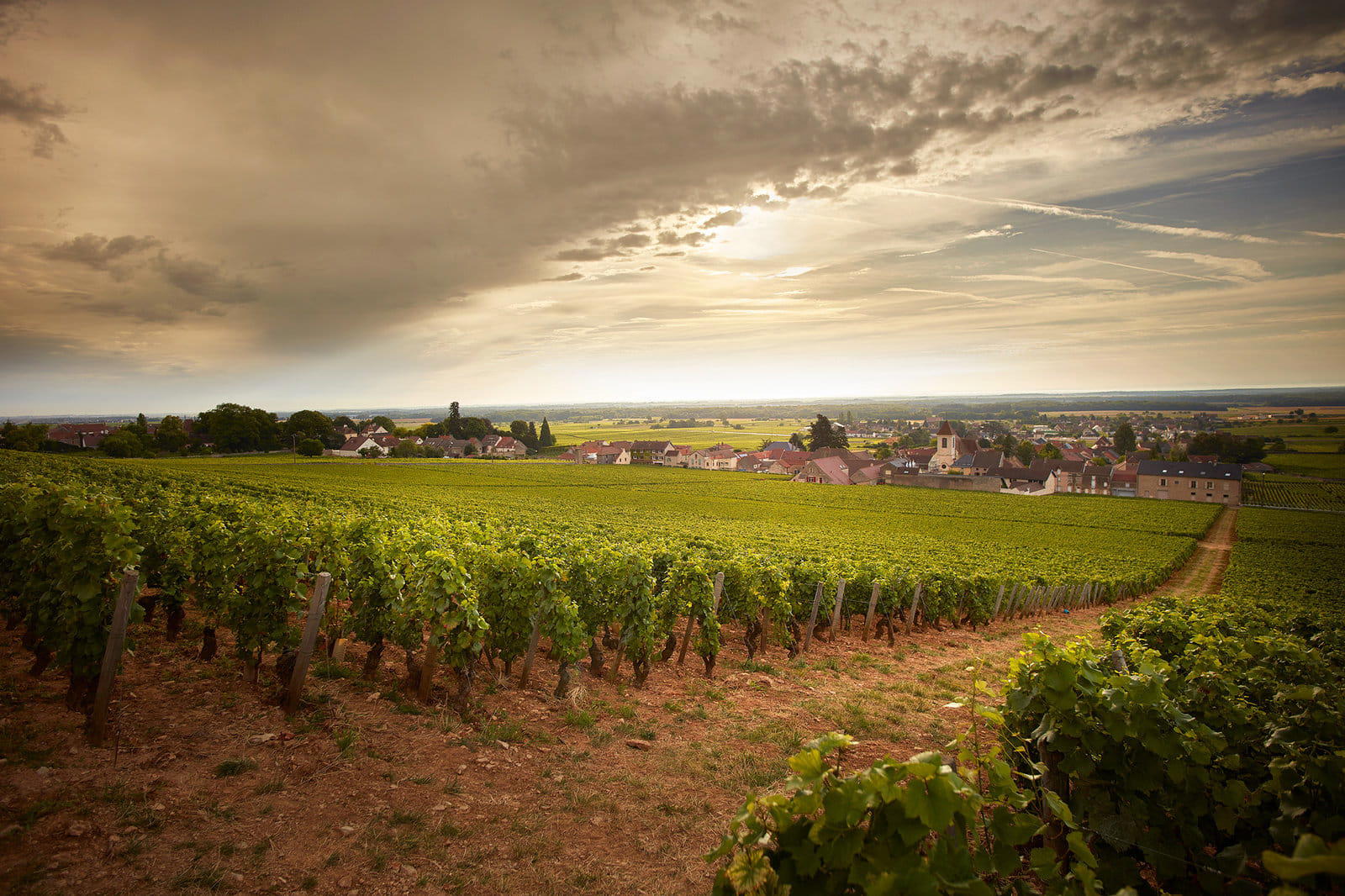
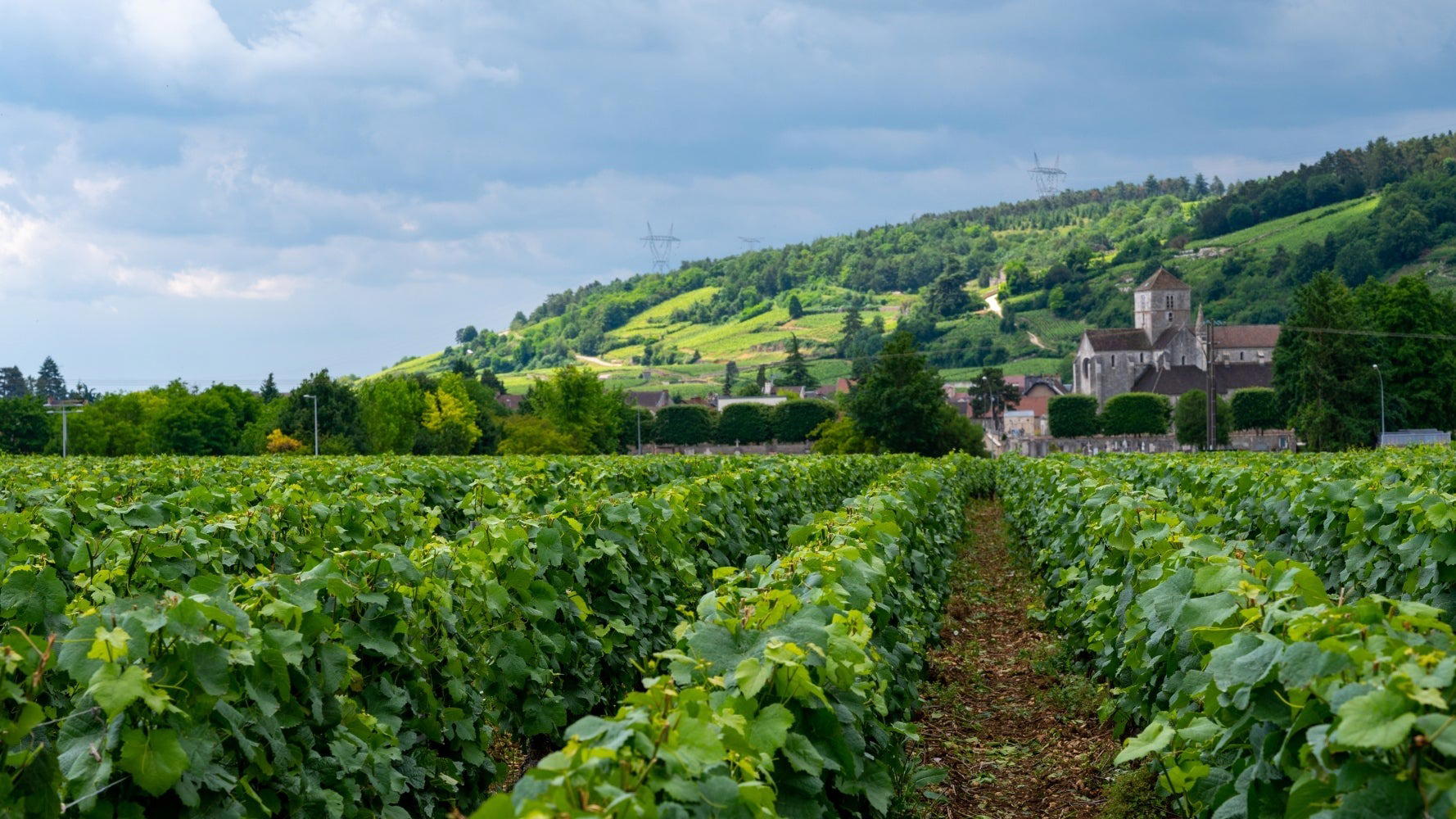
For French provincial hotels operating at the intersection of design and authenticity, wine is rarely incidental. At Vertigo, the wine offering is described as superb in the property's own editorial positioning, which, given the address, implies a list drawing seriously on Côte de Nuits and Côte de Beaune producers. Dijon sits at the northern entry point of the Grands Crus route — Gevrey-Chambertin is a short drive south, Nuits-Saint-Georges further still, and any hotel claiming credibility in this market must stock and serve accordingly.
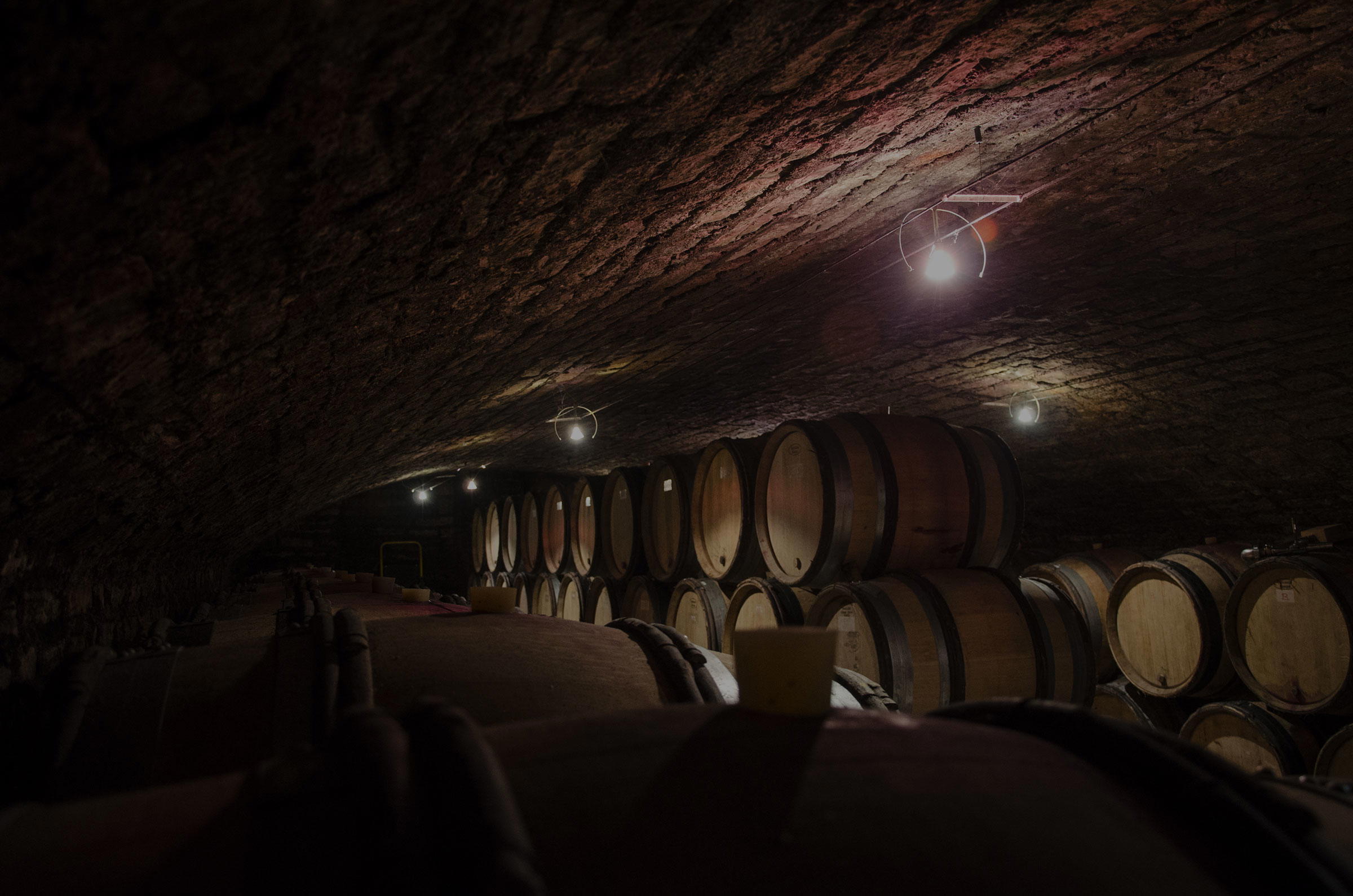
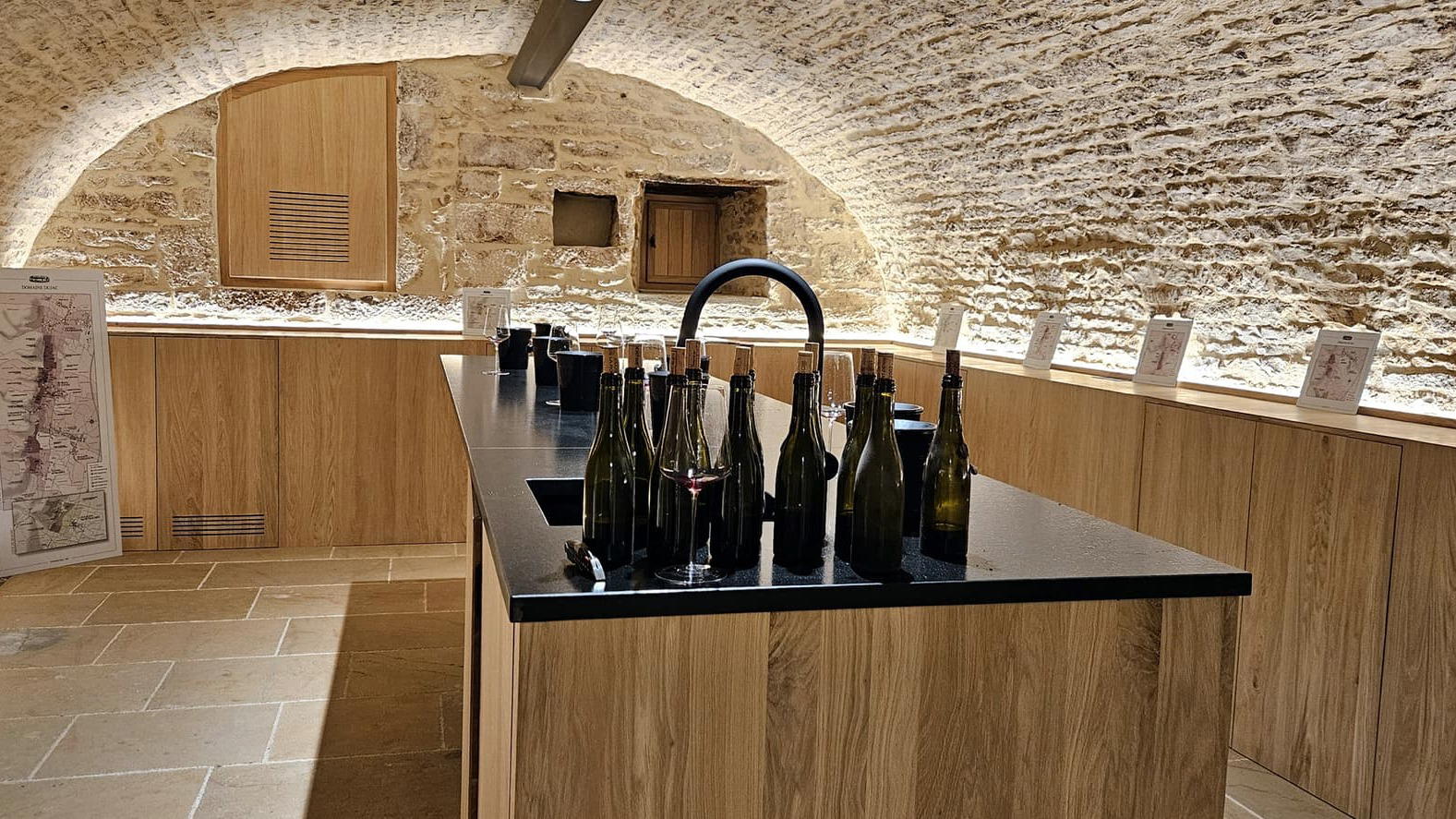
Across France's premium hotel tier, wine programming has become an increasingly important differentiator. Properties like Les Sources de Caudalie in Bordeaux and the Royal Champagne Hotel & Spa in Champillon have built entire brand identities around their proximity to and fluency with specific appellations. In Burgundy, that pressure is even sharper: guests who arrive having spent a week tasting through domaines in Vosne-Romanée and Puligny-Montrachet are not easily impressed by a generic wine list. The hotel that earns its reputation here does so through depth of selection, knowledgeable service, and the ability to connect a glass at the hotel bar to a broader conversation about terroir and vintage.
Architecture as Context, Not Decoration
The Haussmann building typology, stone façades, rhythmic windows, generous ceiling heights, provides a particular kind of backdrop for hotel interiors. Across France, this format has been adapted into properties ranging from the institutionally grand to the self-consciously minimal. What separates the more considered conversions is the degree to which the interior programme either argues with or accepts what the architecture already provides. Sleek interiors within a Haussmann envelope can read as contrast design, where contemporary fittings against classical bones create productive visual tension, or as a mismatch that leaves both halves diminished.
For comparison, the design decisions at Paris properties like Cheval Blanc Paris demonstrate what full-commitment interior transformation of a historic Parisian structure can achieve at the upper end of the market. Vertigo operates in a different tier and a different city, but the architectural starting point, Haussmann stone, central urban location, raises comparable questions about how much the building is being worked with rather than against. Based on available descriptions, the interior approach here reads as contemporary and controlled rather than maximalist, which suits a property whose guest is likely to spend more time in Burgundy's villages than in the hotel itself.
Dijon's Table Culture Beyond the Hotel
No property in Dijon should be assessed in isolation from the city's broader dining register. Burgundy's table culture is among the most codified in France: the region gave the country its foundational sauces, its most serious mustard tradition, its gougères and époisses, and a wine-with-food philosophy that remains a reference point for serious cooking across Europe. Dijon's restaurant scene, covered in depth in our full Dijon restaurants guide, ranges from traditional Burgundian brasseries serving oeufs en meurette and boeuf bourguignon to more ambitious tables where local produce meets contemporary technique.
A hotel that positions its wine offering as a strength is implicitly promising that its food programme can at least hold a coherent conversation with that list. The leading provincial French hotels in this tradition, from Domaine Les Crayères in Reims, where the hotel restaurant anchors a serious gastronomic identity, to Baumanière Les Baux-de-Provence in the south, treat the restaurant as inseparable from the hotel's positioning. In Dijon, where guests arrive primed by one of France's most demanding regional food cultures, that standard applies even to smaller properties.
Placing Vertigo in the French Boutique Hotel Conversation
France's boutique hotel tier has expanded and sharpened over the past decade. Properties in this category now compete not only with each other but against design-led alternatives across regions and price points. For Burgundy specifically, the comparison set includes wine-country hotels in Champagne (Royal Champagne Hotel & Spa), the Luberon (La Bastide de Gordes), and Provence (Château de la Gaude in Aix-en-Provence), all of which have built strong identities around regional provenance and local produce. Further afield, properties like Villa La Coste and Château de Montcaud demonstrate what happens when a French rural property invests seriously in art, architecture, and food as interlocking identity signals. Vertigo's urban Dijon position is a different proposition, city-centre rather than estate-based, but the competitive question remains the same: what does the property offer beyond a comfortable room in a period building?
The honest answer, with data limited to the available record, is that the property's strongest documented claim is its combination of architectural character and wine credibility, delivered at a city-centre address that reduces the logistical friction of exploring Burgundy by day and returning to a considered hotel by night. For travellers whose primary objective is the wine route, the Grands Crus corridor between Dijon and Santenay, proximity and a good cellar are not trivial advantages. Those seeking a fuller luxury infrastructure, from spa facilities to Michelin-adjacent dining on site, will likely look at the broader French hotel landscape, including properties like Hotel Du Cap-Eden-Roc, The Maybourne Riviera, or Cheval Blanc Courchevel for that fuller proposition. Vertigo makes a different case: Dijon as a base, Burgundy as the experience, and the hotel as a well-dressed, wine-literate place to return to.
Planning the Stay
The property sits at 3 rue Devosge, Dijon 21000, placing it in the historic core and within easy reach of the city's main cultural and gastronomic sites. Dijon-Ville TGV station connects the city to Paris in under two hours, making Vertigo a viable base for travellers combining a Burgundy wine itinerary with time in the capital. Booking directly through the hotel's own channels is the standard approach for properties of this type; rates and availability should be confirmed at time of reservation, as Burgundy's harvest season in September and October and the high summer months drive meaningful demand across the region's accommodation stock. For context on where this property sits within the wider Dijon hotel and restaurant offer, the EP Club Dijon guide maps the full range of options across categories and price points.
How Vertigo Hotel Dijon compares with similar nearby venues.
| Venue | Awards |
|---|---|
| Vertigo Hotel | 2026 Design Hotels Member - Vertigo Hotel |
Recognition history
Dated appearances from independent guides and award organizations, with the underlying list record or original source where available.
Design Hotels Member
Design Hotels
Continue exploring
More in Dijon
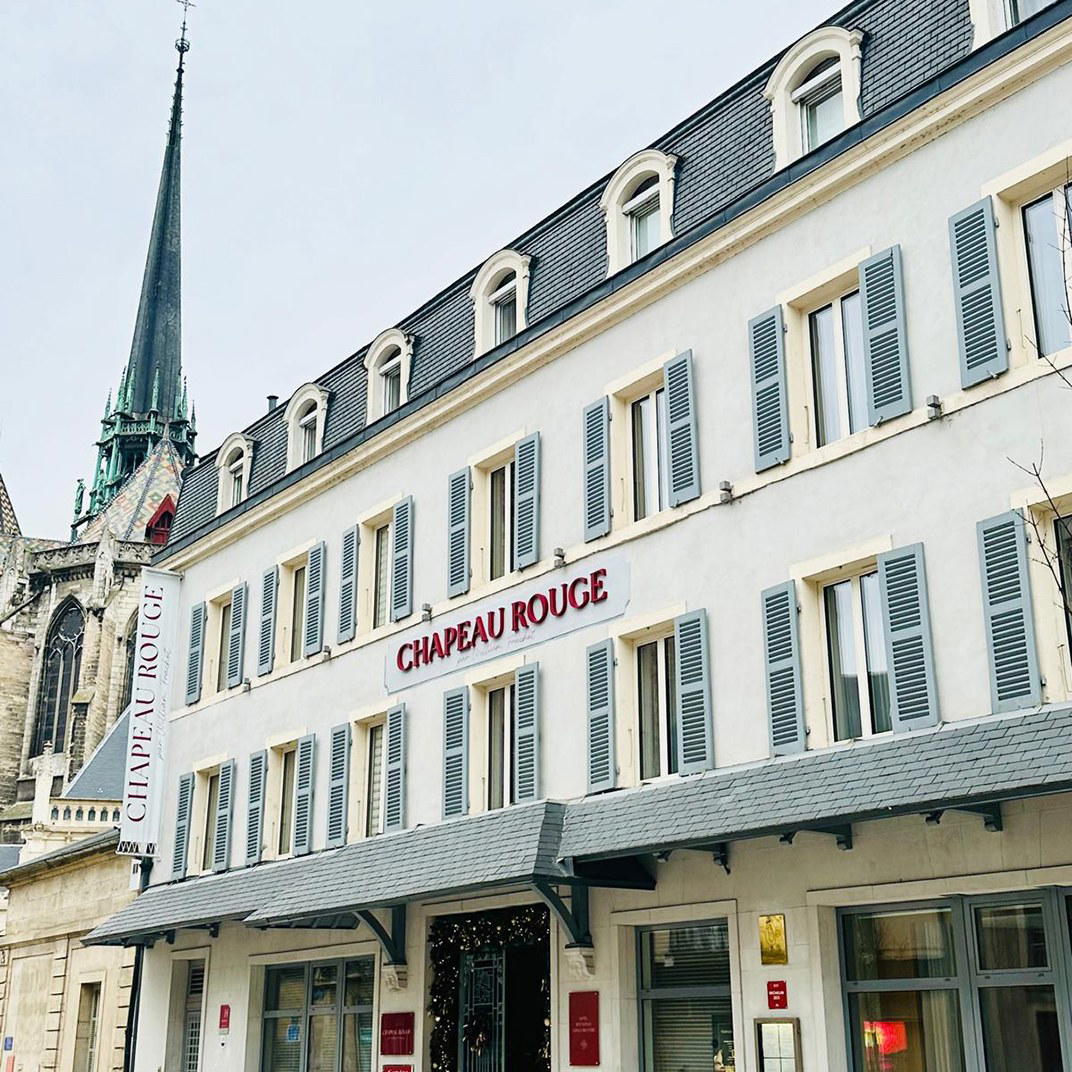
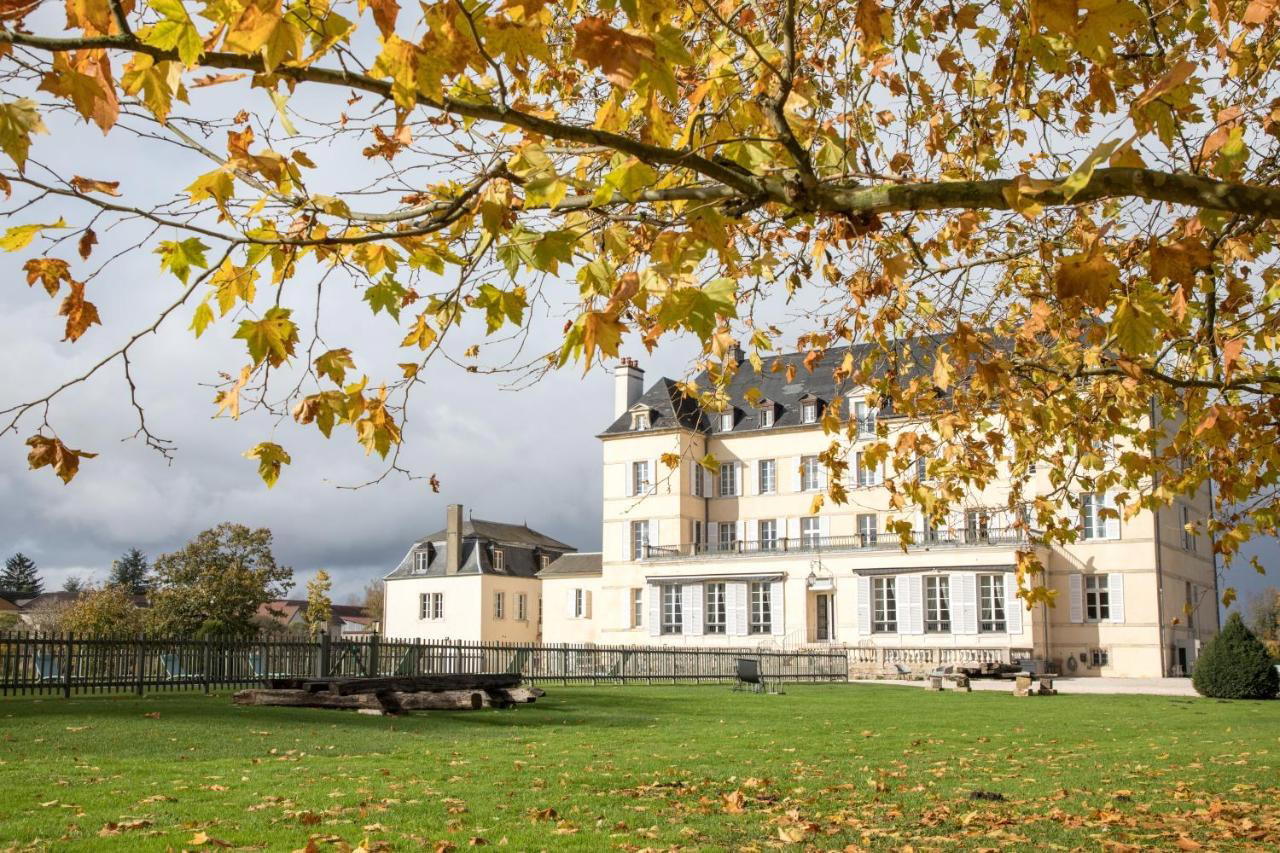
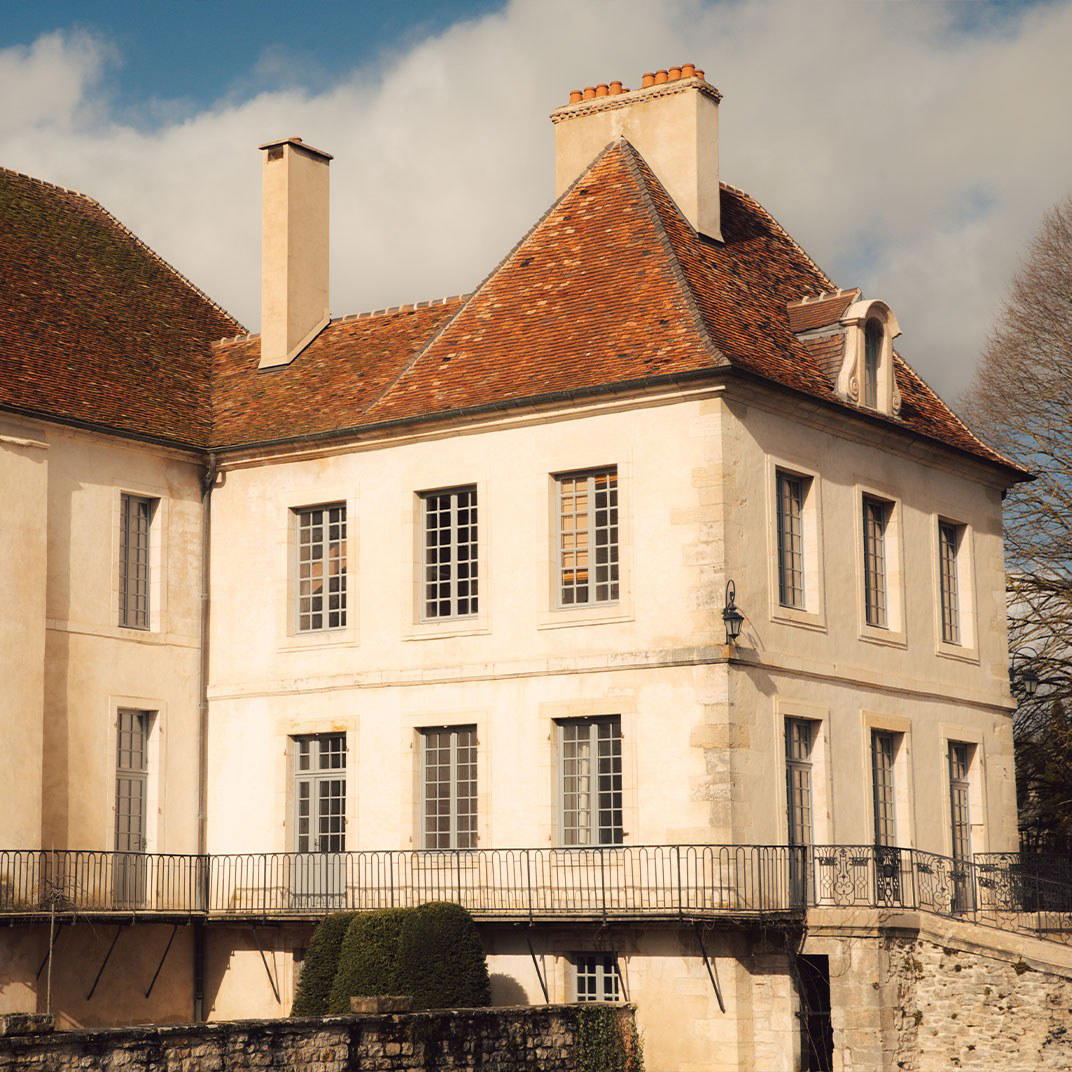
Hotels in Dijon
Browse all →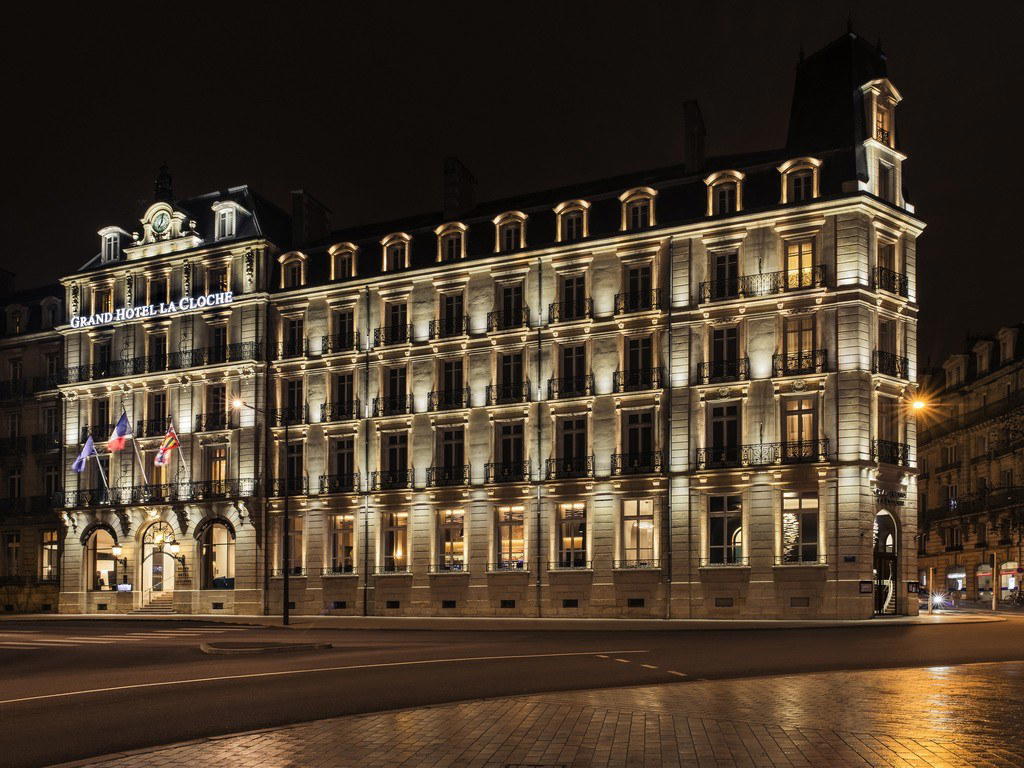
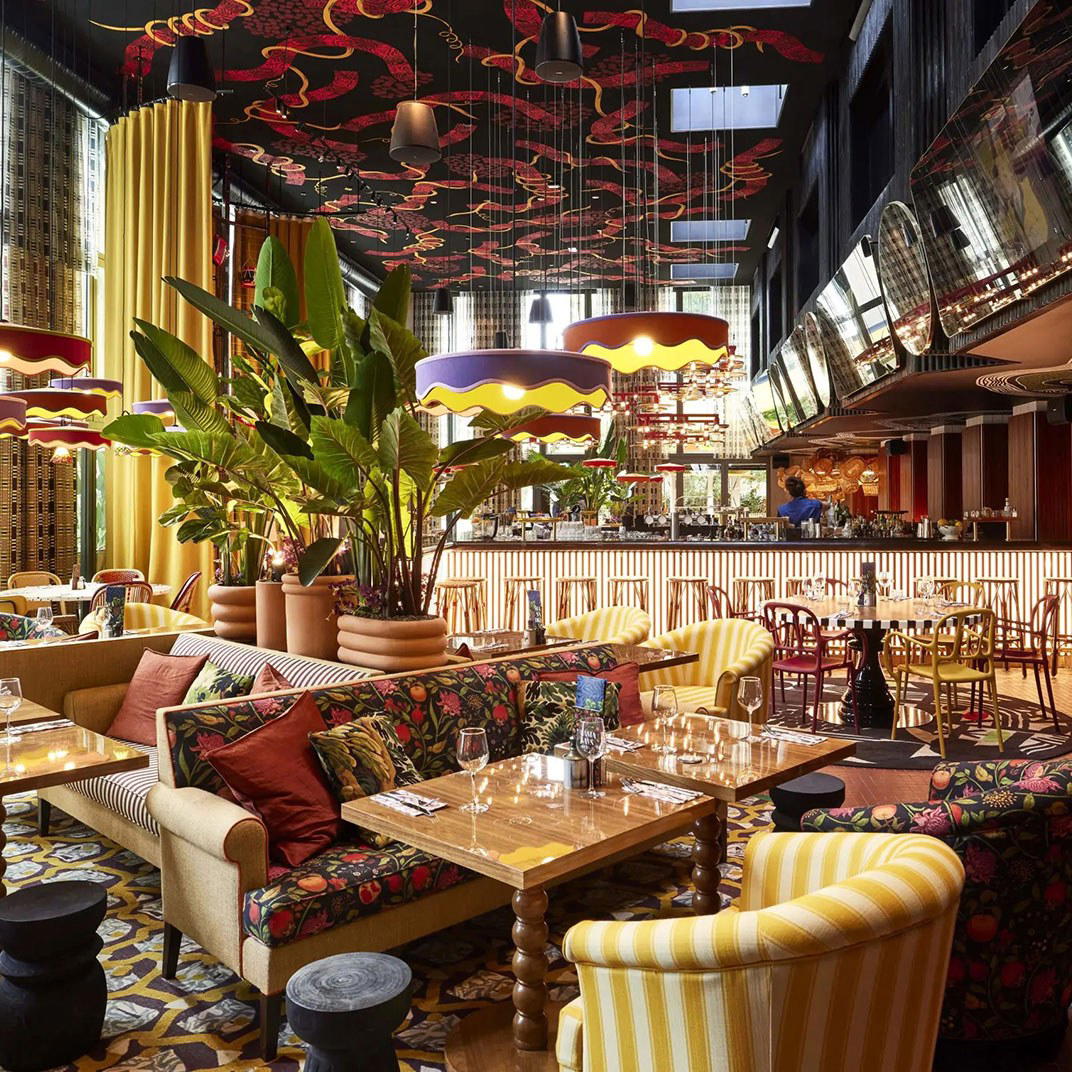
Bars in Dijon
Browse all →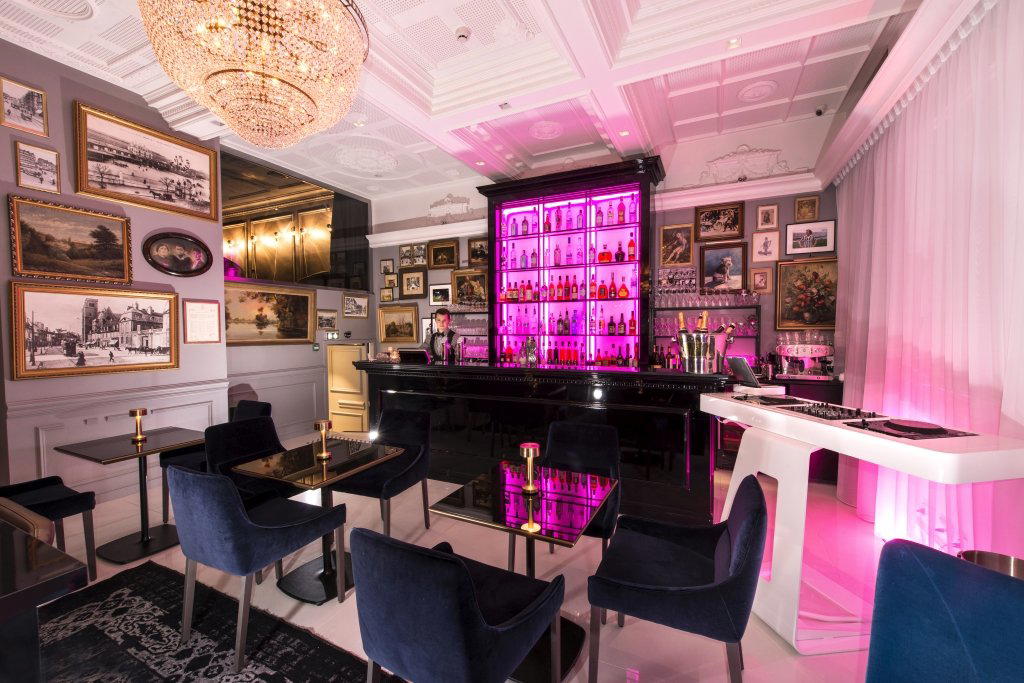
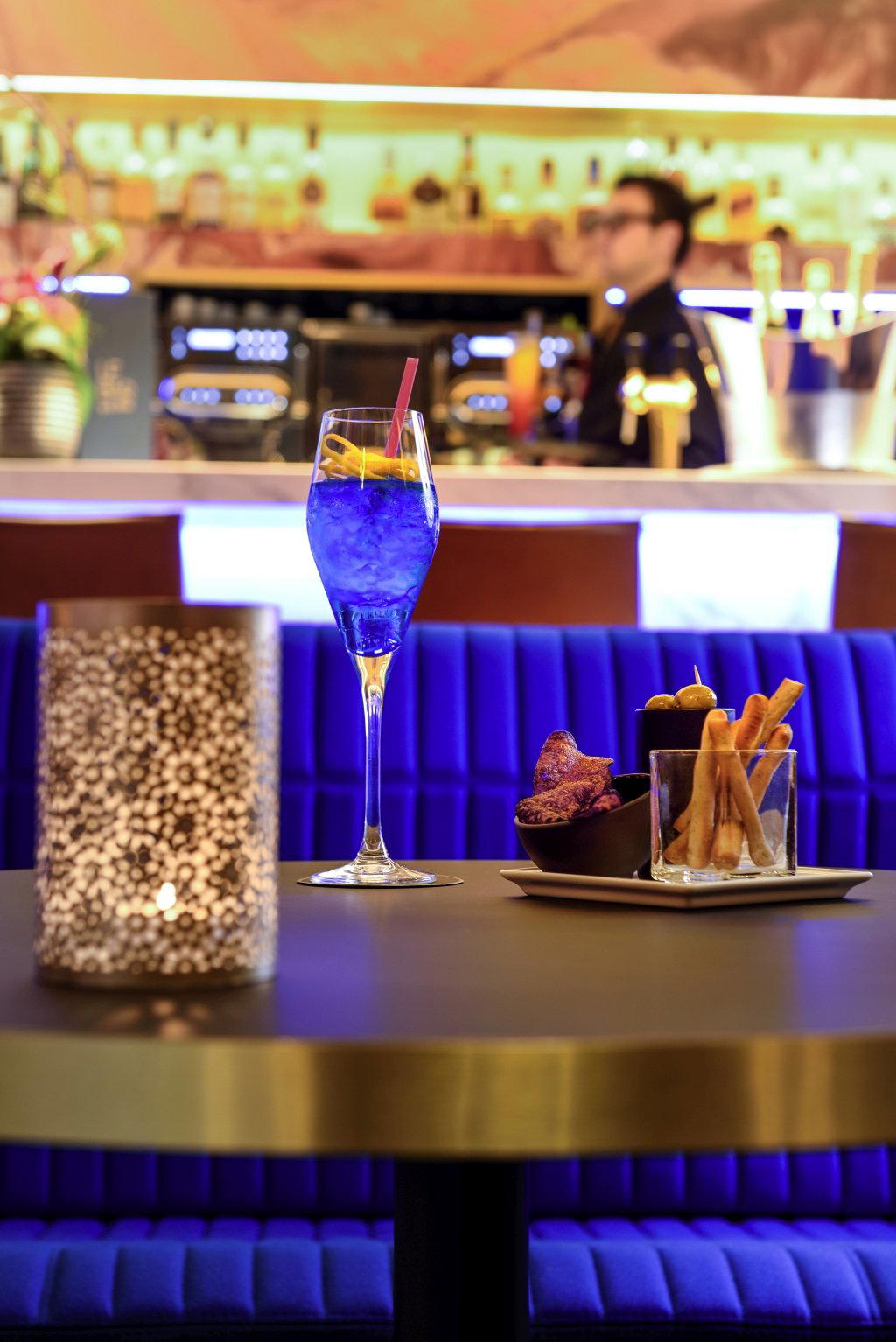
Restaurants in Dijon
Browse all →
At a Glance
- Modern
- Trendy
- Elegant
- Sophisticated
- Romantic Getaway
- Business Trip
- Weekend Escape
- Historic Building
- Wi Fi
- Pool
- Spa
- Fitness Center
- Room Service
- Concierge
- Business Center
- Street Scene
- Wi Fi
- Pool
- Spa
- Fitness Center
- Room Service
- Concierge
- Business Center
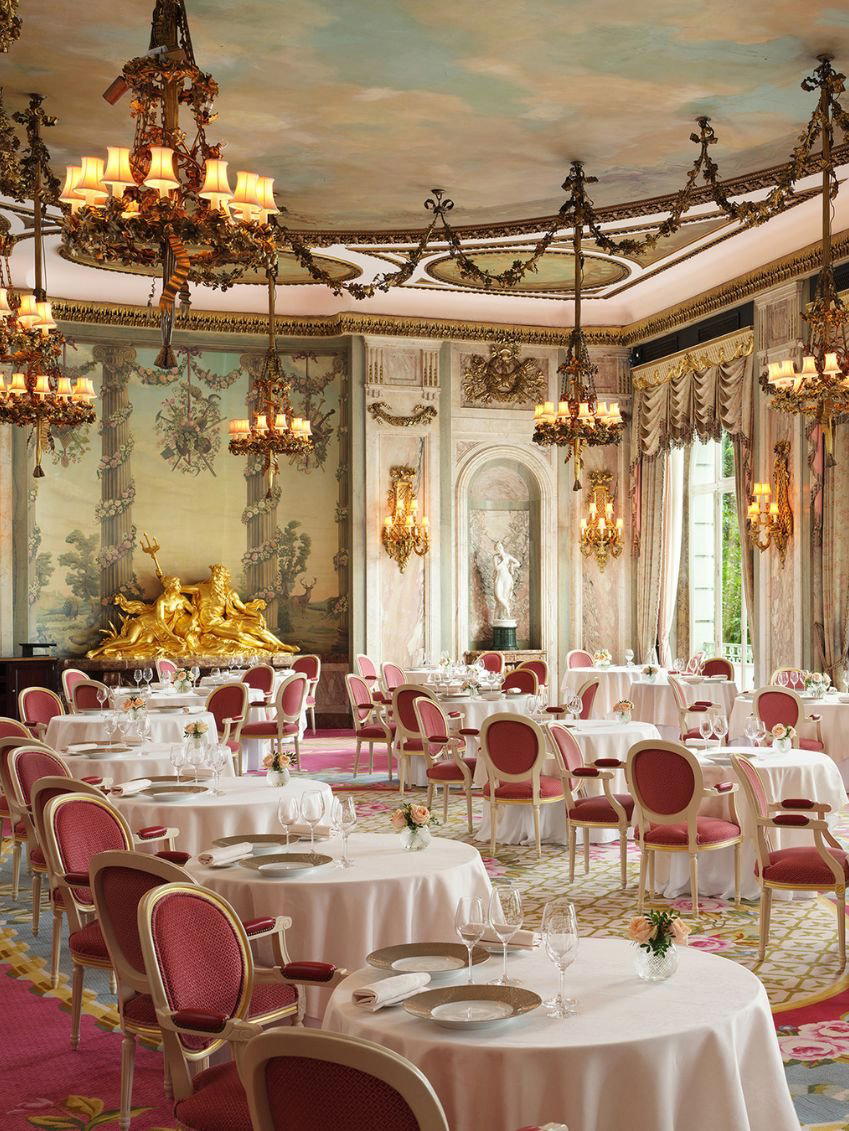
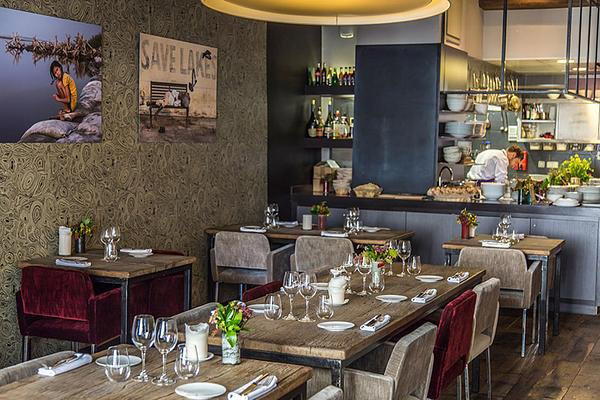
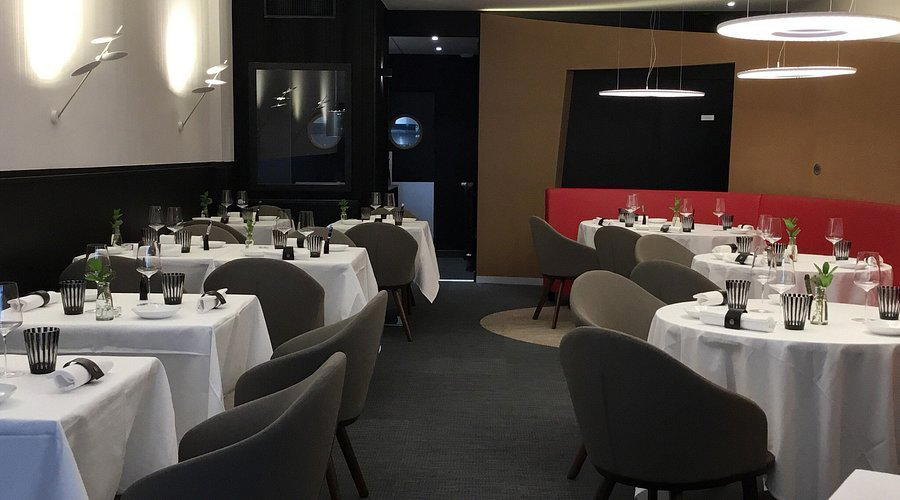
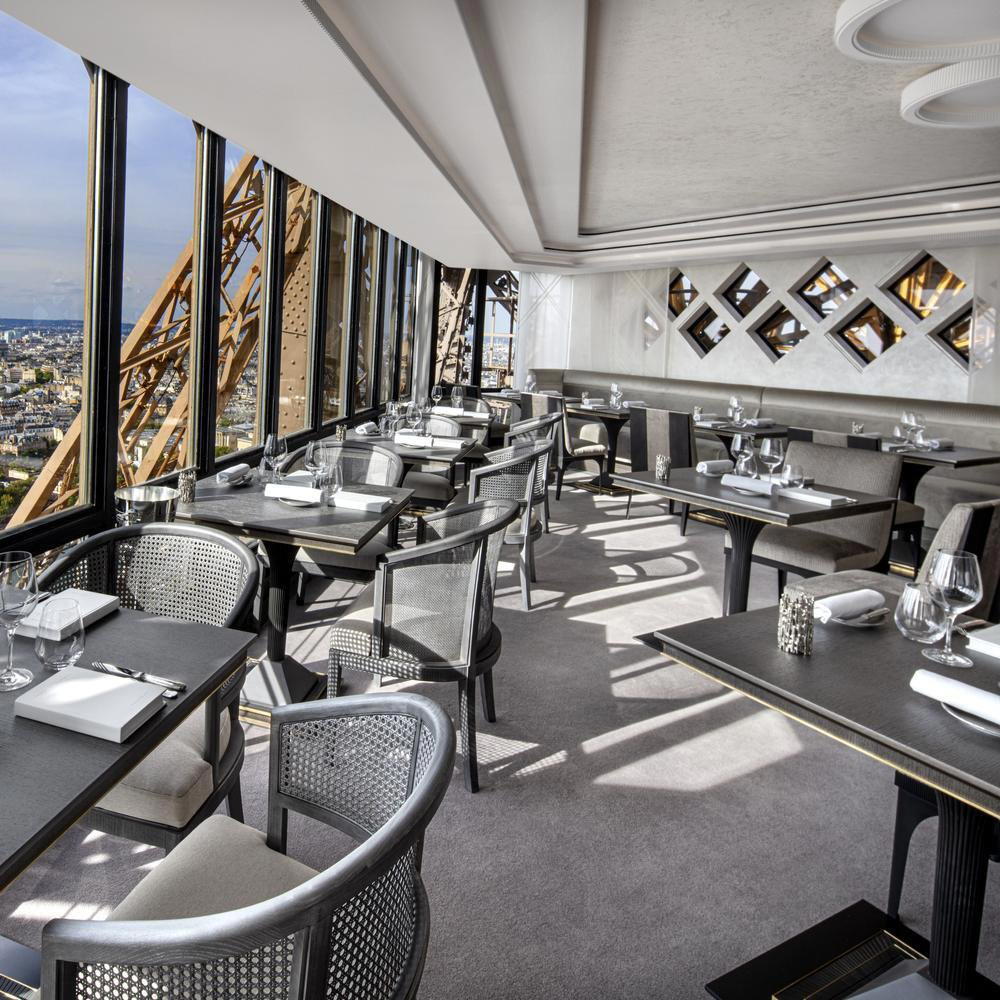
Sleek, contemporary atmosphere with carefully curated modern decor, ambient lighting in common areas, cozy bar, and peaceful soundproofed rooms praised for quiet comfort.
Know Before You Go
- Getting there
- 3 rue Devosge, Dijon 21000, France