BRASSERIE FRANCOIS serves classic French brasserie cooking in Dijon, with local sourcing, an open kitchen, and a conversational room suited to lunch or dinner.
Pearl is the En Primeur Club membership app — saves, bookings, and concierge access live there. Same editors, same standards.
- Address
- 2 bis Rue Claude Ramey, 21000 Dijon, France
- Phone
- +33380500588
- Website
- brasseriefrancois.com
- Directions
- Get directions
 Saves & bookings on Pearl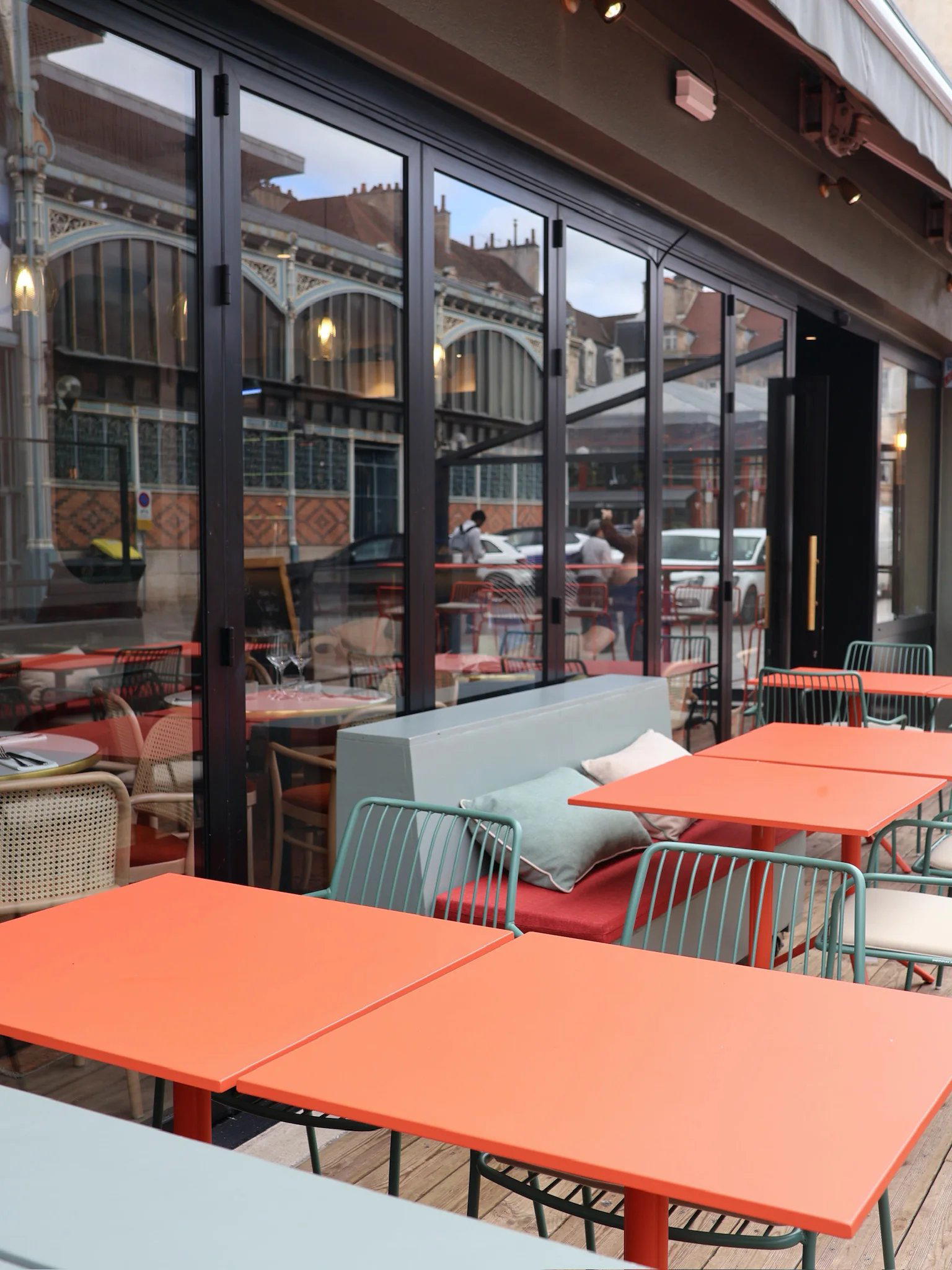
The Brasserie as Ritual: What Dijon Still Does Right
Brasserie François is a classic French brasserie in Dijon, France. There is a particular quality to a French brasserie in the early evening: the sound of chairs scraping on tile, the low murmur of conversation carrying across zinc counters, the smell of reduced stock from a kitchen that has been running since mid-morning. On Rue Claude Ramey, a narrow street close to Dijon's medieval centre, Brasserie François occupies the kind of address that reminds you why the brasserie format endured long after bistro and bouchon became interchangeable shorthand for affordable French eating. The room itself communicates a set of expectations before a single dish arrives: this is a place that takes the meal seriously without requiring you to perform seriousness in return.
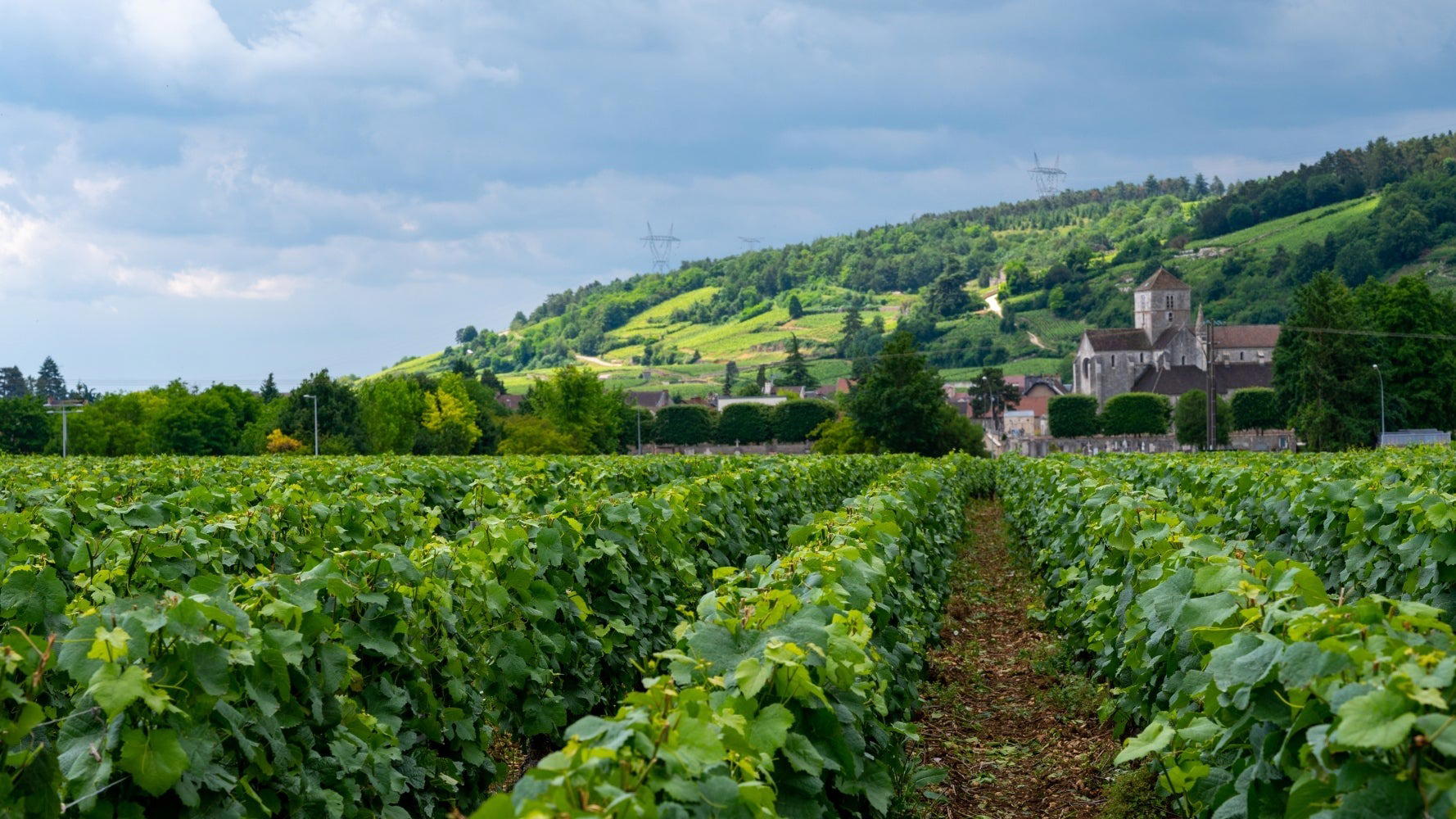
Dijon sits at the northern entrance to the Côte d'Or and has, for centuries, organised its civic life around food. The city's covered market, Les Halles, draws producers from across Burgundy three days a week and sets a reference price, and a reference standard, for what local ingredients should look and taste like. Restaurants here compete, consciously or not, against that market baseline. The brasserie tradition in this context is not a lesser category but a specific one: it answers to the rhythms of working life and the expectations of a population that eats lunch at a table more often than most Europeans.
Placement in Dijon's Dining Structure
Dijon's restaurant scene has developed a clear hierarchy over the past decade. At the apex, William Frachot holds two Michelin stars and operates in a register of refined creative French cooking that draws visitors from across the region. A tier below, Loiseau des Ducs and Origine occupy the upper end of modern cuisine, where tasting menus and seasonal precision define the offer. L'Aspérule sits at a considered mid-range with its own creative point of view. The traditional brasserie, by contrast, operates outside that progression entirely. It is not a rung on the ladder; it is a parallel structure serving a different purpose.
Brasserie François at 2 bis Rue Claude Ramey belongs to that parallel structure. Its address places it within walking distance of the Palais des Ducs and the central commercial quarter, which means its lunchtime and early-evening trade draws from office workers, market visitors, and travellers staying in the city centre rather than from the destination-dining crowd making a specific journey. That positioning shapes everything about how the meal unfolds.
The Rhythm of the Meal
The brasserie meal in France follows a cadence that differs meaningfully from the tasting-menu format dominating the upper tier of French dining. There is no fixed sequence imposed from the kitchen. The diner selects, the kitchen responds, and pacing is negotiated across the table rather than dictated from behind a pass. This creates a different kind of attention in the room: waiters reading the table rather than coordinating a countdown, dishes arriving at a tempo that accommodates conversation rather than interrupting it.
French brasserie culture developed its conventions across the nineteenth and early twentieth centuries, particularly in cities with strong working populations and proximity to rail travel. Dijon, as a major rail junction connecting Paris to Lyon and the south, attracted this kind of establishment early. The format that evolved prioritised efficiency without curtness, breadth of menu without loss of quality control, and a civic familiarity between staff and regular that the fine-dining register deliberately discourages. Those conventions carry forward into contemporary brasseries in ways that are not always visible until you compare them against what has been lost elsewhere.
At Brasserie François, the dining ritual plays out against the background of Burgundian ingredient culture. The region's claim on French gastronomy extends well beyond its wine appellations: Charolais beef, Bresse poultry, Époisses cheese, and the mustards for which Dijon itself is named form a larder that gives even modest restaurants access to ingredients with serious provenance. A brasserie in this city operates with a different raw-material floor than a comparable venue in a region without that agricultural density.
Regional Context and the Brasserie Tradition in France
It is instructive to place Dijon's brasserie culture against the broader French regional dining tradition. The grandes maisons of French cuisine, Paul Bocuse's Auberge du Pont de Collonges, Troisgros in Ouches, Bras in Laguiole, Auberge de l'Ill in Illhaeusern, and Les Prés d'Eugénie in Eugénie-les-Bains, represent one pole of French gastronomic ambition. The brasserie represents the other: democratised, daily, embedded in the working week. Neither pole is more authentically French; they have always coexisted and fed each other culturally.
Outside France, the brasserie format has been adapted with varying degrees of fidelity. Le Bernardin in New York and Lazy Bear in San Francisco represent the American refraction of French technique into distinct local registers. In the French provinces, the brasserie retains a specificity those adaptations inevitably lose: the seasonal menu logic tied directly to what the market is offering that week, the wine list weighted toward appellations within an hour's drive, the lunch formula priced for daily use rather than occasional celebration.
Mountain-format restaurants such as Flocons de Sel in Megève and coastal fine dining like Mirazur in Menton operate in a completely different experiential register, where geography and seasonal drama are themselves part of the offer. Alléno Paris au Pavillon Ledoyen and La Table du Castellet place French cooking within prestige architectural settings. Georges Blanc in Vonnas maintains a generational family restaurant model. The Dijon brasserie sits apart from all of these, answering to a civic and daily-life function rather than a destination-dining one. Akatsuki in Dijon illustrates how the city has also absorbed non-French influences within its dining offer.
Planning a Visit
Rue Claude Ramey is a short walk from Dijon's central tram lines and within easy reach of the train station, which receives direct TGV services from Paris Gare de Lyon in around ninety minutes. For visitors organising a day around the Les Halles market (open Tuesday, Thursday, and Saturday mornings), a brasserie lunch on the return route makes practical sense. Specific booking policies, current hours, and menu pricing for Brasserie François are best checked directly with the venue before visiting.
Cuisine-First Comparison
Comparable venues nearby, for context on price, style, and recognition.
| Venue | Cuisine | Price | Awards | Notes |
|---|---|---|---|---|
| BRASSERIE FRANCOISThis venue — the venue you are viewing | Classic French Brasserie | $$ | Not listed | Not listed |
| Chez Léon | Traditional Burgundian Bistro | $$ | Not listed | Historic Centre of Dijon, near Halles |
| Chez Septime | Traditional French Bistro | $$ | Not listed | near the train station |
| Monique, boire et manger | Modern French Bistro | $$ | Michelin Plate | Centre-ville |
| Masami | Authentic Japanese Sushi | $$$ | Not listed | Centre-ville |
| L'Arôme | Modern French-Japanese Fusion | $$$ | Michelin Plate | Centre-ville |
Continue exploring
More in Dijon
Restaurants in Dijon
Browse all →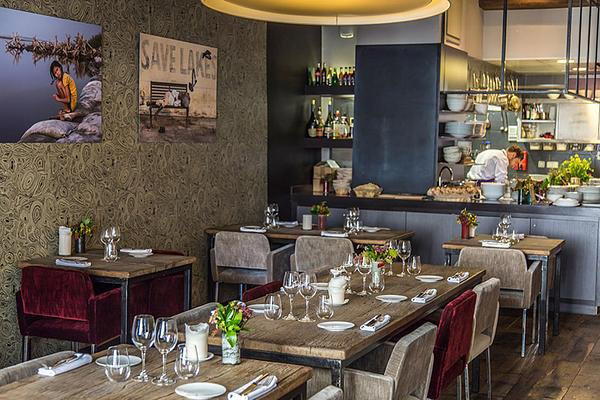
Bars in Dijon
Browse all →
Hotels in Dijon
Browse all →
At a Glance
- Warm
- Classic
- Business Dinner
- Casual Hangout
- Open Kitchen
- Local Sourcing
Current opening hours
- Monday
- 12–3 PM, 7–11 PM
- Tuesday
- 12–3 PM, 7–11 PM
- Wednesday
- 12–3 PM, 7–11 PM
- Thursday
- 12–3 PM, 7–11 PM
- Friday
- 12–3 PM, 7–11 PM
- Saturday
- 12–3 PM, 7–11 PM
- Sunday
- 12–3 PM, 7–11 PM
Hours can change for holidays and private events. Last verified .
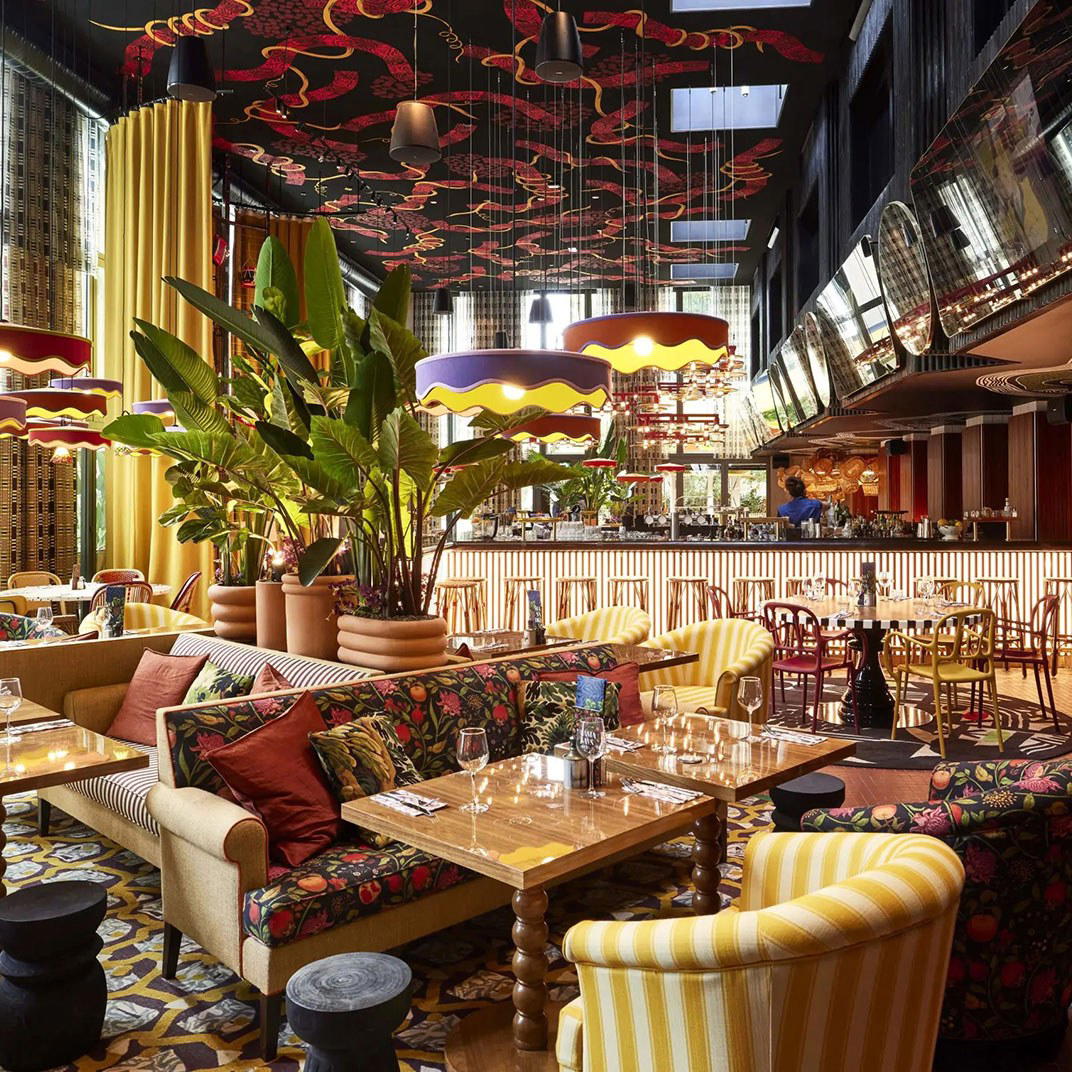
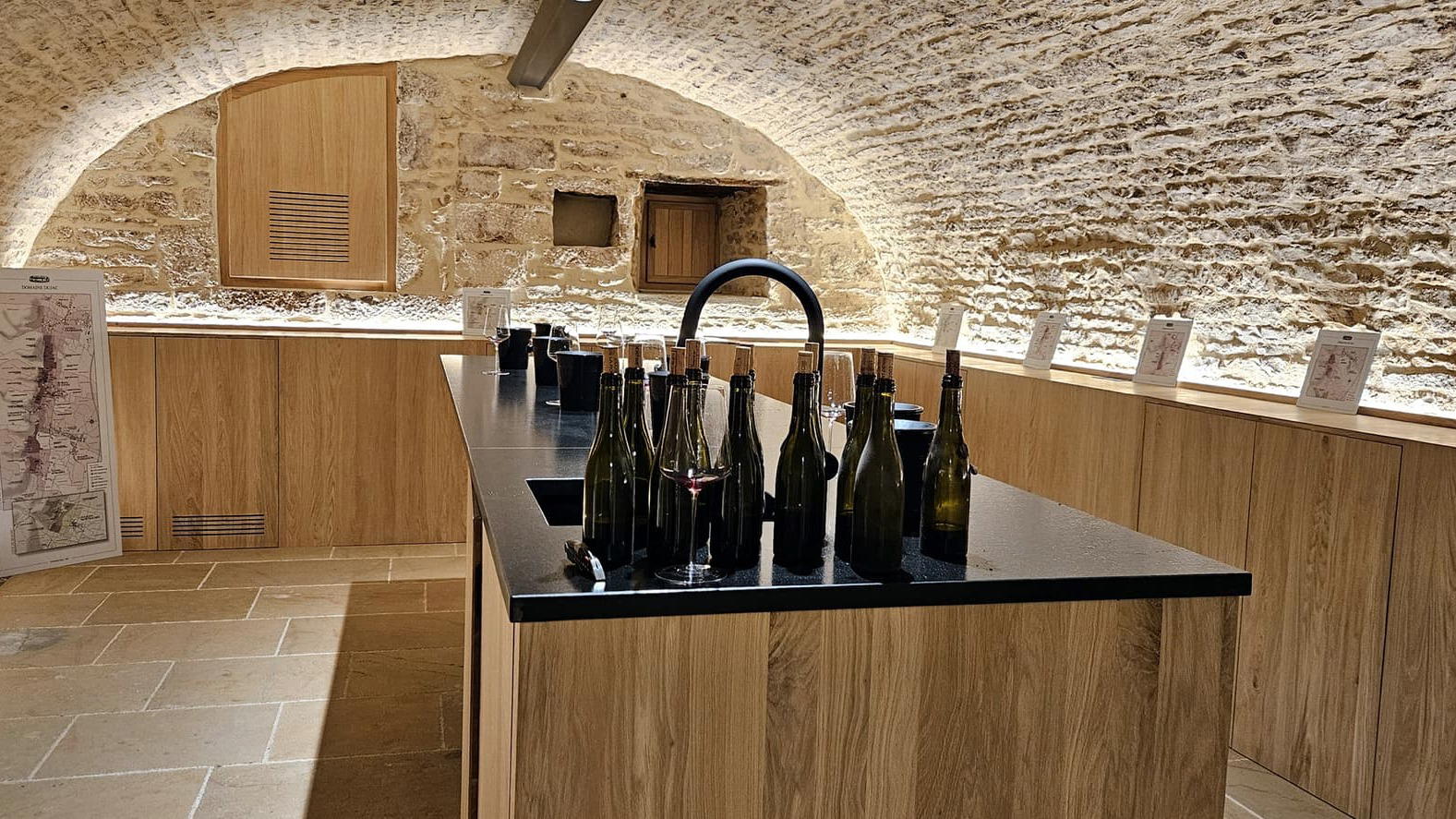
Warm and inviting with clean, bright decor and open kitchen views, though occasionally affected by loud music.