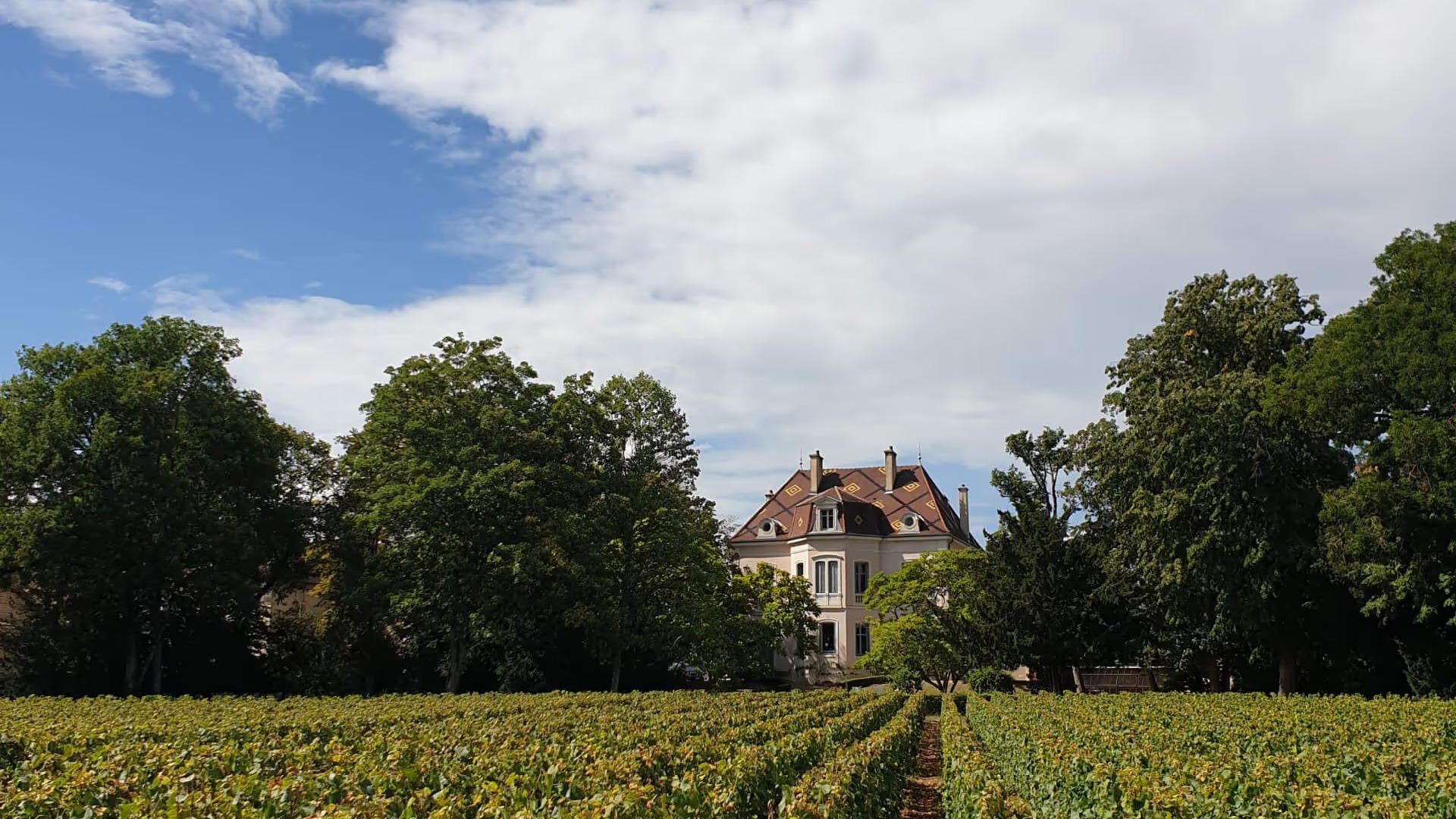
In the centre of Meursault, a village whose vineyards define Burgundy's white wine identity, Le Bouchon occupies the kind of address that requires no further introduction: Place de l'Hôtel de Ville, where the market square sets the tone before you reach the door. The room operates within the bouchon tradition, placing regional produce and local wine culture at the centre of the proposition.
Pearl is the En Primeur Club membership app — saves, bookings, and concierge access live there. Same editors, same standards.
- Address
- 1 Pl. de L Hôtel de ville, 21190 Meursault, France
- Phone
- +33380212956
- Website
- restaurant-le-bouchon.com
- Directions
- Get directions
 Saves & bookings on Pearl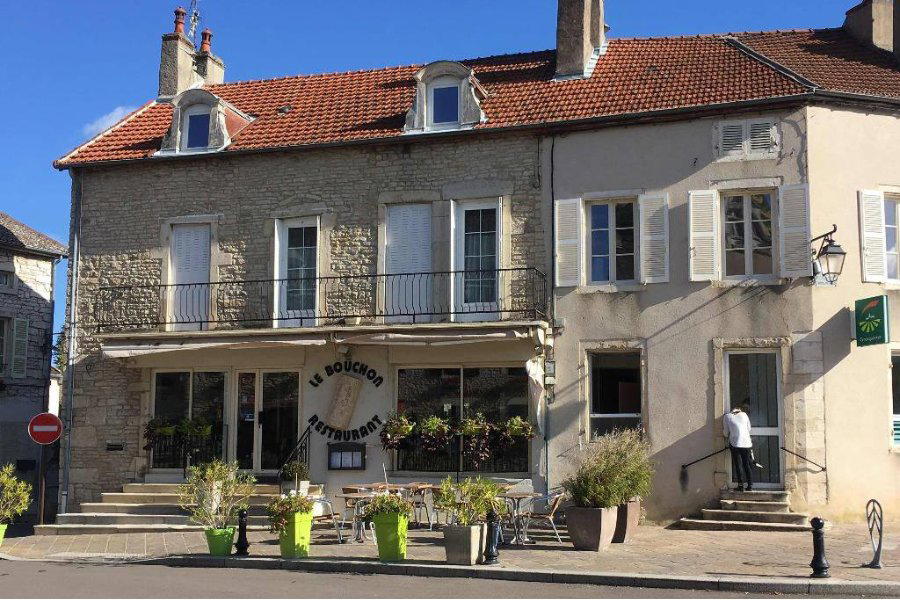
A Village Square and What It Demands of a Kitchen
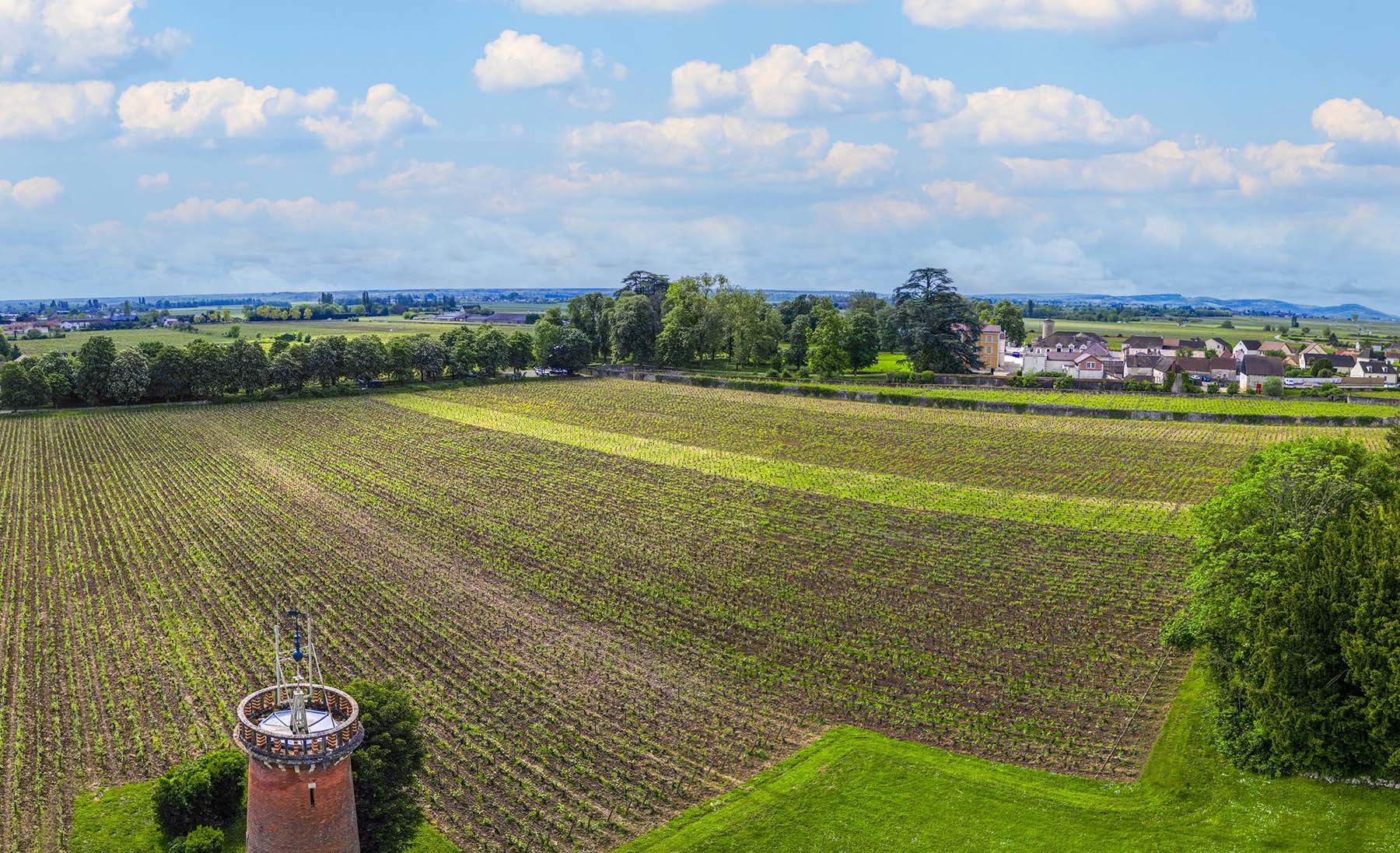
Meursault is not a large town. Its permanent population runs to a few thousand; its vineyards, however, are among the more closely watched in France. The Premier Cru and village-level Chardonnay produced on its slopes are traded internationally, scrutinised by négociants, and sought by collectors who plan their allocations years in advance. A restaurant on Place de l'Hôtel de Ville, at the geographic and social centre of that village, inherits a specific set of expectations from the moment it opens its doors: the wine culture is non-negotiable, and the food must be capable of standing alongside bottles that have genuine provenance.
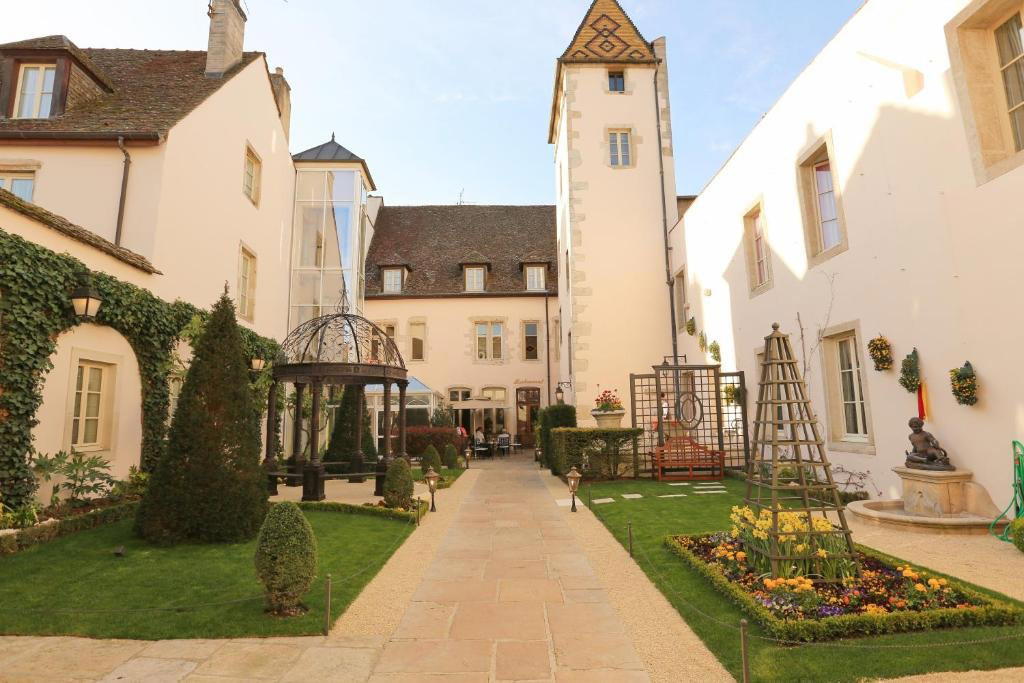
Le Bouchon occupies exactly that address. The square frames the experience before the meal begins, offering the kind of unhurried Burgundian atmosphere that larger wine-region towns — Beaune, Dijon — have largely traded away in exchange for tourist infrastructure. Here, the scale is still domestic. Winemakers from domaines on the Route des Grands Crus eat in the same rooms as visitors who have made the journey specifically for the vines. That social mix is itself a signal about what the kitchen is expected to produce.
The Bouchon Format in a Burgundian Context
The bouchon as a dining format has its strongest associations with Lyon, where the tradition describes a specific kind of working-class tavern built around offal, pork preparations, and local wine served in small ceramic pots. Burgundy absorbs that template but reshapes it: the produce shifts toward the côte's own ingredients, the wine list reflects the appellation rather than the Rhône corridor, and the register tends toward the convivial rather than the ceremonial. What persists across both geographies is the emphasis on sourcing that is local to the point of being hyperlocal, a commitment to the market, the season, and the producer relationships that a small kitchen can sustain in a way a large hotel restaurant cannot.
In Meursault, that sourcing logic has particular weight. The village sits within reach of particularly agriculturally specific terrain in France. The limestone and clay soils that produce the appellation's white wines also shape what grows alongside them: mustard, blackcurrant, snails gathered from the same hillsides that carry the vines. A kitchen working honestly within this tradition treats those ingredients as the argument, not the garnish. For comparison, Au Fil du Clos (Modern Cuisine) takes a more contemporary approach to regional produce in Meursault, while Le Bistrot de La Cueillette (Traditional Cuisine) and Le Globe represent the range of registers available in the village at varying price points.
Where Le Bouchon Sits in the Local Competitive Set
Meursault's restaurant offering is modest in volume but reasonably broad in register. Le Soufflot (French, Modern Cuisine) and Au Fil du Clos both operate at the €€€ tier, with modern French cooking that pitches itself toward the visiting wine professional or serious gastronome. Comme chez moi and Le Bistrot de La Cueillette occupy more accessible territory. Le Bouchon positions itself within the bistro-to-brasserie band: direct enough to absorb a spontaneous visit after a cave tasting, substantial enough to justify a dedicated booking during harvest season.
That positioning matters in a village where the rhythm of the year is governed by viticulture. The vendanges in September and October bring a specific kind of hunger to the tables, winemakers and négociants eating with the focus of people who have been on their feet since dawn. The quieter months of winter, when the vines are dormant and the village contracts back to its permanent population, produce a different dining room: fewer tourists, more locals, a pace that suits longer meals and deeper selections from the cellar.
Sourcing Within the Appellation
The ingredient sourcing argument for a restaurant in this location is almost self-evidently strong. Burgundy's food culture has always run parallel to its wine culture rather than subordinate to it: the terroir logic that governs Premier Cru classification, the belief that a specific parcel of land produces something distinct from the parcel beside it, extends, in the minds of serious Burgundian cooks, to the animals, vegetables, and dairy produced in the same region. Bresse chicken, which holds AOC status of its own, is produced less than an hour's drive from Meursault. Époisses, the washed-rind cheese that is among the more pungent in France, comes from a village within the Côte d'Or department. Charolais beef from the west of Burgundy supplies butchers throughout the region.
A kitchen working within the bouchon tradition in Meursault has access to this supply network at relatively close proximity. The editorial question for any such restaurant is whether it uses that proximity purposefully, treating sourcing as a craft decision rather than a default, or whether it simply lists regional names on the menu as a positioning signal. The distinction matters more here than in a city, where supply chains are longer and the gap between stated provenance and actual sourcing is harder for a diner to assess. In a village where the producer and the customer may share the same square, the accountability is more direct.
Elsewhere in France, the sourcing-as-argument approach is carried furthest at restaurants like Mirazur in Menton and Bras in Laguiole, both of which have built international reputations on a specific relationship between kitchen and terroir. Closer to Burgundy, Troisgros - Le Bois sans Feuilles in Ouches represents the haute-cuisine version of the same regional commitment. Le Bouchon operates at a different altitude entirely, but the underlying logic, that the source of the ingredient is part of its meaning on the plate, runs through the same tradition. For broader orientation across France's three-star tier, Auberge de l'Ill in Illhaeusern, Paul Bocuse - L'Auberge du Pont de Collonges in Collonges-au-Mont-d'Or, and Flocons de Sel in Megève each demonstrate how regional identity can be pressed into fine-dining formats, while AM par Alexandre Mazzia in Marseille, Assiette Champenoise in Reims, and Au Crocodile in Strasbourg show how the argument plays out across different French regions and registers. For readers crossing the Atlantic, Alléno Paris au Pavillon Ledoyen in Paris and, further afield, Le Bernardin in New York City and Atomix in New York City provide useful calibration points for how French culinary tradition travels and transforms.
Planning a Visit
Meursault sits on the D974 south of Beaune, approximately ten minutes by car from the town centre. Visitors arriving by train typically reach Beaune station first and continue by taxi or rental car; the village has no rail connection of its own. The square on which Le Bouchon sits is walkable from most of the village's domaine tasting rooms, which makes sequencing a cave visit before lunch a practical option rather than an aspirational one. For anyone building a day around the Côte de Beaune, our full Meursault restaurants guide maps the full range of options by register and occasion. Booking ahead is sensible during the harvest months and over summer weekends; the square does draw visitors in volume during those periods, and the room's capacity, in line with the village-scale format, is not large.
How Le Bouchon Meursault compares with similar nearby venues.
| Venue | Cuisine | Price |
|---|---|---|
| Le Bistrot de La Cueillette | Traditional Cuisine | €€ |
| Au Fil du Clos | Modern Cuisine | €€€ |
| Le Soufflot | French, Modern Cuisine | €€€ |
Continue exploring
More in Meursault
Restaurants in Meursault
Browse all →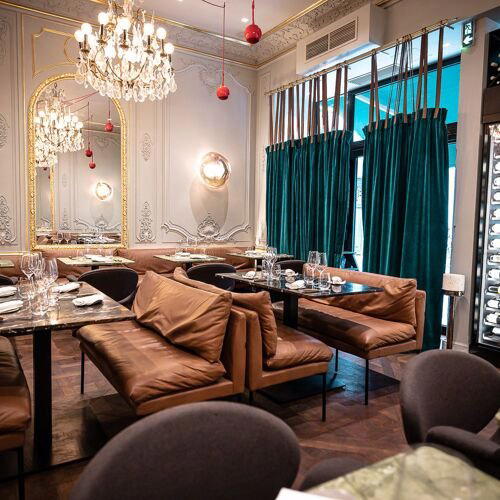
Bars in Meursault
Browse all →
Hotels in Meursault
Browse all →
At a Glance
- Classic
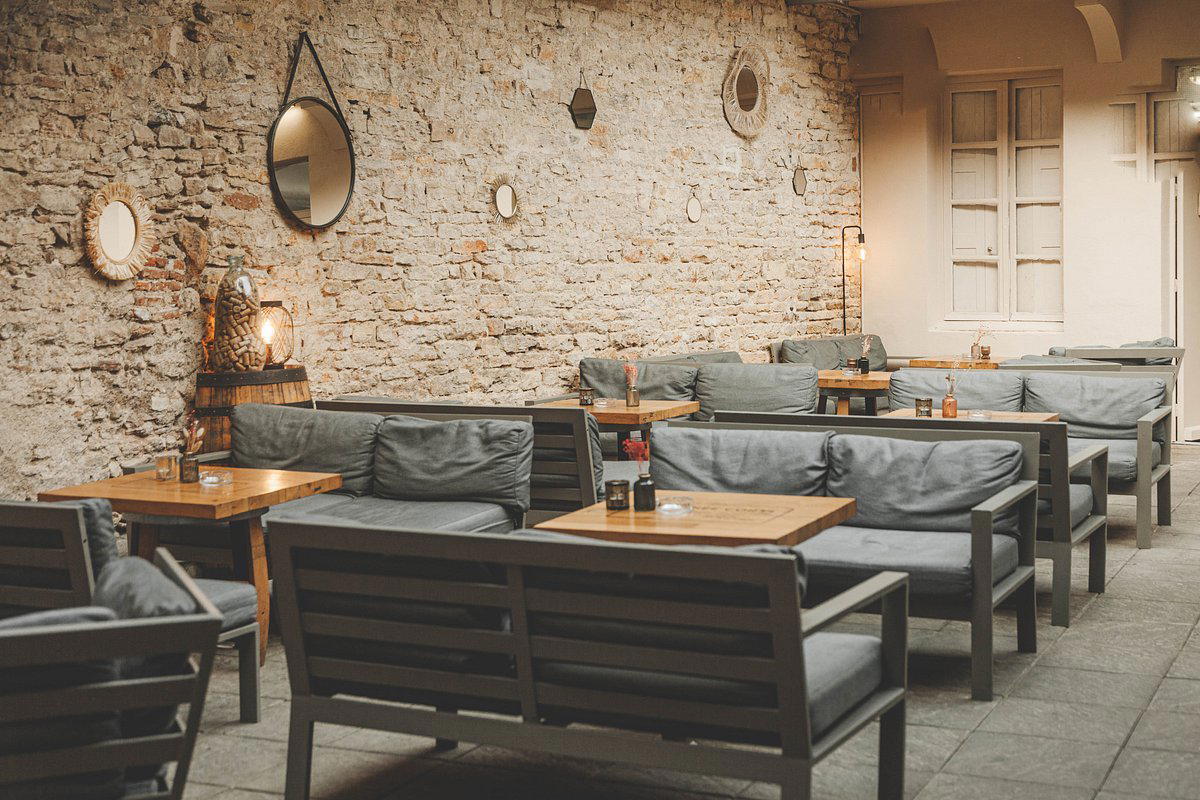
- Cozy
- Rustic
- Group Dining
- Casual Hangout
- Open Kitchen
- Extensive Wine List
- Local Sourcing
- Street Scene
Current opening hours
- Monday
- Closed
- Tuesday
- 12–2 PM
- Wednesday
- 12–2 PM
- Thursday
- 12–2 PM
- Friday
- 12–2 PM, 6:30–8 PM
- Saturday
- 12–2 PM, 6:30–8 PM
- Sunday
- Closed
Hours can change for holidays and private events. Last verified .
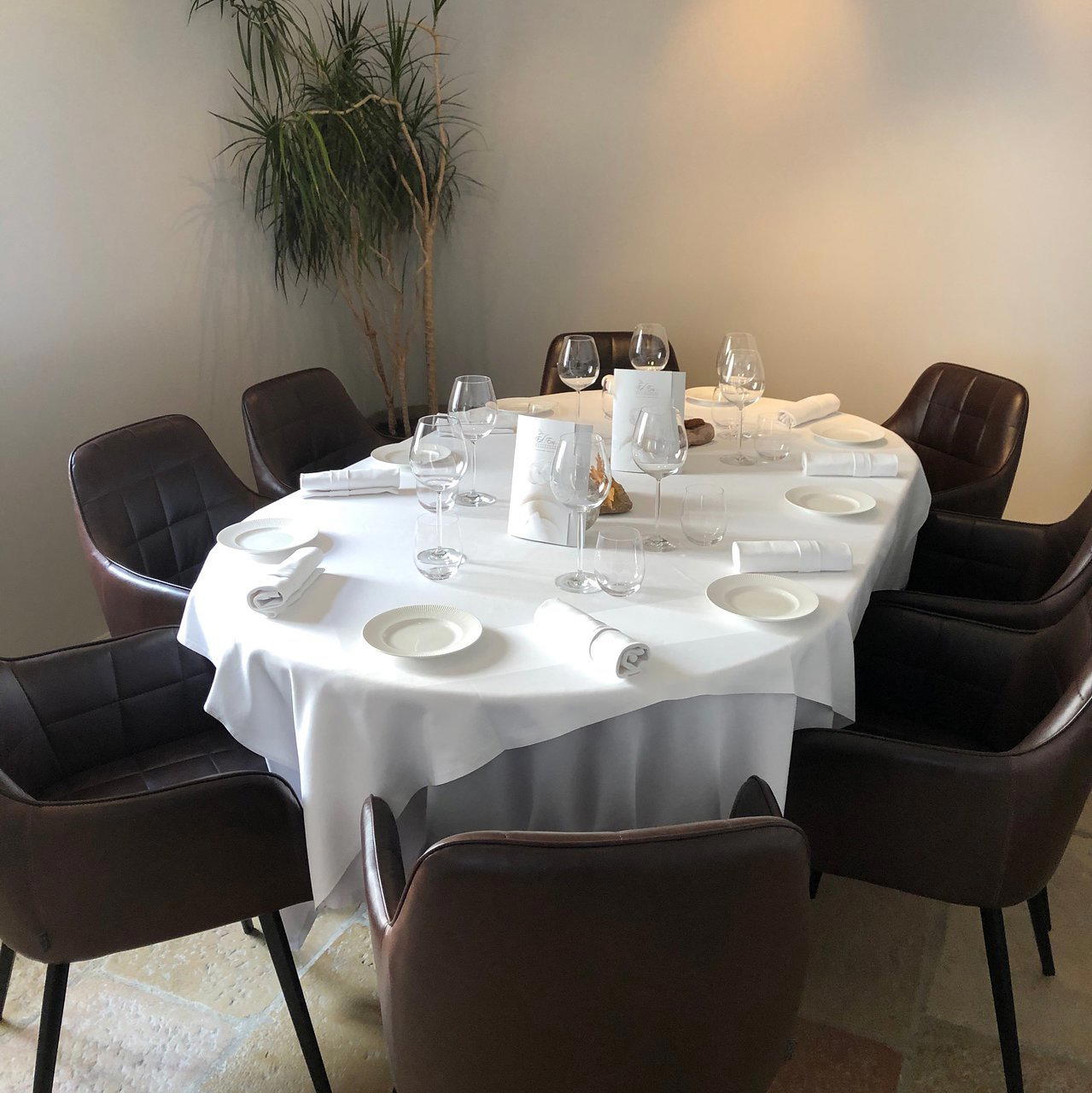
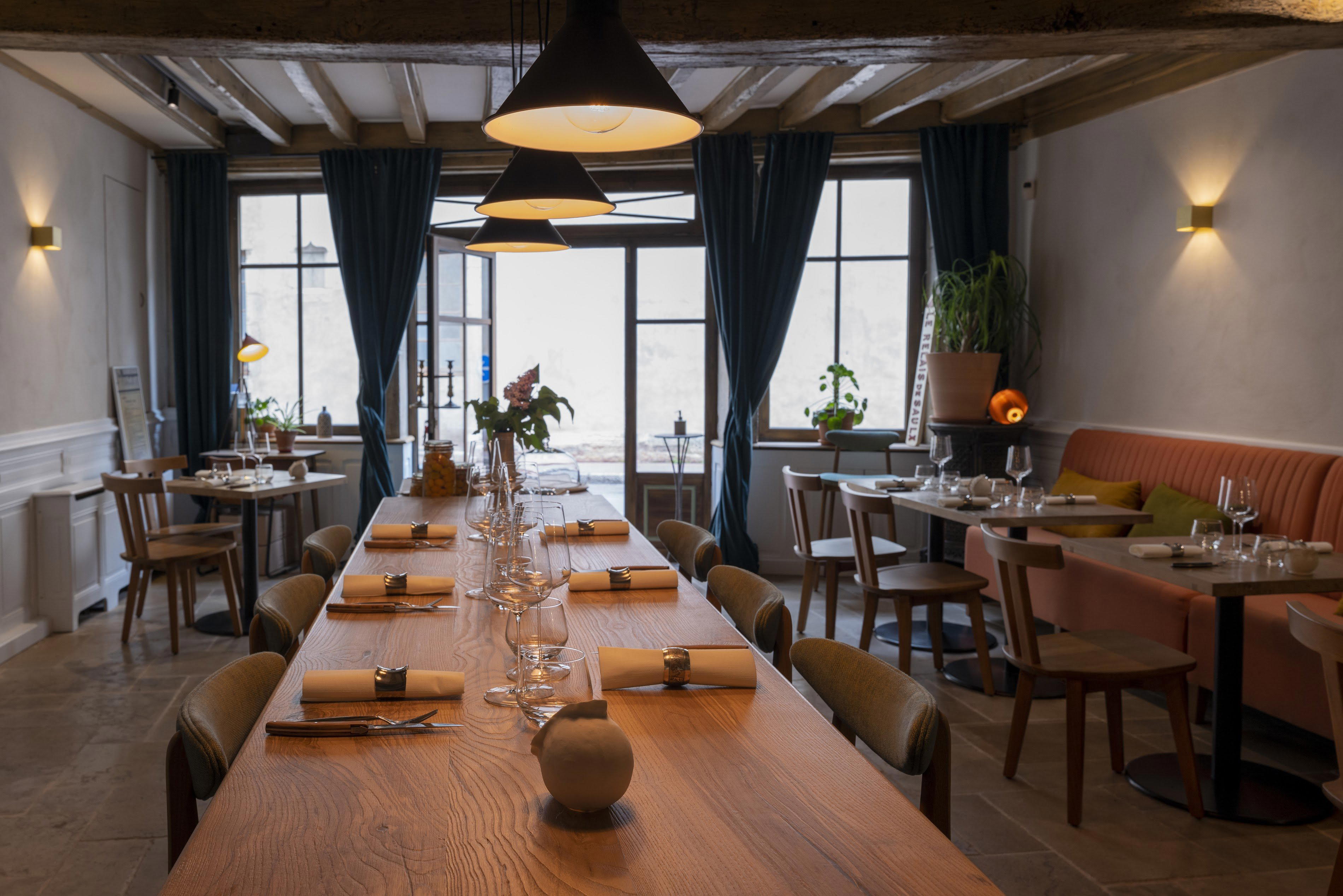
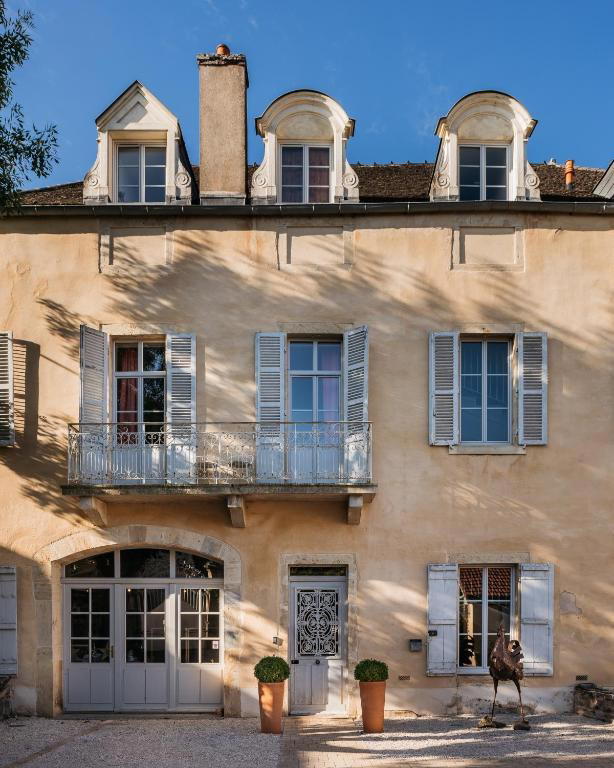
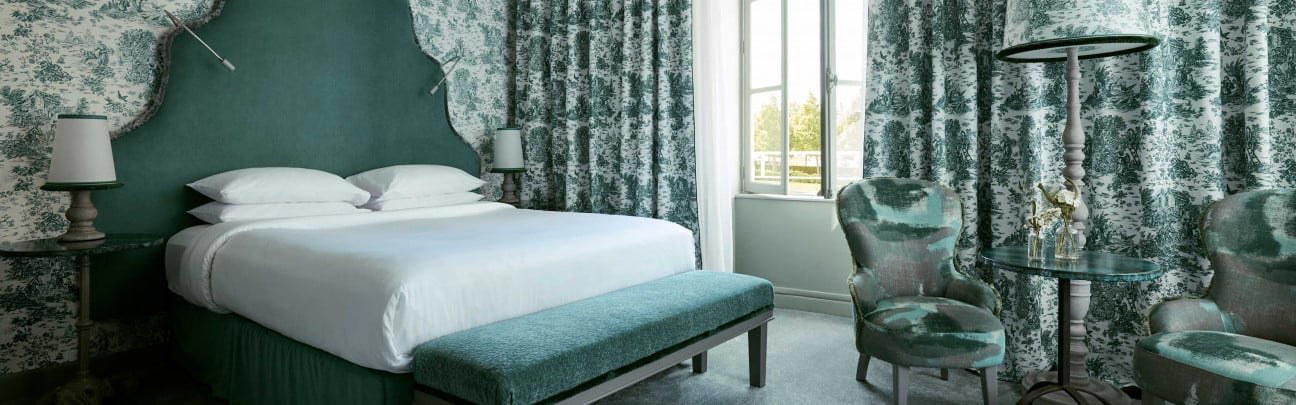
Modern bistro style with sober furniture, noble materials, and savvily distributed light in a light and airy renovated room with view of the glassed-in kitchen.