Our verdict
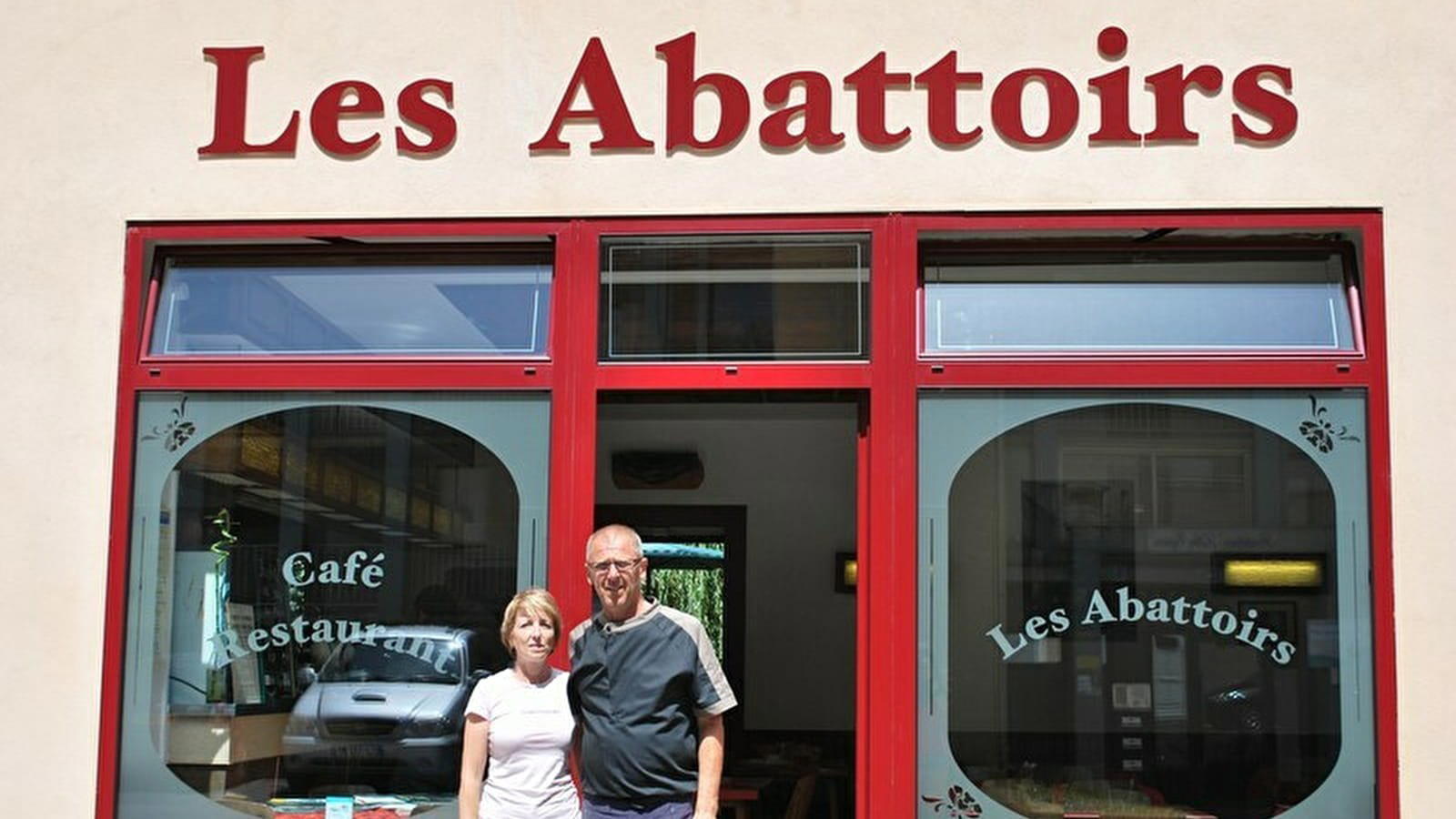
A neighbourhood address on Rue de la Banque in Vesoul, Café des Abattoirs occupies the kind of everyday French dining space that provincial towns depend on. Set within a city better known for its Franche-Comté countryside than its restaurant scene, it represents the working fabric of local hospitality rather than destination dining. Check current hours and availability directly before visiting.

Pearl is the En Primeur Club membership app, where members save venues, book tables and use the concierge.
The menu
What to order
- Iberian charcuterie
- Galician beef
- Secreto ibérico
- Lamb from Haute-Provence
Where Provincial French Dining Lives
The cafés and brasseries that line the side streets of small French prefecture towns are not the restaurants that appear in annual awards cycles or attract the kind of attention lavished on Flocons de Sel in Megève or Mirazur in Menton. They serve a different and arguably more fundamental purpose: feeding the people who live and work in cities like Vesoul, day in and out, without theatre or ceremony. Café des Abattoirs, at 22 Rue de la Banque, sits squarely in that tradition.
Vesoul is the administrative capital of Haute-Saône, a department lodged between the Vosges and the Jura in the Franche-Comté region. This is beef country, pork country, cheese country, a stretch of eastern France where the culinary identity leans on smoked meats, Comté aged in cave cellars, freshwater fish from the Saône river, and the yellow wines of neighbouring Jura. The cooking tradition here is not delicate or technically precise in the way that defines the haute cuisine houses of Lyon or Alsace, such as Paul Bocuse - L'Auberge du Pont de Collonges or Auberge de l'Ill in Illhaeusern. It is generous, direct, and rooted in seasonal produce that travels short distances.
The Cultural Logic of the Abattoir Quarter
The name itself carries geographic and historical weight. Cafés and bistros that grew up near abattoirs in French towns were, for well over a century, working-class institutions: early-opening, unpretentious, built around the dietary needs of butchers, market traders, and municipal workers rather than leisure diners. While many towns have since redeveloped those quarters entirely, the name often persists as a marker of a neighbourhood's older identity. In Vesoul, Rue de la Banque connects the commercial core of the city with its surrounding residential streets, placing a café here inside the everyday civic rhythm of the town rather than in a tourist corridor.
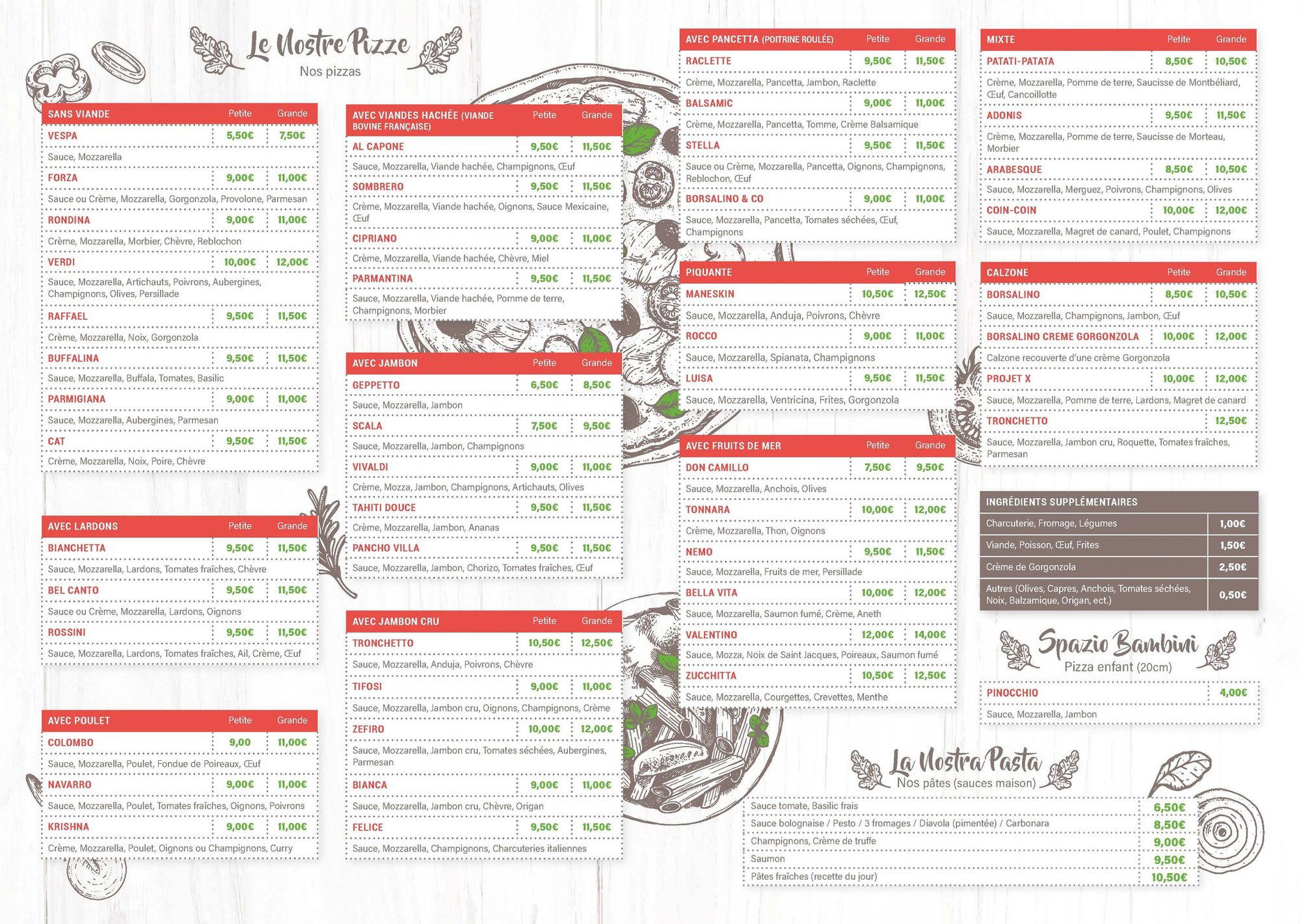
This context matters when weighing Café des Abattoirs against the broader Vesoul dining picture. The city's restaurant options include Bella vita, Caveau du Grand Puits, La Femme du Boulanger, and Monnin, each occupying a different register of ambition and format. A neighbourhood café occupies the base of that hierarchy not as a lesser option but as a different one entirely, answering a question the city's more formal restaurants are not trying to answer. For the fuller picture of what the city offers across all formats and price points, the EP Club Vesoul restaurants guide maps the competitive set in detail.
Franche-Comté on the Plate
French provincial café cooking, at its most coherent, functions as a kind of documentary record of its region. The Franche-Comté tradition that frames eastern French bistros like this one draws on ingredients that have defined the area for centuries: Comté PDO, Morbier, Cancoillotte, saucisse de Morteau, ham and charcuterie from the Haute-Saône plateau, pike and trout from the Saône and its tributaries. Vin Jaune from the Jura, a short drive south, brings an oxidative, nutty character to both sauces and the glass, a flavour profile that appears in local kitchens in ways that have no real parallel elsewhere in France.
The French tradition of the café as a social space, not merely a food stop, also shapes what these addresses deliver that larger destination restaurants cannot. The formule model, a fixed-price two or three-course lunch pitched at the working week, remains common in small French cities precisely because it makes daily restaurant eating economically rational. This is how a significant proportion of the French population actually eats out, and a café at this price point and in this neighbourhood functions within that structure rather than outside it. Comparable models at the haute end of French gastronomy, from Troisgros - Le Bois sans Feuilles to Les Prés d'Eugénie - Michel Guérard, represent the other end of the same national dining culture, a culture that values the meal as a structured social event regardless of the price bracket.
How to Approach a Visit
Café addresses in small French provincial cities operate on rhythms that differ from destination restaurants. Lunch service is typically the primary meal, running from midday through early afternoon and drawing a local clientele of professionals, municipal workers, and shopkeepers. Evening covers, where they exist, tend to be shorter and quieter. For a café on a commercial street in a prefecture city, weekday lunch represents the moment when the address is most fully itself.
Vesoul is accessible by rail from Besançon and Épinal, and sits on a regional road network that makes it a natural stopping point on a drive through Burgundy toward Alsace. The city is not a standalone destination in the way that, say, a visit to Bras in Laguiole or Georges Blanc in Vonnas might anchor an itinerary, but it sits within a broader Franche-Comté circuit that rewards slower travel. Addresses like Café des Abattoirs are the connective tissue of that kind of trip: the unscheduled stop that grounds a journey in the actual texture of a place rather than its curated highlights. The same logic applies in other contexts: Auberge du Vieux Puits in Fontjoncouse draws visitors to another overlooked French département, and La Table du Castellet anchors travel in a similarly undervisited corner of the south.
Contacting the café directly before visiting is the practical approach, phone and website details are not currently listed, so a brief visit or local inquiry on arrival in Vesoul is the reliable method. The address at 22 Rue de la Banque is fixed, and for a café rather than a reservation-heavy restaurant, walk-in is generally the expected format at this type of address in French provincial cities.
For those whose French travel runs primarily through destination-restaurant itineraries, the kind anchored by Alléno Paris au Pavillon Ledoyen or, further afield, Le Bernardin in New York City or Lazy Bear in San Francisco, a neighbourhood café in Vesoul operates at a different register entirely. Its value is not measured in tasting-menu coherence or wine-list depth, but in the more direct currency of provincial French life: a room full of regulars, a plate of regional produce, and a reasonable hour at which to be back on the road.
Frequently asked questions
Where do I go for Café des Abattoirs?
Café des Abattoirs is located at 22 Rue de la Banque, 70000 Vesoul, France, Vesoul.
Is Café des Abattoirs worth visiting if you're already in Vesoul for the Gastronomie et Voyages festival?
Vesoul hosts one of France's longer-running world cinema festivals, but the city also draws visitors with an interest in Haute-Saône's food culture. Café des Abattoirs, at 22 Rue de la Banque, sits in the kind of neighbourhood that functions as the working infrastructure of a French market town, a different register entirely from festival hospitality. For anyone spending more than a day in Vesoul, it represents the kind of local reference point that puts the prefecture's day-to-day food culture in focus.
What's the signature dish at Café des Abattoirs?
No specific menu items are documented for Café des Abattoirs. Cafés in the abattoir quarter tradition of French provincial towns historically anchored their menus around hearty, offal-forward plates and regional staples, in Franche-Comté, that means dishes built around comté, morteau sausage, and pork preparations. Lunch is typically where that cooking appears in its most complete form.
Do I need a reservation for Café des Abattoirs?
Provincial French cafés in cities the size of Vesoul generally operate walk-in for lunch, with midday service running from around noon to two o'clock. Arriving at opening or by 12:15 is the practical approach in a town where the lunch trade moves quickly.
What's the signature at Café des Abattoirs?
The defining characteristic is the address itself: a café named for and situated in the abattoir quarter of a small French prefecture, where this genre of establishment has historically served tradespeople, market workers, and locals rather than tourists. In Franche-Comté, that context tends to produce cooking grounded in the region's charcuterie and dairy traditions rather than a composed tasting format.
How does Café des Abattoirs handle allergies?
No allergy or dietary policy is documented for Café des Abattoirs. French law requires food businesses to identify allergens on request, so staff at 22 Rue de la Banque are legally obliged to provide that information. Given the likely presence of pork, dairy, and gluten across a Franche-Comté-influenced menu, guests with specific requirements should confirm directly before ordering.
Should I splurge on Café des Abattoirs?
French provincial cafés of this type are typically priced well below destination restaurants, with a plat du jour and a carafe de vin sitting at a fraction of what a comparable lunch costs in Lyon or Dijon. The case for going here is not price-to-prestige ratio, it is access to a style of everyday French cooking that awards-circuit restaurants no longer serve.
Price and Recognition
Comparable venues nearby, for context on price, style, and recognition.
| Venue | Cuisine | Price | Notes |
|---|---|---|---|
| Café des AbattoirsThis venue (the venue you are viewing) | French Bistro & Charcuterie | $20–30 | Not listed |
| Bella vita | Italian Pizzeria | $10–20 | Centre-ville, Italian Pizzeria |
| Caveau du Grand Puits | Classic French Bistro with Franche-Comté Specialties | $30–50 | Vieux Vesoul, Classic French Bistro with Franche-Comté Specialties |
| La Femme du Boulanger | French Bistro with Local Creative Cuisine | $20–30 | centre-ville, French Bistro with Local Creative Cuisine |
| Monnin | Modern French Seafood | $30–50 | Vesoul, Modern French Seafood |
| La Marmite Beaujolaise | French Regional Bistro | $30–50 | centre-ville, French Regional Bistro |
Continue exploring
More in Vesoul
Restaurants in Vesoul
All restaurants in Vesoul →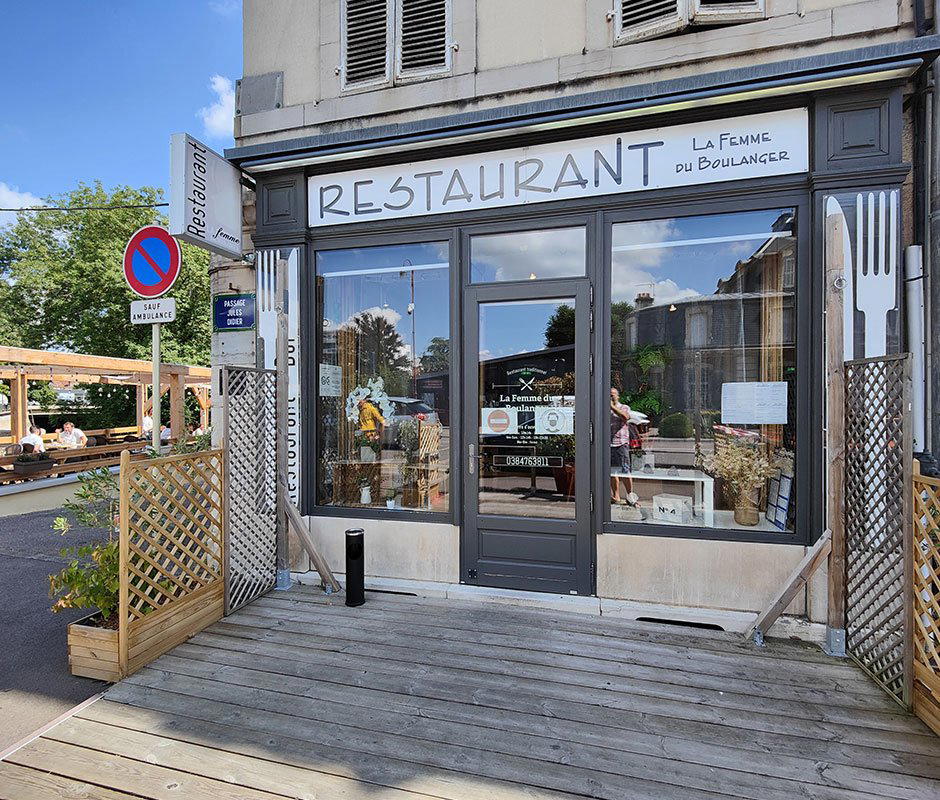
Hotels in Vesoul
Browse all →
Details
- Classic
- Cozy
- Rustic
- Lively
- Group Dining
- Casual Hangout
- After Work
- Standalone
- Local Sourcing
- A La Carte
- Set Menu
- Wine
Current opening hours
- Monday
- 9 AM–4 PM, 6:30–9 PM
- Tuesday
- 9 AM–4 PM, 6:30–9 PM
- Wednesday
- 9 AM–4 PM, 6:30–9 PM
- Thursday
- 9 AM–9 PM
- Friday
- 9 AM–10 PM
- Saturday
- 9 AM–10 PM
- Sunday
- Closed
Hours can change for holidays and private events. Hours as of .
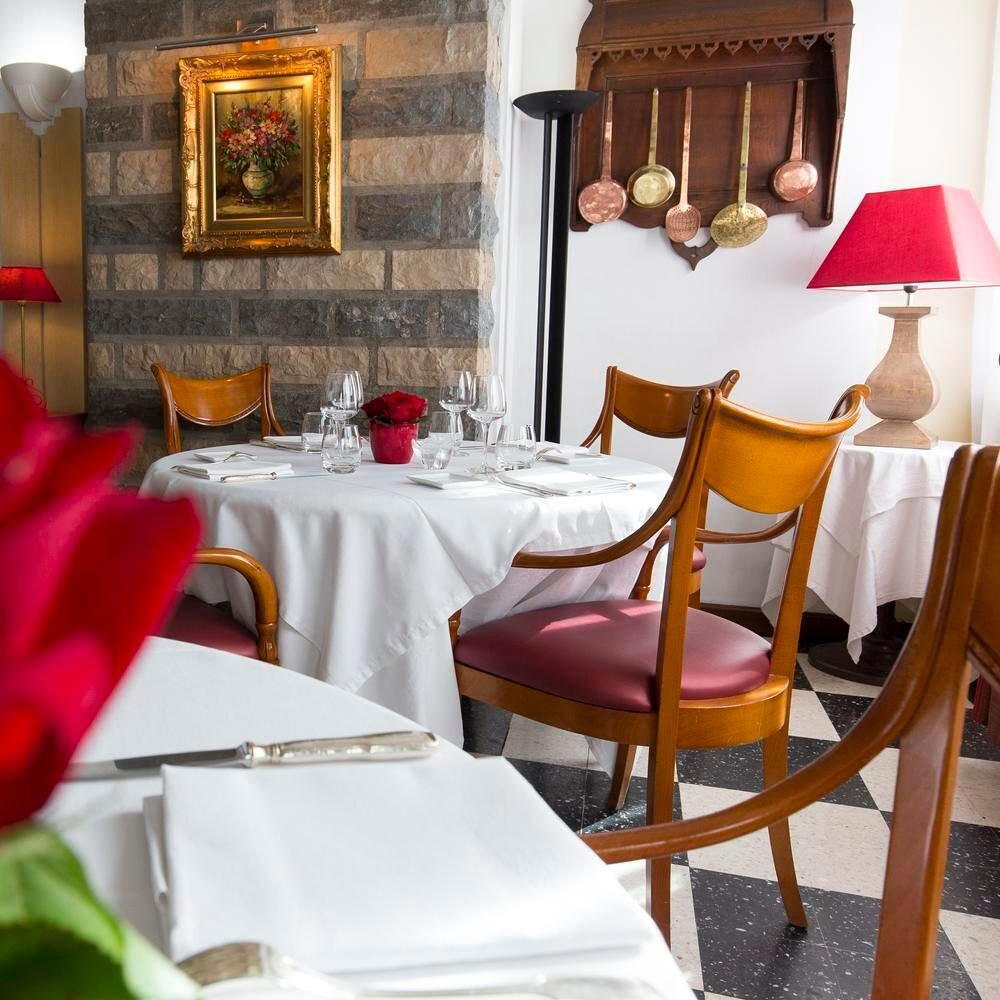
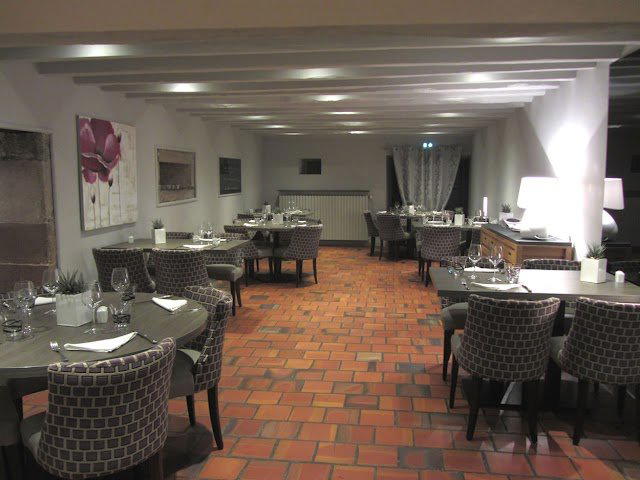
Cozy vintage setting with warm, welcoming atmosphere; described as a lively gathering place for good living in the heart of the city.