

1 Michelin Star · Gault & Millau Remarkable Restaurant
Our verdict
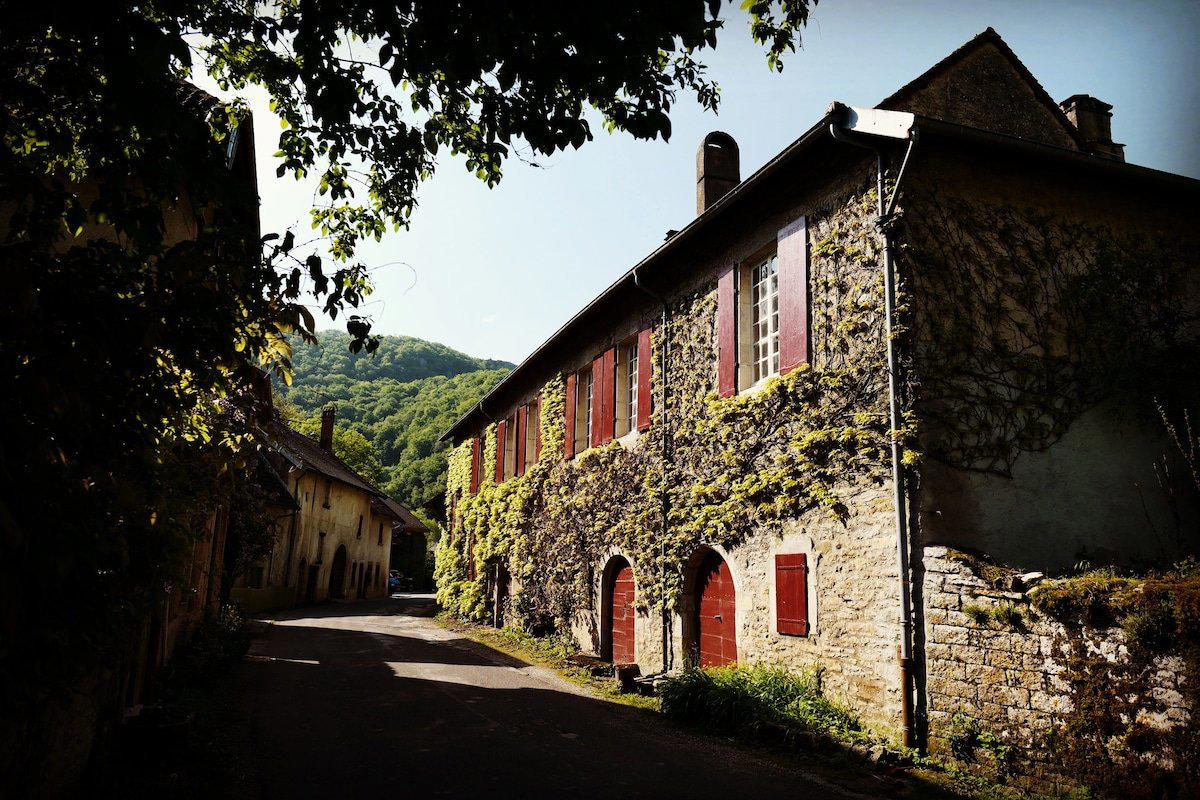
A Michelin-starred manor house on the edge of the Saône valley, Château du Mont Joly channels Jura terroir through technically precise modern cuisine. Chef Romuald Fassenet, formerly sous-chef at Jean-Paul Jeunet's celebrated table, works with Bresse poultry, morels, and vin jaune in a setting that pairs an 18th-century pink façade with stripped-back contemporary interiors. A short drive from Dole, with guestrooms for those who prefer to stay.

Pearl is the En Primeur Club membership app — saves, bookings, and concierge access live there. Same editors, same standards.
- Address
- 6 Rue Mont Joly, 39100 Sampans, France
- Phone
- +33 3 84 82 43 43
- Hours
- Mon–Tue ClosedWed–Thu 7–9 PMFri–Sun 12–1:30 PM, 7–9 PM
- Website
- chateaumontjoly.com
- Directions
- Get directions
- Booking
- Book on Zenchef
The menu
What to order
- AOC poularde de Bresse with morels and Château-Chalon sauce
- Bresse poultry roasted on the trunk
A Pink Façade at the Edge of the Valley
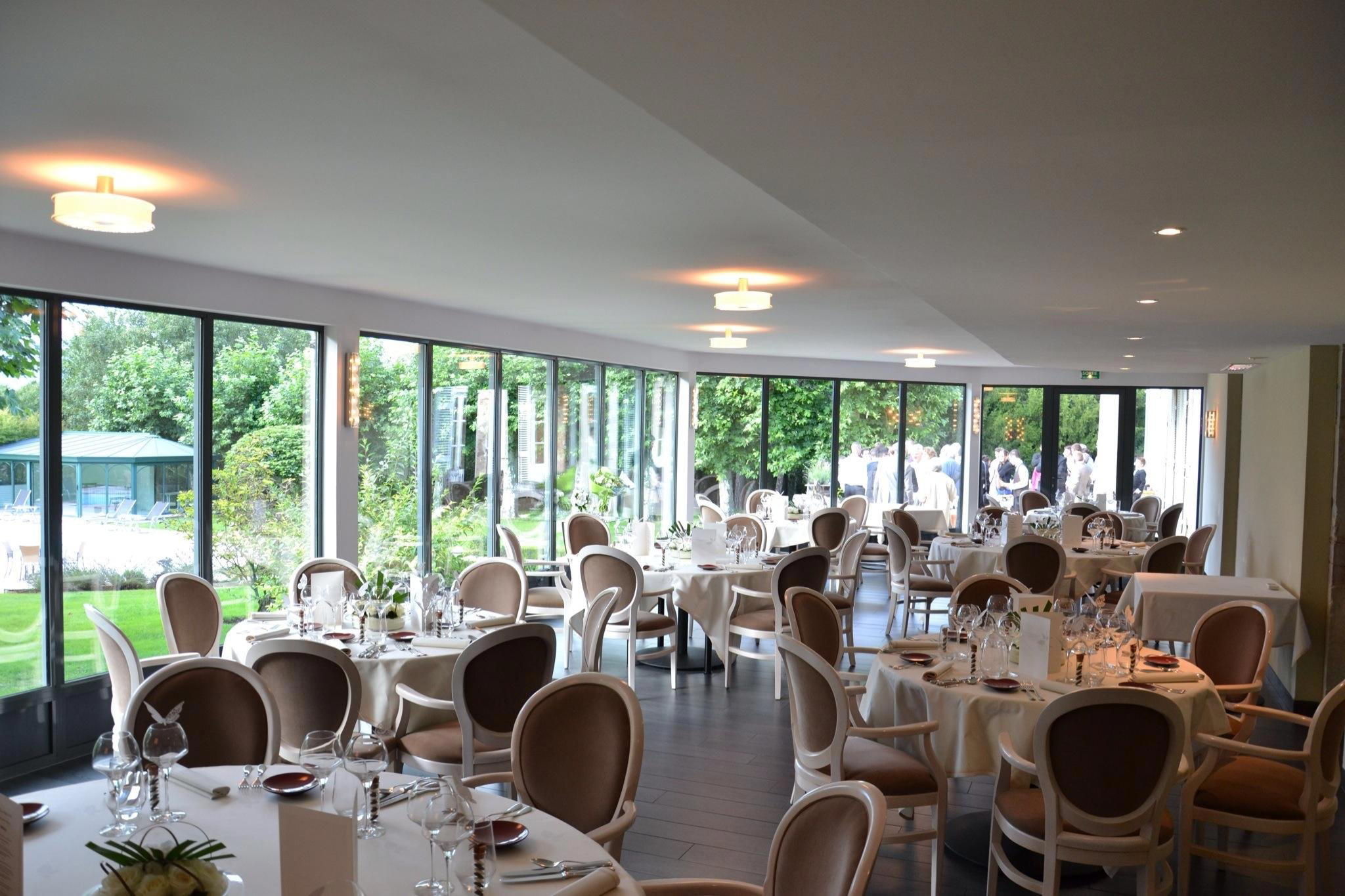
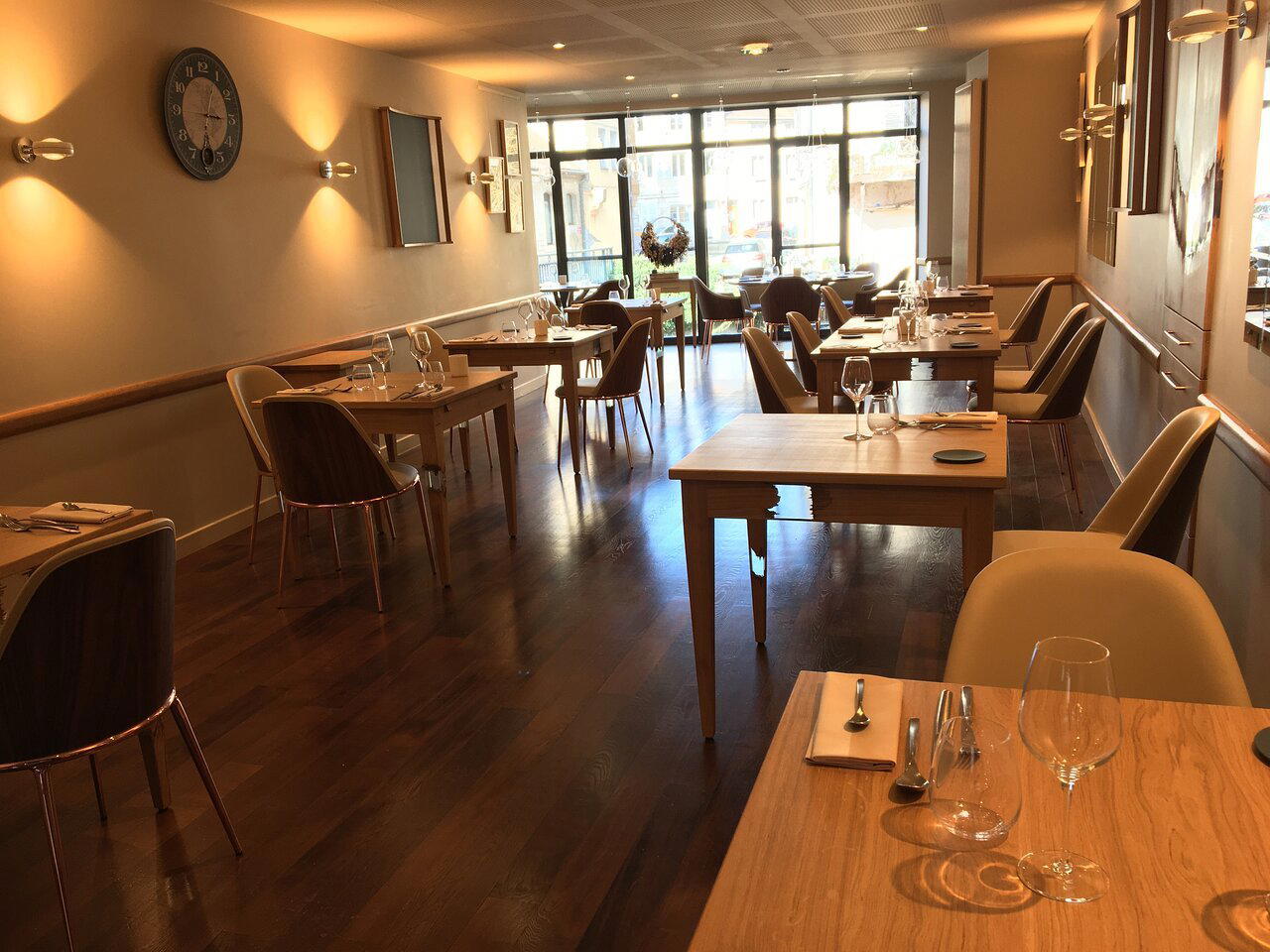
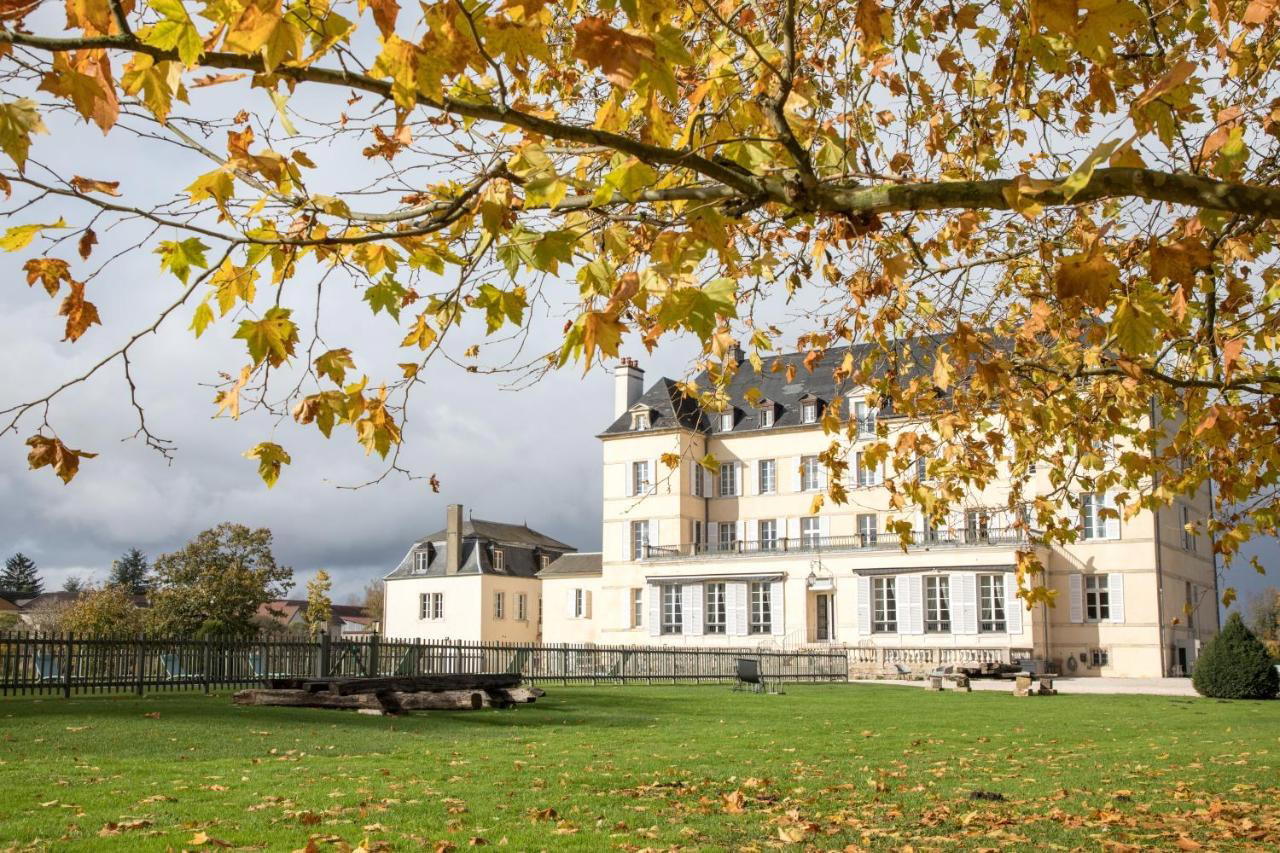
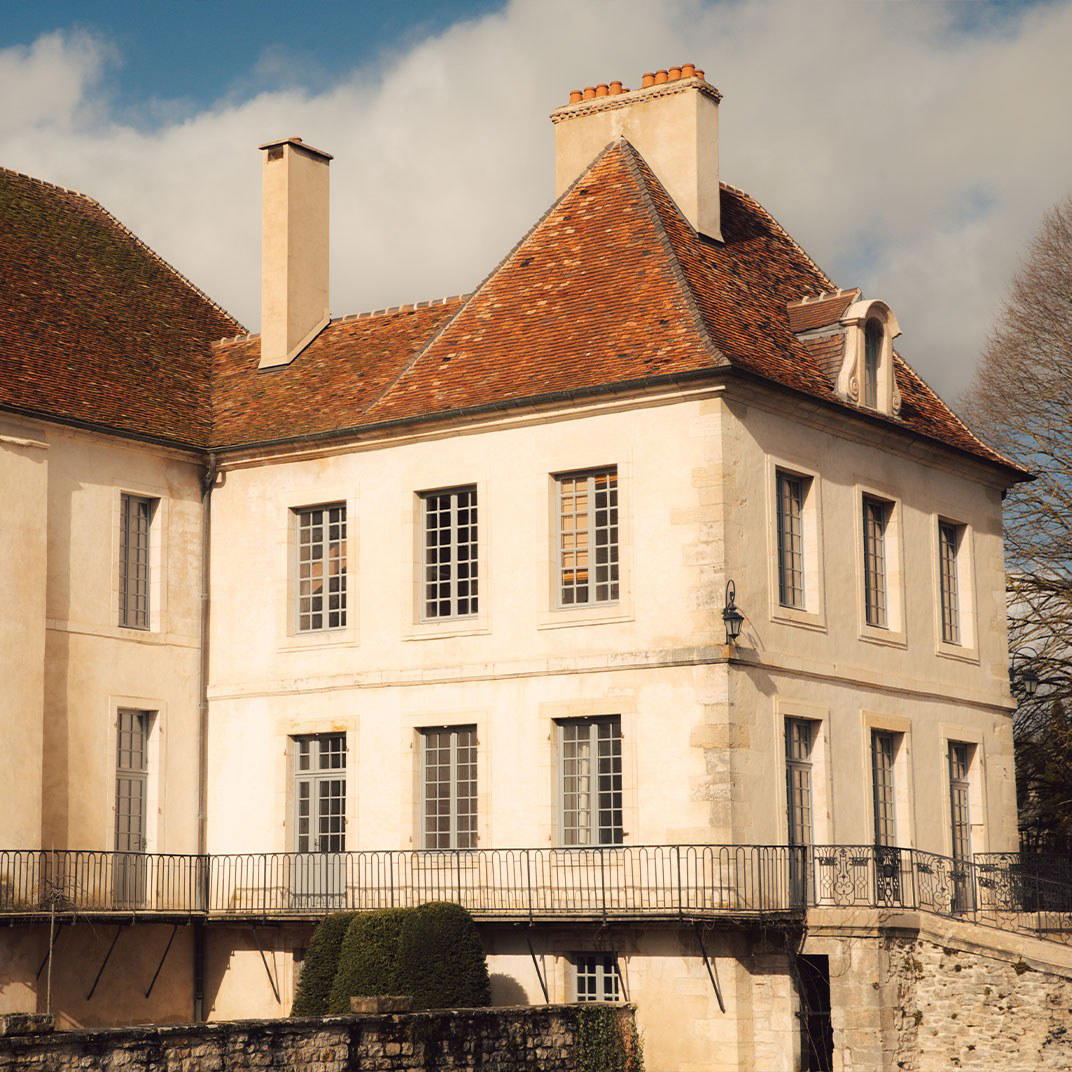
There is a particular kind of French restaurant that exists outside the obvious circuits — not in Lyon, not in Paris, not in a postcard town with a tourist infrastructure to match its reputation. Sampans, a quiet commune above the Saône valley near Dole, belongs to that category. Approaching Château du Mont Joly, the first thing that registers is the architecture: an 18th-century manor with a pink façade, Italianate columns, and a position overlooking the valley that makes the setting do considerable work before the food arrives. Inside, the rooms have been stripped of period clutter and fitted with the kind of pared-back designer aesthetic that France's better provincial tables have adopted over the past decade — the building kept, the ornamentation removed, the focus shifted squarely to what arrives at the table.
This tension between historic shell and contemporary discipline is not accidental. It reflects a broader trend among serious French regional restaurants: the rejection of country-house theatrics in favour of a format where the cooking is the spectacle. Château du Mont Joly holds one Michelin star (2024) and carries the Michelin Remarkable designation, placing it within a recognisable tier of destination dining in eastern France, properties that draw from a regional radius and, increasingly, from an international audience aware that Jura remains underpriced relative to its culinary depth. For that broader context across this area, see our full Sampans restaurants guide.
Jura Terroir as Culinary Logic
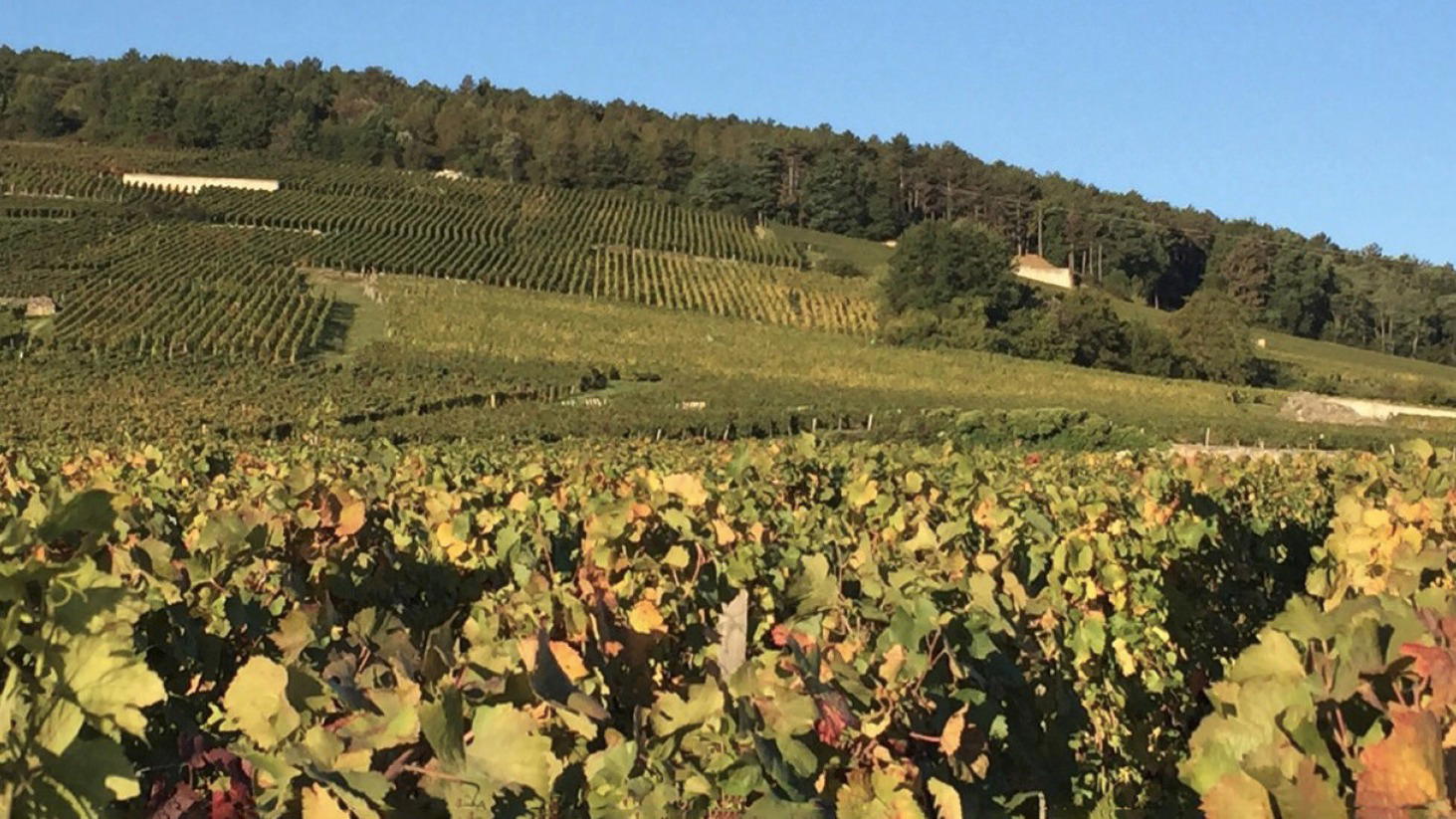
The Jura is a region that rewards specificity. Its wines, oxidative whites, obscure grapes, vin jaune aged in partially filled barrels for more than six years, have attracted international attention since the natural wine movement brought Ouillé and Savagnin to a wider audience. Its food tradition is equally localised: Comté at various stages of affinage, morels from the forests, Bresse poultry from just across the regional boundary, freshwater fish from the Loue and Doubs. What Fassenet has done at Château du Mont Joly is treat those ingredients not as regional folklore but as technical raw material.
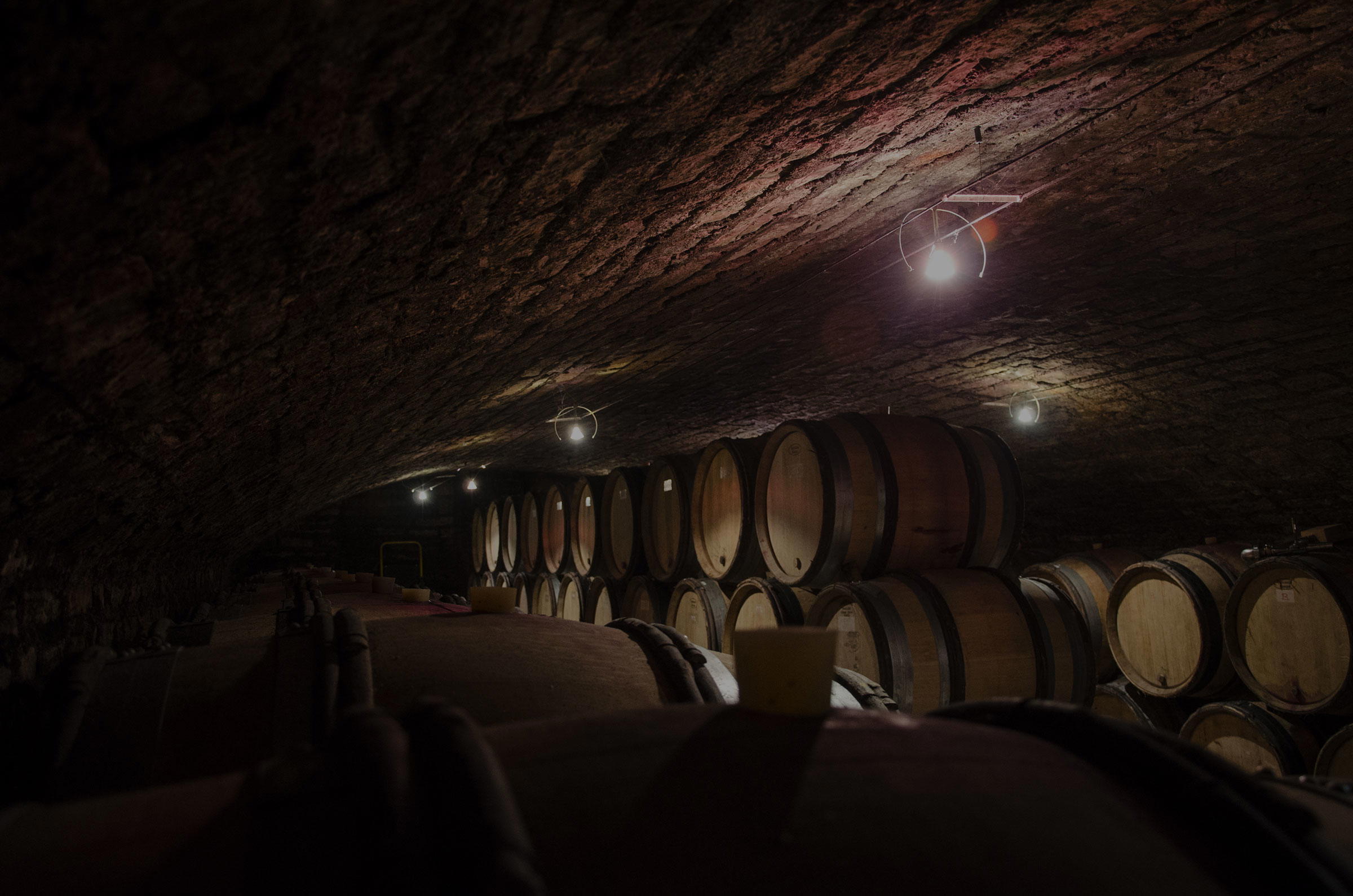
The kitchen's approach to Jura vin jaune illustrates the point. Vin jaune's oxidative character, reminiscent of dry Sherry but structurally different, with a nuttiness specific to the Savagnin grape and the Jura's particular cellar conditions, makes it a demanding sauce base. Used carelessly, it overwhelms; used with restraint and precision, it amplifies the richness of cream-based reductions without tipping into bitterness. Fassenet has developed a reputation for exactly that precision with sauce work, and his AOC poularde de Bresse with morels and Château-Chalon sauce has become the dish most associated with the restaurant, a composition that could only be made here, from these ingredients, by someone who has spent serious time understanding the region. For a broader look at how vin jaune works as a culinary and wine-pairing element across the Jura, our full Sampans wineries guide maps the appellations and producers worth knowing.
The Training Behind the Cooking
Provincial French dining at this level tends to produce chefs through an apprenticeship model that is long, geographically specific, and visible in the cooking decades later. Fassenet's time as sous-chef under Jean-Paul Jeunet at Arbois, one of the Jura's reference addresses for terroir-led cuisine, is the formative credential here. Jeunet's restaurant is the kind of house that trains through proximity to produce and region rather than through conceptual abstraction, and that influence shows in Fassenet's preference for technique in service of ingredient rather than technique as an end in itself.
Within the broader French starred landscape, this places Château du Mont Joly in a different register from, say, Alléno Paris au Pavillon Ledoyen, where creative transformation of classical form is the central project, or Mirazur in Menton, where garden provenance and Mediterranean identity shape everything. Fassenet's frame of reference is narrower and more rooted: the Jura, its producers, and a classical sauce tradition applied to specifically regional produce. The comparison that lands more precisely is with houses like Auberge du Vieux Puits in Fontjoncouse or Bras in Laguiole, starred tables in rural France where the chef's relationship to a specific territory is the organising principle of the menu. That is a coherent and increasingly valued position in contemporary French fine dining.
Romuald Fassenet runs the kitchen while his wife, a trained sommelier and daughter of winegrowers, manages the cellar and front of house. That combination, chef with Jura terroir expertise, sommelier with producer-level understanding of the region's wines, produces a pairing dynamic that goes beyond a standard wine list. The Jura's appellations are complex enough to require that kind of specialist knowledge: Château-Chalon, L'Étoile, Arbois Pupillin, Côtes du Jura all behave differently at table, and the matching logic for vin jaune in particular requires someone who has grown up around the wines rather than simply studied them. For other high-level dining experiences in eastern and mountain France where this kind of regional wine integration defines the offer, Flocons de Sel in Megève and Troisgros in Ouches represent the same broader tradition of kitchen-cellar depth.
Where Château du Mont Joly Sits in the French Regional Picture
France's single-Michelin-star tier outside Paris has bifurcated over the past decade. One group pursues accessibility, shorter menus, lower prices, faster service, a more casual register. The other maintains the full structure of destination dining: multi-course menus, serious wine programmes, longer service, and in some cases, rooms for overnight stays. Château du Mont Joly is firmly in the second group. The €€€€ price range signals that clearly, as does the presence of guestrooms, an investment in the guest staying longer, eating more deliberately, and returning.
That model fits the Jura's tourism character. The region draws visitors who have come specifically for the wines, the cheese, and the landscape, rather than as an extension of a broader city trip. Dole, the nearest significant town, is accessible from Dijon and from the TGV network, which puts Sampans within range of Paris for a serious weekend. The restaurant operates Wednesday through Sunday for dinner, with Friday, Saturday, and Sunday also open for lunch, which makes the calendar planning relatively specific, see the hours section below. For those extending a Jura itinerary beyond the table itself, our full Sampans hotels guide, bars guide, and experiences guide cover the broader options.
Among the broader catalogue of French regional Michelin houses worth tracking, Au Crocodile in Strasbourg, Auberge de l'Ill in Illhaeusern, and Assiette Champenoise in Reims represent the same pattern of serious cooking embedded in a provincial French identity, all worth cross-referencing when building a French fine dining itinerary across regions. For those whose interest extends to modern cuisine at the three-star level internationally, AM par Alexandre Mazzia in Marseille, Frantzén in Stockholm, and FZN by Björn Frantzén in Dubai extend the comparison set to a global tier. And for the benchmark of French classical ambition, Paul Bocuse at L'Auberge du Pont de Collonges remains the region's historical reference point.
Planning Your Visit
Château du Mont Joly is located at 6 Rue Mont Joly, 39100 Sampans, France. The restaurant is closed Monday and Tuesday. Dinner service runs Wednesday through Sunday from 7 PM to 9 PM; lunch is available Friday, Saturday, and Sunday from 12 PM to 1:30 PM. The price range is €€€€, consistent with the one-Michelin-star tier in rural France, and guestrooms are available on site for those making an overnight stay of the visit. Reservations should be planned well in advance, particularly for weekend service and for the classic Bresse poularde dish, which operates within seasonal and supply constraints.
Frequently asked questions
Is Château du Mont Joly okay with children?
At €€€€ in a Michelin-starred setting, the format is oriented toward adult dining. The pared-back contemporary interior and formal service rhythm of a single-star French restaurant make it a poor fit for young children.
What kind of setting is Château du Mont Joly?
An 18th-century manor house with a pink façade and Italianate columns overlooking the Saône valley near Dole. Chef Romuald Fassenet and his wife — a sommelier and daughter of winegrowers — have redesigned the interior as a spare contemporary dining room, with a handful of guestrooms for overnight stays.
Has Château du Mont Joly won any awards?
Château du Mont Joly has received recognition including: Category: Remarkable; This 18C manor house with a pink façade and Italianate columns overlooking the Saône valley is aptly named! With his wife, a sommelier and the daughter of winegrowers, Romuald Fassenet has turned this Classical edifice….
What do people recommend at Château du Mont Joly?
The AOC poularde de Bresse with morels and Château-Chalon sauce is the kitchen's signature — a dish that concentrates Fassenet's Jura terroir focus and his technical command of vin jaune-based sauces into a single plate. It also reflects his formation under Jean-Paul Jeunet, one of the region's defining chefs.
Fast Comparison
| Venue | Cuisine | Price | Awards |
|---|---|---|---|
| Château du Mont JolyThis venue — the venue you are viewing | Modern French Fine Dining | $100–150 | 1 Michelin Star · Gault & Millau Remarkable Restaurant |
| Alléno Paris au Pavillon Ledoyen | Creative | Not listed | Michelin 3 Star |
| Kei | Contemporary French, Modern Cuisine | Not listed | Michelin 3 Star |
| L'Ambroisie | French, Classic Cuisine | Not listed | Michelin 3 Star |
| Le Cinq - Four Seasons Hôtel George V | French, Modern Cuisine | Not listed | Michelin 3 Star |
| Plénitude | Contemporary French | Not listed | Michelin 3 Star |
Recognition history
Dated appearances from independent guides and award organizations, with the underlying list record or original source where available.
Michelin 1 Star
Michelin
Gault & Millau Remarkable Restaurant
Gault & Millau
Full recognition history (4 entries)
Michelin 1 Star
Michelin
Michelin 1 Star
Michelin
Continue exploring
More in Sampans
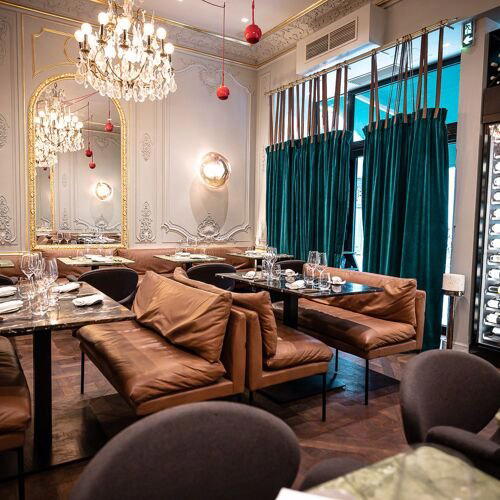
Restaurants in Sampans
Browse all →
Bars in Sampans
Browse all →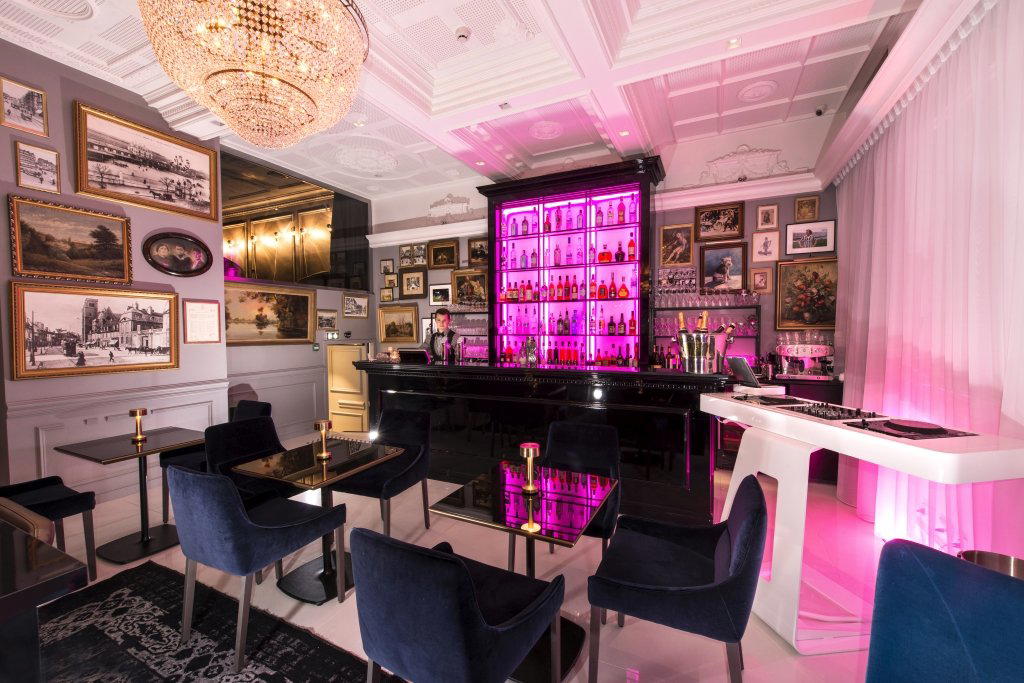
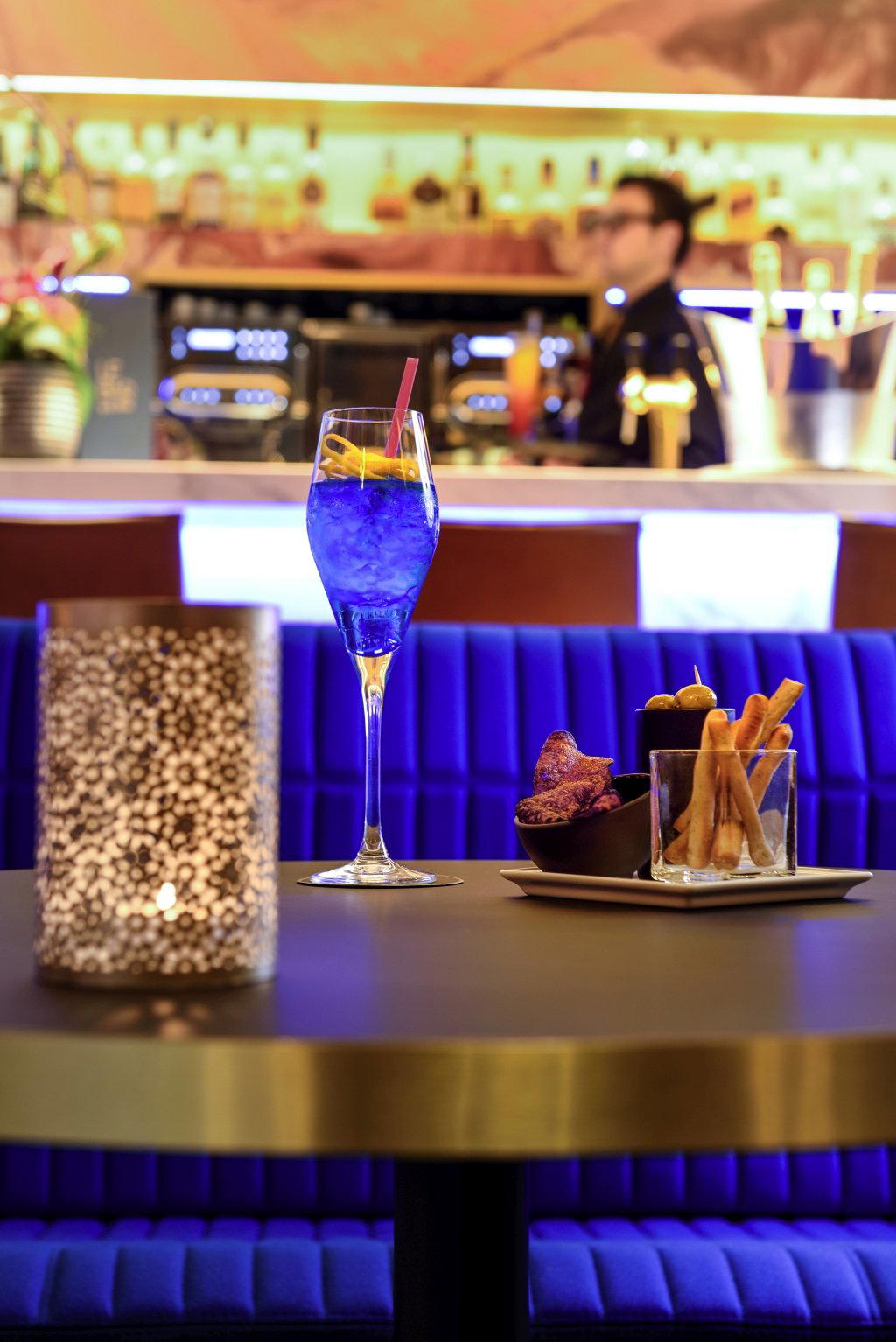
Hotels in Sampans
Browse all →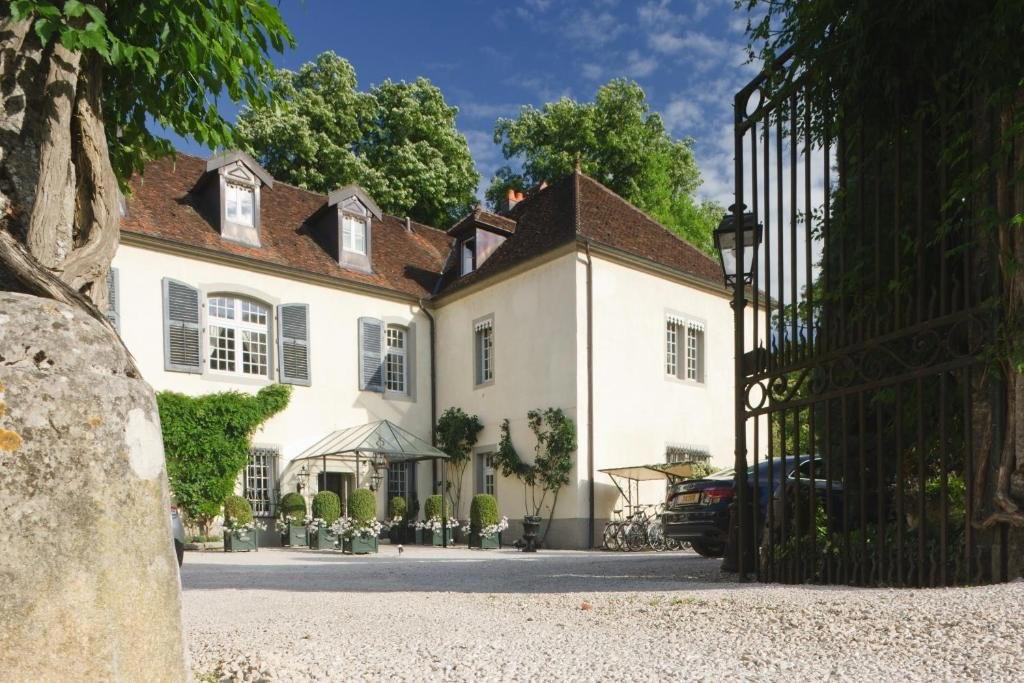
Château du Mont Joly
The wine
- Wine program
- Exceptional wine program
- Extensive wine list
- Sommelier-led
Details
- Elegant
- Scenic
- Sophisticated
- Classic
- Intimate
- Special Occasion
- Date Night
- Celebration
- Historic Building
- Garden
- Terrace
- Extensive Wine List
- Sommelier Led
- Local Sourcing
- Garden
- A La Carte
- Jura Wines
- Vegetarian Friendly
Current opening hours
- Monday
- Closed
- Tuesday
- Closed
- Wednesday
- 7–9 PM
- Thursday
- 7–9 PM
- Friday
- 12–1:30 PM, 7–9 PM
- Saturday
- 12–1:30 PM, 7–9 PM
- Sunday
- 12–1:30 PM, 7–9 PM
Hours can change for holidays and private events. Last verified .
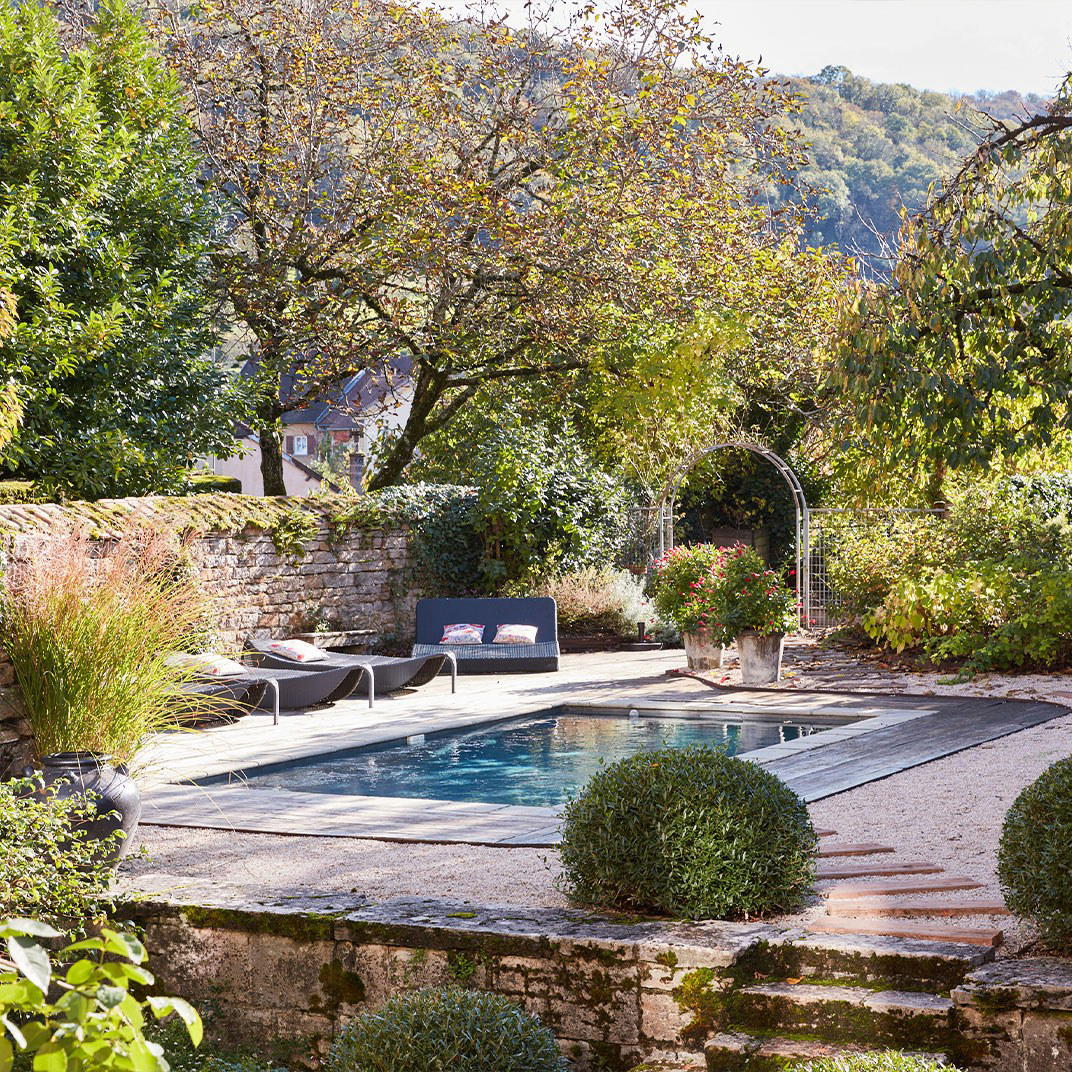
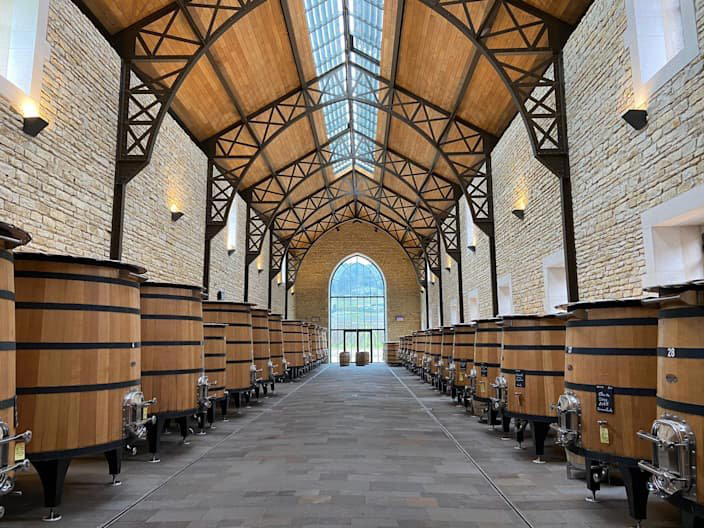
Calm and serene dining room with large windows opening to terrace, pool, and wooded park, offering a refined, designer atmosphere.