Our verdict
Bleu de Sapin occupies a spot on Rue Richebourg in Besançon's compact dining scene, where Franche-Comté's larder, Comté cheese, Morteau sausage, mountain herbs, shapes a cooking tradition that predates any modern restaurant movement. Located at 7 Rue Richebourg, the address places it within reach of the city's historic core, making it a reference point for visitors tracing regional French cuisine beyond Burgundy or Alsace.

Pearl is the En Primeur Club membership app, where members save venues, book tables and use the concierge.
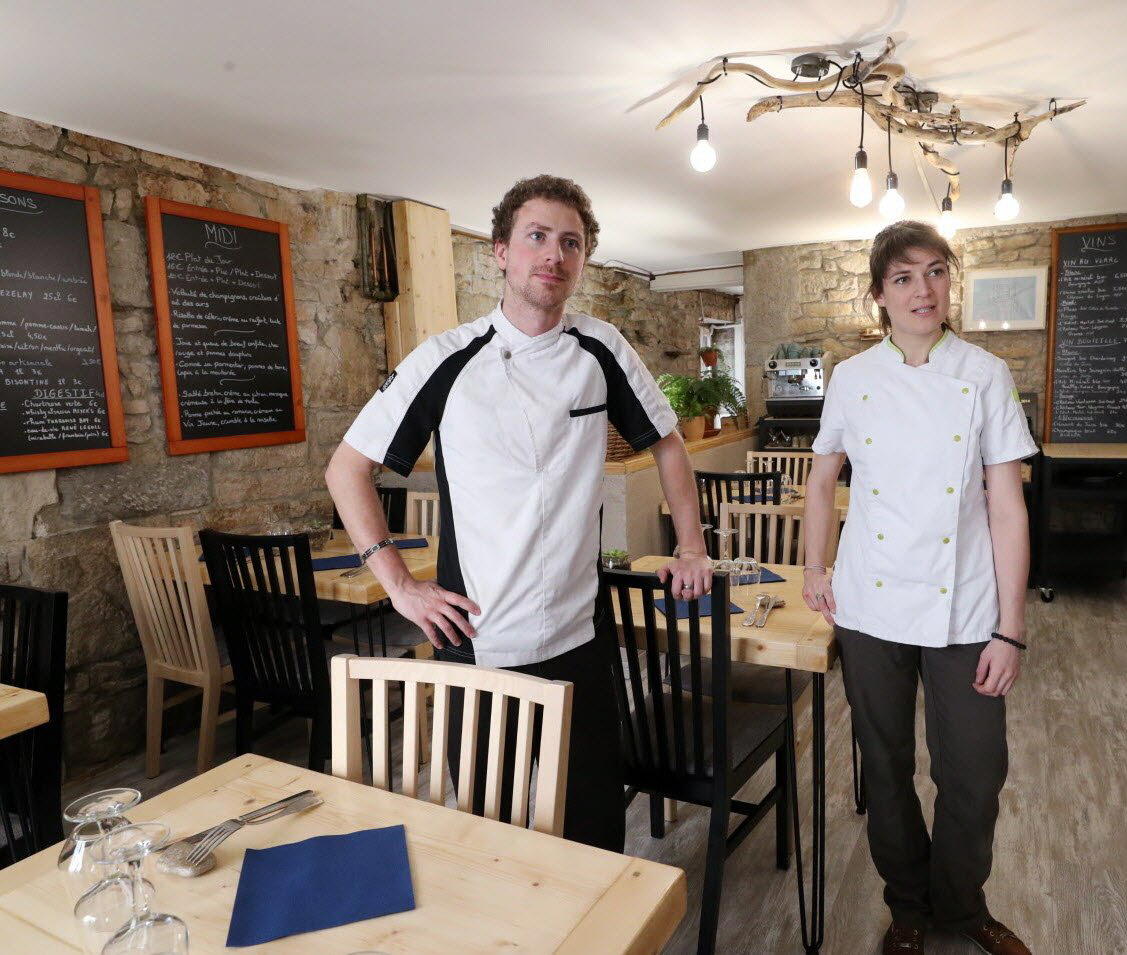
Besançon's Regional Table and Where Bleu de Sapin Fits
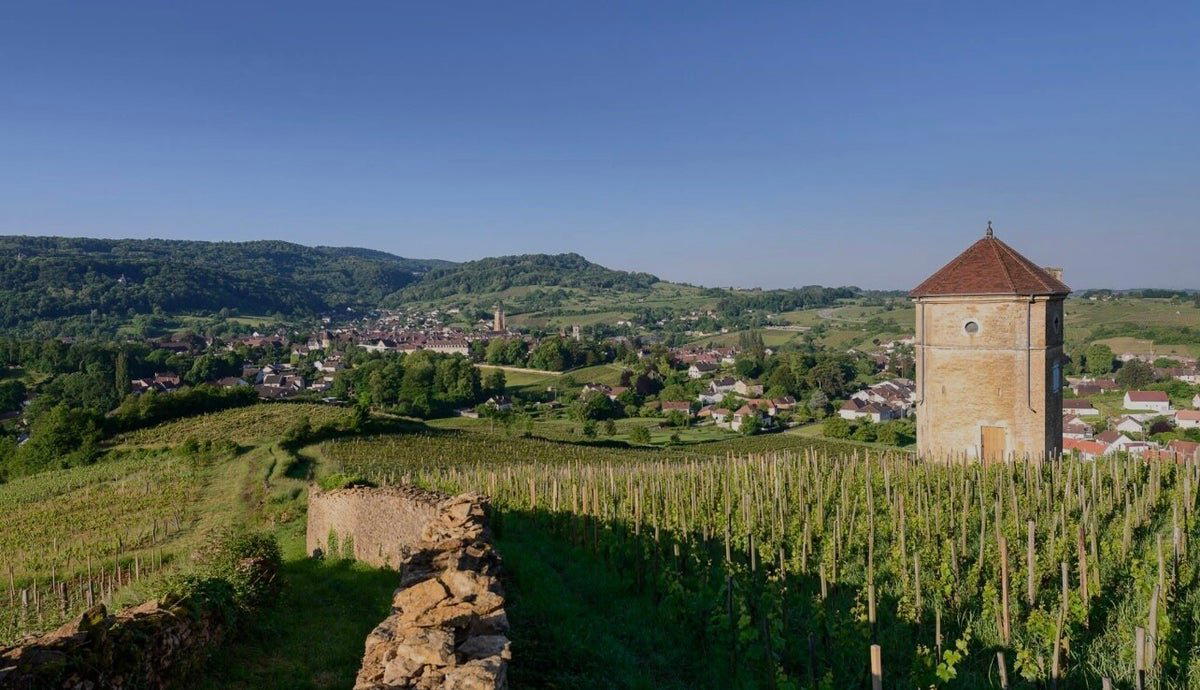
Franche-Comté has never needed a publicist. The region's cooking rests on one of France's most self-sufficient larders: Comté aged in mountain caves, Morteau and Montbéliard sausages cold-smoked over fir wood, vin jaune from the Jura vineyards to the south, and a dairy culture so embedded that it shapes meals from breakfast through dessert. Besançon sits at the geographic and cultural centre of all this, a UNESCO World Heritage city whose cuisine is less celebrated internationally than that of Lyon or Strasbourg, but whose food identity is no less coherent. Restaurants working within this tradition face a particular editorial challenge: the ingredients speak loudly enough that technique can recede into the background, or conversely, a kitchen can overclaim on a heritage it shares with every producer in the region. Bleu de Sapin, at 7 Rue Richebourg, positions itself within this tradition rather than apart from it.
Besançon's restaurant scene has consolidated around a small number of addresses that take the regional pantry seriously. Alongside L'Affineur Comtois, which makes Comté the explicit editorial centre of its offer, and Casinne, which works a more contemporary French register, Bleu de Sapin occupies the Rue Richebourg address as one marker in a city whose dining geography is walkable and concentrated. For a broader orientation to where these restaurants sit relative to one another, the full Besançon restaurants guide maps the scene across neighbourhoods and price tiers.
The Cultural Weight of the Name
The name itself carries regional freight. Sapin, fir, is not incidental in Franche-Comté. Fir forests define the Doubs landscape, fir smoke flavours the region's most distinctive charcuterie, and the aromatic character of the wood appears in everything from Vacherin Mont d'Or production to the vin de sapin that some producers still make from fir sap. A restaurant named Bleu de Sapin is signalling a relationship to that material culture before a single dish arrives. Whether the kitchen follows through on that implied commitment is the question that any visit to the address on Rue Richebourg answers. In the broader French regional dining context, this kind of nomenclature-as-declaration has a long precedent: Bras in Laguiole built its entire identity around the Aubrac plateau with comparable directness, and Flocons de Sel in Megève ties its register to Alpine materiality just as Bleu de Sapin anchors itself to the Jura fir.
Franche-Comté Cooking as a Discipline
Understanding what a kitchen in Besançon is working with requires some grounding in the region's specific food culture. Comté is France's highest-production AOC cheese, but that volume coexists with extraordinary complexity: wheels aged 18 to 24 months in affinage cellars develop a mineral, slightly crystalline character that is wholly different from young versions, and the leading kitchens in the region treat the cheese as a serious cooking ingredient rather than a board item. Morteau sausage carries its own protected designation (IGP), and its cold-smoked character over fir and juniper gives the region's charcuterie a profile distinct from anything made further south or west. Vin jaune from the Jura, oxidative, walnut-edged, built for long ageing, is the natural pairing architecture for the region's cream and cheese sauces. A restaurant in Besançon that works these ingredients correctly is operating within a highly specific discipline, one that rewards knowing the source materials.
The broader French fine dining conversation has increasingly returned to this kind of regional specificity. Where kitchens at Mirazur in Menton and Alléno Paris au Pavillon Ledoyen work at the top of the Michelin tier with international reference points, and institutions like Paul Bocuse - L'Auberge du Pont de Collonges and Auberge de l'Ill in Illhaeusern carry the weight of French culinary history, there is a parallel tier of restaurants working the regional larder with less ceremony and more directness. Troisgros - Le Bois sans Feuilles and Les Prés d'Eugénie - Michel Guérard represent that tradition at a decorated level; Bleu de Sapin operates in Besançon without their decades of institutional recognition, but within the same French logic of place-as-menu.
The Address and What It Implies
Rue Richebourg sits within the bounds of Besançon's central historic district, close enough to the Vauban citadel and the old town fabric to attract both locals and visitors to the UNESCO-listed site. Restaurants on this corridor tend toward a settled, neighbourhood-rooted clientele rather than destination traffic, which shapes both the cooking register and the service pace. This is not a city that draws the kind of international food tourism that Lyon or Paris sustains, which means kitchens here write menus for an audience that already knows what Morteau tastes like and what a proper Comté sauce should do. That implicit knowledge in the room calibrates expectations differently from a destination restaurant performing regionality for outsiders. For comparison, Lazy Bear in San Francisco and Le Bernardin in New York City operate in cities where the dining public arrives with broad international reference; Besançon's better restaurants operate with a more concentrated, locally literate audience.
Within the city, Bleu de Sapin sits in a peer group that includes Basilic Instant, L'Annexe, and Chez Achour, each of which draws on different parts of the city's food culture. The competitive set here is not dense by the standards of Lyon or Bordeaux, which means individual addresses carry more weight in any visitor's planning. A single disappointing meal in a small city dining scene is harder to absorb than in a city with forty alternatives at the same tier.
Planning a Visit
Besançon is reachable from Paris in under two hours by TGV via Besançon Franche-Comté TGV station, with connecting transport into the city centre, placing it on the itinerary of anyone combining Jura wine country or Swiss border tourism with a French city stop. The leading time to engage the regional larder is autumn and winter, when Vacherin Mont d'Or comes into season, game appears on menus across the Doubs, and the cold-smoked charcuterie tradition is at its most present. Spring and early summer shift the emphasis toward lighter produce from the plateau, but the core Comté-and-vin-jaune register persists year-round. For Bleu de Sapin specifically, visiting on a weekday evening tends to give more room in smaller city restaurants where weekend service fills from local bookings.
Frequently asked questions
What part of town is Bleu de Sapin in?
Bleu de Sapin is located at 7 Rue Richebourg, 25000 Besançon, France, Besancon.
Is Bleu de Sapin a good starting point for exploring Franche-Comté cuisine in Besançon?
A restaurant named after the fir forests that define the Doubs landscape, located in the centre of Besançon at Rue Richebourg, positions itself squarely within the region's culinary identity. Franche-Comté has one of France's most coherent food traditions, Comté cheese, smoked meats, mountain dairy, and Besançon is its main city. For anyone arriving by TGV from Paris and wanting to ground a visit in local cooking, this address is a logical first reservation.
What dish is Bleu de Sapin famous for?
The restaurant's name points directly to fir, sapin, which in Franche-Comté signals smoked preparations, resinous aromatics, and the broader Doubs ingredient set. Comté-based dishes and regional preparations from this larder are the reasonable expectation for a Besançon address working under that name.
Should I book Bleu de Sapin in advance?
Besançon's dining scene is compact relative to larger French cities, which means well-regarded addresses on central streets like Rue Richebourg fill on weekend evenings without the volume of bookings that Paris or Lyon absorb. Booking at least a few days ahead is the practical approach for Friday and Saturday. Midweek visits in a city of this scale typically allow shorter notice.
What do critics highlight about Bleu de Sapin?
In Besançon's dining context, restaurants working with Franche-Comté's regional larder, cave-aged Comté, smoked meats, fir-inflected preparations, tend to draw attention for ingredient sourcing and regional specificity rather than technique for its own sake. That is the terrain Bleu de Sapin's name and location occupy.
Budget Reality Check
Comparable venues nearby, for context on price, style, and recognition.
| Venue | Cuisine | Price | Notes |
|---|---|---|---|
| Bleu de SapinThis venue (the venue you are viewing) | Cuisine créative française locale | $20–30 | Not listed |
| Casinne | French Neo-Bistro with British and Italian Influences | $30–50 | centre ville, French Neo-Bistro with British and Italian Influences |
| La Boucle | Traditional French Regional Bistro | $20–30 | La Boucle, Traditional French Regional Bistro |
| Les Zinzins du Vin | Natural Wine Bar with French Charcuterie | $20–30 | Battant, Natural Wine Bar with French Charcuterie |
| Le Cercle | Bistronomie Comtoise | $30–50 | historic center, Bistronomie Comtoise |
| Les Tables d'antan | Traditional Franc-Comtois French | $20–30 | Centre-ville, Traditional Franc-Comtois French |
Continue exploring
More in Besançon
Restaurants in Besançon
All restaurants in Besançon →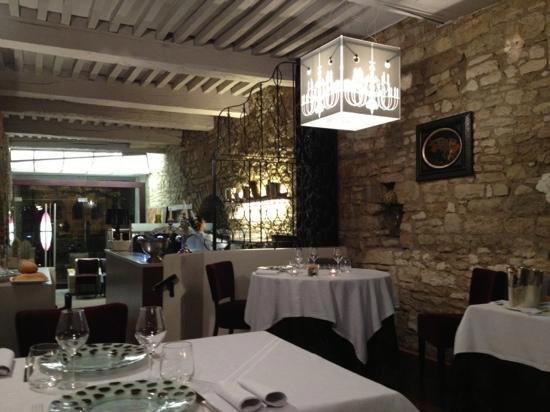
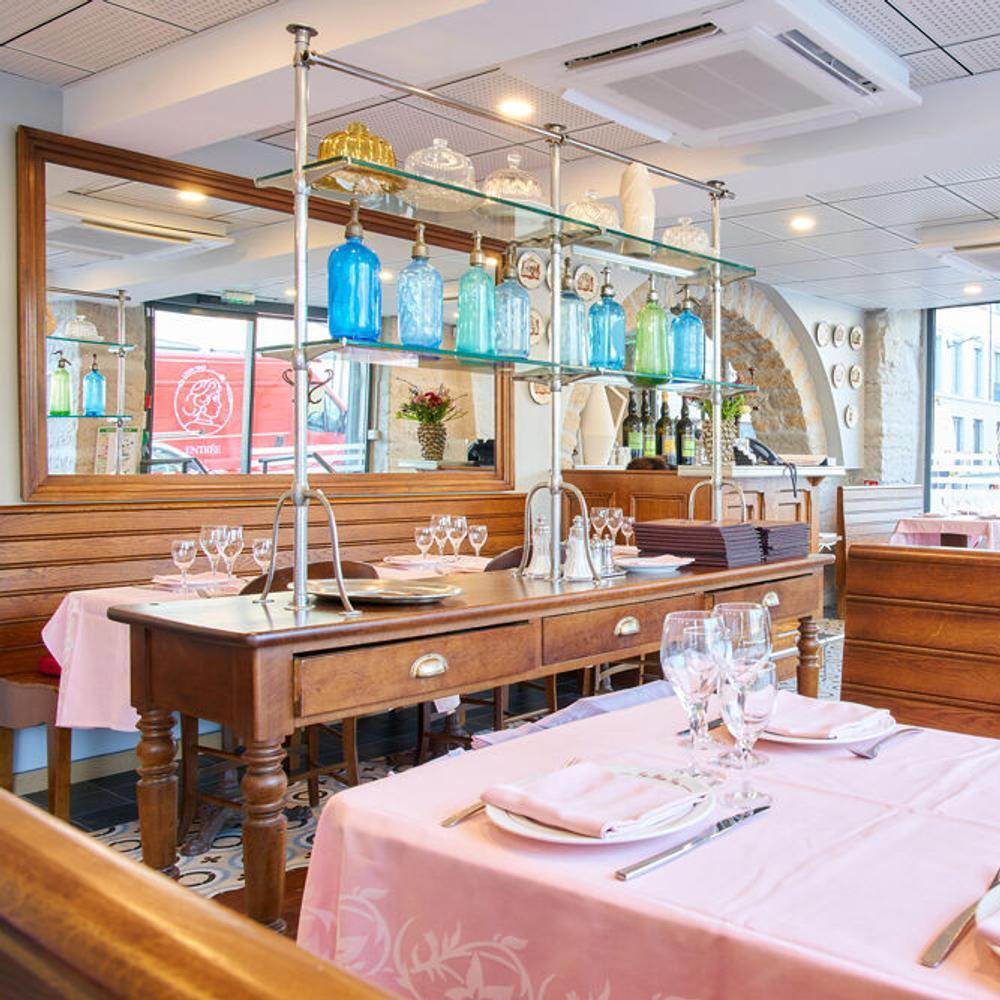
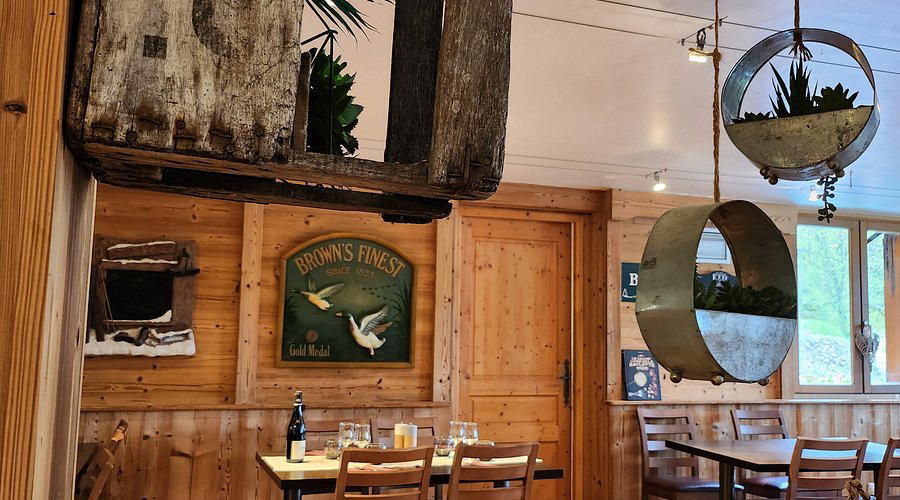
Hotels in Besançon
All hotels in Besançon →

Details
- Cozy
- Intimate
- Date Night
- Casual Hangout
- Local Sourcing
- A La Carte
- Vegetarian Friendly
Current opening hours
- Monday
- 9 AM–3 PM
- Tuesday
- 9 AM–3 PM
- Wednesday
- 9 AM–3 PM, 6:30–11 PM
- Thursday
- 9 AM–3 PM, 6:30–11 PM
- Friday
- 9 AM–3 PM, 6:30–11 PM
- Saturday
- Closed
- Sunday
- Closed
Hours can change for holidays and private events. Hours as of .
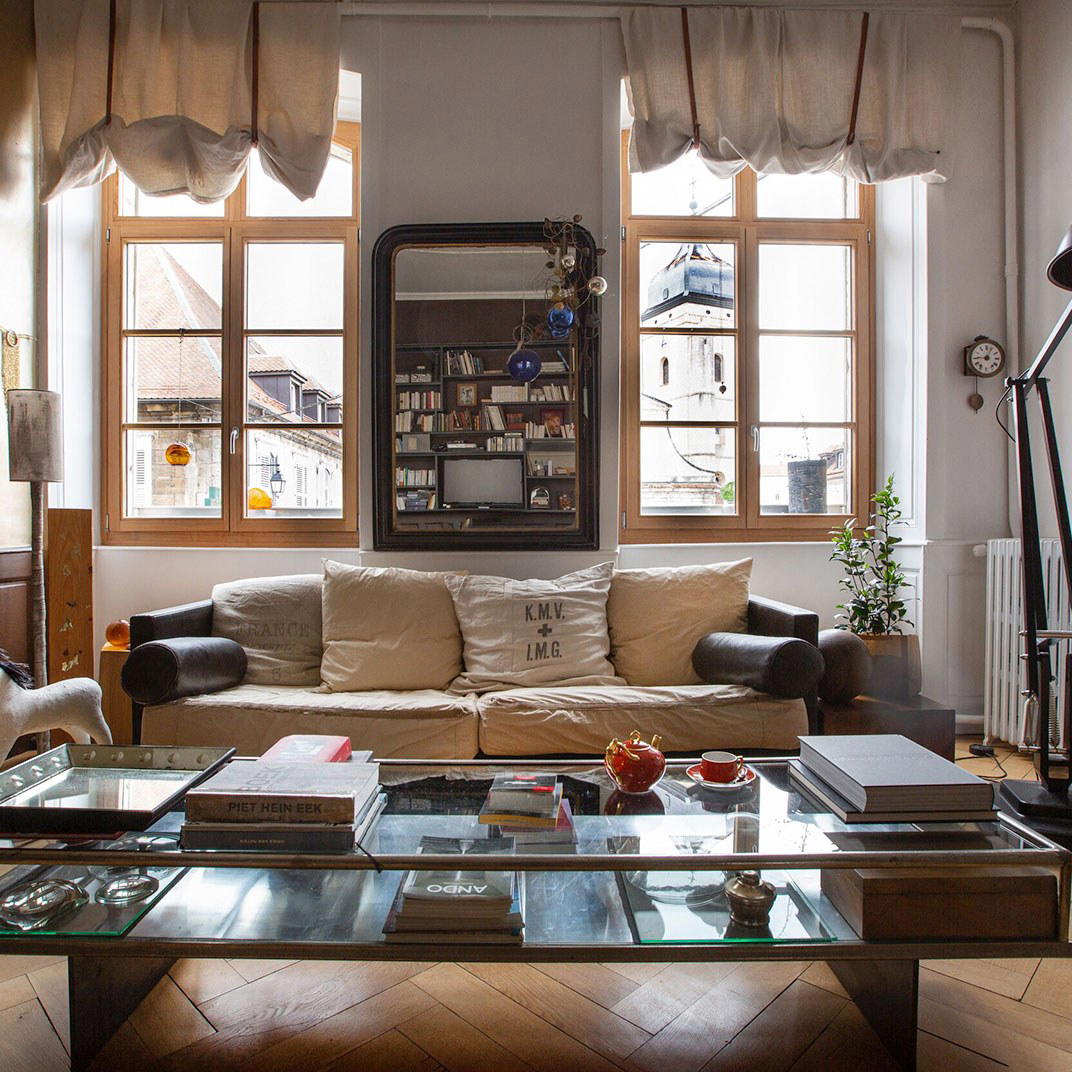
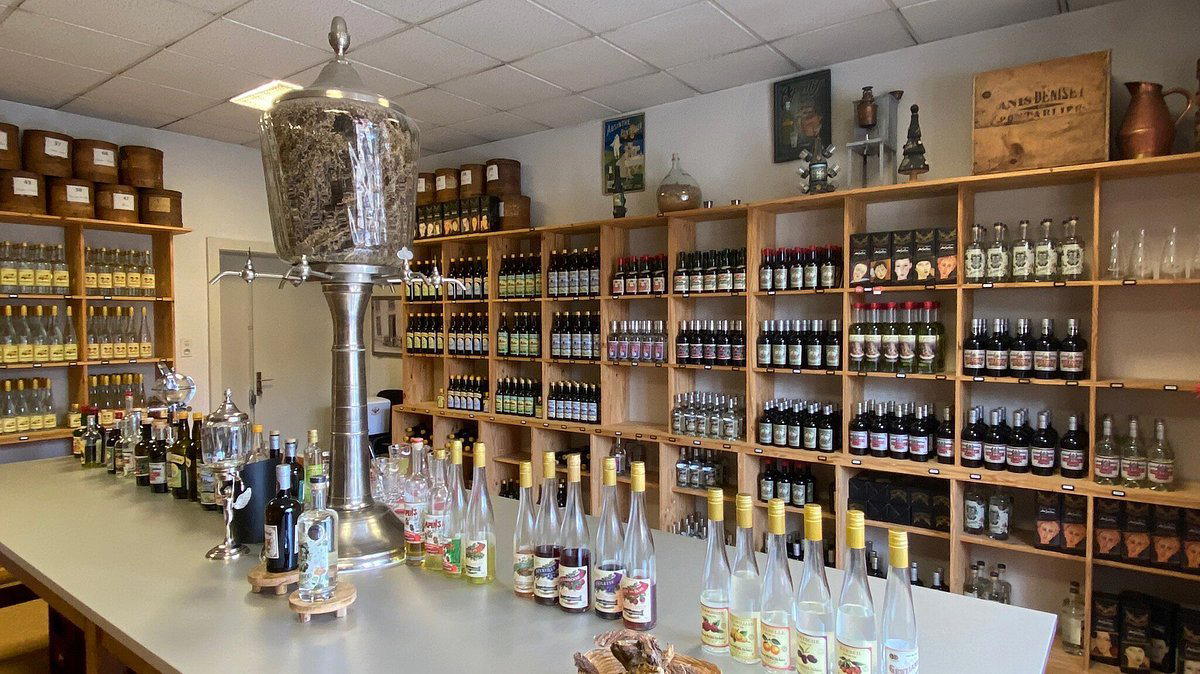
Ambiance chaleureuse et conviviale avec accueil chaleureux, mettant en valeur une atmosphère intime et accueillante.