An Di Dzo
Our verdict
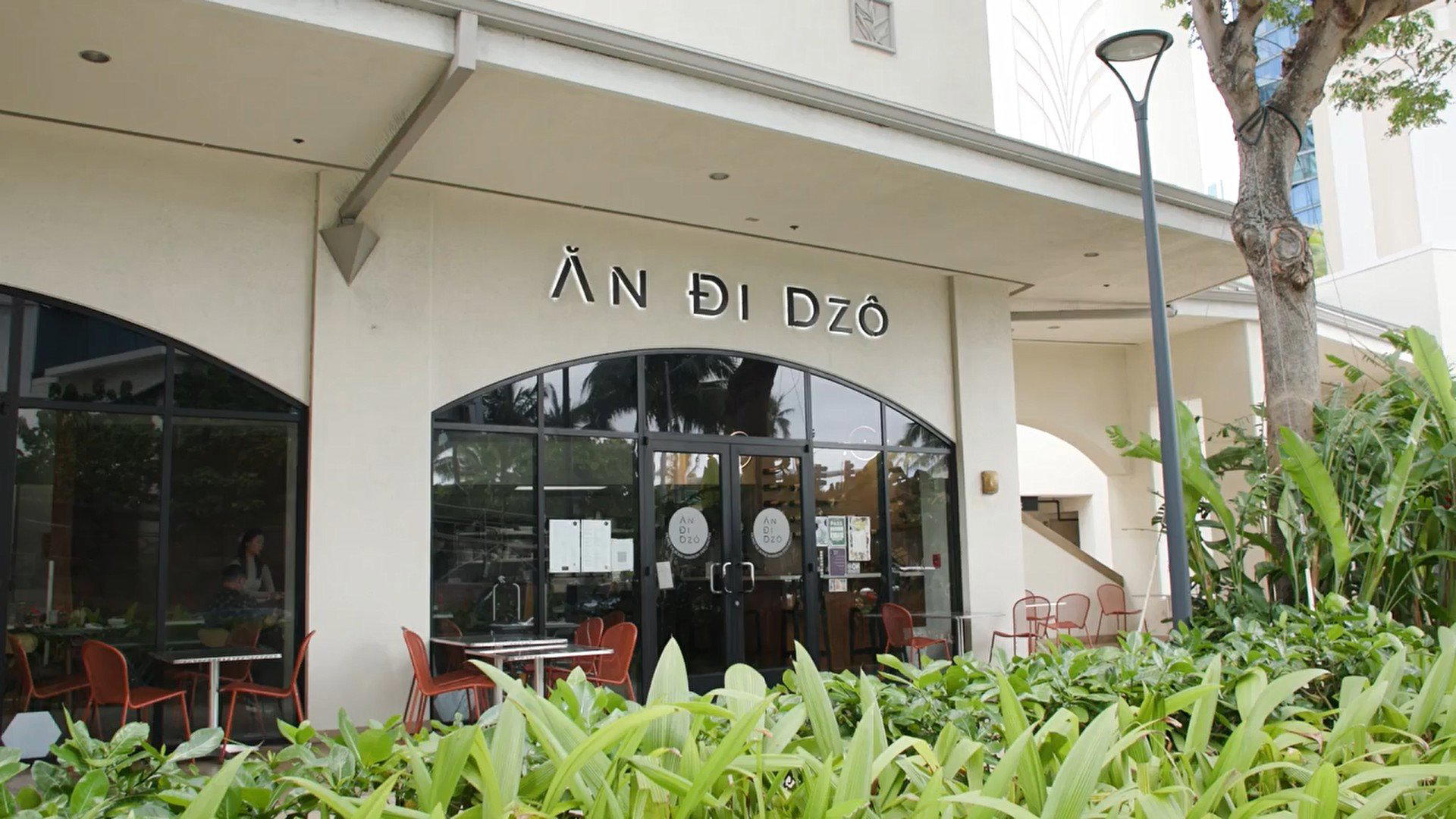
An Di Dzo sits on Auahi Street in Honolulu's evolving Kaka'ako district, where the city's newer dining wave has taken root alongside creative studios and design-forward retail. The restaurant occupies a corner of that shift, drawing visitors and locals who come looking for something outside the tourist-facing circuits of Waikiki. Details on cuisine, pricing, and reservations are best confirmed directly with the venue before visiting.

Pearl is the En Primeur Club membership app — saves, bookings, and concierge access live there. Same editors, same standards.
- Address
- 1060 Auahi St, Honolulu, HI 96814
- Phone
- (808) 888-2287
- Hours
- Mon 11 AM–3 PMTue–Thu 11 AM–9 PMFri–Sat 11 AM–9:30 PMSun 11 AM–7:30 PM
- Website
- andidzohawaii.com
- Directions
- Get directions
- Booking
- Book on the venue's website
The menu
What to order
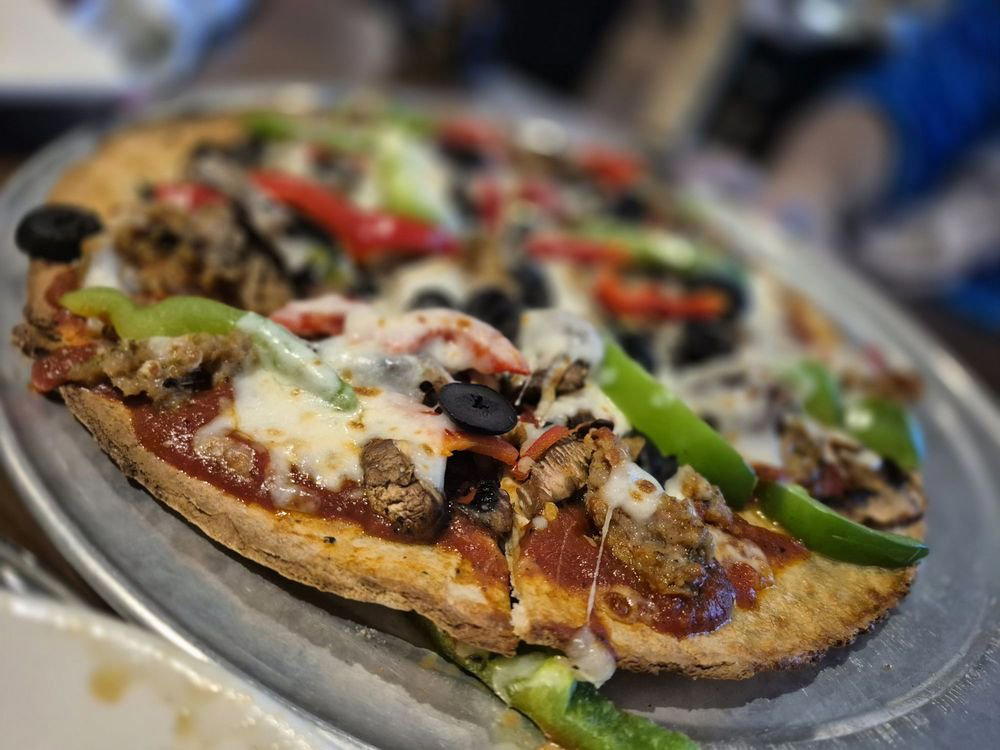
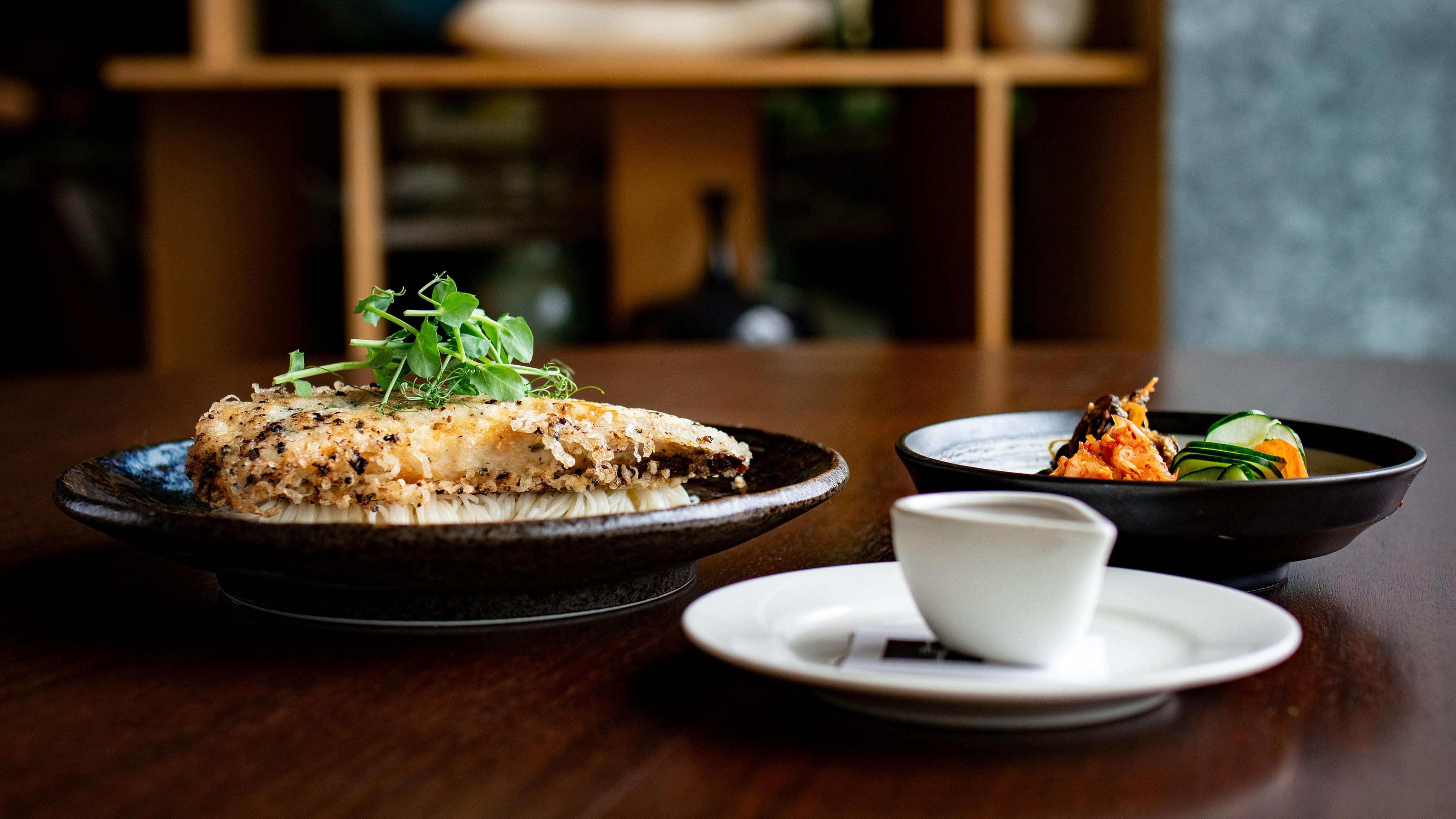
- Phở Đặc Biệt
- Bone Marrow and Eye Round Phở
- Cuu Long II Banh Mi
Kaka‘ako and the Restaurants Reshaping Honolulu's Dining Conversation
Honolulu's serious dining scene has spent the past decade migrating. The older poles of the city's restaurant culture, concentrated in Waikiki and along the established corridors of East Honolulu, are being joined by a newer layer of addresses in Kaka‘ako, the redeveloped district running inland from Ala Moana. That neighbourhood now carries a different demographic and a different set of expectations: smaller spaces, formats borrowed from mainland urban dining, and kitchens that treat local Hawaiian ingredients as a serious creative constraint rather than a marketing afterthought. An Di Dzo, located at 1060 Auahi Street, is part of that geography.
The Auahi Street corridor sits at the commercial spine of Kaka‘ako, where converted industrial buildings and purpose-built mixed-use developments have made room for restaurants that would have struggled to find a foothold in Waikiki's hotel-anchored market. The physical context matters: this is a neighbourhood that rewards deliberate visits rather than foot-traffic walk-ins, and the restaurants that have succeeded here tend to be those with a defined point of view rather than a broad mandate. Within that context, An Di Dzo occupies its address as a local destination rather than a tourist convenience.
What Collaboration Looks Like on the Floor
Across the tier of American restaurants where the kitchen, the bar, and the floor operate as integrated departments rather than separate cost centres, the guest experience is shaped as much by the team dynamic as by any single element of the menu. At properties like Smyth in Chicago or Single Thread Farm in Healdsburg, the most discussed aspect of the experience is often not a particular dish but the coherence of a service style that reads as rehearsed without feeling scripted. That coherence is a product of front-of-house and kitchen staff operating from the same brief, with a shared understanding of pacing, tone, and what information the guest actually needs at each moment.
In Honolulu, that level of team integration is rarer, partly because the city's restaurant labour market has historically been shaped by large hotel operations where floor roles are departmentalised. Independent restaurants working outside that system have more latitude to build the kind of cross-department culture that produces seamless service, but they also carry the full cost of doing so. For diners approaching An Di Dzo, this context is useful: the experience at a Kaka‘ako independent operates on different terms than a resort dining room, and what you encounter on the floor is more likely to reflect deliberate choices about how the team works together than the standardised hospitality templates of a larger operation.
Where An Di Dzo Sits Among Honolulu's Independents
Honolulu's independent restaurant scene covers a wide range of formats and price points. At one end, long-established addresses like 3660 On the Rise have sustained loyal followings over decades by holding to a consistent Euro-Pacific register. Newer formats, including the cultural programming at Ahaaina Luau and the contemporary American focus at Fête, address different segments of the dining market. Scenic venues like 53 By The Sea compete partly on their waterfront positioning. An Di Dzo's placement on Auahi Street puts it in a sub-cluster defined less by view or heritage than by neighbourhood affiliation and the specific audience that Kaka‘ako has attracted.
The comparison set for a Kaka‘ako independent extends beyond Honolulu. Nationally, the past decade has produced a recognisable format: mid-sized restaurants in redeveloped urban districts, positioning against both the formal dining tier and the casual end, with menus that draw on local sourcing and a service approach that leans collaborative rather than hierarchical. You see that format operating at Lazy Bear in San Francisco and in different registers at Addison in San Diego and Providence in Los Angeles.
Planning Your Visit
Kaka‘ako is accessible from Waikiki by a short drive or via the Ala Moana corridor, and parking in the district is generally more manageable than in central Honolulu. An Di Dzo's address at 1060 Auahi Street places it within walking distance of Ala Moana Center and the ward entertainment complex, making it a plausible anchor for an evening that begins or ends elsewhere in that part of the city. Given the limited public record, contacting the restaurant directly before visiting is advisable for confirmation of hours, current menu format, and reservation availability. For a broader view of where An Di Dzo fits within the city's dining options, our full Honolulu restaurants guide covers the range of formats and neighbourhoods worth considering.
The Broader Context for Serious Dining in Hawaii
Hawaii occupies an unusual position in American fine dining: it has the agricultural conditions to support a genuinely local ingredient-forward kitchen culture, including premium seafood, tropical produce, and cattle ranching on the Big Island, yet the state's dining scene has historically been shaped more by tourism economics than by the kind of local dining culture that sustains high-investment independent restaurants. The properties that have broken through nationally, and those that draw comparison to destinations like Le Bernardin in New York City, The French Laundry in Napa, or Blue Hill at Stone Barns in Tarrytown, tend to be those that have solved the local-audience problem rather than depending entirely on visitor traffic. Kaka‘ako is one of the few Honolulu neighbourhoods with the residential density and demographic profile to support restaurants on those terms, which is part of what makes An Di Dzo's location relevant beyond the address itself.
Frequently asked questions
Where exactly is An Di Dzo?
An Di Dzo is located at 1060 Auahi St, Honolulu, HI 96814, Honolulu.
How does An Di Dzo fit into the broader Kaka'ako dining scene in Honolulu?
An Di Dzo is located at 1060 Auahi St, placing it at the centre of Kaka'ako, the Honolulu district that has absorbed much of the city's serious independent restaurant activity as it shifted away from Waikiki. The neighbourhood now holds a range of formats across different price points, and An Di Dzo is part of that independent tier rather than the legacy fine-dining establishment model. For visitors comparing options in the area, it represents the newer wave of Honolulu dining rather than the older poles of the city's restaurant culture.
What should I order at An Di Dzo?
An Di Dzo sits within Honolulu's Kaka'ako district, a neighbourhood where kitchens have been leaning into locally sourced, ingredient-forward cooking. Ask staff about the current offerings when you arrive — that kind of floor-level conversation is typically where the real recommendations surface at independents of this type.
How far ahead should I plan for An Di Dzo?
Booking windows at Kaka'ako independents vary considerably depending on format and size. For a restaurant at 1060 Auahi St in a district that has drawn increasing attention over the past several years, contacting the venue directly to confirm reservation policy is the most reliable approach. Assume at least a week's notice for weekend seatings as a baseline.
What's the signature at An Di Dzo?
What is clear from the Kaka'ako context is that restaurants in this part of Honolulu have broadly moved toward floor-kitchen integration and locally grounded menus. Reaching the restaurant directly will give you the most accurate read on what the kitchen is currently known for.
Is An Di Dzo allergy-friendly?
Hawaii's restaurant culture, particularly among Honolulu independents, tends toward direct communication between front-of-house and kitchen teams, which generally makes allergy requests easier to handle than at high-volume operations. Contact the venue ahead of your visit to confirm what the kitchen can accommodate.
Price Lens
A quick snapshot of similar venues for side-by-side context.
| Venue | Cuisine | Price | Notes |
|---|---|---|---|
| An Di DzoThis venue — the venue you are viewing | Modern Vietnamese | $20–30 | Not listed |
| Fête | Modern American Farm-to-Table | $50–100 | New American |
| Liliha Bakery | Bakery | $10–20 | Not listed |
| Sushi Izakaya Gaku | Authentic Japanese Sushi & Izakaya | $50–100 | Izakaya |
| Miro Kaimuki | French-Japanese Fusion | $100–150 | French - Japanese |
| Zigu | Japanese Izakaya with Local Hawaiian Fusion | $50–100 | Japanese |
Details
- Modern
- Elegant
- Minimalist
- Lunch
- Dinner
- Open Kitchen
- Craft Cocktails
- A La Carte
- Sake Program
- Vegetarian Friendly
Current opening hours
- Monday
- 11 AM–3 PM
- Tuesday
- 11 AM–9 PM
- Wednesday
- 11 AM–9 PM
- Thursday
- 11 AM–9 PM
- Friday
- 11 AM–9:30 PM
- Saturday
- 11 AM–9:30 PM
- Sunday
- 11 AM–7:30 PM
Hours can change for holidays and private events. Last verified .
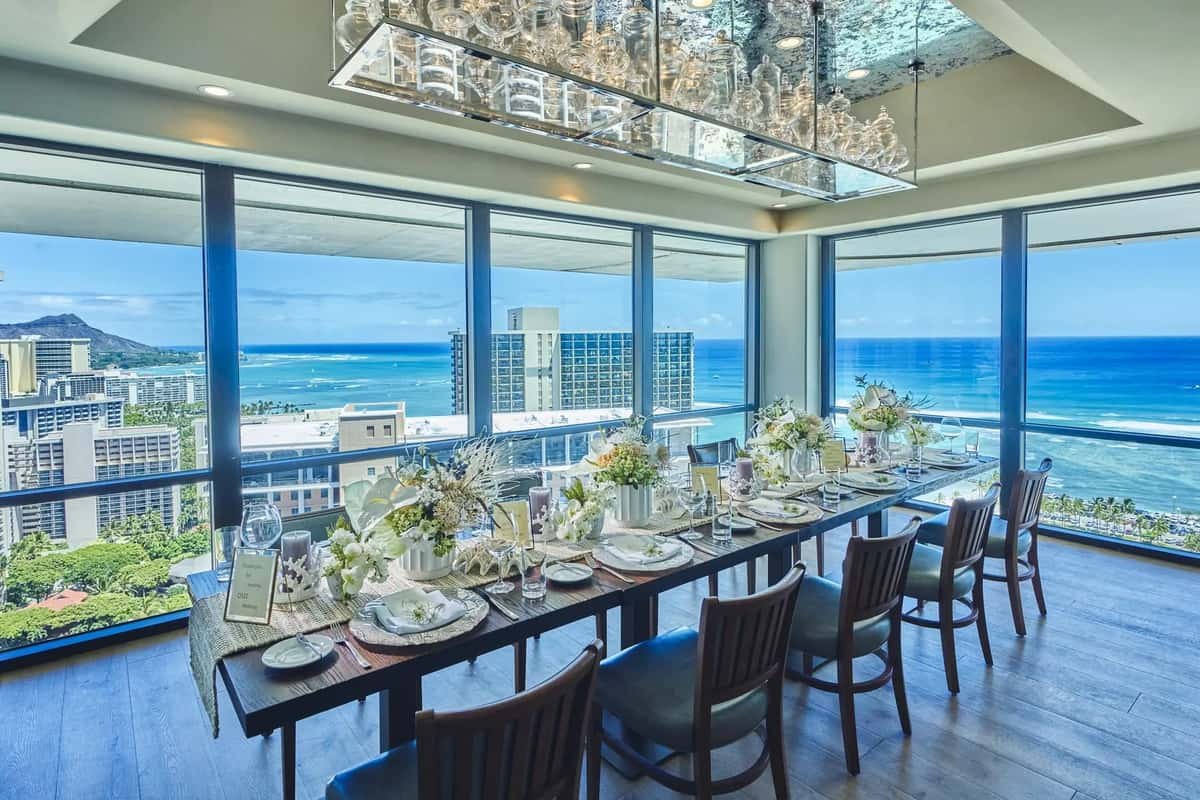
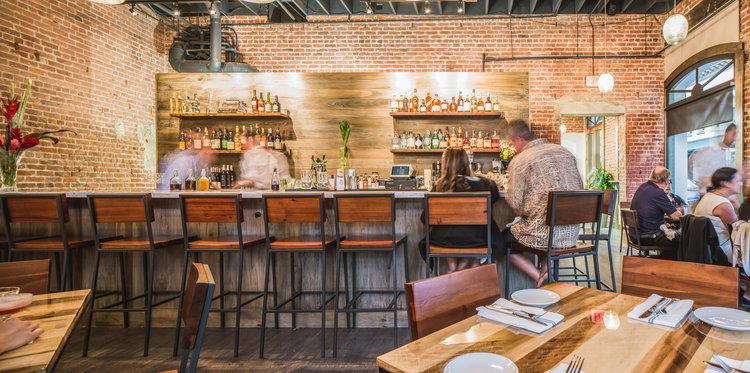
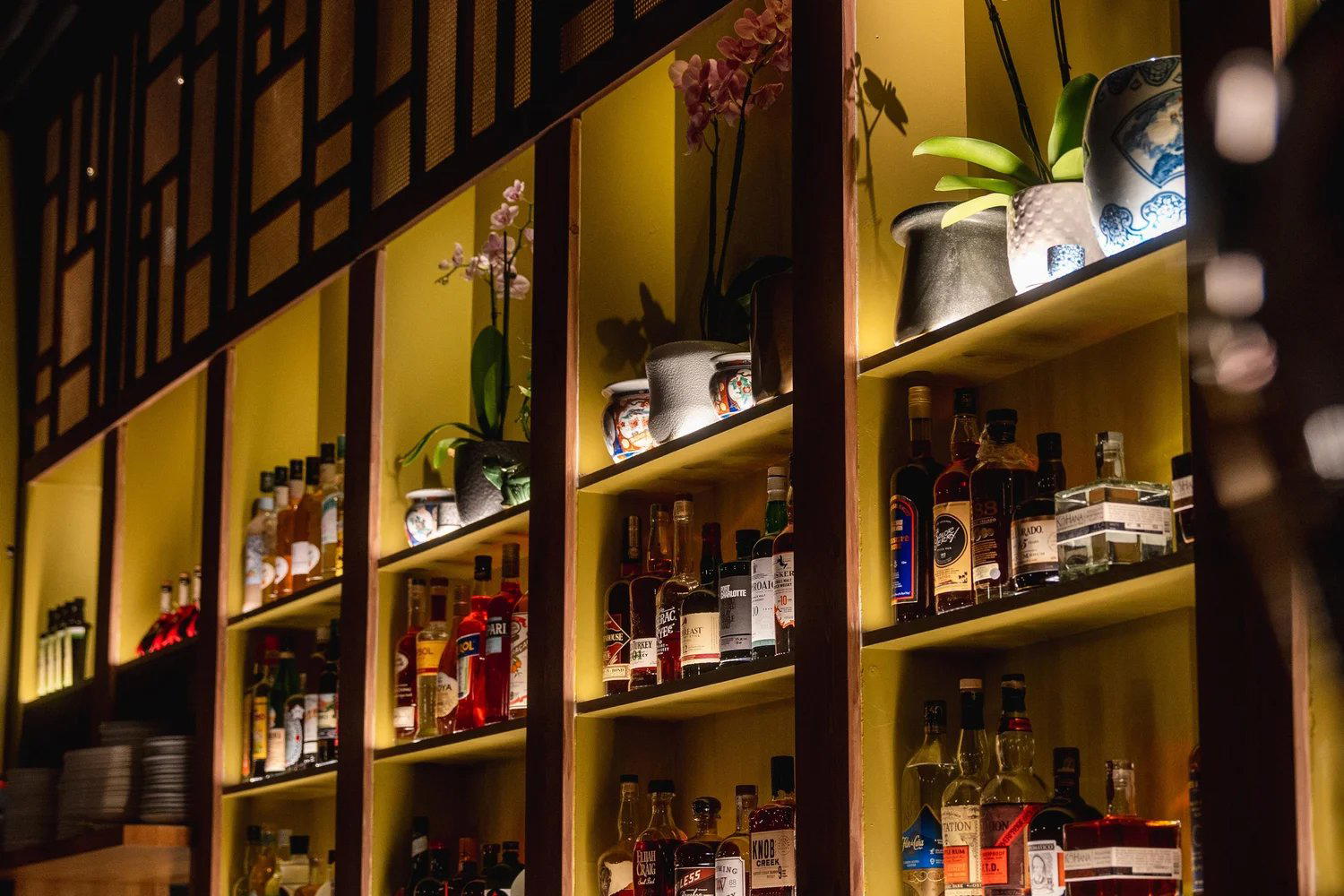
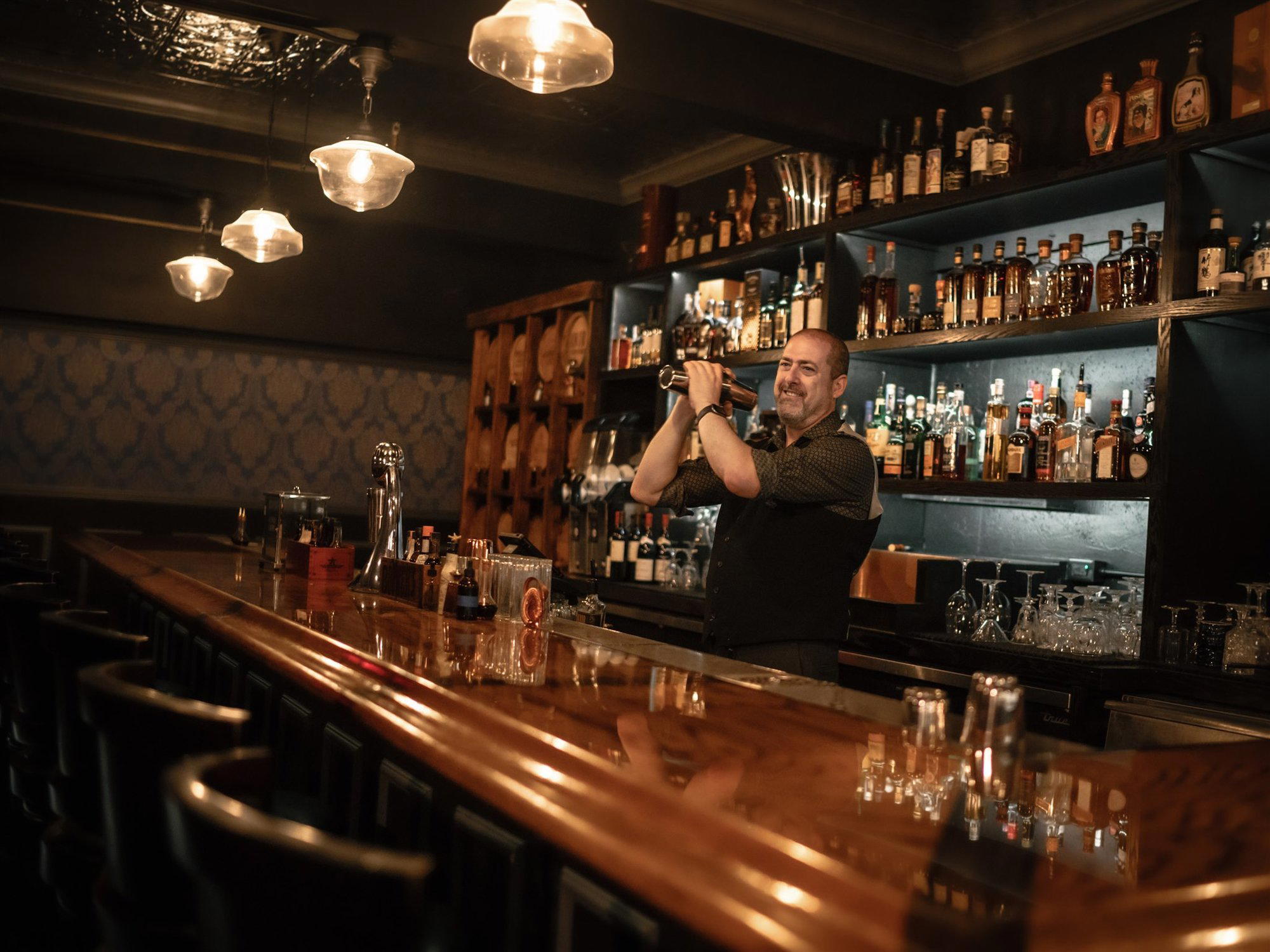
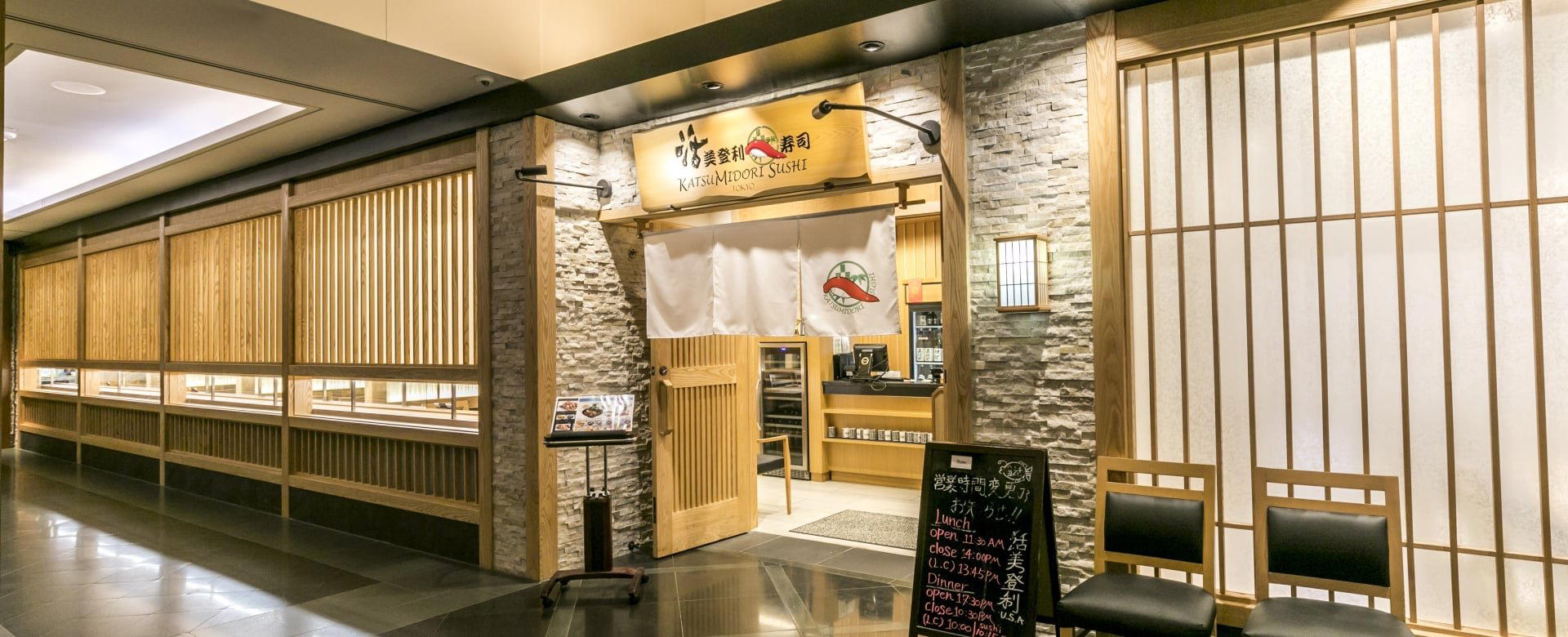
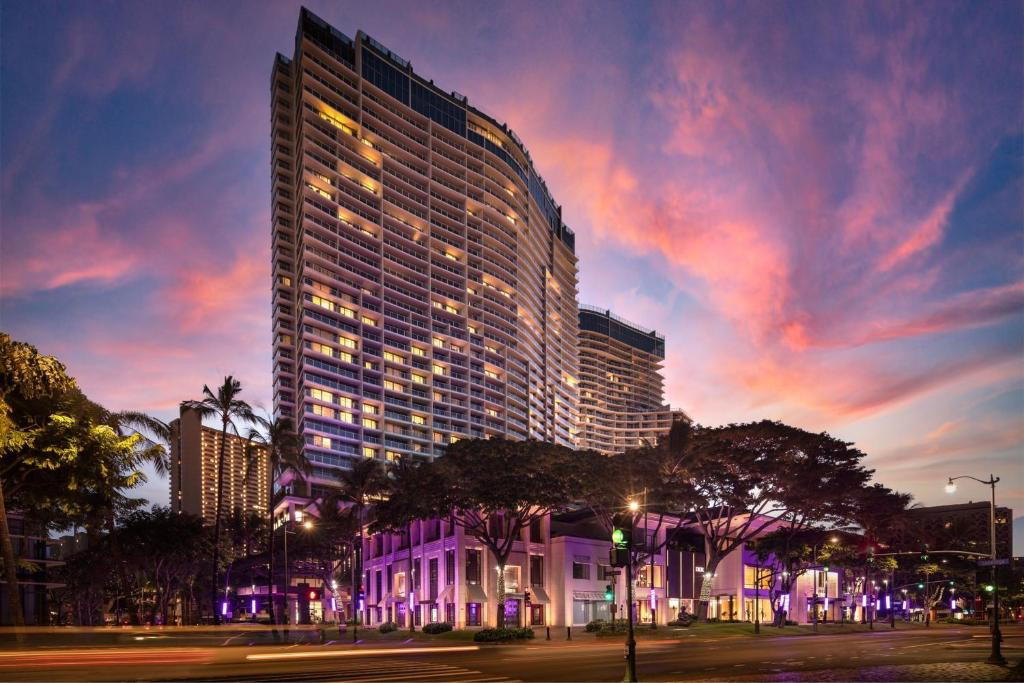
Future minimalism design harmonizing with Ward Village's classy high-end ambiance, offering casual chic polished dining with a small bar area.