Lan Fong Yuen on Gage Street in Central is one of Hong Kong's most historically significant cha chaan tengs, credited with inventing the silk-stocking milk tea that now defines the city's street-food identity. Operating from a narrow ground-floor shopfront, it draws locals and visitors alike to a format that has barely changed in decades. It sits at the intersection of working-class tradition and genuine culinary heritage.
Pearl is the En Primeur Club membership app — saves, bookings, and concierge access live there. Same editors, same standards.
- Address
- Hong Kong, Central, Gage St, 2號號地下
- Phone
- +852 2544 3895
- Directions
- Get directions
 Saves & bookings on Pearl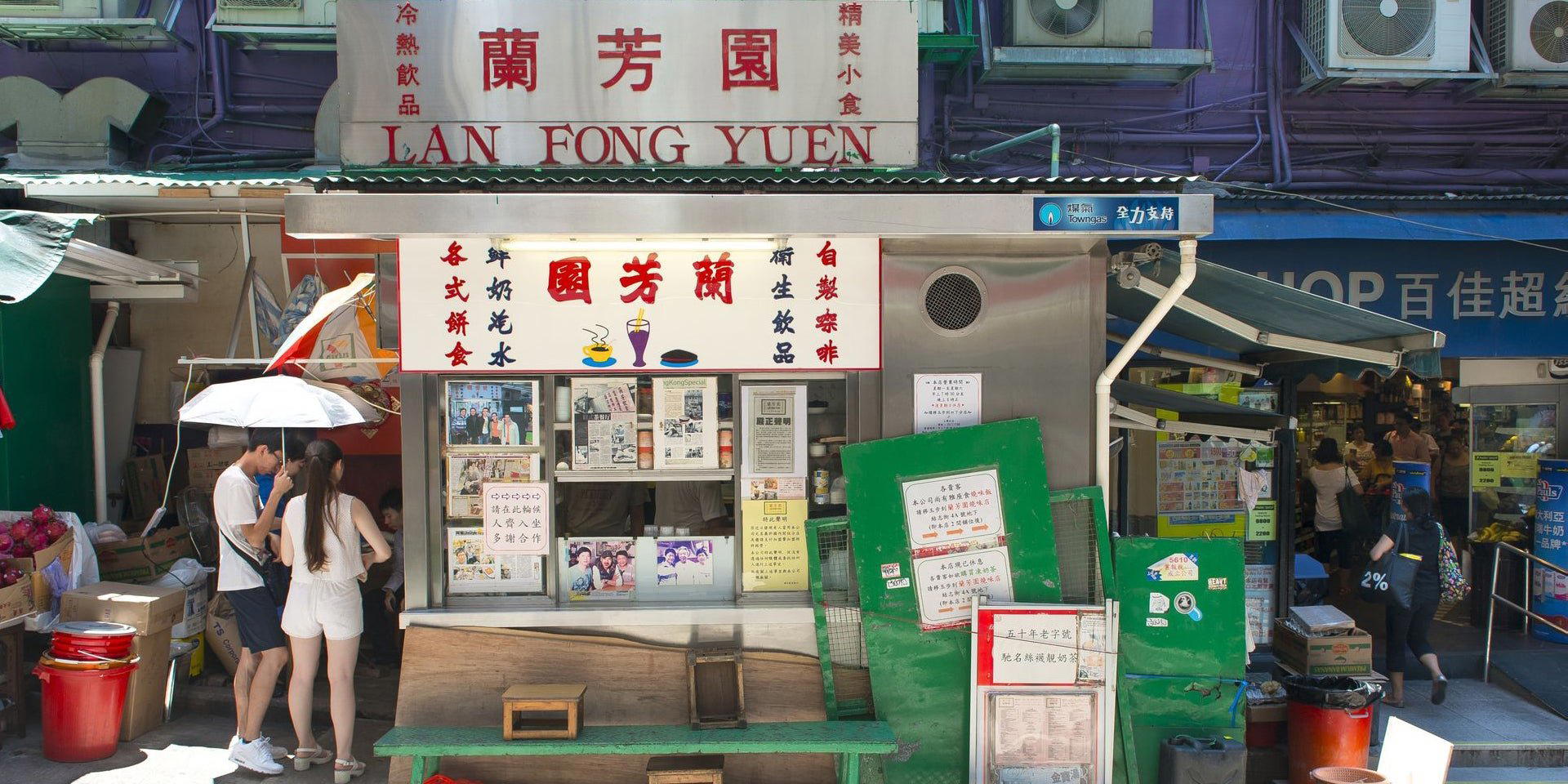
Gage Street and the Grammar of the Cha Chaan Teng
Central's Gage Street operates at a different register from the neighbourhood's finance towers and hotel dining rooms. The street tilts downhill from the Graham Street market toward Hollywood Road, and the foot traffic at any given hour mixes office workers, wet-market vendors, and tourists oriented by guidebook screenshots. It is in this friction between workaday and destination that Lan Fong Yuen (蘭芳園) has operated for decades, not as an anomaly but as a fixed point around which the neighbourhood has changed while the stall itself has not. The physical approach is direct: a narrow shopfront, plastic stools, laminate tables, and the specific ambient noise of aluminium cups being set down on hard surfaces. This is the cha chaan teng in its least-compromised form, and Gage Street remains one of the few places in Central where that form survives at street level rather than behind a themed interior.
What the Silk-Stocking Tea Means for Hong Kong's Food Identity
The cha chaan teng format emerged in mid-twentieth century Hong Kong as a working-class alternative to Western-style cafes, translating foreign items, toast, eggs, coffee, tea, into a faster, cheaper, and distinctly local register. Within that format, milk tea became the defining preparation: black tea brewed strong and strained through a cloth filter that, over time, takes on the appearance of a silk stocking. The technique produces a drink with a textural density that neither the British original nor the Cantonese dim sum house version replicates. Lan Fong Yuen is credited with originating this preparation. That claim is specific enough to carry real weight: not the first milk tea in Hong Kong, but the first to use this particular filtering method and to define the style that the city subsequently exported across its cha chaan teng network. For the broader Hong Kong dining conversation, Lan Fong Yuen sits at the informal end of the spectrum.
The Format as Discipline
Cha chaan tengs operate on a compressed service model that functions like a well-drilled kitchen brigade with no margin for slack. Orders move fast, seating turns over, and the counter staff manage a menu that spans breakfast-style toast with butter and condensed milk through to hot noodle soups, all within a physical space that leaves little room for error or theatre. What appears casual from the outside is actually a tightly coordinated operation: the tea requires precise brew time, the filtering demands consistency, and the speed of service is a structural feature, not an accident. In this sense, the team dynamic at a cha chaan teng, counter staff, tea preparers, and the person managing the queue, mirrors the interdependency of a professional kitchen without the titles. Lan Fong Yuen's longevity in a district that has absorbed significant commercial pressure suggests that this operational discipline has held. Comparable neighbourhood-rooted establishments across Hong Kong, from Hoi Tin Garden in Tuen Mun to King Of Soybeans in Wong Tai Sin, demonstrate that this kind of institution-level consistency is earned over years of repetition, not announced.
Central's Two-Speed Dining Scene
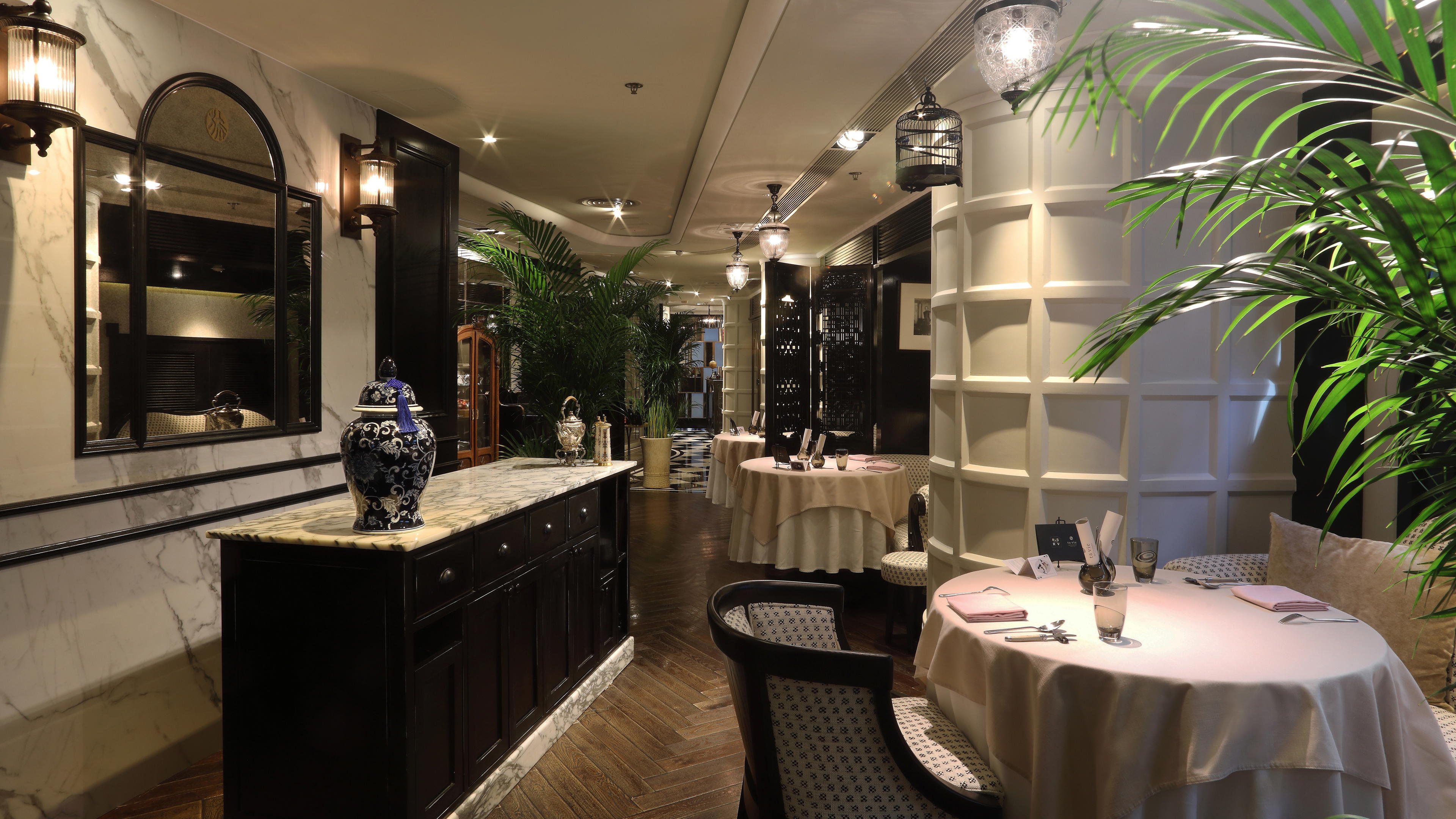
Central accommodates the full price range of Hong Kong dining in a relatively compact area. At the upper end, the hotel dining rooms and private kitchen circuits set benchmarks for what the city can produce at international price points. Amber and Ta Vie operate in that register, drawing on long tasting menus and substantial wine programs to justify their position. Italian-leaning rooms such as Gaia in Central And Western fill a middle tier. Lan Fong Yuen sits outside all of these comparisons in a structural sense: it is not competing on price or prestige, but on category legitimacy. The question a visitor asks is not whether the milk tea is worth the Michelin-starred alternative; it is whether the preparation method and the historical claim hold up in the cup. By most accounts preserved in Hong Kong food writing, they do.
Institutional Weight Without Museum Status
There is a category of old-establishment food venues in any major city that have crossed from working institution to heritage object: they are visited as artifacts, their queues are tourist-generated, and the original community has moved on. Lan Fong Yuen occupies an ambiguous position here. The Gage Street location still draws a meaningful local breakfast and lunch crowd, and the pricing structure has not shifted to reflect tourist demand in the way that some comparably famous street-food venues in other Asian cities have. The physical setup, stools, shared tables, no reservation system, enforces a democratic format that resists the gentrification of the experience even as the neighbourhood around it gentrifies. Compare this with the trajectory of larger Hong Kong institutions: the Former Jumbo Floating Restaurant in Aberdeen followed a different arc. Lan Fong Yuen's compressed format has, in some ways, protected its integrity. Hong Kong's more established Cantonese institutions, including Forum and Lei Garden in Sha Tin, have preserved their reputations through mastery of a specific culinary tradition. Lan Fong Yuen's claim is narrower but no less specific: the silk-stocking method, applied consistently over decades.
Planning a Visit
Lan Fong Yuen operates from its ground-floor Gage Street address in Central, steps from the Graham Street market and within walking distance of the Central MTR station. The format does not take advance reservations; seating is on a first-come basis, and the busiest periods run through the breakfast and lunch hours on weekdays when the surrounding office district is active. Weekend mornings draw a different crowd, with a higher proportion of visitors and a somewhat more leisurely pace. The practical approach is to arrive at off-peak hours, mid-morning or mid-afternoon, if a quieter experience is preferred. For travellers building a comparative picture of Hong Kong's dining scene at different price points, contrasting Lan Fong Yuen's format with higher-end operations like Atomix in New York City or Le Bernardin in New York City makes clear how differently the concept of culinary authority distributes across service formats and price brackets.
Price Lens
Comparable venues nearby, for context on price, style, and recognition.
| Venue | Cuisine | Price | Notes |
|---|---|---|---|
| Lan Fong Yuen (蘭芳園)This venue — the venue you are viewing | Central, Hong Kong Cha Chaan Teng | $ | Not listed |
| Master Low Key | Not listed | $ | Shau Kei Wan, Hong Kong Street Food - Egg Waffles & Puffs |
| Ap Lei Chau Market | Ap Lei Chau, Hong Kong Cantonese Seafood | $ | Not listed |
| Lee Keung Kee North Point Egg Waffles | Not listed | $ | Yau Tsim Mong South, Hong Kong Street Food - Egg Waffles |
| Mak's Noodle | Not listed | $ | Central, Traditional Cantonese Wonton Noodles |
| Sang Kee Congee Shop | Central, Cantonese Congee & Noodles | $ | Not listed |
Recognition history
Dated appearances from independent guides and award organizations, with the underlying list record or original source where available.
Cathay Members’ Choice Awards Asia’s Best-Value Meal Winner
Cathay Members’ Choice Awards · 2026 Cathay Members’ Choice Awards — Venue Winners
Continue exploring
More in Hong Kong
Restaurants in Hong Kong
Browse all →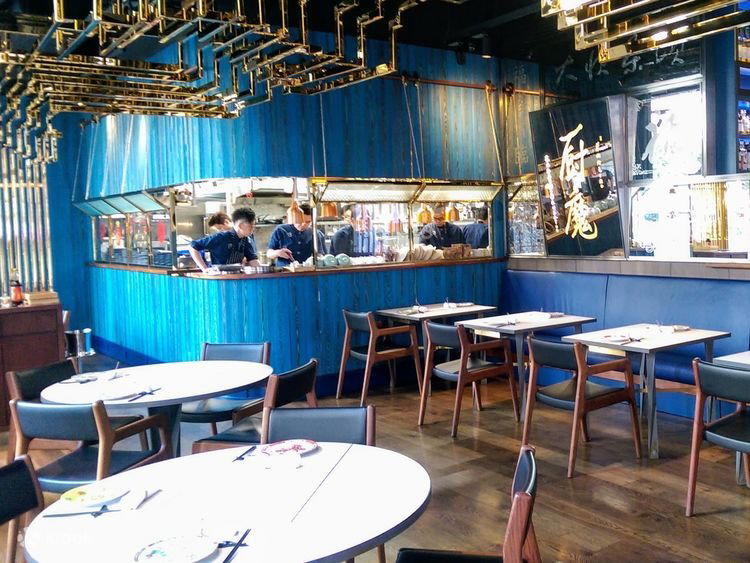
Bars in Hong Kong
Browse all →
At a Glance
- Classic
- Well Known
- Lively
- Casual Hangout
- Brunch
- Historic Building
Current opening hours
- Monday
- 7:30 AM–6 PM
- Tuesday
- 7:30 AM–6 PM
- Wednesday
- 7:30 AM–6 PM
- Thursday
- 7:30 AM–6 PM
- Friday
- 7:30 AM–6 PM
- Saturday
- 7:30 AM–6 PM
- Sunday
- Closed
Hours can change for holidays and private events. Last verified .