Le Voyage occupies a quiet address on Fallmerayerstraße in Munich's Maxvorstadt district, where the city's fine dining conversation has grown increasingly focused on sourcing discipline and environmental accountability. Positioned within a competitive tier that includes Michelin-recognised neighbours, it draws a crowd that comes with prior research rather than passing curiosity. Booking ahead is advisable for anyone planning around it.
Pearl is the En Primeur Club membership app — saves, bookings, and concierge access live there. Same editors, same standards.
- Address
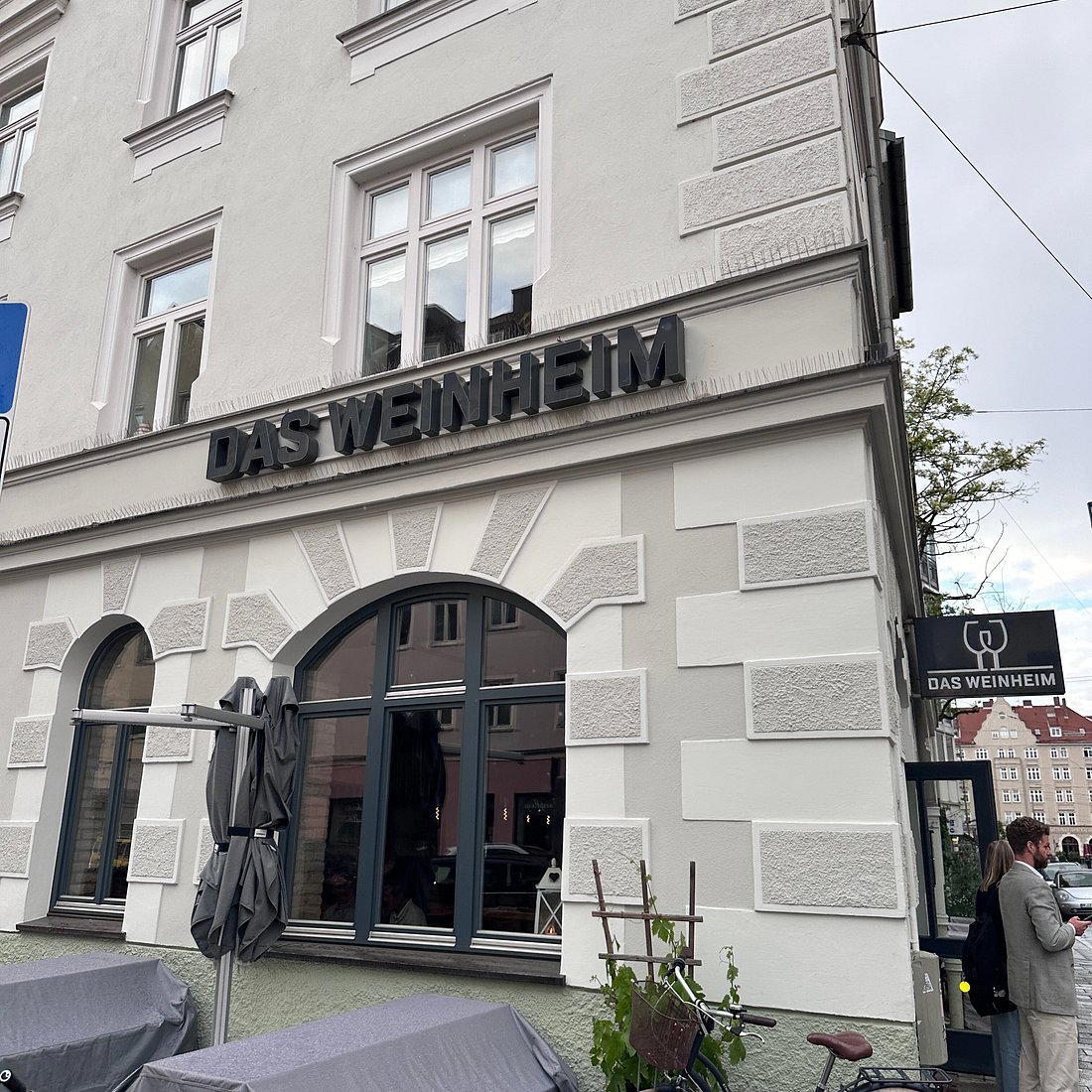
- Fallmerayerstraße 16, 80796 München, Germany
- Phone
- +498923799257
- Website
- levoyage-restaurant.de
- Directions
- Get directions
 Saves & bookings on Pearl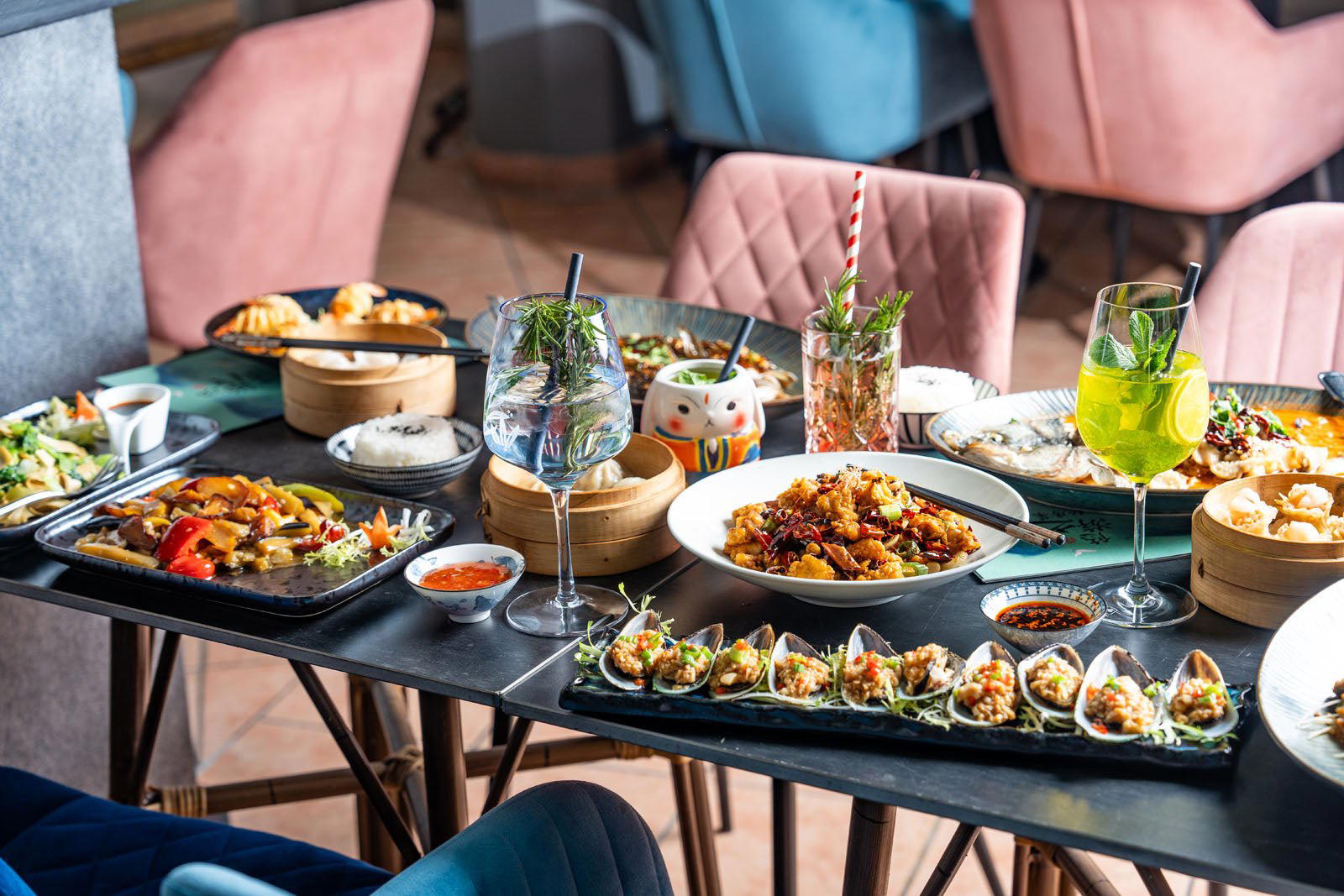
Where Munich's Fine Dining Meets a Harder Question About Sourcing
Munich's upper tier of restaurants has spent the better part of a decade resolving a tension that most German cities are still working through: how do you maintain the technical ambition of contemporary fine dining while being honest about where the ingredients actually come from? The answer, at the better addresses in Maxvorstadt and Schwabing, tends to involve fewer suppliers, longer relationships, and menus that shift not because a chef wants to show range, but because a farm's yield dictates it. Le Voyage is an Authentic Huaiyang Chinese restaurant at Fallmerayerstraße 16, 80796 München, Germany, with a recommended reservation policy and a price tier around US$30 per person.
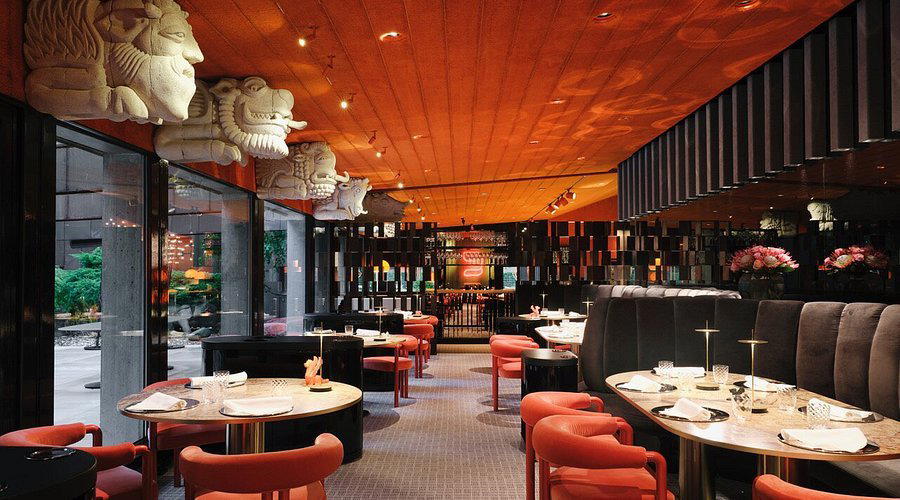
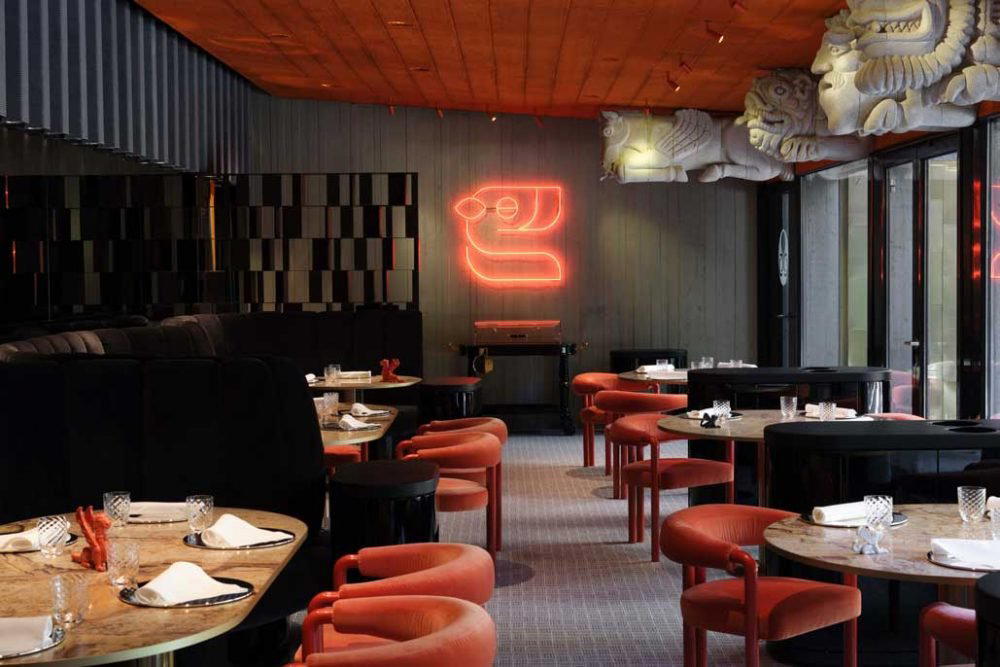
The address itself is instructive. Fallmerayerstraße is a residential street in the 80796 postcode, which places the restaurant firmly outside the tourist circuits of Marienplatz or the obvious concentration of hotel dining near the Englischer Garten. That kind of address in Munich tends to self-select for a particular guest: someone who has already decided where they are going before they leave home. That is not a trivial distinction. Restaurants in residential Munich pockets operate with a different set of expectations from those anchored to landmark hotels or department store buildings. The room has to work on its own terms.
The Sourcing Argument in Munich's Fine Dining Tier
Across Germany's premium restaurant scene, sustainability has shifted from a marketing position to something closer to a structural commitment. At ES:SENZ in Grassau, the proximity to Alpine producers has shaped both the menu and the supply chain in ways that are visible on the plate. At Schanz in Piesport, the Moselle region's agricultural character feeds directly into kitchen philosophy. These are not isolated cases. Germany's Michelin-recognised restaurants, from Aqua in Wolfsburg to Waldhotel Sonnora in Dreis, have increasingly oriented their sourcing around regional accountability rather than international prestige ingredients.
Munich occupies a specific position in that national pattern. Bavaria's agricultural base, its dairy tradition, its proximity to the Alps and to Austria, gives the city's kitchens access to a supply network that other German urban centres have to work harder to assemble. The question is whether individual restaurants use that geographic advantage deliberately or treat it as a default. The better ones treat it as a deliberate choice: shorter supply chains, less airfreight, a willingness to menu-plan around seasonal availability rather than the other way around. That discipline is increasingly what separates the operationally serious restaurants from those that perform sustainability without building it into purchasing decisions.
Within Munich itself, the restaurants that occupy comparable positioning to Le Voyage include JAN, Tantris, Atelier, Alois at Dallmayr, and Tohru in der Schreiberei. Each of these operates at the €€€€ price tier and has attracted some form of critical recognition. The competitive set is tight, and within that set, what distinguishes one address from another is increasingly a matter of emphasis: technical execution versus ingredient story, international reference points versus local supply chains, kitchen ambition versus floor precision. Where Le Voyage places its emphasis within that framework is the question worth asking before booking.
The Broader German Fine Dining Context
Germany's fine dining tier is not a monolith. The gap between a three-Michelin-star destination in the countryside, such as Schwarzwaldstube in Baiersbronn or Vendôme in Bergisch Gladbach, and a well-regarded urban address in Munich is significant in terms of resource, kitchen team size, and the kind of guest journey each is designed to support. Rural destination restaurants in Germany have often had longer to develop supplier relationships and can run more closed-loop kitchen operations simply because they have physical space and long-standing local ties. Urban restaurants, by contrast, operate under higher rent pressure and with more diverse guest profiles, which makes consistent ethical sourcing harder to execute without explicit structural commitment.
That broader national context matters when evaluating any Munich fine dining address. Berlin has CODA Dessert Dining reframing what a tasting format even means. Hamburg has Restaurant Haerlin maintaining a classical standard with considerable cellar depth. Further west, Victor's Fine Dining by Christian Bau in Perl has built a reputation on precision and consistency across many years of service. Bagatelle in Trier demonstrates that strong wine-region proximity still shapes kitchen philosophy even when cuisine style is contemporary. Munich's the restaurant enters that conversation from a city that has genuine culinary infrastructure, serious local produce, and an audience willing to spend at the upper tier.
Planning a Visit
Fallmerayerstraße 16 is in Maxvorstadt, one of Munich's denser residential and university-adjacent neighbourhoods, a short distance from Schwabing and the museum quarter. Getting there is direct from the city centre by U-Bahn, with Josephsplatz and Hohenzollernplatz both within walking range. For international visitors, Munich has strong air connectivity, and the city's public transport system makes the journey from the airport to Maxvorstadt reliable without a car.
Reservations are recommended.
Quick Comparison: Le Voyage and Munich Fine Dining Peers
| Venue | Cuisine Style | Price Tier | Neighbourhood |
|---|---|---|---|
| The restaurant | Authentic Huaiyang Chinese | €€ | Maxvorstadt |
| Tantris | Modern French / Contemporary | €€€€ | Schwabing |
| Atelier | Creative French | €€€€ | Maxvorstadt |
| Alois at Dallmayr | Creative | €€€€ | Altstadt |
| Tohru in der Schreiberei | Modern German-Japanese | €€€€ | Maxvorstadt |
Cuisine and Awards Snapshot
Comparable venues nearby, for context on price, style, and recognition.
| Venue | Cuisine | Price | Notes |
|---|---|---|---|
| Le VoyageThis venue — the venue you are viewing | Authentic Huaiyang Chinese | $$ | Not listed |
| Trattoria Seitz | Classic Italian Trattoria | $$ | Lehel |
| Moonlight | Contemporary Asian Sushi & Fusion | $$ | Ludwigsvorstadt |
| Michaeligarten Restaurant | Traditional Bavarian Beer Garden | $$ | Rammersdorf |
| Eiscafé & Ristorantino Galleria | Authentic Italian Trattoria & Gelato | $$ | Grosshadern |
| HANS IM GLÜCK - MÜNCHEN Türkenstrasse | Gourmet Smash Burgers | $$ | Schwabing |

At a Glance
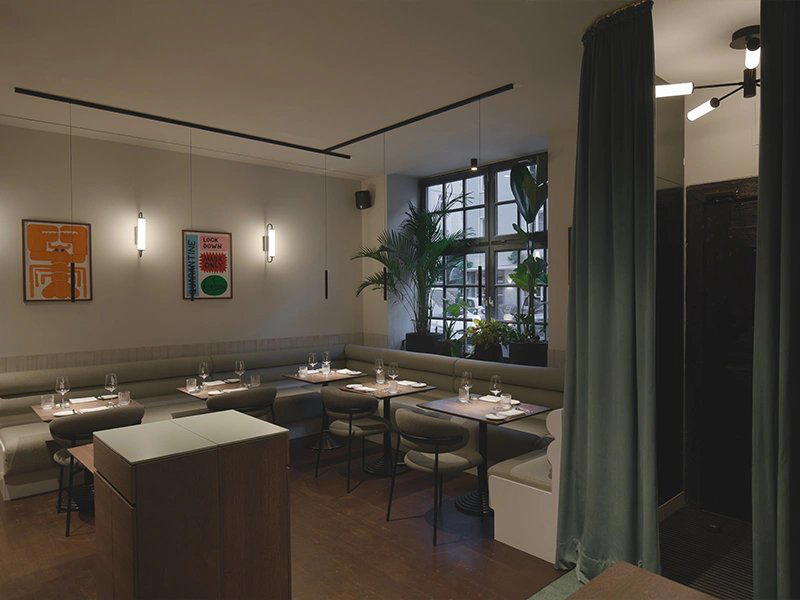
- Cozy
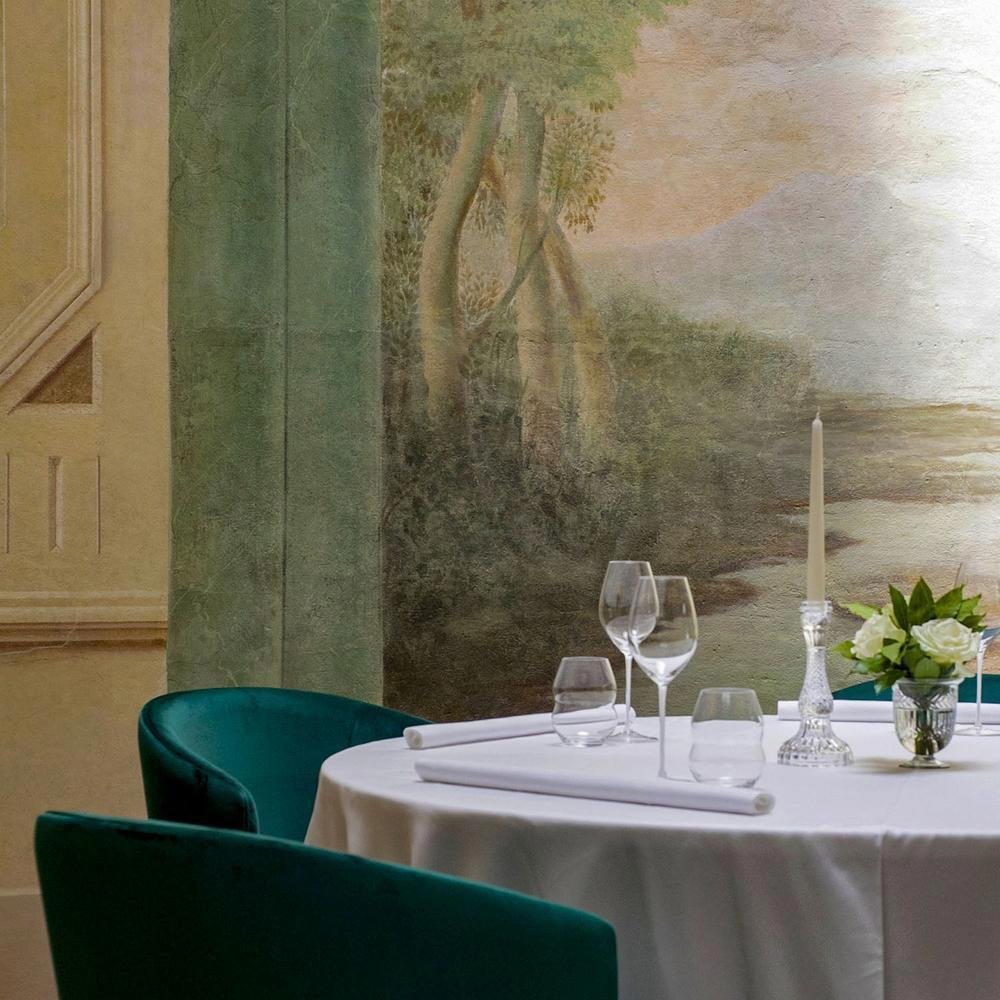
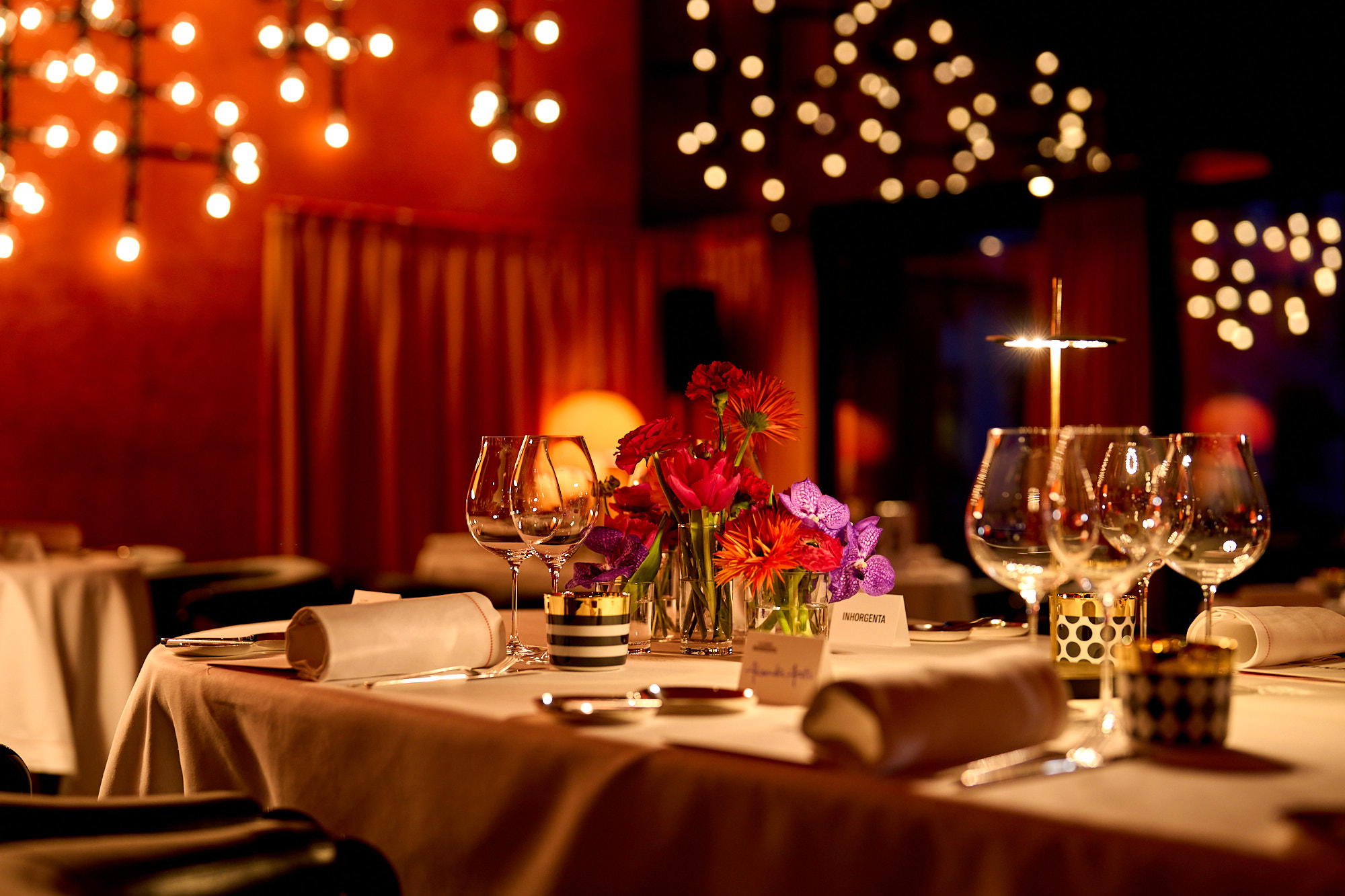
- Elegant
- Group Dining
- Casual Hangout
- Standalone
Current opening hours
- Monday
- 12–2:30 PM, 5:30–11 PM
- Tuesday
- 12–2:30 PM, 5:30–11 PM
- Wednesday
- 12–2:30 PM, 5:30–11 PM
- Thursday
- 12–2:30 PM, 5:30–11 PM
- Friday
- 12–2:30 PM, 5:30–11 PM
- Saturday
- 12–2:30 PM, 5:30–11 PM
- Sunday
- 12–2:30 PM, 5:30–11 PM
Hours can change for holidays and private events. Last verified .
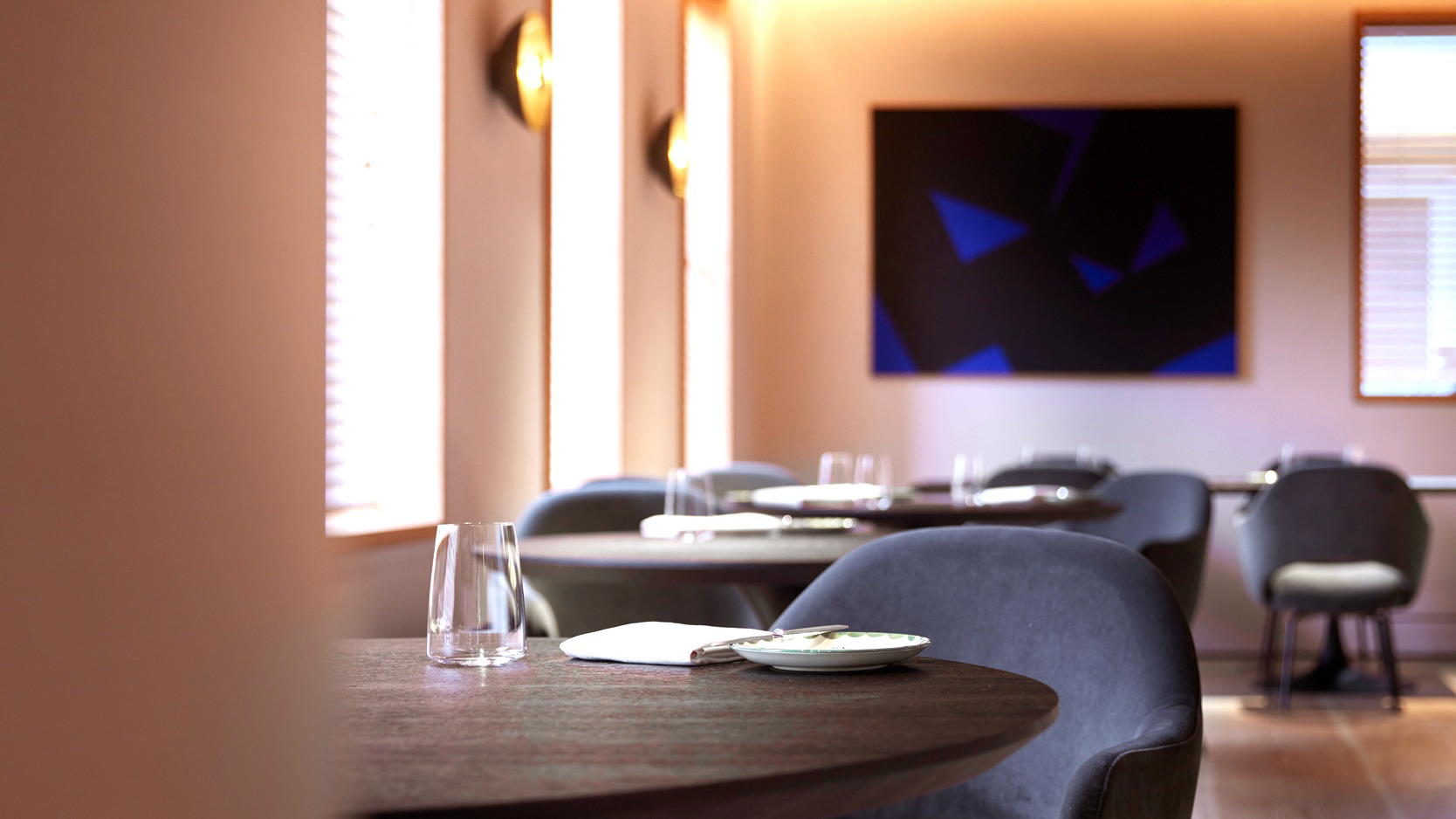
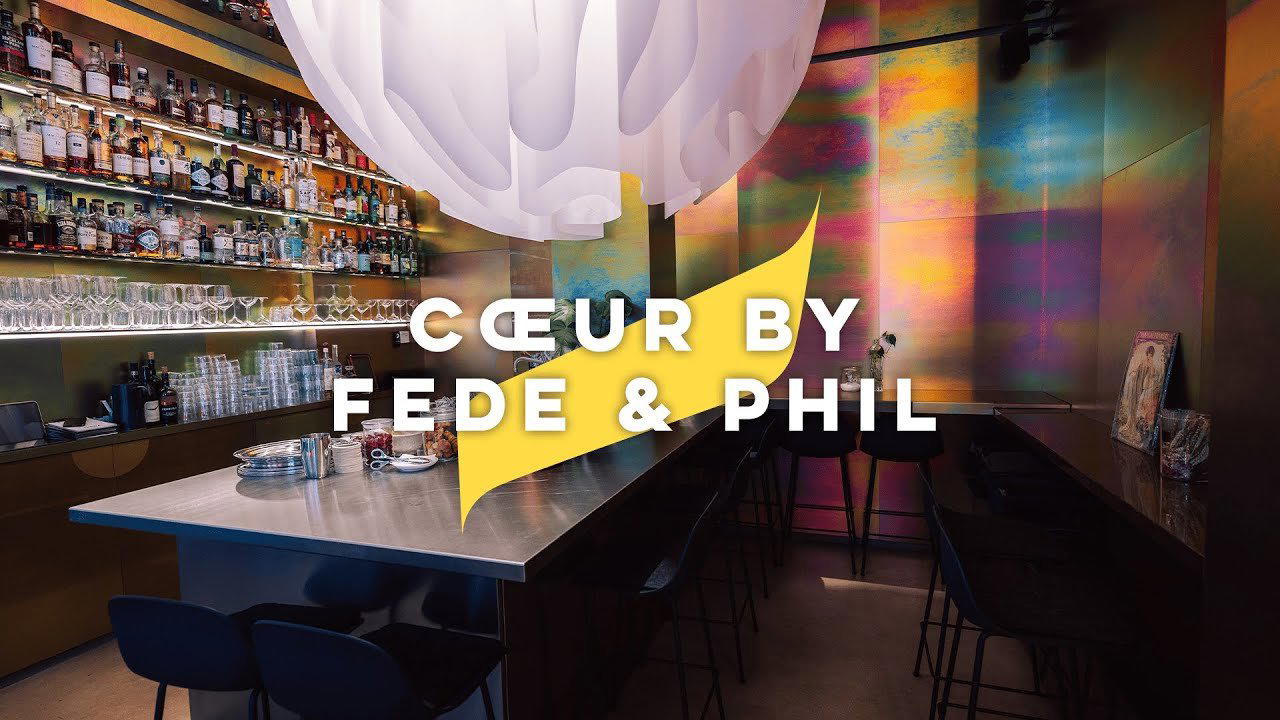
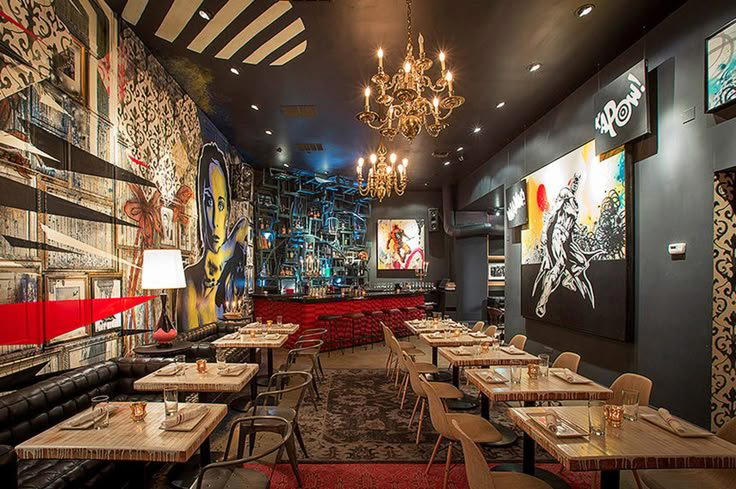
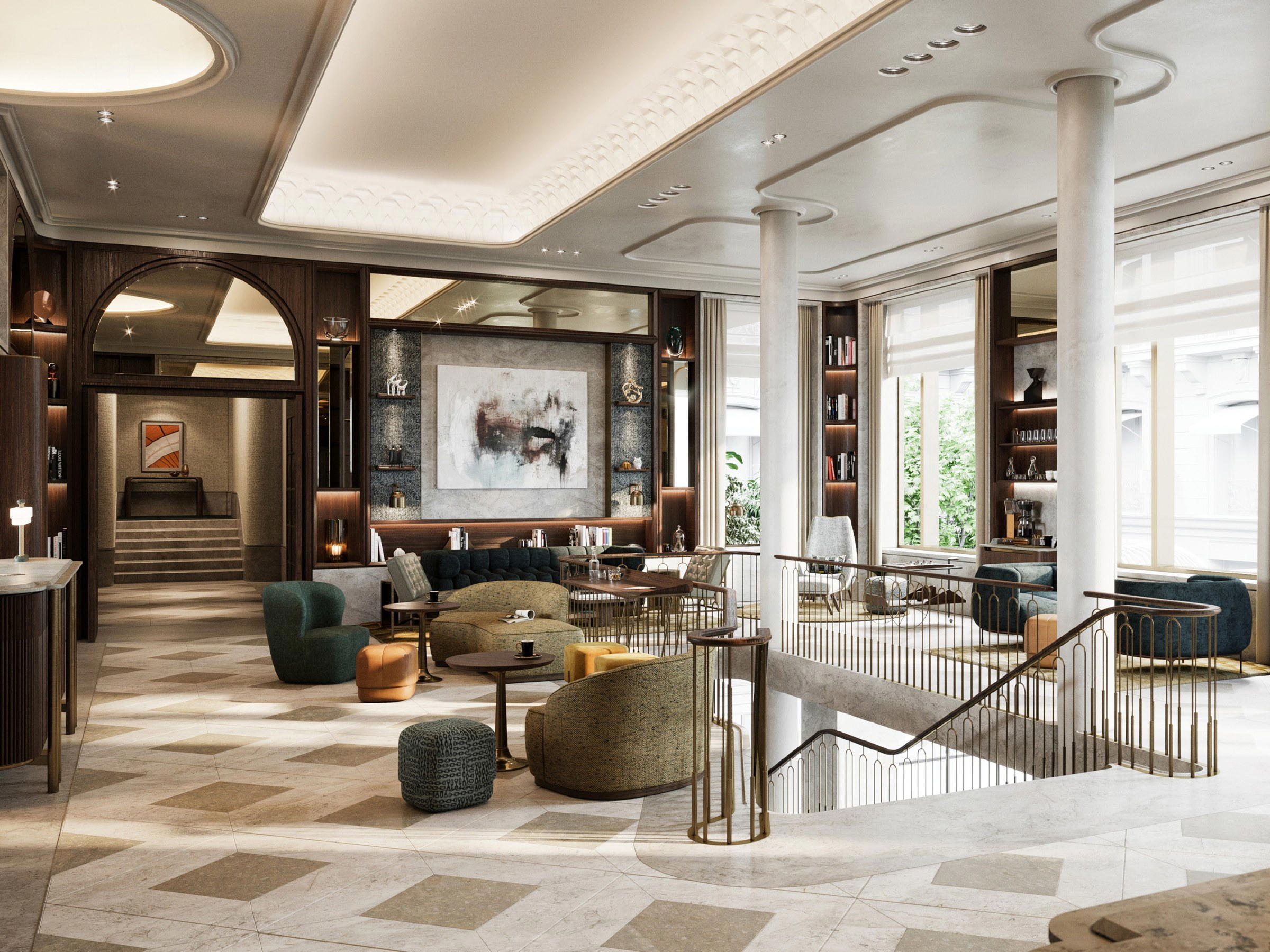
Cozy lounge vibe with bright but relaxed lighting, comfy seating, and welcoming atmosphere.