le VIN 'x
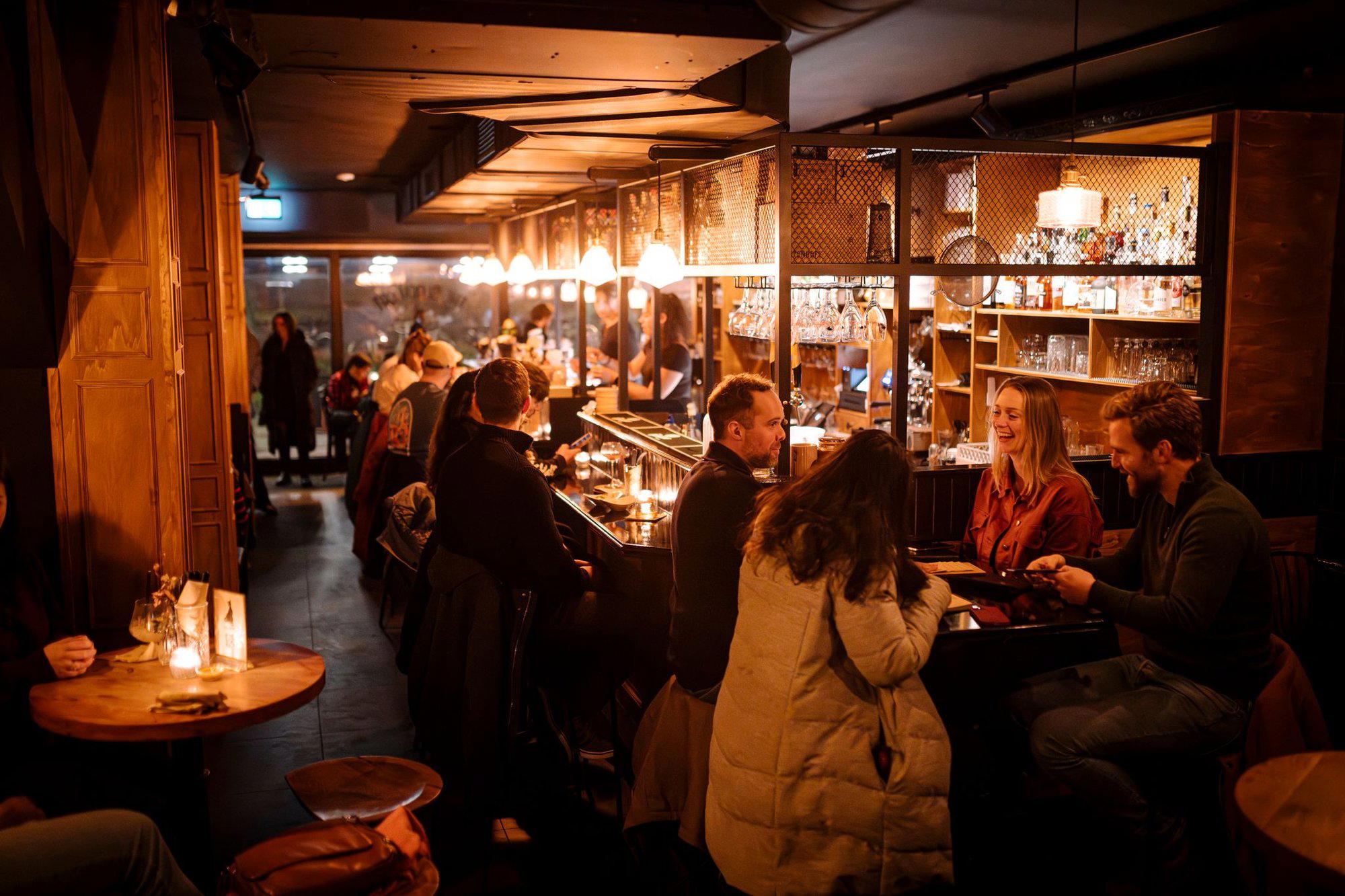
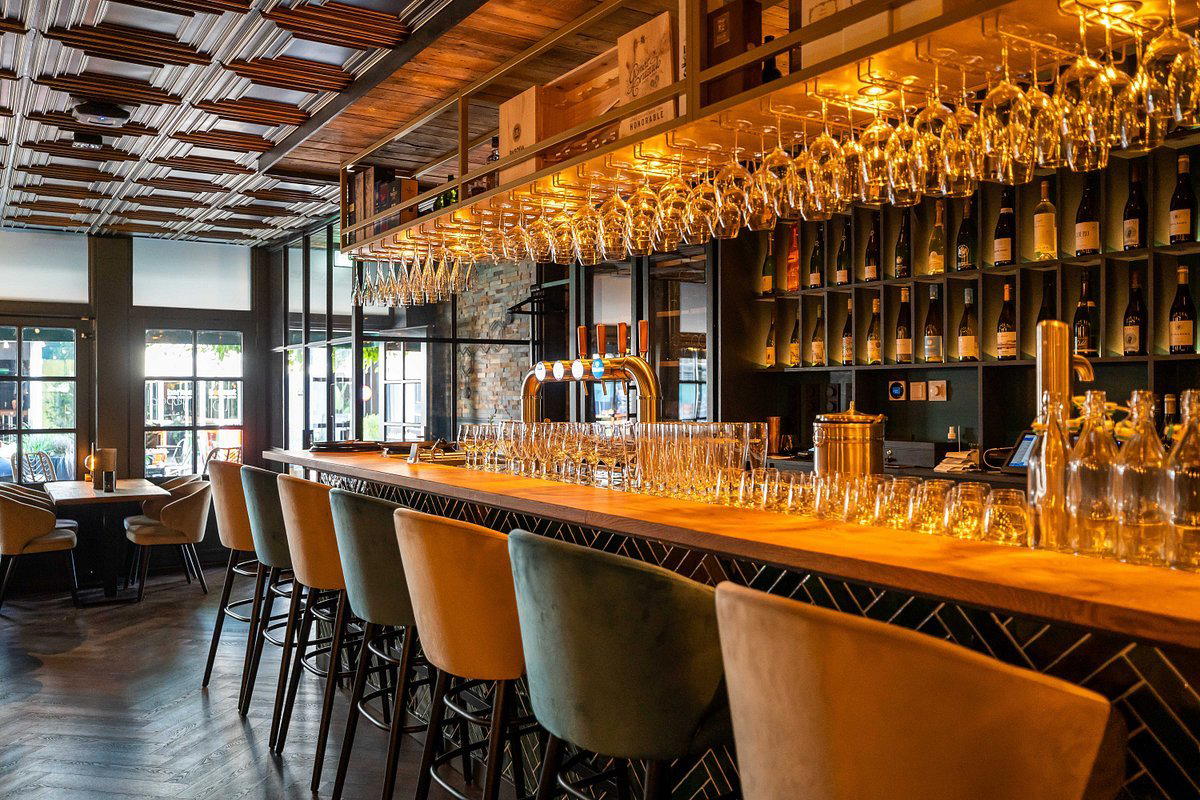
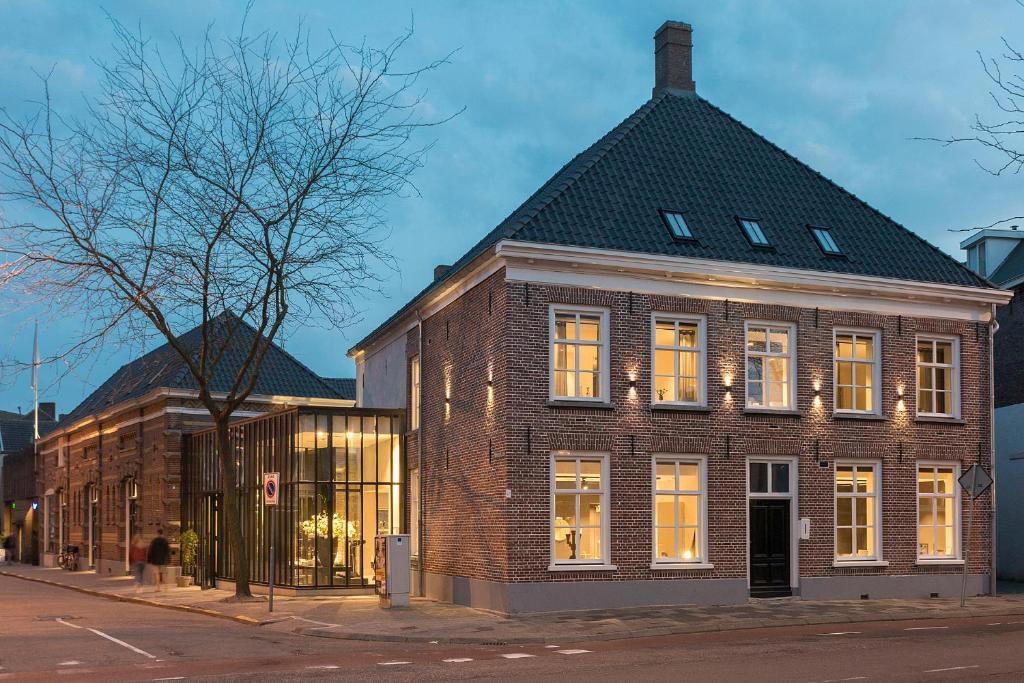
le VIN 'x pairs a French bistro with a sommelier-led, extensive wine list in a historic building on Verwersstraat, set for leisurely dinner.
Pearl is the En Primeur Club membership app — saves, bookings, and concierge access live there. Same editors, same standards.
- Address
- Verwersstraat 18, 5211 HW 's-Hertogenbosch, Netherlands
- Phone
- +31733030287
- Website
- restaurantlevinx.nl
- Directions
- Get directions
 Saves & bookings on Pearl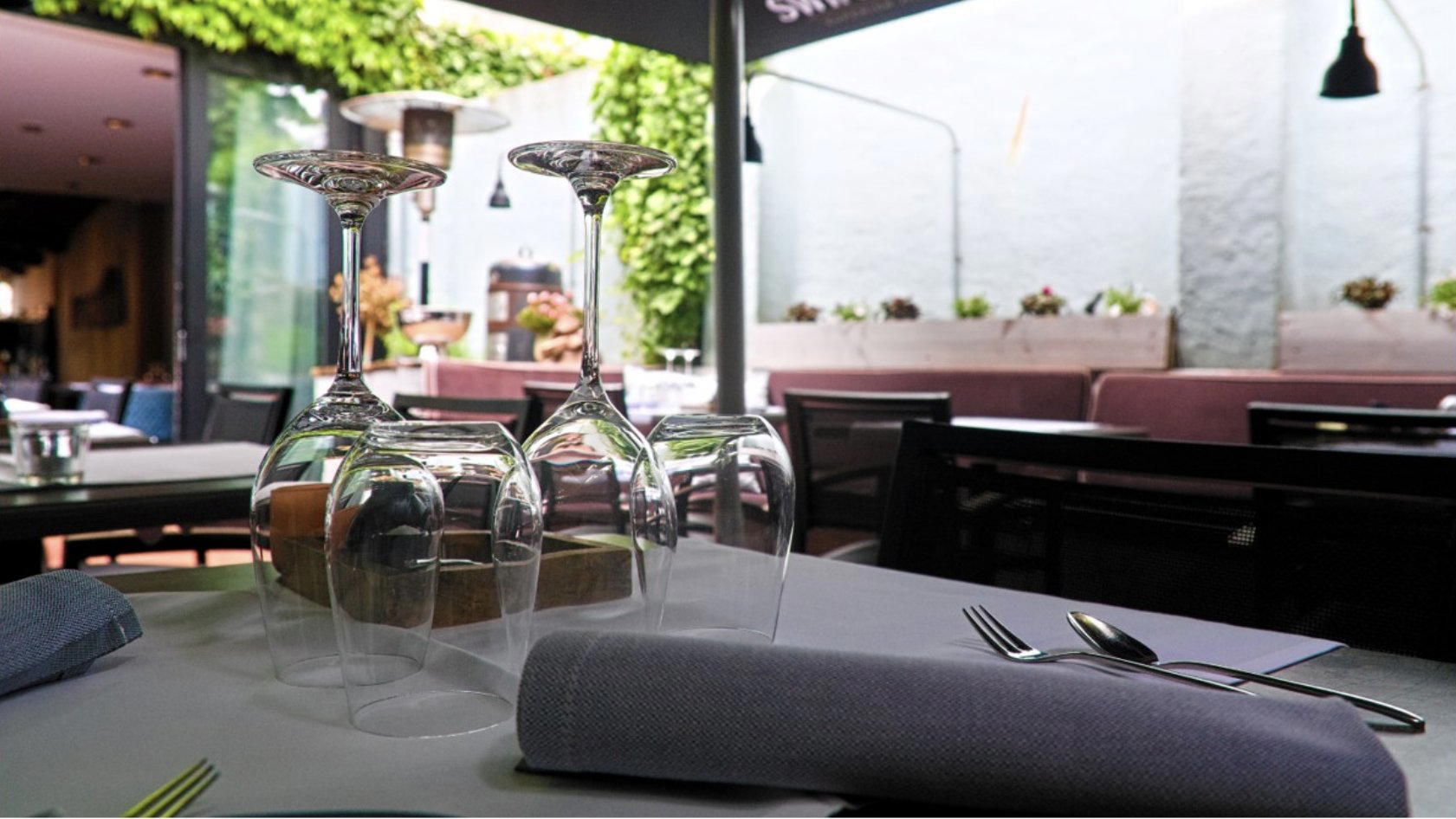
Where 's-Hertogenbosch Keeps Its Wine Bar Tradition
Verwersstraat is one of those streets in 's-Hertogenbosch that rewards slow walking. The medieval city centre of Den Bosch, as locals call it, has sustained a dining and drinking culture that punches well above its population of around 155,000, home to producers of the regional bossche bol, a short drive from Michelin-decorated tables in the broader North Brabant province, and a city that has historically taken food provenance seriously. Wine bars in this city occupy a distinct role: they serve as the connective tissue between the kitchen-focused fine dining tier and the casual neighbourhood café, and le VIN 'x on Verwersstraat sits inside that connector category.
The Street, the Setting, the Room
Approaching Verwersstraat 18 from the central market square, the street narrows through a stretch of independent retailers and older façades, the urban texture that distinguishes Den Bosch from larger Dutch cities where chain retail has displaced character. Wine bars that survive and develop reputations in these surroundings tend to do so on the strength of their selection and the knowledge of the people pouring, rather than on location alone. The address itself signals an independent operator embedded in a neighbourhood with some resistance to formula hospitality.
The broader context for a venue like le VIN 'x is the Dutch wine bar evolution of the past fifteen years. The Netherlands has moved from a wine retail and restaurant model dominated by large importers and generic lists toward a more articulated independent wine culture, particularly in cities like Amsterdam, Utrecht, and increasingly in mid-sized cities in the south. Venues such as Fabuleux, which operates at the €€€ tier in classic cuisine, and Japans Restaurant Shiro show that Den Bosch can sustain high-commitment restaurant formats. A wine bar in this environment competes not just on bottle selection but on whether the food program, sourcing ethic, and room atmosphere hold up against that peer context.
Ingredient Provenance as the Lens
The farm-to-table current running through Den Bosch's dining scene gives any serious wine bar a natural pairing mandate. Venues like Auberge de Veste and Citrus have both built kitchen programs around sourcing from regional producers, North Brabant agriculture, local market relationships, shorter supply chains into the kitchen. For a wine bar operating in the same city, that sourcing expectation extends naturally to what arrives on the plate alongside the glass. The leading Dutch wine bars of this generation treat food as a provenance statement as much as the wine list itself: charcuterie from named regional producers, cheeses from identified Dutch or Belgian artisan makers, vegetables that track season rather than calendar.
This sourcing discipline also maps onto wine selection. The wine bar format across Northern Europe has shifted toward growers over négociants, toward natural and low-intervention producers, and toward regions that had little presence in Dutch wine retail a decade ago, Georgian amber wines, skin-contact Slovenian whites, minimal-sulfur Jura.
For comparison, the broader Dutch fine dining circuit, venues like De Librije in Zwolle, Aan de Poel in Amstelveen, and Ciel Bleu in Amsterdam, have all committed to ingredient sourcing as a core editorial point of their menus. A wine bar in a city with that culinary ambient pressure absorbs the same expectation. Even De Nieuwe Winkel in Nijmegen and De Groene Lantaarn in Staphorst have demonstrated that sourcing credentials matter as much in the Netherlands' secondary cities as they do in Amsterdam.
Den Bosch at This Price Point
The pricing tier for le VIN 'x is €€€, and the address and format type position it within a recognisable segment of the Hertogenbosch dining market. At the €€ level, the tier occupied by Auberge de Veste and Citrus, a venue in this city can sustain a serious wine selection and a well-sourced food program without the cover charge pressure of the €€€ tier. That positioning matters for how the room feels and who uses it: the €€ wine bar is a regular haunt for the city's food-literate residents, not a destination that requires a pre-planned occasion. At €€€, a venue like Fabuleux operates on different terms, with a more formal commitment from the diner.
Wine bars that operate in Den Bosch's mid-tier have the advantage of a resident population that travels well and returns from French markets, Belgian natural wine fairs, and Amsterdam restaurant weeks with a calibrated palate. The demand side of the market is educated, and operators who treat the list with corresponding seriousness tend to develop loyal regulars rather than relying on tourist traffic. The city's medieval centre, including the Sint-Janskathedraal a short walk from Verwersstraat, draws visitors, but the sustained business model for a wine bar on this street is built on repeat custom from people who live and work locally.
Planning a Visit
Den Bosch is reached from Amsterdam in roughly one hour by direct intercity train, from Eindhoven in under thirty minutes, and from Utrecht in around forty-five minutes, making it a realistic day trip or weekend destination from the major Dutch cities. For visitors planning around the restaurant tier, combining the restaurant with a dinner reservation at Faran or an evening at one of the farm-to-table kitchens gives the kind of sequenced eating-and-drinking day that Den Bosch's compact centre supports well. The Verwersstraat location is walkable from the main train station in around fifteen to twenty minutes, or a short cycle on the flat city streets. For context on what similarly positioned independent wine and food destinations look like at the highest tier of the Dutch and international circuits, Brut172 in Reijmerstok, De Bokkedoorns in Overveen, De Lindehof in Nuenen, De Lindenhof in Giethoorn, and 't Nonnetje in Harderwijk provide useful benchmarks for what the Dutch culinary circuit can deliver. Internationally, the sourcing and precision standards set at venues like Le Bernardin in New York City and Atomix in New York City illustrate the global direction of travel for ingredient-led, technically precise hospitality.
A Quick Peer Check
Comparable venues nearby, for context on price, style, and recognition.
| Venue | Cuisine | Price | Awards | Notes |
|---|---|---|---|---|
| le VIN 'xThis venue — the venue you are viewing | French Bistro with Wine Focus | $$$ | Not listed | Not listed |
| Faran | Nikkei (Japanese-Peruvian Fusion) | $$$ | Not listed | Kruisstraat, 's-Hertogenbosch |
| Fabuleux | Modern French-Dutch Fine Dining | $$$ | Michelin Plate | city center |
| Nevel | Modern Farm-to-Table Vegetable Cuisine | $$$ | Not listed | Den Bosch |
| Citrus | Modern Dutch Fine Dining | $$$ | Michelin Plate | centrum |
| Japans restaurant Shiro | Traditional Japanese Kaiseki | $$$$ | Michelin Plate | Uilenburg |
Continue exploring
More in Hertogenbosch
Restaurants in Hertogenbosch
Browse all →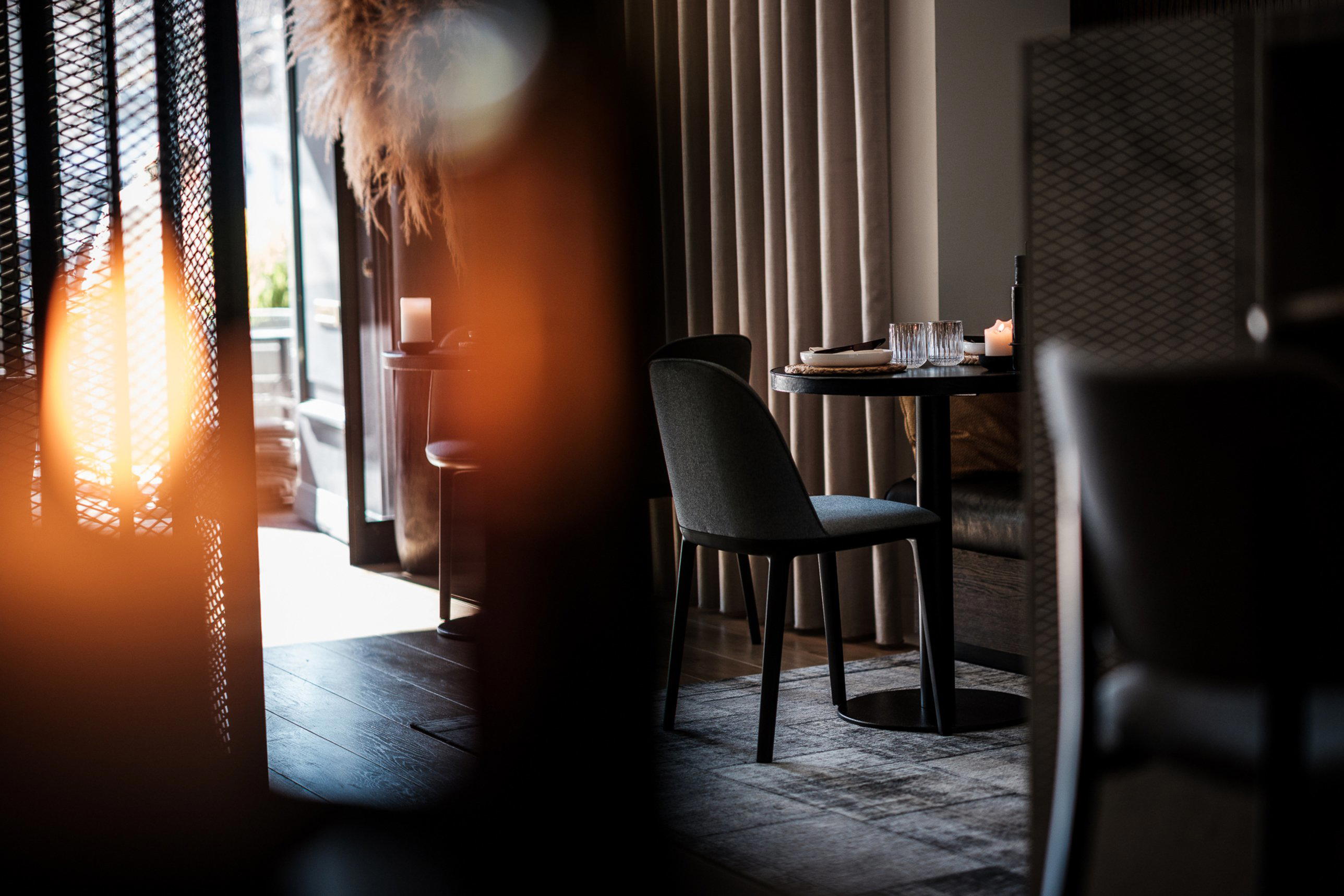
Bars in Hertogenbosch
Browse all →

At a Glance
- Intimate
- Cozy
- Elegant
- Romantic
- Date Night
- Special Occasion
- Business Dinner
- Historic Building
- Wine Cellar
- Extensive Wine List
- Sommelier Led
Current opening hours
- Monday
- Closed
- Tuesday
- 6–10 PM
- Wednesday
- 6–10 PM
- Thursday
- 12:30–10 PM
- Friday
- 12:30–10 PM
- Saturday
- 12:30–10 PM
- Sunday
- Closed
Hours can change for holidays and private events. Last verified .
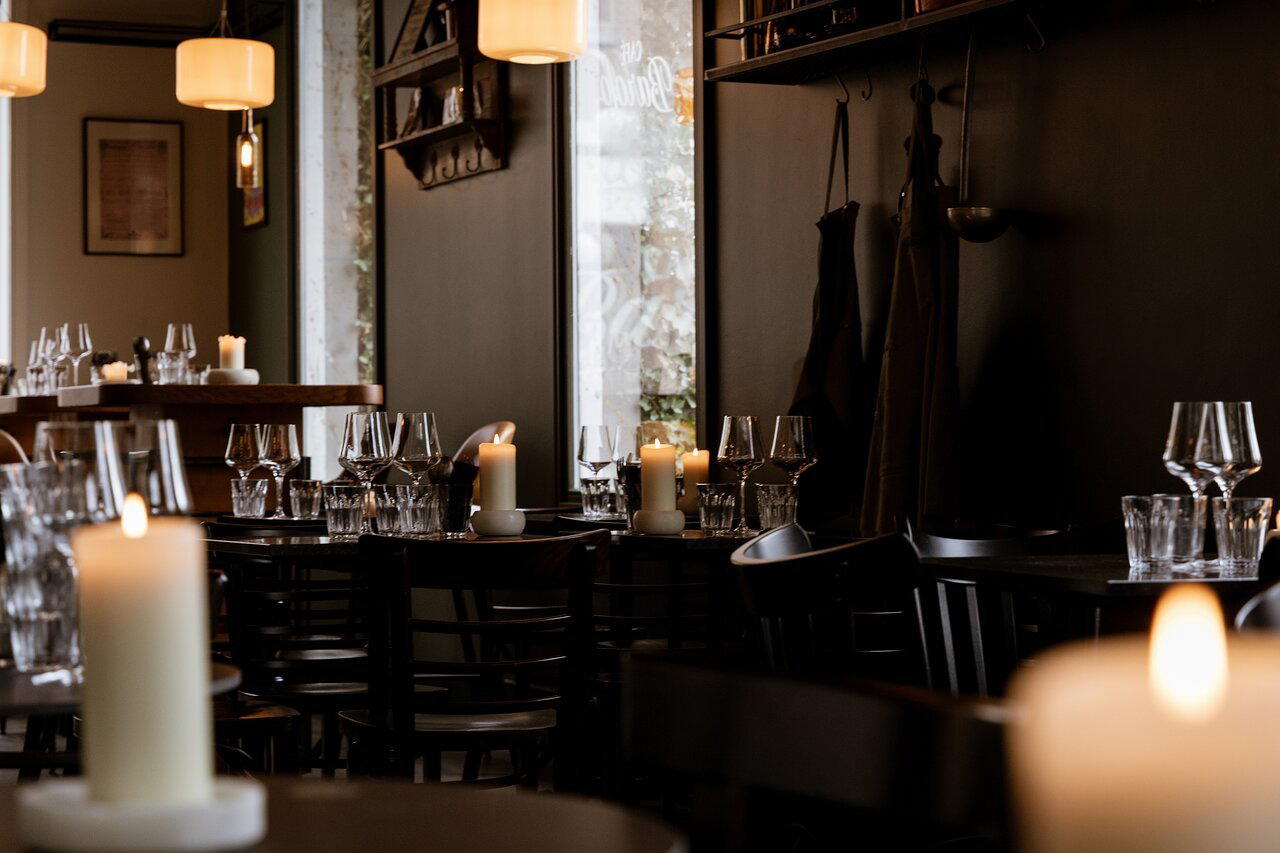
Relaxed yet sophisticated atmosphere in an old building with candlelit ambiance and limited tables creating a cozy, intimate setting.