Faran

On Kruisstraat in the historic centre of 's-Hertogenbosch, Faran occupies a city that punches well above its size in Dutch fine dining. The restaurant sits within a provincial capital that has quietly accumulated serious culinary credentials, and Faran contributes to that reputation through a kitchen evidently committed to the sourcing decisions that define where modern Dutch cooking is heading.
Pearl is the En Primeur Club membership app — saves, bookings, and concierge access live there. Same editors, same standards.
- Address
- Kruisstraat 17, 5211 DT 's-Hertogenbosch, Netherlands
- Phone
- +31738515365
- Website
- restaurantfaran.nl
- Directions
- Get directions
 Saves & bookings on Pearl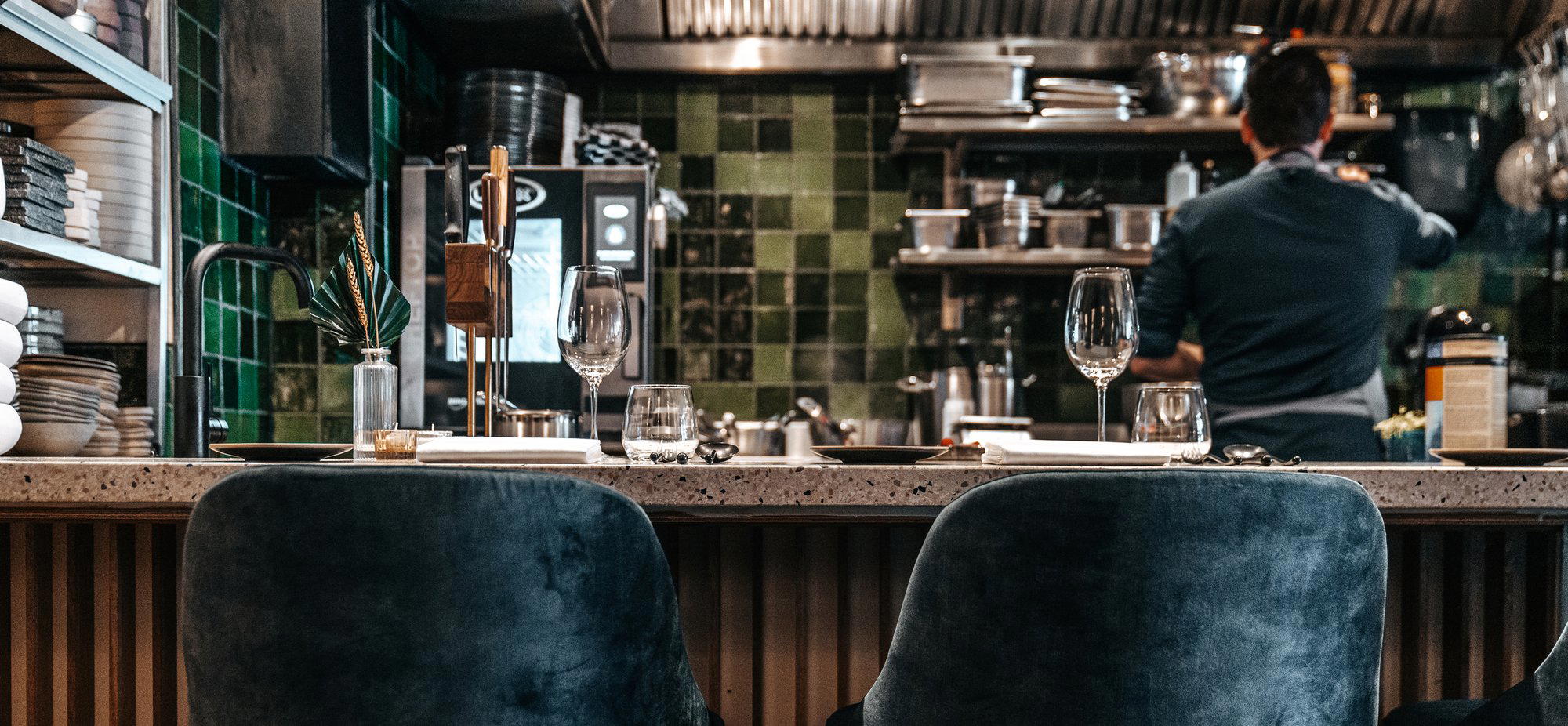
A Street in 's-Hertogenbosch Where Sourcing Does the Talking
's-Hertogenbosch is not a city that announces itself loudly. The medieval centre, the Jheronimus Bosch associations, the canal-threaded streets: all of it operates at a register closer to contemplative than performative. The dining scene follows a similar logic. Where Amsterdam concentrates its fine-dining energy into a handful of high-visibility addresses and Rotterdam builds around a self-conscious modernity, Den Bosch (as locals call it) has accumulated genuinely serious kitchens that tend to be noticed more by the people eating in them than by the wider world outside. Faran, at Kruisstraat 17, sits inside that pattern.
Kruisstraat runs through the older commercial fabric of the city, the kind of street where the building stock is narrow-fronted and vertical, where the light through the windows shifts depending on cloud cover over the flat Brabant sky. Arriving on foot from the Markt, you pass under the weight of a city that has been feeding people at tables for several centuries. That context is worth keeping in mind when you think about what ingredient-led cooking actually means here: this is not a scene built on abstract trend-chasing, but one that is shaped by proximity to the agricultural lowlands and the supply networks of the southern Netherlands.
What Ingredient-Led Cooking Means in Noord-Brabant
Across the premium tier of Dutch restaurant cooking, the sourcing argument has shifted from a marketing point to a structural one. Restaurants in this bracket, from De Nieuwe Winkel in Nijmegen with its organic certification and deep vegetable focus, to De Groene Lantaarn in Staphorst with its radically small team and forage-driven output, are making sourcing decisions that determine the cuisine rather than merely supporting it. The question is no longer whether a kitchen uses regional produce; it is how tightly those supply relationships define the menu's actual architecture.
Noord-Brabant gives kitchens working in this tradition genuine material to work with. The province sits between the Rhine-Meuse delta to the north, the Belgian border to the south, and the Peel moorlands to the east, an area with a distinctive agricultural character that includes game, dairy, river fish, and seasonal forage that differs meaningfully from the coast-oriented supply chains that shape kitchens in Zeeland or South Holland. Inter Scaldes in Kruiningen operates with Zeeland's shellfish and tidal produce at its core; a Brabant kitchen works with different raw material entirely, and that difference is legible on the plate in serious kitchens.
Faran, at its Kruisstraat address, operates within this regional framework. Without publicly documented menus or confirmed sourcing partnerships in the available record, the specific supply relationships the kitchen has built cannot be detailed here. What is clear from its position in a city with established culinary ambition is that ingredient discipline at this level is not optional: it is the entry requirement for the conversation.
Den Bosch in Its Culinary comparable set
To place Faran accurately, it helps to understand where 's-Hertogenbosch sits within the broader Dutch fine-dining map. The city is not in the same bracket as the nationally anchored three-star addresses: De Librije in Zwolle and Ciel Bleu in Amsterdam carry the kind of international recognition that redirects travel itineraries. It is also not operating in the same register as destination-format restaurants like De Lindenhof in Giethoorn, where the location itself functions as part of the experience. Den Bosch is a city-centre dining market, compact and walkable, where the restaurant's relationship to its neighbourhood matters as much as its relationship to any national ranking.
Within the city, le VIN 'x and Nevel represent adjacent points in a scene that has developed enough critical mass to sustain multiple serious addresses. That density matters: cities where a single restaurant carries the entire culinary reputation tend to produce a different kind of dining culture than cities where several kitchens are in productive tension with each other. Den Bosch has reached the latter state, and Faran operates in that more competitive, more interesting environment.
For regional comparison, Tribeca in Heeze and De Lindehof in Nuenen anchor the premium dining circuit of eastern Brabant, while De Treeswijkhoeve in Waalre and Brut172 in Reijmerstok extend the southern Netherlands map further toward the Belgian border. Within that geographic cluster, 's-Hertogenbosch functions as the urban centre of gravity, and Faran on Kruisstraat is positioned close to that centre both literally and figuratively.
Planning Your Visit
Kruisstraat 17 is a short walk from the Markt and the station district, which makes Faran accessible by train from both Amsterdam (roughly ninety minutes on the direct service) and Eindhoven (around thirty minutes), a practical consideration for a city of this size where evening dining often draws visitors from across the province. Booking ahead is advisable at any address operating at this level in a market as compact as Den Bosch: the city's serious restaurants do not have the seat volume to absorb walk-in demand at peak hours.
Readers building a broader Dutch fine-dining itinerary should consult our full S Hertogenbosch restaurants guide alongside references to FG - François Geurds in Rotterdam, 't Nonnetje in Harderwijk, and De Bokkedoorns in Overveen for a sense of how the national picture is distributed across different city types and price tiers. For international reference points on the kind of ingredient-first precision that defines this tier globally, Le Bernardin in New York City and Lazy Bear in San Francisco illustrate how sourcing discipline functions at the summit of the market in other contexts.
Comparable Venues
Comparable venues nearby, for context on price, style, and recognition.
| Venue | Cuisine | Price | Awards | Notes |
|---|---|---|---|---|
| FaranThis venue — the venue you are viewing | Nikkei (Japanese-Peruvian Fusion) | $$$ | Not listed | Not listed |
| Nevel | Modern Farm-to-Table Vegetable Cuisine | $$$ | Not listed | Den Bosch |
| Fabuleux | Modern French-Dutch Fine Dining | $$$ | Michelin Plate | city center |
| Citrus | Modern Dutch Fine Dining | $$$ | Michelin Plate | centrum |
| Auberge de Veste | Classic French with International Flavors | $$$ | Michelin Plate | Binnenstad-Centrum |
| Noble Gastro House | Modern Fusion Gastro | $$$ | Michelin Plate | Bastion Vught |
Recognition history
Dated appearances from independent guides and award organizations, with the underlying list record or original source where available.
Michelin Plate
Michelin
Continue exploring
More in Hertogenbosch
Restaurants in Hertogenbosch
Browse all →
Bars in Hertogenbosch
Browse all →

At a Glance
- Elegant
- Modern
- Sophisticated
- Intimate
- Date Night
- Special Occasion
- Celebration
- Open Kitchen
- Standalone
- Extensive Wine List
- Sommelier Led
Current opening hours
- Monday
- Closed
- Tuesday
- 6:30 PM–12 AM
- Wednesday
- 6:30 PM–12 AM
- Thursday
- 6:30 PM–12 AM
- Friday
- 6:30 PM–12 AM
- Saturday
- 6:30 PM–12 AM
- Sunday
- Closed
Hours can change for holidays and private events. Last verified .
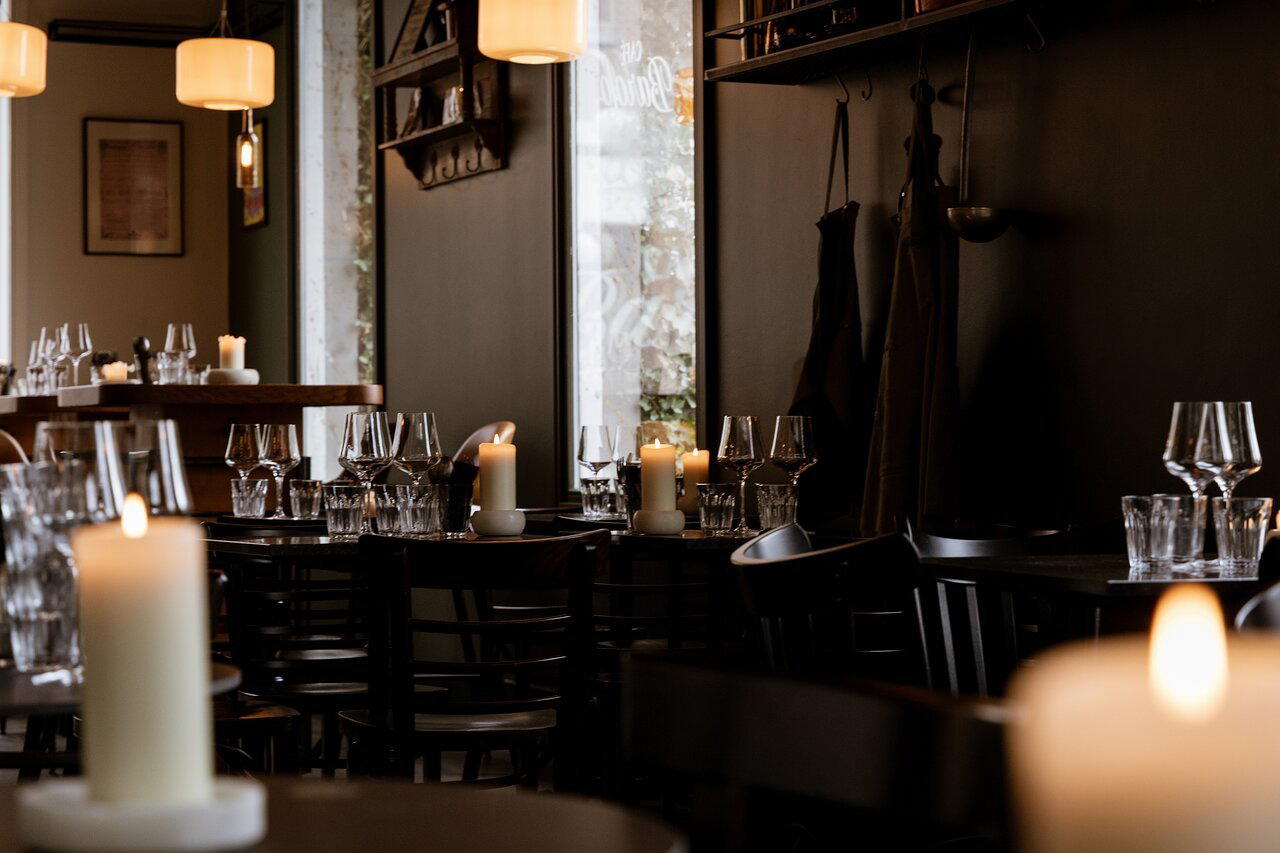
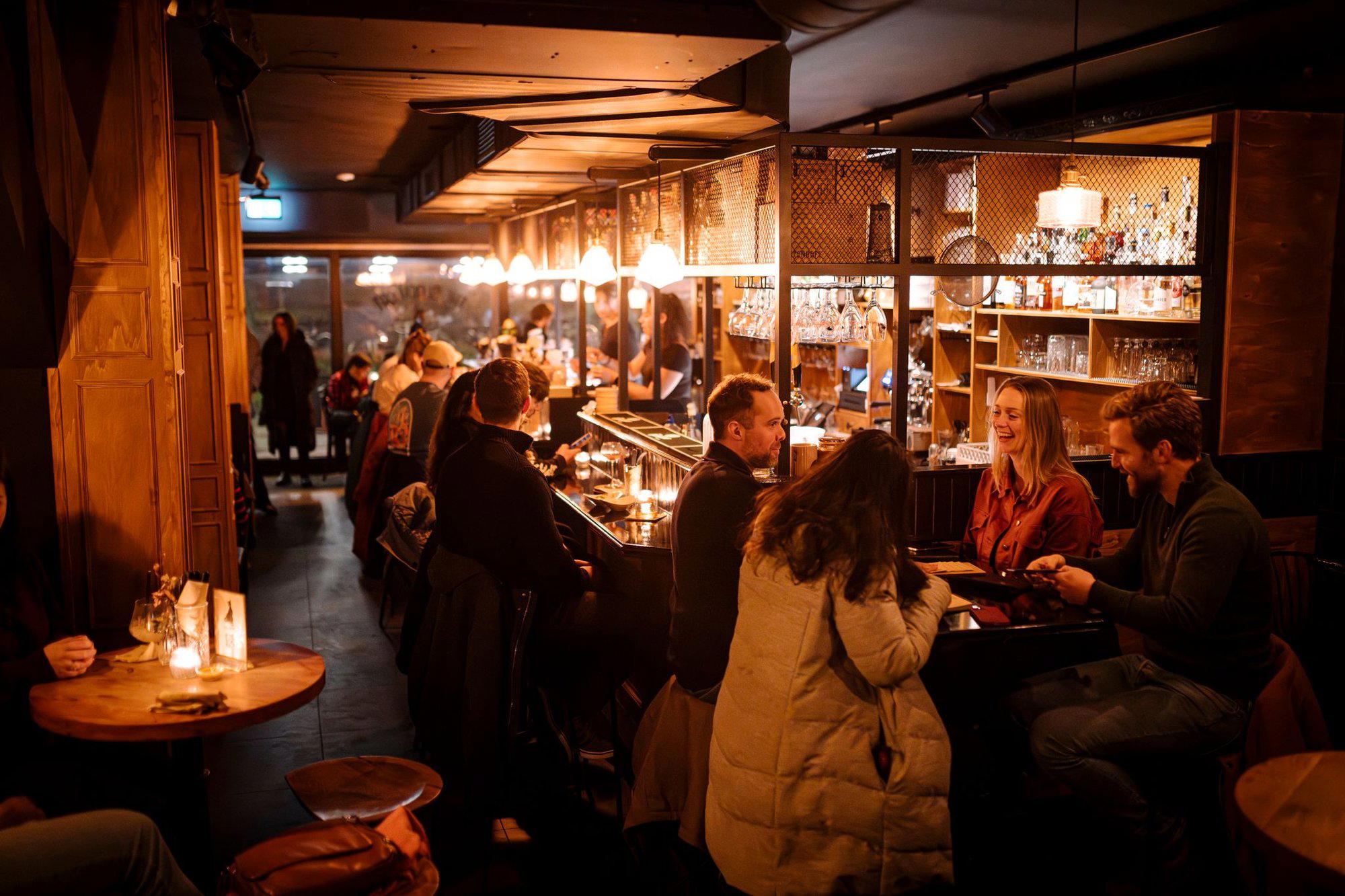
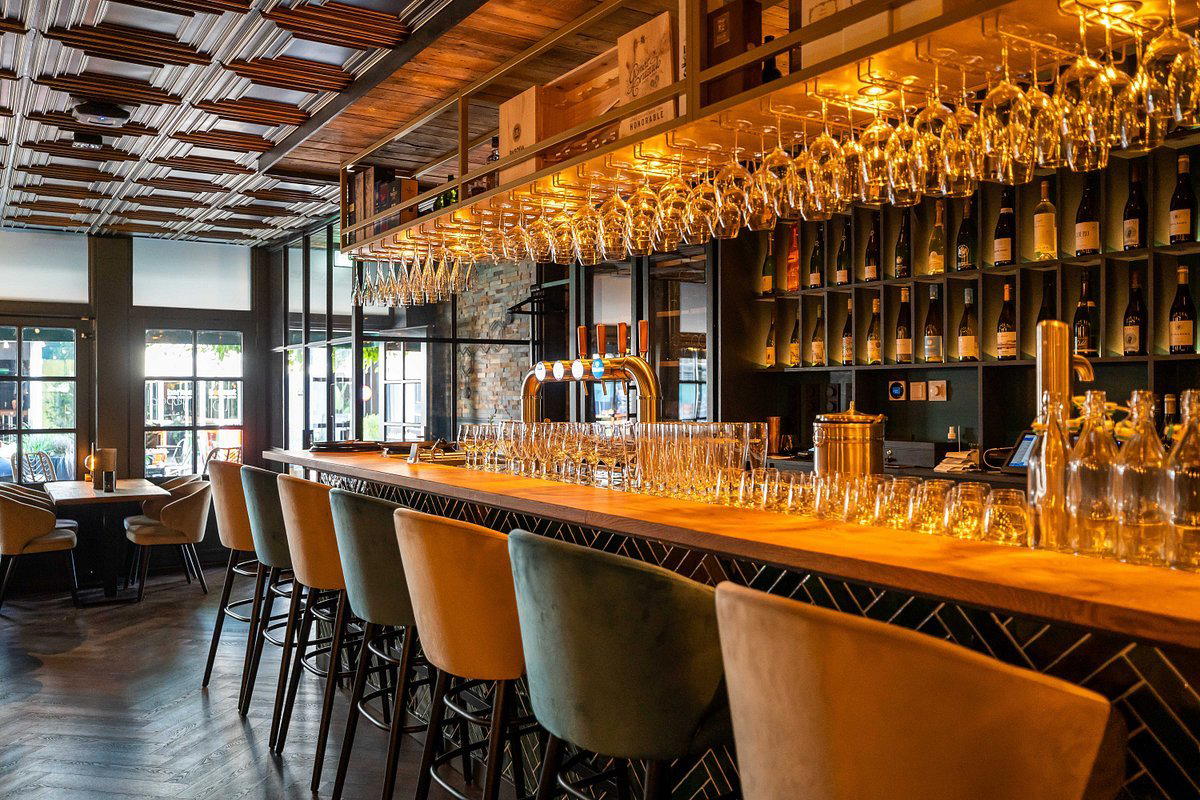
Warm and inviting atmosphere with attentive service; the open kitchen allows guests to observe the young and enthusiastic team at work, creating an engaging and refined dining environment.