Café de Zaak
A Korte Minrebroederstraat fixture in Utrecht's inner city, Café de Zaak draws a crowd that knows the difference between a bar with spirits and a bar built around them. The back bar runs deep, with curation that positions it closer to Amsterdam's serious cocktail operations than to a typical Dutch café. Utrecht's drinking scene is tighter than the capital's, which makes addresses like this one count for more.

Pearl is the En Primeur Club membership app — saves, bookings, and concierge access live there. Same editors, same standards.
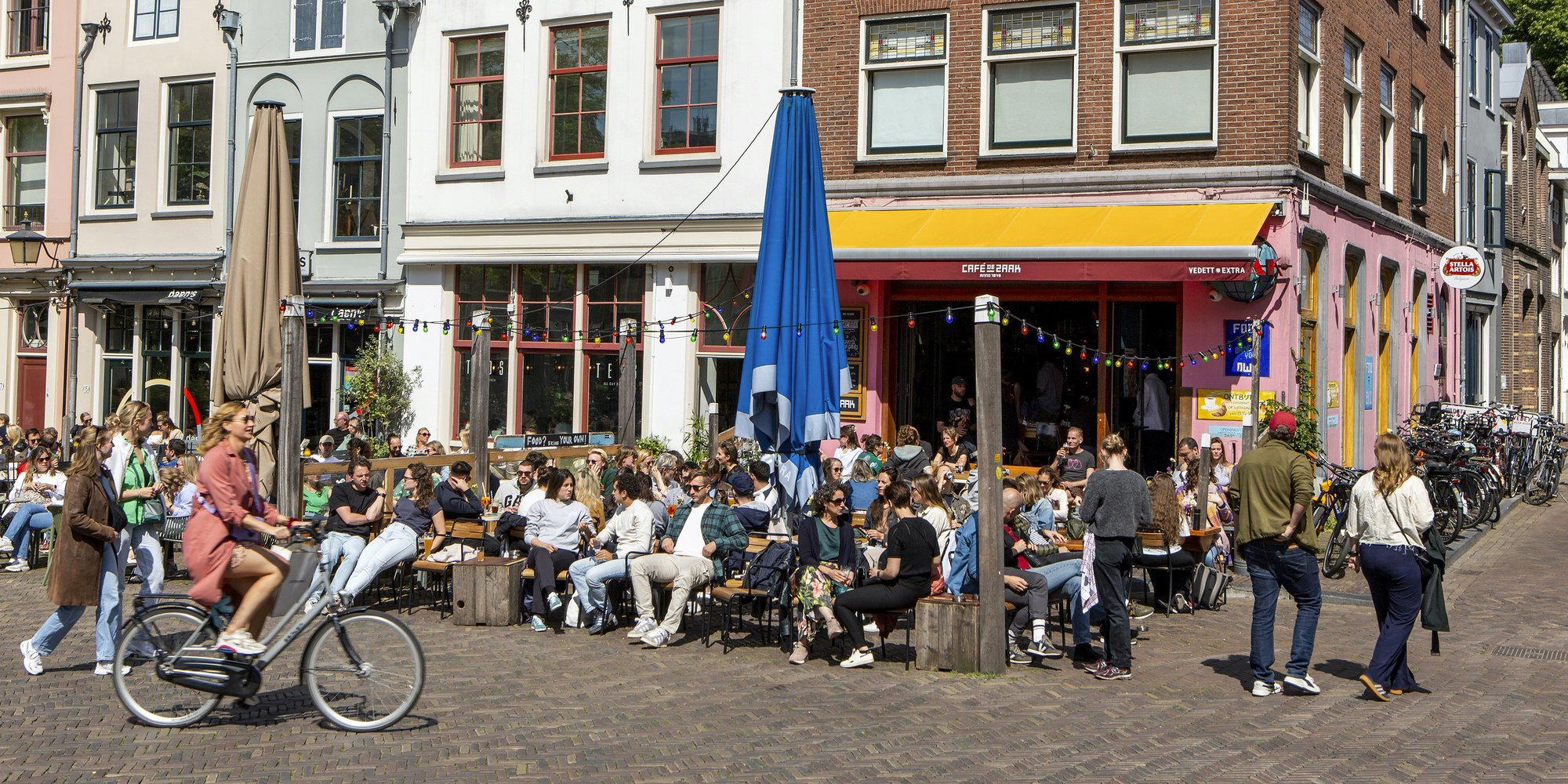
Utrecht's Bar Scene and Where the Serious Drinking Happens
Utrecht occupies an unusual position in the Dutch bar hierarchy. It is large enough to support genuine drinking culture with range and ambition, but compact enough that every credible address becomes a point of orientation for locals and visitors alike. The city's inner canal ring, one of the most intact medieval urban cores in the Netherlands, concentrates its better bars within walking distance of each other, which means the competition for a regular crowd is direct and the tolerance for mediocrity is low. In this context, a bar at Korte Minrebroederstraat 9 is not an accidental location. That stretch of the old city sits within the density of student institutions, independent restaurants, and the kind of foot traffic that sustains a serious drinking operation year-round. Our full Utrecht restaurants guide maps the broader picture, but the bar tier specifically has been growing in ambition over the past several years.
The Dutch bar scene at large has undergone a visible shift. A decade ago, the dominant format was the brown café, the bruine kroeg, with its genever, its Heineken tap, and its closing-time informality. That format remains culturally embedded, but layered on top of it is a generation of operators who have built programs around spirits collections, technique-led cocktails, and the kind of back bar that signals sustained curation rather than a distributor's default selection. Amsterdam led that shift, with venues like Door 74 in Amsterdam establishing the template for what a focused, spirits-serious Dutch bar could look like. Utrecht's version of that shift is quieter but real.
The Back Bar as Editorial Statement
In bars that take spirits seriously, the back bar is not decoration. It is an argument. The range of bottles, the proportion of aged versus unaged spirits, the presence or absence of obscure regional producers, the depth in a single category versus breadth across many: these are choices that communicate a bar's actual priorities more accurately than any menu description. Utrecht has seen more of this thinking enter its drinking culture, and Café de Zaak at Korte Minrebroederstraat 9 sits within that current.
The address places it in the older urban fabric of the city, where the buildings are narrow-fronted and the interiors tend toward depth rather than width. That physical format suits a spirits-led operation: it focuses attention on the bar itself rather than distributing it across a sprawling room. Bars built around collection and curation benefit from that compression. The experience of reading a back bar is more legible when you are close to it. Comparable operations elsewhere in the Netherlands work within similar spatial logic: Florin Utrecht occupies a different part of the city's bar tier, and the contrast between the two addresses is instructive for anyone mapping Utrecht's current drinking options seriously.
Beyond Utrecht, the pattern repeats across Dutch cities. Bowie in The Hague and Café Barolo in Eindhoven represent the kind of independently operated bar that has pushed the national conversation past the brown café baseline. In the north, Café Lily in Groningen fills a similar function. The geography matters: these are not Amsterdam satellites. They are local institutions with their own competitive contexts, and Café de Zaak belongs to that category of address.
What the Spirits Collection Signals
A bar's spirits collection is a form of editorial curation. Every bottle on the back bar is a decision: to carry an aged agricole rum signals a different set of priorities than stocking a dozen blended Scotch expressions at the well. The presence of Dutch genever in depth, alongside international spirits, signals an operation that understands its geographic inheritance without being provincial about it. The Netherlands has a legitimate claim to one of the world's original distilling traditions, and bars that treat genever as a serious category rather than a heritage prop occupy a more credible position in the local drinking culture.
Whisky depth, if present, typically skews toward single malts from independent bottlers in bars of this type, which reflects a buyer who is sourcing rather than simply ordering from a standard portfolio. Mezcal and agave categories have entered serious Dutch back bars over the past five years, moving from novelty into regular rotation. The presence or depth of any of these categories at a specific address tells you something real about who is doing the buying and what their reference points are.
For comparison outside the Netherlands, the back bar logic at operations like Bar Leather Apron in Honolulu or the coffee-and-spirits intersection at Espressobar Kopi Soesoe in Rotterdam illustrates how different bars use their collections as distinct editorial positions, not just inventory. Brasserie Lalou in Delft takes a wine-forward approach to the same instinct. The range of strategies across Dutch cities makes the individual choices at any given address more legible in context.
Atmosphere and Physical Context
Korte Minrebroederstraat sits in the part of Utrecht where the street grid is tight and the distances between addresses are short. The neighbourhood is walkable from Utrecht Centraal station, and the density of the inner city means that an evening can move naturally between addresses without covering much ground. That ease of movement is part of why Utrecht's bar scene functions as a scene rather than a collection of isolated operations: proximity enables comparison and sustains regulars.
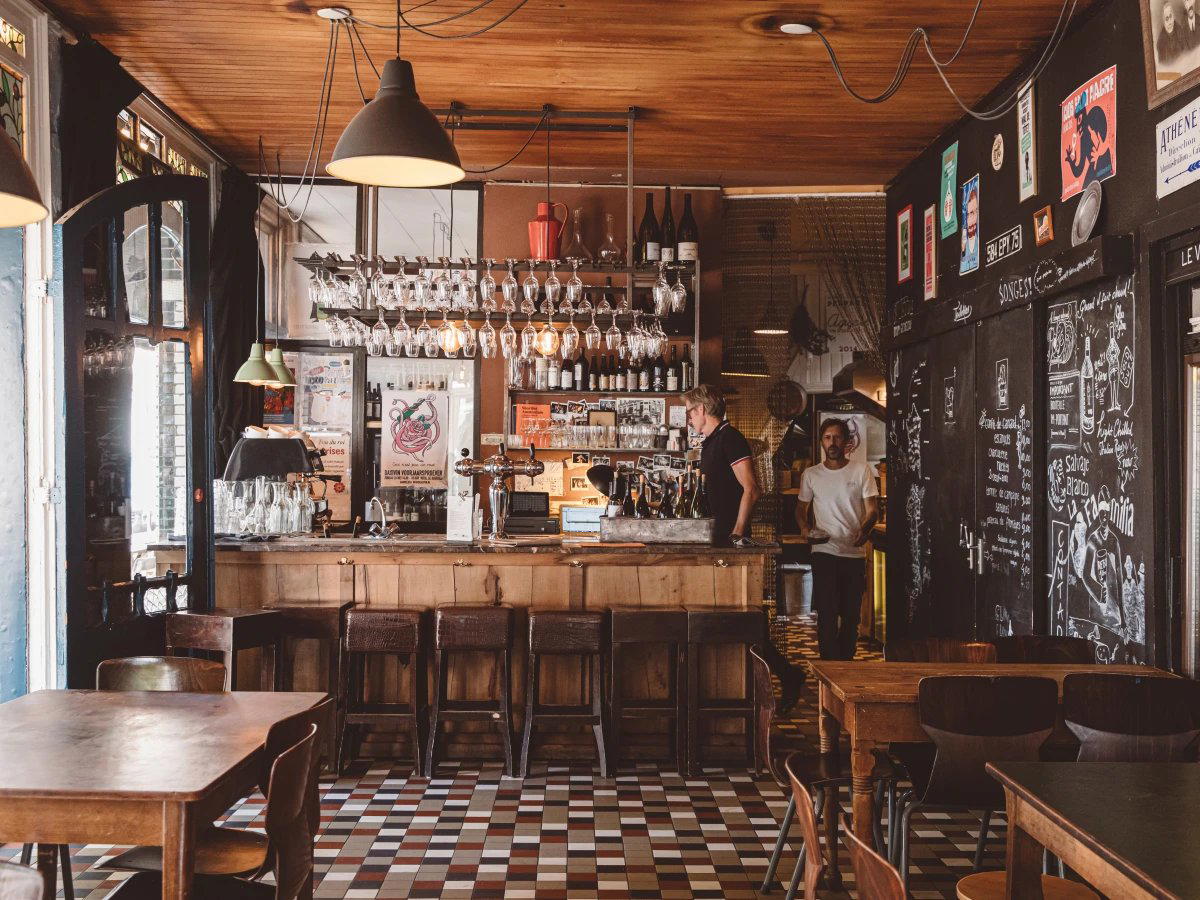
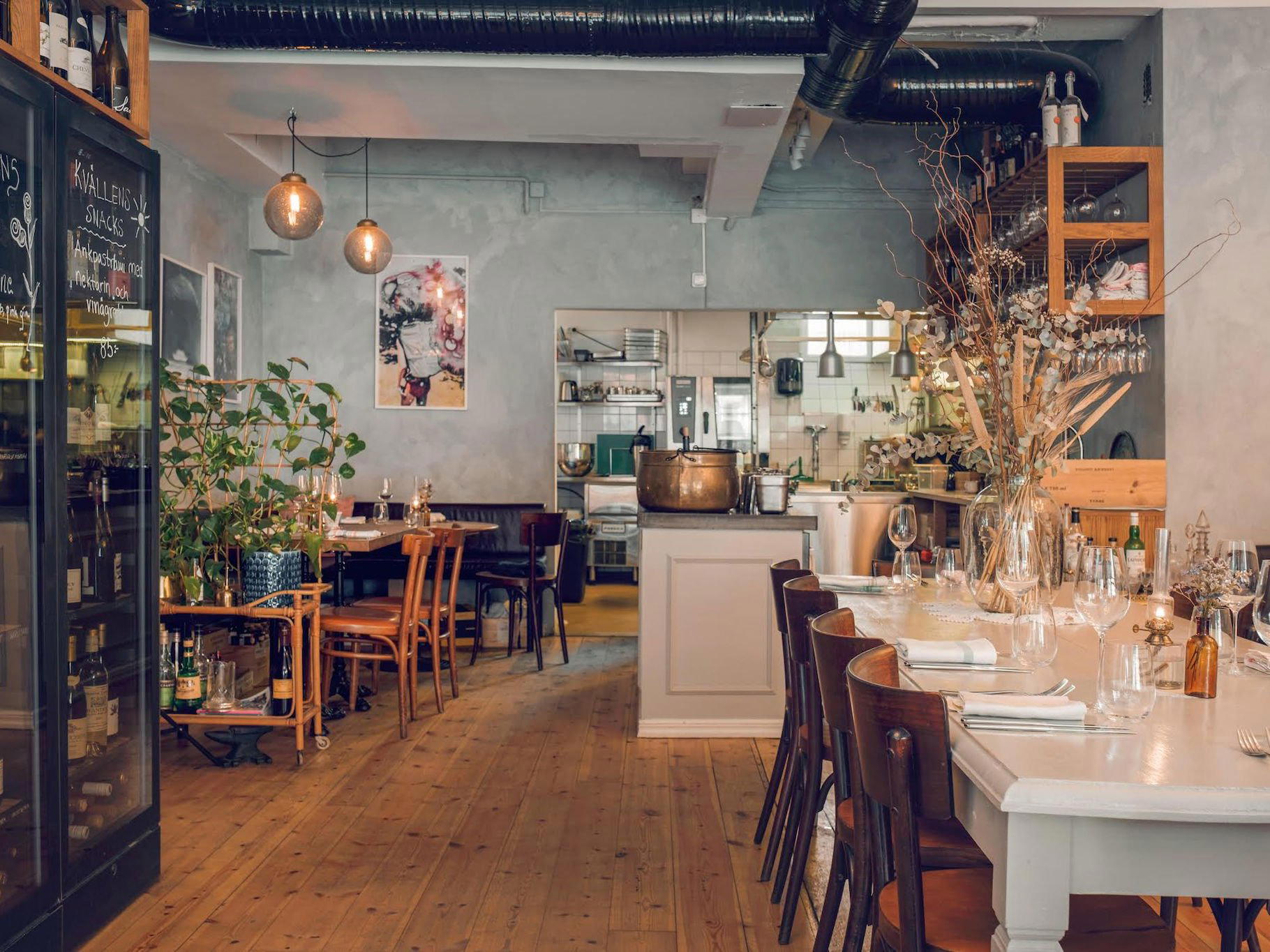
The atmosphere in bars on streets like this one tends to sit between the brown café warmth and the more clinical precision of a dedicated cocktail operation. The physical environment, wood surfaces, low light, and the particular acoustic quality of old Dutch interiors, creates conditions where extended drinking is the expected format rather than a quick round. An evening at an address like Café de Zaak is structured by the logic of the Dutch café tradition even when the spirits program extends well beyond it.
Other operations in the broader Dutch geography worth cross-referencing for atmosphere: Het Witte Paard in Etten-Leur, Hotel de Blanke Leading in Cadzand, and Boode Foodbar in Bathmen each occupy different points on the spectrum between destination address and local institution. Café de Zaak reads as the latter, which in a city Utrecht's size is a position worth more than any singular accolade.
Planning Your Visit
Café de Zaak is located at Korte Minrebroederstraat 9, 3512 GG Utrecht, in the inner-city ring that is most efficiently reached on foot from Utrecht Centraal. The surrounding area concentrates enough of Utrecht's drinking and dining options that combining an evening here with other stops on the same street or nearby canals requires minimal planning. Walk-in is the standard approach for Dutch café culture at this address tier; booking ahead is not the expected format. Visiting on a weeknight gives a clearer read on the bar's actual character than a Friday or Saturday, when foot traffic from the broader city tends to compress the more specific atmosphere that defines addresses like this one.
Budget and Context
Comparable venues nearby, for context on price, style, and recognition.
| Venue | Cuisine | Price |
|---|---|---|
| Café de ZaakThis venue (the venue you are viewing) | Neude Janskerkhof en Domplein, pub | $10–20 |
| Florin Utrecht | city center, pub | $20–30 |
Continue exploring
More in Utrecht
Bars in Utrecht
All bars in Utrecht →
Restaurants in Utrecht
All restaurants in Utrecht →
Hotels in Utrecht
All hotels in Utrecht →
Wineries in Utrecht
All wineries in Utrecht →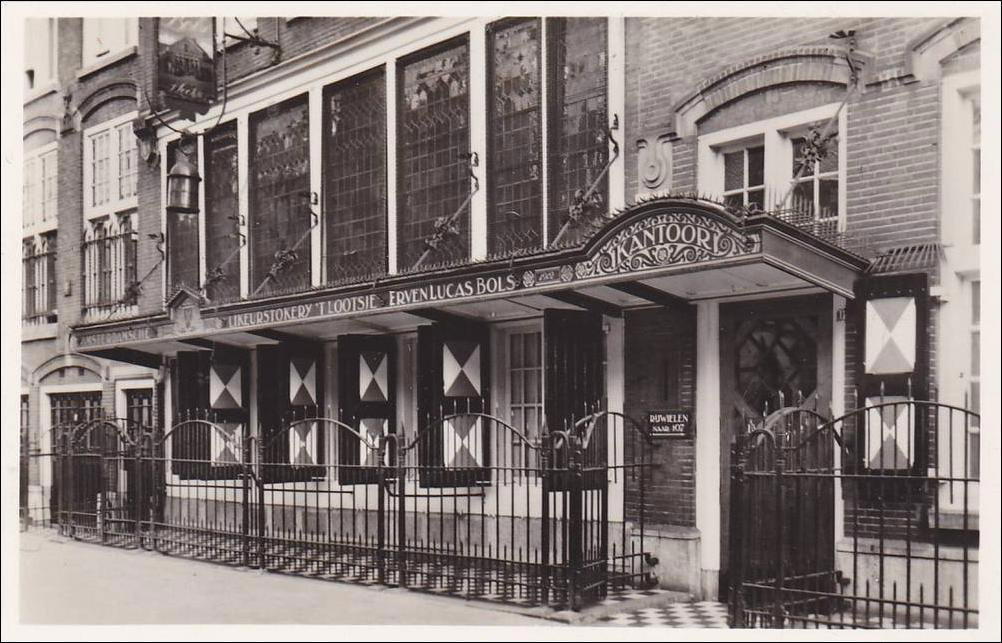
Details
- Cozy
- Lively
- Casual Hangout
- After Work
- Standalone
- Seated Bar
- Craft Beer
Current opening hours
- Monday
- 8 AM–1 AM
- Tuesday
- 8 AM–1 AM
- Wednesday
- 8 AM–1 AM
- Thursday
- 8 AM–2 AM
- Friday
- 8 AM–2 AM
- Saturday
- 9 AM–2 AM
- Sunday
- 10 AM–1 AM
Hours can change for holidays and private events. Last verified .