


1 Michelin Star · Star Wine List · We're Smart World 2 Radishes
Our verdict
At Lutum, the landscape speaks first. Named for the fertile clay that nourishes its produce, this serene dining room channels a refined, Zen-like calm—branches etched in décor, textures that echo the forest, and a measured hush that primes the senses. The kitchen translates terroir into modern poetry: a surprise menu that champions local gardens and food forests, elevated with judicious global whispers of koji and miso. Expect ingenuity with purpose—silken coulis made from pak choi leaves, crystalline slush from its stems, and a tandoori warmth threaded with floral complexity. Sauces are a quiet obsession here, culminating in a red wine and cardamom reduction that wraps venison in deeply layered aromatics. Lutum is an ode to nature, meticulously crafted and undeniably vibrant.

Pearl is the En Primeur Club membership app, where members save venues, book tables and use the concierge.
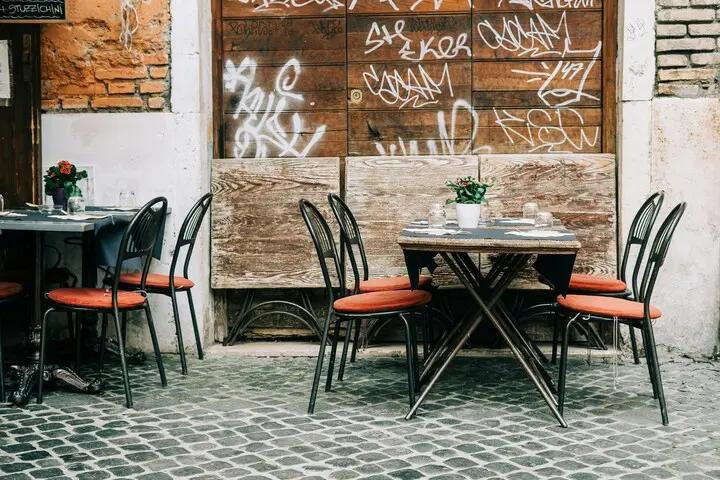
Clay, Soil, and a Kitchen That Means It
The market square of Wijk bij Duurstede is the kind of place that makes you recalibrate what a fine-dining destination looks like. There is no urban backdrop of towers and taxis, no density of competing reservation lists. At Markt 15, the building sits within a quiet provincial grid, and the interior signals its intent before a dish arrives: a natural, Zen-inflected room where decorative elements recall bark and branch rather than hotel-lobby gloss. It is the physical argument that what is happening here is tethered to place in a way that many city-centre restaurants, whatever their ambitions, cannot fully replicate.
That tethering is not incidental. Lutum takes its name from the Latin word for the clay-rich, fertile soil characteristic of this part of the Utrecht region, and its working slogan, Volg de natuur ("Follow nature"), is less a brand line than a technical commitment. The name and the phrase together do something unusual: they set a standard the restaurant then has to meet every service. The 2024 Michelin star, awarded for the kitchen's creative cooking, suggests that standard is being met.
Where the Ingredients Come From, and Why That Changes the Cooking
The sourcing argument at Lutum is worth examining carefully, because it differs from the fashionable local-ingredient claim that many restaurants make without much operational backing. Here, produce comes directly from local gardens and food forests in the surrounding area, meaning the kitchen's relationship with primary ingredients is supply-chain short in a way that affects what ends up on the plate in practical rather than rhetorical terms. When the gap between harvest and kitchen is measured in kilometres rather than distribution networks, the cooking strategy changes: you cannot paper over seasonal gaps with imports, and you cannot fake freshness.
This supply constraint shapes the surprise menu format the kitchen operates. A fixed surprise menu, designed with waste minimisation as an active principle, forces the team to work within what is available and to find solutions across the full range of an ingredient rather than cherry-picking its easiest parts. The result, based on documented accounts, includes constructions like multiple pak choi preparations served together, where the leaf becomes a coulis and the stem is processed into a slushy, the whole thing inflected with tandoori spice and floral complexity from different blooms. That kind of lateral thinking with a single vegetable is harder to execute when you are not deeply familiar with your raw materials, and it is the kind of cooking that tends to emerge from kitchens that have built genuine relationships with producers.
The international dimension matters too. The kitchen does not treat local sourcing as an isolationist position. Ingredients like koji and miso appear within the menu alongside the regional produce, bringing fermentation traditions from Japan into contact with Dutch terroir. This is consistent with how the more interesting strand of contemporary Netherlands cooking has developed: using international technique and ingredient knowledge as a lens for local product rather than as a replacement for it. Restaurants like De Nieuwe Winkel in Nijmegen have worked a comparable organic-and-technique angle at a higher price tier, and Codium in Goes operates within a similar creative and €€€ bracket, using coastal terroir as its editorial anchor. Lutum's position in that broader Dutch terroir-led conversation is well-established.
The Surprise Menu and the Logic of a Single Format
Lutum operates on a surprise menu format, which in the current Netherlands fine-dining market is a deliberate structural choice rather than a novelty. The format has become a standard at restaurants where the kitchen's relationship with seasonal supply demands flexibility that a fixed printed menu cannot accommodate. At the €€€ price tier, it positions Lutum below the €€€€ bracket occupied by peers such as Aan de Poel in Amstelveen, Fred in Rotterdam, or De Librije in Zwolle, while still operating within the Michelin-starred tier of Dutch creative cooking.
That price differential is meaningful for how the restaurant sits in the market. A Michelin-starred creative menu at €€€ rather than €€€€ makes Lutum accessible to a slightly broader tier of diner than many of its starred peers, and it makes the destination case for travelling to Wijk bij Duurstede more direct to argue. The town is not a conventional restaurant-destination city, but a single address operating at this level of recognition changes the calculus for a day or weekend trip from Utrecht or Amsterdam.
Documented accounts of the cooking consistently highlight the sauces as a point of difference. A red wine and cardamom-based sauce served with venison has drawn specific attention, and it is a useful example of how the kitchen integrates technique with produce logic: game sourced from the surrounding region, treated with a sauce that brings aromatic depth without obscuring the material. That kind of sauce work, where the reduction or infusion adds a layer of complexity rather than simply seasoning, is technically demanding and tends to separate kitchens that understand classical French structure from those that are riffing on it decoratively.
The Star Wine List White Star, published in July 2025, adds a drinks-programme dimension to Lutum's recognition profile. Wine-list awards at this level typically indicate a list with range and coherence rather than simply a selection of recognisable labels, which matters in the context of a menu built around surprise courses and seasonal shifts. A well-constructed wine list in that context needs to be navigable by staff who can guide pairing decisions course by course, since the diner has no advance menu to cross-reference.
The physical room reinforces the kitchen's stated values without being heavy-handed about it. The natural, Zen-inflected decor, with decorative references to trees and organic forms, creates a context for the food without theatricalising it. This is a different instinct from the high-drama plating and design-statement rooms that dominate the upper tier of Dutch restaurant culture, and it reads as a considered position rather than a budget compromise. Comparable creative restaurants in the Netherlands that have leaned into natural materials and low-key atmospheres include De Groene Lantaarn in Staphorst and De Bokkedoorns in Overveen, both operating at similar or adjacent positions in the Dutch starred landscape. Further afield in the creative Dutch fine-dining tier, Brut172 in Reijmerstok, Inter Scaldes in Kruiningen, and De Lindehof in Nuenen each occupy their own regional niches at the €€€€ tier. De Lindenhof in Giethoorn and Ciel Bleu in Amsterdam occupy higher price and profile brackets, while 't Amsterdammertje in Loenen aan de Vecht offers a creative €€€ format in a similarly quiet non-urban setting.
Planning a Visit
Wijk bij Duurstede sits southeast of Utrecht, accessible by car and, for those without one, via public transport connections from Utrecht Centraal followed by onward transit. The address at Markt 15 places the restaurant directly on the town's central square, which removes the navigation question entirely on arrival. Given the surprise menu format and the restaurant's profile, booking in advance is advisable; the combination of a single format, limited seating implied by the intimate room design, and Michelin recognition typically produces forward pressure on reservations. For anyone building a full visit around the region, the guides to restaurants, hotels, bars, wineries, and experiences in Wijk bij Duurstede provide the surrounding context. The price tier at €€€ means the meal sits in a range that is serious without being prohibitive for a dedicated evening out.
Frequently asked questions
Is Lutum child-friendly?
Lutum's format, a single surprise menu with no à la carte alternative, is built around a focused tasting progression. The intimate, Zen-inflected room and the kitchen's emphasis on considered composition make it better suited to adult diners engaged with tasting-menu dining than to young children.
What's the overall feel of Lutum?
The room draws directly on the restaurant's 'Volg de natuur' philosophy: natural materials, organic decorative forms referencing trees, and a low-key atmosphere that reads as deliberate rather than sparse. At the €€€ price point with a Michelin star, the tone is serious but not stiff.
What distinctions does Lutum have?
Lutum has received recognition including: Restaurant Lutum is a restaurant in Wijk bij Duurstede, Netherlands. It was published on Star Wine List on July 18, 2025 and is a White Star.; With a slogan like Volg de natuur ("Follow nature") and a name that refers to the fertile, clay-r….
What dish is Lutum famous for?
Lutum runs a surprise format, so no fixed signature dish circulates the menu permanently. The kitchen has drawn consistent attention for its sauce work, particularly a red wine and cardamom reduction served with venison, and for inventive pak choi preparations that combine leaf coulis, stem slushy, tandoori spice, and floral elements.
In Context: Similar Options
| Venue | Cuisine | Price | Awards | Notes |
|---|---|---|---|---|
| LutumThis venue (the venue you are viewing) | Modern Dutch Contemporary | $150–200 | 1 Michelin Star · Star Wine List | Not listed |
| De Librije | Modern Dutch Fine Dining | $200–300 | 3 Michelin Stars · World's 50 Best #46 | Modern Cuisine |
| Aan de Poel | Modern French Fine Dining | $150–200 | 2 Michelin Stars · La Liste Top Restaurants | Creative |
| De Lindehof | Contemporary Dutch, Creative | Not listed | Michelin 2 Star | Not listed |
| Fred | Modern French Fine Dining | $200–300 | 2 Michelin Stars · La Liste Top Restaurants | Creative French |
| De Nieuwe Winkel | Botanical Fine Dining | $300–500 | 2 Michelin Stars · La Liste Top Restaurants | Organic |
Recognition history
Dated appearances from independent guides and award organizations, with the underlying list record or original source where available.
Michelin 1 Star
Michelin
Star Wine List
Star Wine List
We're Smart World 2 Radishes
We're Smart World
Full recognition history (4 entries)
Michelin 1 Star
Michelin
Continue exploring
More in Wijk bij Duurstede
Restaurants in Wijk bij Duurstede
All restaurants in Wijk bij Duurstede →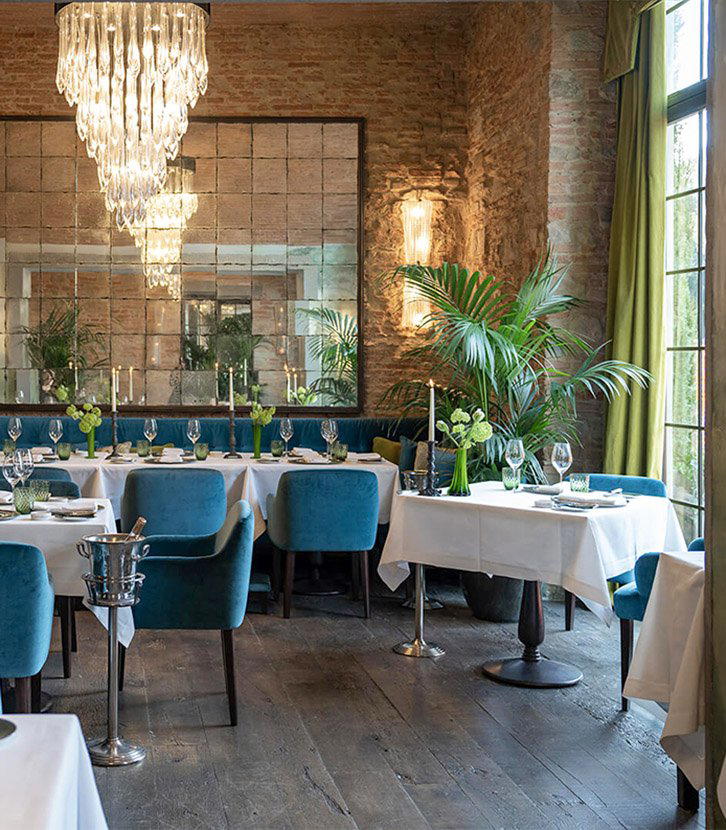
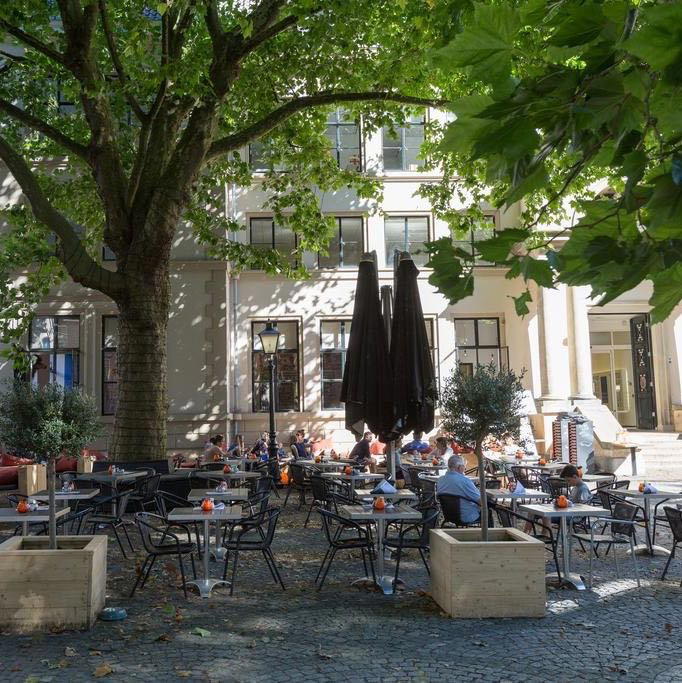
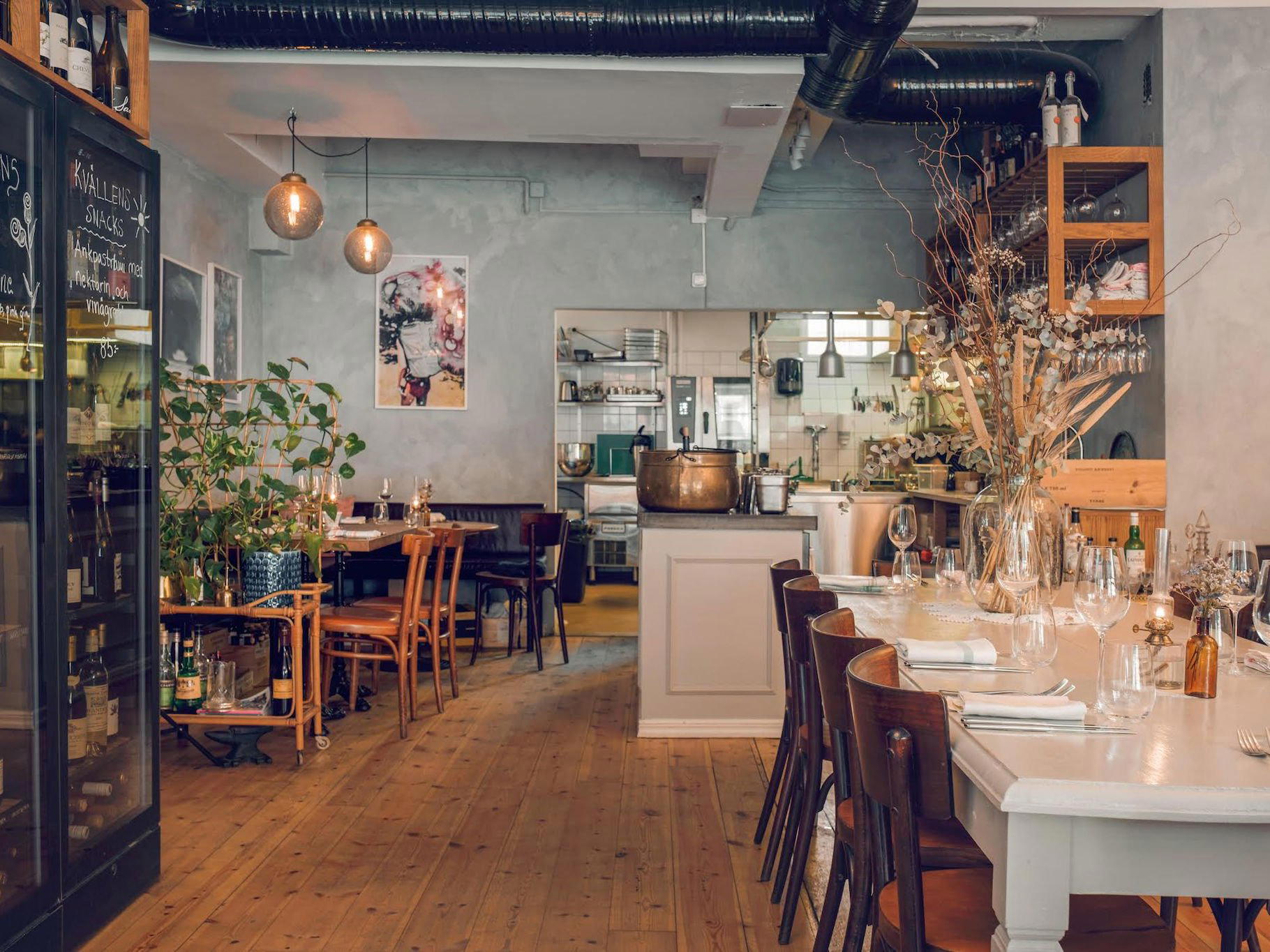
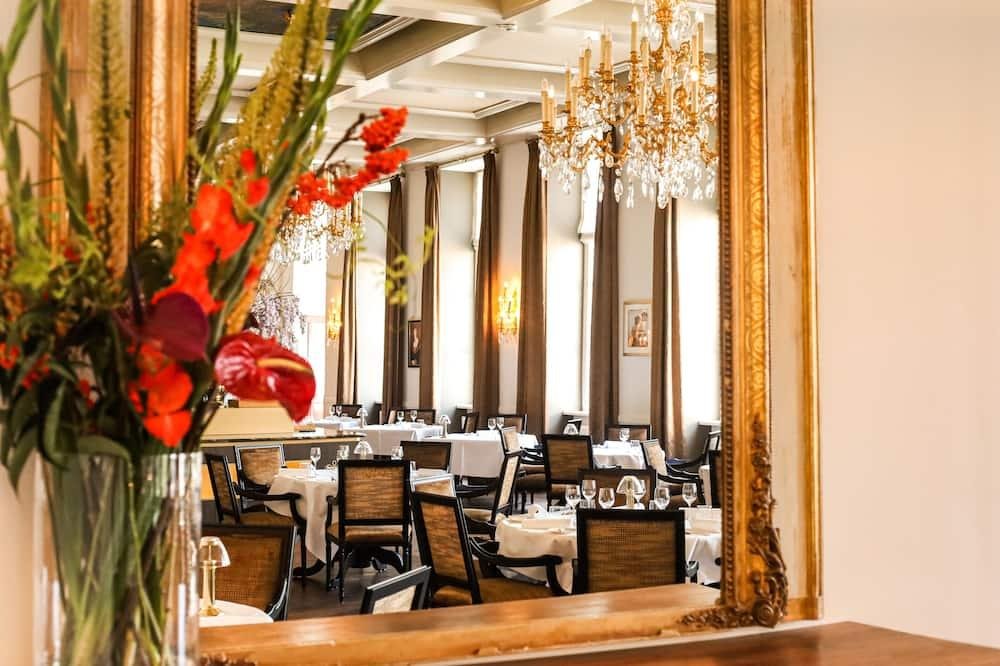
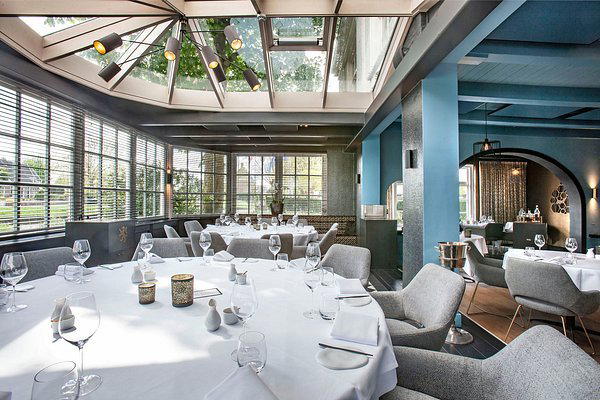
Bars in Wijk bij Duurstede
Browse all →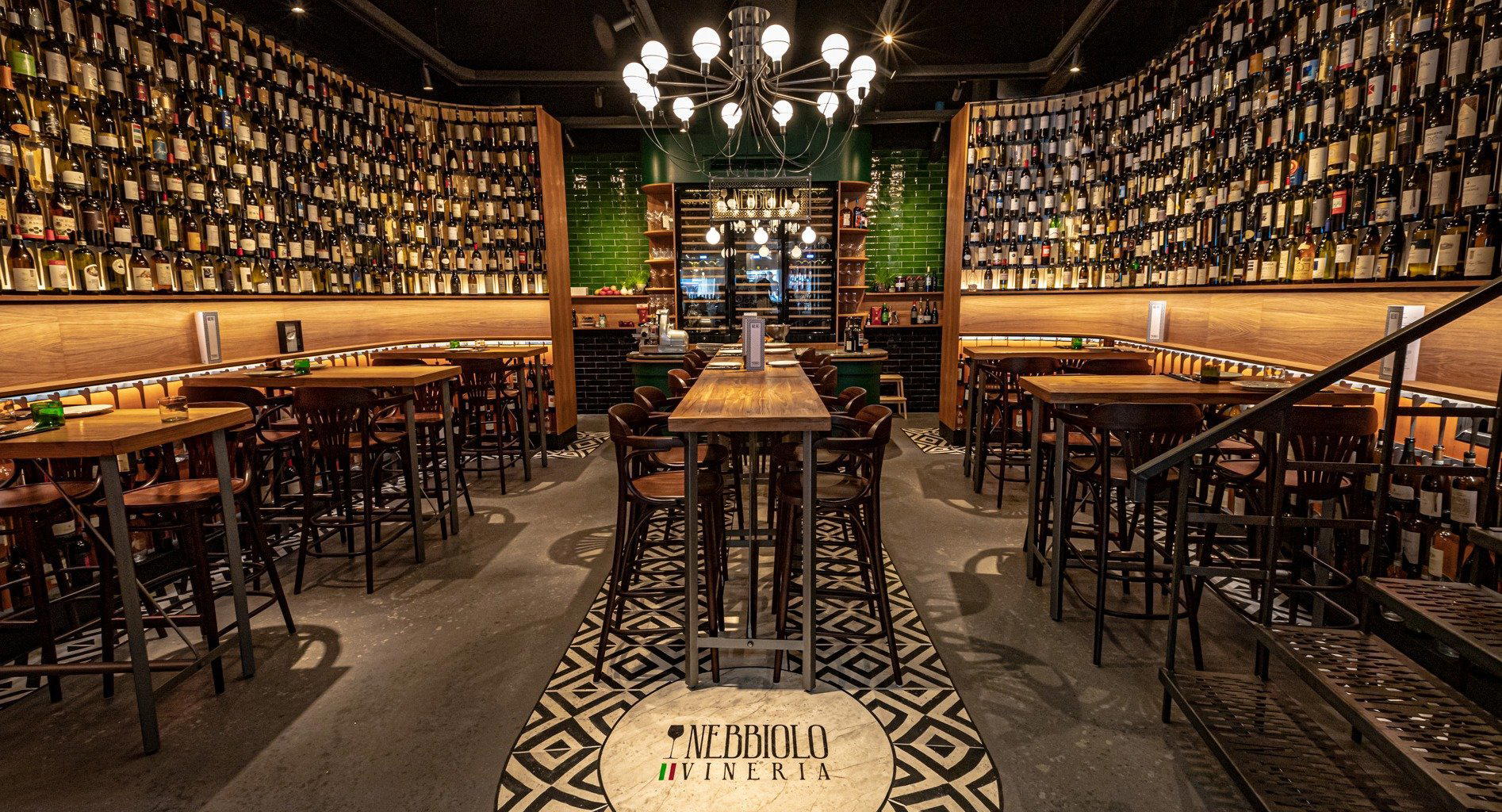
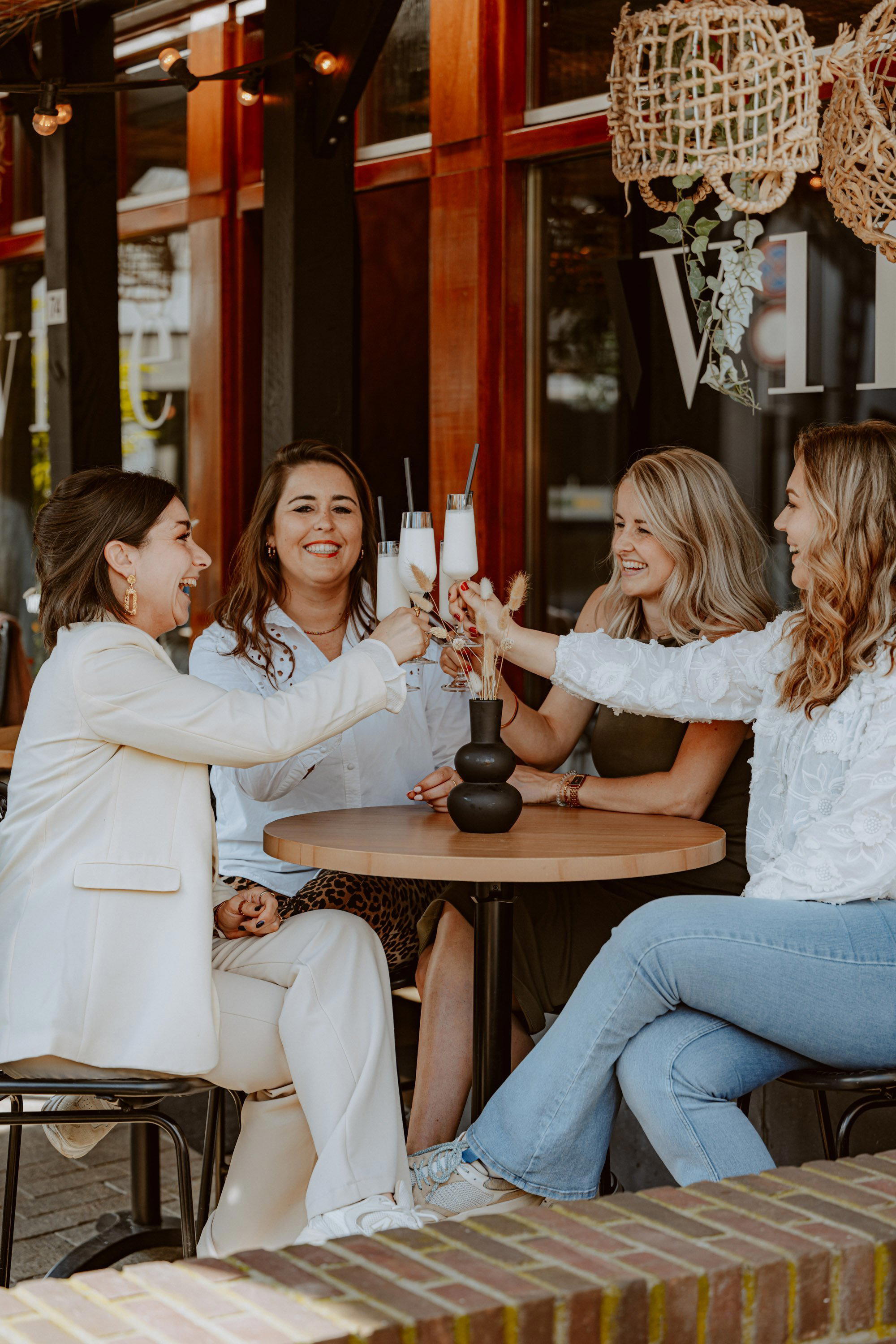
Hotels in Wijk bij Duurstede
Browse all →
Wineries in Wijk bij Duurstede
Browse all →
Details
- Cozy
- Elegant
- Intimate
- Sophisticated
- Date Night
- Special Occasion
- Celebration
- Open Kitchen
- Wine Cellar
- Extensive Wine List
- Sommelier Led
- Local Sourcing
- Farm To Table
- Tasting Menu
- Vegetarian Friendly
Current opening hours
- Monday
- Closed
- Tuesday
- Closed
- Wednesday
- 6:30–11:30 PM
- Thursday
- 6:30–11:30 PM
- Friday
- 6:30–11:30 PM
- Saturday
- 12:30–11:30 PM
- Sunday
- Closed
Hours can change for holidays and private events. Hours as of .
Natural zen-vibe with tree-inspired decor, relaxed and unpretentious atmosphere, quiet and atmospheric setting praised for its cozy and comfortable feel.