De Gieser Wildeman

A 2024 Michelin-starred restaurant occupying a converted farmhouse in rural Noordeloos, De Gieser Wildeman serves classic French cooking with Mediterranean accents under a thatched roof overlooking a garden and river. Chef René Tichelaar builds menus around technical precision and traditional foundations, backed by a sommelier whose wine pairings draw on an extensive global list. Book well ahead for evening service.
Pearl is the En Primeur Club membership app — saves, bookings, and concierge access live there. Same editors, same standards.
- Address
- Botersloot 1, 4225 PR Noordeloos, Netherlands
- Phone
- +31 183 554 000
- Website
- degieserwildeman.nl
- Directions
- Get directions
 Saves & bookings on Pearl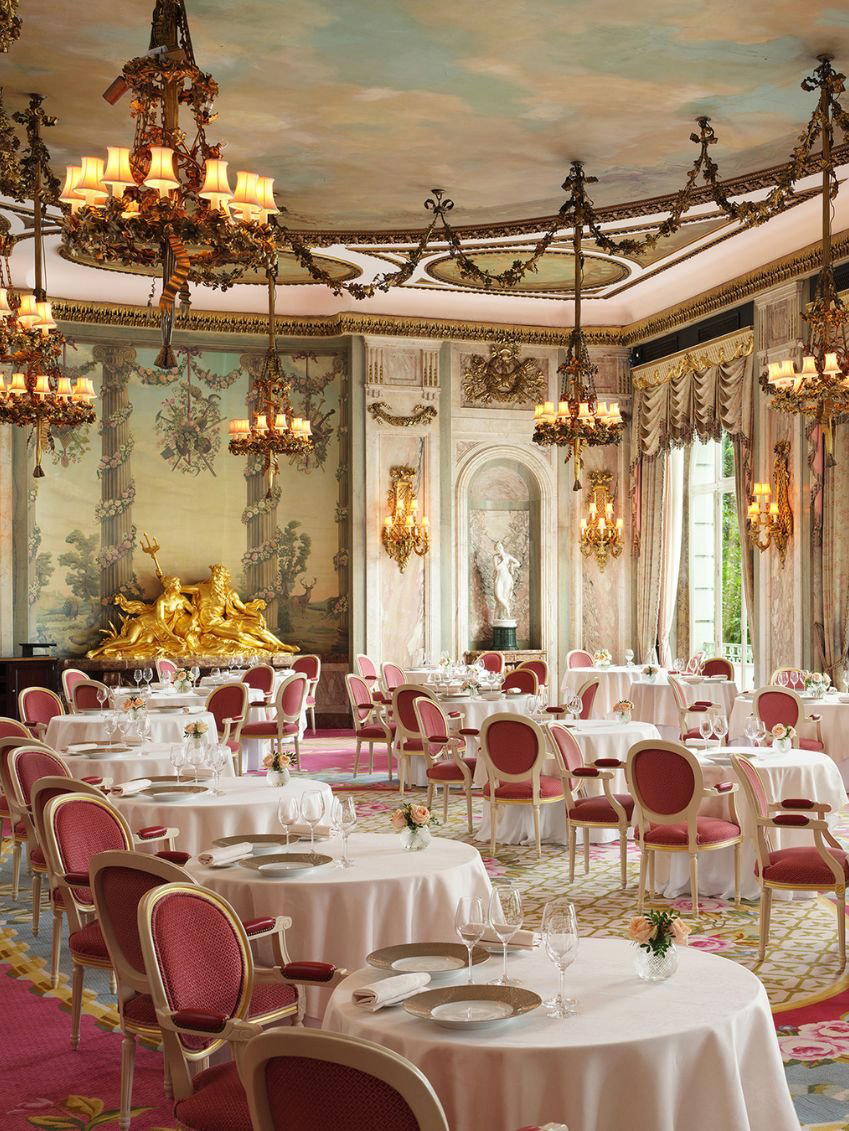
Classic French Technique in the Dutch Countryside
De Gieser Wildeman is a one-star restaurant in Noordeloos serving classic French dining at about $120 per person. Where cities like Amsterdam concentrate their starred restaurants in compact neighbourhoods, the country's countryside carries a different kind of dining culture: farmhouses and converted estate buildings that hold Michelin-recognised kitchens, drawing guests who make a deliberate journey rather than a passing choice. De Gieser Wildeman in Noordeloos belongs to this tradition. Set in a thatched farmhouse on Botersloot, with a conservatory looking out over a garden and a river, the physical setting does what Dutch rural restaurants do well: it frames serious cooking inside an unhurried pastoral atmosphere. The Michelin star confirms its place in the national dining conversation.
Where the Bistro Tradition Meets Dutch Rural Dining
The word bistro carries specific weight in French culinary history. Originally denoting small, unpretentious Parisian establishments serving bourgeois cooking at accessible prices, the bistro tradition was always about technique made approachable rather than technique made theatrical. Over the past two decades, that tradition has shifted considerably: across France and in French-influenced kitchens abroad, bistro has come to describe anything from a casual neighbourhood room to a formally laid table with a three-hour tasting menu. What separates the serious inheritors of bistro culture from the label's looser applications is a commitment to classical foundations, an understanding of sauce and seasoning, and a kitchen that does not chase novelty for its own sake.
De Gieser Wildeman operates in this more grounded mode. The cuisine classification reads Classic French, and the cooking reflects that honestly. René Tichelaar works from traditional culinary structures, referencing Mediterranean garnishes and classical sauce techniques such as beurre blanc, while incorporating sourcing choices that add specificity, including lamb from the Pyrenees. This is not a kitchen chasing the contemporary Dutch fine dining conversation, which has increasingly moved toward organic and plant-led formats, as seen at De Nieuwe Winkel in Nijmegen. The direction here is different and deliberate: tradition as the primary grammar, with creative additions as punctuation rather than replacement.
That positioning matters for understanding where De Gieser Wildeman sits in the broader Dutch restaurant map. The country's highest-decorated kitchens, such as De Librije in Zwolle with three Michelin Stars or 't Nonnetje in Harderwijk with two, operate in a more modernist and often intensely creative register. The restaurant's single star at the €€€ price point places it in a different tier, more accessible in cost than the flagship four-symbol tables, and philosophically rooted in classicism rather than avant-garde ambition. Within its own category, the comparison points are kitchens like Tannay in Amsterdam, which also operates in the Classic French space, or internationally the kind of technically grounded cooking that characterises serious mid-tier French restaurants in their regional strongholds.
The Cooking: Structure Before Spectacle
Classic French cooking at this level lives and dies by its structural rigour. A beurre blanc must be emulsified correctly, a sauce reduced to the right concentration, a protein sourced with enough care to justify restraint in treatment. What the Michelin inspectors noted in their 2024 assessment of the restaurant is consistent with how serious classical kitchens earn and hold recognition: meticulous preparation, skilled construction of dishes, and sourcing that speaks through quality rather than provenance-labelling alone.
The pairing of scallop ravioli with caviar, beurre blanc, and chives is the kind of combination that demands precise timing and seasoning across multiple components simultaneously. Mediterranean garnishes accompanying Pyrenean lamb ask for an understanding of herb and vegetable balance against lamb fat. These are not fusion exercises; they reflect the French classical vocabulary of augmenting primary proteins with well-judged supporting elements. For a point of comparison, the rigour expected at this level internationally is not unlike the structural discipline that defines a kitchen like Le Bernardin in New York City, where technique is always in service of clarity rather than complexity for its own sake.
This is also cooking that rewards a certain kind of eating. Diners who arrive expecting radical reinvention or multi-concept tasting formats will find the menu less exciting than those who understand what it means to have classic technique executed with care. The Michelin Star signals exactly that: not novelty, but craft at a level that justifies the designation.
The Wine Program and Front of House
At starred classic French restaurants, the sommelier is often as responsible for the experience as the kitchen. Wine pairing at this level is not about finding bottles that merely avoid clashing with food; it is about understanding the structural logic of each dish and identifying wines whose acidity, weight, and aromatic character either echo or productively contrast the cooking. The sommelier at the restaurant works from an extensive global selection, which at the €€€ price tier suggests a list with meaningful range across regions and styles, not simply a French-heavy reference collection. The Michelin citation specifically recognises the pairing work as a strength, placing the wine program inside the overall quality assessment rather than treating it as supplementary.
The front-of-house team's tone, described in the Michelin notes as cheerful and fitting for the setting, reflects a wider truth about how French-influenced rural restaurants in the Netherlands tend to approach service: formally attentive without the stiffness that characterises some urban fine dining rooms. A thatched farmhouse does not demand the same register as a city hotel restaurant, and the better rural kitchens calibrate their service accordingly, maintaining professionalism without losing the warmth that the setting naturally invites.
The Setting and the Journey to Noordeloos
Noordeloos is a small village in the Alblasserwaard polder region of South Holland, the kind of place that does not appear on most travel itineraries unless a specific reason draws you there. The drive from Amsterdam takes roughly an hour; from Rotterdam, slightly less. This is one of those restaurants where the journey is part of the format: you are not passing through Noordeloos on the way to somewhere else. You come specifically, which means the restaurant itself must justify the commitment, and the Michelin recognition suggests it does.
The farmhouse setting on Botersloot, with its thatched roof, conservatory, and garden view onto the river, belongs to a type of Dutch rural property that appears modest from the outside and delivers considered interiors within. The lunch service runs Tuesday through Friday from noon to 4pm; evening service runs the same days from 6pm to 10pm, with Saturday evening service only. Sunday and Monday are closed. For those planning around the setting rather than just the food, arriving at lunch allows the garden and river view to be seen in full daylight, which changes the character of the room considerably compared to an evening visit.
For a broader picture of dining in Noordeloos, including the more casual Bistro (€€ · Traditional Cuisine) in the village, Those exploring the wider region for starred or near-starred dining can look at Aan de Poel in Amstelveen, De Bokkedoorns in Overveen, Ciel Bleu in Amsterdam, Brut172 in Reijmerstok, De Groene Lantaarn in Staphorst, and De Lindenhof in Giethoorn for comparison across different price tiers and styles. De Lindehof in Nuenen offers another point of comparison for those interested in how Dutch fine dining at the two-star level handles regional identity alongside creative ambition.
Budget and Context
Comparable venues nearby, for context on price, style, and recognition.
| Venue | Cuisine | Price | Awards | Notes |
|---|---|---|---|---|
| De Gieser WildemanThis venue — the venue you are viewing | Noordeloos, Classic French Fine Dining | $$$ | Michelin 1 Star | Not listed |
| Bistro | Noordeloos, French Bistro | $$$ | Bib Gourmand | Not listed |
| Flavours | Weert center, Modern French Fine Dining | $$$ | Michelin 1 Star | Not listed |
| Tante Koosje | Not listed | $$$$ | Michelin 1 Star | Loenen aan de Vecht, Classic French Fine Dining |
| Monarh | Not listed | $$$$ | Michelin 1 Star | Oud-Zuid, Modern French-Dutch Fine Dining |
| Restaurant 1857 | Not listed | $$$ | Michelin 1 Star | Centrum-Oud, Modern French with Dutch and Asian Influences |
Recognition history
Dated appearances from independent guides and award organizations, with the underlying list record or original source where available.
Michelin 1 Star
Michelin
Michelin 1 Star
Michelin
Continue exploring
More in Noordeloos
Restaurants in Noordeloos
Browse all →
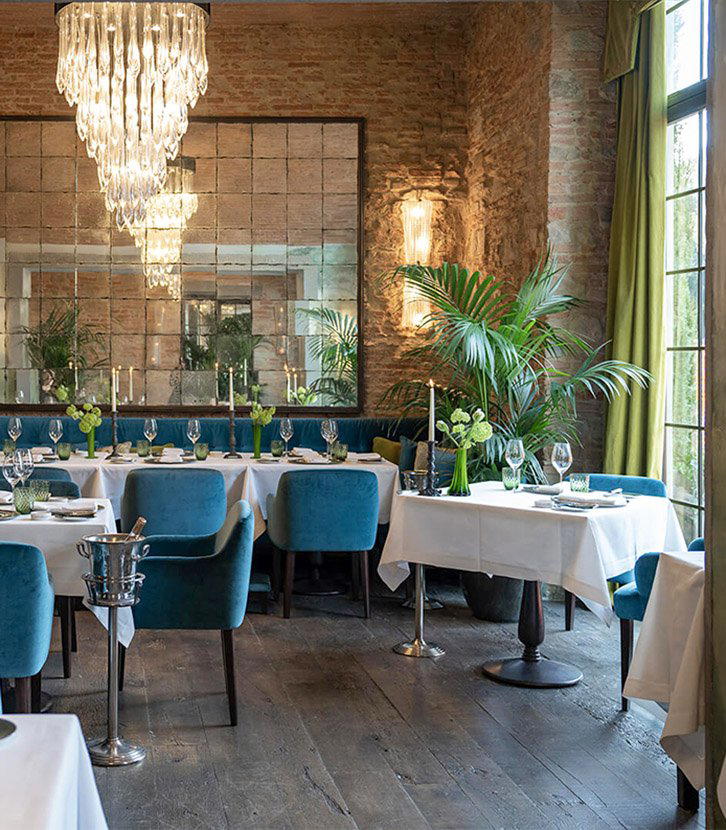
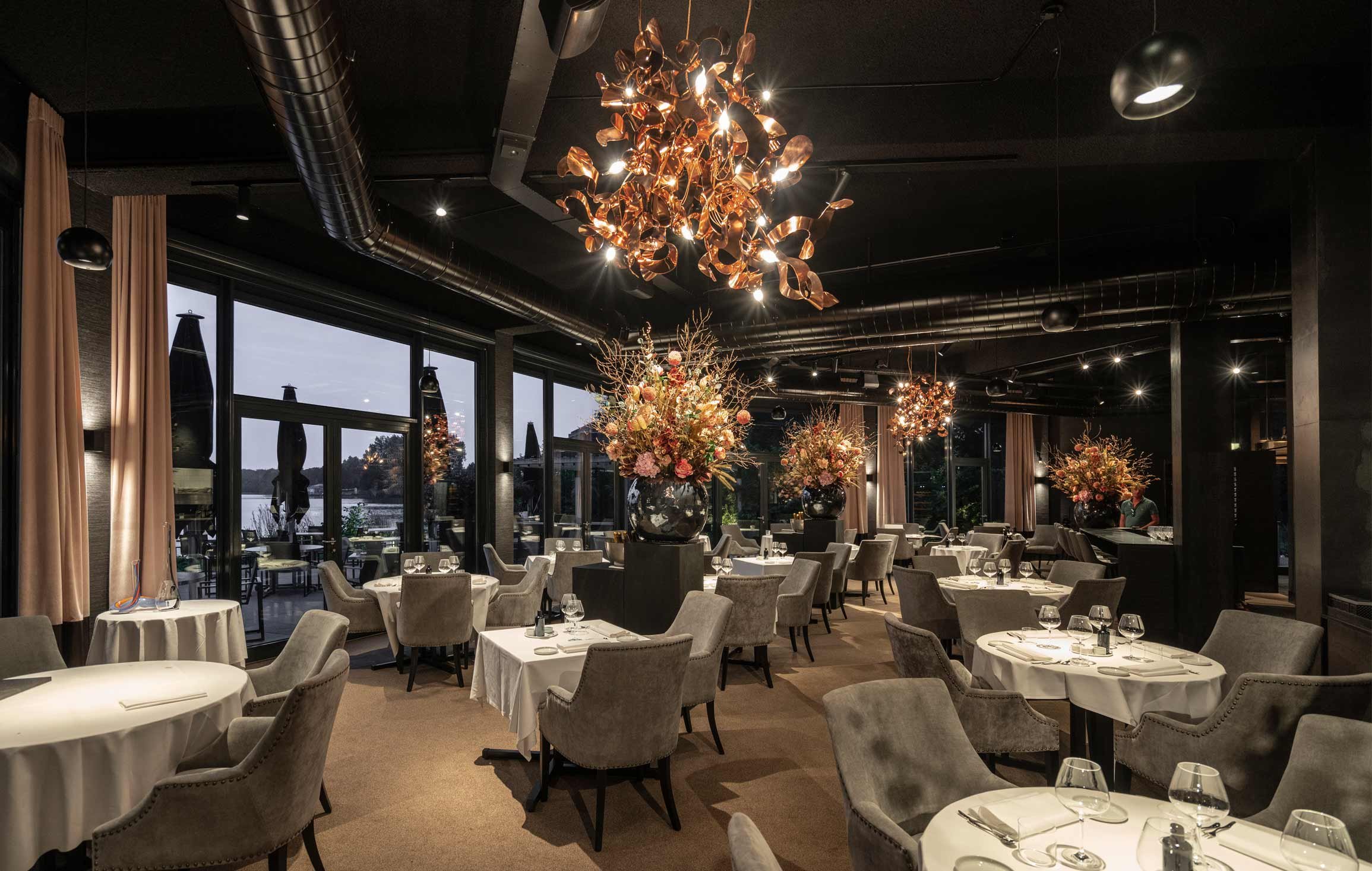
Bars in Noordeloos
Browse all →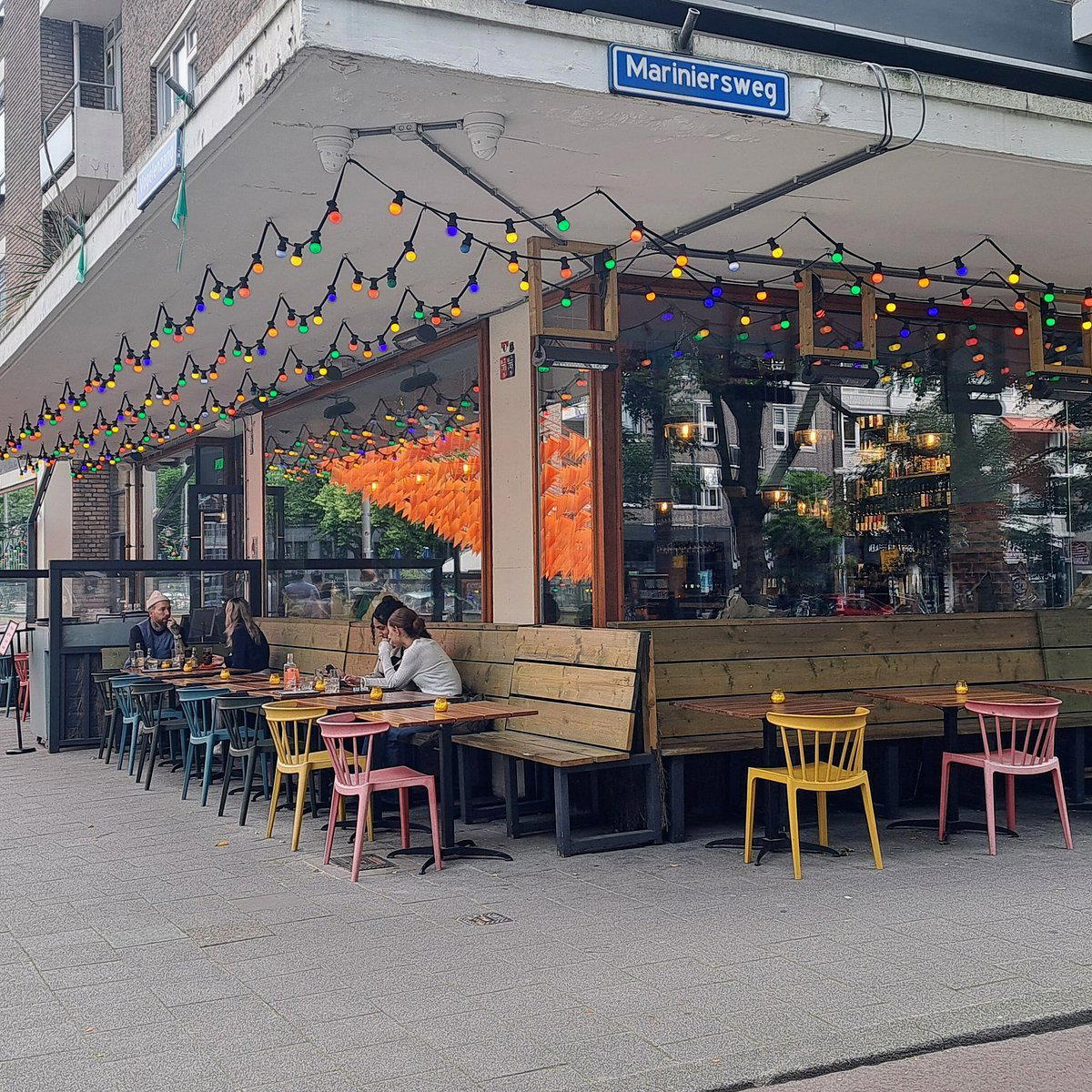
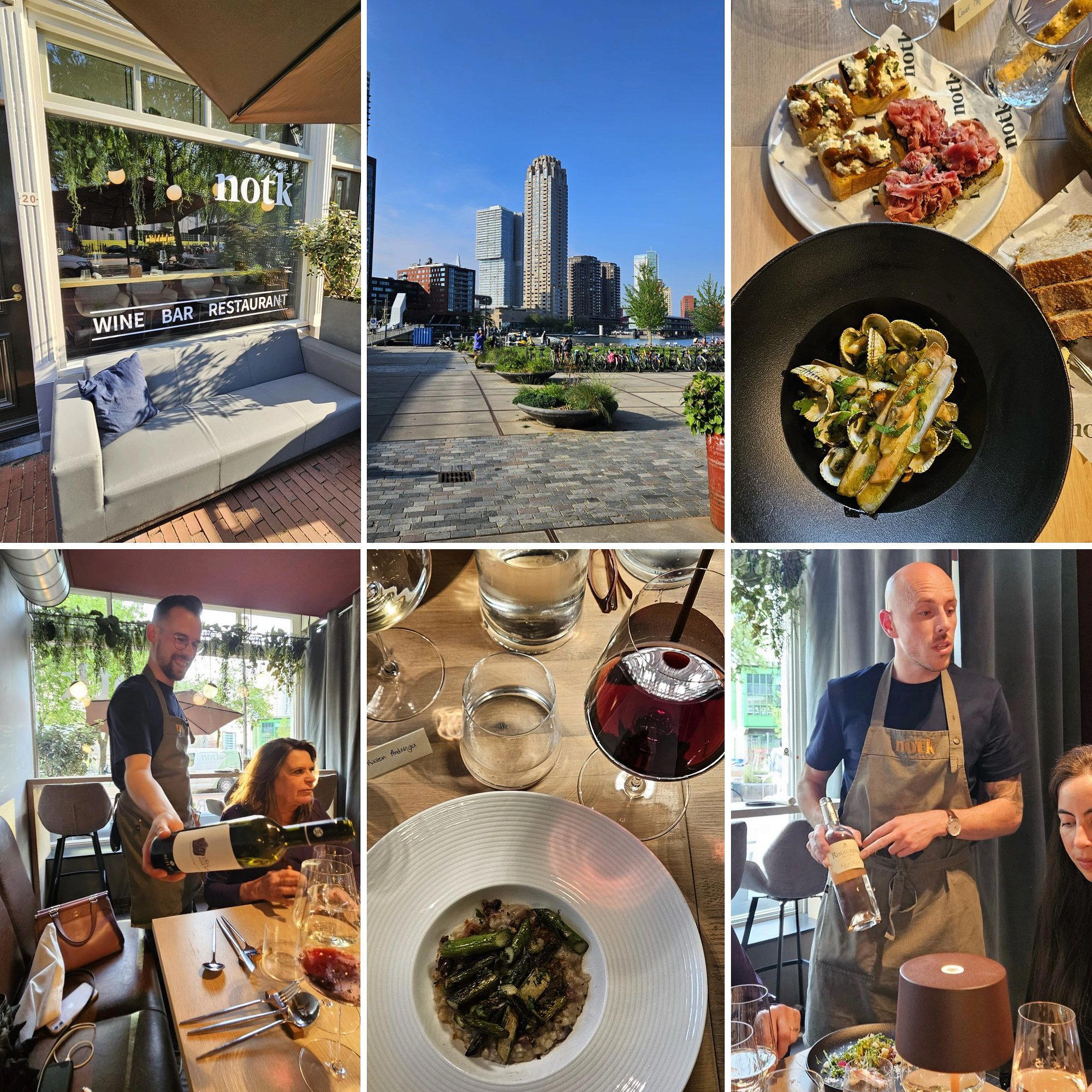
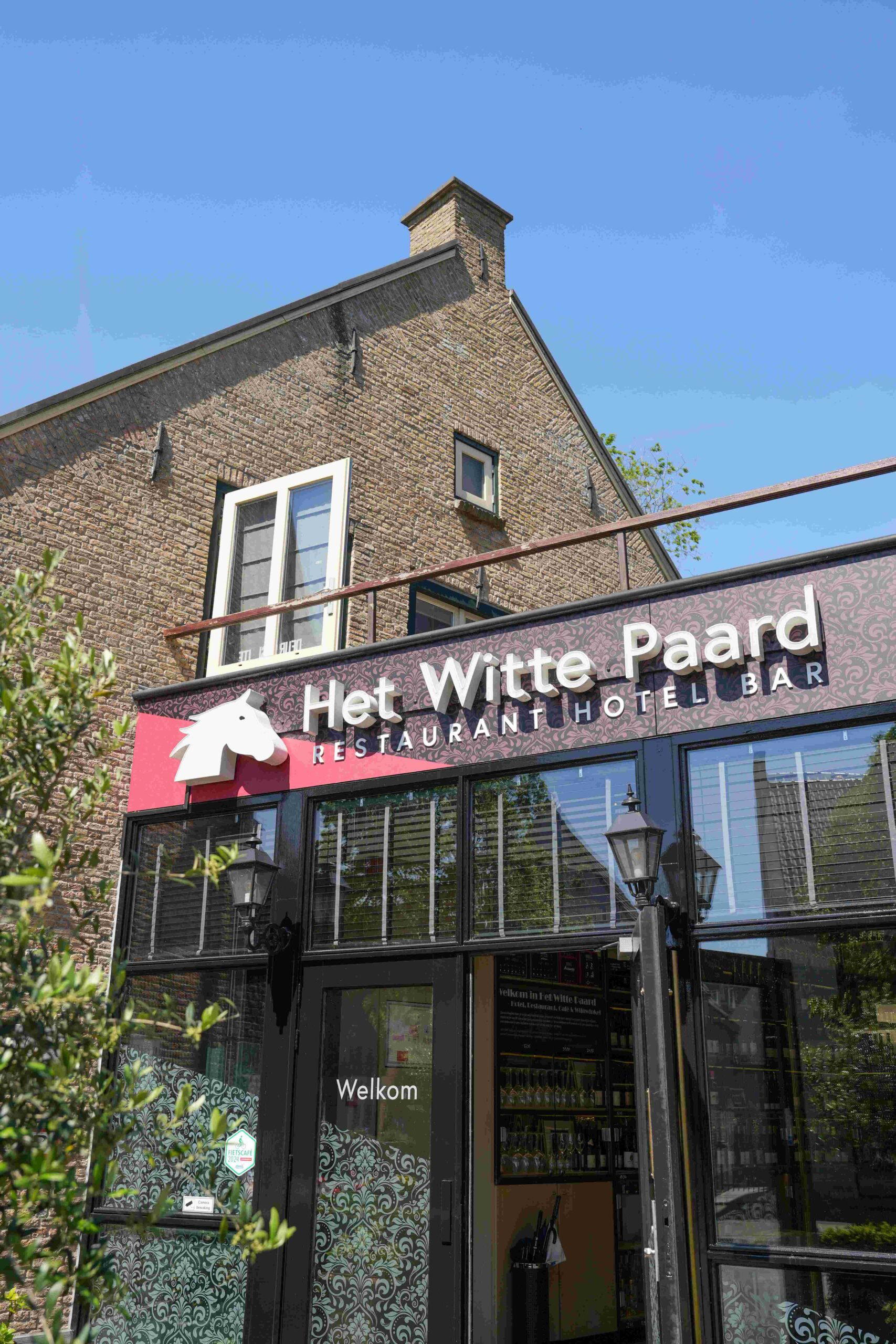
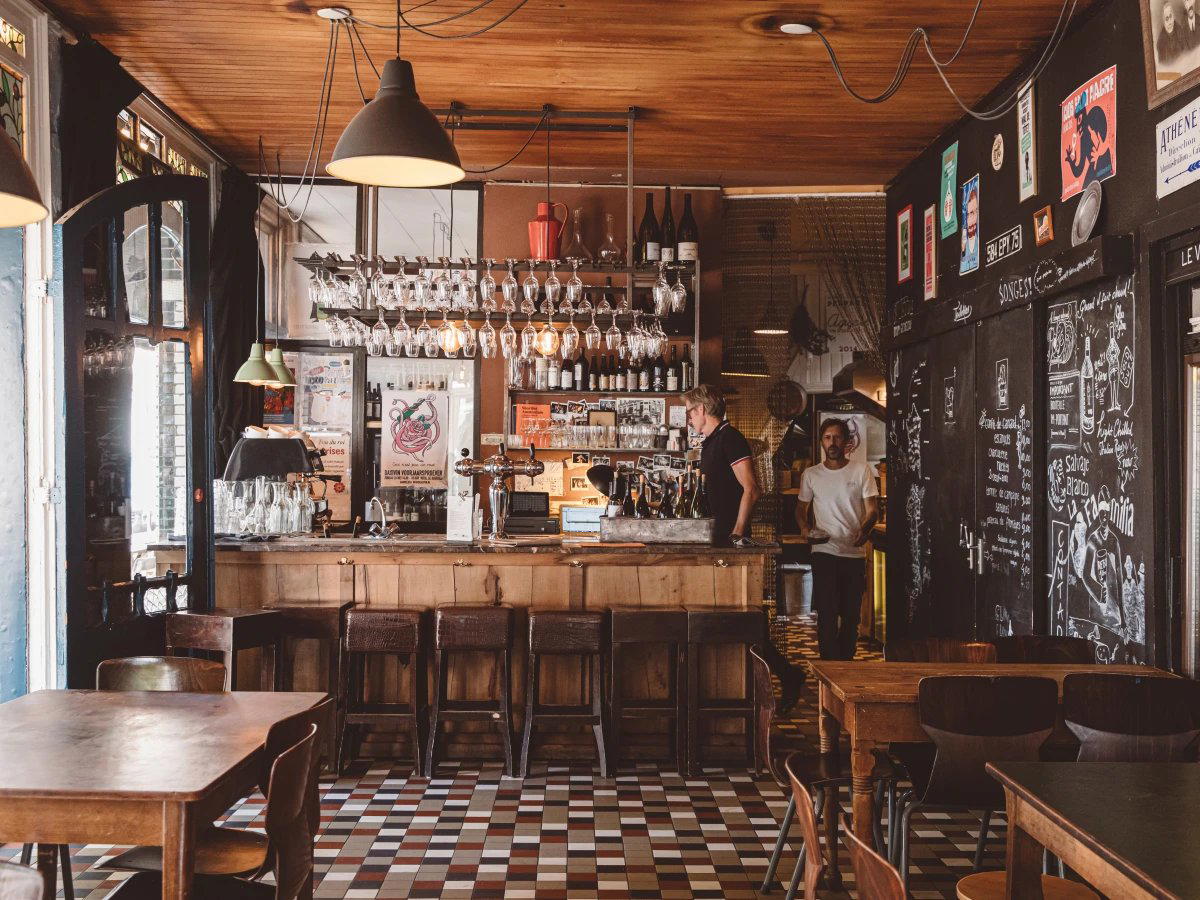
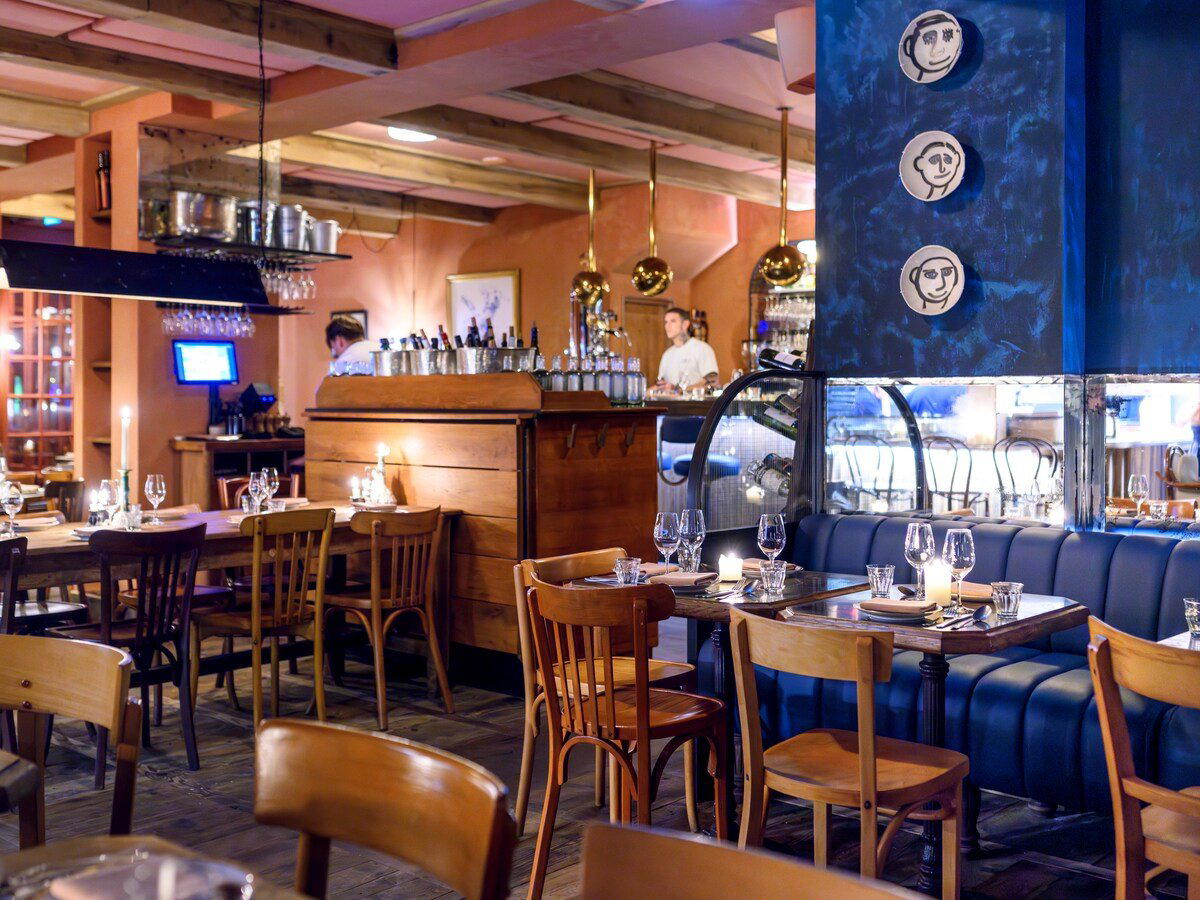
Hotels in Noordeloos
Browse all →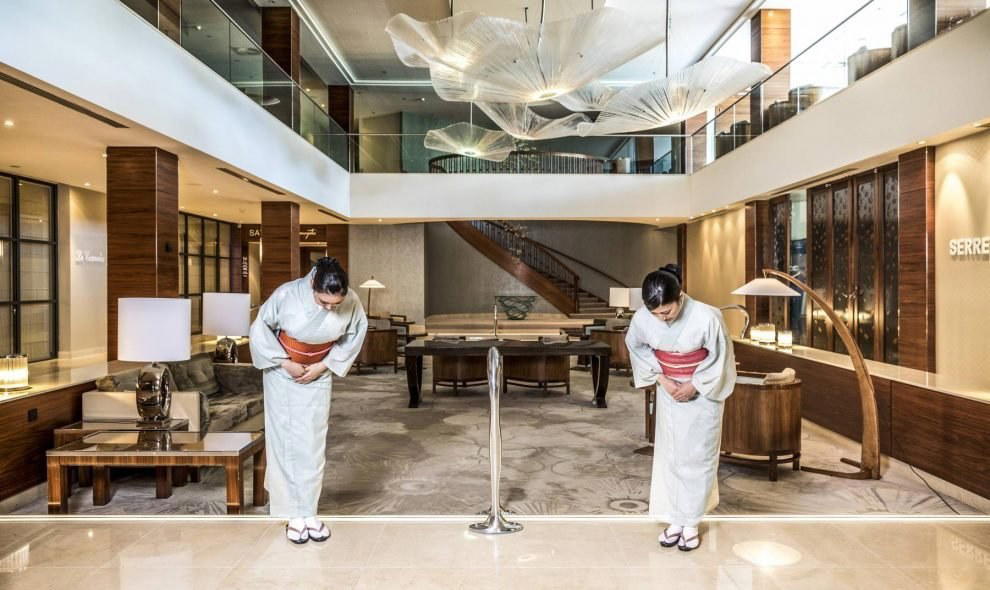
Wineries in Noordeloos
Browse all →
At a Glance
- Cozy
- Elegant
- Rustic
- Intimate
- Date Night
- Business Dinner
- Special Occasion
- Historic Building
- Extensive Wine List
- Waterfront
- Garden
Current opening hours
- Monday
- Closed
- Tuesday
- 12–4 PM, 6–10 PM
- Wednesday
- 12–4 PM, 6–10 PM
- Thursday
- 12–4 PM, 6–10 PM
- Friday
- 12–4 PM, 6–10 PM
- Saturday
- 6–10 PM
- Sunday
- Closed
Hours can change for holidays and private events. Last verified .
Cozy and stylish interior in a converted farmhouse with thatched roof, conservatory overlooking garden and babbling brook.