Auberge de Veste

Auberge de Veste holds consecutive Michelin Plate recognition (2024 and 2025) for its farm-to-table cooking in the heart of 's-Hertogenbosch's medieval centre. Pitched at the accessible end of the city's dining spectrum, it sits in the same €€ bracket as Citrus while the broader Hertogenbosch scene tilts toward €€€ contemporary formats. For a city of its size, that price-to-recognition ratio is worth noting.
Pearl is the En Primeur Club membership app — saves, bookings, and concierge access live there. Same editors, same standards.
- Address
- Uilenburg 2, 5211 EV 's-Hertogenbosch, Netherlands
- Phone
- +31 73 614 4644
- Website
- aubergedeveste.nl
- Directions
- Get directions
 Saves & bookings on Pearl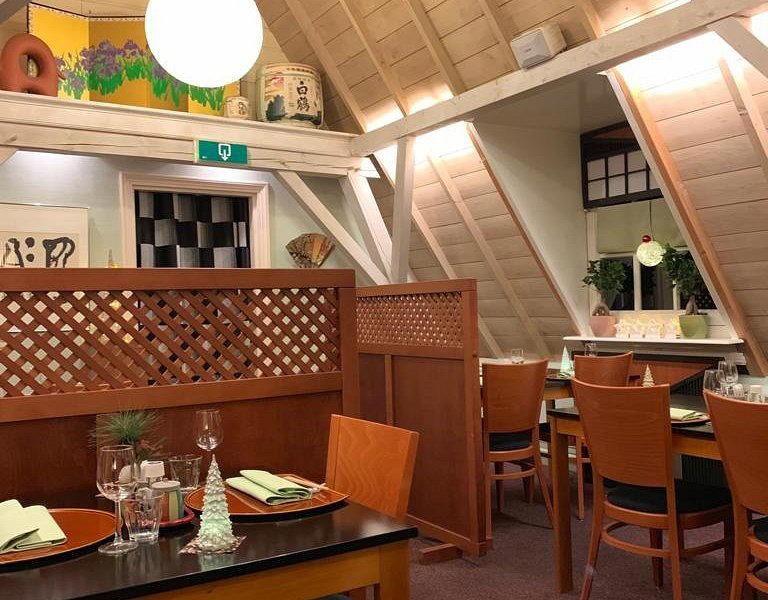
A Medieval Address, a Modern Supply Chain
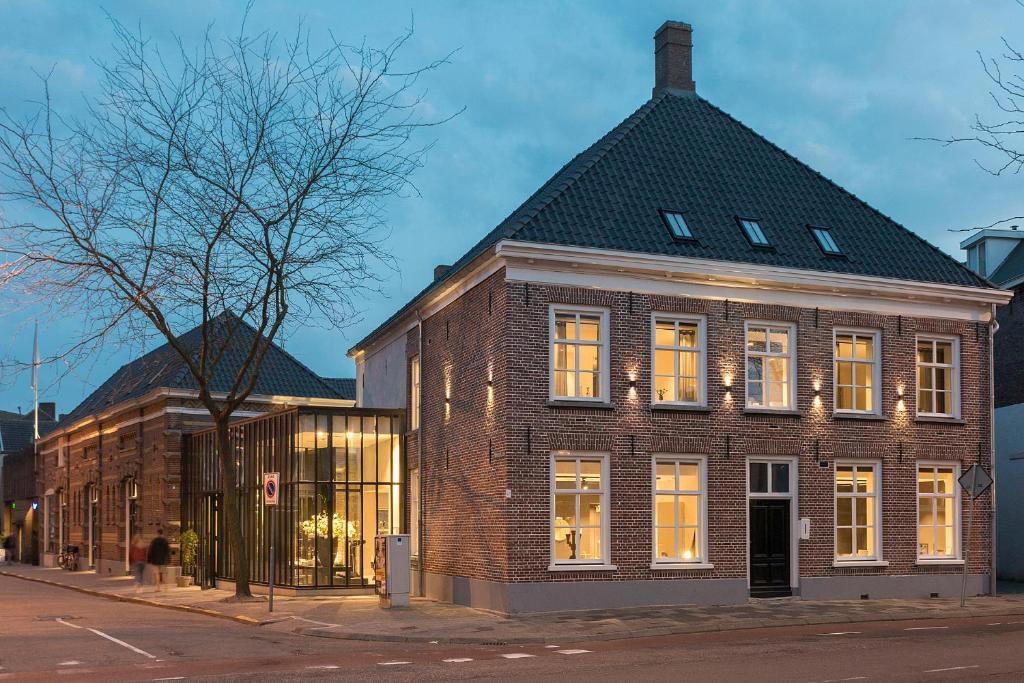
's-Hertogenbosch is a city that tends to surprise visitors who approach it without expectations. The late-Gothic Sint-Janskathedraal towers over a compact historic centre threaded with canals and guild-era streets, and the restaurant scene that has grown around it over the past decade reflects that same quality: serious without being ostentatious. Uilenburg 2, the address of Auberge de Veste, sits inside this historic fabric, where the architecture does half the work before a plate ever arrives at the table. The dining rooms in buildings of this age carry a particular weight, thick walls, low light, a stillness that slows the meal down in useful ways.
Where the Plate Recognition Fits
Auberge de Veste is recognized with a Michelin Plate in both 2024 and 2025, signaling consistent kitchen quality without the pressure of starred ambition. It is Michelin's way of marking restaurants that cook good food, full stop. Across the Netherlands, Plate recognition at the €€ price tier is less common than it might appear: the guide's attention at that price point tends to cluster around starred restaurants that are accessible only in relative terms. Auberge de Veste occupies a specific gap, farm-to-table sourcing ethos applied at a price that does not require a special-occasion calculation. For context, several of 's-Hertogenbosch's most discussed addresses, Fabuleux, Noble Gastro House, and Pollevie, operate at the €€€ tier. The Plate at €€ is a different proposition.
The Case for Provenance Cooking at This Price
Farm-to-table as a culinary framework gets used loosely across European menus, but its logic is direct when applied seriously: shorter supply chains produce ingredients with better condition on arrival, and seasonal menus built around verified producers force a kind of discipline that imported-any-time produce does not. The Brabant region surrounding 's-Hertogenbosch is one of the more compelling agricultural contexts in the southern Netherlands, market gardens, dairy operations, and game from the Meierij area have historically supported a regional cooking style that predates the current sourcing movement by centuries. A restaurant in this city that takes provenance seriously is drawing on a genuine local tradition rather than grafting on a trend from elsewhere.
The €€ price tier makes this argument more convincing, not less. When provenance-led cooking appears at €€€ and above, the sourcing premium is absorbed into a broader luxury margin. At €€, the kitchen has less margin to absorb those costs, which means the sourcing commitments, if held consistently, represent a harder operational choice. The repeated Michelin Plate recognition suggests the kitchen is maintaining that standard rather than relaxing it.
For a Dutch comparison at a different scale, consider what kitchens like De Librije in Zwolle or De Bokkedoorns in Overveen do with regional Dutch produce in high-investment formats. The restaurant is not competing in that tier, but the sourcing logic is continuous across them. Closer in format and price, 't Arsenaal in Deventer and Bistro Nijeholt in Beetsterzwaag represent how the €€ farm-to-table format operates in other Dutch provincial cities, useful reference points for understanding what the restaurant is doing within a national pattern.
The Hertogenbosch Dining Context
's-Hertogenbosch punches above its population size in dining terms. Beyond the restaurant, the city holds Japans restaurant Shiro at the €€€ Japanese end of the spectrum and the farm-to-table peer Citrus at a comparable price tier. The city's dining character has shifted noticeably over the past several years toward kitchens that take ingredient sourcing seriously at multiple price points, a pattern visible in cities of comparable scale across the southern Netherlands and Flemish Belgium. The restaurant sits within that pattern rather than against it.
It also implies a dining room that does not over-promise, the guests who arrive at a Michelin Plate, €€ farm-to-table address in a medieval city centre have a reasonably calibrated expectation, and meeting it consistently is its own kind of discipline.
Planning a Visit
Uilenburg 2 places the restaurant at the heart of 's-Hertogenbosch's medieval core, within easy walking distance of the Sint-Janskathedraal and the Binnendieze canal system. The city is directly served by intercity trains from Amsterdam Centraal (approximately 70 minutes) and Eindhoven (approximately 25 minutes), making it accessible as a day or evening trip from either direction. For visitors building a longer stay around the dining scene, the city's hotel options range from boutique addresses in the historic centre to business-oriented properties near the station. Booking ahead for the restaurant is advisable given the size of historic-centre dining rooms and the recognition the restaurant carries, reservations are recommended.
The Broader Farm-to-Table Tier in the Netherlands
Across the Netherlands, the farm-to-table format at mid-market pricing has become one of the more interesting testing grounds in contemporary Dutch hospitality. Restaurants like Aan de Poel in Amstelveen and Brut172 in Reijmerstok demonstrate how sourcing-led kitchens operate across different regional contexts. Ciel Bleu in Amsterdam and 't Nonnetje in Harderwijk sit at the upper end of the formality range, showing the range of formats that serious Dutch kitchens now occupy. The restaurant fits into the accessible end of that range: Michelin-recognised, provenance-focused, priced for regularity rather than occasion.
What Dish Is Auberge de Veste Famous For?
The restaurant does not have a single signature dish confirmed in public record, so the menu rotates with supply rather than anchoring to a fixed repertoire. The Michelin Plate recognition across 2024 and 2025 points to consistent execution across the menu rather than a single standout preparation. Visitors should expect the menu to reflect what Brabant's agricultural calendar produces at the time of their visit, that variability is the format's defining feature, not a limitation.
At-a-Glance Comparison
Comparable venues nearby, for context on price, style, and recognition.
| Venue | Cuisine | Price | Awards | Notes |
|---|---|---|---|---|
| Auberge de VesteThis venue — the venue you are viewing | Classic French with International Flavors | $$$ | Michelin Plate | Not listed |
| Fabuleux | Modern French-Dutch Fine Dining | $$$ | Michelin Plate | city center |
| le VIN 'x | French Bistro with Wine Focus | $$$ | Not listed | s-Hertogenbosch |
| Citrus | Modern Dutch Fine Dining | $$$ | Michelin Plate | centrum |
| Nevel | Modern Farm-to-Table Vegetable Cuisine | $$$ | Not listed | Den Bosch |
| Pollevie | Vegetable-forward Contemporary Dutch | $$$ | Michelin Plate | Paleiskwartier |
Recognition history
Dated appearances from independent guides and award organizations, with the underlying list record or original source where available.
Michelin Plate
Michelin
Michelin Plate
Michelin
Continue exploring
More in Hertogenbosch
Restaurants in Hertogenbosch
Browse all →
Bars in Hertogenbosch
Browse all →


At a Glance
- Romantic
- Cozy
- Elegant
- Intimate
- Classic
- Date Night
- Special Occasion
- Celebration
- Historic Building
- Extensive Wine List
- Local Sourcing
- Waterfront
- Street Scene
Current opening hours
- Monday
- 6–9 PM
- Tuesday
- Closed
- Wednesday
- Closed
- Thursday
- 6–9:30 PM
- Friday
- 6–9:30 PM
- Saturday
- 6–9:30 PM
- Sunday
- Closed
Hours can change for holidays and private events. Last verified .
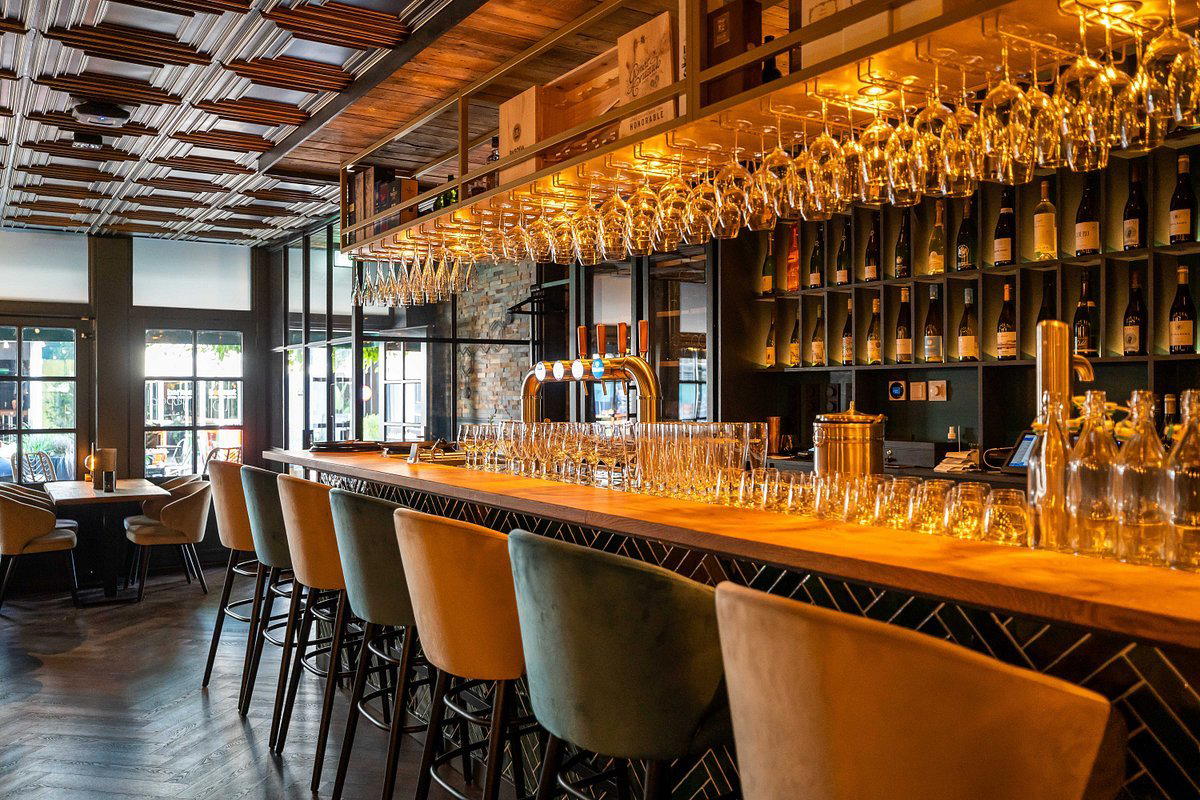
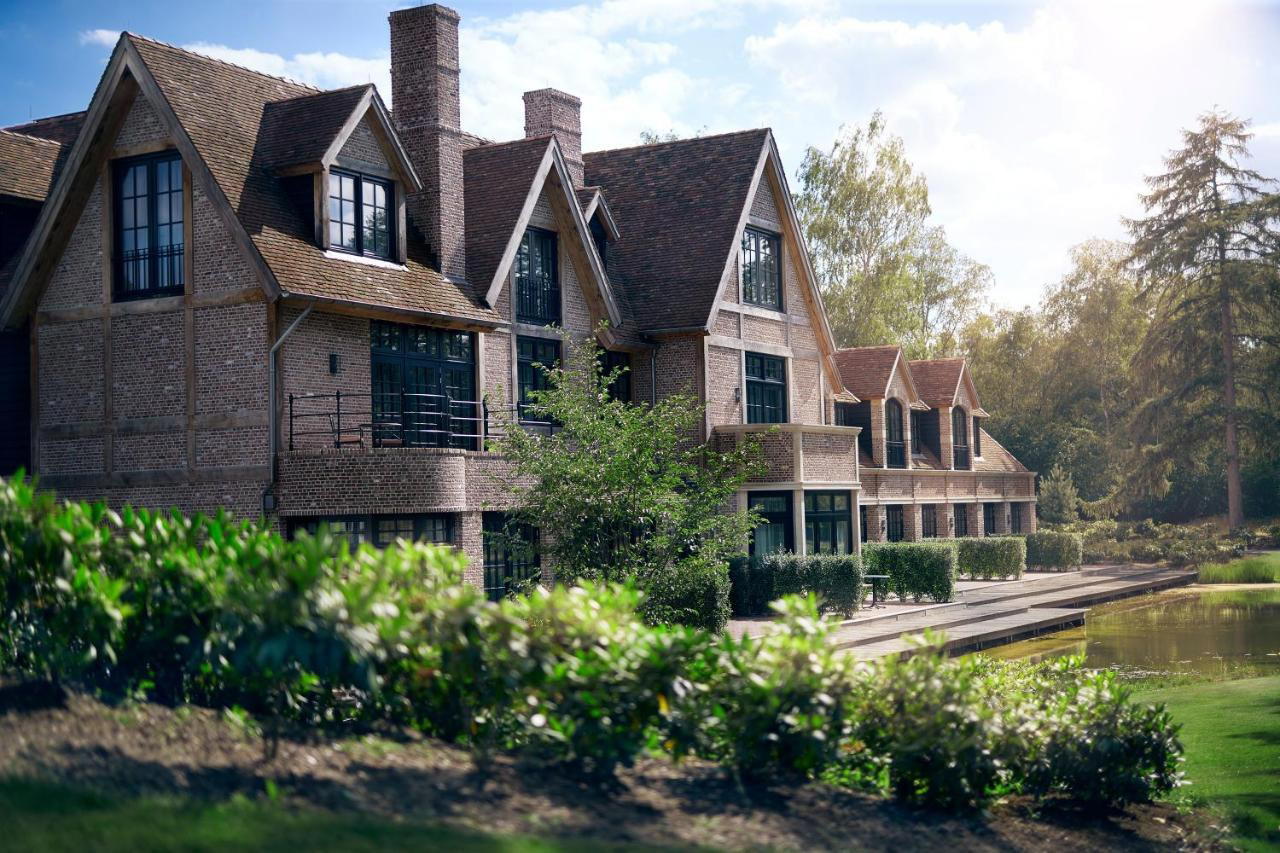
Cozy and characterful historic interior with warm, welcoming atmosphere beside a little river.