Michelin Plate
Our verdict
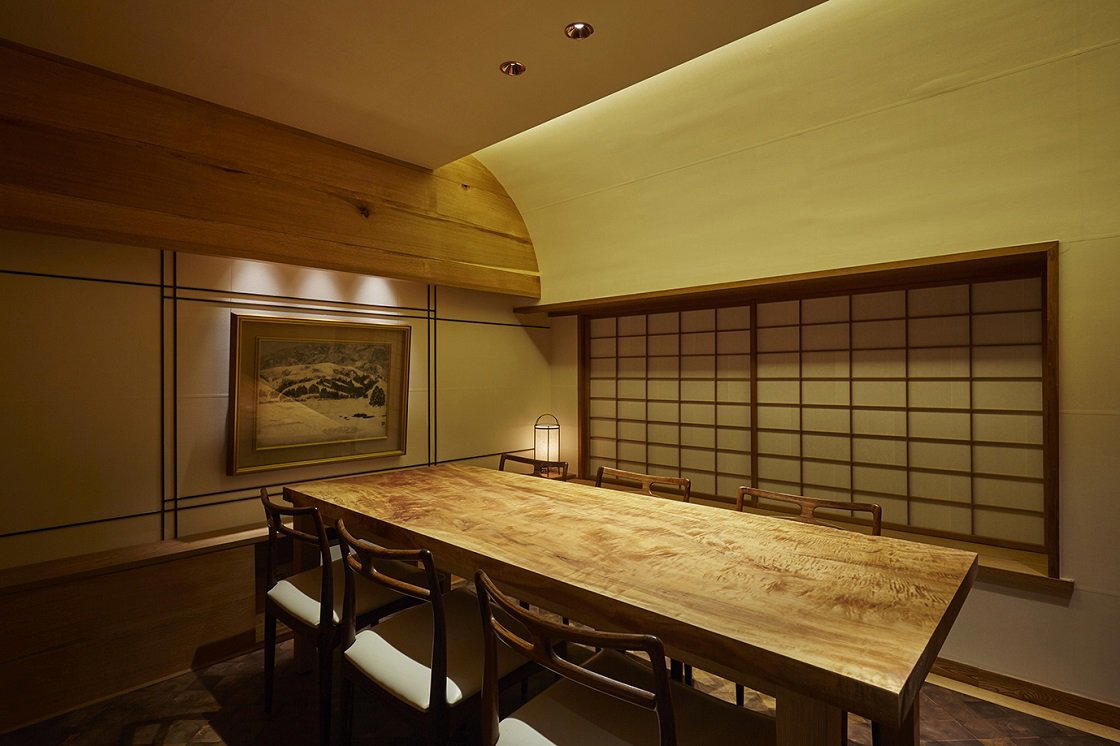
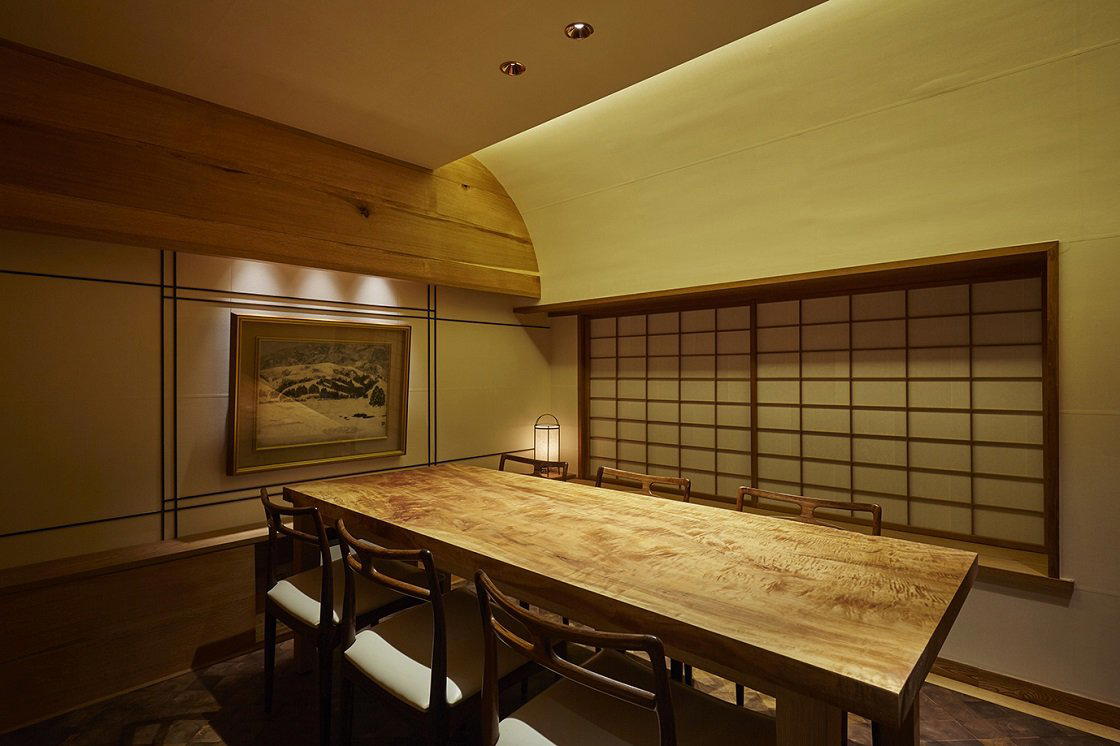
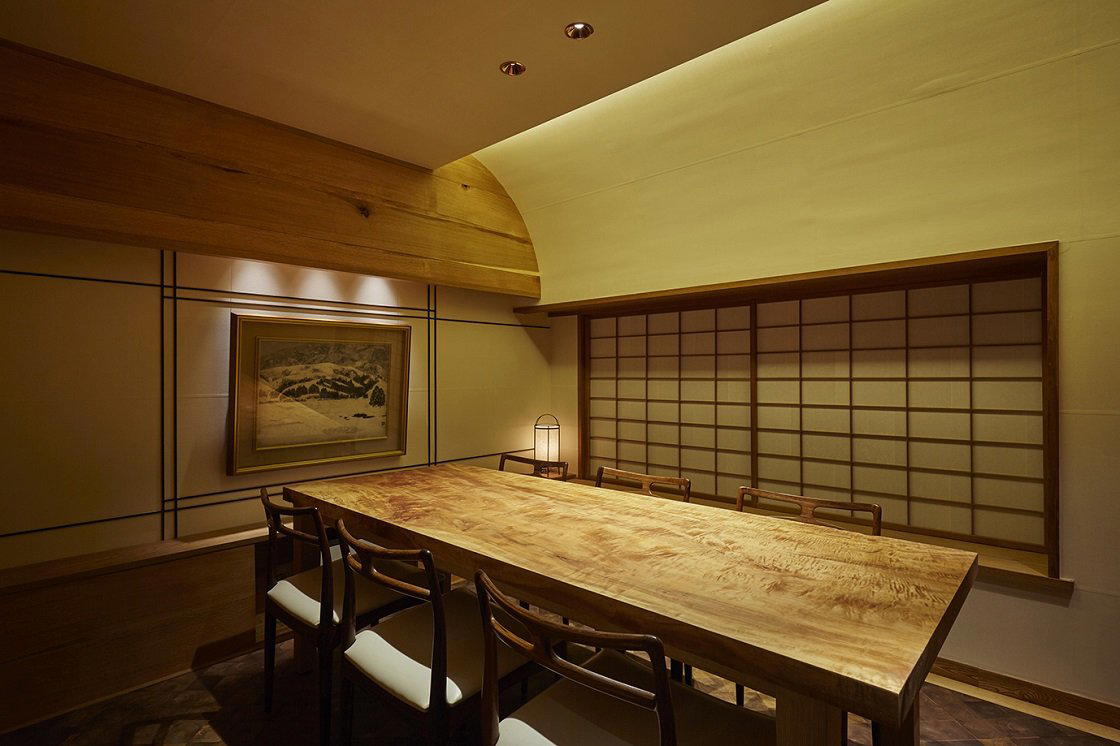
A Michelin Plate-recognised French restaurant in Osaka's Dojimahama district, Le Progrès pairs classical French technique with Japanese seasonal ingredients and a vertically written menu inspired by kaiseki. The two partners, who trained together, have built a house that reads as distinctly Japanese in spirit despite its French structure. Japanese tea pairings sit alongside wine, signalling a kitchen that treats local character as foundational rather than decorative.

Pearl is the En Primeur Club membership app, where members save venues, book tables and use the concierge.
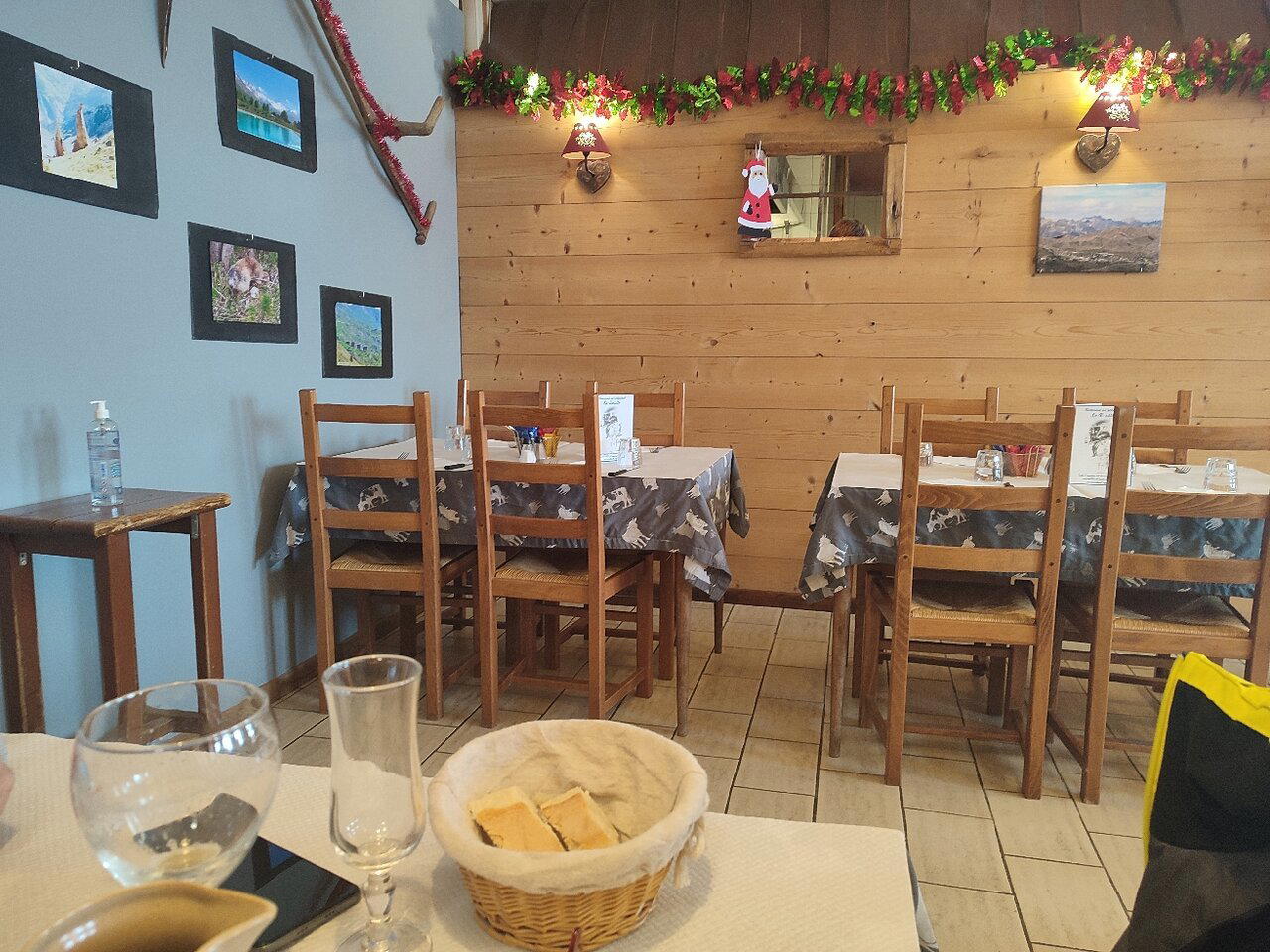
The broader context matters for understanding where Le Progrès sits in Osaka's French dining tier. The city carries a formidable French kitchen tradition, anchored at the leading by Michelin-starred addresses like La Cime and shaped by long-running institutions including La Bécasse. At the ¥¥¥ price point, below the ¥¥¥¥ tier occupied by HAJIME, La Cime, and Fujiya 1935, restaurants must do more with less margin, and the interesting question is always what editorial choices they make. Le Progrès holds a Michelin Plate for both 2024 and 2025, placing it in Michelin's acknowledged range without a star designation, and it operates at a price level that positions it as an accessible entry into serious French cooking in Osaka rather than a special-occasion destination for expense accounts. What gives the restaurant its particular character is the structural choice to write the menu vertically, in the manner of a kaiseki menu. That decision is more than typographic. Kaiseki's vertical notation carries associations of seasonal progression, of each dish arriving as a discrete element in a considered sequence, of the menu itself as a document with cultural weight.
This positions Le Progrès differently from, say, Différence or LE PONT DE CIEL, both of which operate within Osaka's French tradition at their own coordinates. Restaurants that make this kind of structural argument tend to attract diners who understand both traditions well enough to notice the dialogue between them.
The pairing programme extends this logic. At addresses like Sézanne in Tokyo or at European benchmarks like Hotel de Ville Crissier in Crissier, the pairing conversation stays within European wine tradition.
The Partnership Model and What It Produces
Both partners trained at the same restaurant before opening Le Progrès together. That shared apprenticeship matters less as biography than as organisational fact: when the chef and sommelier arrive from the same formative context, the kitchen and the floor are more likely to speak a common language. The menu's ambitions in the kitchen and the pairing programme's ambitions on the floor appear to have developed in alignment, which is not always the case in restaurants where front and back of house have divergent reference points.
For a restaurant at the ¥¥¥ level, sustained rating depth at that score tends to reflect reliable food quality rather than a single extraordinary visit by a concentrated early audience. Osaka's serious French restaurants at this level do not generally have open walk-in availability on weekends, and Michelin Plate recognition, even without a star, meaningfully affects booking pressure. The restaurant does not list phone or website details in public directories in the standard format, which suggests that reservation inquiry is leading routed through direct contact or a hotel concierge in advance.
For visitors building a wider Osaka dining itinerary, the ¥¥¥ French tier here has distinct character from the ¥¥¥¥ tier above it. If the question is where Le Progrès fits in a multi-day Osaka schedule that also includes kaiseki addresses like akordu in Nara or Harutaka in Tokyo, Goh in Fukuoka, 1000 in Yokohama, and our full Osaka restaurants guide. For accommodation context nearby, our Osaka hotels guide covers the relevant areas. The Osaka bars guide, Osaka wineries guide, and Osaka experiences guide round out planning for a longer stay.
Frequently asked questions
Is Le progrès suitable for children?
Le Progrès operates at a ¥¥¥ price point with a seasonally driven French menu written in vertical kaiseki style, suggesting a format built around deliberate pacing and ingredient-led courses. That structure is better suited to adults or older teenagers comfortable with a multi-course progression. The restaurant holds Michelin Plate recognition, which points to a dining room where atmosphere and focus matter.
Is Le progrès formal or casual?
The setting in Dojimahama, Osaka's financial quarter, and the ¥¥¥ pricing place Le Progrès closer to the formal end of the spectrum, though the founding premise, two partners presenting French cuisine with a Japanese soul, carries a personal rather than institutional tone. The vertically written menu and Japanese tea pairings signal considered, unhurried dining rather than a white-tablecloth performance for its own sake.
Is Le progrès Michelin-listed?
Le progrès has received recognition including: The chef and sommelier, who apprenticed at the same restaurant, opened this place together. Their aim is to present French cuisine that conveys Japan’s climate and culture. They pursue originality by applying French technique to Japanese in….
What's the best thing to order at Le progrès?
The menu is built around seasonal Japanese ingredients interpreted through French classical technique, so the most coherent way to eat here is to follow the full menu rather than single out individual dishes. The Japanese tea pairings are a house signature and represent the partnership's clearest statement of intent, distinguishing Le Progrès from Osaka's broader French restaurant field.
What's the cuisine at Le progrès?
Cuisine and Recognition
| Venue | Cuisine | Price | Awards | Notes |
|---|---|---|---|---|
| Le progrèsThis venue (the venue you are viewing) | French-Japanese Fusion | $50–100 | Michelin Plate | Not listed |
| HAJIME | Avant-Garde Japanese Fine Dining | $300–500 | 3 Michelin Stars · World's 50 Best #83 | French, Innovative |
| La Cime | Modern French with Japanese Ingredients | $150–200 | 2 Michelin Stars · World's 50 Best #13 | French |
| Kashiwaya Osaka Senriyama | Seasonal Kaiseki Omakase | $200–300 | 3 Michelin Stars · La Liste Top Restaurants | Japanese |
| Taian | Traditional Japanese Kaiseki Omakase | $150–200 | 3 Michelin Stars · La Liste Top Restaurants | Kaiseki, Japanese |
| Fujiya 1935 | Modern Japanese with European influences | $100–150 | 2 Michelin Stars · La Liste Top Restaurants | Innovative |
Recognition history
Dated appearances from independent guides and award organizations, with the underlying list record or original source where available.
Michelin Plate
Michelin
Full recognition history (3 entries)
Michelin Plate
Michelin
Michelin Plate
Michelin