Le Prieuré
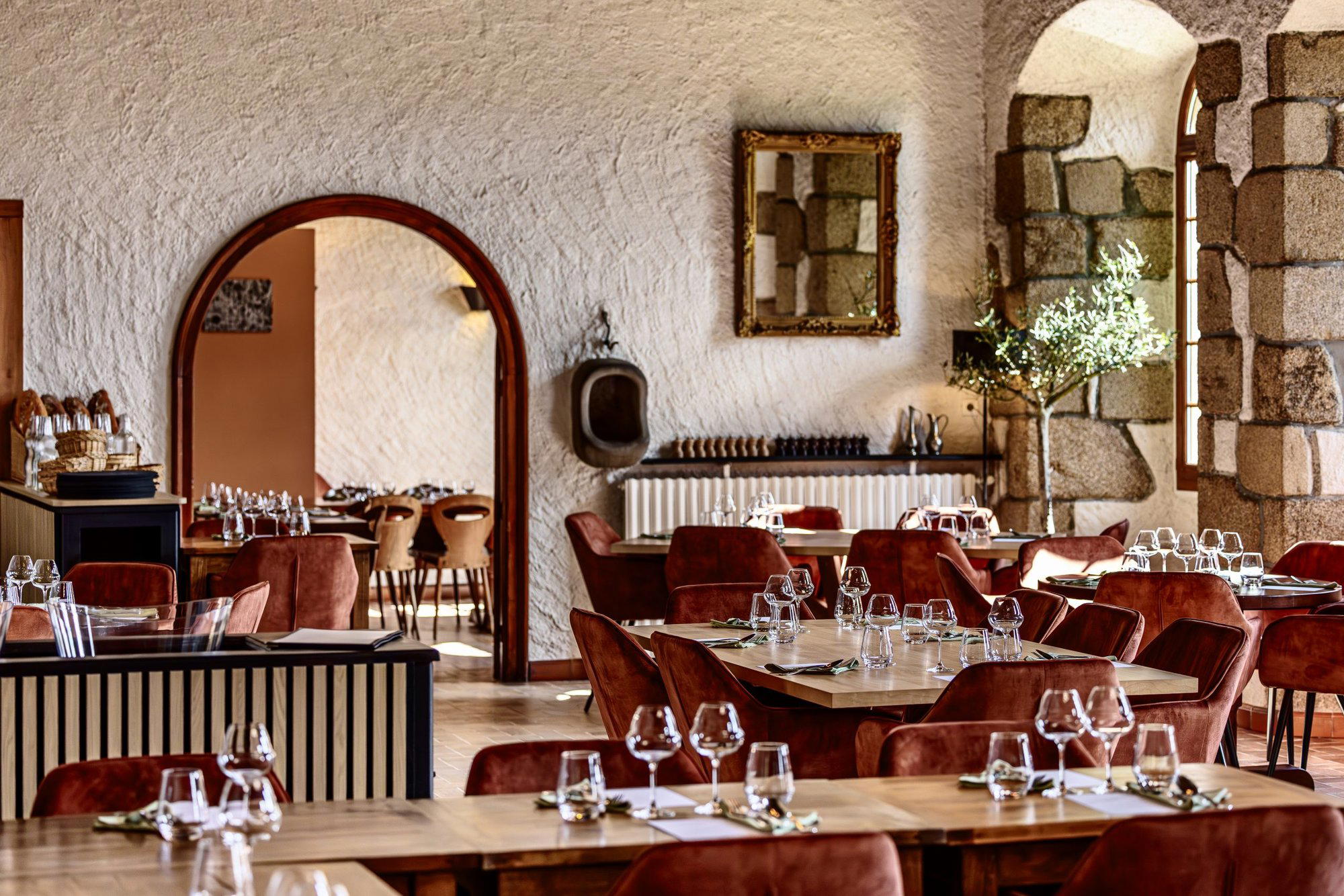
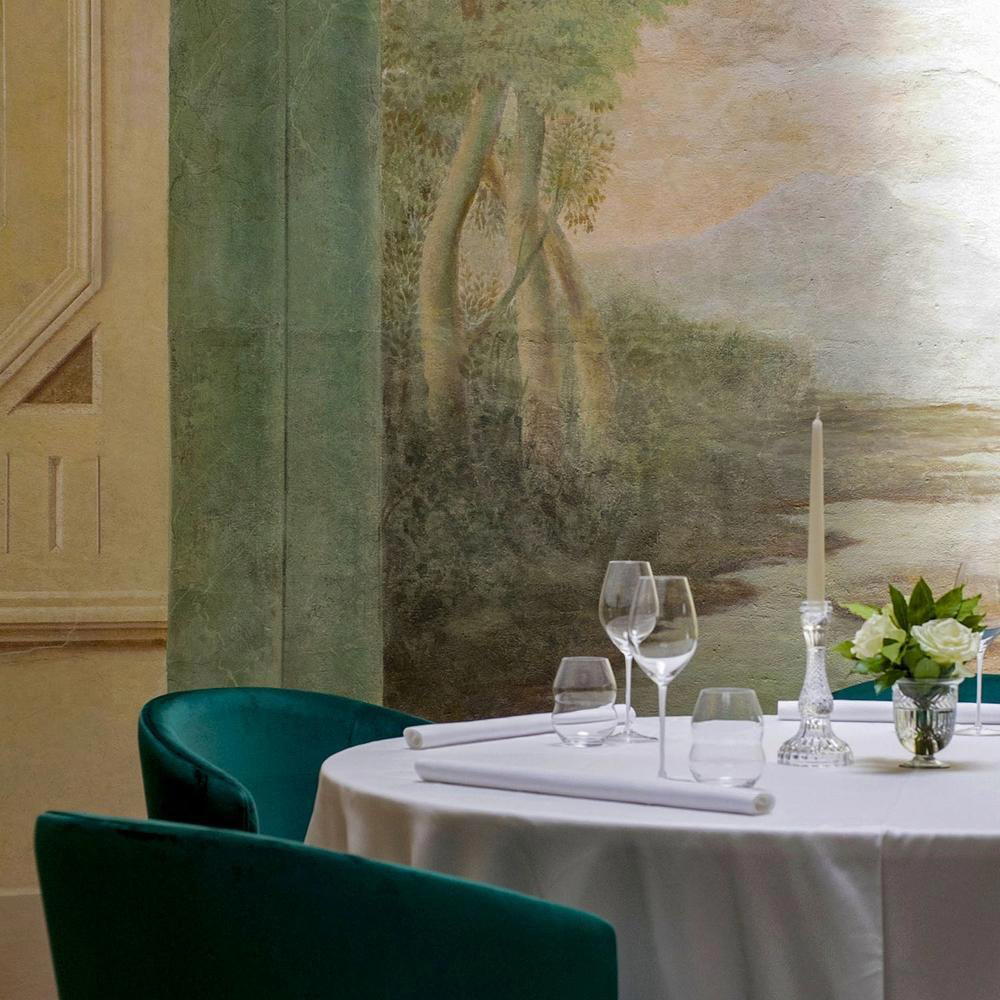
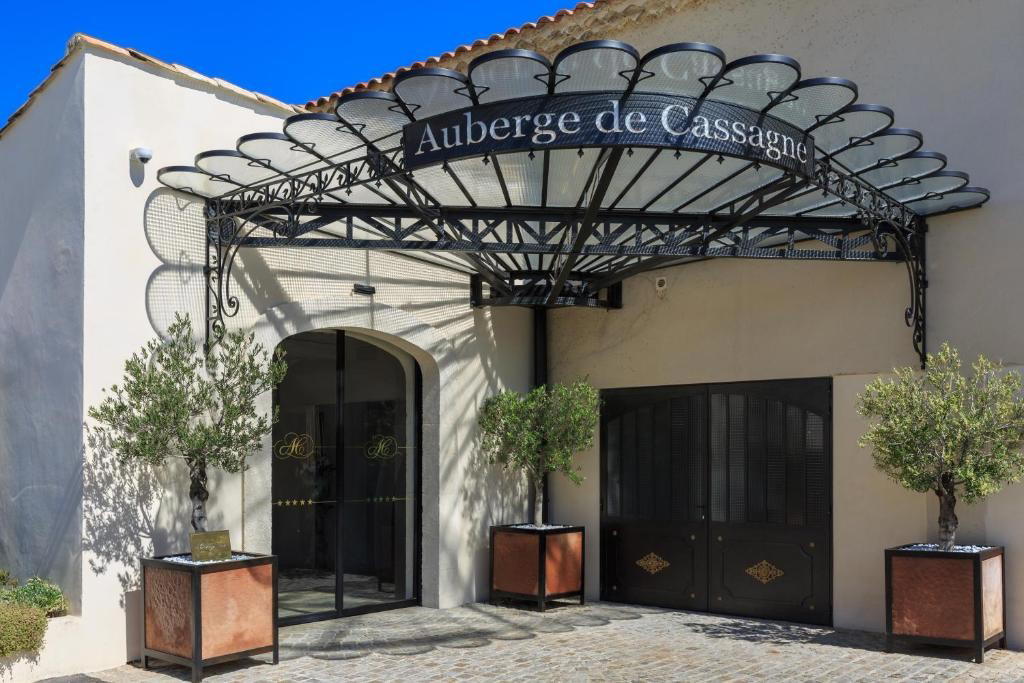
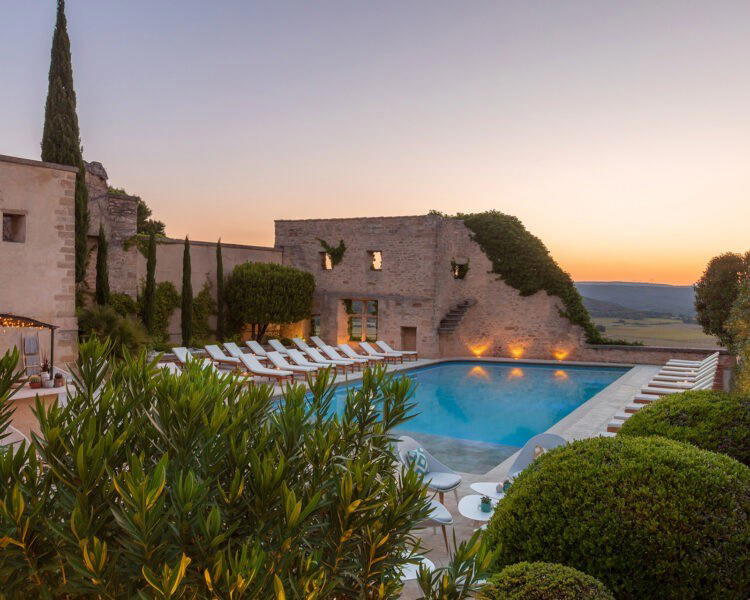
Set within the medieval priory grounds of Villeneuve-lès-Avignon, Le Prieuré occupies one of the Languedoc-Rhône corridor's most historically charged addresses. The restaurant sits inside a property where Gothic stonework and cloister gardens frame the dining experience, placing it in a category of French destination restaurants where architecture and table share equal weight. Visitors travelling from Avignon cross the Rhône to reach it.
 Discover on Pearl
Pearl is the En Primeur Club membership app — saves, bookings, and concierge access live there. Same editors, same standards.
- Address
- 7 Pl. du Chapitre, 30400 Villeneuve-lès-Avignon, France
- Phone
- +33490159015
- Website
- leprieure.com
Where the Rhône Corridor Meets the Cloister
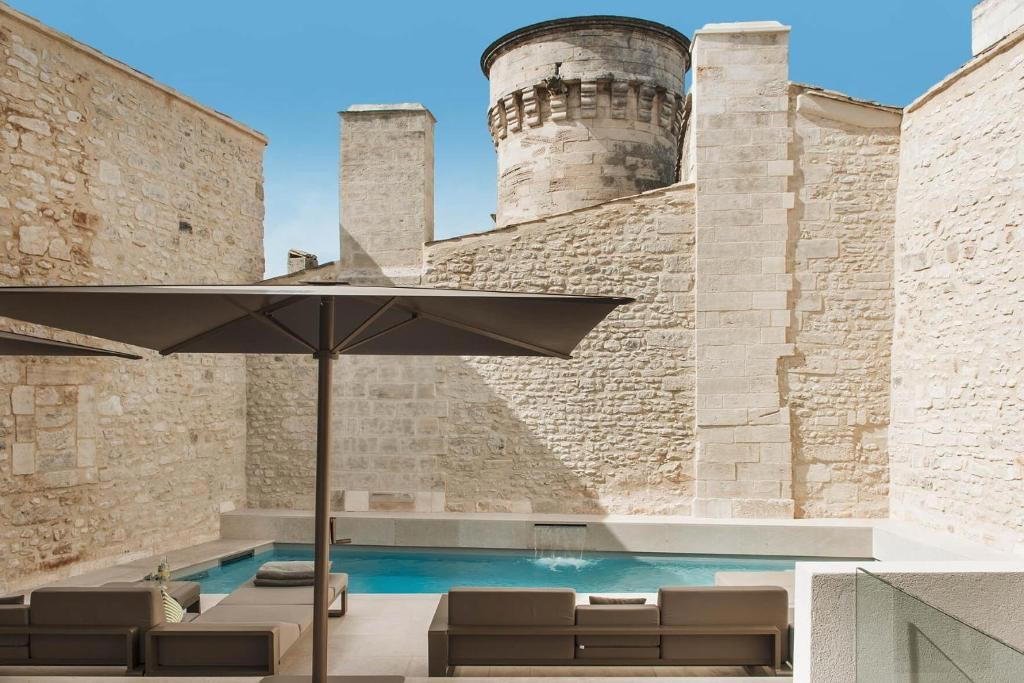
The approach to Villeneuve-lès-Avignon from the Avignon side involves crossing the Rhône and climbing toward the old fortified town that the French crown built specifically to watch over the papal city below. That geography matters for understanding Le Prieuré's position. The restaurant operates within the priory of Saint-Benoît, a complex of medieval stonework, chapter houses, vaulted corridors, gardens shaped by centuries of monastic cultivation, that places it in a very specific tier of French dining: properties where the architectural vessel is as deliberate a choice as the menu itself.
This type of destination exists across provincial France, from the restored farmhouses of Provence to the abbey hotels of the Loire, but the Languedoc-Rhône axis produces a particular version of it. The landscape here, where the garrigue meets the river plain and the Alpilles ridge frames the southern horizon, has historically attracted a certain kind of ambitious hospitality. L'Oustau de Baumanière in Les Baux occupies comparable Provençal terrain a short drive south. Le Prieuré's answer, rooted in the Gard département rather than the Bouches-du-Rhône, draws on a slightly different regional register.
The Cultural Architecture of French Priory Dining
France has a long tradition of repurposing ecclesiastical and aristocratic buildings as serious hospitality spaces, and the finest of those conversions do something specific: they use the weight of the architecture to set expectations before a single dish arrives. Walking through a cloister garden, past stone carved in the fourteenth century, reframes the pace at which a meal unfolds. It is not theatricality for its own sake; it is the imposition of a different timescale, one that resists the briskness of urban dining.
That tradition is especially coherent in the south of France, where the Catholic institutional presence left a dense residue of priories, abbeys, and chapter houses now operating as hotels and restaurants. The Rhône valley, running from Lyon down through Avignon to the delta, concentrates some of France's most historically layered dining addresses. Bras in Laguiole, positioned on the Aubrac plateau to the northwest, uses landscape as its architectural counterpart; Le Prieuré uses stone walls and formal gardens. Both approaches argue that where you eat shapes what you taste, a position that places them in a different conversation from the urban fine-dining rooms of Paris or Lyon.
For context on where urban French fine dining sits, see Alléno Paris au Pavillon Ledoyen in Paris, or for regional French ambition operating from an equally singular address, Auberge de l'Ill in Illhaeusern. Mirazur in Menton and Flocons de Sel in Megève similarly use a strong sense of place as a framing device for the food.
Regional Positioning: Villeneuve-lès-Avignon's Overlooked Status
Avignon commands most of the attention in this part of the south, the Palais des Papes, the Festival, the tourist infrastructure built around the papal legacy. Villeneuve-lès-Avignon, directly across the river, is the older rival: the French cardinals built their residences here, outside the papal jurisdiction, which is why the town's architecture is arguably more austere and more interesting than much of what sits behind Avignon's walls. The priory of Saint-Benoît is part of that ecclesiastical concentration.
For diners, this geography produces a practical implication. Villeneuve-lès-Avignon is rarely the primary destination for visitors to the region; it is reached by intention, not by accident. Restaurants that operate here tend to draw a different guest profile than those in central Avignon, fewer short-stay tourists, more guests from the wider Languedoc and Provence regions, and travellers specifically seeking the kind of address that requires a crossing rather than a short walk from a hotel.
Within the Abbaye La Motte dining scene, Le Prieuré operates at the upper end of the local tier. For a sense of the broader local picture, Le Bellie represents a different register within the same area. The our full Abbaye La Motte restaurants guide maps the wider options across both banks.
French Regional Cuisine and the Provençal-Languedoc Border
The cooking tradition that Le Prieuré draws on sits at the confluence of two distinct French regional identities. Provence, to the east, is organised around olive oil, tomato, aromatics from the garrigue, and a Mediterranean lightness that connects it culturally as much to Nice and Liguria as to Lyon or Paris. Languedoc, to the west and north, is heavier, more reliant on slow-cooked meat preparations, the earthy flavours of the Cévennes, and a wine culture built on Grenache, Syrah, and Carignan rather than the Rhône appellations that dominate across the river.
A kitchen operating in Villeneuve-lès-Avignon sits at the seam between those identities, with access to Provençal produce from the markets of Avignon and Nîmes, Camargue rice, tapenade olives, truffles from the Luberon, alongside the more strong preparations that define the Gard. That dual influence is one reason this corridor has historically supported serious restaurant cooking. Auberge du Vieux Puits in Fontjoncouse works a comparable register further into Languedoc territory; AM par Alexandre Mazzia in Marseille interprets Mediterranean influence from a different, more experimental angle.
For those benchmarking against France's broader fine-dining geography, addresses like Troisgros - Le Bois sans Feuilles in Ouches, Paul Bocuse - L'Auberge du Pont de Collonges in Collonges-au-Mont-d'Or, Assiette Champenoise in Reims, Au Crocodile in Strasbourg, Georges Blanc in Vonnas, and Christopher Coutanceau in La Rochelle define the arc of destination cooking across France's provinces. Le Prieuré's address places it within that tradition of restaurants where the building, the region, and the table form a single argument. Outside France, the tradition of dining within historic ecclesiastical properties has international counterparts; Le Bernardin in New York City and Atomix in New York City represent the urban fine-dining alternative.
Planning Your Visit
Villeneuve-lès-Avignon sits on the Gard side of the Rhône, connected to Avignon by road across the Pont Daladier, a crossing of roughly ten minutes from central Avignon by car. The priory address at 7 Place du Chapitre places it within the old town, reachable on foot from the Villeneuve-lès-Avignon town centre once you have crossed the river. Given the property's character as a hotel-restaurant complex within a historic monument, reservations are advisable, particularly during the Avignon Festival in July, when accommodation and dining across both banks of the Rhône fills several weeks in advance. The summer months also represent the period when the cloister gardens are at their most legible as a dining environment. Visitors arriving by train should note that the TGV station serving Avignon (Avignon TGV) is on the Gard side of the river, making Villeneuve-lès-Avignon logistically accessible without requiring a return crossing.
Cost Snapshot
Comparable venues nearby, for context on price, style, and recognition.
| Venue | Cuisine | Price | Awards | Notes |
|---|---|---|---|---|
| Le PrieuréThis venue — the venue you are viewing | $$$ | , | ||
| Le Bellie | $ | , | Abbaye La Motte, Contemporary French Regional | |
| Mas de l'Echanson | Chateaurenard, Provençal French Bistro | $$$ | , | |
| Maison Blanche | $$$ | , | 8th arrondissement, Modern French Fine Dining | |
| Les Délices | $$$ | , | Mollans-sur-Ouveze, Traditional French with Seasonal Garden Produce | |
| Momento | Bué, Modern French-Mexican Fusion | $$$ | 1 recognition |
Continue exploring
More in Abbaye La Motte
Restaurants in Abbaye La Motte
Browse all →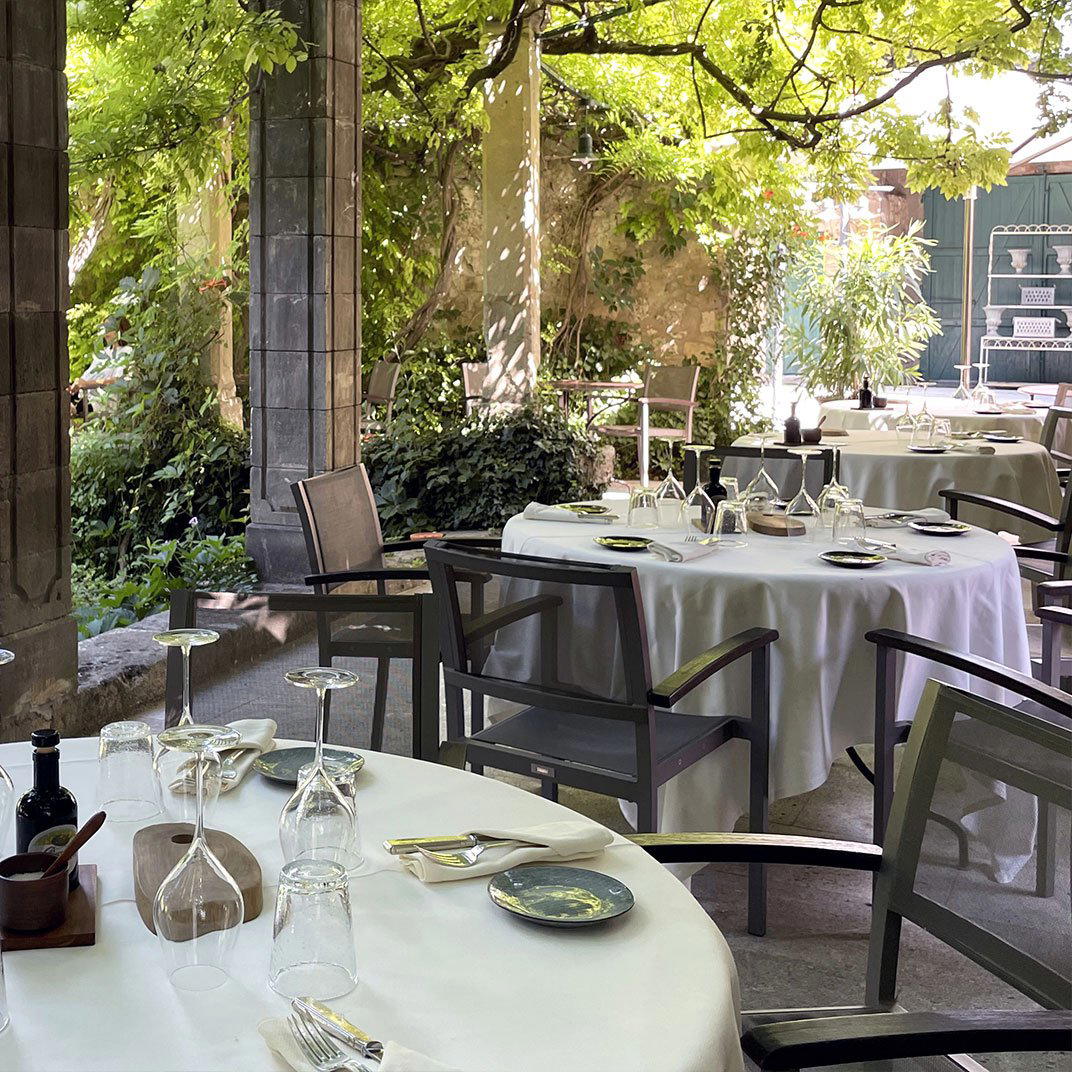
Hotels in Abbaye La Motte
Browse all →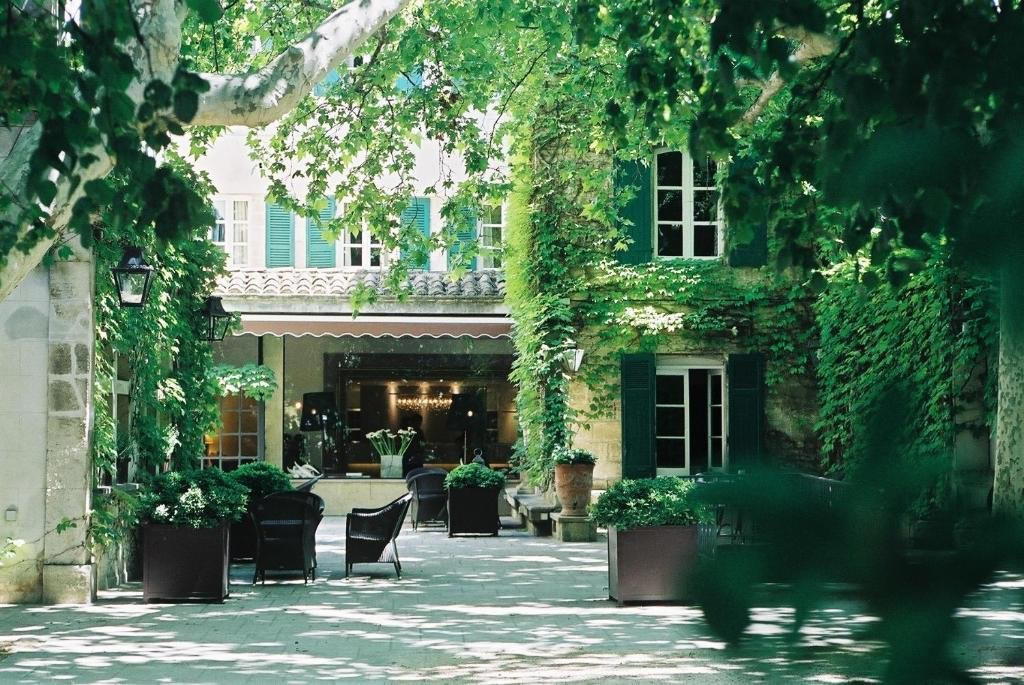
At a Glance
- Rustic
- Cozy
- Classic
- Family
- Casual Hangout
- Historic Building
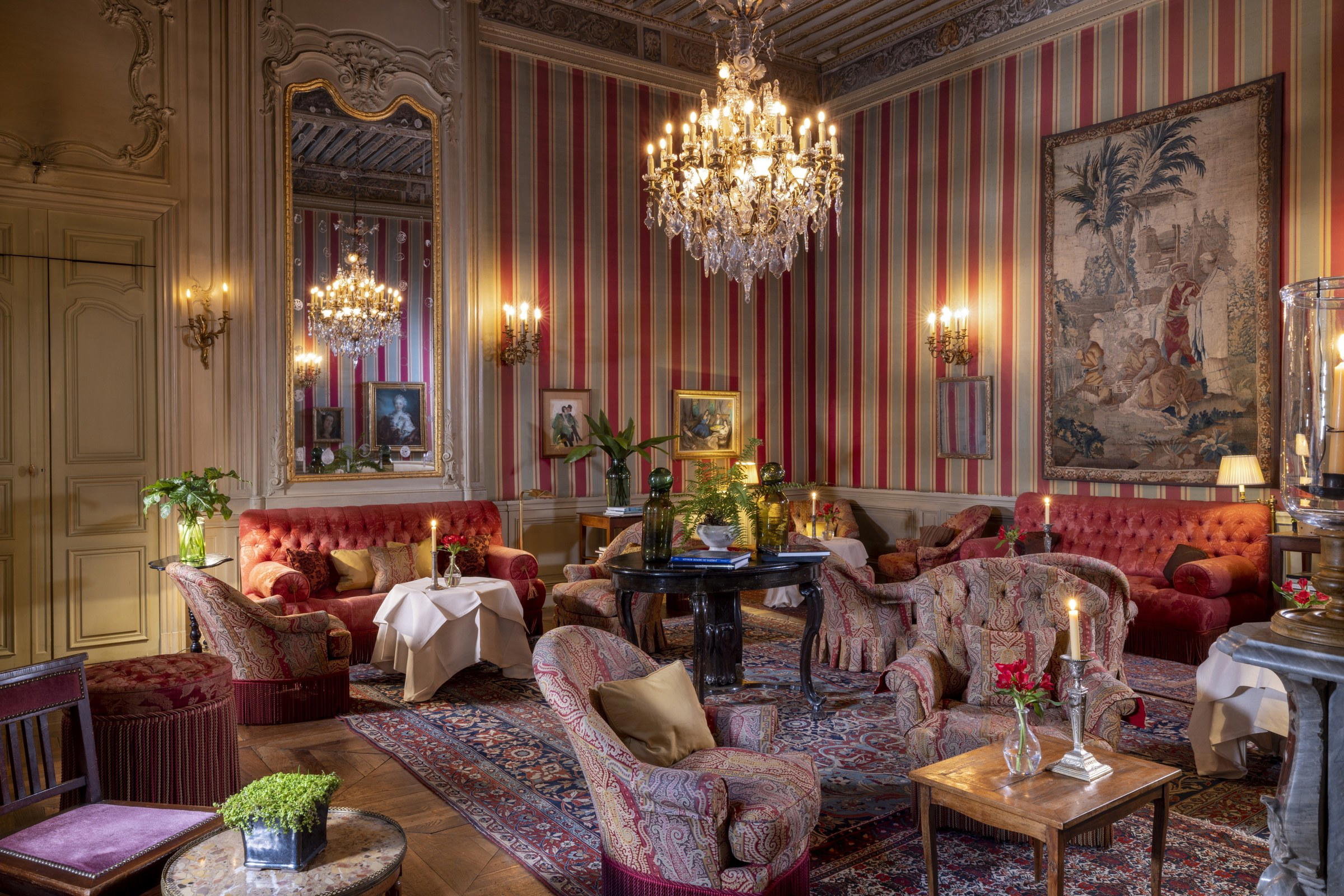
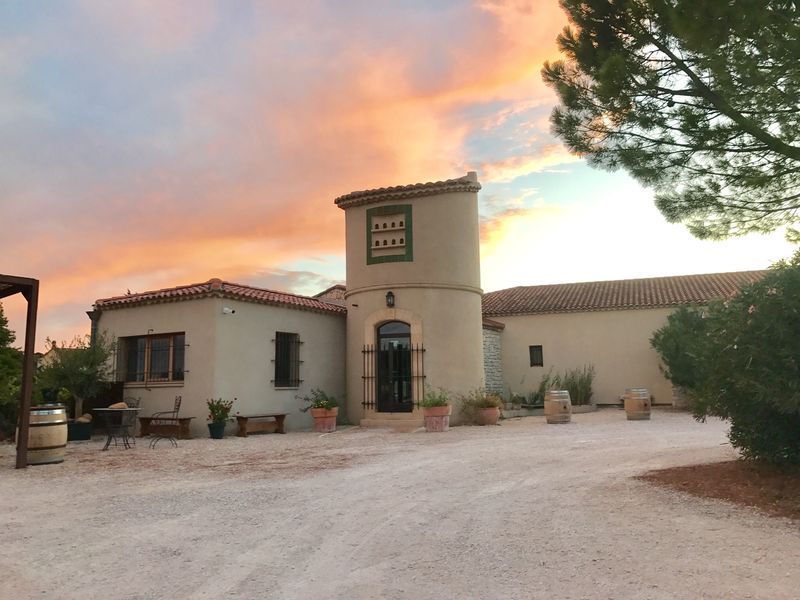
Warm and familial atmosphere in a charming countryside bâtisse de caractère.