Mas de l'Echanson
A farmhouse address in the Alpilles corridor, Mas de l'Echanson sits along the agricultural backroads of Châteaurenard, one of France's most productive market-gardening territories. The setting alone positions it inside a broader Provençal tradition where the distance between field and plate is measured in kilometres rather than supply chains. For visitors tracing serious regional cooking through the south, it belongs on the itinerary alongside the better-known tables of Les Baux and Menton.
Pearl is the En Primeur Club membership app — saves, bookings, and concierge access live there. Same editors, same standards.
- Address
- 415 Chem. des Iscles, 13160 Châteaurenard, France
- Phone
- +33490959818
- Website
- mas-echanson.net
- Directions
- Get directions
 Saves & bookings on Pearl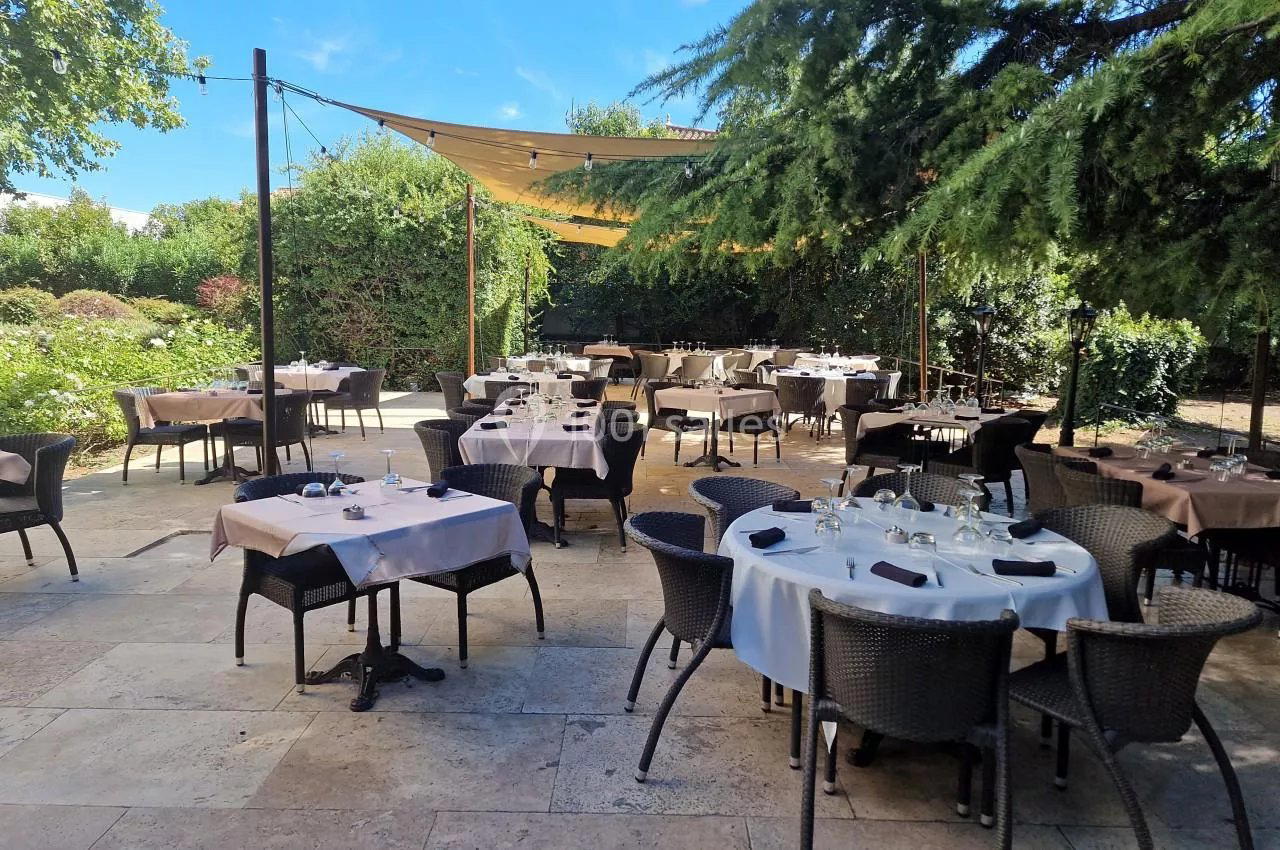
Where the Alpilles Meet the Market Garden
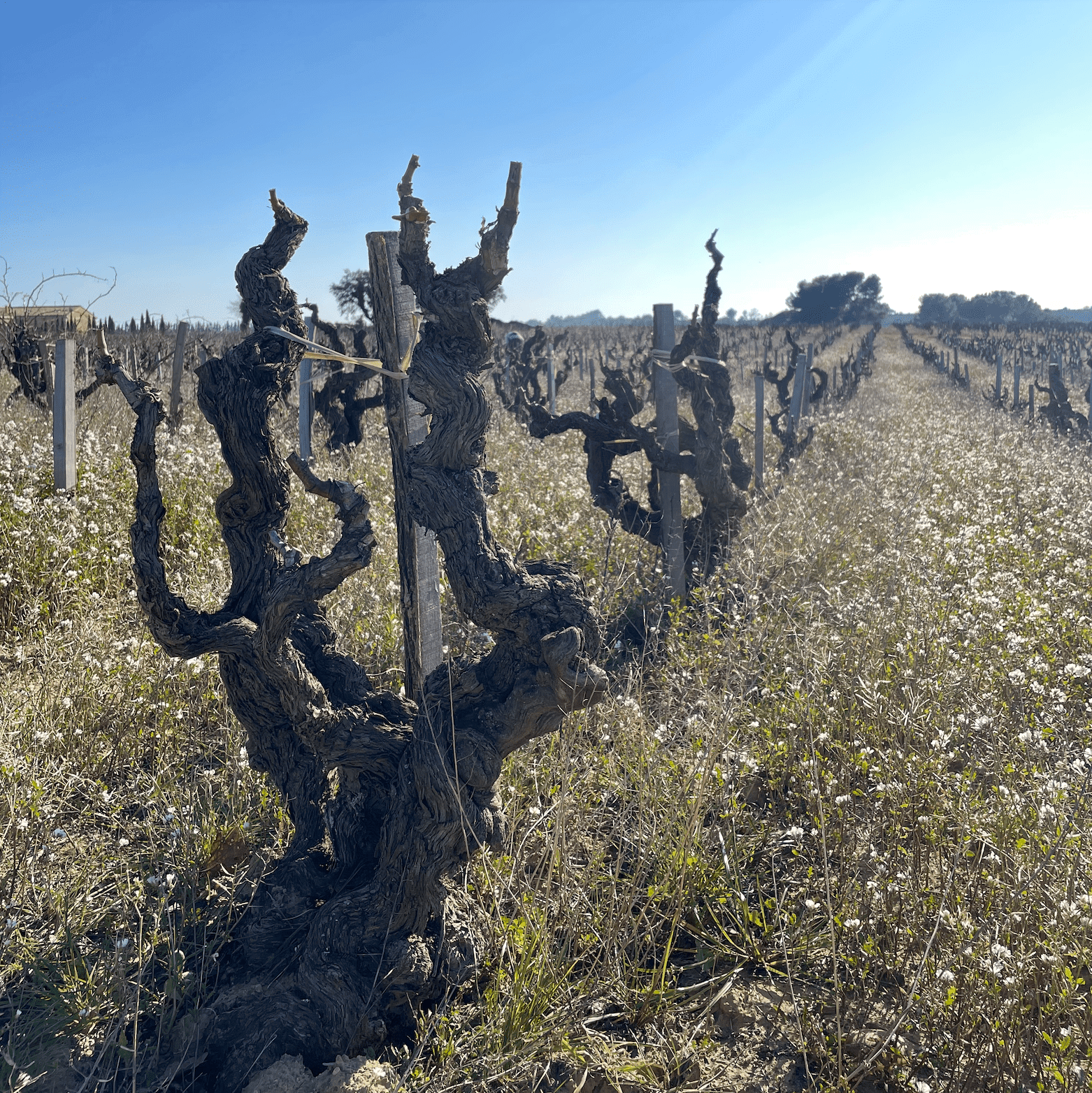
Châteaurenard is a Provençal French Bistro in the south of France. What it has is the largest wholesale fruit and vegetable market in France outside Rungis, and a surrounding agricultural plain that supplies a significant portion of the produce underpinning Provençal cooking across the entire region. That context matters when approaching Mas de l'Echanson at 415 Chemin des Iscles, because the address situates the property firmly within that productive corridor rather than in any tourist-facing part of town. The approach via the chemin des Iscles takes you past irrigated orchards and vegetable fields that have been under continuous cultivation for generations.
In a region where restaurants at the level of Mirazur in Menton and L'Oustau de Baumanière in Les Baux have built reputations partly on provenance narratives, the underlying agricultural infrastructure of the Bouches-du-Rhône rarely gets sufficient credit. Mas de l'Echanson occupies a position within that infrastructure rather than downstream from it, which gives the property a different kind of authority from the celebrated tables further west into the Alpilles or east along the coast.
The Provençal Mas Tradition and What It Demands of a Kitchen
The mas format, a working farmhouse converted to hospitality use, carries specific expectations in the south of France. It implies a relationship with land that a city-centre restaurant cannot replicate, and it tends to attract a clientele that reads the setting as a guarantee of sourcing integrity. Across Provence, the better mas addresses have used proximity to agriculture as both a practical asset and an editorial statement: the kitchen draws from what surrounds it, adjusts to seasonal availability, and treats the calendar of the regional terroir as the primary menu-planning document.
This tradition has produced some of France's most discussed cooking outside the formal dining circuit. The mas model operates differently from the prestige-Michelin tier represented by houses like Bras in Laguiole or Auberge du Vieux Puits in Fontjoncouse, where the kitchen's relationship to landscape has been codified into award-winning formats. At its most honest, the mas kitchen is less theatrical about its sourcing and more structural: the ingredients arrive because they are there, not because they have been sourced for narrative effect. For visitors who have followed French regional cooking from Auberge de l'Ill in Illhaeusern to Georges Blanc in Vonnas, the Provençal mas represents a distinct and sometimes undervalued strand of that national tradition.
Châteaurenard's Agricultural Calendar and Its Kitchen Implications
The Châteaurenard wholesale market operates year-round but peaks with the Provençal growing season, which runs from early spring through autumn and delivers successive waves of produce. A kitchen working this close to the market source can adjust its offering week by week rather than season by season, which is a different kind of menu discipline from the tasting-menu format practised at places like AM par Alexandre Mazzia in Marseille or Alléno Paris au Pavillon Ledoyen.
For the visiting diner, seasonal timing has practical implications. A table booked in late June will encounter a different set of raw materials from one booked in late September, even if the cooking style and format remain constant. The Bouches-du-Rhône growing season is one of the longest in metropolitan France, which means the sourcing advantage that comes with proximity to Châteaurenard's market is available across a wide window.
Placing Mas de l'Echanson in the Broader South of France Context
Southern France's serious dining scene concentrates predictably around its larger cities and most photographed landscapes. The Côte d'Azur end of the spectrum runs from Mirazur down through a succession of coast-facing addresses. The Rhône Valley end connects to a different tradition, one more rooted in hearty bourgeois cooking and the wine-adjacent hospitality culture of the Vaucluse and the Gard. Châteaurenard sits between these poles, in the agricultural flatlands of the Bouches-du-Rhône that most visitors pass through rather than stop in.
That positioning means that the restaurant operates without the reflexive tourist traffic that flows to more obviously scenic addresses. The clientele skews toward locals, regional visitors, and travellers who have read past the headline destinations. Compared to the full-scale prestige operations at Troisgros in Ouches or Paul Bocuse in Collonges-au-Mont-d'Or, this is a quieter and more locally oriented proposition. That is not a criticism. For a certain kind of traveller, it is precisely the point.
Those tracing France's coastal and southern dining traditions more broadly will find useful reference points in Christopher Coutanceau in La Rochelle and La Marine in Noirmoutier-en-l'île, both of which apply similar sourcing logic to Atlantic seafood. For the international context, Le Bernardin in New York City and Atomix demonstrate how ingredient provenance has become a primary framing device in contemporary fine dining globally, making the quiet sourcing integrity of addresses like Mas de l'Echanson easier to read against an international benchmark.
Planning a Visit
The restaurant is located at 415 Chemin des Iscles, 13160 Châteaurenard, approximately 20 kilometres southeast of Avignon via the D28 and D35. The address is most comfortably reached by car. Châteaurenard itself sits on main road connections between Avignon and Arles, making it a logical stop on a southern Rhône itinerary rather than a dedicated detour. Contact and booking details are best confirmed directly through local search, Given the agricultural calendar noted above, visits between May and October will capture the widest range of seasonal produce. Visitors combining this with stops at Assiette Champenoise in Reims or Au Crocodile in Strasbourg as part of a broader French touring itinerary will find the Châteaurenard detour adds a grounded agricultural counterpoint to those more formal dining experiences. For mountain-sourced Provençal comparisons, Flocons de Sel in Megève operates a similar proximity-to-source philosophy at altitude.
Fast Comparison
Comparable venues nearby, for context on price, style, and recognition.
| Venue | Cuisine | Price | Notes |
|---|---|---|---|
| Mas de l'EchansonThis venue — the venue you are viewing | Provençal French Bistro | $$$ | Not listed |
| La Gueule du Loup | Modern Provençal Bistro | $$$ | Historic Center |
| Bistrot Francis | Modern French Bistro | $$$ | Bonnieux |
| Umami | Provençal Fusion with Japanese Accents | $$$ | Centre-ville |
| Chez Georgiana | Modern French Bistro with Mediterranean influences | $$$ | Palais De Justice |
| Angus & Bacchus | French Steakhouse | $$$ | Comédie |
Continue exploring
More in Chateaurenard
Restaurants in Chateaurenard
Browse all →
Bars in Chateaurenard
Browse all →
Hotels in Chateaurenard
Browse all →
At a Glance
- Rustic
- Elegant
- Cozy
- Family
- Group Dining
- Business Dinner
- Date Night
- Terrace
- Private Dining
- Sommelier Led
- Local Sourcing
- Garden
Current opening hours
- Monday
- Closed
- Tuesday
- 12–2 PM, 6–9:30 PM
- Wednesday
- 12–2 PM, 6–9:30 PM
- Thursday
- 12–2 PM, 6–9:30 PM
- Friday
- 12–2 PM, 6–9:30 PM
- Saturday
- 12–2 PM, 6–9:30 PM
- Sunday
- Closed
Hours can change for holidays and private events. Last verified .
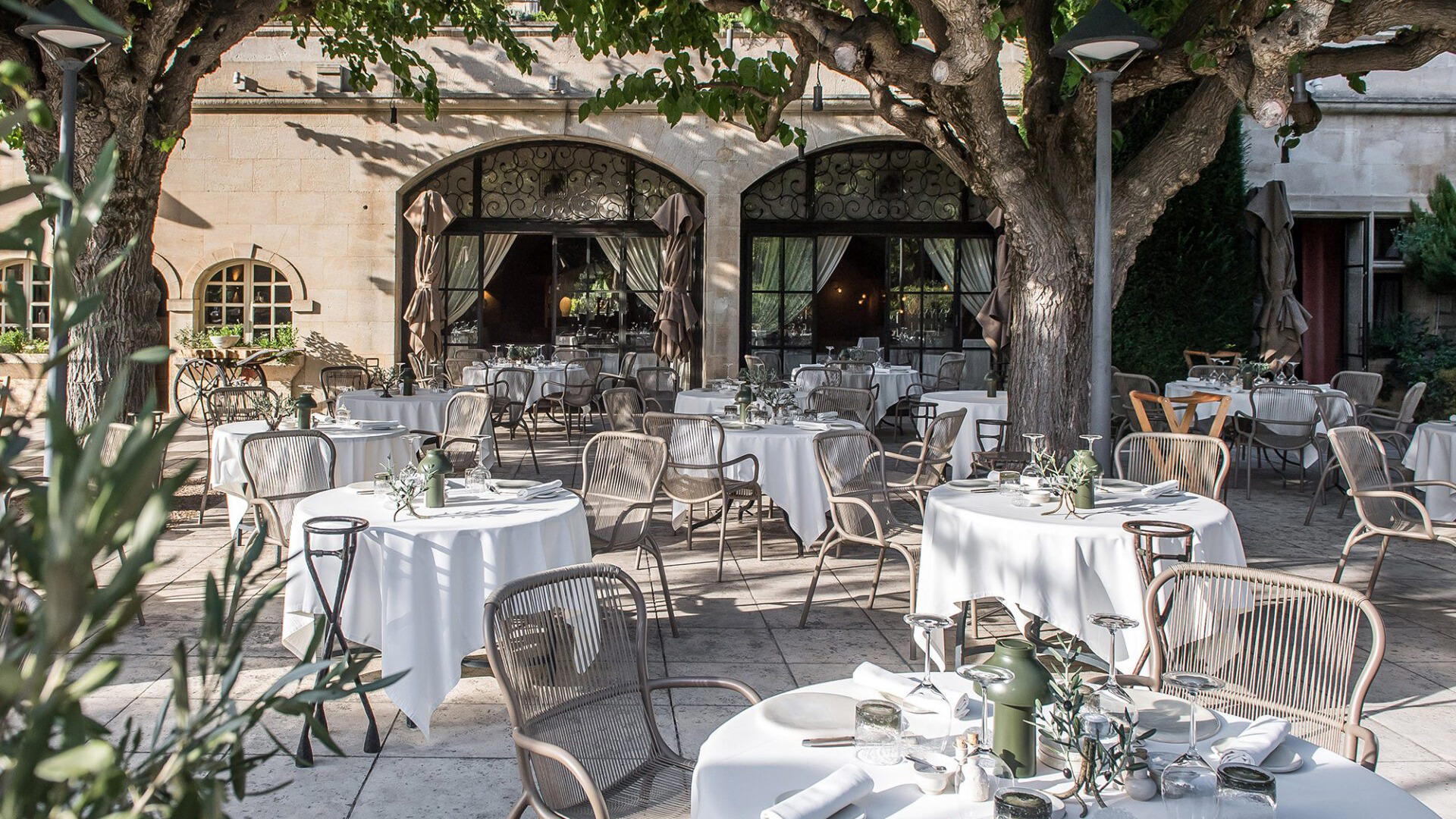
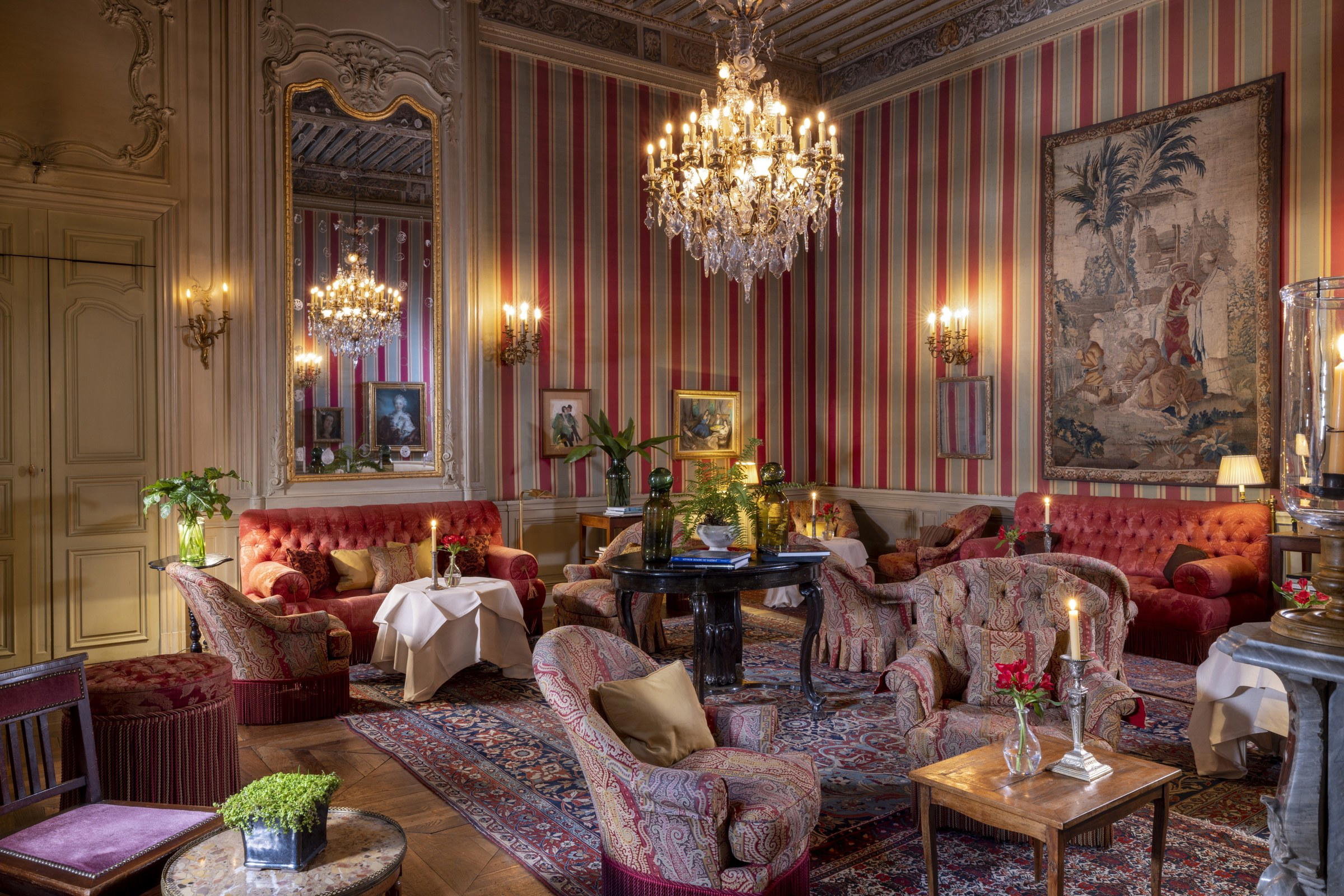
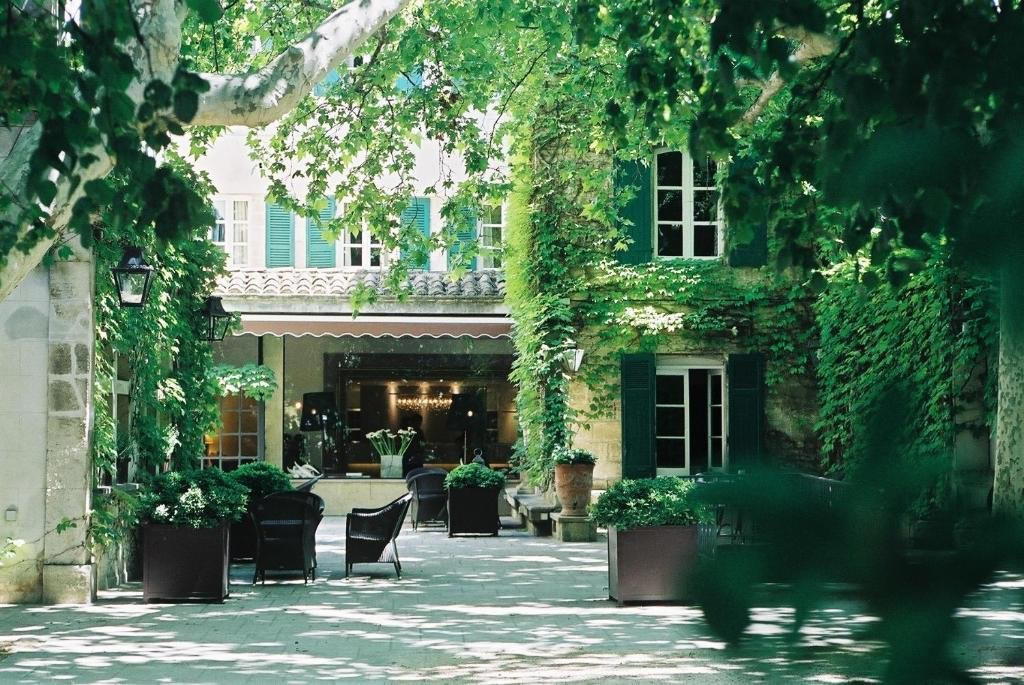
Pleasant and welcoming atmosphere with Provence sophistication, shaded terrace dining, and a casual yet refined Provençal charm.