
1 Michelin Star
Our verdict
A Michelin-starred farmhouse table between garrigue scrubland and vineyards near Avignon, Maison Chenet operates from a seventeenth-century mas in Pujaut where the sourcing logic is as direct as the surroundings. The kitchen, led by a father-son pair including a Meilleur Ouvrier de France, produces Provençal-inspired market cooking at €€€€. Six onsite guestrooms make it a natural overnight proposition.

Pearl is the En Primeur Club membership app, where members save venues, book tables and use the concierge.
The menu
What to order
- Tartare de thon de Méditerranée et foie gras poêlée
- Pigeonneau des Costières aux fines épices et sa pastilla
- Soufflé chaud aux citron vert et son sorbet
Between Cliff and Vine: The Landscape That Sets the Table
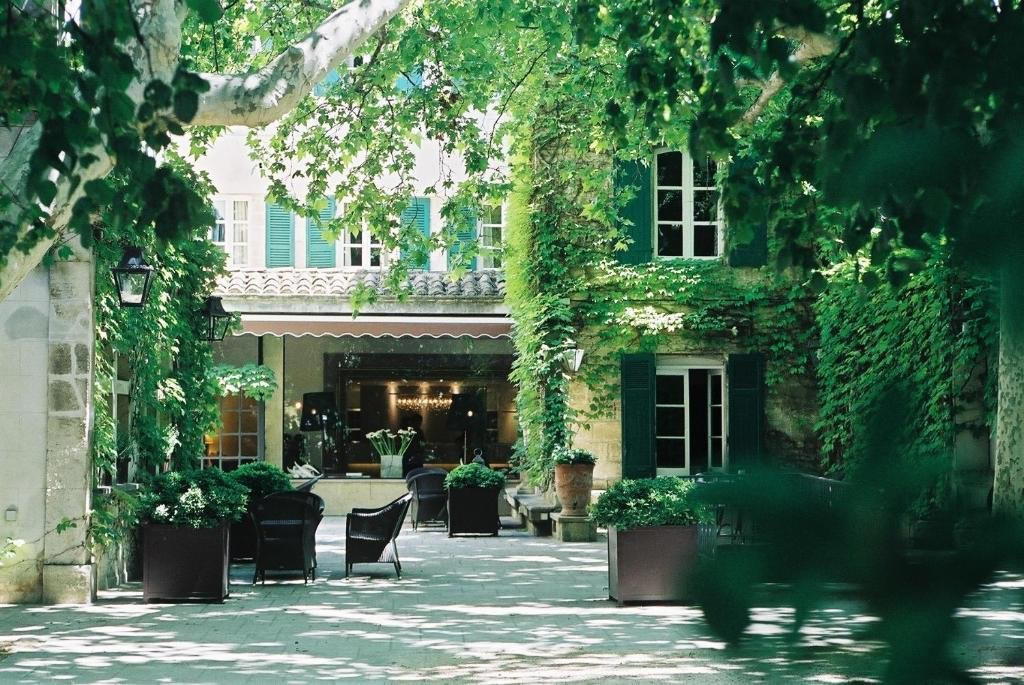
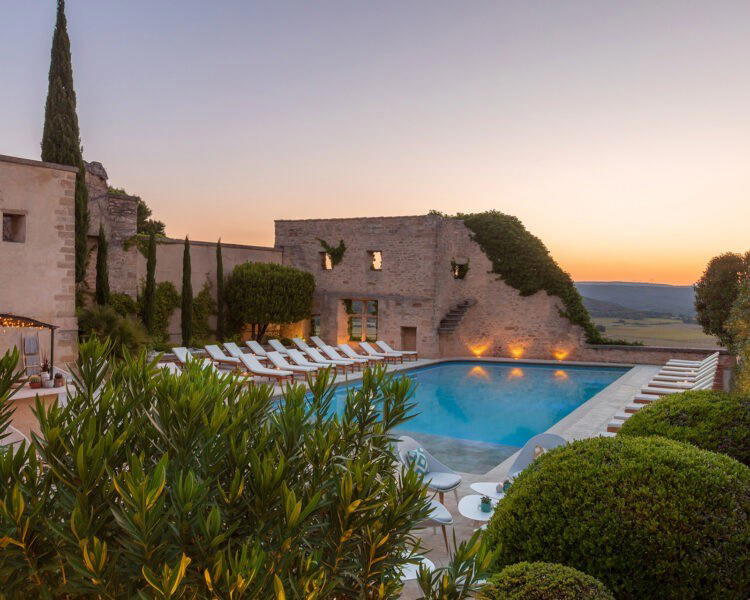
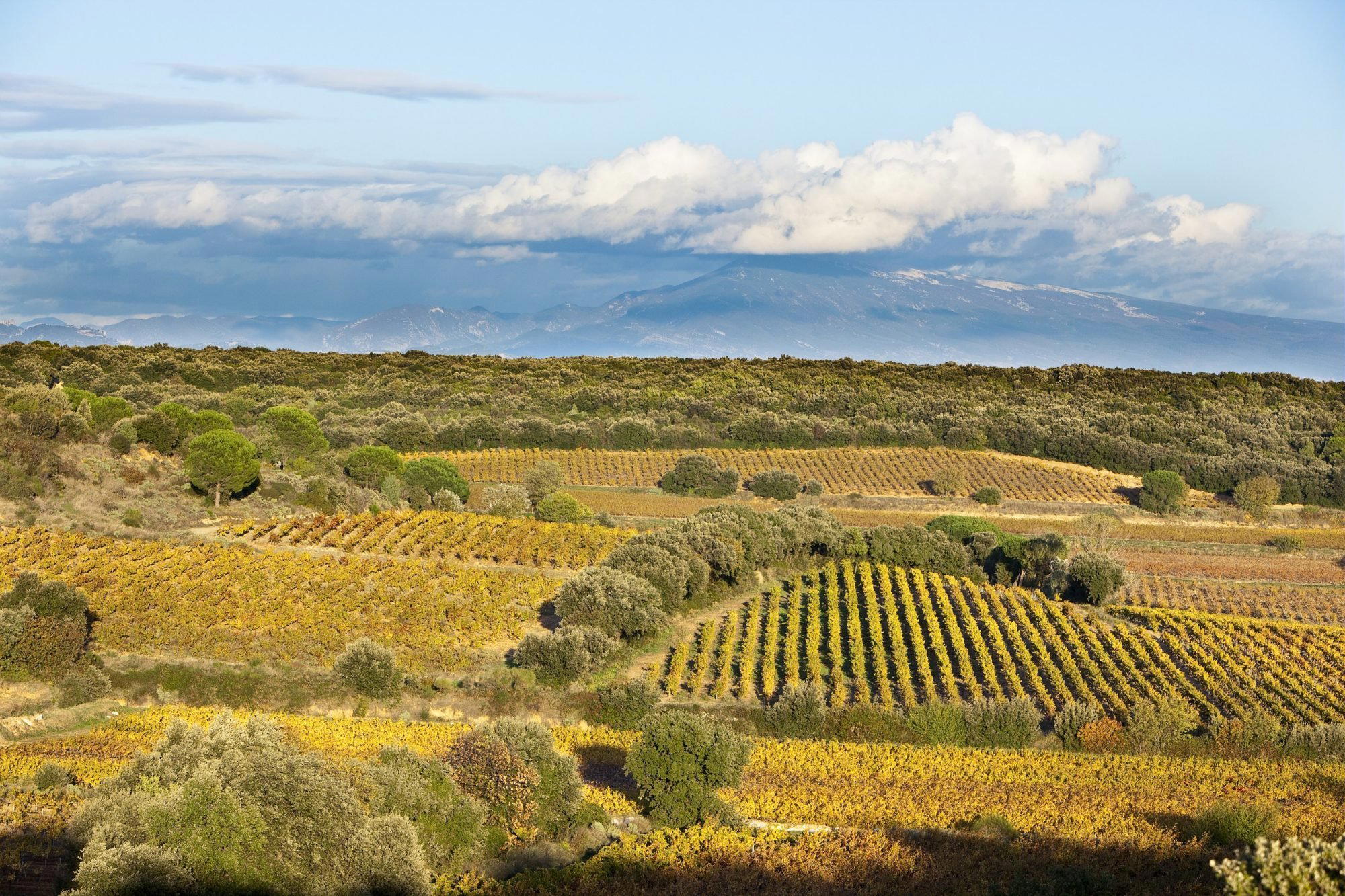
The road to Mas Saint-Bruno runs through garrigue country, that particular stretch of southern French scrubland where wild thyme, rosemary, and cistus compete with limestone outcrops and the distant silhouette of vineyards. By the time you arrive at Maison Chenet - Entre Vigne et Garrigue, the name has already explained itself. The setting is not incidental to what happens at the table here; it is, in the most direct sense, the source material. Sitting between the Rhône corridor and the outskirts of Avignon, Pujaut belongs to a corner of the Gard that rarely draws the tourist reflex of its more famous neighbours, which means that the dining room at Maison Chenet operates at a remove from the performative busyness that can characterise starred restaurants in larger cities.
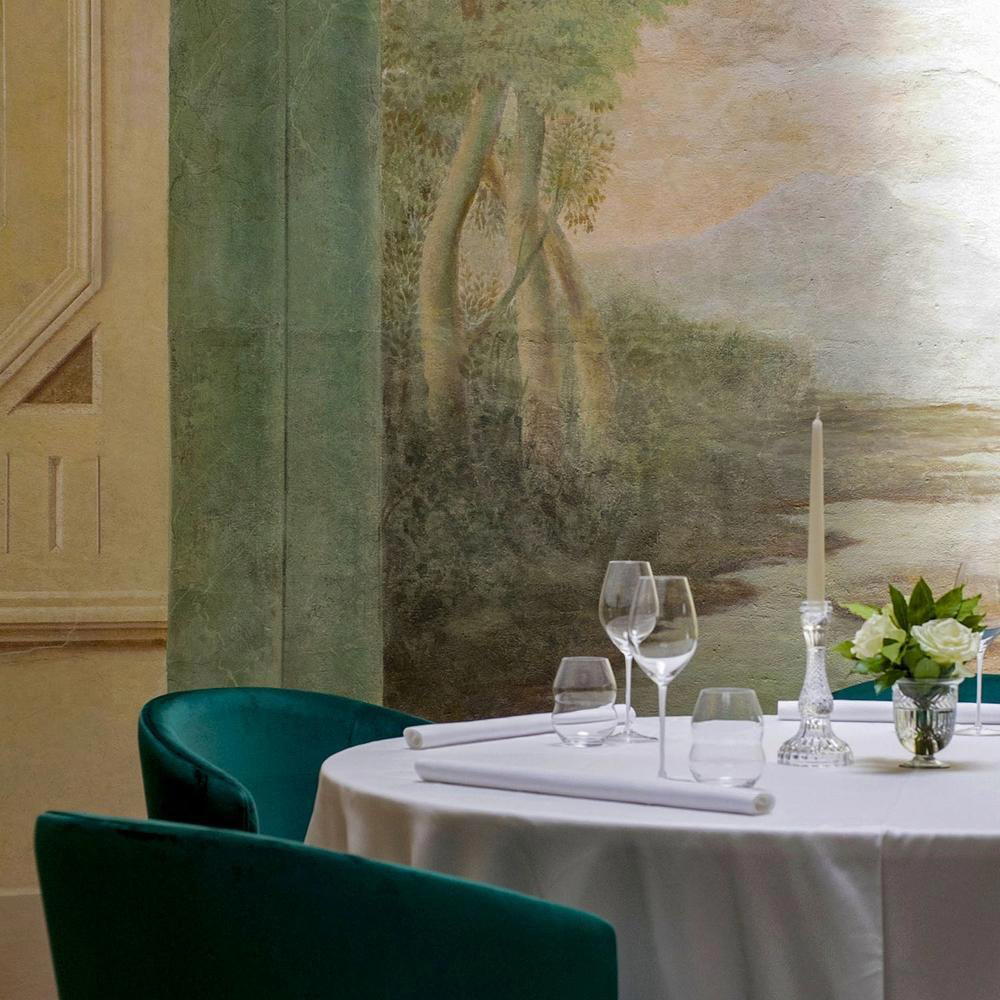
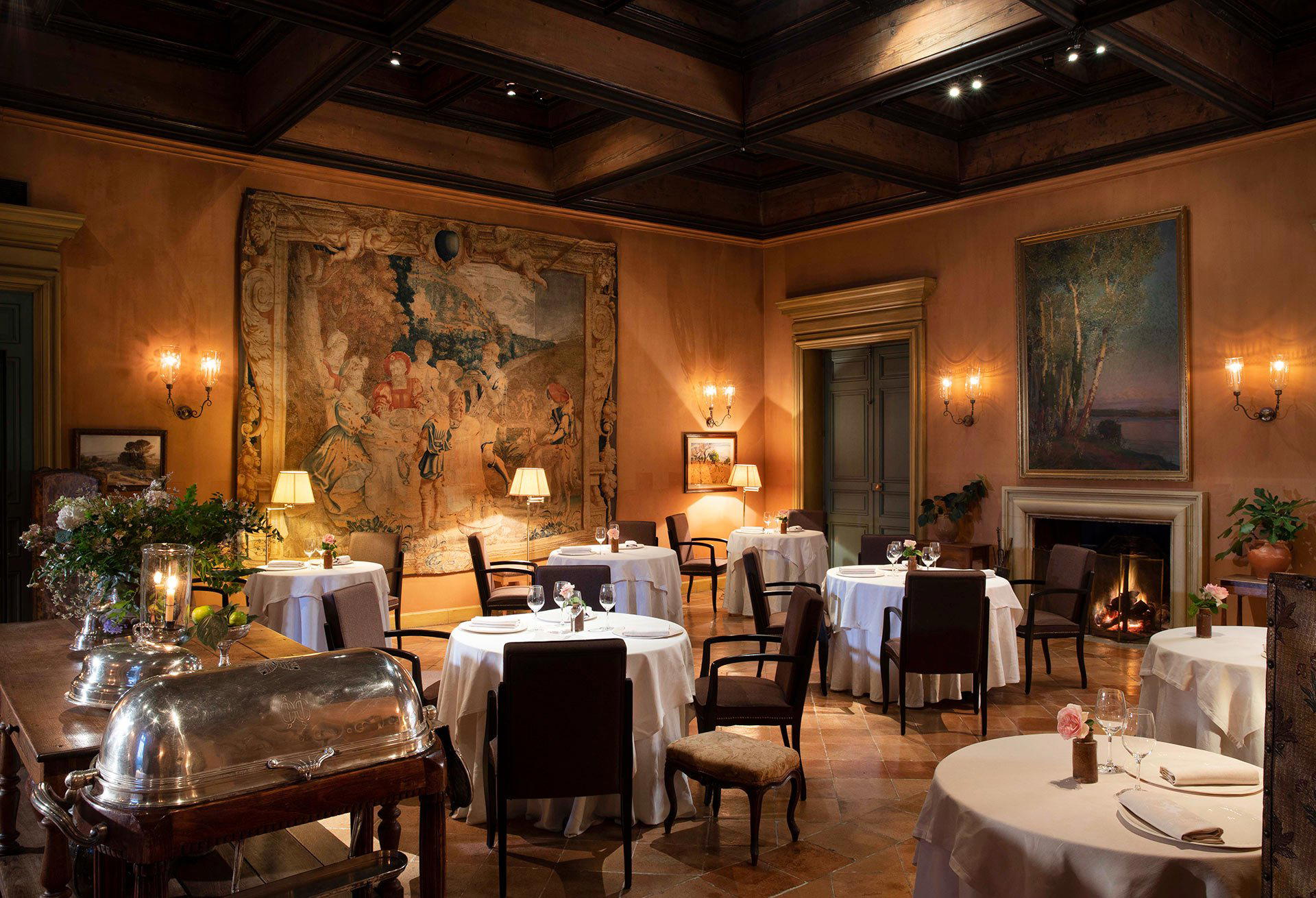
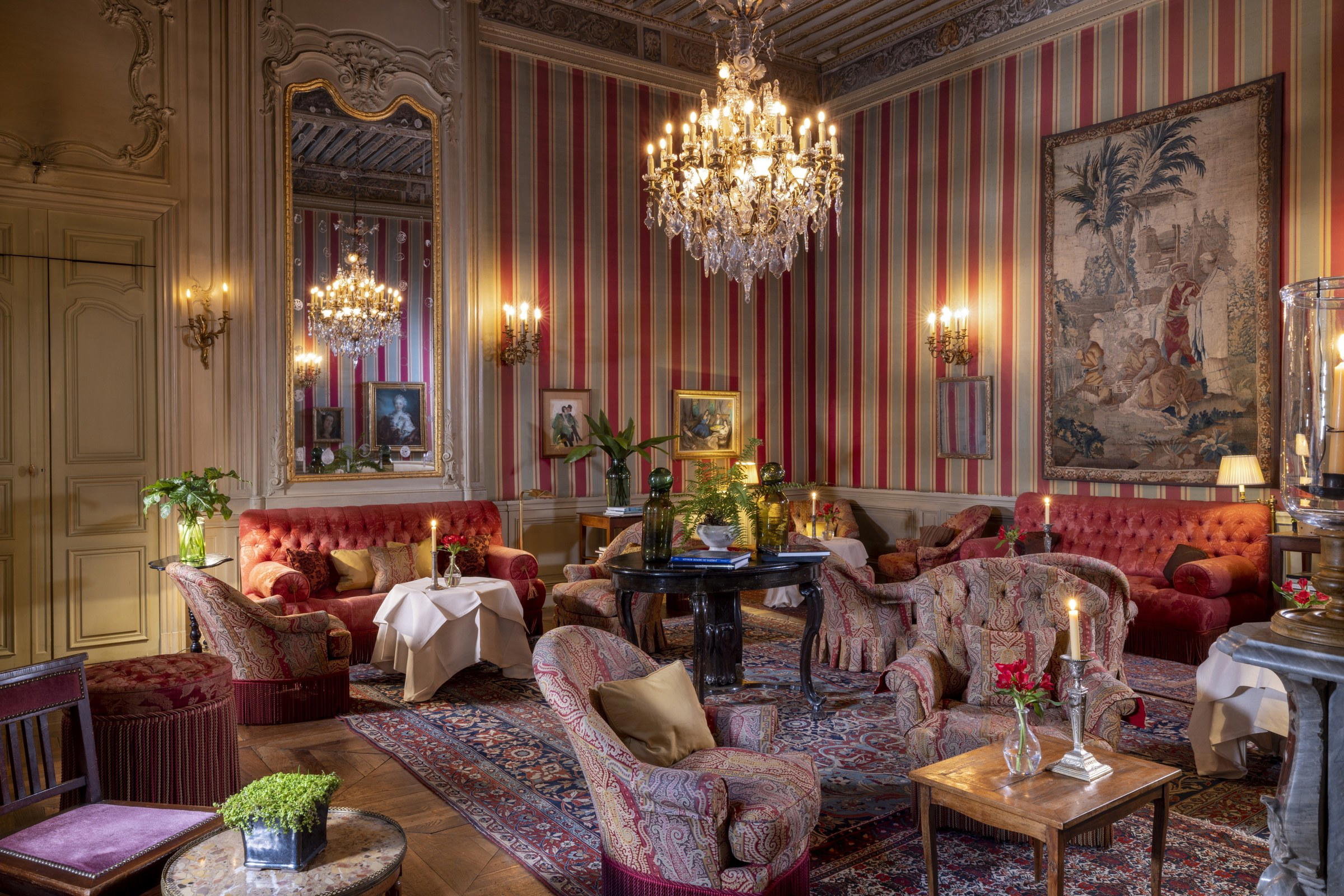
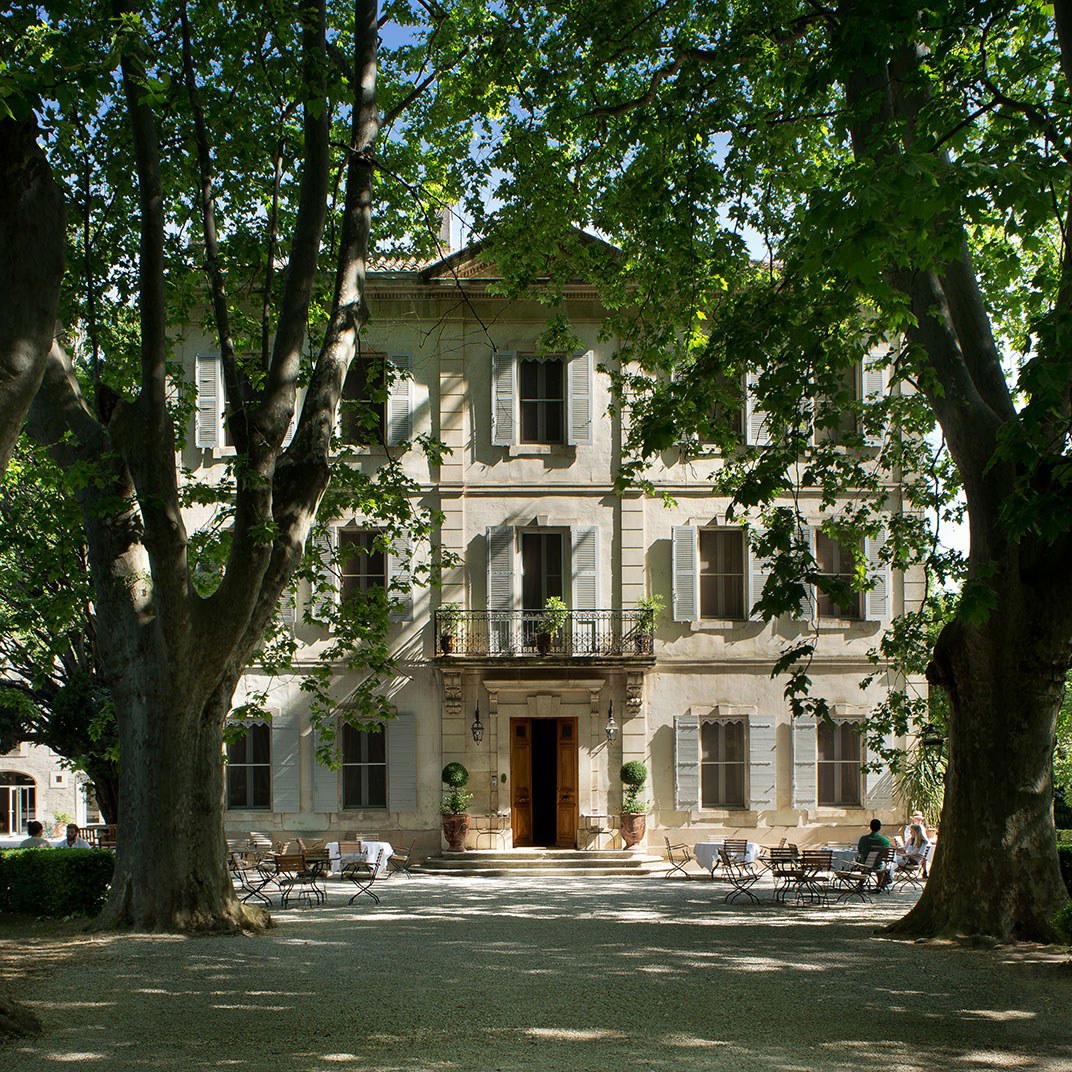
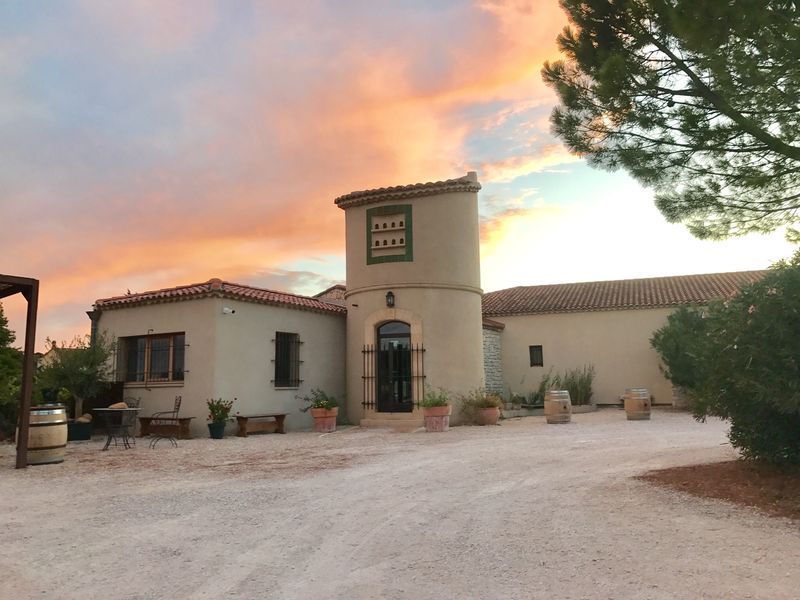
The farmhouse dates to the seventeenth century, and its renovation has preserved the period stone and ceiling details while absorbing modern fittings without announcing them. The scents that arrive through open windows or cling to the interior are not constructed atmosphere; they are the garrigue itself, pressing in from the surrounding terrain. For a kitchen whose identity is rooted in provenance, that proximity matters.
The Sourcing Logic Behind a Michelin Star
Maison Chenet holds a Michelin star as of the 2024 guide, and the recognition aligns with a category of French regional cooking that Michelin has been increasingly willing to spotlight: market-driven, place-specific, and operating at a scale that keeps ingredient sourcing tight. The kitchen here works a Provençal-inspired menu built around seasonal produce from the surrounding region, a mode that demands seasonal discipline rather than the stability of a fixed showcase menu.
The sourcing philosophy at work is one familiar to the broader conversation in southern French gastronomy: Mediterranean seafood handled with the confidence of coastal proximity, local vegetables that carry the mineral intensity of garrigue-adjacent soil, and herbs that need no importation because they grow wild within sight of the dining room. The menu noted in the Michelin record cites Mediterranean red mullet fillet in a fennel rouille with bouillabaisse jus as a marker of the kitchen's approach: a fish native to the coastline a short drive south, prepared through a technique that belongs to the region's culinary history rather than being borrowed from elsewhere. The dessert pairing of strawberries with black olive confit, olive oil ice cream, and a tapenade madeleine reads as a kitchen that takes Provençal produce seriously enough to apply it to the sweet register as well, where olive oil and tapenade rarely appear.
This is the kind of sourcing confidence that separates a genuinely rooted regional table from one that uses provenance as marketing language. The produce choices are specific enough that they could only work if the supply relationship is real, and the cooking is technical enough, given the Michelin recognition, to do justice to what those ingredients offer at peak season.
Serge Chenet, Meilleur Ouvrier de France, and What That Title Signals
In the French culinary hierarchy, the Meilleur Ouvrier de France designation is among the most demanding credentials a cook can hold. Awarded through a rigorous national competition, it places the holder in a peer group that includes figures who have defined French gastronomy at its most exacting technical level. Serge Chenet, who holds this distinction and works alongside his son Maxime in the kitchen, brings a training lineage that connects this Provençal farmhouse to the disciplined craft traditions of mainland French haute cuisine.
The father-son format is relatively rare at this level of French dining, and it produces a kitchen with an unusual continuity: the technical rigour of an MOF-credentialled cook operating in dialogue with a younger sensibility. The Michelin assessors noted their shared commitment to natural ingredients and the seasonal produce of the region. That both carry Breton origins into a Provençal context adds a subtle tension to the cooking: Breton kitchen culture is associated with butter, cream, and the Atlantic, and the record notes that neither cook has abandoned those staples even while working within a Mediterranean ingredient frame. The result, at least in terms of menu logic, is a southern French table that does not strip out richness in the name of lightness.
For context, the other French one-star tables in the wider southern France and Rhône corridor conversation include properties with comparable commitments to place and produce. Mirazur in Menton represents the coast-driven extreme of that approach; Auberge du Vieux Puits in Fontjoncouse is another remote farmhouse format in the broader Mediterranean south that has earned sustained recognition for a similarly rooted approach. AM par Alexandre Mazzia in Marseille occupies the urban end of the same regional conversation. Maison Chenet sits at the quieter, more rural end of the spectrum, without the international traffic that flows through those better-known addresses.
Staying On: The Six Guestrooms
The mas includes six guestrooms housed within the seventeenth-century structure, which shifts Maison Chenet from a destination restaurant into a short-stay proposition. This format, the chambres d'hôtes attached to a serious kitchen, has a long tradition in rural France and carries a logic that is hard to argue with: the leading time to be at a table like this is when you are not calculating a drive home. The rooms are described as conducive to unwinding, which, read against the garrigue surroundings and the cooking, suggests a specific kind of stay rather than a hotel experience in any conventional sense.
For visitors already exploring the Avignon region, particularly during the festival period in late July when the city is at its most congested, a base this close to the historic centre that also offers this quality of table represents a practical alternative to in-city accommodation. Our full Pujaut hotels guide covers the broader accommodation options in the area for those who need more flexibility.
Planning a Visit
Maison Chenet operates Wednesday through Sunday, with lunch service running from 12:15 PM to 1:30 PM and dinner from 7:15 PM to 9:00 PM. Monday and Tuesday are closed. The kitchen operates tight windows, particularly at lunch, which is consistent with a small operation built around fresh market sourcing: the 1:30 PM close means the kitchen is not running two sittings back to back but rather controlling pace and quality over a single, focused service. The price range is €€€€, placing it at the upper tier of the regional restaurant market and in the same bracket as starred urban tables such as Alléno Paris au Pavillon Ledoyen in Paris and Assiette Champenoise in Reims, though the remote farmhouse setting means the spend is not subsidising city-centre overheads.
The address is Mas Saint-Bruno, 600 Route de Saint-Bruno, 30131 Pujaut. Pujaut sits in the Gard, across the Rhône from Avignon, and is reachable by car in under fifteen minutes from the city centre. There is no viable public transport option to the mas itself, so a car or taxi is the practical approach. Given the dinner window ending at 9:00 PM and the country road access, booking the onsite rooms is worth considering for a dinner visit.
Those building a broader itinerary in southern France can use our full Pujaut restaurants guide, our full Pujaut bars guide, our full Pujaut wineries guide, and our full Pujaut experiences guide to extend the visit beyond the table. For those interested in how Maison Chenet compares to other serious French regional tables, Flocons de Sel in Megève, Bras in Laguiole, Troisgros - Le Bois sans Feuilles in Ouches, Paul Bocuse - L'Auberge du Pont de Collonges in Collonges-au-Mont-d'Or, and Auberge de l'Ill in Illhaeusern represent different expressions of the French regional table at a similarly serious level. International comparisons at the modern cuisine end of the spectrum include Frantzén in Stockholm, FZN by Björn Frantzén in Dubai, and Au Crocodile in Strasbourg.
Frequently asked questions
What price level is Maison Chenet - Entre Vigne et Garrigue?
Pricing at Maison Chenet - Entre Vigne et Garrigue is listed as €€€€.
What are Maison Chenet - Entre Vigne et Garrigue's hours?
Hours at Maison Chenet - Entre Vigne et Garrigue: Monday closed Tuesday closed Wednesday 12:15 PM-1:30 PM 7:15 PM-9 PM Thursday 12:15 PM-1:30 PM 7:15 PM-9 PM Friday 12:15 PM-1:30 PM 7:15 PM-9 PM Saturday 12:15 PM-1:30 PM 7:15 PM-9 PM Sunday 12:15 PM-1:30 PM 7:15 PM-9 PM.
Comparable Spots, Quickly
| Venue | Cuisine | Price | Awards | Notes |
|---|---|---|---|---|
| Maison Chenet - Entre Vigne et GarrigueThis venue (the venue you are viewing) | Modern Provençal Fine Dining | $150–200 | 1 Michelin Star | Not listed |
| Alléno Paris au Pavillon Ledoyen | Modern French Fine Dining | $150–200 | 3 Michelin Stars · World's 50 Best #79 | Creative |
| Kei | Contemporary French, Modern Cuisine | Not listed | Michelin 3 Star | Not listed |
| L'Ambroisie | Classic French Haute Cuisine | $300–500 | 2 Michelin Stars · World's 50 Best #23 | French, Classic Cuisine |
| Le Cinq - Four Seasons Hôtel George V | Modern French Fine Dining | $300–500 | 3 Michelin Stars · World's 50 Best #24 | French, Modern Cuisine |
| Plénitude | Modern French Sauce-Led Fine Dining | $300–500 | 3 Michelin Stars · World's 50 Best #14 | Contemporary French |
Recognition history
Dated appearances from independent guides and award organizations, with the underlying list record or original source where available.
Michelin 1 Star
Michelin
Full recognition history (3 entries)
Michelin 1 Star
Michelin
Michelin 1 Star
Michelin
Continue exploring
More in Pujaut
Restaurants in Pujaut
All restaurants in Pujaut →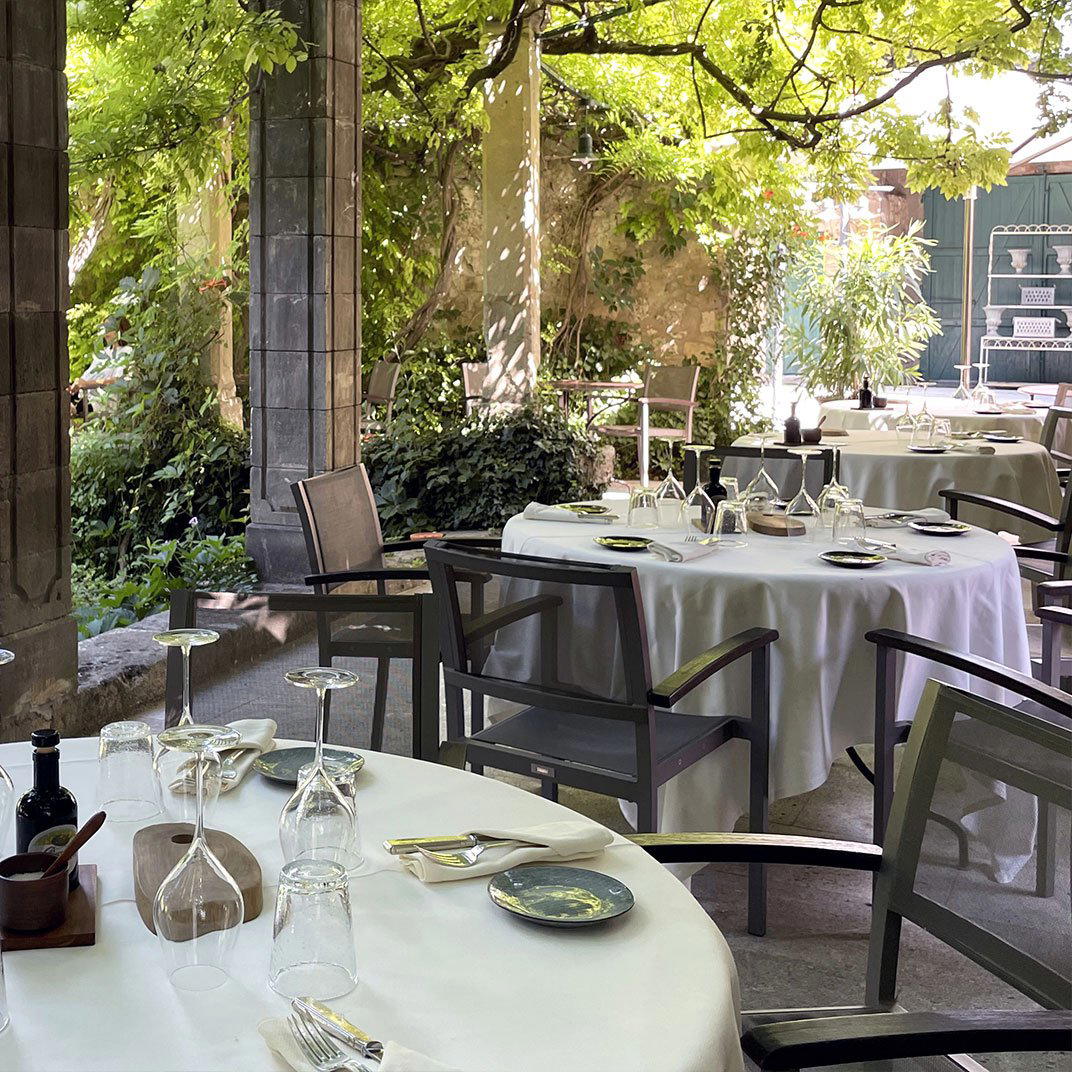
Bars in Pujaut
Browse all →

Maison Chenet - Entre Vigne et Garrigue
The wine
- Extensive wine list
- Sommelier-led
Details
- Rustic
- Elegant
- Intimate
- Cozy
- Scenic
- Date Night
- Special Occasion
- Terrace
- Private Dining
- Historic Building
- Extensive Wine List
- Sommelier Led
- Local Sourcing
- Vineyard
- Garden
- Tasting Menu
- A La Carte
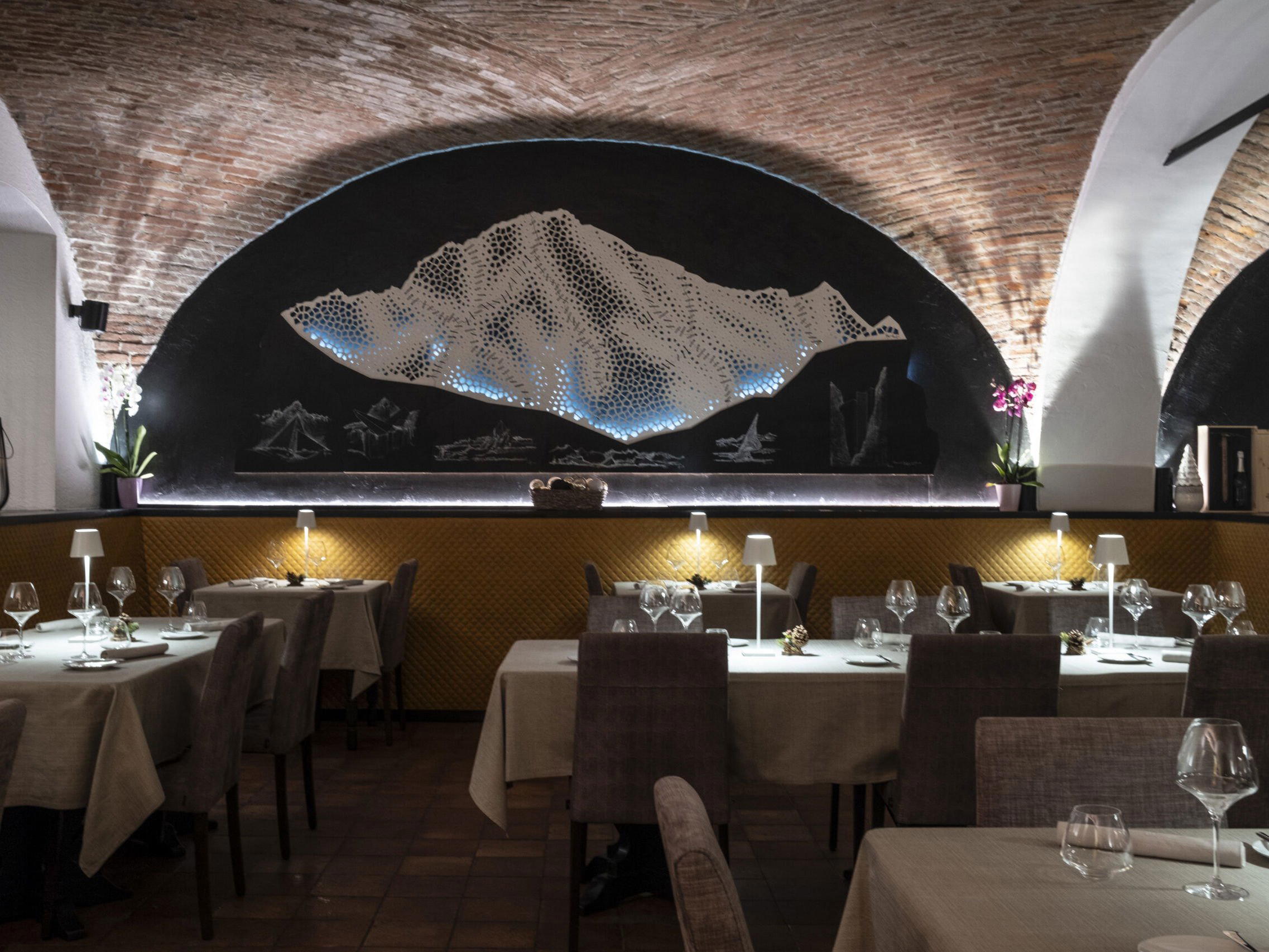
Tastefully renovated 17th-century interior blending period details with modern fittings, warm and refined atmosphere with quiet, elegant dining rooms including intimate spaces for couples.