Le Moulin du Gastronome
Our verdict
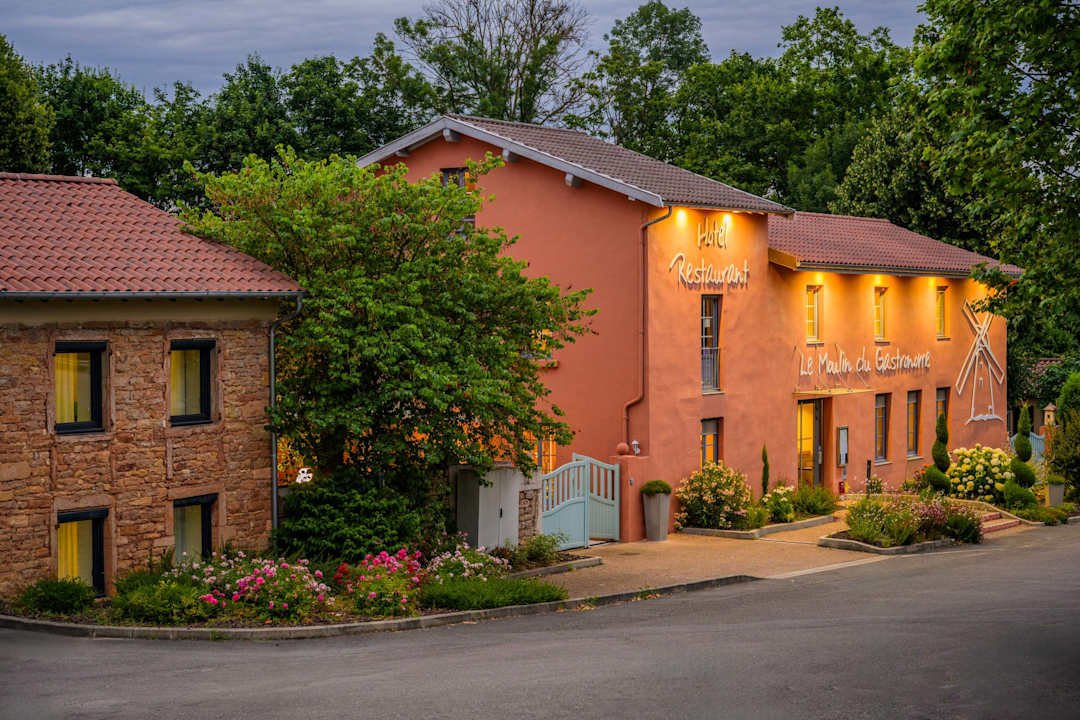
Le Moulin du Gastronome pairs Traditional French Fine Dining with a historic building, garden views, and a leisurely formal pace for lunch or dinner.

Pearl is the En Primeur Club membership app — saves, bookings, and concierge access live there. Same editors, same standards.
- Address
- 540 Rte de Cluny D17, 71850 Charnay-lès-Mâcon, France
- Phone
- +33385341668
- Website
- moulindugastronome.com
- Directions
- Get directions
The menu
What to order
- Terrine de foie gras maison
- Déclinaison de coings à l’huile de noisette
Between Mâcon and Cluny: Where Burgundy Meets the Table
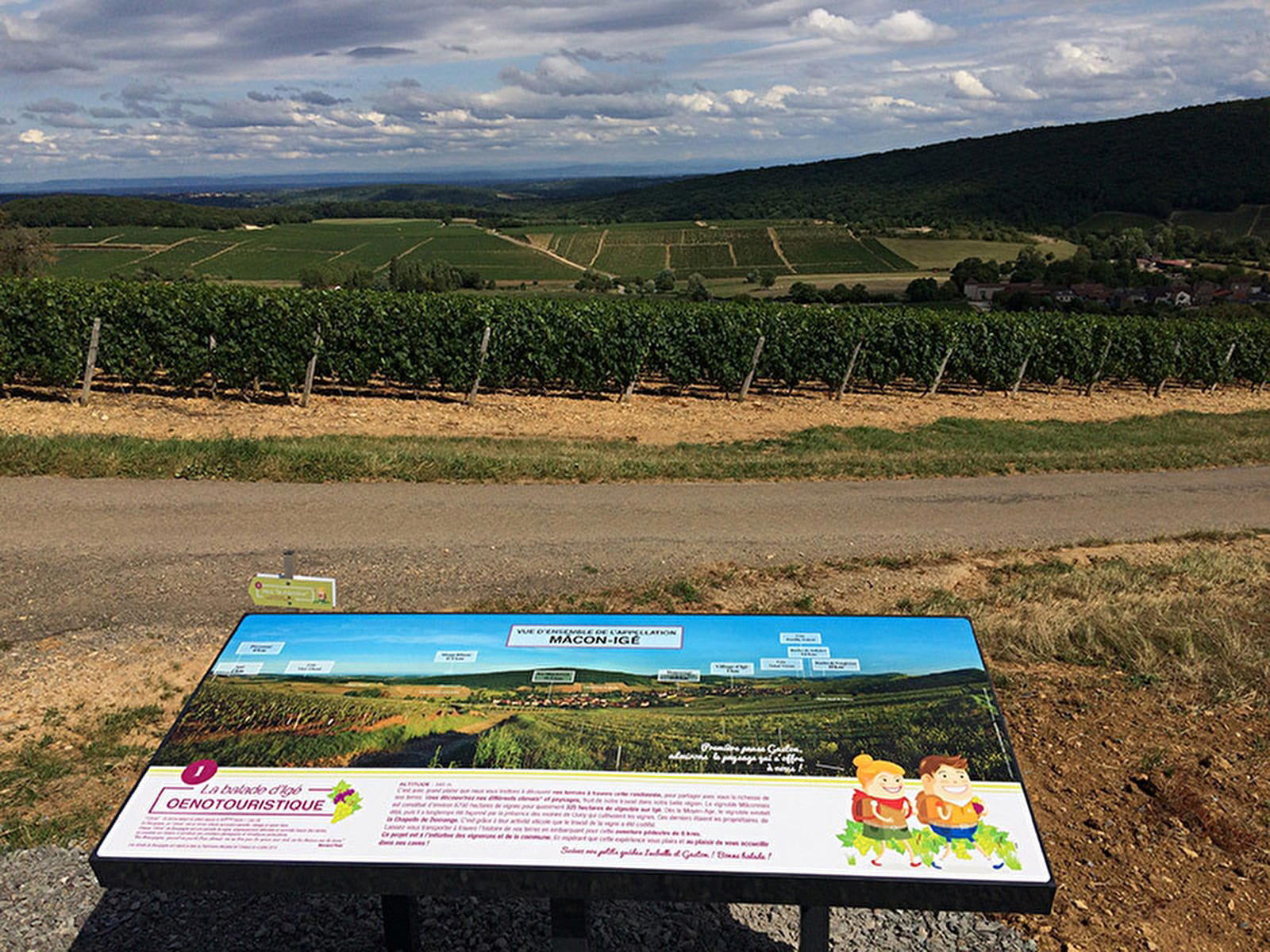
The road south from Mâcon toward Cluny passes through a particular kind of French countryside: low limestone hills, vine rows beginning to thin as the Mâconnais gives way to older agricultural land, and villages where the boundary between working farm and restaurant kitchen has always been porous. It is in this corridor, along the D17 at Charnay-lès-Mâcon, that Le Moulin du Gastronome occupies a site carrying the weight of that agricultural history. The mill format, once essential infrastructure for rural Burgundy, translates here into a dining context shaped by proximity to some of France's most productive food-producing land. Before you consider the menu, the setting itself makes an argument about where ingredients come from and why that relationship between land and plate matters.
The Sourcing Argument That Southern Burgundy Makes
Charnay-lès-Mâcon sits at a productive agricultural crossroads. To the north, the Mâconnais vineyards supply Chardonnay with a regional character distinct from the Côte d'Or: leaner, more mineral, earlier to drink. South and east, the Bresse plain produces what many French chefs treat as a non-negotiable benchmark in poultry, the Bresse chicken holding AOC status since 1957 and representing one of the few French agricultural products with a protection designation older than the modern guide system. Charolais cattle, bred in the hills to the west, have defined the regional beef standard for centuries. A restaurant placed at this junction, particularly one whose name explicitly foregrounds the idea of the gastronome, operates under a specific implicit promise: that the surrounding land is the starting point, not a marketing afterthought.
This approach to sourcing as the foundation of a menu is not peculiar to this address. Across provincial French gastronomy, the most enduring restaurants have typically been those that built their identity around what the immediate region produces rather than importing prestige from elsewhere. Georges Blanc in Vonnas, less than forty kilometres north, built a multi-generation institution partly on the Bresse bird. Troisgros - Le Bois sans Feuilles in Ouches relocated to deepen its connection to local land. The pattern is consistent: in French regional dining, sourcing proximity is not a trend but a tradition that predates the language of farm-to-table entirely.
What the Mill Setting Carries
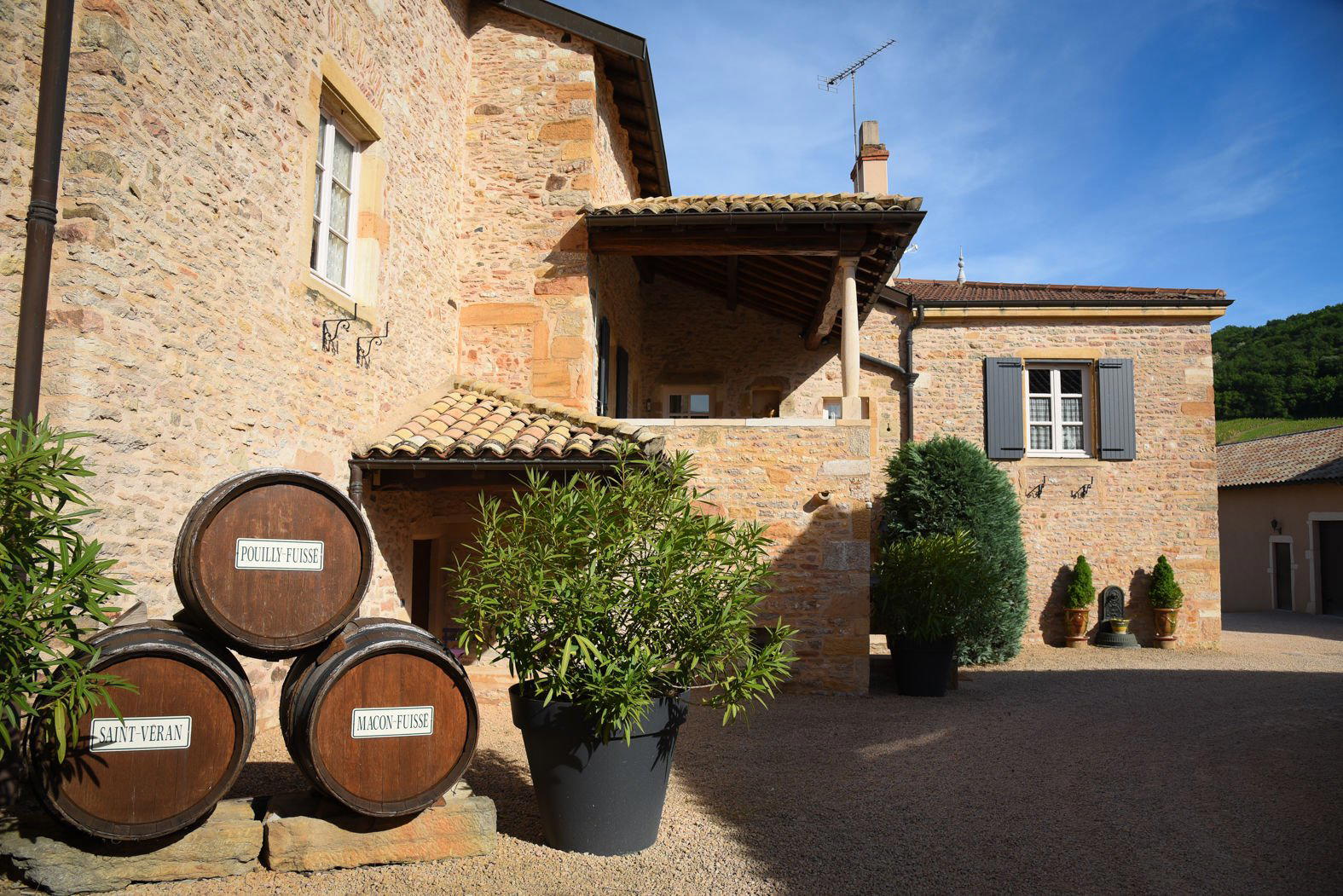
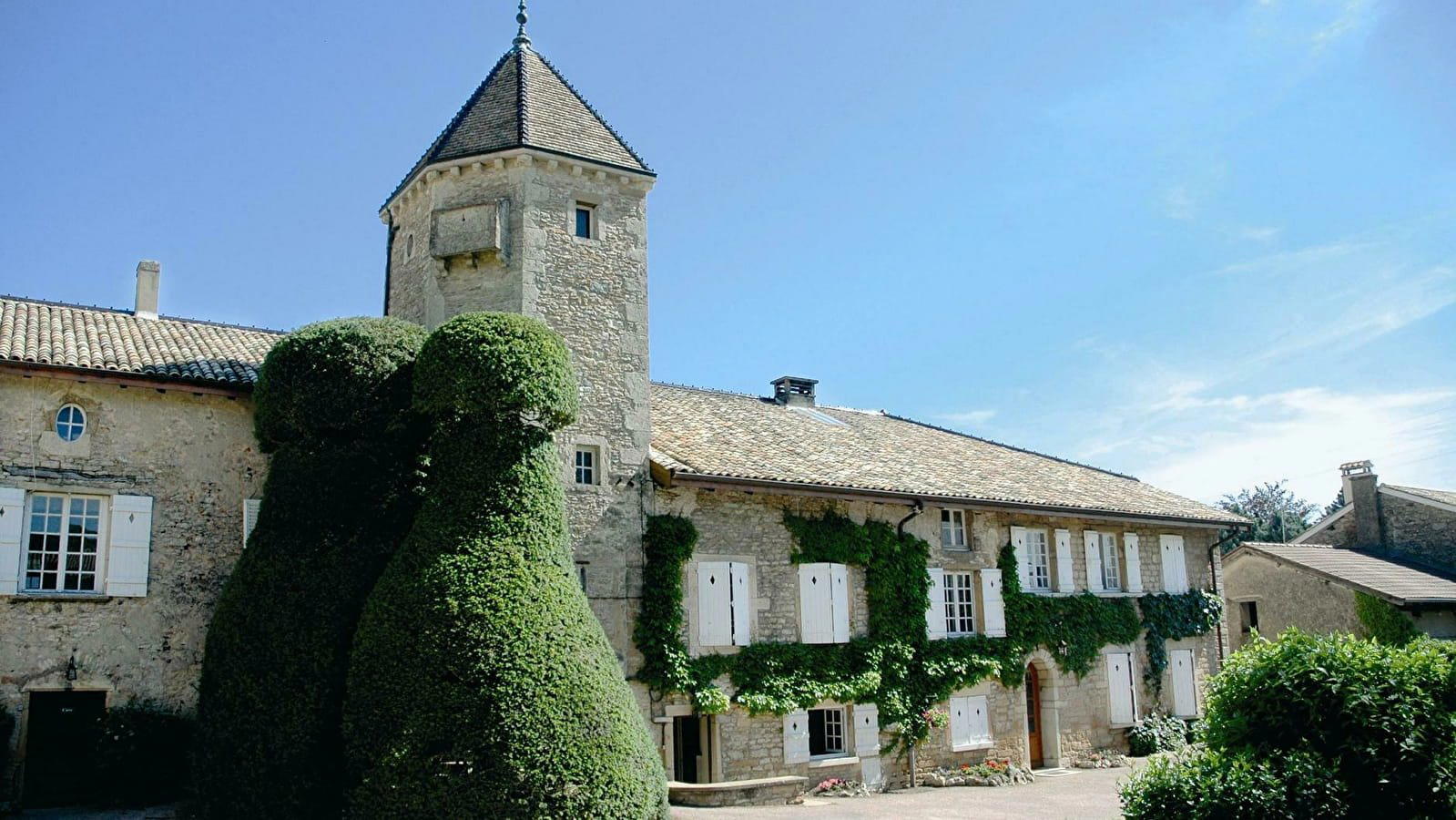
Mill conversions appear throughout French provincial gastronomy for a reason that goes beyond architectural charm. Mills were historically placed where water and agricultural flow intersected, which placed them at the centre of rural economic life. A restaurant inheriting that structure inherits a relationship with the landscape that newer purpose-built dining rooms do not automatically possess. The address on the Route de Cluny positions Le Moulin du Gastronome within reach of one of medieval Burgundy's most significant sites, and the road itself has historically carried traffic between the commercial energy of Mâcon and the ecclesiastical weight of Cluny Abbey, once the largest church in Christendom. That is not an irrelevant backdrop for a restaurant taking its name from the figure of the informed eater.
For context on what this kind of physical and cultural positioning can mean in French restaurant terms, consider how Auberge de l'Ill in Illhaeusern has long articulated its identity partly through the Ill riverside setting, or how Bras in Laguiole made the Aubrac plateau an inseparable part of its culinary argument. Place, at this level of French regional cooking, is not decoration. It is evidence.
Charnay-lès-Mâcon in the Broader French Dining Map
France's constellation of serious provincial tables extends well beyond Paris. Alléno Paris au Pavillon Ledoyen in Paris and Mirazur in Menton represent the most internationally visible tier, but the provincial circuit, running through addresses like AM par Alexandre Mazzia in Marseille, Assiette Champenoise in Reims, Au Crocodile in Strasbourg, and Auberge du Vieux Puits in Fontjoncouse, has always been where the foundational work of French cooking gets done away from the capital. Burgundy and its immediate neighbours have been central to that story: Paul Bocuse - L'Auberge du Pont de Collonges in Collonges-au-Mont-d'Or codified a version of Lyonnaise grandeur less than ninety kilometres from Charnay. The Rhône-Saône corridor remains one of the most food-saturated stretches of French geography.
For travellers moving between Lyon and the Côte d'Or, or taking the slower route south toward the Rhône, this area rewards a pace that allows for stops rather than destinations. Charnay-lès-Mâcon is close enough to Mâcon itself to be reached conveniently from the A6 autoroute, and the TGV stop at Mâcon-Loché puts the town within ninety minutes of Paris for those combining this part of Burgundy with a broader itinerary. Our full Charnay Les Macon restaurants guide maps the broader dining context for visitors planning time in the area.
Internationally, the sourcing-first approach that defines serious French provincial cooking at this level has genuine counterparts. Le Bernardin in New York City built a decades-long reputation on a comparable commitment to product integrity, and Christopher Coutanceau in La Rochelle demonstrates what deep sourcing relationships can produce in a coastal French context. The discipline is transferable; the specific ingredients are not.
Planning Your Visit
Le Moulin du Gastronome is located at 540 Route de Cluny D17, 71850 Charnay-lès-Mâcon, in the Saône-et-Loire department of Burgundy. Given the limited database information currently available for this address, confirming hours, reservation requirements, and current menu format directly before any visit is strongly advised. For the wider region, the spring and autumn months tend to offer the most compelling seasonal alignment between what local producers are supplying and what kitchens in this part of Burgundy can do with it, though Bresse poultry and Charolais beef are year-round anchors. Visitors combining this stop with the Mâconnais wine country should note that the local Chardonnay harvest typically runs through September and early October, when the landscape and the cellar door circuit are at their most active. For further context on comparable provincial French destinations, Flocons de Sel in Megève and L'Oustau de Baumanière in Les Baux both illustrate the standard that ambitious French regional tables in scenic settings have set over decades. La Marine in Noirmoutier-en-l'île and Atomix in New York City offer further reference points for how the sourcing-first argument translates across different culinary cultures.
Frequently asked questions
Can I bring kids to Le Moulin du Gastronome?
Burgundian provincial restaurants at this level of gastronomic focus tend to accommodate families, though the pace of service and the length of a meal are calibrated for adults. The rural location on the D17 outside Charnay-lès-Mâcon means there is no urban foot traffic or quick-exit convenience, so the meal commits the full table for its duration. Families with older children who can manage a longer, course-structured lunch are better suited than those with very young ones.
What should I expect atmosphere-wise at Le Moulin du Gastronome?
Mill conversions in rural Burgundy follow a recognisable architectural register: stone construction, traces of working history, and a setting calibrated by the surrounding countryside rather than urban design trends. At 540 Route de Cluny, the building sits along a rural departmental road, which means the arrival itself is quieter and more deliberate than a city-centre address. Expect a pace that reflects provincial gastronomy, where the meal is the main event of the afternoon or evening.
Is Le Moulin du Gastronome a practical stop when combining the Mâconnais wine route with a visit to Cluny Abbey?
The address at 540 Route de Cluny D17 in Charnay-lès-Mâcon places it directly on the road linking Mâcon to Cluny, roughly midway between the two. That makes it a logical anchor for a day that begins with the Mâconnais vineyards to the north and ends at the Cluny Abbey, one of the largest Romanesque structures in Europe. Arriving for lunch allows enough time to reach Cluny before the abbey's afternoon closing window.
What should I eat at Le Moulin du Gastronome?
The regional context points clearly toward Bresse poultry and Charolais beef, two of France's most rigorously designated proteins, both produced within reach of Charnay-lès-Mâcon. Bresse chicken carries its own AOC classification, which means supply chains to kitchens in this part of Burgundy are short and well-established. A Mâconnais Chardonnay is the natural pairing, sourced from vineyards that begin just north of town.
Where is Le Moulin du Gastronome located?
Le Moulin du Gastronome is located at 540 Rte de Cluny D17, 71850 Charnay-lès-Mâcon, France, Charnay Les Macon.
How far ahead should I plan for Le Moulin du Gastronome?
Plan several weeks ahead for weekend dates between spring and autumn, when the Mâcon-to-Cluny corridor draws steady visitor traffic combining wine routes and the abbey. The D17 address puts it directly in the path of tourists covering both areas in a single day, which compresses weekend availability. Weekday lunches in the shoulder season are generally more accessible.
What is Le Moulin du Gastronome known for?
Le Moulin du Gastronome takes its identity from its position on the D17 corridor connecting Mâcon to Cluny, a stretch of southern Burgundy that gives any serious kitchen direct access to Bresse poultry, Charolais beef, and Mâconnais Chardonnay. The mill setting itself carries meaning: historically, mills occupied prime agricultural crossroads, and that geographic logic still applies to sourcing. For visitors to the Saône-et-Loire department, it functions as a concentrated argument for regional produce.
A Quick Peer Check
| Venue | Cuisine | Price | Awards | Notes |
|---|---|---|---|---|
| Le Moulin du GastronomeThis venue — the venue you are viewing | Traditional French Fine Dining | $50–100 | Not listed | Not listed |
| Alléno Paris au Pavillon Ledoyen | Modern French Fine Dining | $150–200 | 3 Michelin Stars · World's 50 Best #79 | Creative |
| Kei | Modern French with Japanese Influences | $300–500 | 3 Michelin Stars · World's 50 Best #93 | Contemporary French, Modern Cuisine |
| L'Ambroisie | Classic French Haute Cuisine | $300–500 | 2 Michelin Stars · World's 50 Best #23 | French, Classic Cuisine |
| Le Cinq - Four Seasons Hôtel George V | Modern French Fine Dining | $300–500 | 3 Michelin Stars · World's 50 Best #24 | French, Modern Cuisine |
| Mirazur | Modern French Fine Dining | $300–500 | 3 Michelin Stars · World's 50 Best #1 | Modern French, Creative |
Continue exploring
More in Charnay Les Macon
Restaurants in Charnay Les Macon
Browse all →
Bars in Charnay Les Macon
Browse all →
Hotels in Charnay Les Macon
Browse all →
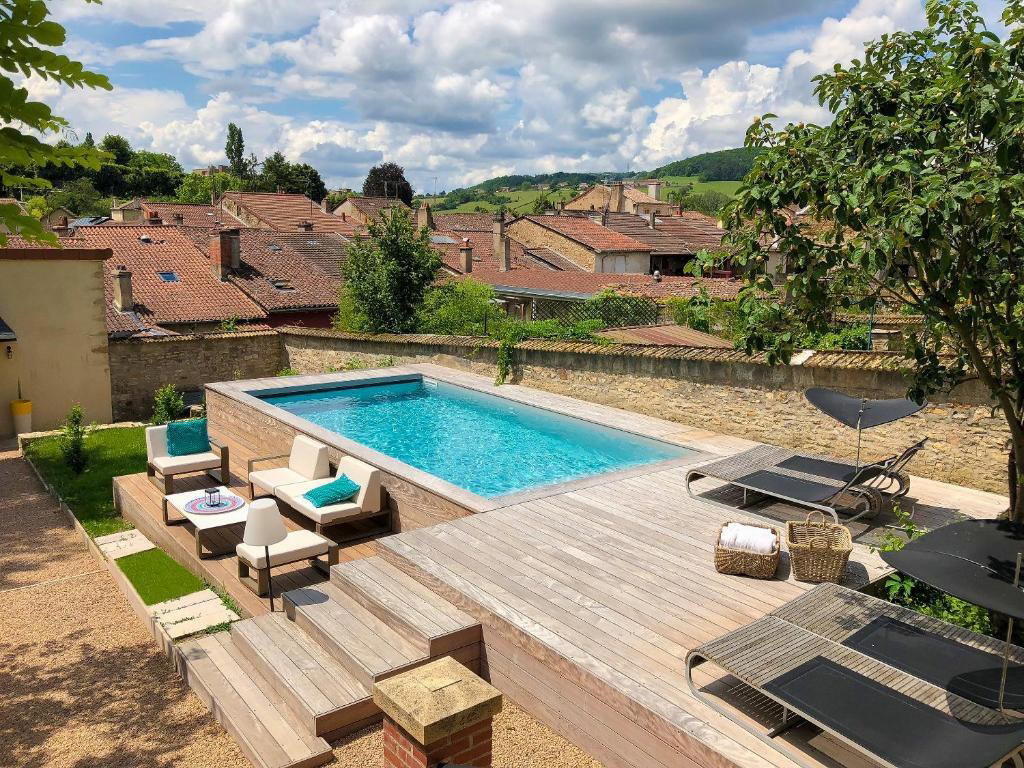
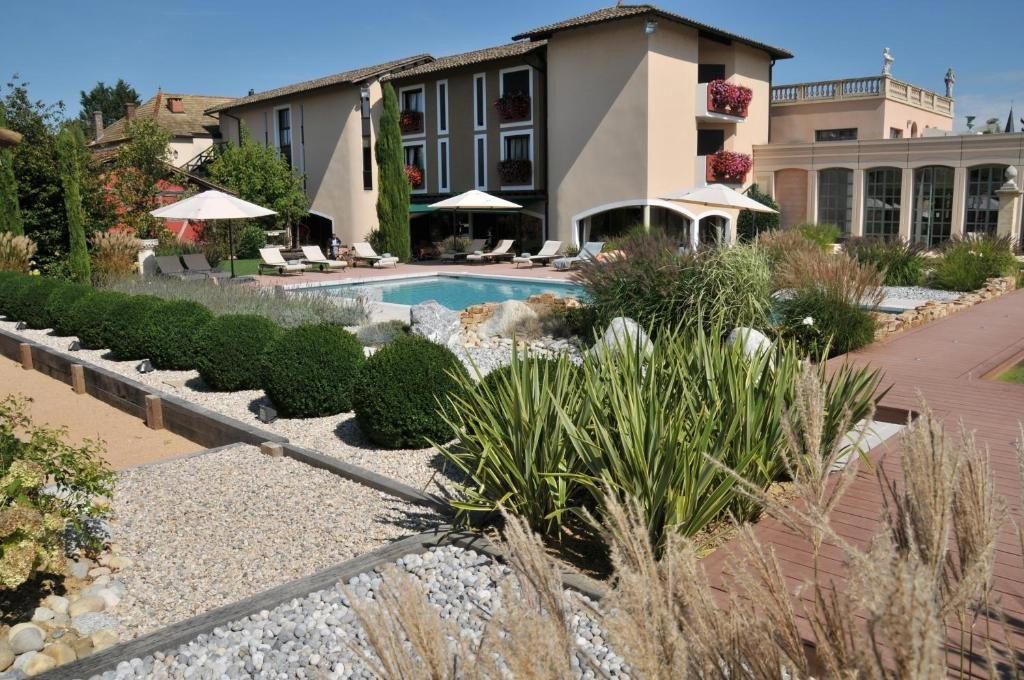
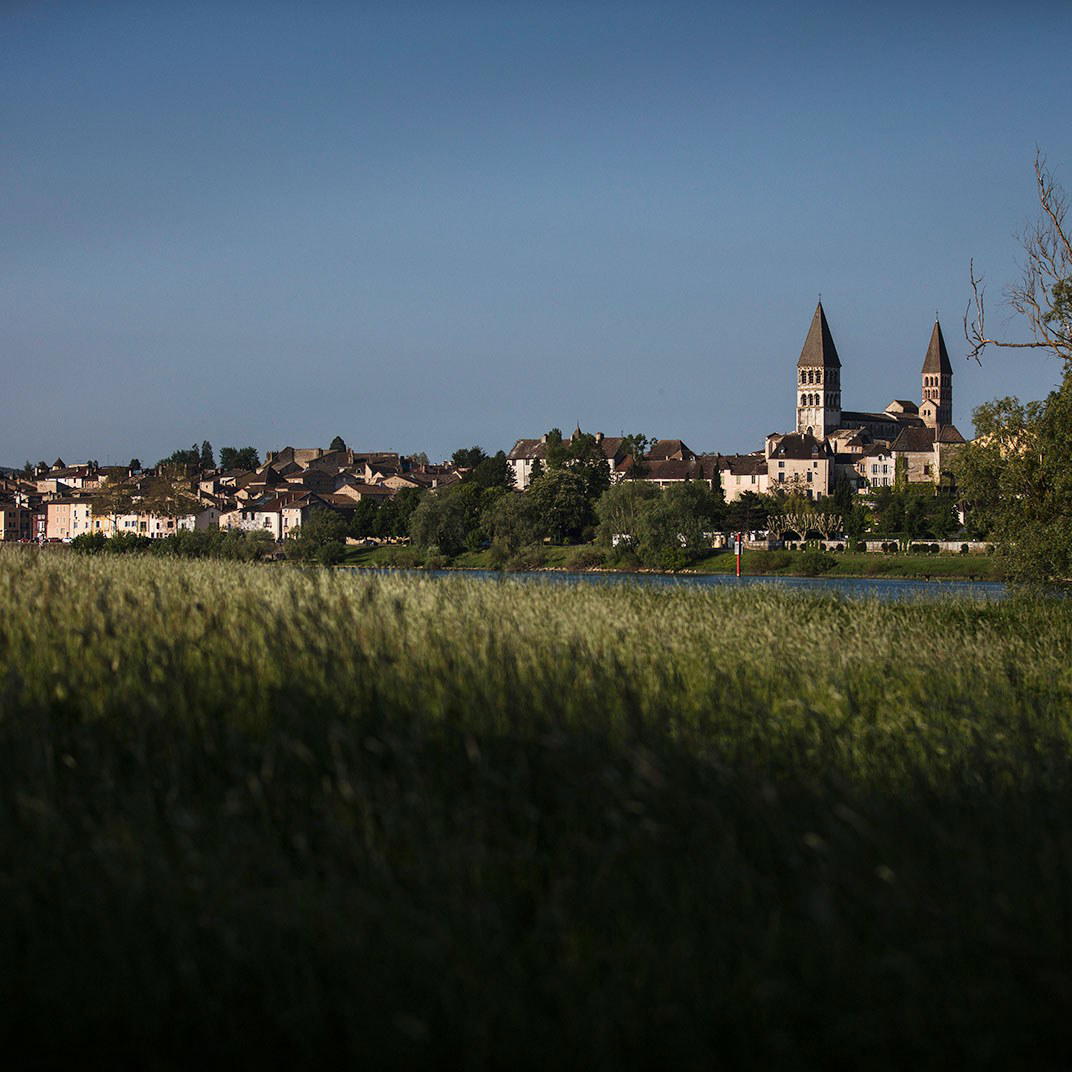
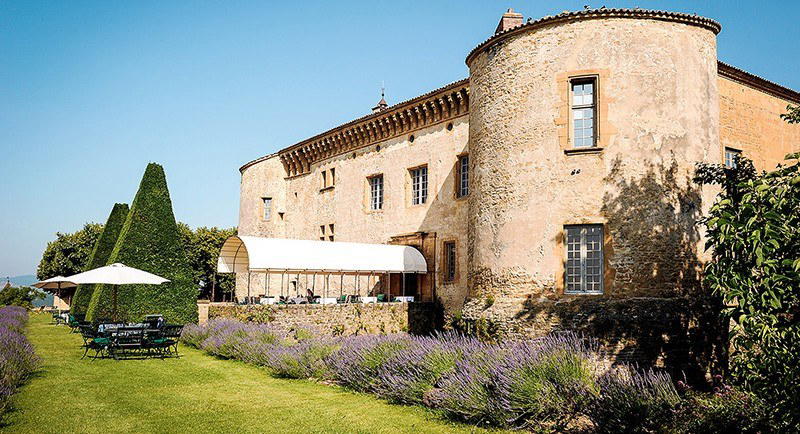
Le Moulin du Gastronome
The wine
- Wine program
- Curated wine list
- Extensive wine list
Details
- Elegant
- Classic
- Cozy
- Special Occasion
- Family
- Business Dinner
- Garden
- Private Dining
- Historic Building
- Extensive Wine List
- Local Sourcing
- Garden
- A La Carte
- Prix Fixe
- Vegetarian Friendly
- Gluten Free Options
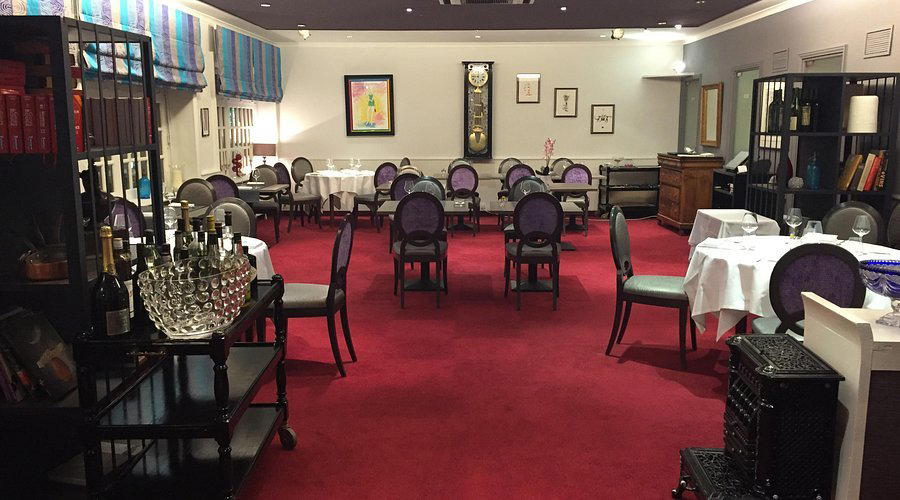
Comfortable yet elegant atmosphere with attentive service and a welcoming feel, not oppressive.