Le Jardin


Le Jardin on Mariaplaats occupies a rare position in Utrecht's dining scene: a Michelin Plate-recognised restaurant (2024, 2025) where vegetables lead every dish, not as a default for non-meat-eaters but as a considered culinary framework. The kitchen follows an 80/20 vegetable-forward ratio, with organic and seasonal produce at its core, housed inside a space that doubles as hotel and florist.
Pearl is the En Primeur Club membership app — saves, bookings, and concierge access live there. Same editors, same standards.
- Address
- Mariaplaats 42, 3511 LL Utrecht, Netherlands
- Phone
- +31 30 400 4242
- Website
- lejardinutrecht.nl
- Directions
- Get directions
 Saves & bookings on Pearl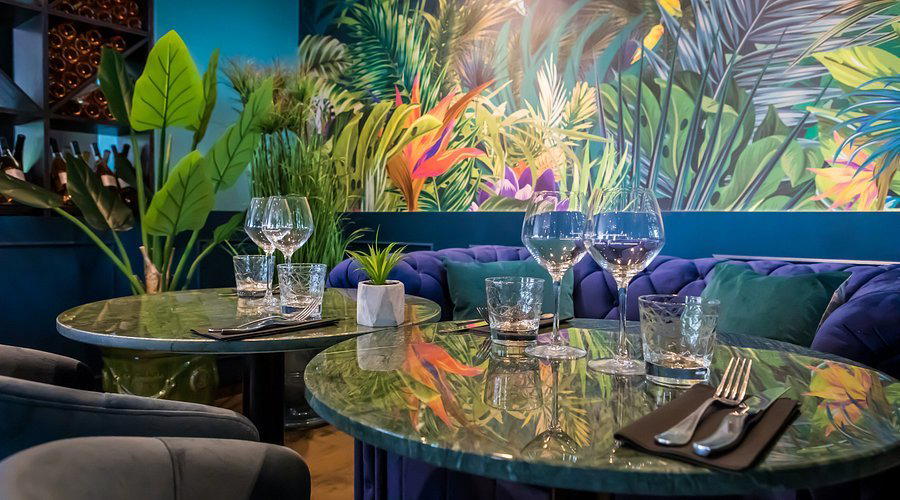
Where the Dining Room Has a Garden Inside It
On Mariaplaats, one of Utrecht's most composed medieval squares, Le Jardin sits in a building that contains a restaurant, a hotel, and a florist in the same address. The dining room's centrepiece, two small working greenhouses from which the kitchen sources vegetables, herbs, and citrus, makes the sourcing logic visible in a way that most farm-to-table claims do not. The sourcing logic is visible from your table. The effect is less theatrical than it sounds: the greenhouses anchor the room without dominating it, and the overall atmosphere reads closer to a composed Dutch interior than a horticultural installation.
The city's mid-range tier has several strong French-inflected addresses, including Bistro Madeleine (€€ · Classic French) and Brasserie Goeie Louisa (€€ · Classic Cuisine), which operate broadly in the same price bracket. Le Jardin occupies the same €€ tier but with a fundamentally different culinary orientation: vegetables are not a section of the menu but its organising principle.
The 80/20 Kitchen and Where It Draws Its Lines
Chef Lars Mooren describes his approach as groentenomie. The framework is precise: 80 percent of each plate is vegetable-sourced; the remaining 20 percent allows for animal proteins, dairy, and other non-plant elements. This is not a vegan kitchen, and it is not a fully vegetarian one in the strictest sense either. The menu as described includes dishes such as kohlrabi with potato, beef marrow, and pepper, and kale with halibut, pea, and kombu. Both contain animal products as secondary elements rather than as the focus.
For diners deciding between a plant-forward and a fully plant-exclusive experience, the distinction matters. Le Jardin's kitchen draws its line at flexibility: dairy and eggs appear to be within scope, fish and meat appear in supporting roles, and the emphasis throughout is on seasonal organic produce as the starting point rather than as the only ingredient. Honey is not explicitly addressed in available documentation. This positions the restaurant clearly in the vegetable-forward category rather than the vegan category, and it sits some distance from fully vegetarian formats that exclude animal proteins entirely.
The approach has parallels elsewhere in the Netherlands. Rotonde in Rotterdam (€€ · Vegetarian) operates in a comparable vegetable-led register at a similar price point. At the higher end of the Dutch market, restaurants such as De Librije in Zwolle and Aan de Poel in Amstelveen integrate seasonal vegetables with more classical technique and at significantly higher price points. The restaurant's democratic pricing, as Mooren himself has described it, is a deliberate counter-signal to the premium positioning that often accompanies ingredient-led cooking in the Netherlands.
What the Menu Tells You
The dishes documented for the restaurant show a kitchen working with strong contrast pairings: red cabbage with pineapple, crab, and Jerusalem artichoke; Chinese cabbage with plum, hazelnut, and eggplant. These are not timid combinations. The structure in each case is a principal vegetable supported by a secondary flavour bridge and, in some dishes, a small protein element that adds depth rather than volume. The kombu in the kale-and-halibut dish, for example, functions as an umami anchor; the beef marrow with kohlrabi provides fat and richness that the vegetable alone would not produce at the same register.
This is a kitchen that understands vegetables structurally rather than sentimentally. The seasonal and organic sourcing commitment means the menu shifts with the Dutch growing calendar, which in practice gives the kitchen a narrow but frequently rotating palette. Michelin has awarded the restaurant a Plate in both 2024 and 2025, a recognition that confirms consistent kitchen quality without placing it in the starred tier occupied by Utrecht addresses like Maeve (€€€ · Creative French) or Concours (€€€ · Modern Cuisine), or the city's flagship Karel 5 (€€€€ · Creative). The Michelin Plate functions here as a quality floor signal rather than a ceiling: the cooking merits attention at the price, not in spite of it.
For context on where this sits within Dutch vegetable-forward cooking more broadly, De Groene Lantaarn in Staphorst and De Lindehof in Nuenen both represent vegetable-attentive kitchens at higher price tiers. De Bokkedoorns in Overveen and De Lindenhof in Giethoorn each apply similarly ingredient-focused thinking within different regional contexts. The restaurant's positioning is distinct from all of these: a city-centre address, accessible pricing, and a format that combines restaurant, hotel accommodation, and a florist in one building, an unusual operational combination that has few direct equivalents in Utrecht or elsewhere in the Netherlands.
Planning Your Visit
The restaurant is located at Mariaplaats 42, in the historic centre of Utrecht. Booking is recommended, and the regular hours are Tuesday to Saturday from 12 to 3 PM and 5 PM to midnight.
Price Lens
Comparable venues nearby, for context on price, style, and recognition.
| Venue | Cuisine | Price | Awards | Notes |
|---|---|---|---|---|
| Le JardinThis venue — the venue you are viewing | Binnenstad, Vegetable-Focused French | $$$ | Michelin Plate | Not listed |
| C'est ça | Not listed | $$ | Not listed | Wittevrouwen, French Table d'Hôte Surprise Menus |
| Hemel & Aarde | Not listed | $$$ | Michelin Plate | Neude Janskerkhof en Domplein, Modern Dutch Seasonal Fine Dining |
| De Goedheyd | Not listed | $$$ | Not listed | Museumkwartier, Modern French Fine Dining |
| Goesting | Noordoost, French-Belgian Brasserie | $$ | Not listed | Not listed |
| Florent le Bistro | Binnenstad, Modern French Bistro | $$$ | Not listed | Not listed |
Recognition history
Dated appearances from independent guides and award organizations, with the underlying list record or original source where available.
Michelin Plate
Michelin
We're Smart World 3 Radishes
We're Smart World
Michelin Plate
Michelin
Continue exploring
More in Utrecht
Restaurants in Utrecht
Browse all →
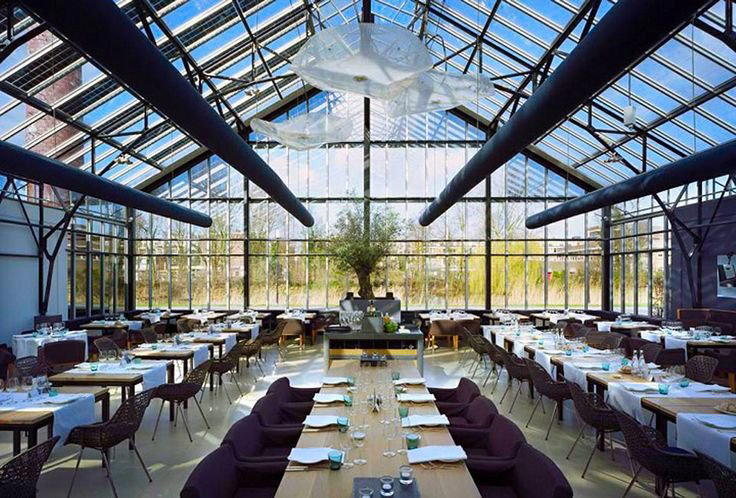
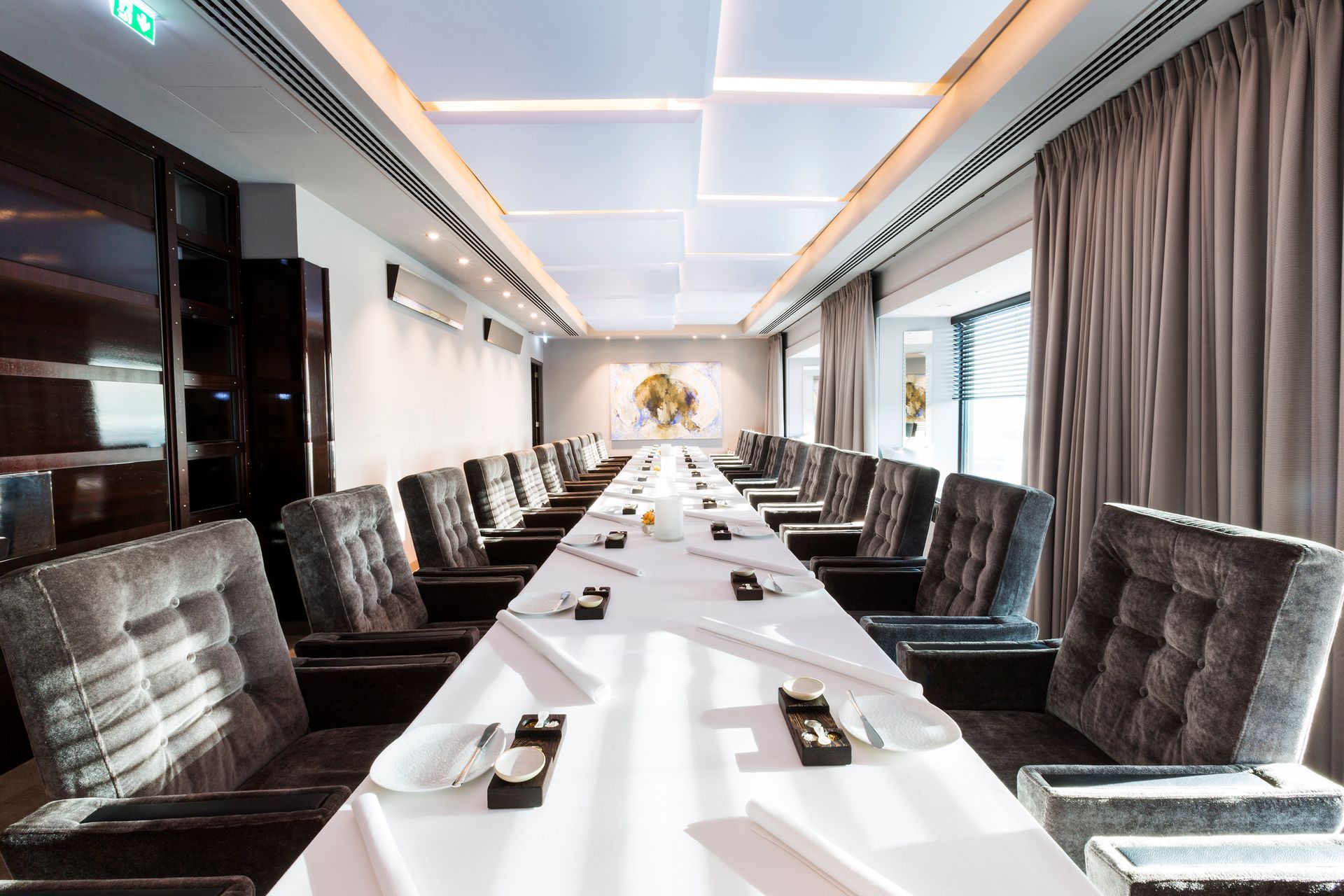
Bars in Utrecht
Browse all →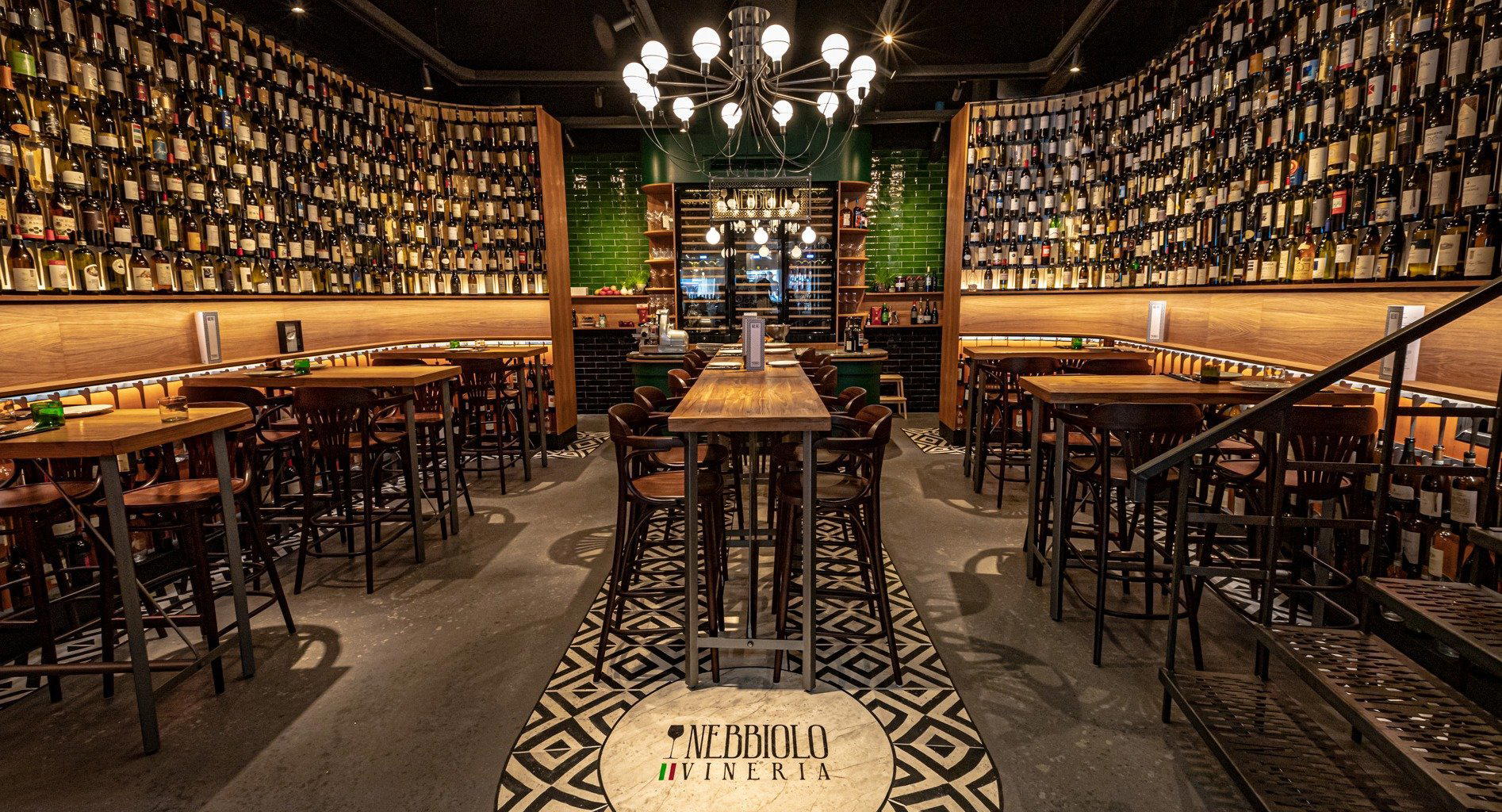
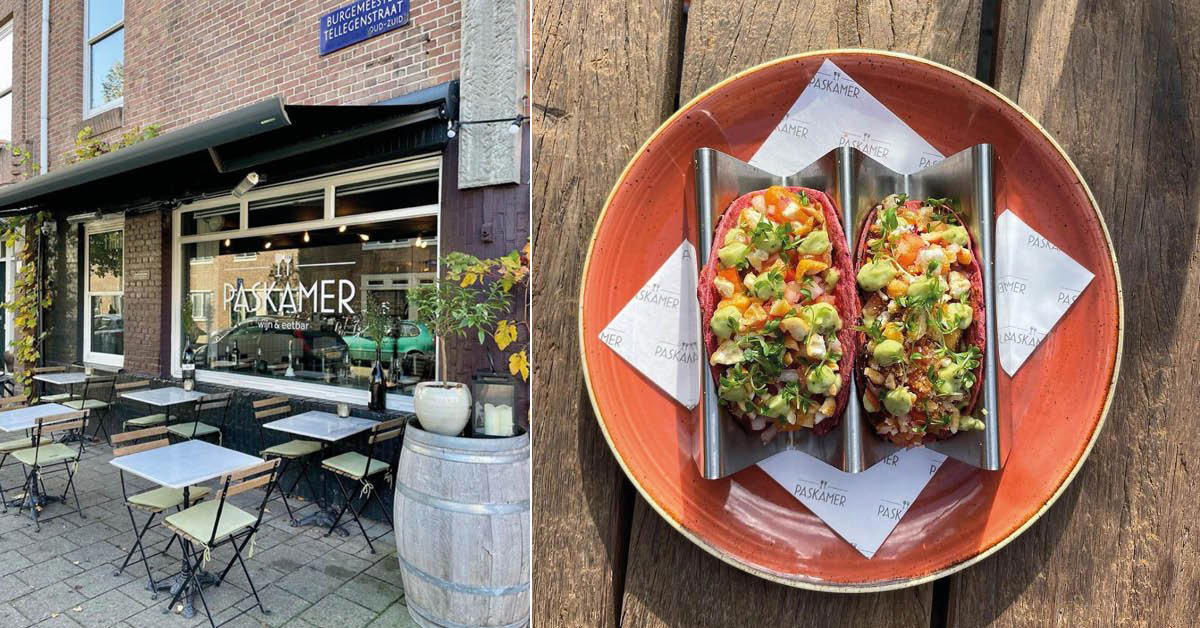
Hotels in Utrecht
Browse all →
Wineries in Utrecht
Browse all →
At a Glance
- Cozy
- Elegant
- Intimate
- Scenic
- Date Night
- Special Occasion
- Garden
- Extensive Wine List
- Farm To Table
- Local Sourcing
- Organic
Current opening hours
- Monday
- Closed
- Tuesday
- 12–3 PM, 5 PM–12 AM
- Wednesday
- 12–3 PM, 5 PM–12 AM
- Thursday
- 12–3 PM, 5 PM–12 AM
- Friday
- 12–3 PM, 5 PM–12 AM
- Saturday
- 12–3 PM, 5 PM–12 AM
- Sunday
- Closed
Hours can change for holidays and private events. Last verified .
Cozy and inviting garden-themed interior with abundant plants and cacti, intimate front area, brighter back space, and a lively yet charming atmosphere.