Café de Wetering
On a quiet stretch of Weteringstraat in Amsterdam's canal belt, Café de Wetering occupies the kind of neighbourhood role that city planners dream about but rarely achieve by design. This is a local café built on repeat custom, where the rhythm of the room is set by familiar faces rather than passing tourists. For visitors who want to read a city rather than tour it, a seat here is worth more than most guided alternatives.
Pearl is the En Primeur Club membership app — saves, bookings, and concierge access live there. Same editors, same standards.
- Address
- Weteringstraat 37, 1017 SM Amsterdam, Netherlands
- Phone
- +31 20 622 9676
- Website
- facebook.com
- Directions
- Get directions
 Saves & bookings on Pearl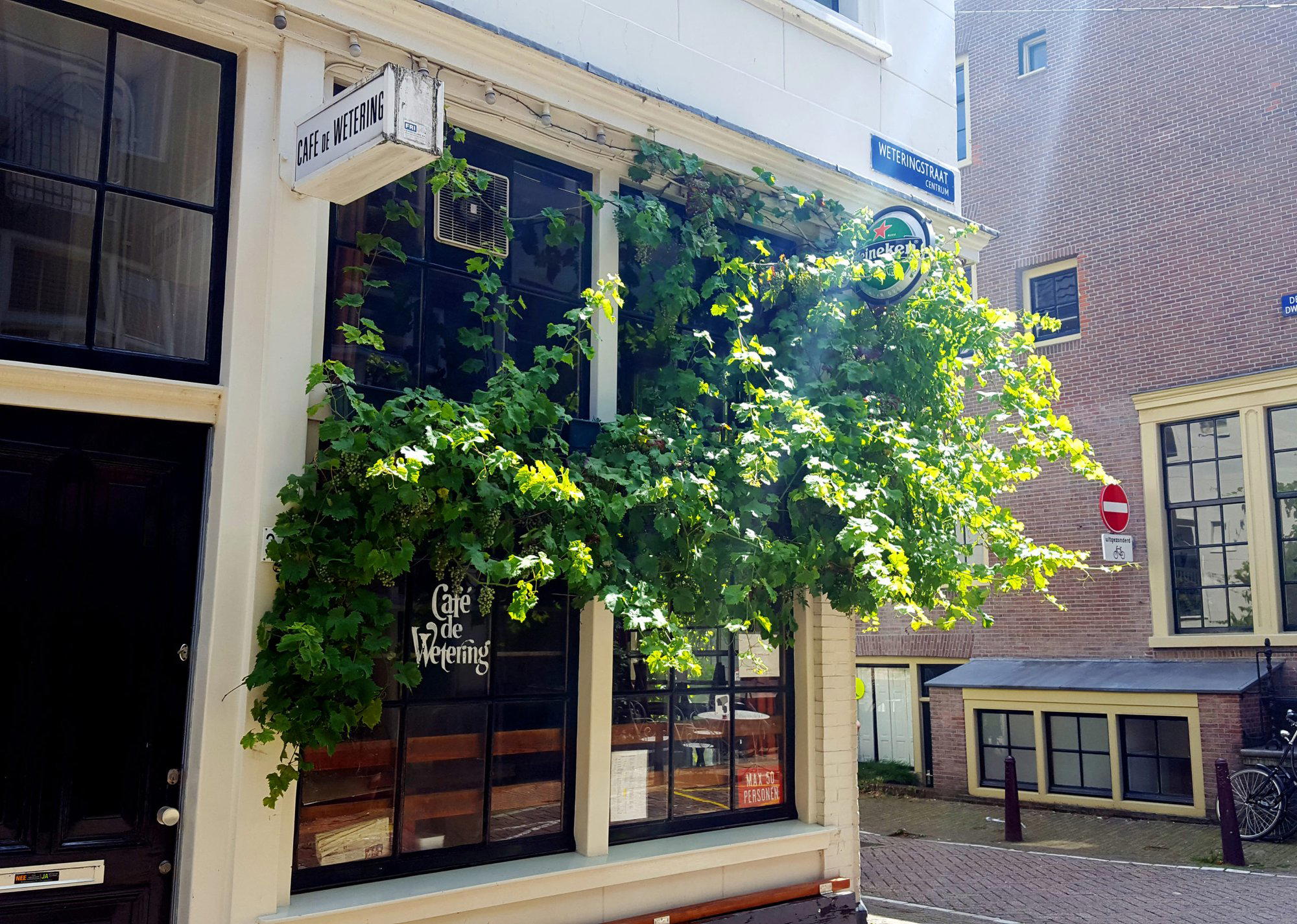
The Canal Belt's Unhurried Corner
The southern canal ring in Amsterdam operates at a different tempo to the Jordaan or the Nine Streets. The streets around Weteringstraat carry less foot traffic, fewer tour groups, and a residential density that keeps the surrounding cafés honest. A venue here doesn't survive on passing trade; it survives because people who live nearby choose to return. Café de Wetering, at number 37, sits squarely in that logic.
Approach from the Rijksmuseum side and the street narrows quickly, the canal light shifting as the buildings draw closer. The café occupies a ground-floor space typical of this part of the belt: tall windows, brick surrounds, the suggestion of something that has been in the same place long enough to stop announcing itself. That lack of announcement is, for regulars, part of the point.
What Keeps People Coming Back
Amsterdam's brown café tradition, the bruine kroeg, is built around a particular social contract: the bar provides warmth, beer on tap, and a tolerance for long afternoons. The furniture is worn because it has been used, not because a designer distressed it. Café de Wetering sits within this tradition, and the clientele it draws reflects that. These are not people chasing a concept; they are people who have found a room that works and see no reason to look elsewhere.
The regulars' perspective tends to reveal what a venue actually is, stripped of its promotional layer. At neighbourhood cafés along the southern canal ring, that means a drink list anchored in Dutch lager, jenever, and the occasional house wine, served without ceremony but also without rush. The unwritten menu at a place like this includes the understanding that you can sit for an hour over a single beer without anyone checking your watch. In a city where hospitality has increasingly tilted toward throughput, that is a meaningful offer.
For visitors trying to understand Amsterdam beyond the museum circuit, a café of this type provides a different kind of intelligence. The conversations at the bar, the regularity of certain faces, the specific hour at which the room fills: these details tell you more about how the city actually functions than most curated experiences can. See our full Amsterdam restaurants guide for a broader map of how the city's drinking and dining scene is organised by neighbourhood.
Where This Fits in Amsterdam's Café Spectrum
Amsterdam's bar and café scene has fragmented considerably over the past decade. At one end, venues like Door 74 operate as serious cocktail destinations, running reservation-only formats and technically demanding menus. Tales & Spirits occupies a similar tier, with a programme built around precision and a deliberately curated drinks list. These are places where the drink is the primary subject.
Café de Wetering operates in an entirely different register. The brown café format prioritises continuity over curation. Where cocktail bars in the city's centre attract drinkers in from across Amsterdam, a neighbourhood café on Weteringstraat draws primarily from within a fifteen-minute walk. Amsterdam Roest, further east near the water, occupies yet another band: a large, event-friendly space with a broader demographic draw. The contrast illustrates how varied Amsterdam's hospitality offer has become, even within a single category.
For morning visitors, the city's café culture extends into coffee in ways that blur the line between café and bar. Bakers & Roasters serves a different function entirely, operating as a brunch destination with a distinct international following. Café de Wetering is not competing in that space. It is, in the most direct sense, a place for people who already know where they are going.
The Broader Dutch Café Pattern
The neighbourhood café model that Café de Wetering represents is not unique to Amsterdam. Across the Netherlands, cities have their own versions of the anchor local. In Rotterdam, the specialty coffee scene has grown rapidly, with venues like Espressobar Kopi Soesoe drawing a younger, design-conscious crowd. In Utrecht, Florin Utrecht operates within a different format again. Even in smaller cities, the local café remains a structural fixture: Boode Foodbar in Bathmen and Bowie in The Hague each serve their own particular communities in ways that resist easy categorisation from outside.
What these venues share is an orientation toward recurrence. The first visit to a neighbourhood café is, by definition, the weakest one. The place reveals itself over multiple visits, through accumulated familiarity with the rhythm of service, the preferences of the bartender, and the particular quality of the light at different hours. Internationally, comparable formats persist in cities as different as Delft, where Brasserie Lalou holds a similar kind of neighbourhood anchor role, and Eindhoven, where Café Barolo serves a design-industry crowd with a similarly local orientation. Even far from Europe, the model has analogues: Bar Leather Apron in Honolulu demonstrates how a venue built around deliberate regulars rather than tourist volume can anchor a neighbourhood's drinking culture in entirely different latitudes.
Planning a Visit
Café de Wetering is at Weteringstraat 37, 1017 SM Amsterdam, a short walk south of the Rijksmuseum and within easy reach of the Heineken Experience and the Leidseplein. The surrounding area is residential and well-connected by tram. Because phone and website details are not publicly listed in a central directory, the most reliable approach is to walk in. For a venue of this type, that is also the appropriate one: the brown café format does not require advance planning, and arriving without a reservation is part of the register. Hours and current pricing are best confirmed on arrival or through local listings, as these can shift seasonally without formal announcement.
What It’s Closest To
A quick snapshot of similar venues for side-by-side context.
| Venue | Awards |
|---|---|
| Café de WeteringThis venue — the venue you are viewing | Not listed |
| Door 74 | World's 50 Best |
| Tales & Spirits | World's 50 Best |
Continue exploring
More in Amsterdam
Bars in Amsterdam
Browse all →
Restaurants in Amsterdam
Browse all →
Hotels in Amsterdam
Browse all →
Wineries in Amsterdam
Browse all →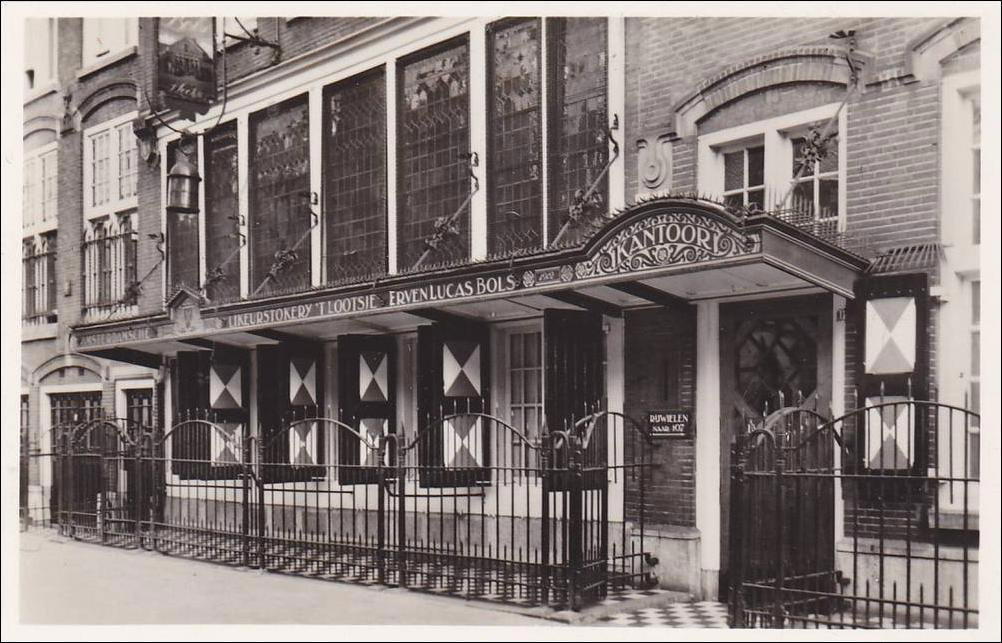
At a Glance
- Cozy
- Classic
- Intimate
- Rustic
- Casual Hangout
- After Work
- Late Night
- Group Outing
- Historic Building
- Standalone
- Seated Bar
- Lounge Seating
- Counter Only
- Craft Beer
- Conventional Wine
Current opening hours
- Monday
- 4 PM–1 AM
- Tuesday
- 4 PM–1 AM
- Wednesday
- 4 PM–1 AM
- Thursday
- 4 PM–1 AM
- Friday
- 4 PM–2 AM
- Saturday
- 3 PM–2 AM
- Sunday
- 3–10 PM
Hours can change for holidays and private events. Last verified .
Warm, intimate lighting from candles and lamplights; dark wood paneling and brass fixtures create a brooding late-night ambience; crackling fireplace upstairs with leather armchairs; recorded jazz music in background.
Know Before You Go
- Getting there
- Weteringstraat 37, 1017 SM Amsterdam, Netherlands