Le Grenier

Le Grenier occupies a converted granary in the centre of Saint-Vincent, where the Mazzotti brothers serve Aosta Valley cooking that moves between regional tradition and contemporary technique. The extensive regional wine list makes it a natural pairing for anyone tracing the upper Alpine corridor's food and drink culture.
Pearl is the En Primeur Club membership app — saves, bookings, and concierge access live there. Same editors, same standards.
- Address
- Via Mont, Piazza Zerbion, 1, 11027 Saint-Vincent AO, Italy
- Phone
- +39 0166 510138
- Website
- ristorantelegrenier.com
- Directions
- Get directions
 Saves & bookings on Pearl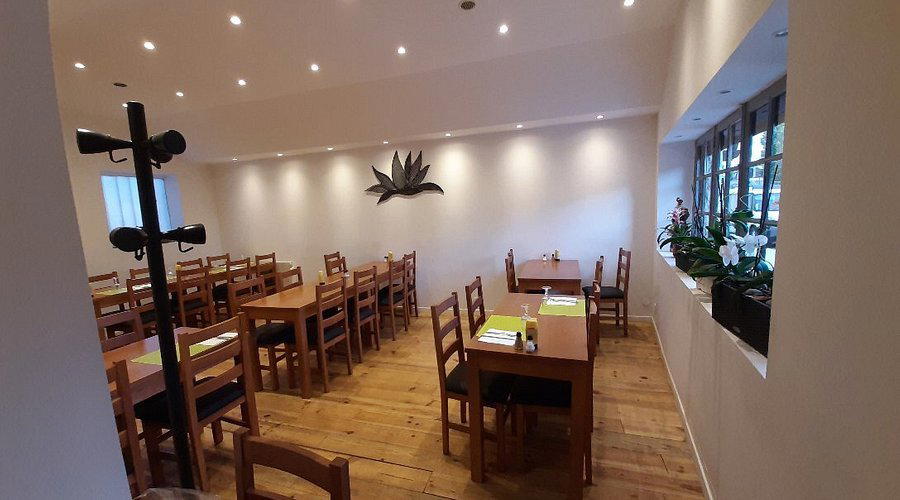
Stone, Wheat, and Fire: The Room Before the Food
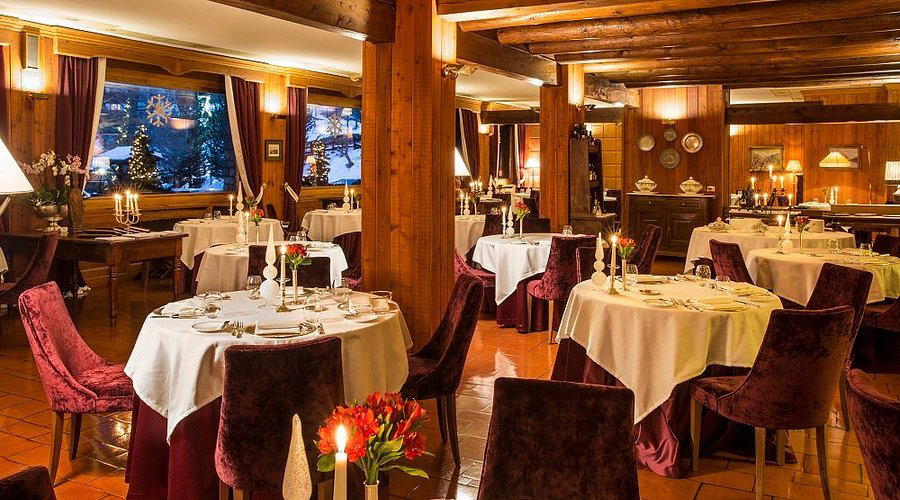
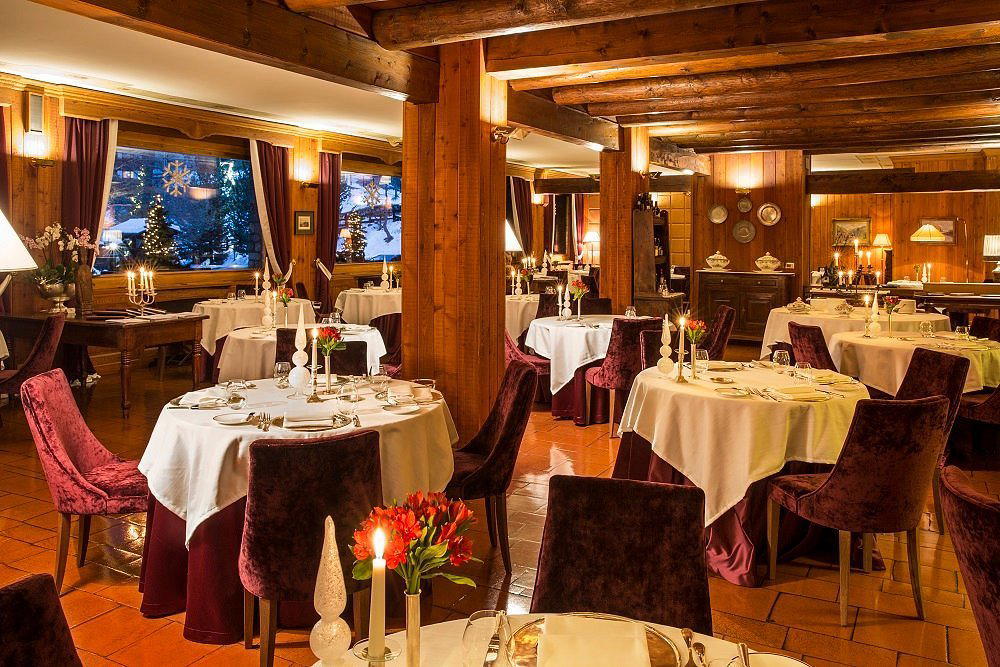
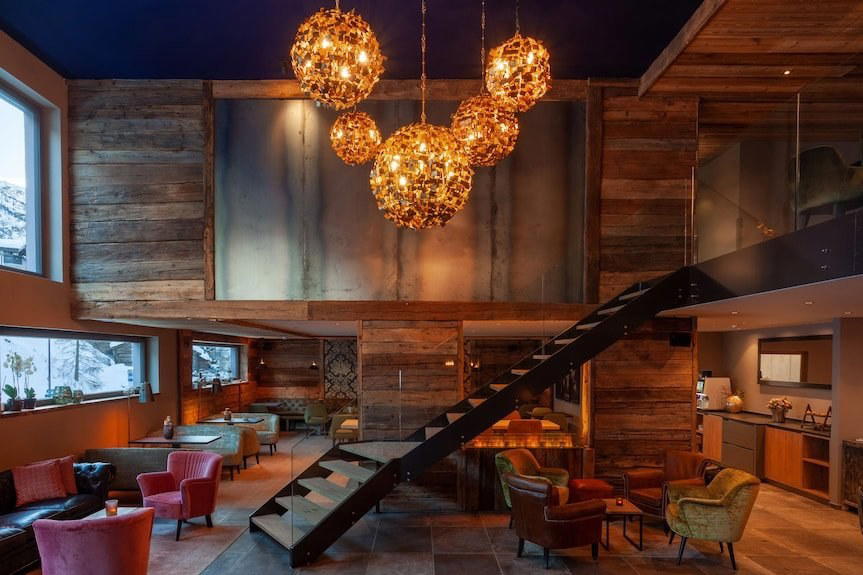
There is a particular kind of Alpine restaurant interior that takes decades to accumulate: the smoke-darkened beams, the iron farm tools hanging at angles on rough stone walls, the low ceiling pressing warmth back down onto the room. Le Grenier, set on Piazza Zerbion in Saint-Vincent, has that atmosphere without any appearance of having manufactured it. The name itself arrives from the local dialect, grenier meaning granary, and the space reads accordingly, with sheaves of wheat suspended overhead and an open fireplace anchoring one end of the room. Before a dish arrives, the setting is already doing editorial work, signalling that the cooking here will be rooted in place.
Saint-Vincent sits in the Valle d'Aosta, the smallest and most mountainous of Italy's twenty regions, a narrow corridor pressed between the Gran Paradiso massif and the main Alpine ridge. The valley's food culture is shaped by altitude and isolation in ways that set it apart from the rest of Italian cuisine: cured meats from indigenous breeds, cheeses aged in mountain caves, polenta served with game, bread baked with rye flour when wheat couldn't be grown above a certain elevation. These are ingredients with a hard geography, and any serious restaurant working this territory is implicitly making a sourcing argument, that where food comes from should be legible in how it tastes.
The Sourcing Argument in the Aosta Valley
Valle d'Aosta's producers operate at the margins of Italian food production by volume but at its centre by intensity. The region's DOP cheeses, Fontina above all, along with Fromadzo and Valle d'Aosta Fromage Blanc, are made from milk produced by cows that graze on Alpine pasture between roughly 1,500 and 2,500 metres. That vertical range produces milk with a distinct fat structure and mineral quality that makes Fontina behave differently from any lowland cheese when melted into a fonduta or folded into gnocchi. The meat supply follows similar logic: Valdostana cattle, Lard d'Arnad (a lard preparation with its own DOP status), and wild game from surrounding protected zones all carry flavour profiles that are difficult to replicate with substitute ingredients from outside the valley.
Le Grenier works within this supply context. The Mazzotti brothers' menu draws on Aosta Valley specialities and extends into broader Italian cooking, with home-made bread and a small selection of fish dishes that acknowledge the reality of modern restaurant menus without abandoning the local emphasis. The more analytically interesting move is the decision to treat valley ingredients with contemporary technique rather than strict reconstruction. In a region where culinary tradition carries significant identity weight, the choice to apply modern preparation to local raw material is a position, not a default, and it places Le Grenier in the same general conversation as a handful of other mountain-rooted restaurants across the Alpine arc that are working out how to honour provenance without becoming museums.
For a broader view of how this approach plays out across northern Italian fine dining, Atelier Moessmer Norbert Niederkofler in Brunico represents one theorised version of Alpine-sourced cooking in Italy, built around strict hyper-local constraints. The restaurant operates with less dogma and more breadth, which may suit a different kind of evening.
Recognition and Peer Context
The restaurant holds a Michelin Plate for both 2024 and 2025, a designation that signals quality cooking without the starred tier's price and format implications. In the Valle d'Aosta, where the Michelin footprint is thin compared to Piedmont or Lombardy, a Plate carries more relative weight than it might in a denser city market.
The price positioning at €€€€ places it among the valley's most serious dining commitments. For comparison, Vecchio Ristoro, Cuisine from the Aosta Valley in Aosta and Bar à Fromage, Cuisine from the Aosta Valley in Cogne represent the other credentialled addresses working the same regional cuisine. Each occupies a different town and a different register; the restaurant's granary setting and contemporary-leaning technique give it a distinct character within that small peer group.
At the national level, the Italian fine dining conversation is dominated by addresses such as Osteria Francescana in Modena, Enoteca Pinchiorri in Florence, Le Calandre in Rubano, and Piazza Duomo in Alba. The restaurant is not competing in that starred bracket, but it shares the broader argument that Italian regional cooking is most interesting when it takes its geography seriously. Other strong regional addresses for reference include Dal Pescatore in Runate, Uliassi in Senigallia, Quattro Passi in Marina del Cantone, Reale in Castel di Sangro, Casa Perbellini 12 Apostoli in Verona, and Enrico Bartolini in Milan.
The Wine List as a Regional Argument
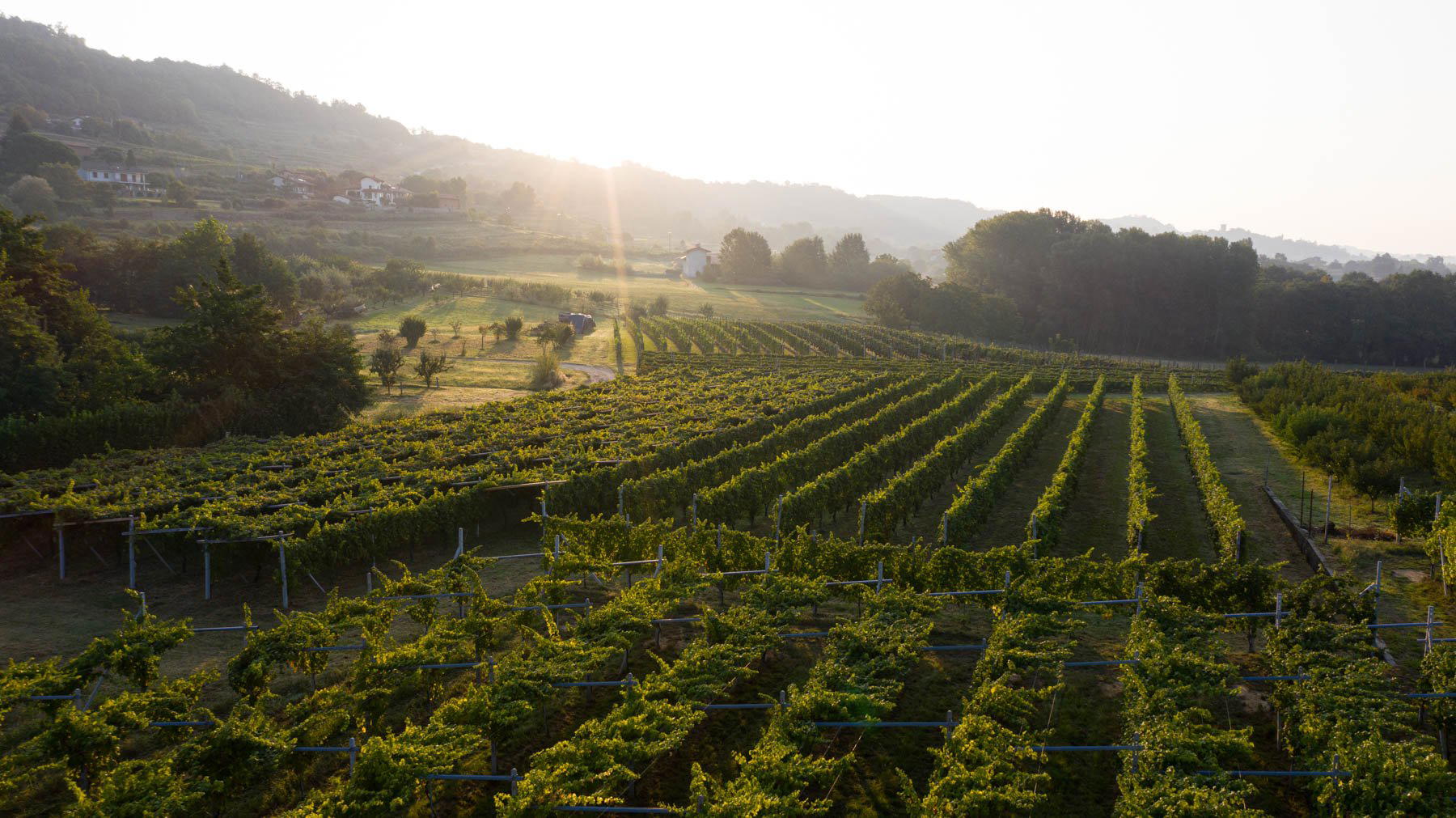
Valle d'Aosta produces some of Italy's most distinctive, and least exported, wines. The region's vineyards run along steep terraced slopes at elevations where viticulture is genuinely difficult, and the resulting wines from indigenous varieties such as Petit Rouge, Fumin, Prié Blanc, and Cornalin have a mineral tension that reflects their mountain origin directly. Production volumes are low and distribution narrow, which means the wines rarely appear on lists outside the region. An extensive wine list focused on carefully chosen regional labels is therefore not a marketing gesture here but a genuine access point: the restaurant's cellar offers an opportunity to drink wines that most diners outside Valle d'Aosta will not have encountered before.
Planning a Visit
The restaurant is located at Piazza Zerbion 1 in Saint-Vincent, a town on the main Valle d'Aosta road and rail corridor between Aosta and the Piedmontese lowlands, making it accessible as part of a longer Alpine itinerary or as a standalone destination from either direction. The €€€€ price point positions this as a considered dinner rather than a casual stop, and the atmospheric interior, fireplace, warm grain textures, the particular quiet of a stone room, suits the pace of a long evening meal. Booking in advance is advisable, particularly during the ski season and summer walking months when the valley sees significant visitor traffic.
At-a-Glance Comparison
Comparable venues nearby, for context on price, style, and recognition.
| Venue | Cuisine | Price | Awards | Notes |
|---|---|---|---|---|
| Le GrenierThis venue — the venue you are viewing | Modern Aosta Valley Italian | $$$ | Michelin Plate | Not listed |
| Gina | Traditional Italian with Local Aosta Flavors | $$$ | Michelin Plate | Aosta center |
| Enoteca L'Armadillo | Modern Italian Fusion Wine Bar | $$$ | Michelin Plate | La Palud |
| Ape Vino e Cucina | Piedmontese Italian Wine Bar | $$$ | Michelin Plate | Piazza Risorgimento |
| Between | Modern Piedmontese with Mediterranean Influences | $$$ | Michelin Plate | Rivoli |
| Scuderie Sabaude | Piedmontese Tradition with Modern Refinement | $$$ | Michelin Plate | Pollenzo |
Recognition history
Dated appearances from independent guides and award organizations, with the underlying list record or original source where available.
Michelin Plate
Michelin
Michelin Plate
Michelin
Michelin Plate
Michelin
Continue exploring
More in Saint-Vincent
Restaurants in Saint-Vincent
Browse all →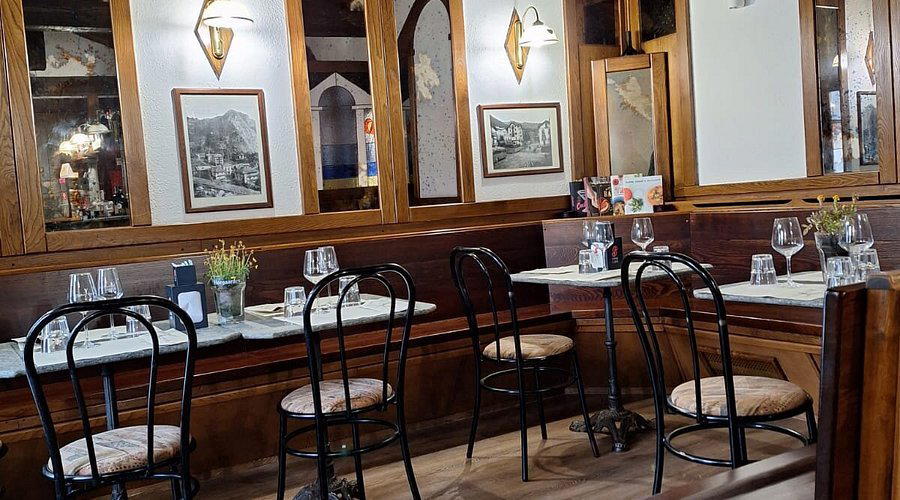
Bars in Saint-Vincent
Browse all →

Hotels in Saint-Vincent
Browse all →
At a Glance
- Romantic
- Cozy
- Rustic
- Elegant
- Intimate
- Date Night
- Special Occasion
- Historic Building
- Extensive Wine List
- Local Sourcing
Current opening hours
- Monday
- 7:30–10 PM
- Tuesday
- 7:30–10 PM
- Wednesday
- Closed
- Thursday
- 7:30–10 PM
- Friday
- 12:30–2:30 PM, 7:30–10 PM
- Saturday
- 12:30–2:30 PM, 7:30–10 PM
- Sunday
- 12:30–2:30 PM, 7:30–10 PM
Hours can change for holidays and private events. Last verified .
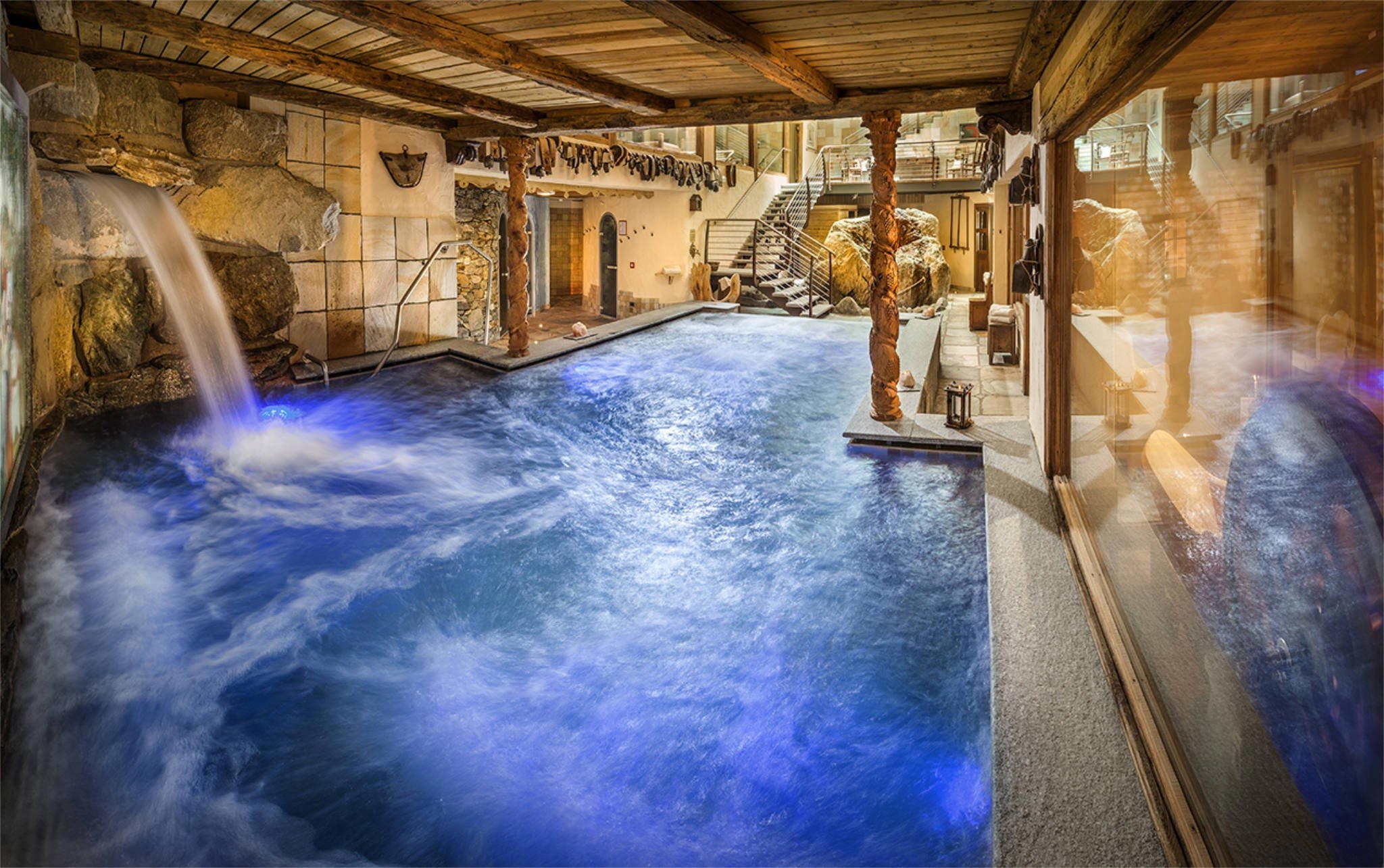
Cozy rustic atmosphere with open fireplace, sheaves of wheat, candlelit tables, wooden beams, and warm intimate lighting evoking a traditional barn.