
1 Michelin Star
Our verdict
A 17th-century mill converted into one of Aosta's most serious dining addresses, Vecchio Ristoro holds a Michelin star for cooking that roots itself firmly in Valle d'Aosta tradition while acknowledging the French Alpine influence just across the border. Three tasting menus, a 300-bottle cellar, and express-cooked dishes make this the valley's most complete case for what regional fine dining can look like at the top of its price tier.

Pearl is the En Primeur Club membership app — saves, bookings, and concierge access live there. Same editors, same standards.
- Address
- Via Tourneuve, 4, 11100 Aosta AO, Italy
- Phone
- +39 0165 33238
- Hours
- Mon ClosedTue–Sat 12:30–1:30 PM, 7:30–9 PMSun Closed
- Website
- vecchioristoro.com
- Directions
- Get directions
The menu
What to order
- Venison in red wine with grappa and smoked potato purée
A Mill That Earns Its Star
Valle d'Aosta is small enough that its serious restaurants are easy to count. The region sits at the junction of Italian and French Alpine cooking, shaped by altitude, short growing seasons, and centuries of cross-border exchange. At the top of the local price tier, a handful of addresses have spent years making the case that mountain ingredients deserve the same formal attention given to lowland fine dining.
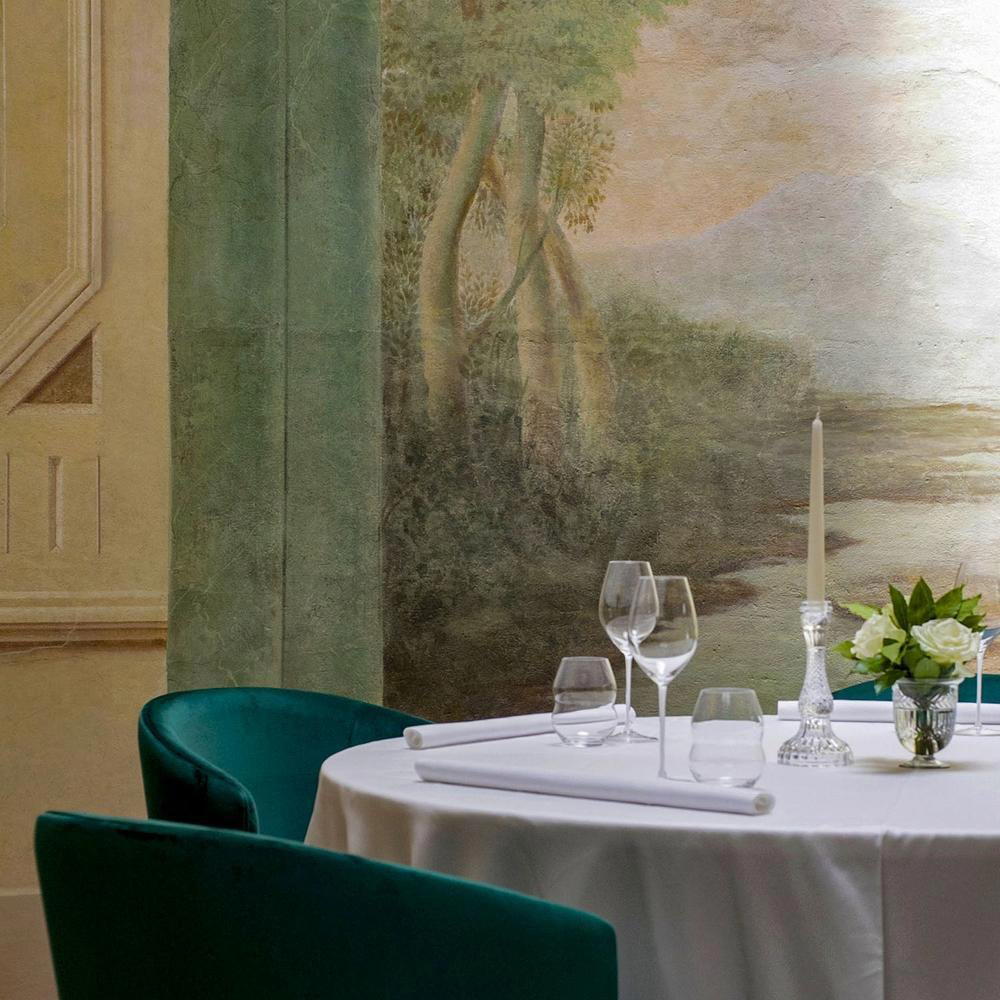
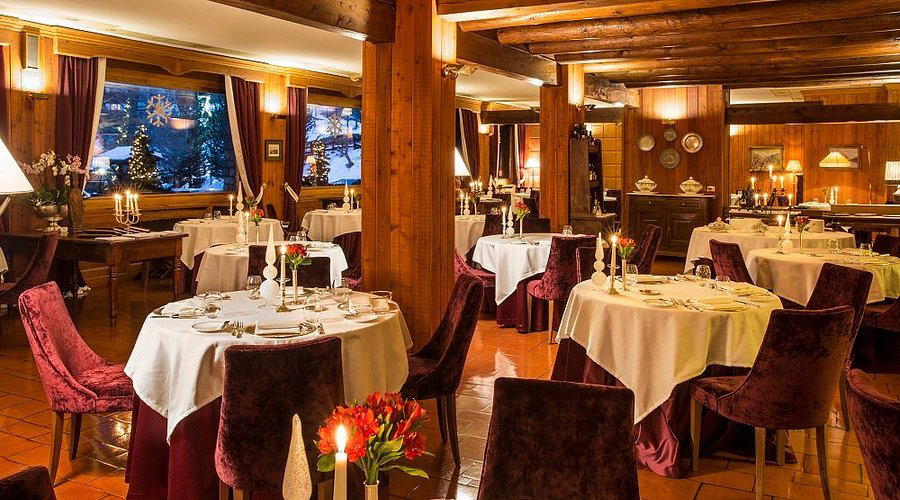
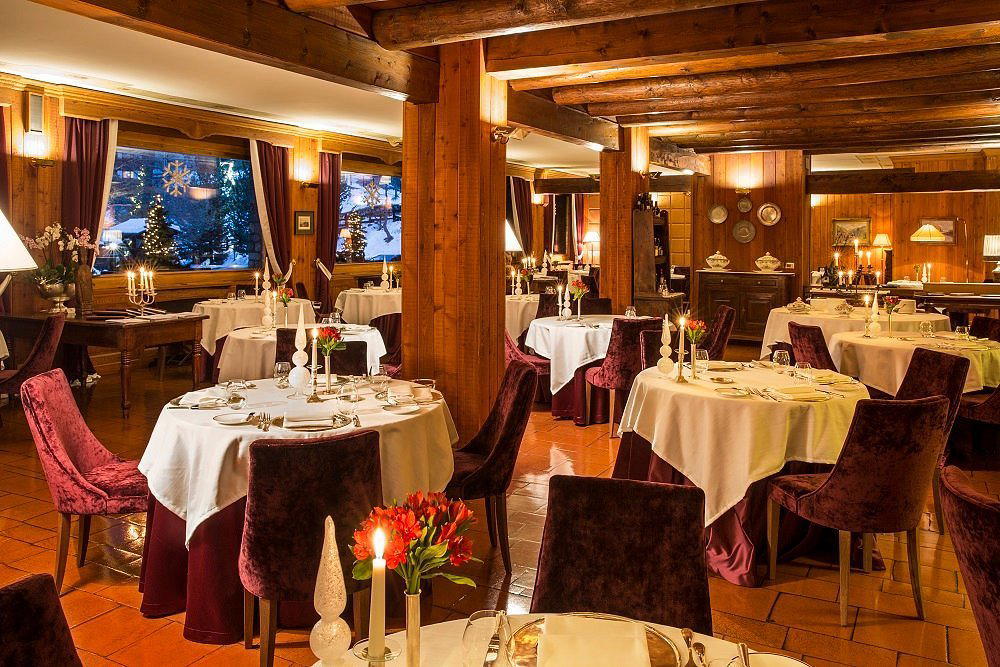
The physical setting does a lot of the work before a plate arrives. The building has kept its original wheel and millstone inside the dining room, which gives the space an industrial vernacular that most Italian fine dining rooms deliberately erode. Here, the machinery is the decor, and the effect is less rustic nostalgia than honest architectural evidence: this is what the building was, and the room hasn't been asked to pretend otherwise. For a restaurant in the French-influenced Alpine style, that kind of material honesty carries a certain logic. Compare it with the similarly ambitious Paolo Griffa al Caffè Nazionale, which occupies the grander setting of a historic café and pitches its creative Italian seafood program against a more theatrical backdrop. The two addresses share a price bracket but occupy different registers of the Aosta fine dining conversation.
What Aosta Valley Cuisine Looks Like at This Level
The cooking at Vecchio Ristoro is anchored in the Aosta Valley's larder: game, cured meats, dairy from high-altitude pastures, root vegetables that thrive in short mountain summers. Chef Filippo Oggioni works that territory with a modern approach, adding technique without displacing the flavour logic of the source ingredients. The French border influence surfaces in some recipes, an acknowledgment of the obvious geographical reality that Valle d'Aosta cooking has never been purely Italian in its references. A dish of venison cooked in red wine with a grappa-based jus, served alongside smoked potato purée, is the kitchen's most-cited signature: the grappa addition is a specifically local gesture that separates the preparation from a standard French braise, and the smoking on the potato is a technique that adds a second layer of mountain-smokehouse association without overwhelming the meat.
All dishes are cooked à la minute, which Michelin's own notes flag as a meaningful distinction. In a tasting-menu context, that approach requires precise sequencing and adds pressure to service, but it also means dishes arrive at the temperature and texture they were designed to hit rather than the temperature of a hot-hold setup. At €€€€ pricing, that discipline is part of what separates this kitchen from mid-range regional restaurants that produce good food but not always food that has been fully thought through in its execution.
The menu structure offers three tasting formats plus an à la carte, with one of the tasting menus vegetarian. That breadth is practical intelligence in a valley where hunting culture is dominant but visitors arrive from across Northern Europe with varying dietary expectations. All menus draw on fresh market ingredients, which at this latitude means seasonal rotation is meaningful rather than cosmetic: summer and autumn menus look substantially different from a winter offering built around aged products and game.
The Wine Program as a Separate Case
Valle d'Aosta produces wine from some of Europe's highest-altitude vineyards, and the regional list is compact but genuinely distinctive: Petit Rouge, Fumin, Cornalin, and Prié Blanc are grapes with almost no presence outside the valley, and their character at elevation is unlike lowland Italian equivalents. The cellar at Vecchio Ristoro runs to approximately 300 labels, overseen by partner Paolo Bariani, and balances established producers with smaller valley estates. Wine is available by the glass, which at this list size means the program is designed for exploration rather than simple pairing confirmation.
A cellar of this depth at a one-star regional restaurant is worth noting as a value indicator. At comparable mountain fine dining rooms elsewhere in the Italian Alps, say Atelier Moessmer Norbert Niederkofler in Brunico, the wine program is often built around regional expression as a statement of terroir philosophy. At Vecchio Ristoro, the pairing of famous names alongside smaller producers suggests the list is built for range rather than ideology, which is a sensible position for a room that serves both committed wine-focused diners and visitors who want guidance without a prescription.
How It Sits in the Aosta Dining Picture
Placing Vecchio Ristoro in context requires separating it from the rest of Aosta's dining options by more than price. Osteria da Nando operates the same regional cuisine at €€, which means the gap is substantial: Vecchio Ristoro is not a premium version of what you find at mid-range trattorie but a different category of restaurant that happens to share some source ingredients. Gina operates at €€€ on a modern cuisine platform, sitting one tier below and with a different culinary register. Stefenelli Desk, at €€ with an Italian contemporary approach, is further still from the Vecchio Ristoro format.
Within the Aosta Valley's broader regional cuisine tradition, Bar à Fromage in Cogne and Café Quinson in Morgex both operate the same cuisine type at different scales and price points, confirming that Vecchio Ristoro sits at the top of a genuine regional category rather than being an outlier in a scene without comparators. Nationally, the conversation about northern Italian regional cooking at Michelin level includes addresses like Dal Pescatore in Runate and, at the higher end of the creative spectrum, Osteria Francescana in Modena. Vecchio Ristoro is not in that tier of scale or influence, but it occupies a defensible position as the valley's most credentialled kitchen, doing work that larger Italian fine dining rooms at Enoteca Pinchiorri in Florence, Enrico Bartolini in Milan, Uliassi in Senigallia, or Quattro Passi in Marina del Cantone cannot do: putting a specific mountain microculture at the centre of a serious tasting format.
The Value Calculation
At €€€€ in a city of this size, Vecchio Ristoro is pricing against its awards rather than its postcode. In Aosta, where the competition for this specific type of cooking is minimal, the case is easier to make. You are not paying a city premium; you are paying for the work.
Planning a Visit
Vecchio Ristoro operates Tuesday through Saturday, with lunch seatings at 12:30 PM and dinner from 7:30 PM, closing by 9 PM. The restaurant is closed Sunday and Monday, which is standard practice for this tier of restaurant across northern Italy and a signal of kitchen discipline rather than limited ambition. Lunch windows are tight at one hour, making the evening service the more appropriate format for the full tasting menu experience. The address on Via Tourneuve places it in central Aosta, walkable from most accommodation in the city. For accommodation options during your stay, see our full Aosta hotels guide. For broader dining research across the city, our full Aosta restaurants guide covers the complete range of options by price and cuisine. Those interested in the valley's wine production can explore further via our Aosta wineries guide, and evening options beyond dinner are covered in our Aosta bars guide. For activities and cultural programming around a visit, our Aosta experiences guide provides a structured starting point.
Frequently asked questions
What's Vecchio Ristoro known for in terms of accolades?
Vecchio Ristoro has received recognition including: Despite its central location and elegant ambience, this former 17C mill, which has retained its old wheel and millstone in the dining room, has the feel of the open mountains. The excellent service here is overseen by Paolo Bariani, one of ….
What do regulars order at Vecchio Ristoro?
The venison cooked in red wine with a grappa-based jus and smoked potato purée is the dish Michelin documentation singles out as the kitchen's signature. Chef Filippo Oggioni cooks everything express-style, to order, which keeps the dish tightly calibrated. The à la carte and three tasting menus all draw from daily market sourcing, so supporting dishes shift with the season.
What should I budget for a meal at Vecchio Ristoro?
Pricing at Vecchio Ristoro is listed as €€€€.
A Credentials Check
| Venue | Cuisine | Price | Awards | Notes |
|---|---|---|---|---|
| Vecchio RistoroThis venue — the venue you are viewing | Contemporary Aosta Valley Cuisine | Not listed | 1 Michelin Star | Not listed |
| Paolo Griffa al Caffè Nazionale | Contemporary Italian Fine Dining | $150–200 | 1 Michelin Star · The Best Chef One Knife | Italian Seafood, Creative |
| Gina | Modern Cuisine | Not listed | Not listed | Not listed |
| Osteria da Nando | Traditional Valdostan Italian | Not listed | Michelin Plate | Cuisine from the Aosta Valley |
| Stefenelli Desk | Modern Alpine | Not listed | Michelin Plate | Italian Contemporary |
Recognition history
Dated appearances from independent guides and award organizations, with the underlying list record or original source where available.
Michelin 1 Star
Michelin
Full recognition history (3 entries)
Michelin 1 Star
Michelin
Michelin 1 Star
Michelin
Continue exploring
More in Aosta
Restaurants in Aosta
Browse all →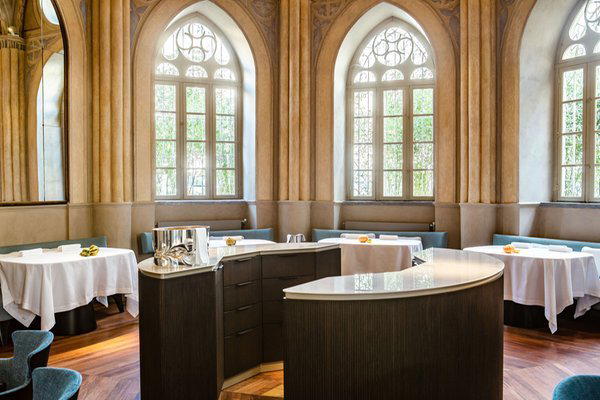
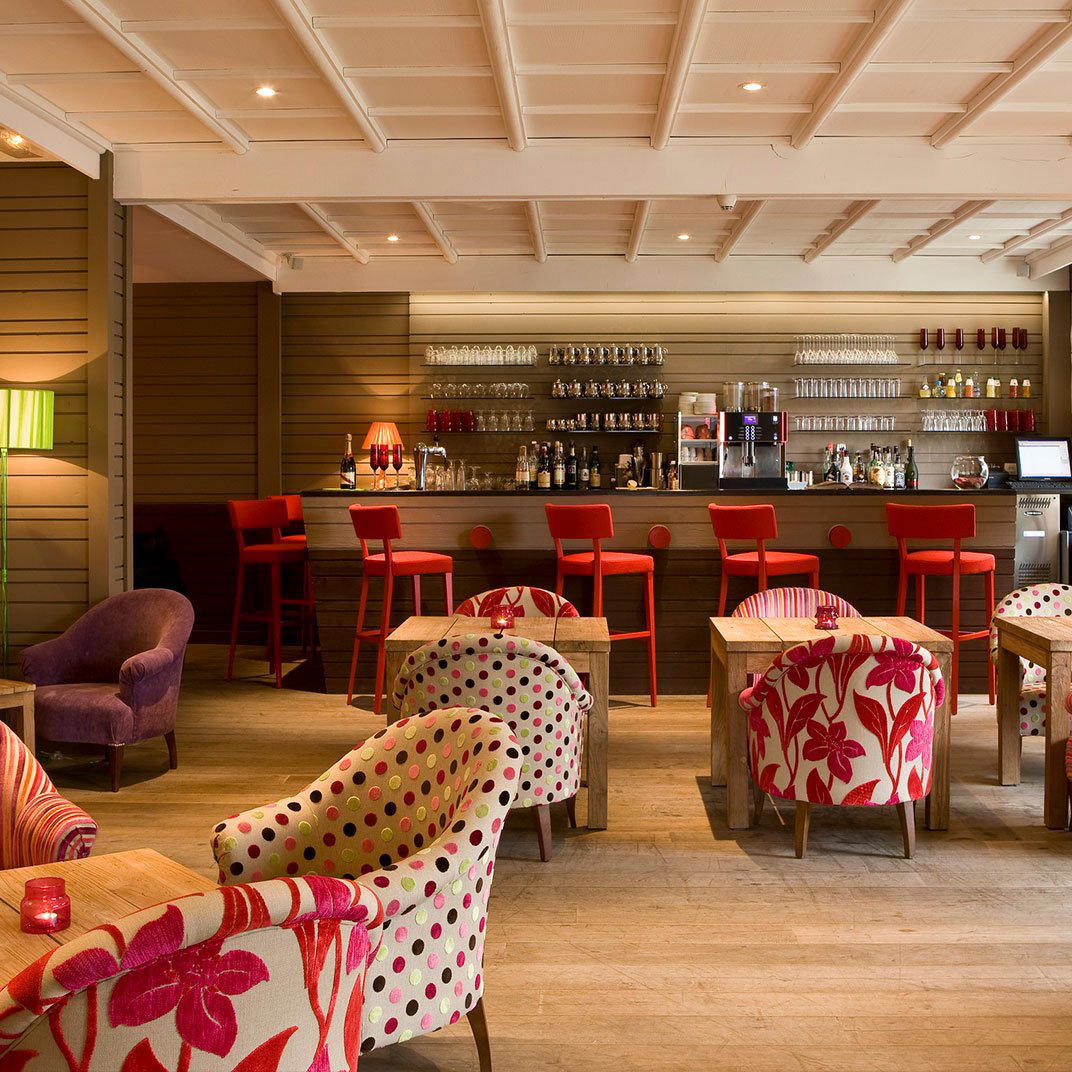
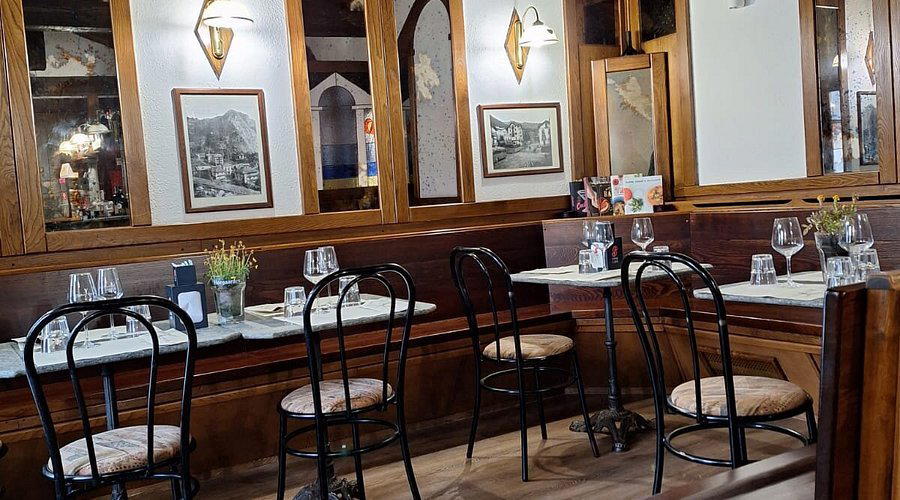
Bars in Aosta
Browse all →
Hotels in Aosta
Browse all →

Vecchio Ristoro
The wine
- Wine program
- Exceptional wine program
- Extensive wine list
Details
- Elegant
- Rustic
- Cozy
- Intimate
- Sophisticated
- Date Night
- Special Occasion
- Solo
- Historic Building
- Extensive Wine List
- Local Sourcing
- Tasting Menu
- A La Carte
- Vegetarian Friendly
Current opening hours
- Monday
- Closed
- Tuesday
- 12:30–1:30 PM, 7:30–9 PM
- Wednesday
- 12:30–1:30 PM, 7:30–9 PM
- Thursday
- 12:30–1:30 PM, 7:30–9 PM
- Friday
- 12:30–1:30 PM, 7:30–9 PM
- Saturday
- 12:30–1:30 PM, 7:30–9 PM
- Sunday
- Closed
Hours can change for holidays and private events. Last verified .
Elegant ambience with a rustic mountain feel, featuring historic mill elements and warm, sophisticated lighting.