
1 Michelin Key · Mr & Mrs Smith Seal of Approval
Aethos Monterosa sits in Champoluc, the largest village on the Monterosa ski circuit, with direct lift access and a design philosophy built around removing friction between guests and the mountain. Thirty rooms, a rock-climbing wall in the lobby, an ice-climbing wall on the exterior, and two restaurants — one applying Japanese techniques to Italian ingredients, the other modernising Alpine classics — make it an outlier in the region's accommodation offer.

Pearl is the En Primeur Club membership app — saves, bookings, and concierge access live there. Same editors, same standards.
- Address
- SR45, 16, 11020 Champoluc AO
- Phone
- +39 0125 938300
- Website
- aethos.com
- Directions
- Get directions
Where the Building Announces Its Intentions Before You Reach the Door
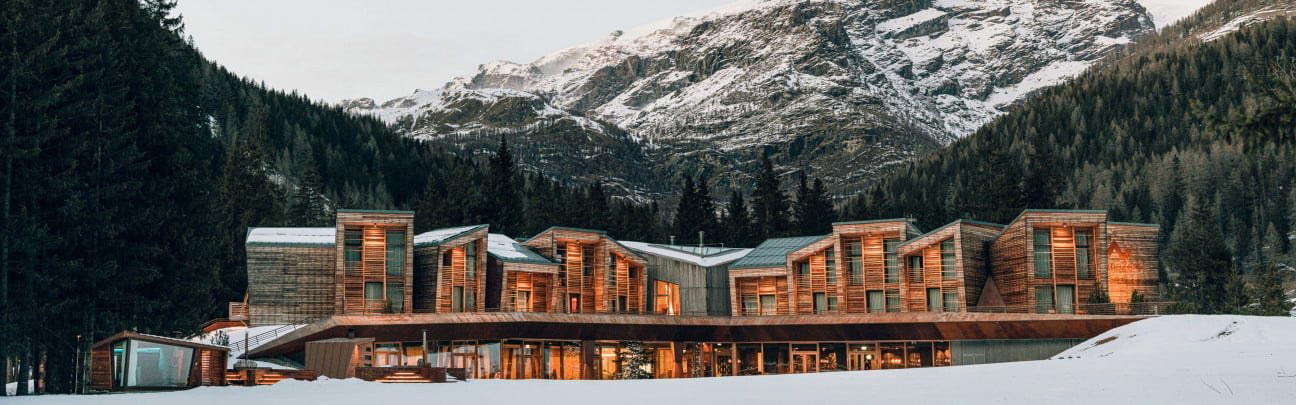
Most Alpine hotels signal their character through heritage: wood panelling, antler mounts, and a fireplace arranged to suggest that the mountain is something to shelter from. Aethos Monterosa takes the opposite position. The exterior, clad in concrete, weathered metal, and timber, reads less like a mountain lodge and more like a building that has been designed to belong to the mountain on equal terms. The ice-climbing wall bolted to the hotel's facade is not decorative. It tells you, before you check in, that the architecture here is programme — that the physical structure of the building is an extension of what you came to the Alps to do.
That design logic carries inside. The rock-climbing wall in the lobby occupies the kind of space that other properties in this tier reserve for a grand reception desk or a statement chandelier. The choice is deliberate: vertical terrain begins here, not at the trailhead. Among newer Alpine openings in the Italian mountains, this approach to integrating activity infrastructure into the primary guest spaces is relatively rare. Properties in the Aosta Valley have historically kept their adventure amenities at the periphery — boot rooms, ski storage, perhaps a guided excursion desk tucked near the bar. Aethos Monterosa centralises the physical proposition and makes it architecturally explicit.
Champoluc and the Monterosa Circuit
The Champoluc choice matters. Monterosa is less trafficked than Courmayeur or the Cervinia-Zermatt circuit, which means lift queues are shorter and the village retains a scale that larger Italian Alpine resorts have long since outgrown. Champoluc is the main access point for the broader Monterosa ski area, and the hotel's position gives guests direct connection to that lift system without the transfer logistics that characterise satellite villages on bigger circuits. For skiers arriving from outside the region, the nearest major airport is Turin (Caselle), with transfer times that make a same-day arrival and ski-afternoon realistic in normal road conditions.
The Aosta Valley context also matters for what the hotel is not. This is not the kind of Italian mountain property built around wine cellars, frescoed dining rooms, and a culinary programme rooted in regional terroir first and mountain activity second. Properties like Castel Fragsburg in Merano or Forestis Dolomites in Plose operate in that register, design-led, but with the culinary programme doing significant identity work. Aethos Monterosa's identity is built on a different axis: the architecture and activity infrastructure come first, and the food programme serves that frame rather than competing with it.
The Rooms: Comfort Calibrated for Recovery
30 rooms are designed in the tradition of Alpine accommodation, where the primary purpose after a day on the mountain is restoration. Contemporary in finish rather than folkloric, they draw from regional material and aesthetic references without reproducing them literally. A practical detail worth noting: a number of rooms are configured to sleep three or four guests, which positions the hotel for small group travel, ski parties and families who want a single property rather than the scattered logistics of multiple bookings across a village. For Italian Alpine properties at this level, that configuration is more deliberate than it might appear; the alternative is usually a chalet rental, which trades hotel services for space.
Recovery infrastructure is properly considered. An indoor pool, sauna, and steam bath cover the immediate post-ski needs. A spa handles more extended treatment programmes. This is standard at the upper end of the Alpine hotel market, comparable properties across Italy's mountain arc, from EALA My Lakeside Dream to Borgo San Felice Resort, treat wellness infrastructure as a baseline expectation, but the specificity of the sauna-and-steam combination alongside the pool suggests a programme calibrated for high-output guests rather than general relaxation seekers.
Two Restaurants, Two Editorial Arguments
Italian Alpine food has its own strong tradition: polenta, cured meats, fontina, game, slow-braised preparations that make sense at altitude. The temptation for hotels in this region is to reproduce that tradition faithfully and call it authenticity. Aethos Monterosa runs two restaurants that each make a different argument against simple reproduction.
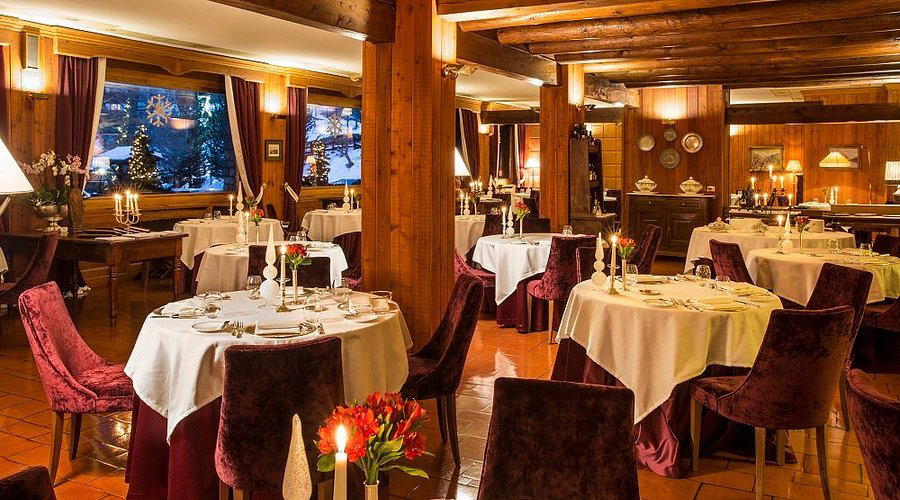
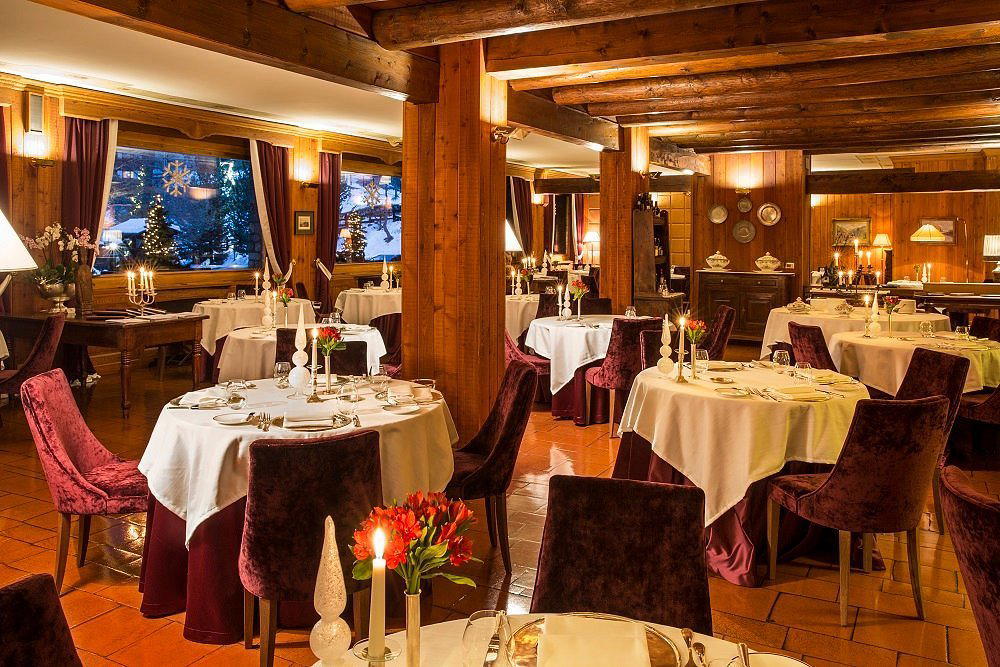
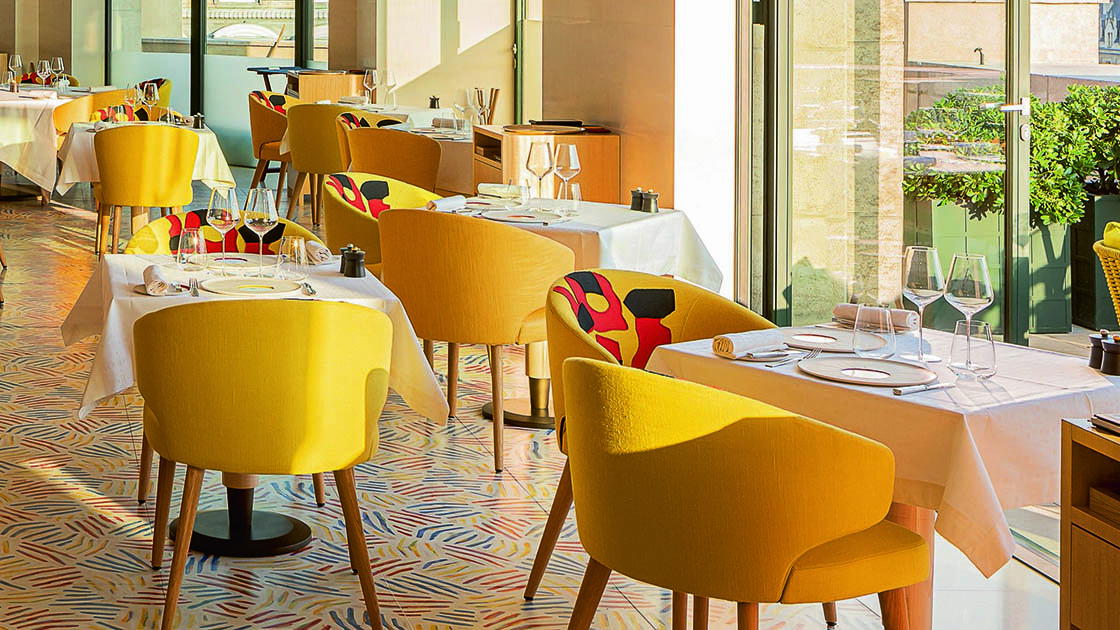
Summit takes Alpine cuisine as its starting point and updates it, applying contemporary technique to the regional repertoire. This is a well-established move in European mountain dining, the Alps broadly have seen a generation of chefs rework traditional mountain food through a modern lens, but execution is what separates the convincing from the superficial, and the hotel's positioning suggests it takes the food programme seriously as part of the overall identity.
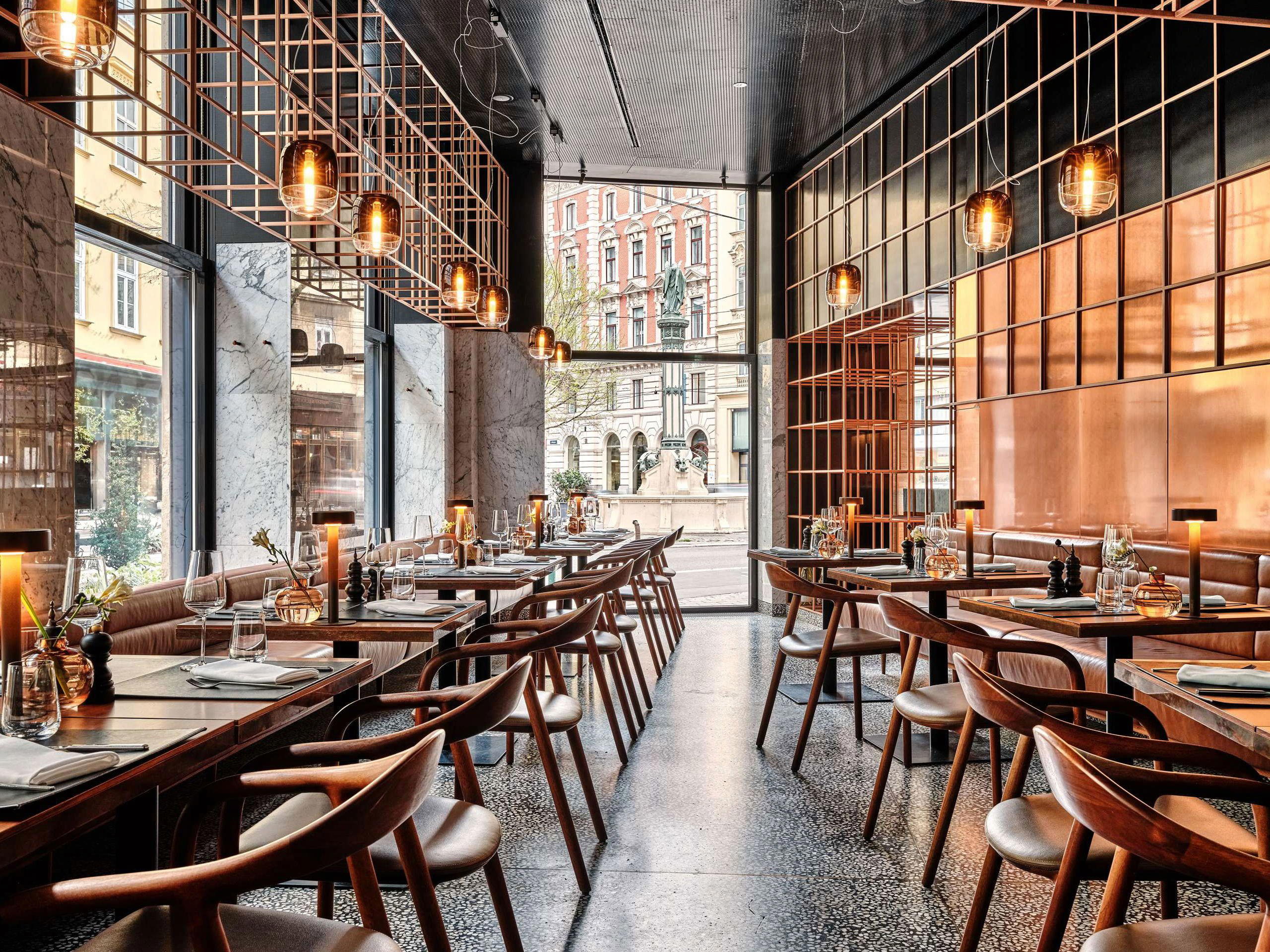
1568 Japanese Steakhouse is the more unusual proposition. Japanese technique applied to Italian ingredients is a combination that has appeared in Italian cities, notably in Milan and Rome, but is considerably rarer in the mountains. The approach sits within a broader European trend of precision-technique kitchens reworking local produce through East Asian frameworks, but doing that in Champoluc rather than a major urban centre is a different kind of statement. The number in the name references Champoluc's altitude in metres, which grounds the restaurant in its geographic context even as the kitchen moves laterally across culinary traditions. For guests interested in the full Italian dining spectrum, from the Casa Maria Luigia approach in Modena to the coastal registers of Borgo Santandrea on the Amalfi Coast, the 1568 offer represents an outlier worth tracking.
Where Aethos Monterosa Sits in the Italian Hotel Picture
Italy's premium hotel market covers considerable range: Renaissance palazzi converted by international groups (Aman Venice, Bulgari Hotel Roma), historic rural estates repositioned as design properties (Castello di Reschio, Rosewood Castiglion Del Bosco), and coastal properties where the sea view and the food programme do the heavy lifting (Il Pellicano, Il San Pietro di Positano). The mountain segment of that market has historically been thinner on properties with a strong contemporary design argument. Aethos Monterosa enters that space with a coherent position: 30 rooms, a specific activity programme built into the architecture, two restaurants that resist the path of least resistance, and a location on a ski circuit that rewards guests who have done enough research to get there.
For those planning broader Italian travel, our full Champoluc restaurants guide covers the wider dining picture in the village and surrounding area. Further afield, properties like Passalacqua in Moltrasio and Four Seasons Hotel Firenze offer points of comparison for what Italian premium hospitality looks like when the setting shifts from mountain to lake or city. The common thread across the better properties in that set is a design and programme coherence that holds up to scrutiny. At Aethos Monterosa, the climbing wall in the lobby is the first test of that coherence, and it passes.
Planning Your Visit
Aethos Monterosa operates at SR45, 16, in Champoluc, with direct access to the Monterosa ski lift network. The property runs 30 rooms across configurations suitable for couples, small groups, and families of three or four. Winter is the primary season, with the ice-climbing wall on the exterior operational in cold weather, though the hotel's activity infrastructure and restaurant programme run year-round. Advance booking for the winter peak period, mid-December through late March, is advisable, given the property's size and the growing reputation of the Monterosa circuit among guests looking to move away from the more congested resorts of the western Aosta Valley.
Quick Comparison
Comparable venues nearby, for context on price, style, and recognition.
| Venue | Cuisine | Price | Awards | Notes |
|---|---|---|---|---|
| Aethos MonterosaThis venue — the venue you are viewing | Modern alpine refuge blending nature and luxury | $200–300 | 1 Michelin Key · Mr & Mrs Smith Seal of Approval | Not listed |
| Palazzo Albricci Peregrini | Restored 15th-century palazzo with original noble details and contemporary comforts. | $300–500 | 1 Michelin Key · Mr & Mrs Smith Seal of Approval | Centro Storico |
| Castello di Spaltenna | Historic luxury castle resort blending medieval architecture with contemporary wellness amenities in the heart of Chianti wine country. | $300–500 | Michelin Selected · Small Luxury Hotels of the World Member | Gaiole in Chianti |
| Hotel Principe di Savoia, Dorchester Collection | Beaux Arts luxury heritage hotel with Milanese elegance | $300–500 | 1 Michelin Key · La Liste Top Hotels | Stazione Centrale - Ponte Seveso |
| Vista Verona | Intimate boutique luxury hotel with modern Italian flair in a historic city center setting. | $500–750 | 1 Michelin Key · Small Luxury Hotels of the World Member | Citta' Antica |
| Vico Milano | Boutique guesthouse in former fashion atelier blending global design with artisan craftsmanship. | $500–750 | 1 Michelin Key · Mr & Mrs Smith Seal of Approval | Porta Ticinese - Conca Del Naviglio |
Recognition history
Dated appearances from independent guides and award organizations, with the underlying list record or original source where available.
Michelin 1 Key
Michelin
Mr & Mrs Smith Seal of Approval
Mr & Mrs Smith
Continue exploring
More in Champoluc
Hotels in Champoluc
Browse all →
Bars in Champoluc
Browse all →
Restaurants in Champoluc
Browse all →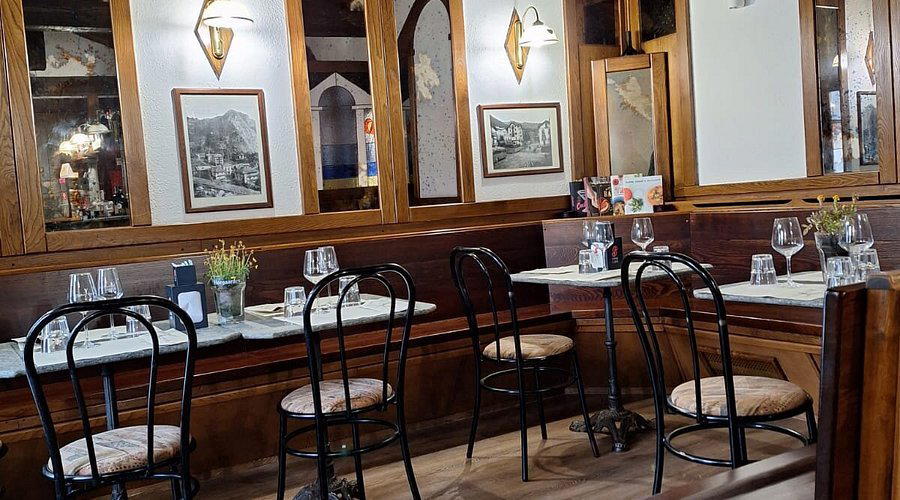
Details
- Modern
- Elegant
- Cozy
- Scenic
- Sophisticated
- Romantic Getaway
- Family Vacation
- Wellness Retreat
- Weekend Escape
- Ski In Ski Out
- Panoramic View
- Terrace
- Wi Fi
- Pool
- Spa
- Fitness Center
- Sauna
- Hot Tub
- Restaurant
- Room Service
- Concierge
- Massage
- Mountain
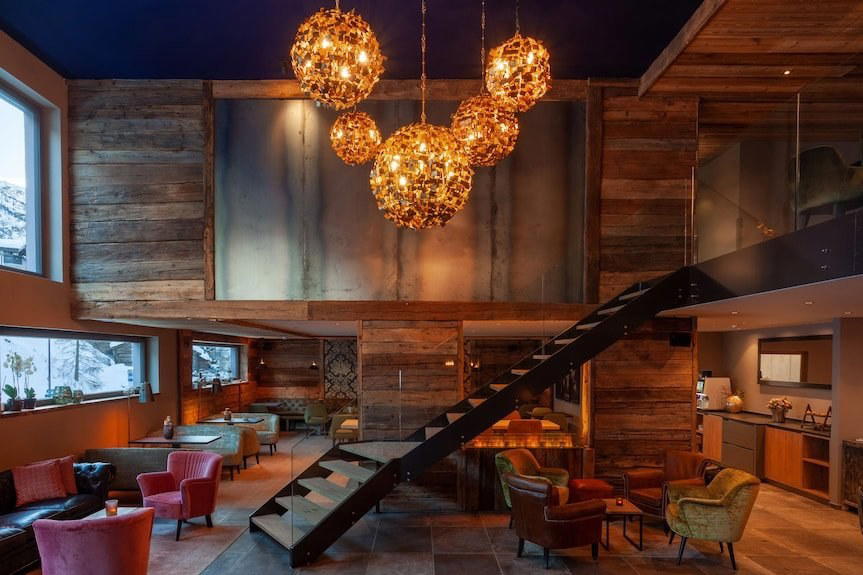
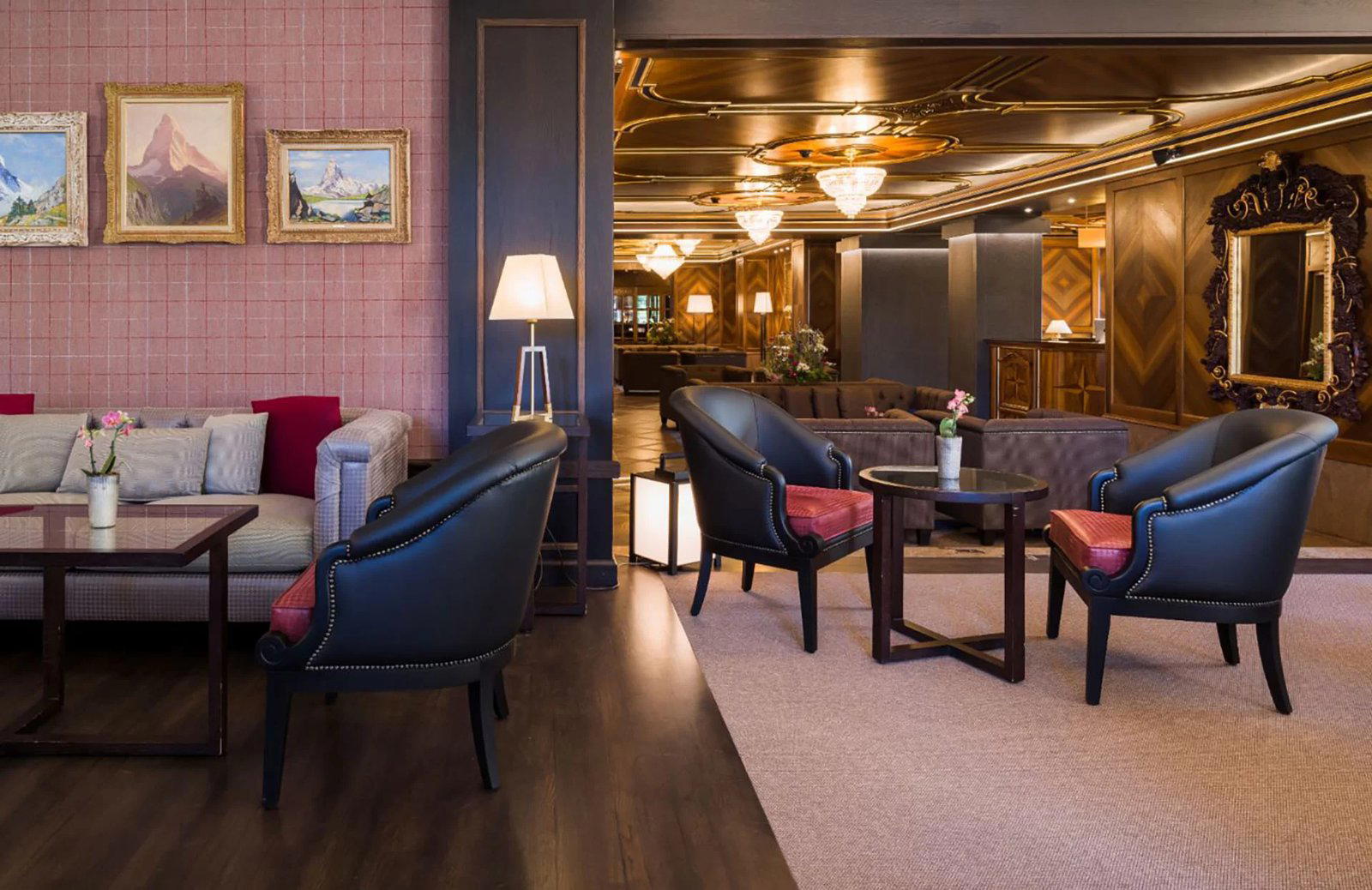
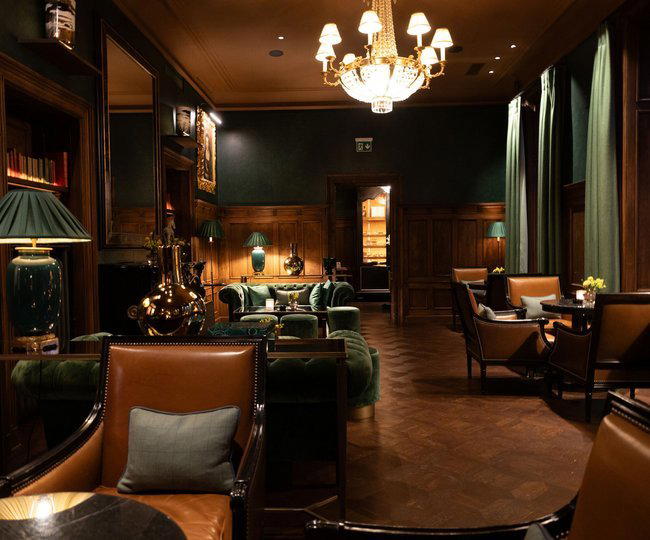
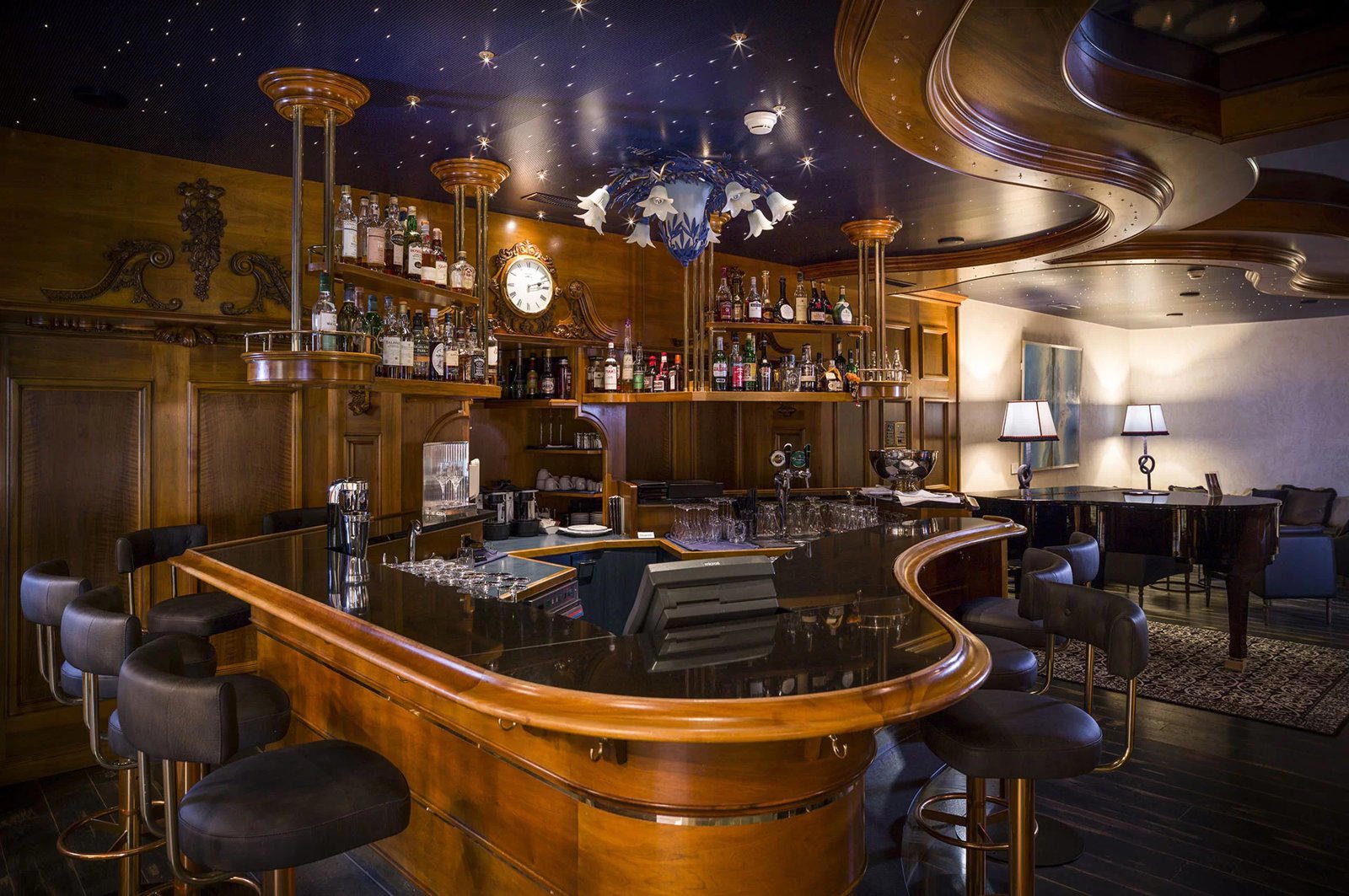
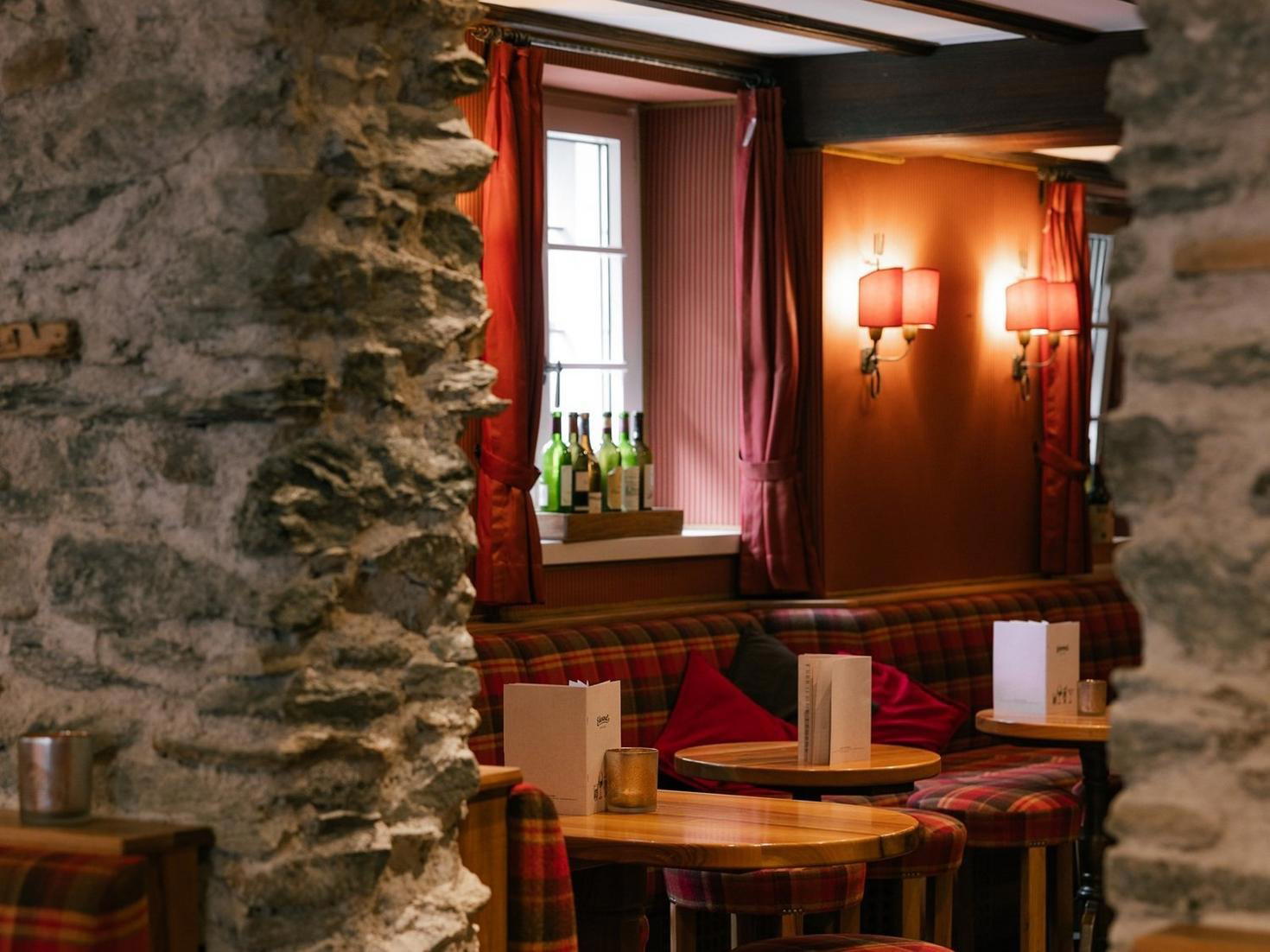
Warm and inviting with subdued colors, wooden details, soft fabrics, and huge windows framing forest and mountain vistas, creating cosy intimate spaces despite grand architecture.