
Set within Aosta's Roman-era walls, Gina is an informal basement restaurant on Via Croix-de-Ville that threads local Valle d'Aosta ingredients through a menu of regional and modern Italian dishes. Consecutive Michelin Plate recognition in 2024 and 2025, combined Positions it as a reliable address for cooking that takes its Alpine larder seriously without the formality of the valley's starred rooms.
Pearl is the En Primeur Club membership app — saves, bookings, and concierge access live there. Same editors, same standards.
- Address
- Via Croix-de-Ville, 25, 11100 Aosta AO, Italy
- Phone
- +39 351 750 8560
- Website
- ginacasaconcucina.com
- Directions
- Get directions
 Saves & bookings on Pearl
Old Stone, New Thinking: Dining Inside Aosta's Roman Walls
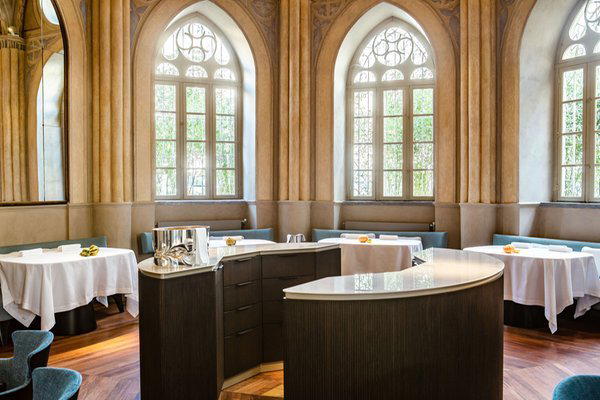
The old town of Aosta carries two thousand years of occupation in its fabric. Roman gates, medieval towers, and the grid of an Imperial-era colony all compress into a compact centre where the stone is rarely far from sight. On Via Croix-de-Ville, the descent into Gina's two basement dining rooms makes that history physical: the restaurant sits between the Roman walls themselves, so the ancient masonry forms part of the actual space you eat in. It is the kind of setting that most cities would stage with theatrical lighting and a heritage narrative on the menu cover. Here, the approach is informal, and the cooking is given room to make the argument instead.
That informality matters as a category signal. Aosta's most decorated rooms, Vecchio Ristoro and Paolo Griffa al Caffè Nazionale, both carry Michelin stars and price accordingly at €€€€. Gina operates at €€€, below that tier, and without the ceremony of a tasting-menu format. It is closer in register to Osteria da Nando and Stefenelli Desk, though its consecutive Michelin Plate recognition in both 2024 and 2025 places it above the undifferentiated middle of the local market.8 from 142 reviews is a consistent signal for a small-city restaurant where word-of-mouth is the dominant currency.
Where the Ingredients Come From, and Why That Shapes the Menu
The Aosta Valley is one of Italy's smallest and most geographically isolated regions, and its food culture reflects that enclosure. At altitude, surrounded by the Mont Blanc massif, the Matterhorn, and the Gran Paradiso range, the valley developed a larder defined by what it could produce and preserve rather than what it could import. Fontina DOP, the valley's most documented export, is a semi-soft alpine cheese with centuries of documented production; cured meats like lard d'Arnad and mocetta (dried chamois or beef) speak to a preservation tradition born of long winters; and polenta, rye bread, and chestnuts form the starchy backbone of a cuisine that feeds people who work in cold air at elevation.
Gina's menu draws on this local tradition as its foundation, then extends it with modern and personalised Italian dishes, including meat-led options. That sequencing, regional provenance first, contemporary technique second, is exactly the approach that has produced coherent cooking across northern Italy's mountain restaurants in the last decade. One interesting work at this tier is not radical reinvention but the question of how much latitude a kitchen can take with known ingredients before the dish loses its sense of place. Gina sits in the space where that question is being asked in a €€€ room with no formal pretension.
For context on how Alpine ingredient sourcing can operate at a more intensive level, Atelier Moessmer Norbert Niederkofler in Brunico represents the far end of that commitment, with a hyper-regional sourcing ethos that has become a reference point for mountain cooking across northern Italy and beyond. Gina operates at a different scale and price point, but the underlying logic, that altitude and geography should be legible on the plate, connects them to the same broader conversation.
The Room: Informality as a Deliberate Register
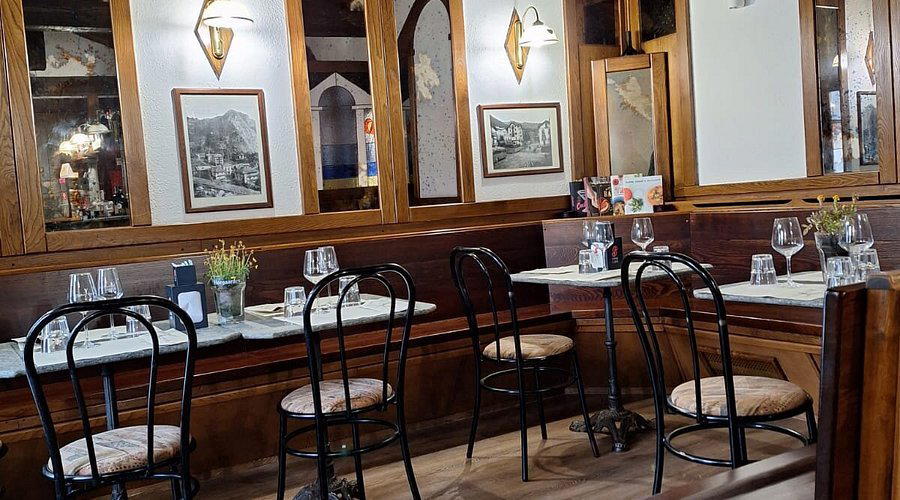
Two rooms in a Roman-wall basement establish a particular kind of eating environment: contained, tactile, with the kind of ambient quiet that older stone buildings generate naturally. The informal feel the restaurant carries is not a gap in ambition but a calculated tone. In a valley where the highest-profile rooms are fully dressed tasting-menu experiences, a dinner that moves at a more relaxed pace and allows for à la carte decision-making fills a different need. Visitors who have already experienced the structured formats at Vecchio Ristoro or Paolo Griffa will find Gina occupies a complementary position in the local circuit rather than competing with it directly.
The address, Via Croix-de-Ville, 25, places it in the heart of the old town, walkable from Aosta's main Roman monuments and from most of the central accommodation.
Placing Gina in the Wider Italian Modern Cuisine Conversation
Modern Italian cuisine at the starred level has spent the last two decades building an international reference set: Osteria Francescana in Modena, Le Calandre in Rubano, Enoteca Pinchiorri in Florence, Piazza Duomo in Alba, Enrico Bartolini in Milan, and Dal Pescatore in Runate all represent different strands of what serious Italian cooking can mean at the summit of the market. Internationally, rooms like Frantzén in Stockholm and FZN by Björn Frantzén in Dubai show how the modern cuisine category extends well beyond Italian borders.
Gina is not in that conversation by price or format. What it represents, instead, is the layer of Italian dining that actually feeds many people: accessible modern cooking that takes local ingredients as a serious starting point, holds a Michelin Plate across consecutive years, and maintains a near-well-suited rating from a consistent body of guests. In a valley with limited restaurant infrastructure relative to Italy's major cities, a kitchen that executes at this standard in a genuinely atmospheric room does reliable work that is harder to find than the star count implies.
Planning Your Visit
Gina sits at Via Croix-de-Ville, 25 in the old town, putting it within easy walking distance of Aosta's Roman gate, the cathedral, and the main pedestrian streets. The €€€ price range positions a meal here as a mid-tier commitment by valley standards, above a casual lunch, well below the starred rooms. Given the small scale of most Aosta old-town restaurants and the consistent 4.8 rating, advance booking is the sensible approach, particularly across the winter ski season and summer hiking months when the valley draws the highest visitor volumes. Phone and website details are not included here, so checking current booking availability directly on arrival or through local accommodation concierge services is one reliable path.
How It Stacks Up
Comparable venues nearby, for context on price, style, and recognition.
| Venue | Cuisine | Price | Awards | Notes |
|---|---|---|---|---|
| GinaThis venue — the venue you are viewing | Traditional Italian with Local Aosta Flavors | $$$ | Michelin Plate | Not listed |
| Osteria da Nando | Traditional Valdostan Italian | $$ | Michelin Plate | historic center |
| Gina casa con cucina | Modern Italian | $$$ | Michelin Plate | Aosta center |
| Stefenelli Desk | Modern Alpine | $$$ | Michelin Plate | historic centre |
| Vecchio Ristoro | Contemporary Aosta Valley Cuisine | $$$$ | Michelin 1 Star | central Aosta |
| Paolo Griffa al Caffè Nazionale | Contemporary Italian Fine Dining | $$$$ | Michelin 1 Star | Piazza Emile Chanoux |
Recognition history
Dated appearances from independent guides and award organizations, with the underlying list record or original source where available.
Michelin Plate
Michelin
Michelin Plate
Michelin
Michelin Plate
Michelin
Continue exploring
More in Aosta
Restaurants in Aosta
Browse all →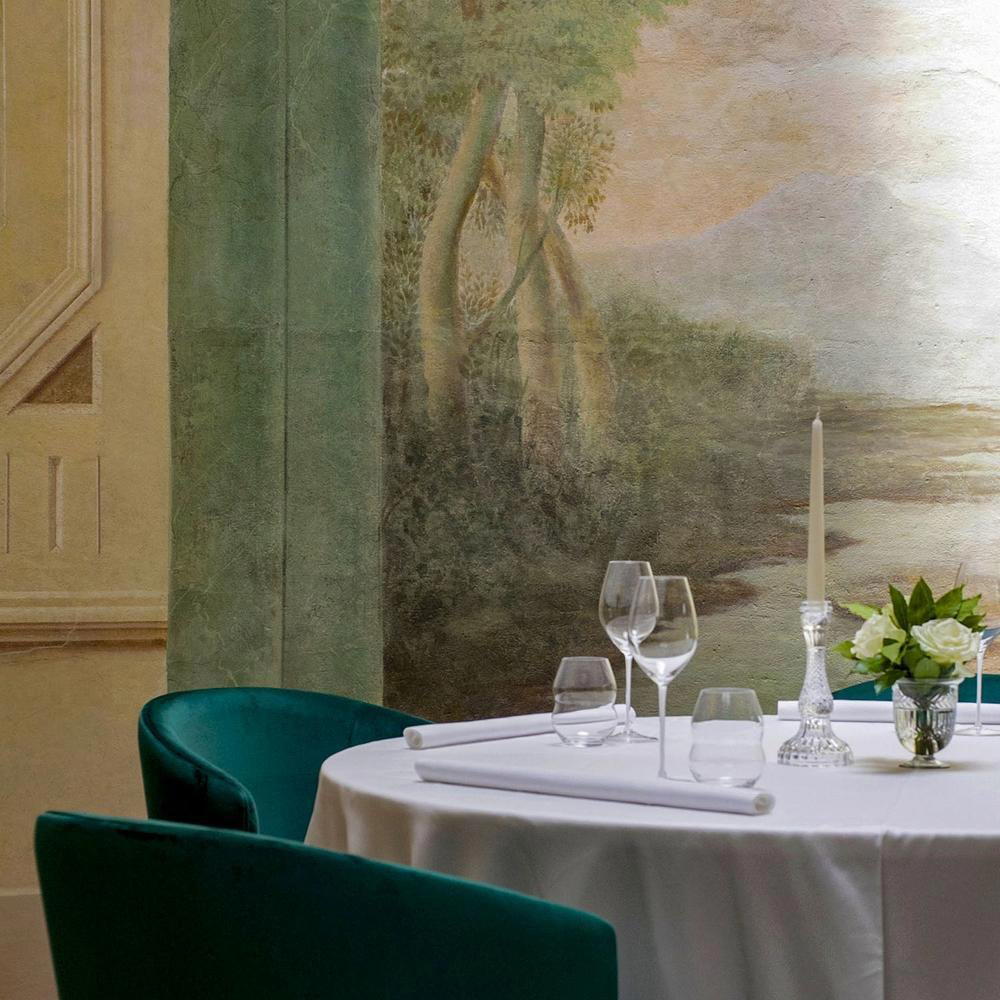
Bars in Aosta
Browse all →
Hotels in Aosta
Browse all →

At a Glance
- Cozy
- Rustic
- Intimate
- Date Night
- Special Occasion
- Casual Hangout
- Standalone
- Local Sourcing
Current opening hours
- Monday
- Closed
- Tuesday
- 12:30–2:30 PM, 7:30–10 PM
- Wednesday
- 12:30–2:30 PM, 7:30–10 PM
- Thursday
- 12:30–2:30 PM, 7:30–10 PM
- Friday
- 12:30–2:30 PM, 7:30–10 PM
- Saturday
- 12:30–2:30 PM, 7:30–10 PM
- Sunday
- 12:30–2:30 PM, 7:30–10 PM
Hours can change for holidays and private events. Last verified .
Warm and inviting with charming decor reflecting Italian hospitality.