Wood


A Michelin-starred restaurant operating at 2,000 metres in the centre of Breuil-Cervinia, Wood brings together Swedish and Italian culinary traditions under chef Amanda Eriksson. Dishes such as elk tartare in beetroot ravioli signal a menu that treats the Alps as a meeting point for Nordic and Aosta Valley sensibilities. The wine programme, curated by Cristian Scalco, includes rare vintages alongside a considered selection by the glass.
Pearl is the En Primeur Club membership app — saves, bookings, and concierge access live there. Same editors, same standards.
- Address
- Via Guido Rey, 26, 11021 Cervinia AO, Italy
- Phone
- +39 0166 948161
- Website
- woodcervinia.it
- Directions
- Get directions
 Saves & bookings on Pearl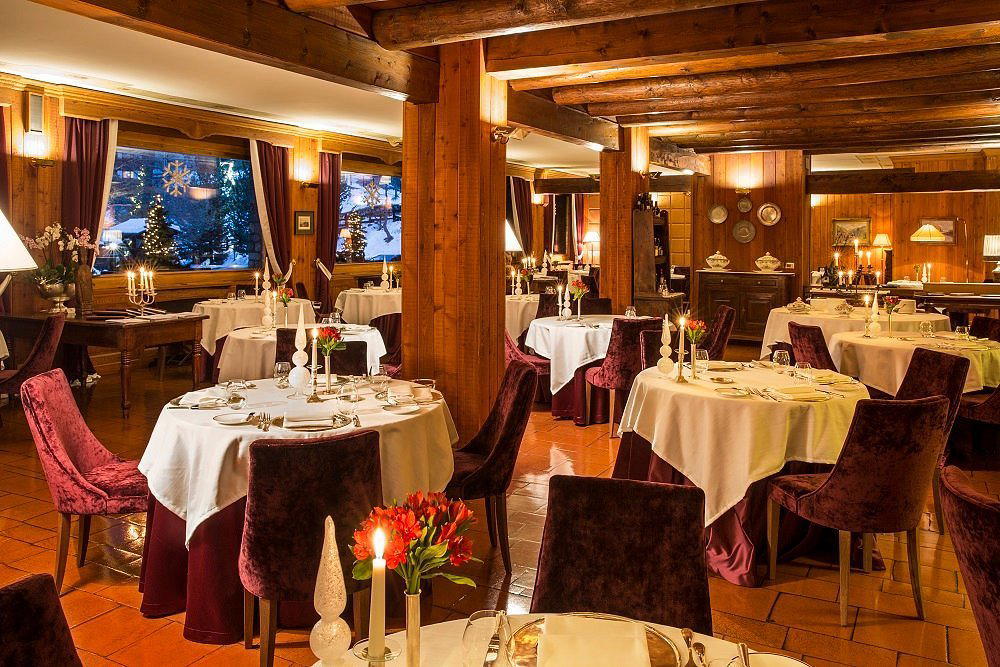
Where the Alps Meet Nordic Cooking
At 2,000 metres above sea level, Breuil-Cervinia sits in a climatic and cultural corridor that has never quite belonged to a single culinary tradition. The Aosta Valley has long drawn on both French and Italian precedents, shaped by mountain geography rather than national borders. Against that backdrop, the emergence of a Michelin-starred kitchen that grafts northern Swedish cooking onto Alpine Italian produce feels less like an anomaly and more like a logical extension of what this valley has always done: absorb outside influence and make it its own.
Wood, on Via Guido Rey in the centre of the resort, is the venue where that synthesis has found its clearest expression. The address places it squarely within Cervinia's pedestrian core, accessible on foot from the main ski area, but the experience inside sits some distance from the après-ski comfort food that dominates the surrounding streets. Open five evenings a week, Tuesday through Saturday from 7 PM to 9:30 PM, it occupies a deliberate slot: dinner only, with a pace that asks guests to settle rather than pass through.
Two Culinary Traditions, One Kitchen
The cultural logic behind Wood's menu is worth understanding before you arrive. Scandinavian cooking and northern Italian Alpine cuisine share more structural DNA than most diners expect. Both traditions are built around preservation, around fat as a functional ingredient, around fermented and smoked components that carry flavour through long winters. Elk, beetroot, horseradish, smoked cheese, butter-poached vegetables, these are the materials of cold-climate larders across latitudes, and chef Amanda Eriksson, originally from northern Sweden, uses that overlap as her working premise.
The approach produces dishes that read as genuinely hybridised rather than merely themed. Elk tartare enclosed in beetroot ravioli with horseradish sauce is structurally Italian in its pasta form but Nordic in its protein and condiment logic. Cauliflower cooked in butter in the manner of an escalope, then topped with smoked Fontina, inverts the usual hierarchy: a vegetable treated with the time and fat usually reserved for meat, finished with one of the Aosta Valley's most characterful aged cheeses. These are not fusion gestures but considered technical decisions, and the 2024 Michelin star is the credential that confirms they are landing as intended.
Among the broader pool of Italy's Michelin-starred creative restaurants, Wood occupies a distinct niche by virtue of geography and concept. Kitchens such as Osteria Francescana in Modena, Enrico Bartolini in Milan, and Le Calandre in Rubano operate at the €€€€ tier and draw on decades of institutional recognition. Wood prices at €€€ and stakes its identity on altitude, cross-cultural concept, and relative scarcity of competition at this level within the resort. The closest Alpine parallel in terms of mountain-rooted creative cooking is Atelier Moessmer Norbert Niederkofler in Brunico, which similarly treats the Alpine larder as a primary creative source, though from a South Tyrolean rather than Nordic vantage point.
The Wine Programme
High-altitude restaurants face a specific challenge with wine: the conventional logic of pairing is complicated by the physiological effects of elevation, where alcohol registers more quickly and pronounced tannins can feel amplified. The wine programme at Wood is overseen by Cristian Scalco, Eriksson's business partner, and the list is structured around both rare vintages and a considered selection by the glass. That by-the-glass range matters practically, given the context: guests arriving from a day on the mountain, or eating relatively early in the evening, may reasonably want to drink well without committing to a full bottle. The presence of rare labels alongside accessible entry points suggests a programme built for range rather than showmanship. For comparison, the wine ambitions at this altitude are modest relative to a three-star operation such as Enoteca Pinchiorri in Florence, where the cellar is itself the draw, but within the resort context the depth is notable.
Cervinia's Dining Scene and Where Wood Sits Within It
Breuil-Cervinia's restaurant offering is shaped almost entirely by its ski economy. Most tables in the village serve the functional demands of a resort: hearty Alpine portions, accessible pricing, and hours that follow the mountain schedule. The two poles of the established fine dining circuit here are La Chandelle, which works in Italian Alpine register, and La Luge, focused on Aosta Valley cuisine. Wood entered a gap at the creative, internationally referenced end of the spectrum, and the Michelin recognition in 2024 confirmed that the gap was real and that the kitchen is filling it at a credible level.
For visitors planning around the dining scene rather than around skiing, the practical structure of a week in Cervinia allows for a logical distribution: local and valley-focused cooking at La Luge and La Chandelle, and Wood reserved for the evening that demands one considered experience.
Creative Cooking Across Altitudes and Borders
The Nordic-Italian crossover that defines Wood has counterparts elsewhere in European creative cooking, though rarely at this altitude or in this geographic setting. JAN in Munich operates in a comparable creative register with cross-cultural reference points, while Alléno Paris au Pavillon Ledoyen represents the French end of the technical creative tradition that informs many of these kitchens. Further down the Italian peninsula, Uliassi in Senigallia, Quattro Passi in Marina del Cantone, Piazza Duomo in Alba, and Dal Pescatore in Runate each demonstrate how Italian fine dining accommodates regional distinctiveness within a broadly creative framework. Wood's position within that conversation is defined by its altitude, its Nordic axis, and the specificity of the Aosta Valley ingredients that anchor it to place.
Planning Your Visit
Wood operates Tuesday through Saturday, with dinner service running from 7 PM to 9:30 PM. The restaurant is closed on Mondays and Sundays. The address, Via Guido Rey 26, sits within central Cervinia and is reachable on foot from most accommodation in the village. At the €€€ price point, the meal positions itself below the upper tier of Italy's starred creative restaurants but meaningfully above the resort's broader dining offer. Given the 2024 Michelin recognition and a relatively small Alpine destination, booking in advance is advisable, particularly during peak ski season from December through March and again in summer.
What It’s Closest To
Comparable venues nearby, for context on price, style, and recognition.
| Venue | Cuisine | Price | Awards | Notes |
|---|---|---|---|---|
| WoodThis venue — the venue you are viewing | Swedish-Italian Fusion Fine Dining | $$$$ | Michelin 1 Star | Not listed |
| La Chandelle | Modern Aosta Valley & Piedmont Fine Dining | $$$$ | Michelin Plate | Breuil-Cervinia |
| Bistrot Hermitage | Alpine Italian bistro with international influences | $$$ | Not listed | Not listed |
| La Luge | Aosta Valley Italian | $$$ | Michelin Plate | Breuil-Cervinia |
| Ca' Vittoria | Modern Piedmontese Fine Dining | $$$$ | Michelin 1 Star | Tigliole |
| Piano35 | Modern Italian Fine Dining with Piedmontese Influences | $$$$ | Michelin 1 Star | Cit Turin |
Recognition history
Dated appearances from independent guides and award organizations, with the underlying list record or original source where available.
Michelin 1 Star
Michelin
Michelin 1 Star
Michelin
The Best Chef One Knife
The Best Chef
Michelin 1 Star
Michelin
Continue exploring
More in Breuil-Cervinia
Restaurants in Breuil-Cervinia
Browse all →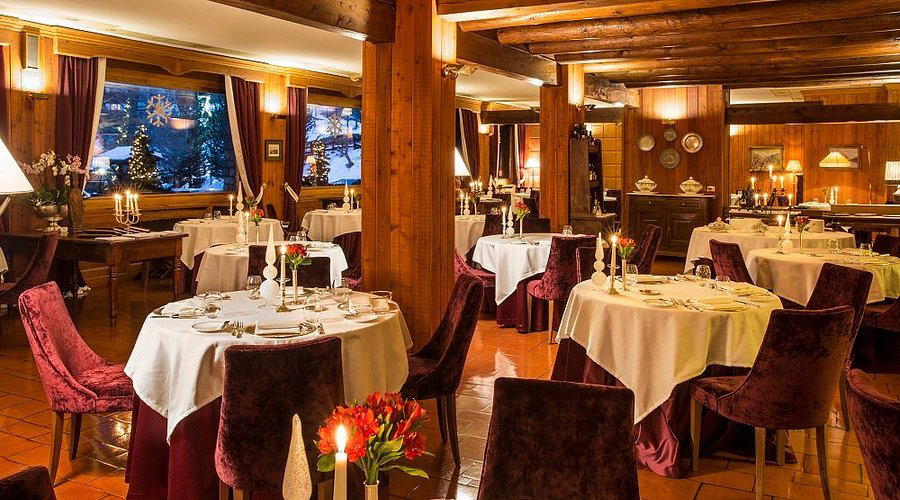
Bars in Breuil-Cervinia
Browse all →
Hotels in Breuil-Cervinia
Browse all →

At a Glance
- Minimalist
- Cozy
- Elegant
- Rustic
- Special Occasion
- Date Night
- Standalone
- Extensive Wine List
- Local Sourcing
- Mountain
Current opening hours
- Monday
- Closed
- Tuesday
- 7–9:30 PM
- Wednesday
- 7–9:30 PM
- Thursday
- 7–9:30 PM
- Friday
- 7–9:30 PM
- Saturday
- 12:30–2 PM, 7–9:30 PM
- Sunday
- 12:30–2 PM, 7–9:30 PM
Hours can change for holidays and private events. Last verified .
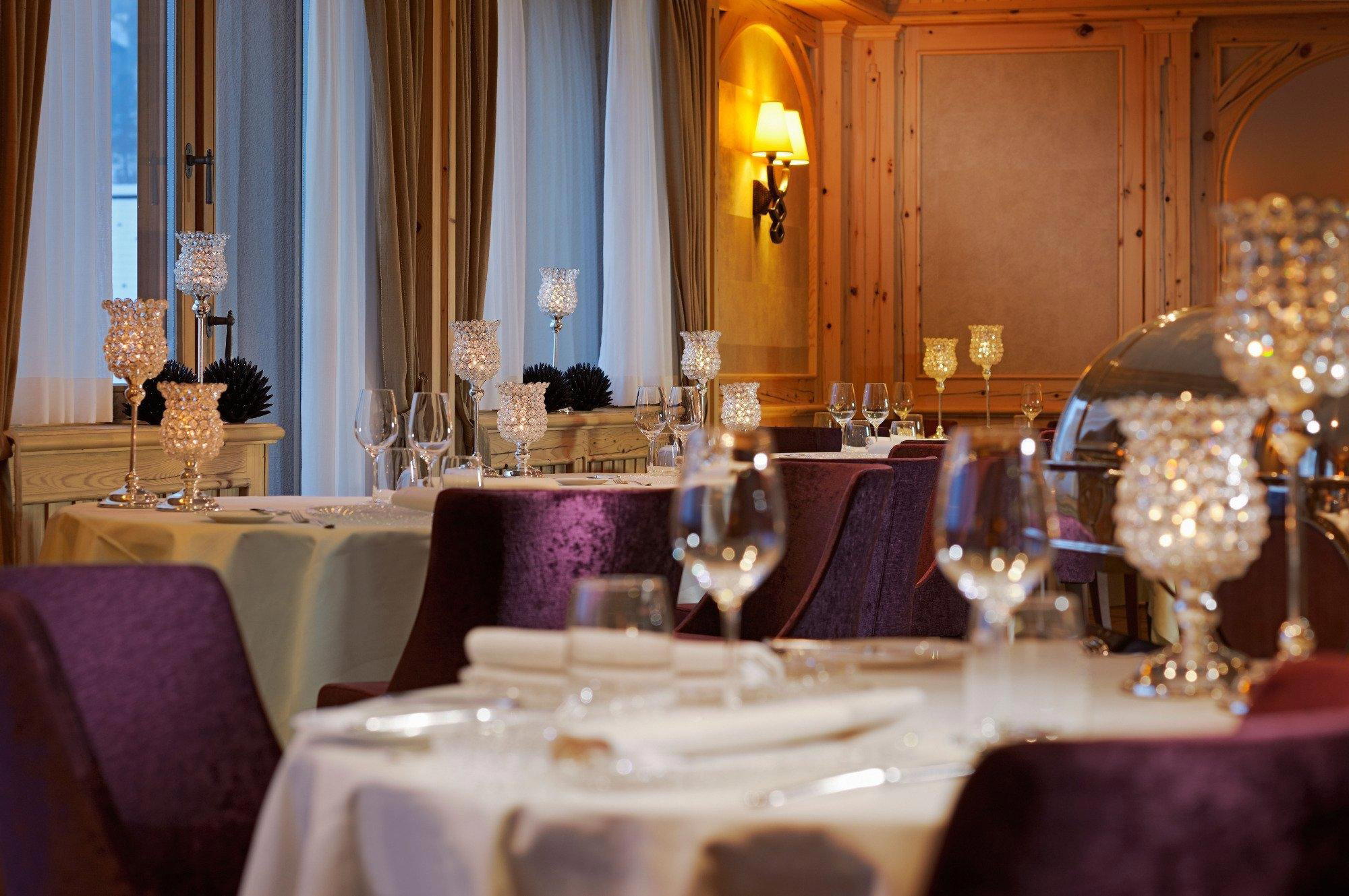
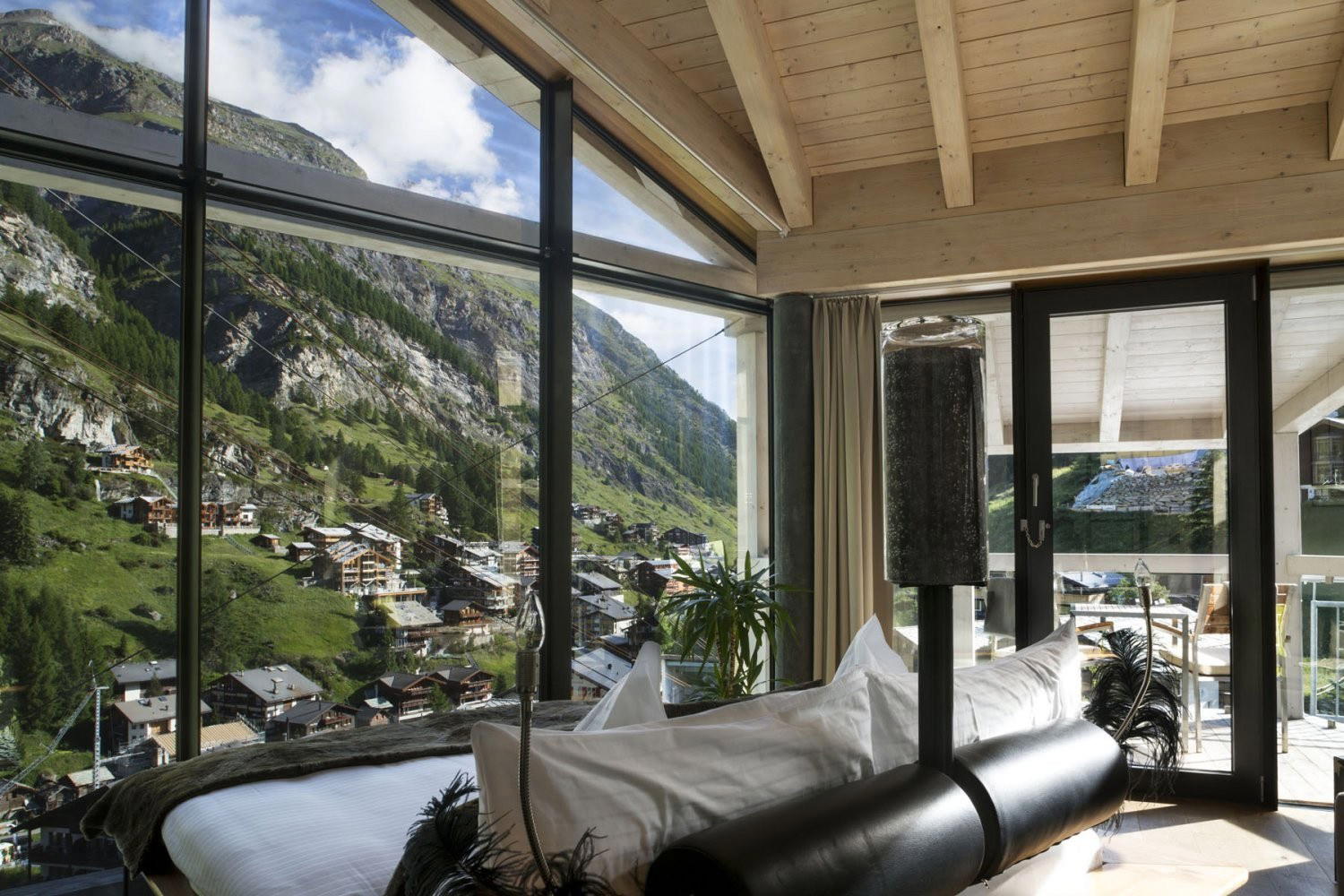
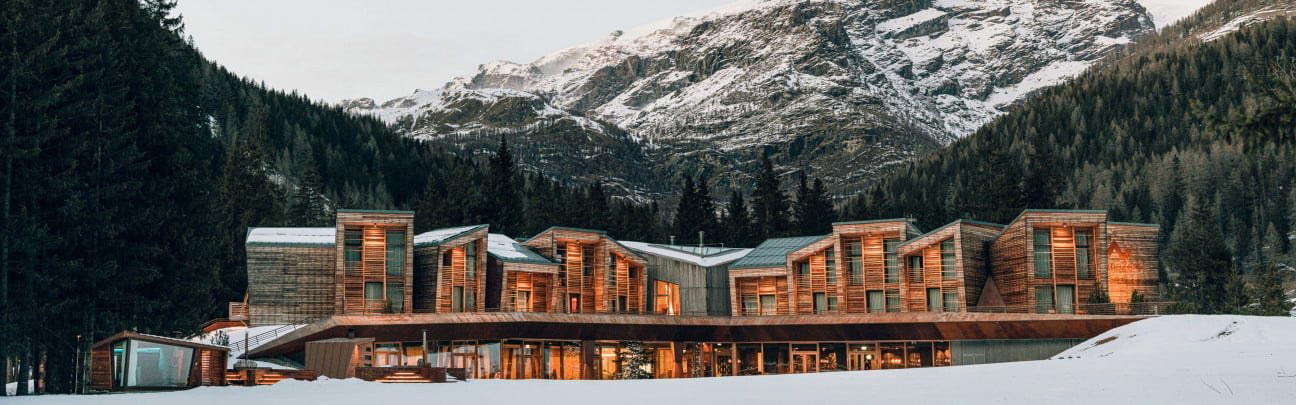
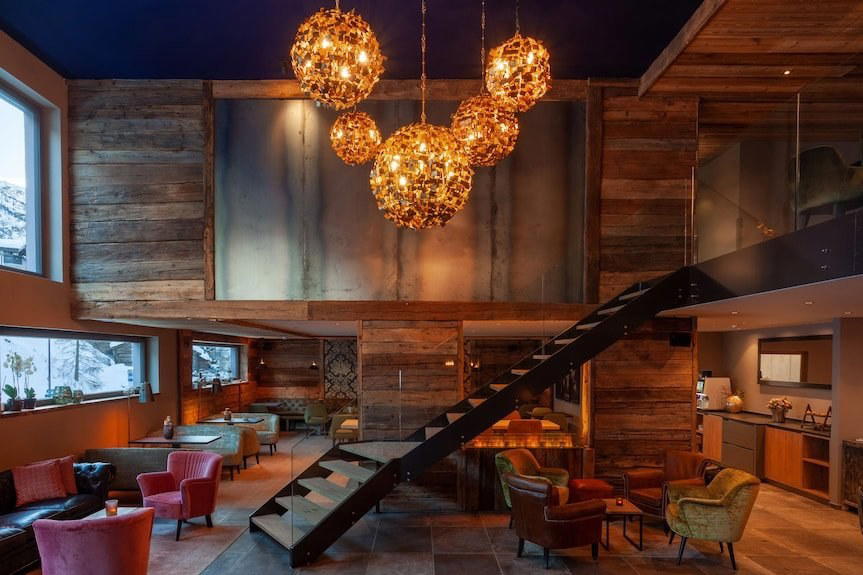
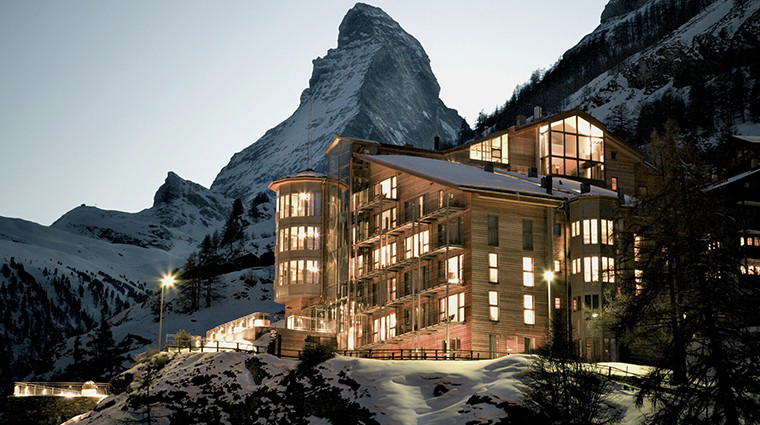
Minimalist decor with natural wood elements creating a warm, inviting, and relaxed atmosphere.