La Chandelle


La Chandelle holds a Michelin Plate (2025) and sits within Breuil-Cervinia's small tier of serious dining, where Italian Alpine cooking meets the demands of a high-altitude resort crowd. Chef Dafna Mizrahi leads a kitchen recognised for cooking classics, placing the restaurant in a distinct register from the village's more casual mountain options. Priced at €€€, it represents a considered choice for those seeking structured, regionally grounded cooking after a day on the Cervino slopes.
Pearl is the En Primeur Club membership app — saves, bookings, and concierge access live there. Same editors, same standards.
- Address
- Via Piolet, 1, 11021 Breuil-Cervinia AO, Italy
- Phone
- +39 0166 948998
- Website
- hotelhermitage.com
- Directions
- Get directions
 Saves & bookings on Pearl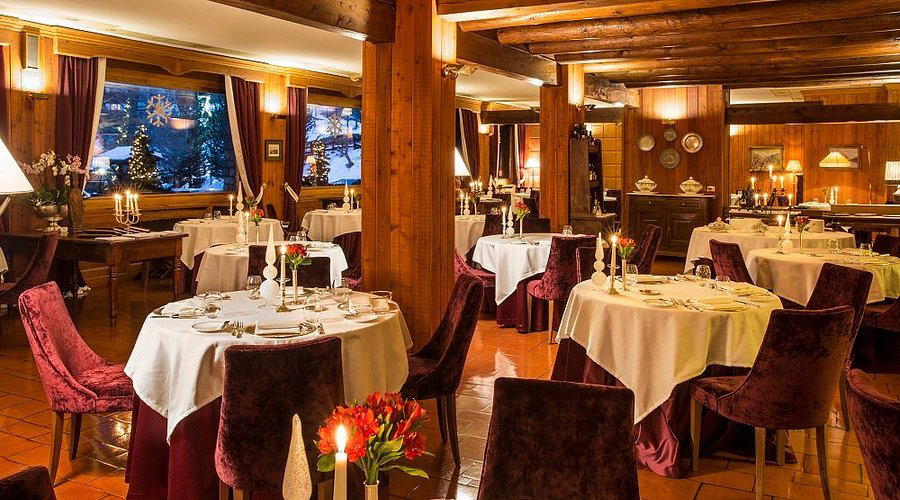
Where Mountain Altitude Meets Kitchen Discipline
Breuil-Cervinia sits at roughly 2,050 metres on the Italian side of the Matterhorn, which means the dining scene here operates under conditions that would humble most urban kitchens: supply chains are compressed, the season is sharply defined by snow, and the clientele arrives with the particular hunger of people who have spent a day on one of Europe's highest ski areas. Against this backdrop, a restaurant earning Michelin recognition is a meaningful signal. La Chandelle, on Via Piolet, is a restaurant in Breuil-Cervinia known for Modern Aosta Valley and Piedmont fine dining, with a 2025 Michelin Plate for cooking classics.
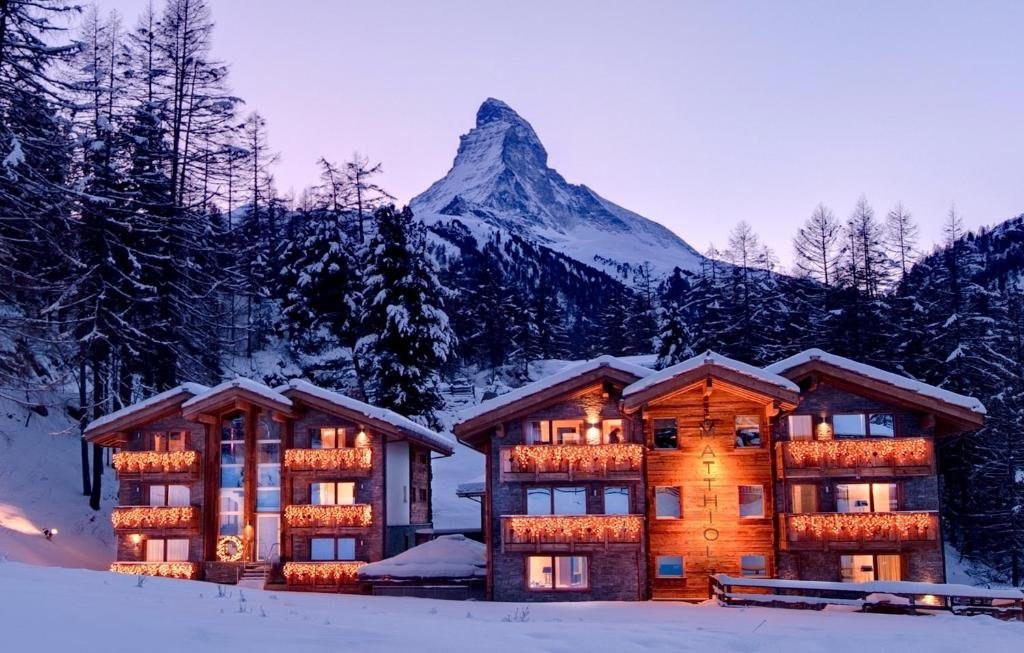
The address puts it close to the village centre, where the vertical geography of Cervinia concentrates most of its hospitality. Approaching the restaurant in winter, the sensory register is immediately alpine: cold, still air carrying the faint smell of wood and snow, the muffled quiet that high-altitude villages have after dark. Inside, the transition is into warmth and intention, the physical environment of a serious mountain dining room rather than a slope-side canteen.
Italian Alpine: A Regional Kitchen That Works by Different Rules
Italian Alpine cooking is a distinct culinary tradition, and understanding it requires stepping away from the coastal and central Italian frameworks that dominate international perception of the cuisine. The Valle d'Aosta, where Cervinia sits, produces ingredients that have more in common with the Swiss Valais and French Haute-Savoie than with Piedmontese lowland cooking, despite being administratively part of Piedmont's neighbouring region. Fontina DOP is the valley's anchor cheese, present in everything from fonduta to stuffed preparations. Lard d'Arnad and Jambon de Bosses carry Protected Designation of Origin status and represent cured-meat traditions built around cold, dry mountain air rather than warm-cured lowland methods.
The broader Italian Alpine category, running from the Valle d'Aosta east through Trentino-Alto Adige and into Friuli, shares a structural logic: short growing seasons push kitchens toward preservation, curing, and high-fat dairy; game and freshwater fish appear where the Adriatic and Tyrrhenian traditions would reach for sea bass or cuttlefish; polenta replaces pasta as the primary starch in many preparations. Restaurants working seriously within this tradition are making a deliberate choice to operate within constraints and find expression through them, rather than importing technique or ingredients from elsewhere in Italy.
La Chandelle operates in this register with a focus the Michelin recognition characterises as cooking classics. In the Italian Alpine context, that phrase has specific weight: classic preparations here mean fonduta, slow-braised meats, preparations built around valley cheeses and cured products, polenta in its less fashionable but most technically demanding forms. The Michelin Plate designation for 2025 confirms that the kitchen executes within this tradition at a level the guide considers worth noting.
For useful comparison, Cappella Restaurant in Corvara in Badia and Gourmet Restaurant Prezioso in Merano both operate in the Italian Alpine category further east, in the Dolomites and South Tyrol respectively, where the same mountain-kitchen logic applies but the Austro-Hungarian culinary influence becomes more pronounced. La Chandelle's Valle d'Aosta positioning keeps it more firmly within the Franco-Italian alpine tradition, where French-influenced techniques and indigenous valley products define the register.
Chef Dafna Mizrahi and the Kitchen Programme
Chef Dafna Mizrahi leads the kitchen at the restaurant. The restaurant's direction points toward cooking classics as the defining characteristic of the programme, which in a Michelin-noted house suggests technical grounding in established preparations rather than a kitchen chasing contemporary trends. At the €€€ price point, the economics of Italian Alpine dining require sourcing discipline.
Cervinia's Dining Tier and Where La Chandelle Sits
The dining tier in Breuil-Cervinia is narrow compared with larger Italian ski resorts. Within that smaller field, the restaurant sits in the upper tier. Wood, with its creative approach, and La Luge, which focuses on Aosta Valley cuisine, represent the range of serious options in the village. The restaurant's Michelin Plate positions it as the formally recognised option among this small set.
Situating Cervinia's dining within the broader Italian fine dining map requires acknowledging the distance from the country's major concentrations of recognised kitchens. Three-starred houses like Osteria Francescana in Modena, Dal Pescatore in Runate, and Enoteca Pinchiorri in Florence operate in a different tier and context entirely. So do Le Calandre in Rubano, Enrico Bartolini in Milan, Piazza Duomo in Alba, Quattro Passi in Marina del Cantone, and Reale in Castel di Sangro. The comparison that matters most for Cervinia is the Italian Alpine comparable set, where Atelier Moessmer Norbert Niederkofler in Brunico represents the category's ceiling, operating at three Michelin stars with a philosophy built around Alpine ingredients and seasonal discipline.
Planning a Visit
The restaurant is priced at €€€, which in the context of a high-altitude Italian resort positions it as a serious dinner option rather than a casual mountain lunch stop. The restaurant sits on Via Piolet, 1 in the village centre, accessible on foot from the main accommodation cluster.
Quick Comparison
Comparable venues nearby, for context on price, style, and recognition.
| Venue | Cuisine | Price | Awards | Notes |
|---|---|---|---|---|
| La ChandelleThis venue — the venue you are viewing | Modern Aosta Valley & Piedmont Fine Dining | $$$$ | Michelin Plate | Not listed |
| La Luge | Aosta Valley Italian | $$$ | Michelin Plate | Breuil-Cervinia |
| Bistrot Hermitage | Alpine Italian bistro with international influences | $$$ | Not listed | Not listed |
| Wood | Swedish-Italian Fusion Fine Dining | $$$$ | Michelin 1 Star | Breuil-Cervinia |
| Christian & Manuel | Modern Italian Risotteria | $$$$ | Michelin Plate | Corso Magenta |
| Bistrot Royal | Modern Alpine Italian | $$$$ | Michelin Plate | Courmayeur |
Recognition history
Dated appearances from independent guides and award organizations, with the underlying list record or original source where available.
Relais Chateaux Award
Relais Chateaux
Michelin Plate
Michelin
World's Best Wine Lists Awards WBWL 3-Star
World's Best Wine Lists Awards
World's Best Wine Lists Awards WBWL 3-Star
World's Best Wine Lists Awards
Continue exploring
More in Breuil-Cervinia
Restaurants in Breuil-Cervinia
Browse all →
Bars in Breuil-Cervinia
Browse all →
Hotels in Breuil-Cervinia
Browse all →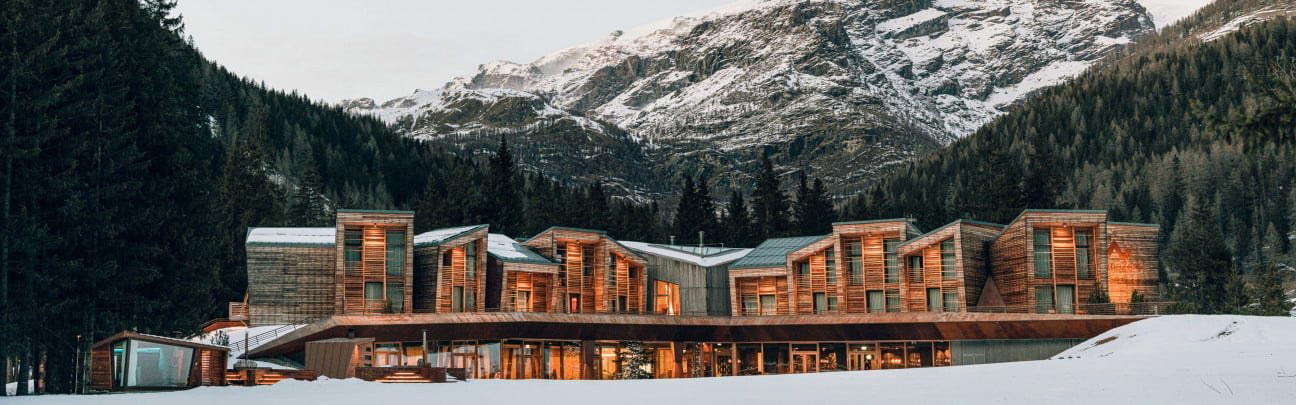

At a Glance
- Elegant
- Romantic
- Sophisticated
- Classic
- Special Occasion
- Date Night
- Celebration
- Business Dinner
- Panoramic View
- Hotel Restaurant
- Wine Cellar
- Private Dining
- Terrace
- Extensive Wine List
- Sommelier Led
- Local Sourcing
- Mountain
Current opening hours
- Monday
- 12–2 PM, 7:30–9 PM
- Tuesday
- 12–2 PM, 7:30–9 PM
- Wednesday
- 12–2 PM, 7:30–9 PM
- Thursday
- 12–2 PM, 7:30–9 PM
- Friday
- 12–2 PM, 7:30–9 PM
- Saturday
- 12–2 PM, 7:30–9 PM
- Sunday
- 12–2 PM, 7:30–9 PM
Hours can change for holidays and private events. Last verified .
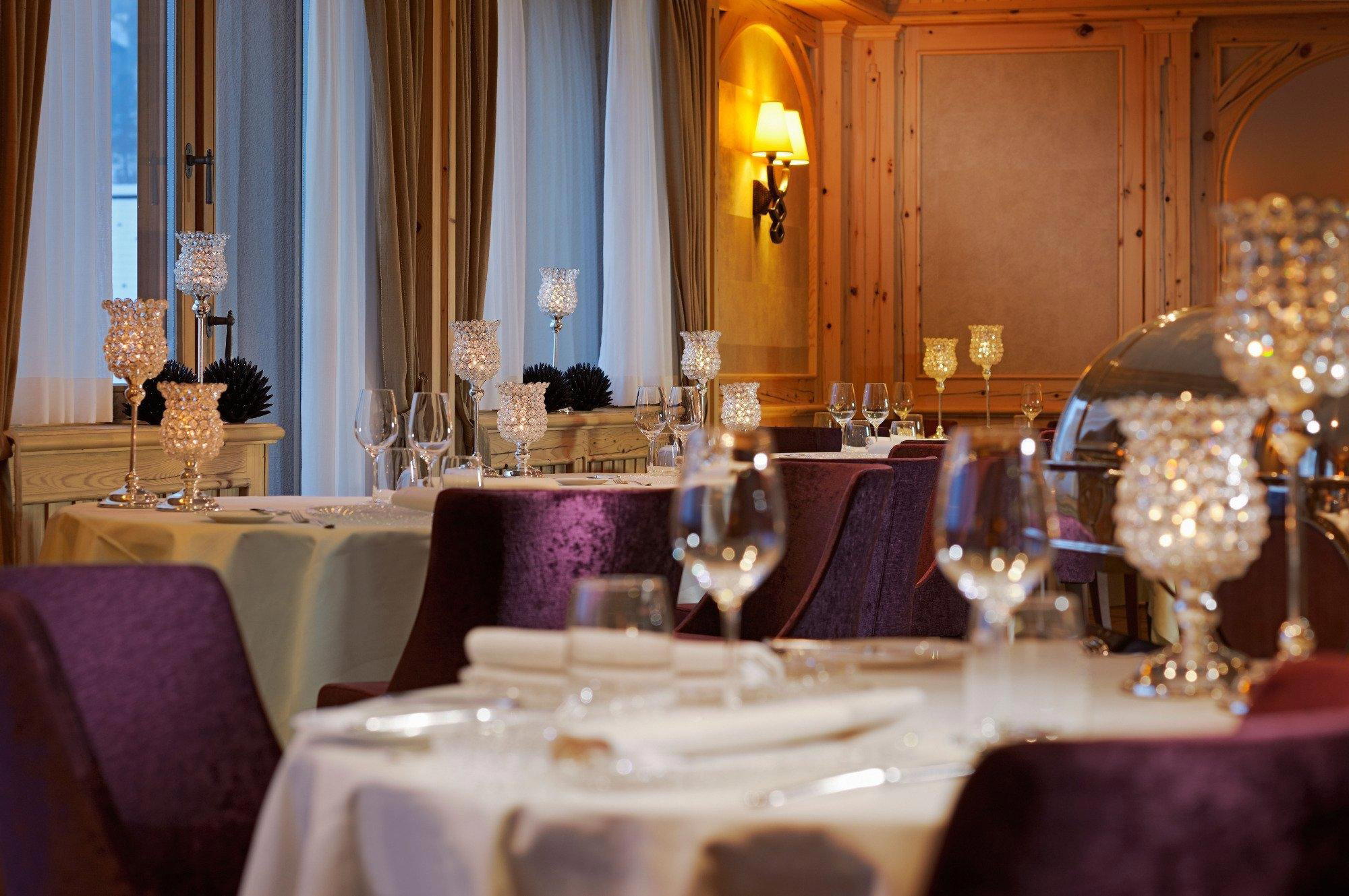
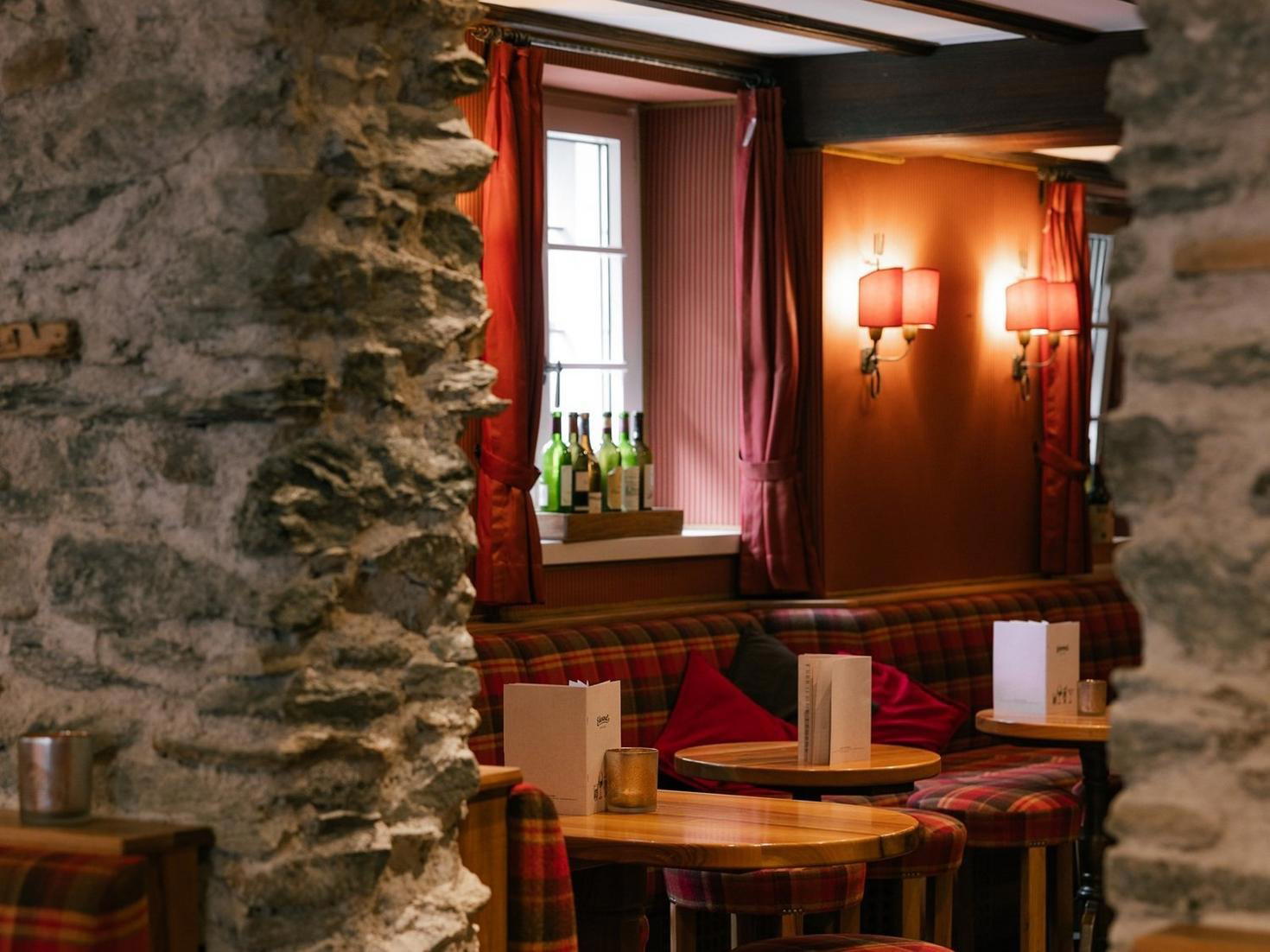
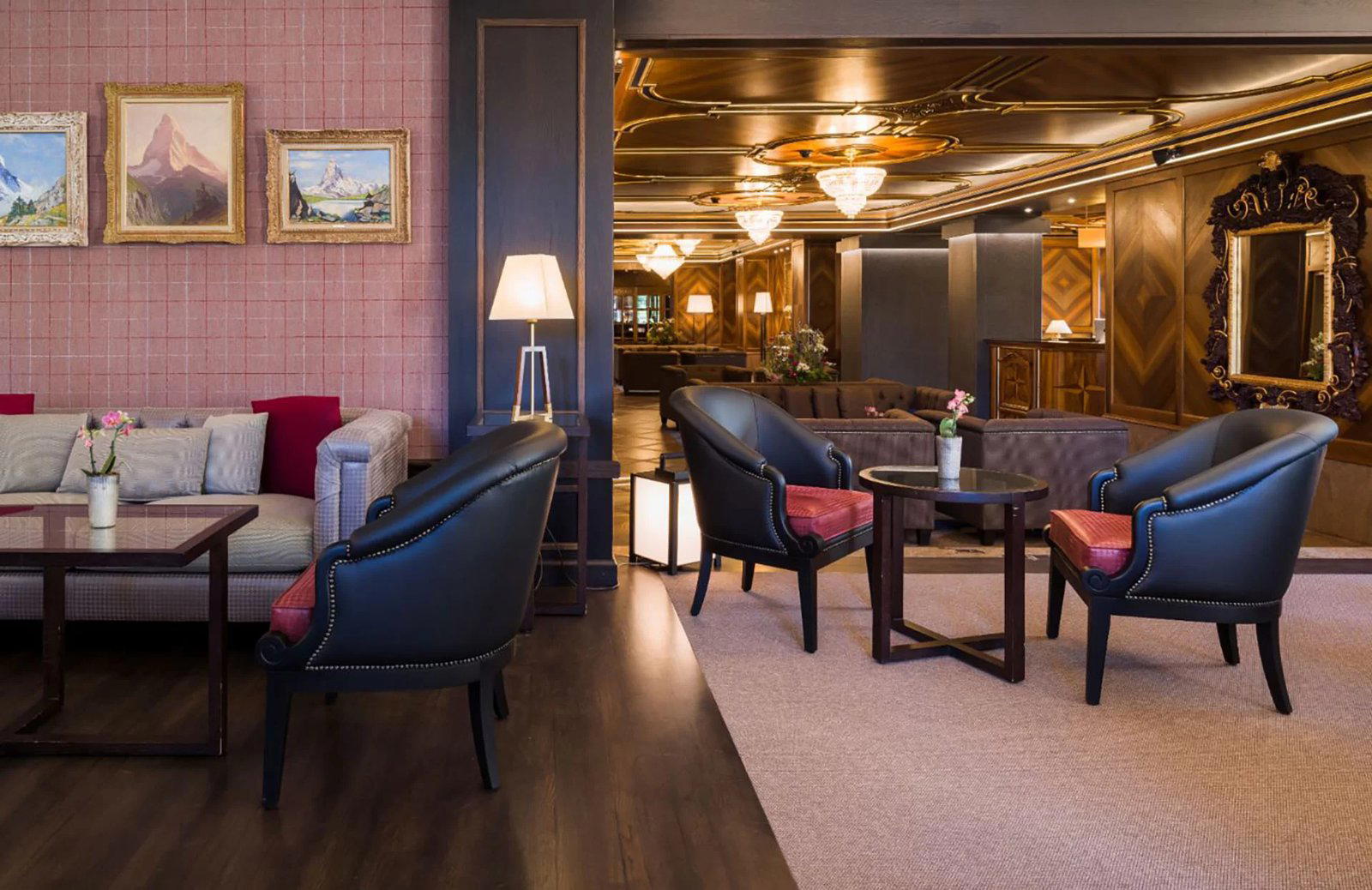
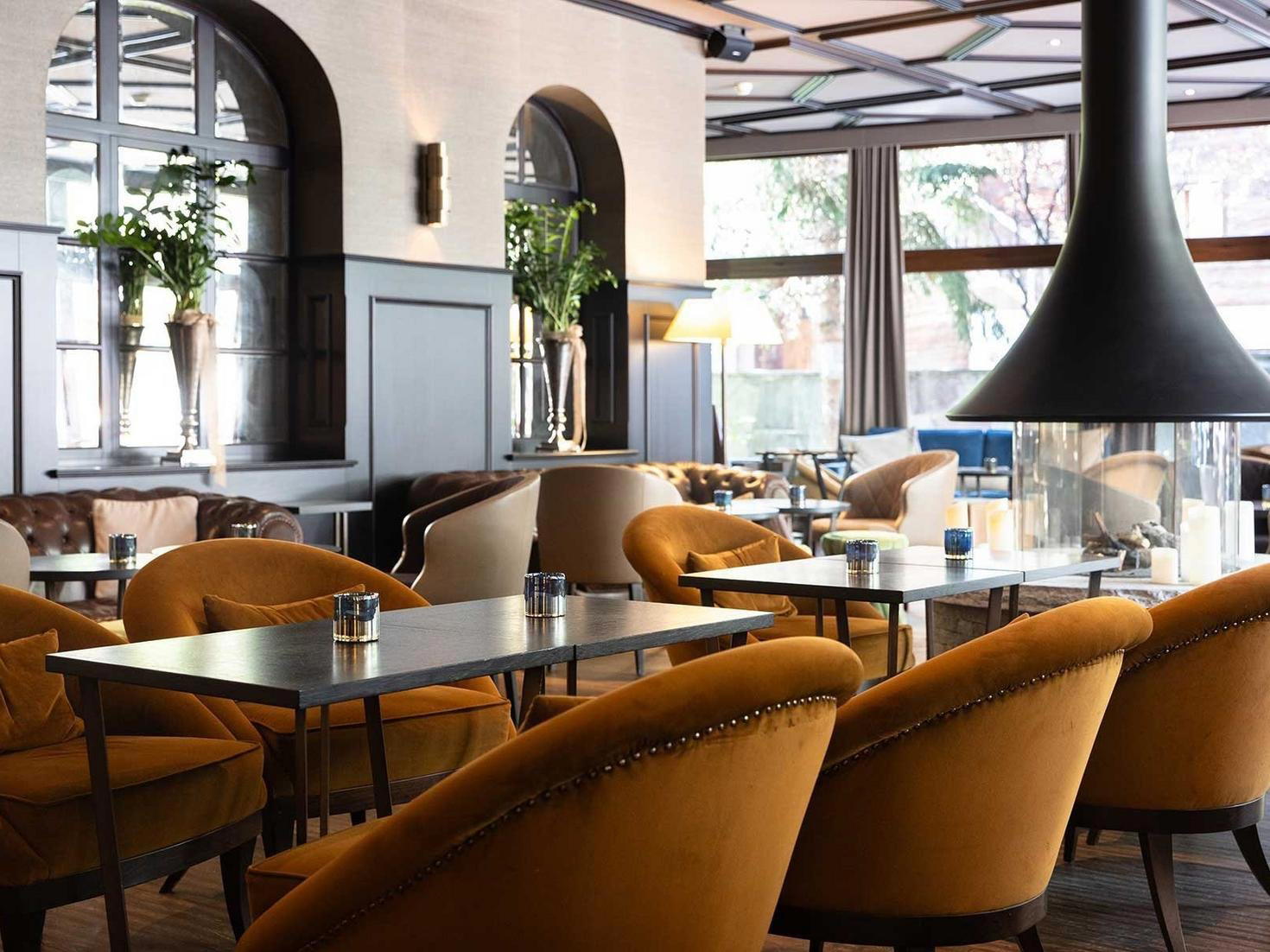
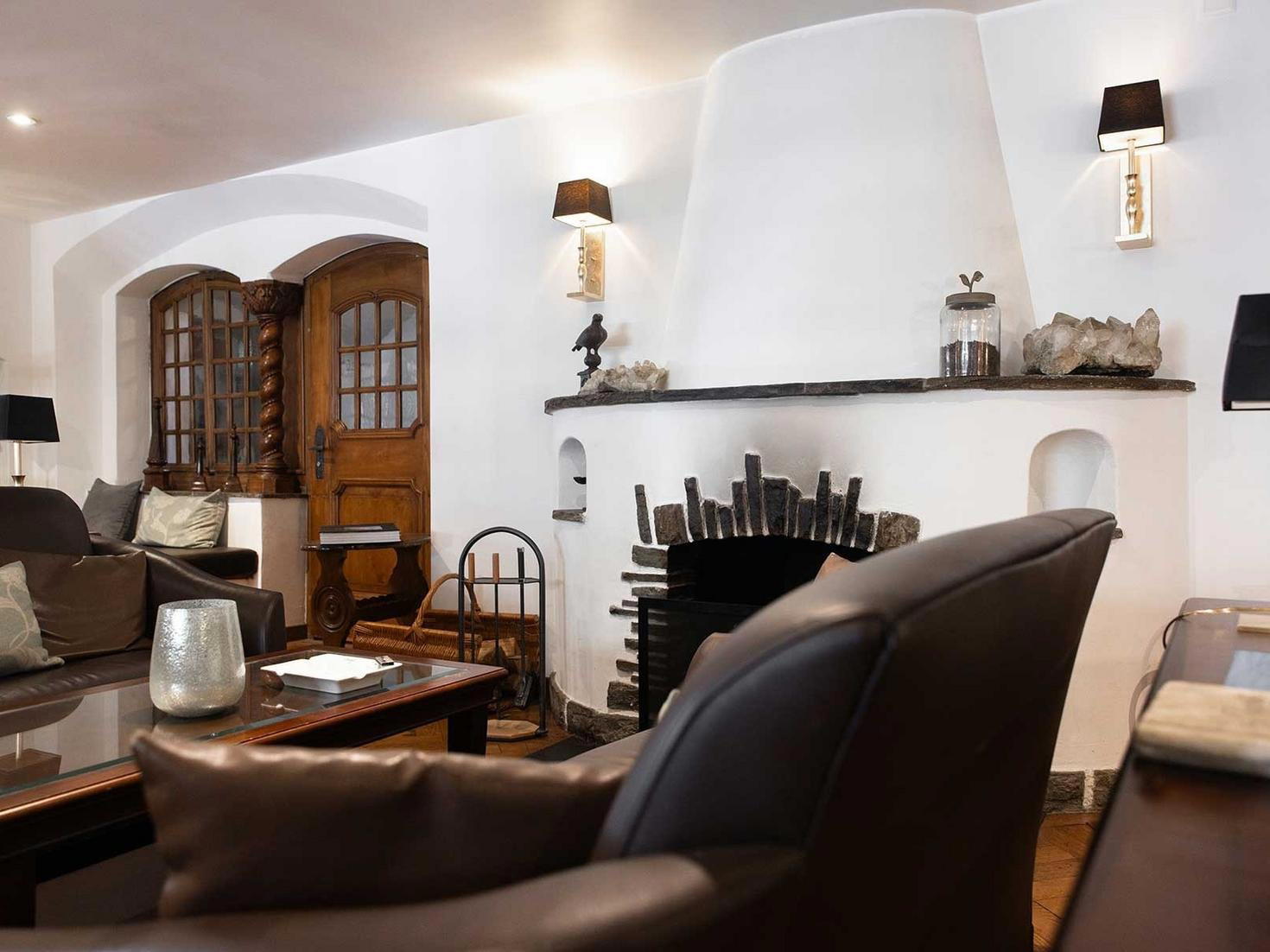
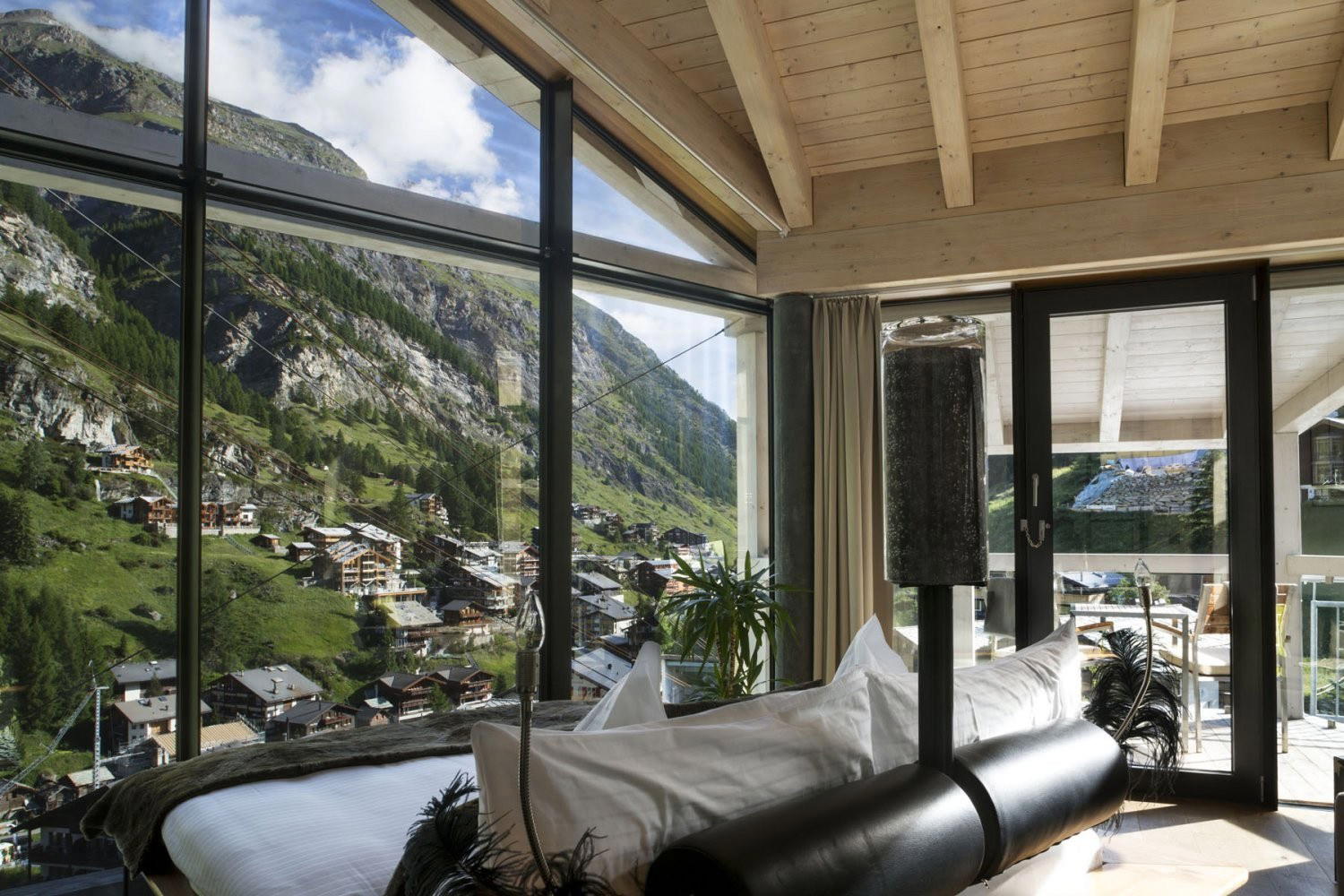
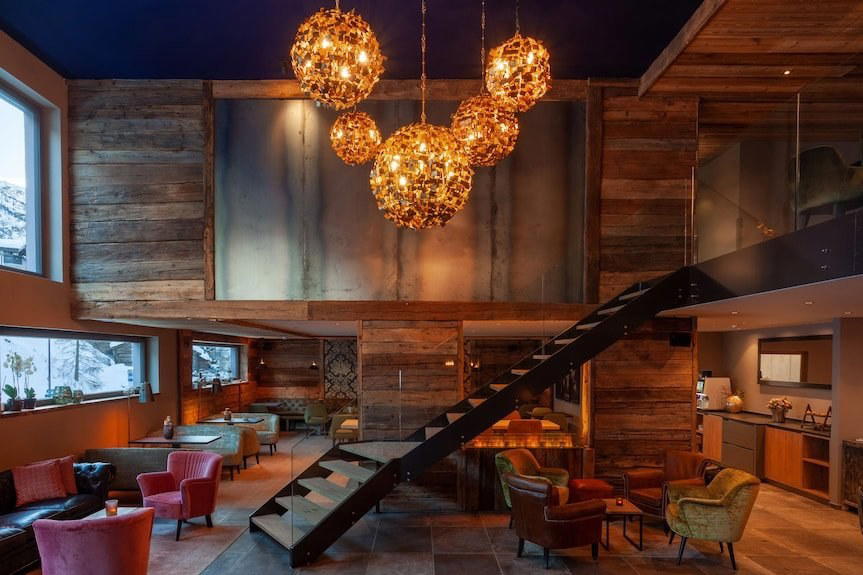
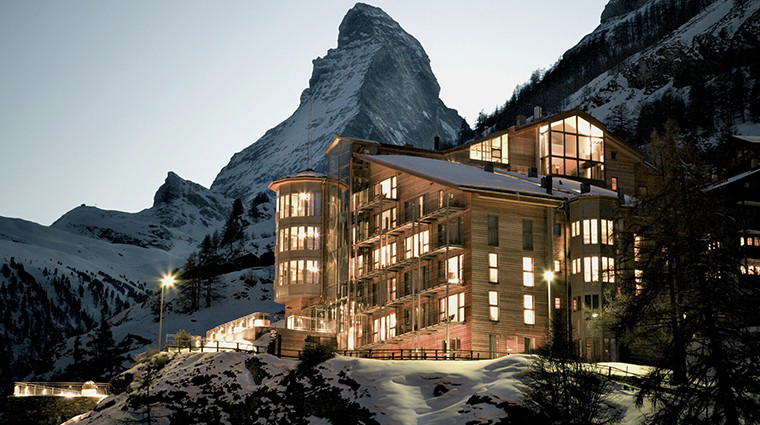
Elegant and refined with wood interiors, linen tablecloths, and large windows framing the Matterhorn; sophisticated old-world Italian charm with a formal, upscale atmosphere.