On Via San Felice in central Bologna, Ittico Ristorante occupies a specific niche in a city better known for pork fat and egg pasta: serious fish cookery. Bologna's seafood dining tier is thin, which makes a dedicated fish restaurant here more than a genre exercise. The address places it within reach of the centro storico, and the focus on ingredient provenance gives it a distinct identity in a field where most competitors default to land-based Emilian tradition.
Pearl is the En Primeur Club membership app — saves, bookings, and concierge access live there. Same editors, same standards.
- Address
- Via S. Felice, 38a, 40122 Bologna BO, Italy
- Phone
- +393925468328
- Website
- itticobologna.it
- Directions
- Get directions
 Saves & bookings on Pearl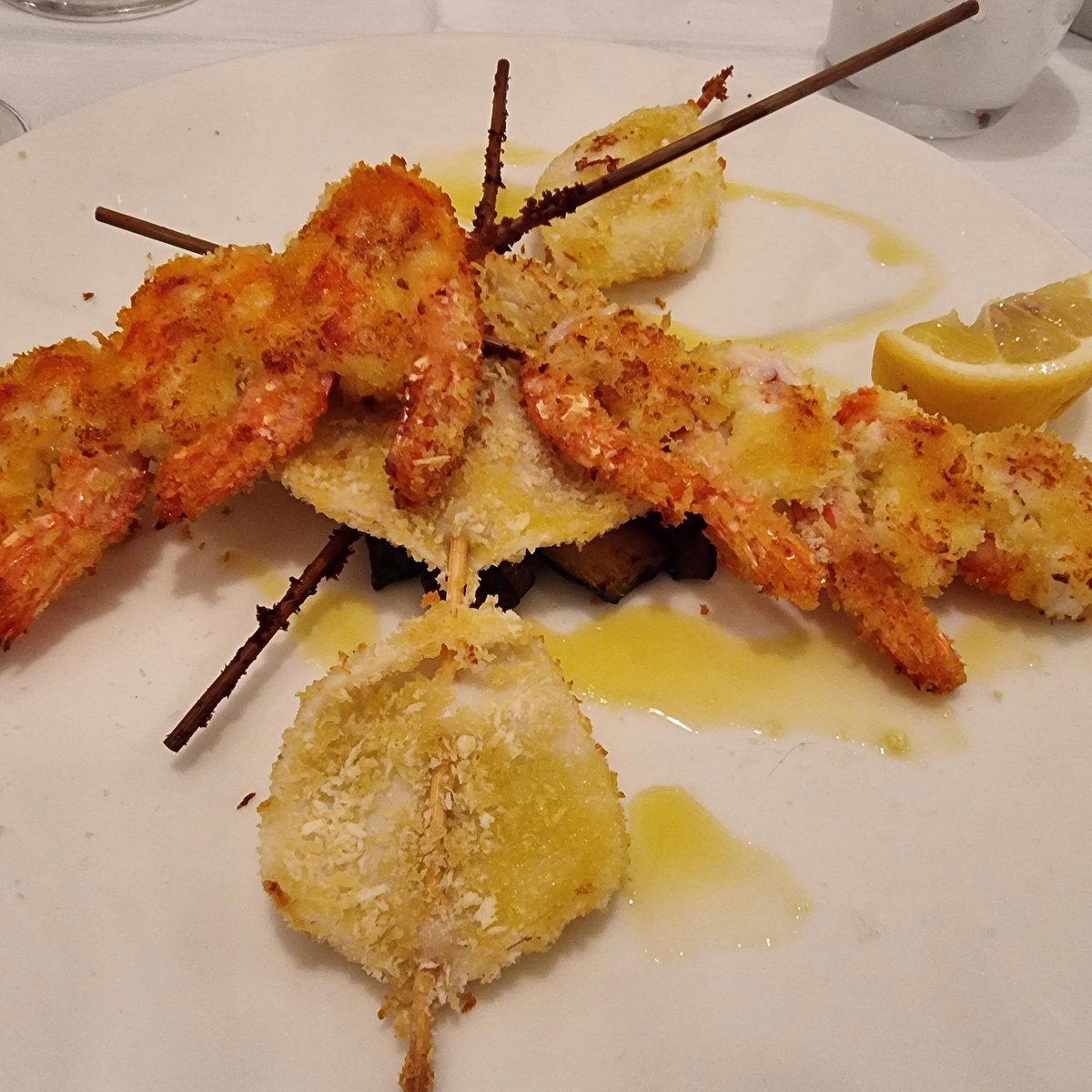
Fish in the City of Fat: Bologna's Seafood Counter-Narrative
Bologna's culinary reputation is built almost entirely on what the land produces. Mortadella, tagliatelle al ragù, tortellini in brodo, the rendered richness of slow-braised pork: this is a city whose cooking tradition is defined by abundance from pasture and farm. Against that backdrop, a restaurant that turns its back on all of it and commits entirely to fish occupies an inherently contrarian position. That position is one useful lens through which to read Ittico Ristorante on Via San Felice.
In most Italian cities, seafood restaurants are unremarkable. Naples, Venice, Genoa, and Palermo each have established marine traditions that make fish dining a category default. Bologna does not. The city sits roughly equidistant from the Adriatic to the east and the Ligurian and Tyrrhenian coasts to the west, close enough to access quality catch but far enough that seafood never colonised the local tradition. When a restaurant here plants its flag in fish, sourcing becomes the entire argument. Either the kitchen is drawing from supply chains good enough to justify the premise, or it isn't.
Via San Felice runs northwest from the historic centre toward the Porta San Felice, one of the medieval gates still standing in the old city wall. The street has the character typical of inner Bologna: arcaded stretches, residential and commercial uses mixed, a lived-in quality distinct from the tourist-heavy corridors around Piazza Maggiore. Approaching Ittico, you are already some distance from the areas most visitors orbit. That geography suggests a clientele drawn by purpose rather than proximity.
The Sourcing Argument
Italy's fish supply to inland restaurants has always required deliberate logistics. The Adriatic coast, reachable from Bologna in under two hours, is especially obvious sourcing corridor: the waters off Rimini, Ravenna, and the ports of the northern Adriatic fleet produce bream, sole, cuttlefish, clams, and the small mixed-catch fry that underpins frittura. A credible seafood restaurant in Bologna can reasonably access day-catch from those ports, and the quality differential between a fish sourced from the Adriatic yesterday and one shipped from a central market hub several days prior is not marginal, it is categorical.
This is the context against which dedicated fish restaurants in landlocked Italian cities are judged. The ones that hold reputations do so because their sourcing is visible in the cooking: textures that indicate freshness rather than handling, flavours that don't require heavy sauce to mask deterioration. The restaurants that struggle tend to default to safe preparations, heavy cream, overworked bisques, aggressive seasoning, that obscure rather than reveal what the kitchen started with. In Bologna's small seafood dining tier, which includes Acqua Pazza at the €€€ price point, the sourcing question shapes every meaningful comparison.
Italy has a handful of restaurants where fish sourcing has been treated as seriously as any other element of the kitchen's program. Uliassi in Senigallia on the Adriatic coast represents the benchmark for what creative seafood cooking looks like when proximity to the source is built into the restaurant's geography. Further afield, Quattro Passi in Marina del Cantone demonstrates what happens when a coastal kitchen commits to product integrity at the highest level. These are coastal operations with structural sourcing advantages that an inland restaurant cannot replicate by default, which is precisely why, for a Bologna fish restaurant, the deliberate act of building a supply chain matters more than it would in Naples or Rimini.
Bologna's Dining Tier Context
The city's restaurant field spans a wide range of approaches. At the leading end, I Portici operates at the €€€€ level with a creative Italian program that draws on broader European fine-dining conventions. At the other end of the price spectrum, Al Cambio and All'Osteria Bottega hold the Emilian tradition with conviction at the €€ tier, and Ahimè reframes country cooking with a modern sensibility at comparable prices. The broader context of northern Italian fine dining, from Osteria Francescana in Modena to Le Calandre in Rubano, frames how ambitious the upper tier of Emilia-Romagna dining can be. Within that field, a fish-focused restaurant on Via San Felice is operating in a genuinely distinct category rather than competing directly with the meat-and-pasta houses that dominate local dining culture.
For visitors to Bologna, the decision to eat fish in a city defined by its land larder is itself a choice. It signals that you are not primarily in search of the ragù experience, that exists, and restaurants like Al Cambio do it properly, but are instead curious about how a kitchen deals with the specific challenge of making seafood credible this far from the coast. That challenge, when answered well, tends to produce cooking that is more considered than what you encounter in coastal tourist traps where volume and location carry the room.
The broader Italian restaurant conversation, from Dal Pescatore in Runate to Enoteca Pinchiorri in Florence and the mountain-to-sea thinking of Atelier Moessmer Norbert Niederkofler in Brunico, shows how seriously Italian kitchens now treat ingredient origin as a primary value. At the global level, Le Bernardin in New York set the standard for what ingredient-led fish cookery looks like when taken to its logical conclusion. Ittico's place in this conversation is local and modest, but the underlying question it is answering is the same one those larger names have addressed on their own terms: where does the fish come from, and does the cooking justify it?
Planning Your Visit
Ittico Ristorante is at Via S. Felice, 38a, in the 40122 postcode, a ten-minute walk from Piazza Maggiore and reached on foot or by the city's bus network. For visitors orienting around the centro storico, the address is a deliberate departure from the restaurant rows immediately around the university quarter and the covered market. The broader Via San Felice neighbourhood rewards an early arrival on foot: the arcaded street and the remaining medieval gate architecture give the approach a context that the more central tourist corridors lack.
For comparable seafood-focused thinking at higher price points and with coastal advantages built in, Uliassi and Quattro Passi represent the national reference points.
How It Stacks Up
Comparable venues nearby, for context on price, style, and recognition.
| Venue | Cuisine | Price | Awards | Notes |
|---|---|---|---|---|
| Ittico RistoranteThis venue — the venue you are viewing | Seafood - Cucina di Mare | $$$ | Not listed | Not listed |
| La Porta Restaurant | Modern European Seafood | $$$ | Michelin Plate | Bologna Fiere District |
| Cardo | Authentic Italian Healthy | $$ | Not listed | Santo Stefano |
| Marconi | Contemporary Bolognese | $$$ | Not listed | Sasso Marconi |
| Verace | Italian Pizza and Pasta | $$ | Not listed | Porto |
| Mozzabella | Bolognese Gourmet Pizza | $$ | Not listed | Saragozza |
Continue exploring
More in Bologna
Restaurants in Bologna
Browse all →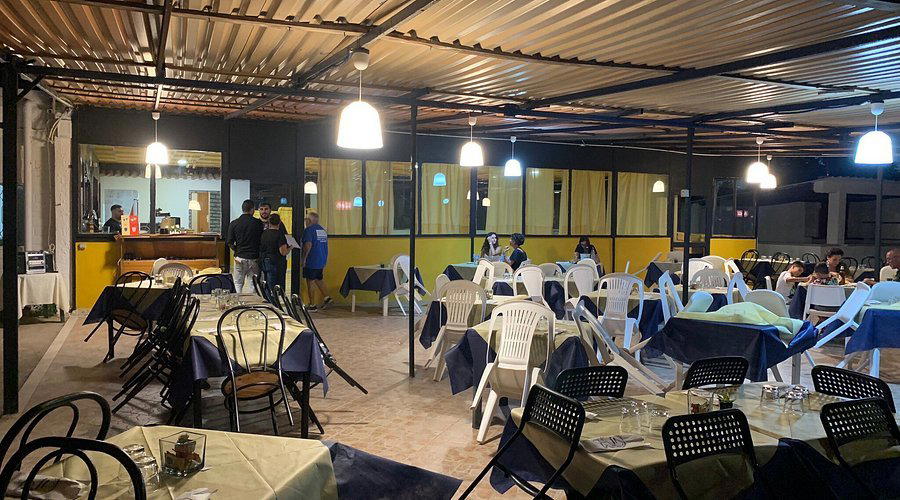
Bars in Bologna
Browse all →
Hotels in Bologna
Browse all →

At a Glance
- Elegant
- Cozy
- Intimate
- Classic
- Date Night
- Special Occasion
- Standalone
- Extensive Wine List
Current opening hours
- Monday
- 7–10:30 PM
- Tuesday
- Closed
- Wednesday
- 7–10:30 PM
- Thursday
- 7–10:30 PM
- Friday
- 12–2:30 PM, 7–10:30 PM
- Saturday
- 12–3:30 PM, 7–10:30 PM
- Sunday
- 12–3:30 PM
Hours can change for holidays and private events. Last verified .
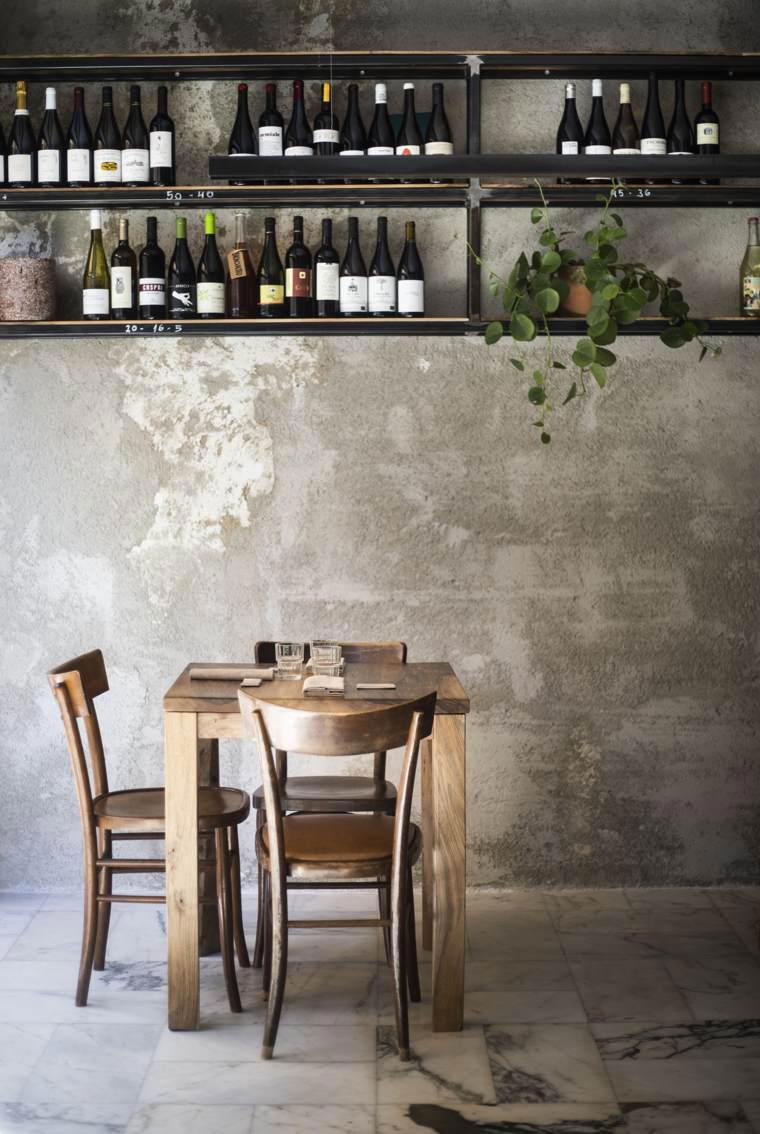
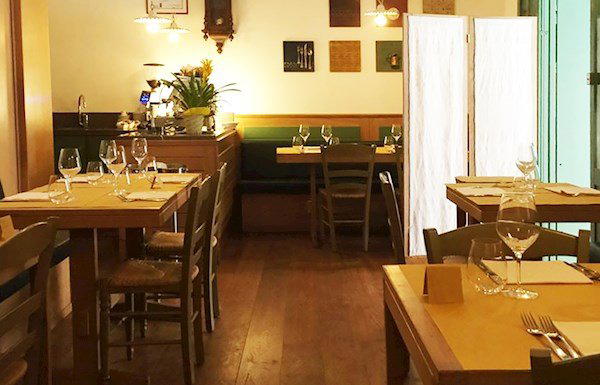
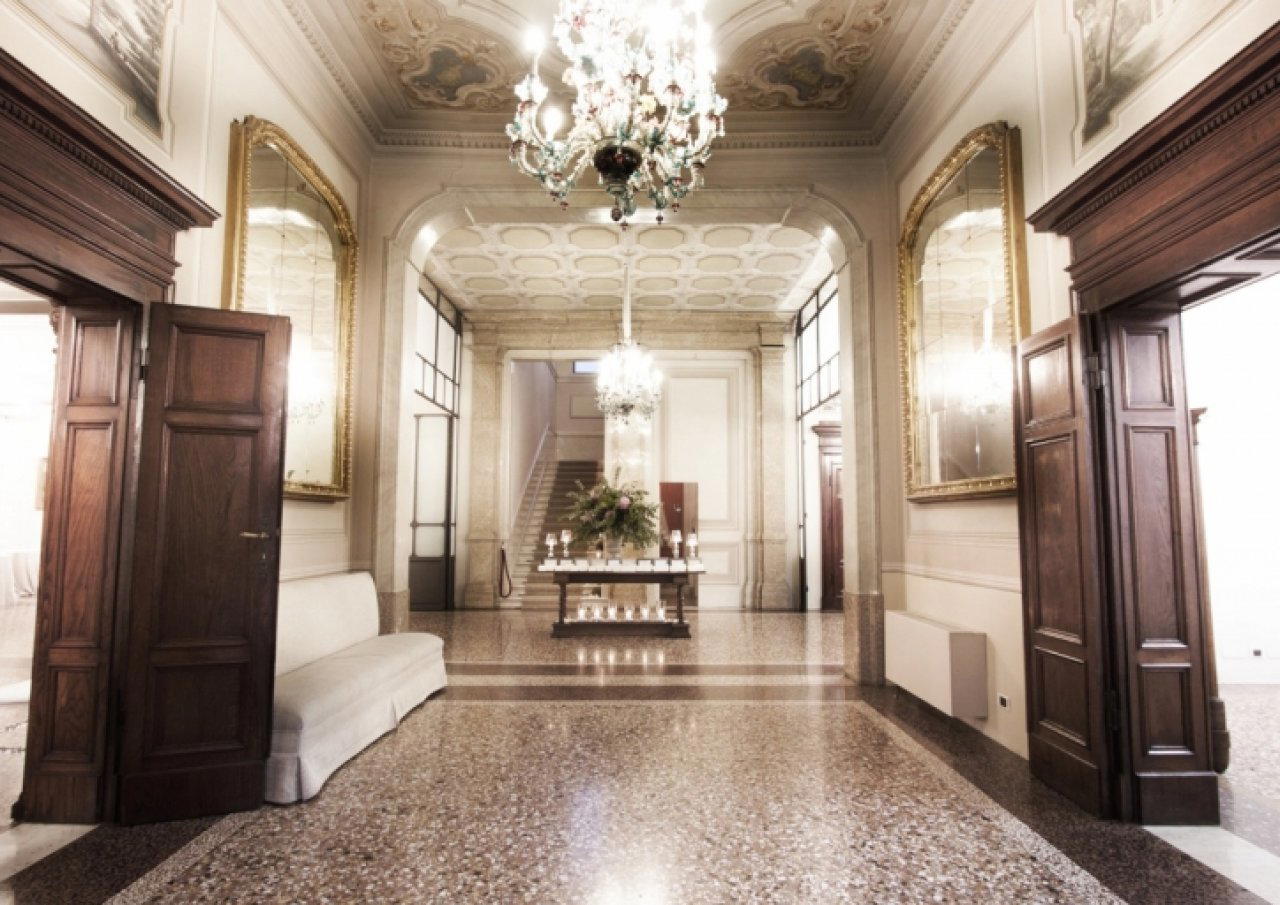
Essential and comfortable environments combining sober design with a warm, welcoming atmosphere.