
A Michelin Plate holder in consecutive years (2024 and 2025), Vicolo Colombina sits in Bologna's mid-price tier alongside peers like Al Cambio and Ahimè, offering traditional cuisine in a city where the cooking tradition itself is the main event. At €€ pricing It represents the kind of dependable, technique-grounded trattoria that Bologna does better than almost anywhere else in Italy.
Pearl is the En Primeur Club membership app — saves, bookings, and concierge access live there. Same editors, same standards.
- Address
- Vicolo Colombina, 5b, 40123 Bologna BO, Italy
- Phone
- +39 051 233919
- Website
- vicolocolombina.it
- Directions
- Get directions
 Saves & bookings on Pearl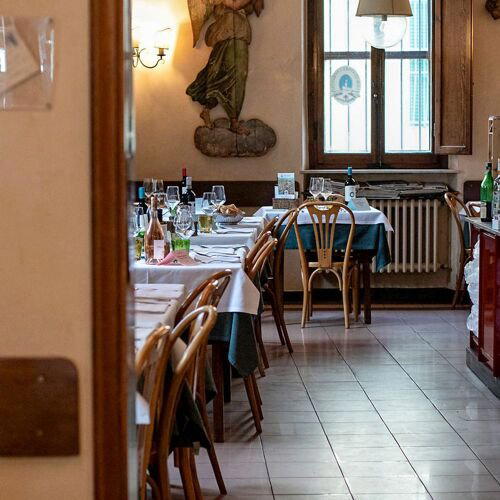
A Side Street in the City That Invented the Cookbook
Bologna does not need to announce itself. The city's culinary reputation arrived centuries before food tourism became an industry, and it rests on a foundation of precise technique, locally sourced ingredients, and a collective refusal to drift from what works. Walk the centro storico and the evidence accumulates at street level: the tagliatelle cut to the width of the Asinelli Tower's golden ratio, the ragù that Bolognese households argue over with genuine conviction, the tortellini whose correct filling is still formally registered with the Bologna Chamber of Commerce. Vicolo Colombina sits on a narrow alley off the old city grid, at an address that already tells you something: this is not the boulevard-facing kind of restaurant that courts passing trade. You find it because you went looking. Vicolo Colombina is a Traditional Bolognese Trattoria in Bologna, with.
Where Traditional Cuisine Fits in Bologna's Dining Tier
Bologna's restaurant scene divides, roughly, into three operating registers. At the leading end, places like I Portici run creative Italian menus at €€€€ price points, competing with reference restaurants elsewhere in Emilia-Romagna and beyond. In the middle, the city sustains a dense cluster of €€ trattorias and osterie working from the classical Emilian canon: fresh pasta, braised meats, Parmigiano-Reggiano in its proper role as structural ingredient rather than garnish. At €€€, Acqua Pazza occupies a seafood niche that sits somewhat outside the landlocked Bolognese tradition. Vicolo Colombina prices at €€ and falls squarely in the middle tier, alongside Al Cambio and Ahimè, each of which approaches the same culinary tradition from a slightly different angle.
What separates venues within this tier is consistency and the specificity of their relationship to the tradition. The restaurant has held the Michelin Plate in both 2024 and 2025, a signal that the Guide's inspectors consider the cooking worth noting without placing it in the starred category. In the context of the €€ tier, a consecutive Michelin Plate carries weight: it indicates that the kitchen is executing to a standard that reviewers in the city's most competitive culinary segment have independently verified.
The Emilian Tradition This Kitchen Represents
To understand what traditional cuisine means in Bologna, you have to understand the broader Emilian context. The region produces some of Italy's most codified food products: Parmigiano-Reggiano, Prosciutto di Parma, Mortadella di Bologna, balsamic vinegar from Modena. These are not just ingredients but Protected Designation of Origin products with legal definitions, and cooking with them in Bologna carries an implicit responsibility to handle them correctly. A ragù, for instance, is not a loose category here. It is a specific preparation, and any trattoria deviating significantly from the established method will hear about it from locals before critics arrive.
This is the tradition the restaurant works within, and it is a demanding one. The appeal is not novelty, that territory belongs to places like Ahimè, which frames Bolognese cooking through a modern lens incorporating country cooking traditions, or to the creative Italian work happening at I Portici. The appeal of a restaurant like Vicolo Colombina is the reassurance that comes from technical fidelity: that the pasta will be fresh, that the braise will have been patient, that the kitchen is not cutting corners with the cheeses or the cured meats. In a city with this density of culinary tradition, that kind of dependability is not a modest achievement.
For reference outside Bologna, the same category of traditional cuisine at Michelin-noted level operates differently in other Italian contexts. Osteria Francescana in Modena reinterprets the regional tradition at three-star level; Dal Pescatore in Runate and Enoteca Pinchiorri in Florence demonstrate how traditional Italian foundations can support higher-end formats. The €€ traditional category the restaurant occupies is a different kind of ambition: precision and integrity within a democratic price register, rather than elevation of the tradition into fine-dining territory.
The Neighbourhood and the Experience
The address on the restaurant places the restaurant inside the old city walls, in a neighbourhood where the street pattern still reflects medieval Bologna. The porticoes that define the city's pedestrian experience extend through this quarter, and the evening ritual of aperitivo followed by dinner is as embedded here as anywhere in the centro storico. Arriving at a small alley address in this part of the city tends to involve a short walk from one of the main piazze, Bologna is compact enough that most central addresses are reachable on foot from the due torri without difficulty.
At €€ pricing with Michelin recognition, the restaurant fits the profile of a restaurant where you are paying for the quality of the cooking rather than the staging of the experience. Bologna's mid-tier dining operates with a certain directness: room sizes are modest, service is attentive without ceremony, and the focus lands on the food in the way it does in a city that has always treated eating as a serious civic matter rather than a performance.
Beyond Bologna, the traditional cuisine category at Michelin Plate level has interesting reference points across Europe: Auberge Grand'Maison in Mûr-de-Bretagne and Auga in Gijón demonstrate how the same commitment to regional tradition and consistent execution plays out in different culinary cultures. The standard being applied is similar even when the ingredients and techniques diverge completely.
Planning Your Visit
Category Peers
Comparable venues nearby, for context on price, style, and recognition.
| Venue | Cuisine | Price | Awards | Notes |
|---|---|---|---|---|
| Vicolo ColombinaThis venue — the venue you are viewing | Traditional Bolognese Trattoria | $$ | Michelin Plate | Not listed |
| Osteria Bartolini | Traditional Romagna Seafood Osteria | $$ | Bib Gourmand | Saragozza |
| Sotto l'Arco | Dining | Not listed | Michelin Plate | Bologna |
| Cardo | Authentic Italian Healthy | $$ | Not listed | Santo Stefano |
| Posta | Tuscan Steakhouse | $$ | Michelin Plate | Saragozza |
| Corbezzoli | Modern Italian Mediterranean Fine Dining | $$$ | Michelin Plate | San Lazzaro di Savena |
Recognition history
Dated appearances from independent guides and award organizations, with the underlying list record or original source where available.
Michelin Plate
Michelin
Michelin Plate
Michelin
Continue exploring
More in Bologna
Restaurants in Bologna
Browse all →
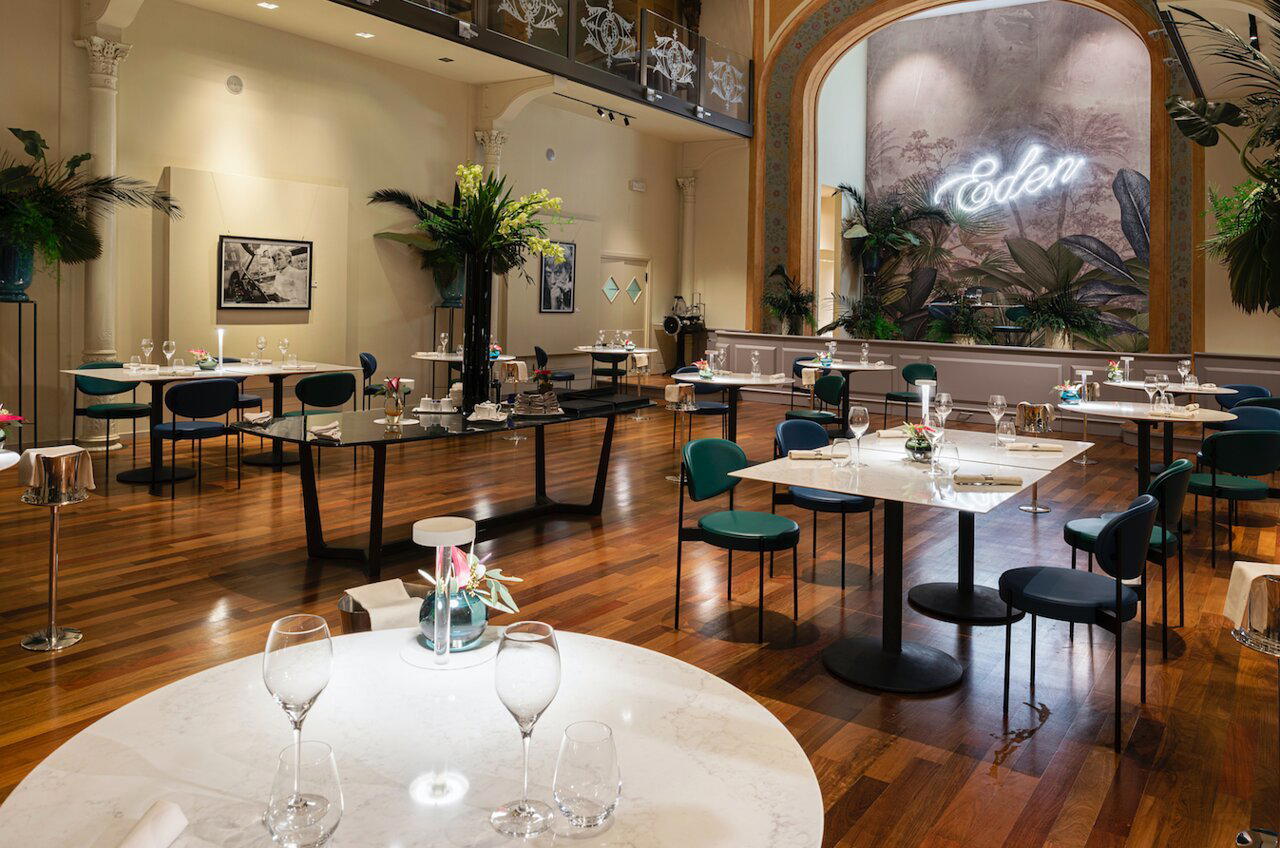
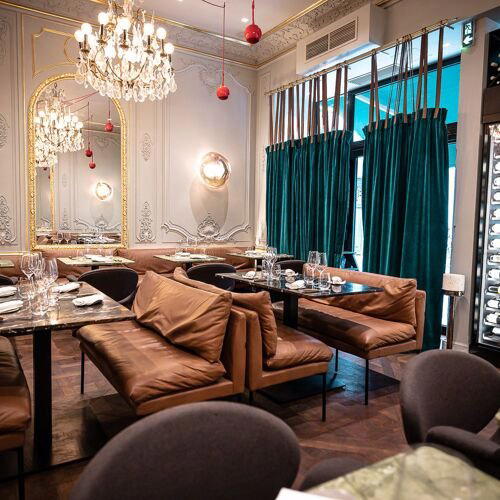
Bars in Bologna
Browse all →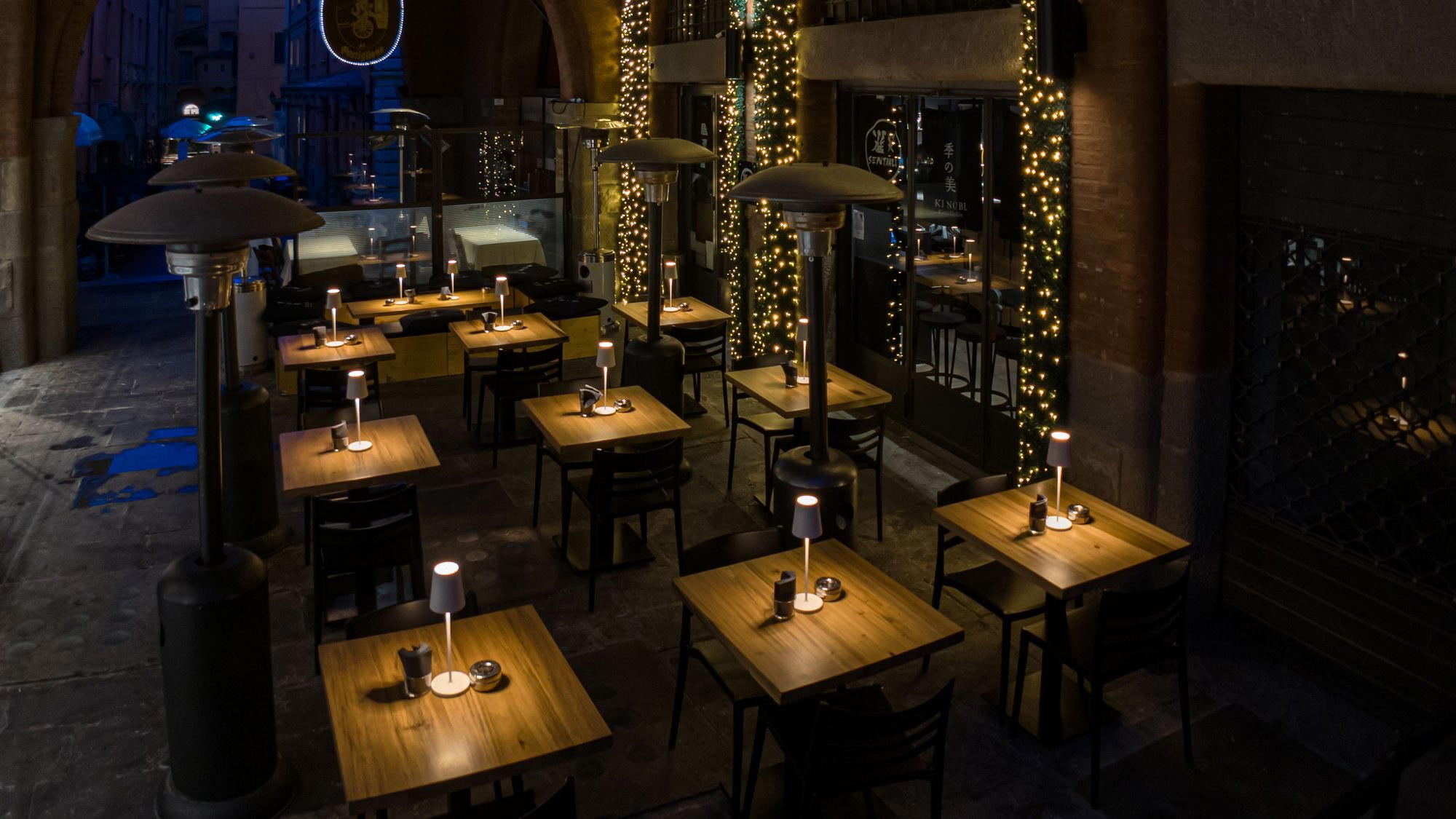
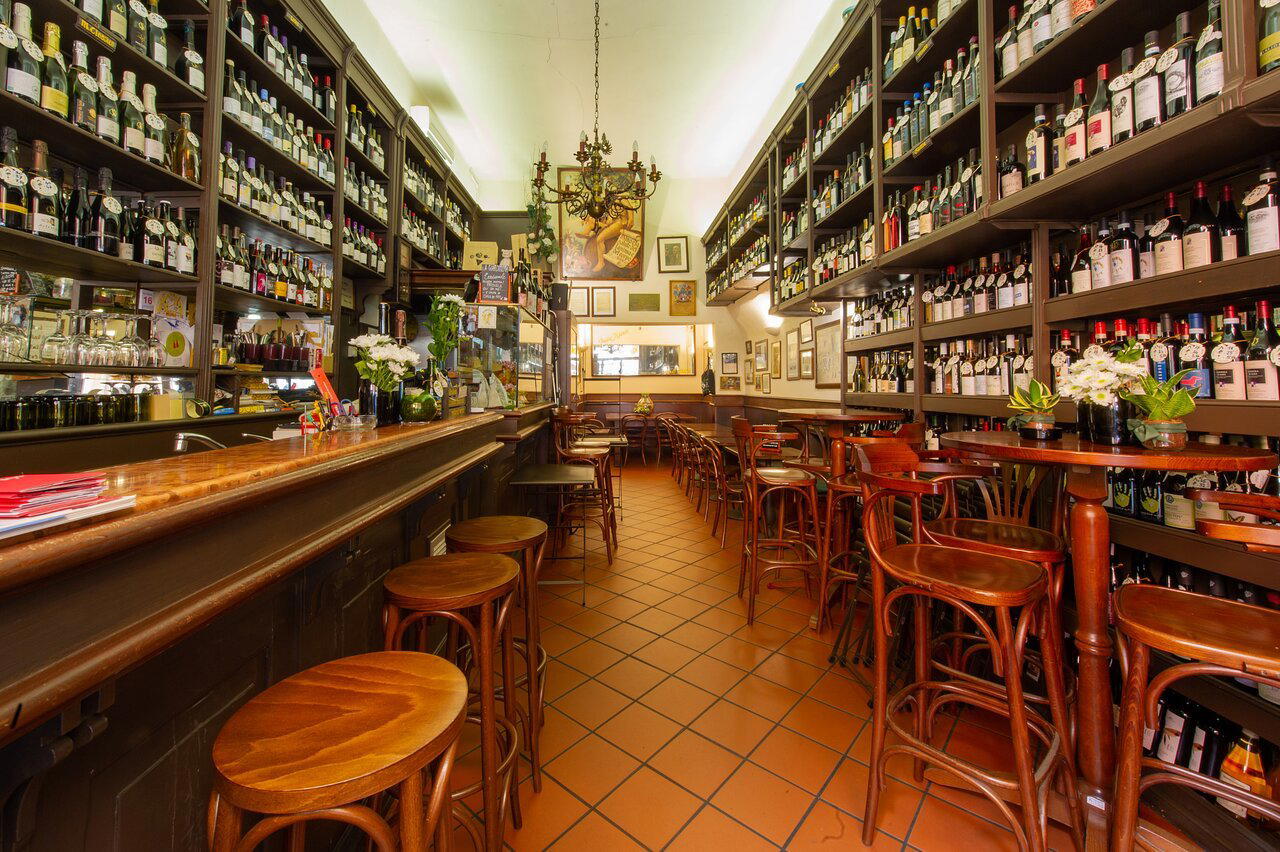
Hotels in Bologna
Browse all →

At a Glance
- Cozy
- Elegant
- Intimate
- Classic
- Date Night
- Special Occasion
- Business Dinner
- Historic Building
- Extensive Wine List
Current opening hours
- Monday
- 12:15–2:15 PM, 7:30–10:15 PM
- Tuesday
- 12:15–2:15 PM, 7:30–10:15 PM
- Wednesday
- 12:15–2:15 PM, 7:30–10:15 PM
- Thursday
- 12:15–2:15 PM, 7:30–10:15 PM
- Friday
- 12:15–2:15 PM, 7:30–10:15 PM
- Saturday
- 12:15–2:15 PM, 7:30–10:15 PM
- Sunday
- 12:15–2:15 PM, 7:30–10:15 PM
Hours can change for holidays and private events. Last verified .
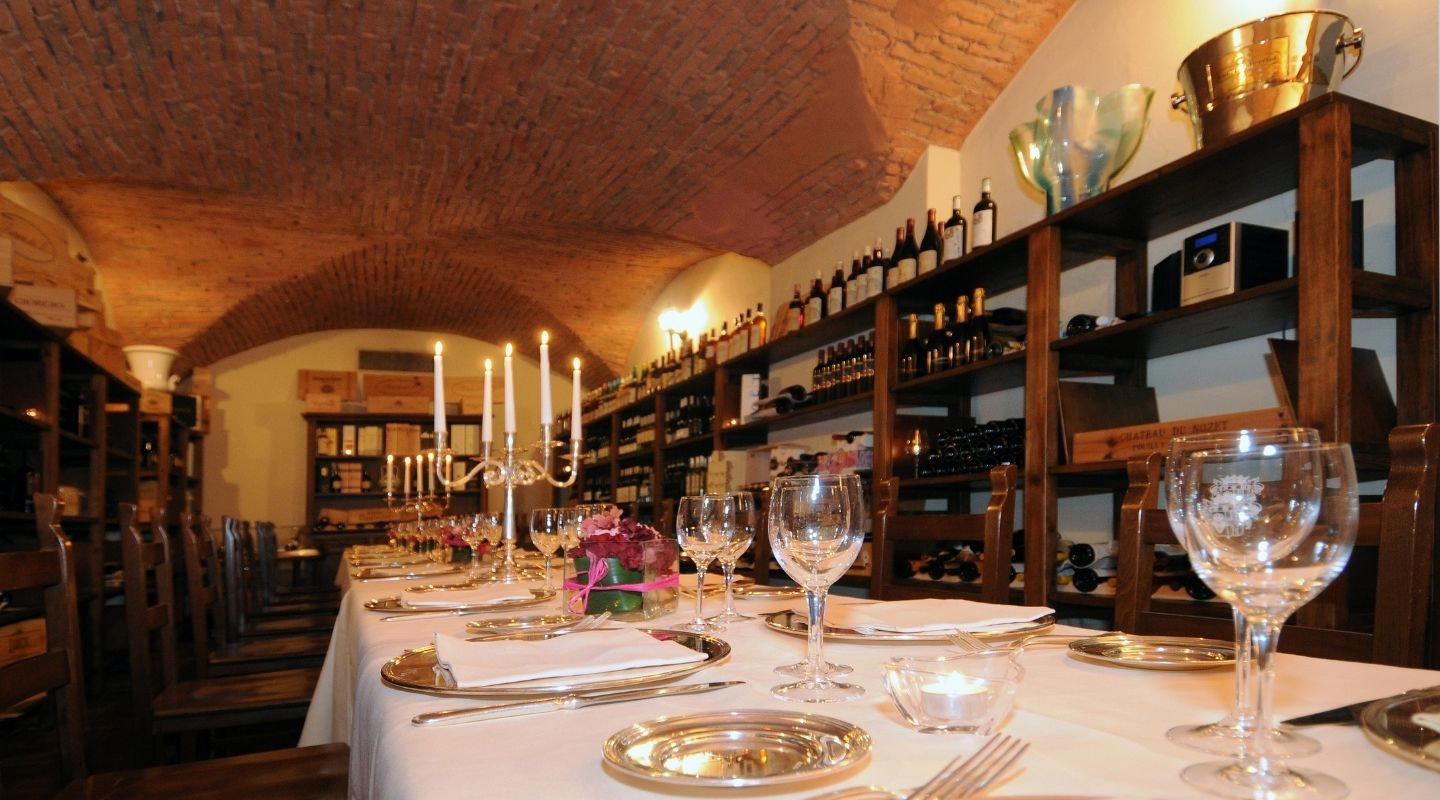
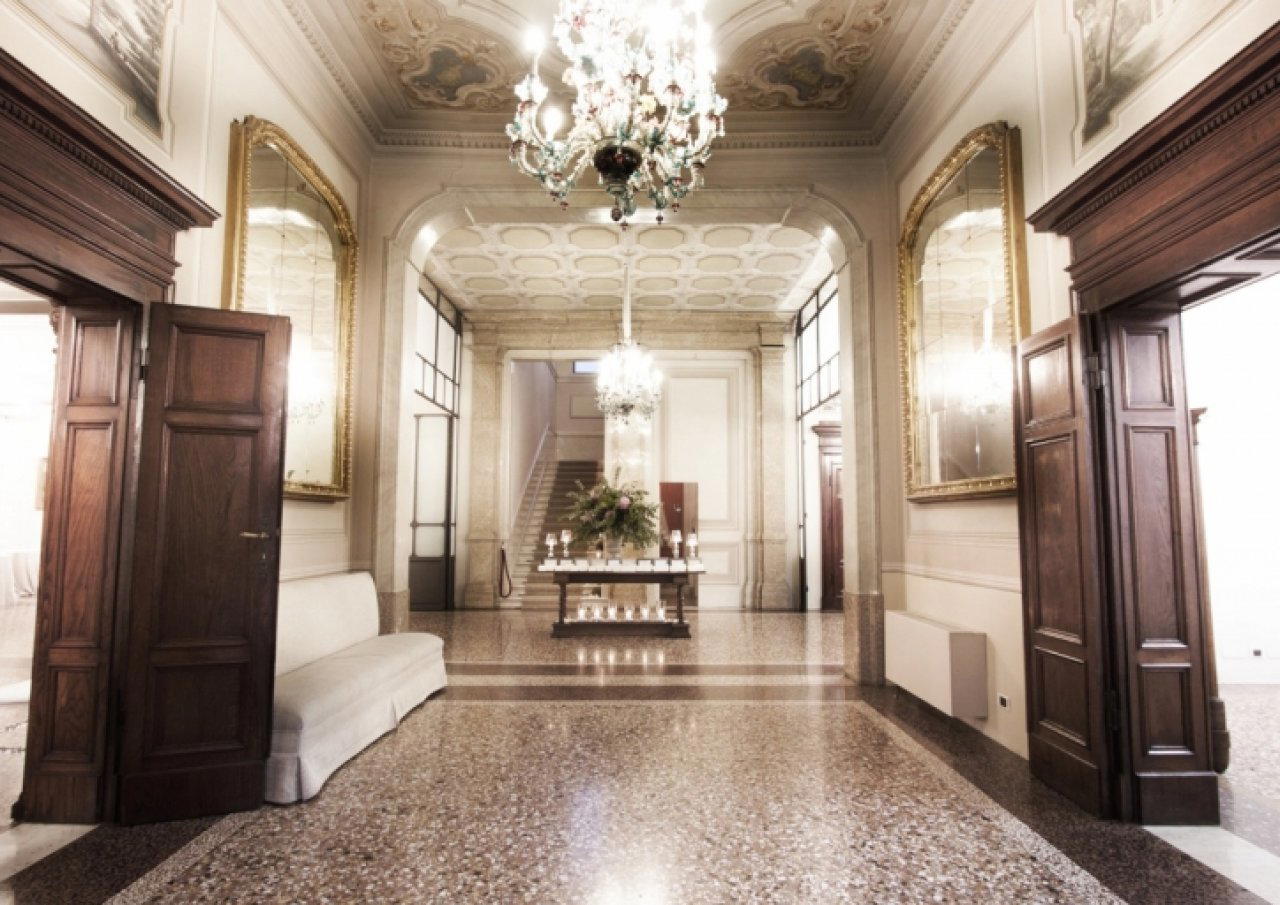
Soft lighting with a welcoming, elegant yet relaxed atmosphere in well-furnished interiors.