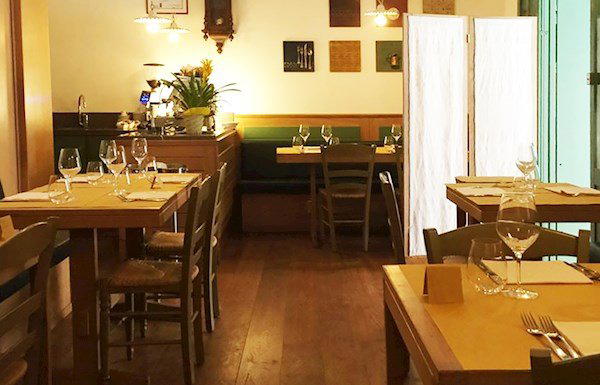
Cardo serves authentic Italian healthy cooking at Via Santo Stefano, 70b in Bologna, with smart-casual, conversational service for breakfast, lunch, brunch, or dinner.
Pearl is the En Primeur Club membership app — saves, bookings, and concierge access live there. Same editors, same standards.
- Address
- Via Santo Stefano, 70b, 40124 Bologna BO, Italy
- Phone
- +393516751923
- Website
- cardoketo.it
- Directions
- Get directions
 Saves & bookings on Pearl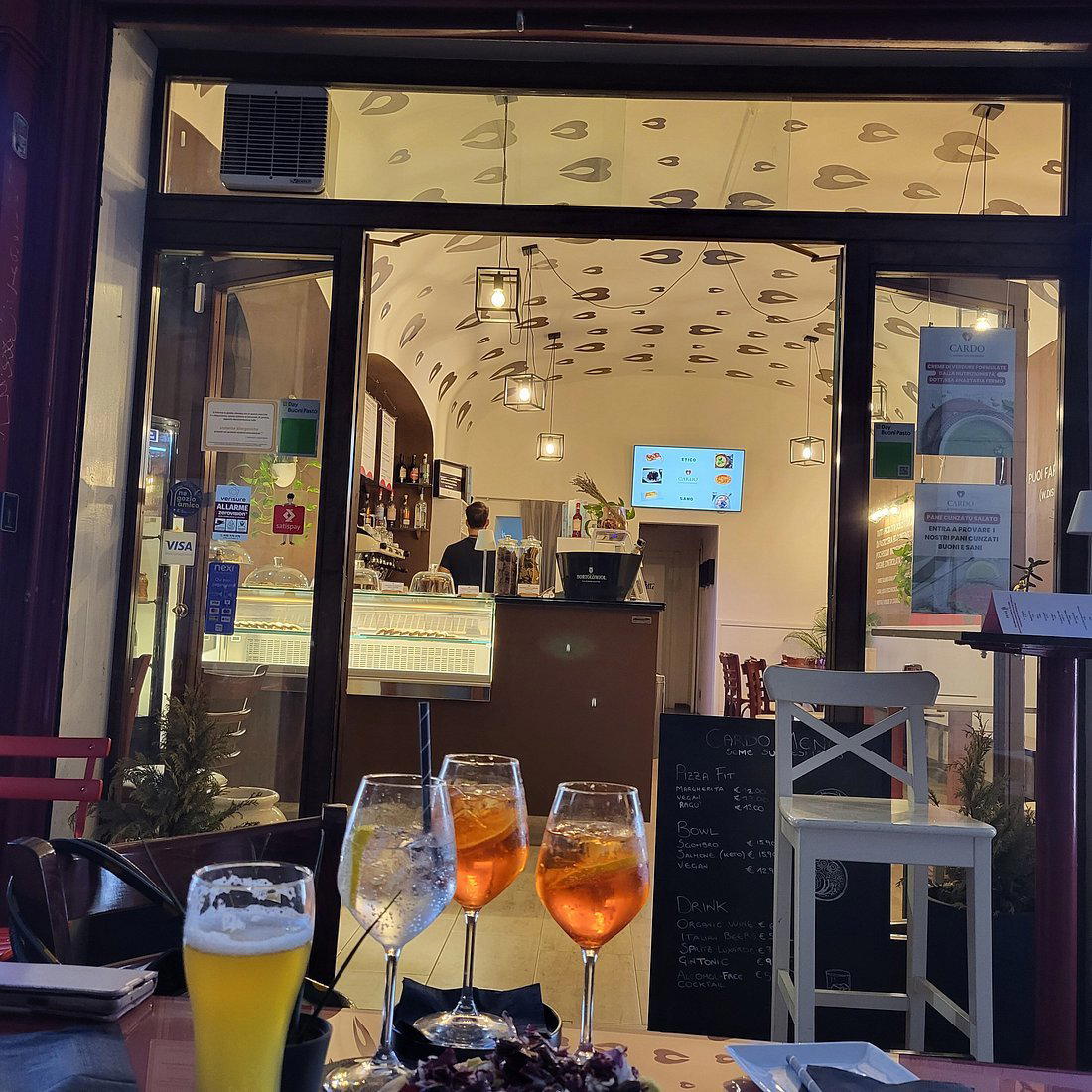
Via Santo Stefano and the Weight of Bolognese Ritual
Via Santo Stefano is one of Bologna's older throughfares, cutting southeast from the city centre toward the Basilica of Santo Stefano with the particular quality that older Italian streets carry: a sense that the buildings have opinions about what should happen inside them. Arriving at number 70b, you are already inside a neighbourhood that takes its eating seriously. Bologna has a reputation built over centuries on the idea that food is not decoration but argument, and the streets around this address carry that argument in every alimentari window and trattoria doorway.
Cardo sits within this context, which is the first thing worth understanding about it. The city's dining culture is not one where novelty earns points easily. Bologna's version of a compliment is that something tastes right, not that it tastes new. Any restaurant in this part of the city is measured against that standard before anything else is considered.
How Bologna Eats: The Structure of a Meal Here
The dining ritual in Emilia-Romagna follows a particular logic that visitors from outside Italy sometimes misread as slowness. It is not slowness. It is pacing with intent. A proper Bolognese meal moves through antipasto, primo, secondo, and contorno with the kind of sequencing that treats each course as a separate conversation rather than a prelude to the next. The primo, almost always pasta, is the centre of gravity. Everything before it is positioning; everything after it is resolution.
This matters because it sets the reader's expectations correctly. Restaurants in Bologna that respect local eating customs let the pasta course carry the meal. Those that try to reframe the experience around a single showpiece dish, or compress the sequence to suit a shorter sitting, generally find themselves operating against the grain of what their customers actually want. The ritual is the point.
Across the city's mid-tier, venues like Al Cambio and Ahimè (both in the €€ bracket) have built their followings on exactly this fidelity to sequence and material. At the €€€ level, Acqua Pazza operates with seafood as its organising principle, which is its own argument with local tradition. At the summit of the price register, I Portici applies a creative Italian framework that departs significantly from regional orthodoxy. Cardo operates somewhere within this range, and where it positions itself along that axis shapes everything about how a meal there should be read.
The Emilian Table and What It Demands of a Restaurant
Emilia-Romagna produces an unusual concentration of Italy's most recognised ingredients: Parmigiano Reggiano, prosciutto di Parma, mortadella, and the egg-based pasta traditions that have become a reference point for the rest of the country. This creates a specific pressure on local restaurants. To use these ingredients competently is expected. To use them with any distinction, a kitchen needs to have an actual point of view on what it is adding to materials that are already excellent on their own terms.
The canonical difficulty of Bolognese cooking is that it is so defined by its ingredients that technique can easily disappear behind them. A well-made tagliatelle al ragù is an act of precision: the thickness of the pasta, the ratio of fat to lean in the meat, the length of the cook, the way the sauce binds to the noodle. These are technical decisions with visible consequences. They are also decisions that every serious local diner will assess, having eaten hundreds of versions over a lifetime. The room for error is small, and the room for dishonesty is even smaller.
Italy's most formally recognised restaurants, from Osteria Francescana in Modena to Enoteca Pinchiorri in Florence, have navigated this by developing a coherent creative position. Others in the northern Italian tradition, such as Le Calandre in Rubano and Dal Pescatore in Runate, have done so by deepening their commitment to regional material rather than reinterpreting it. Both are legitimate strategies. The question, for any Bologna restaurant, is which approach it has actually chosen and whether it executes that choice consistently.
Locating Cardo in the Neighbourhood
The address on Via Santo Stefano places Cardo in a part of Bologna with a strong local character. The porticoes that run along much of the city's older streets create an indoor-outdoor quality that is specific to Bologna, listed as a UNESCO World Heritage feature as of 2021. This architectural condition shapes how people move through the city and, by extension, how they arrive at restaurants. You walk under cover, the street noise is ambient rather than intrusive, and the transition from street to interior is gradual rather than abrupt. It primes a slower tempo before you sit down.
The Via Santo Stefano corridor is served by the city's transit network and accessible on foot from both Piazza Maggiore and the university district, making it one of the more logistically convenient parts of the city for an evening meal.
Cardo Against a Wider Italian Frame
It is worth placing Bologna's mid-to-upper dining tier against the broader Italian picture. The restaurants that have driven international attention to Italian cuisine over the past decade, among them Reale in Castel di Sangro, Uliassi in Senigallia, Piazza Duomo in Alba, and Atelier Moessmer Norbert Niederkofler in Brunico, have done so by anchoring creative ambition in a specific sense of place. The lesson from that group is that regional depth and formal ambition are not in conflict. The restaurants that struggle are those that treat the regional material as a constraint rather than a resource.
Bologna's own tradition is strong enough to support serious work without the need to look outside the region for legitimacy. An address on Via Santo Stefano is already a statement of alignment with that tradition. What a restaurant does with the alignment is the only question that matters.
Internationally, the comparison might run toward experience-driven formats where the meal's structure is as important as its content, including Lazy Bear in San Francisco or the service precision of Le Bernardin in New York City. The connection is not cuisine but philosophy: that how a meal is delivered is an argument the kitchen and front-of-house are making together, not just a logistics problem. And likewise, Quattro Passi in Marina del Cantone and Enrico Bartolini in Milan represent the Italian ability to operate at significant technical depth without abandoning regional character. All'Osteria Bottega in Bologna itself occupies an adjacent space with a clear Emilian commitment.
Planning a Visit
Via Santo Stefano, 70b is direct to reach from central Bologna on foot, placing it within a reasonable walk of the main hotel corridors near Piazza Maggiore and the train station. As with most restaurants in this part of the city, weekday evenings tend to offer more comfortable seating windows than weekend nights, when local demand competes with visitor traffic. Booking in advance is advisable, particularly on Friday and Saturday.
Style and Standing
Comparable venues nearby, for context on price, style, and recognition.
| Venue | Cuisine | Price | Notes |
|---|---|---|---|
| CardoThis venue — the venue you are viewing | Authentic Italian Healthy | $$ | Not listed |
| Verace | Italian Pizza and Pasta | $$ | Porto |
| CERTO | Roman-Style Pizza al Taglio | $$ | San Vitale |
| Vineria Favalli | Traditional Bolognese Wine Bar | $$ | Santo Stefano |
| Ittico Ristorante | Seafood - Cucina di Mare | $$$ | Saragozza |
| Vâgh íñ ufézzí | Traditional Bolognese Osteria | $$ | Santo Stefano |
Continue exploring
More in Bologna
Restaurants in Bologna
Browse all →
Bars in Bologna
Browse all →
Hotels in Bologna
Browse all →
At a Glance
- Cozy
- Brunch
- Casual Hangout
Current opening hours
- Monday
- Closed
- Tuesday
- Closed
- Wednesday
- Closed
- Thursday
- 9 AM–5 PM
- Friday
- Closed
- Saturday
- Closed
- Sunday
- Closed
Hours can change for holidays and private events. Last verified .
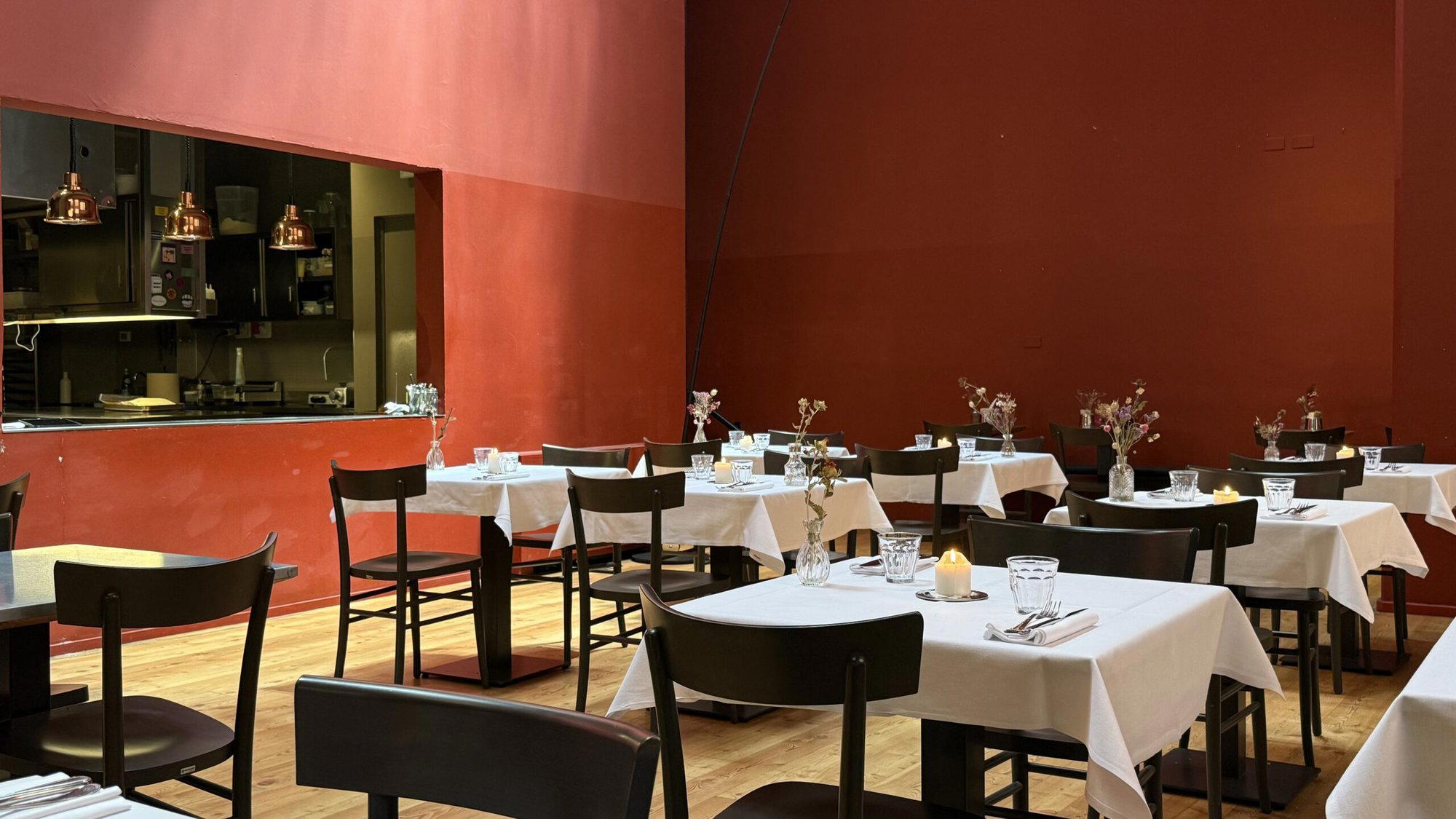
Charming and cozy setting