Le Chant de la Source
Le Chant de la Source serves Franco-Danish fine dining at Château de Fontager, with an extensive wine list, formal service, and a quiet, leisurely pace for lunch or dinner.
Pearl is the En Primeur Club membership app — saves, bookings, and concierge access live there. Same editors, same standards.
- Address
- 8 Le Village, 26600 Serves-sur-Rhône, France
- Phone
- +33451260886
- Website
- chateaudefontager.fr
- Directions
- Get directions
 Saves & bookings on Pearl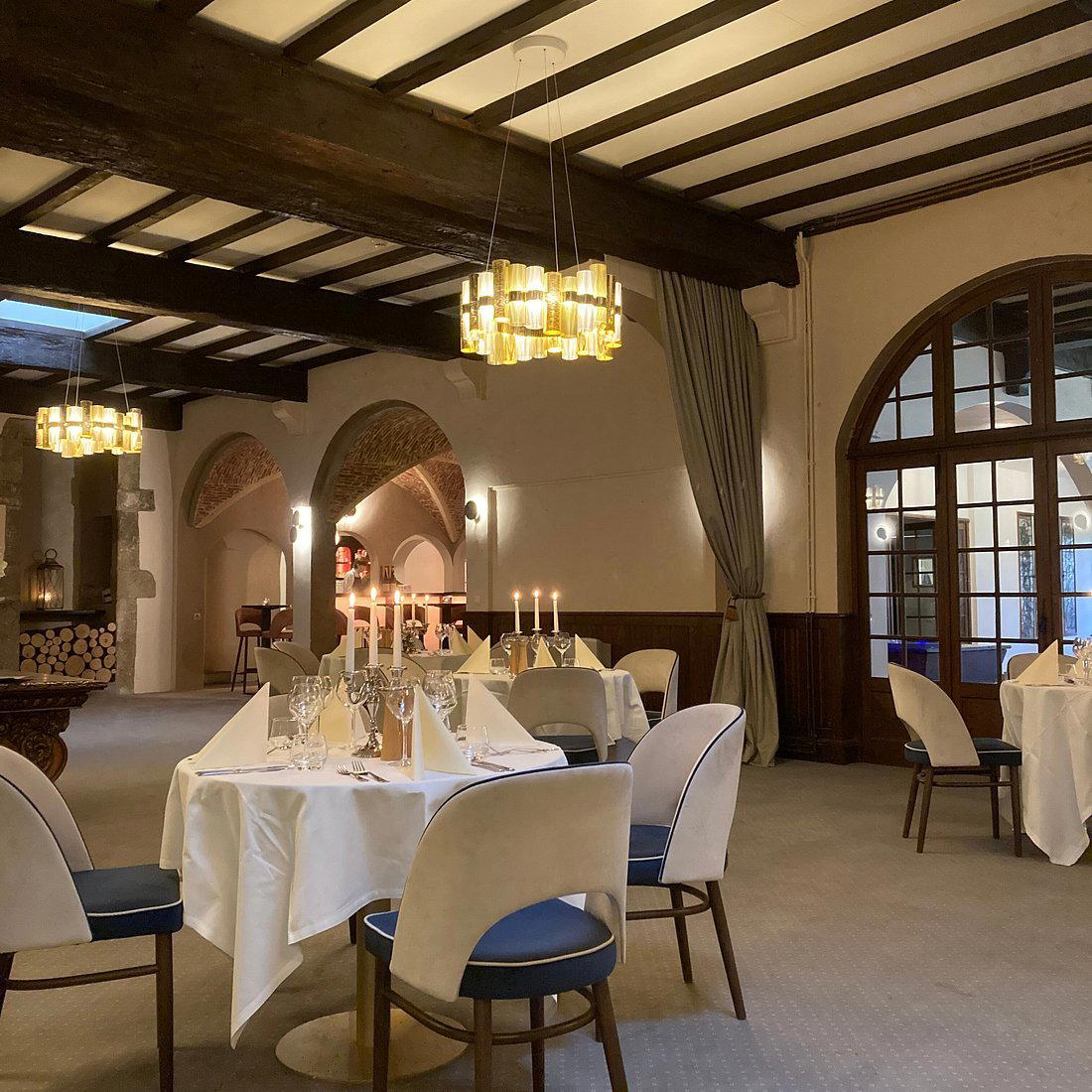
Where the Rhône Valley Sets the Table
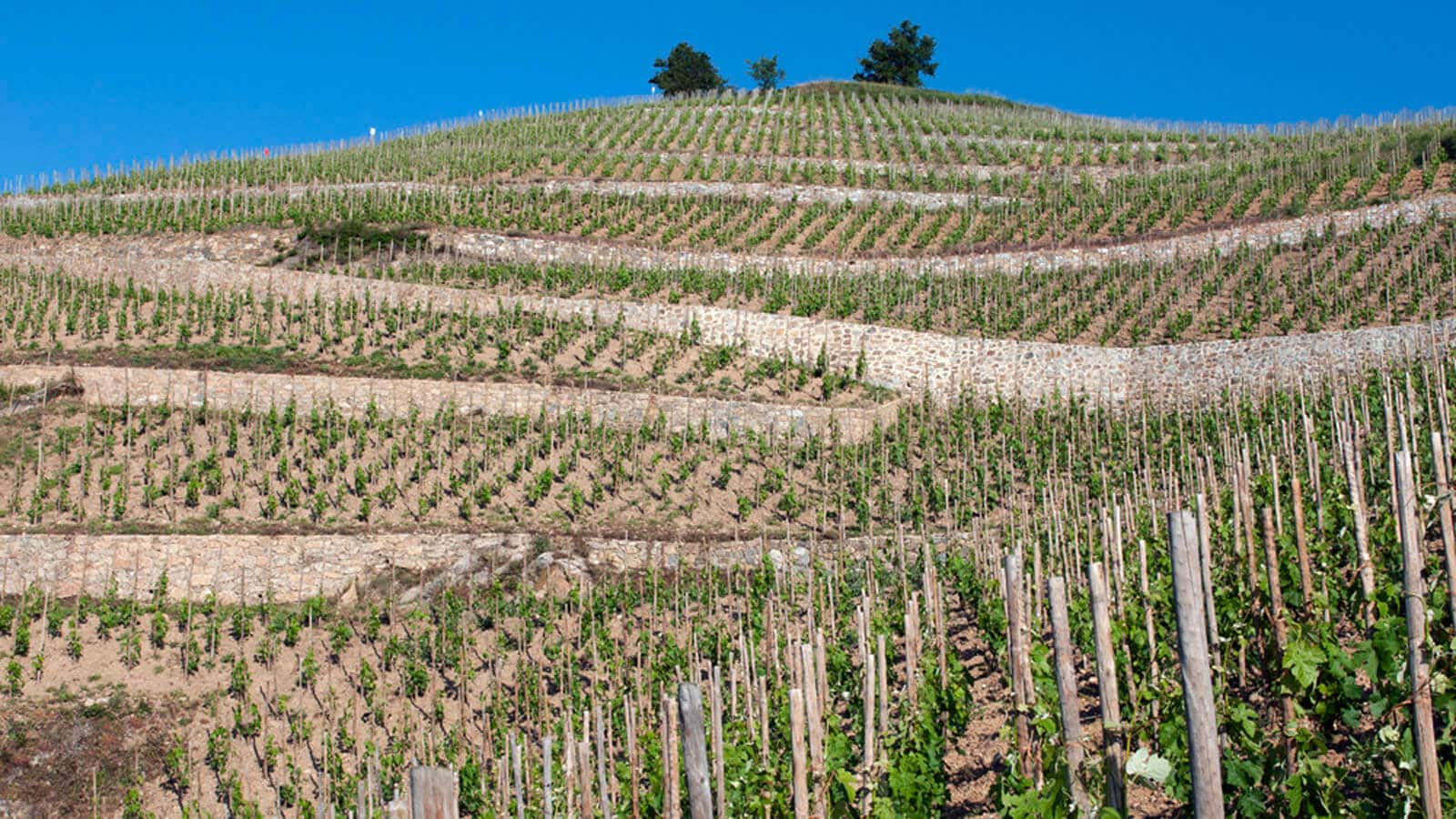
The northern Rhône corridor between Valence and Vienne is one of France's most agriculturally honest stretches of river valley. Syrah vines press against the granite slopes above the water, market gardens occupy the alluvial flats below, and the villages that punctuate the route carry a culinary seriousness that predates any designation or rating system. Serves-sur-Rhône, a compact commune on the western bank, sits squarely inside this tradition. Le Chant de la Source is a restaurant at 8 Le Village, 26600 Serves-sur-Rhône, France, serving Franco-Danish Fine Dining at a price tier of about $80 per person.
Arriving in Serves-sur-Rhône from the N86 river road, the scale shifts immediately. The village sits on a gentle rise above the Rhône, far enough from the water to catch a different light in the evening hours, close enough that the river's presence remains part of the sensory register. Approaching the address on foot through the village, the surrounding buildings read as regional vernacular: stone-faced, shuttered, unhurried. That physical context is not incidental to understanding what a restaurant in this location represents. This is not a destination that positions itself against the grand brasseries of Lyon or the creative laboratories of Paris. It occupies a different bracket altogether, one where the sourcing radius, the local producer relationships, and the seasonal calendar do more analytical work than any prix-fixe structure or tasting counter format could.
The Logic of Sourcing in the Northern Rhône
The ingredient economy of the northern Rhône is more coherent than in any other corridor of provincial France. Within a thirty-kilometre band on either side of the river, you find: Drôme valley vegetables and herbs, Ardèche charcuterie traditions going back several centuries, freshwater fish from the Rhône's tributaries, and some of France's most closely watched Syrah fruit from appellations including Crozes-Hermitage and Saint-Joseph. For a kitchen in Serves-sur-Rhône, sourcing locally is not a marketing posture; it is the path of least resistance. The regional larder is simply too coherent to ignore.
This stands in pointed contrast to how sourcing decisions play out in metropolitan dining. At destination kitchens like Alléno Paris au Pavillon Ledoyen in Paris or Mirazur in Menton, the supply chain is constructed, curated, and frequently narrated as part of the dining experience itself. In a village kitchen with the Rhône valley as its immediate geography, that supply chain is inherited. The critical question is how consciously and skilfully it is used. Restaurants that operate in this register often sit in a comparable set closer to Bras in Laguiole or Auberge du Vieux Puits in Fontjoncouse than to urban fine dining, even if the price point and format differ substantially. What those references share is a fundamental orientation toward place as primary ingredient.
Regional Anchors and Culinary Tradition
The Rhône-Alpes culinary tradition has been shaped by a concentration of serious cooking that runs south from Lyon through the Drôme and into Provence. The lineage includes houses with decades of documented recognition: Troisgros - Le Bois sans Feuilles in Ouches, Paul Bocuse - L'Auberge du Pont de Collonges in Collonges-au-Mont-d'Or, and further afield in format, Flocons de Sel in Megève. These are not direct competitive references for a village restaurant in Serves-sur-Rhône, but they establish the regional seriousness against which any kitchen operating in this geography is implicitly read.
Within that broader tradition, village-scale cooking in the Drôme and Ardèche has historically operated as the practical base layer: technically grounded, seasonally driven, and allergic to pretension. Menus in this format tend to shift with the agricultural calendar rather than around a fixed creative identity, which means what appears on the table in October bears little resemblance to what was served in April. That seasonal rhythm is a feature, not a gap in consistency, and it is the primary reason that a kitchen sourcing from this specific valley floor can maintain credibility across the year. For readers comparing this kind of village table to the more structured creative programs of, say, AM par Alexandre Mazzia in Marseille or Assiette Champenoise in Reims, the distinction is worth holding clearly: what varies here is not ambition, but its expression.
Wine and the River Valley Context
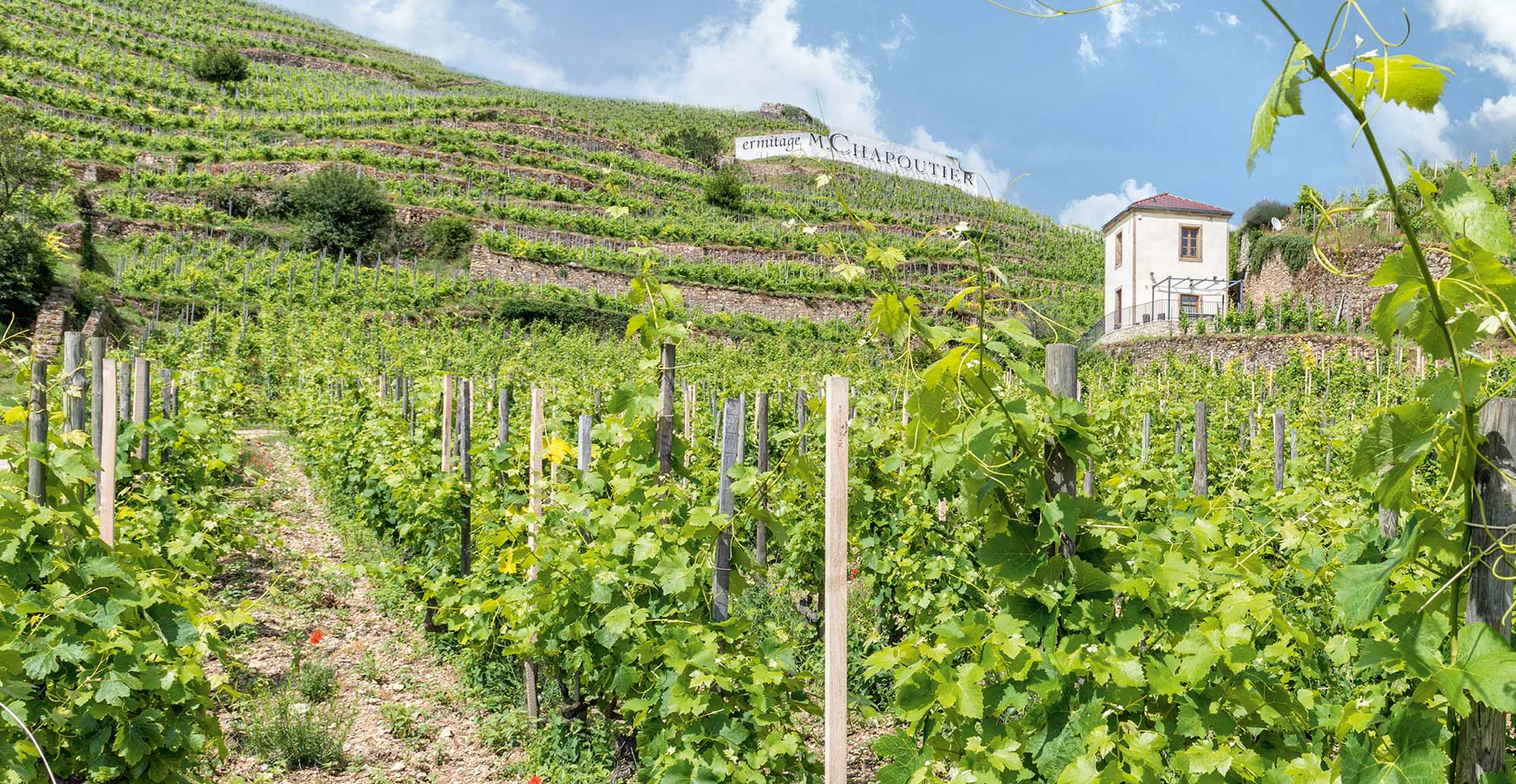
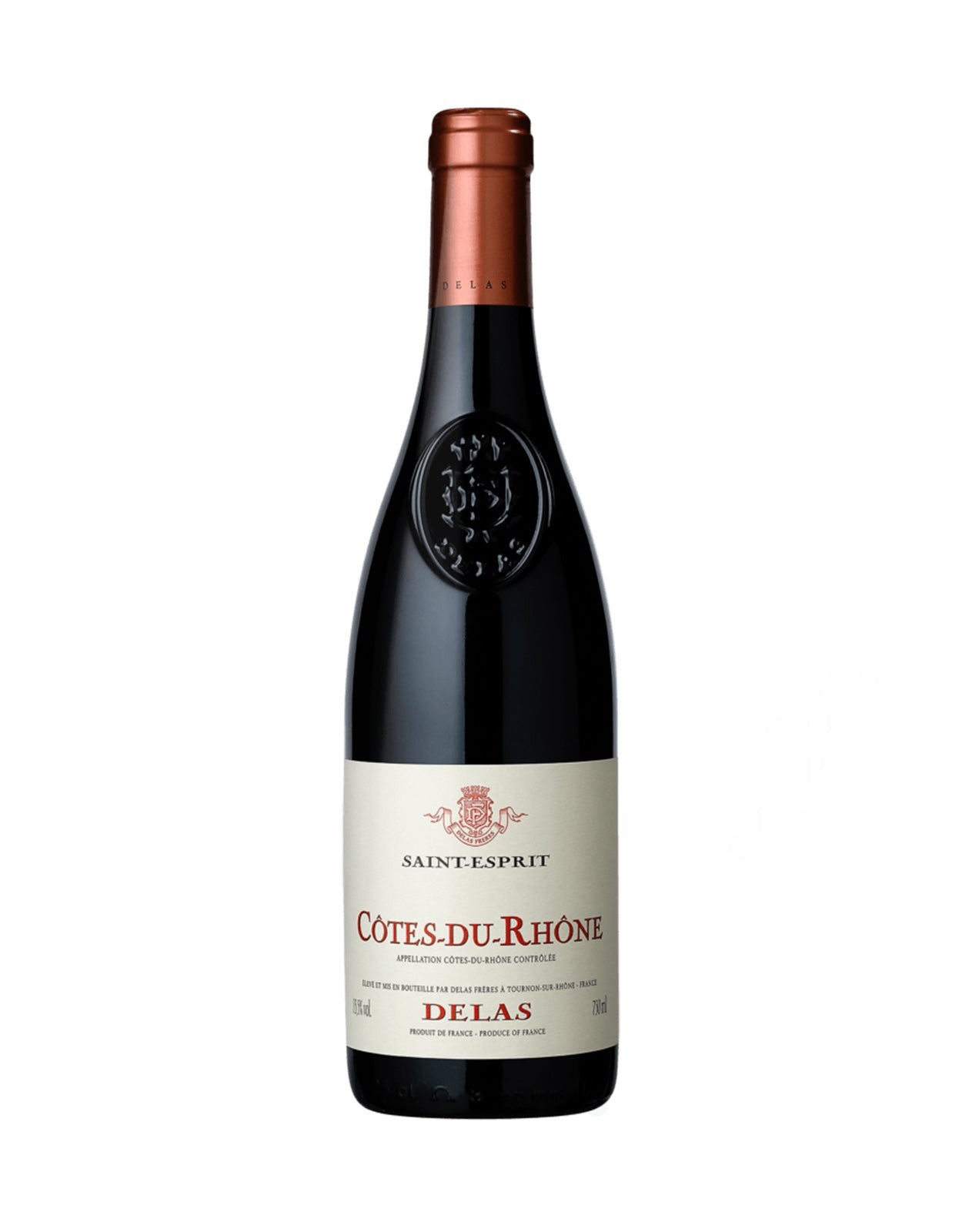
No account of eating in this corridor is complete without acknowledging the wine geography that frames it. Serves-sur-Rhône falls within the broader northern Rhône appellation zone, where Syrah is the dominant red variety and Viognier defines the white tradition in nearby Condrieu. A table in this village has access to wines whose production origins are visible from the dining room's general orientation, a proximity that changes the relationship between a wine list and its context. The great Syrah-led houses of the Rhône appear in reference throughout France, from Au Crocodile in Strasbourg to Georges Blanc in Vonnas, but the terroir logic is most legible when you are this close to the source.
Planning Your Visit to Serves-sur-Rhône
Serves-sur-Rhône is reachable by road from Valence in under thirty minutes, and from Lyon in roughly an hour via the A7 autoroute. The village is not served by a TGV stop, so arriving by train requires a connection through Valence or Tain-l'Hermitage followed by a local road transfer. For those building a longer Rhône valley itinerary, pairing a stop in Serves-sur-Rhône with visits to the appellations of Crozes-Hermitage and Saint-Joseph makes geographic sense and rewards the sequence. Reservations are recommended, and the restaurant is open Thursday through Saturday from 7 to 9 PM. Village restaurants at this scale in France often operate on reduced service schedules midweek, and seasonal closures are common particularly in January and February.
For readers whose interests extend further along the Atlantic and Mediterranean coasts, comparison benchmarks at a different scale include Christopher Coutanceau in La Rochelle, La Marine in Noirmoutier-en-l'île, L'Oustau de Baumanière in Les Baux, Auberge de l'Ill in Illhaeusern, and for those looking beyond France entirely, Le Bernardin in New York City and Atomix in New York City represent how the produce-driven sourcing ethos translates in different culinary registers.
Fast Comparison
Comparable venues nearby, for context on price, style, and recognition.
| Venue | Cuisine | Price | Notes |
|---|---|---|---|
| Le Chant de la SourceThis venue — the venue you are viewing | Franco-Danish Fine Dining | $$$ | Not listed |
| Bienheureux | Modern French seasonal tasting menu | $$$ | Wasquehal |
| L'Âne Têtu | Vegan French Fine Dining | $$$ | Désaignes |
| La Table de Max | French Beef & Lobster Bistro | $$$ | Quartier Guillotière |
| Saturne | Modern French with Nordic Influences | $$$ | 2nd Arrondissement |
| Le Rochetoirin | Seasonal French Gastro-Brasserie | $$$ | Rochetoirin |
Continue exploring
More in Serves Sur Rhone
Restaurants in Serves Sur Rhone
Browse all →
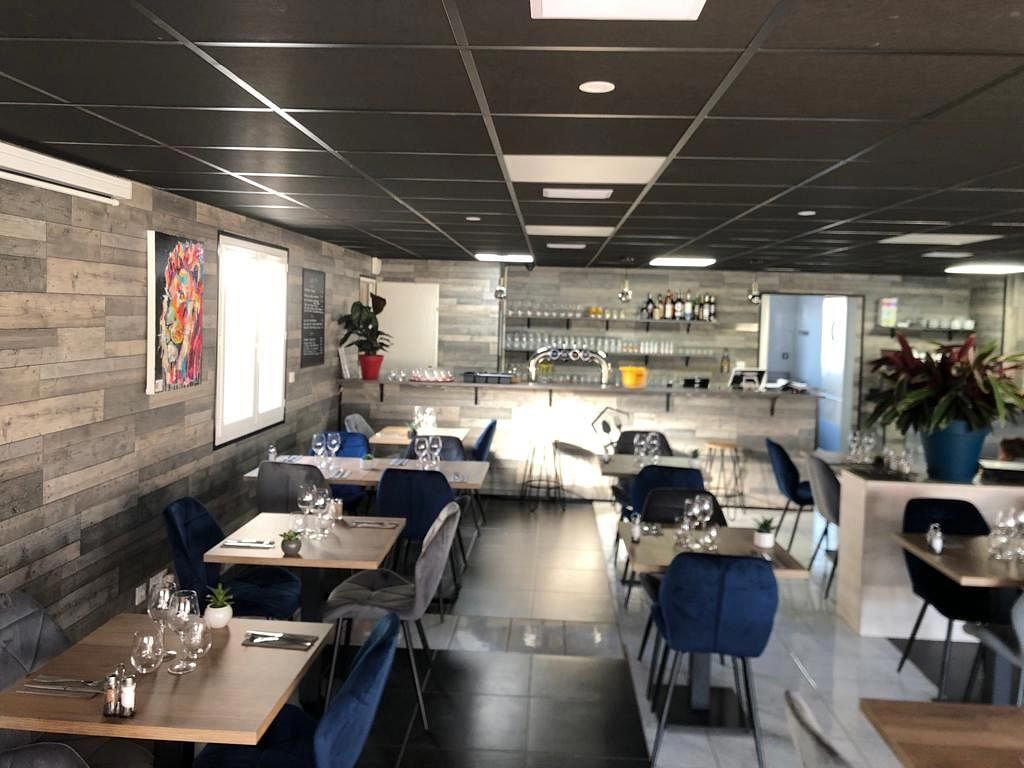
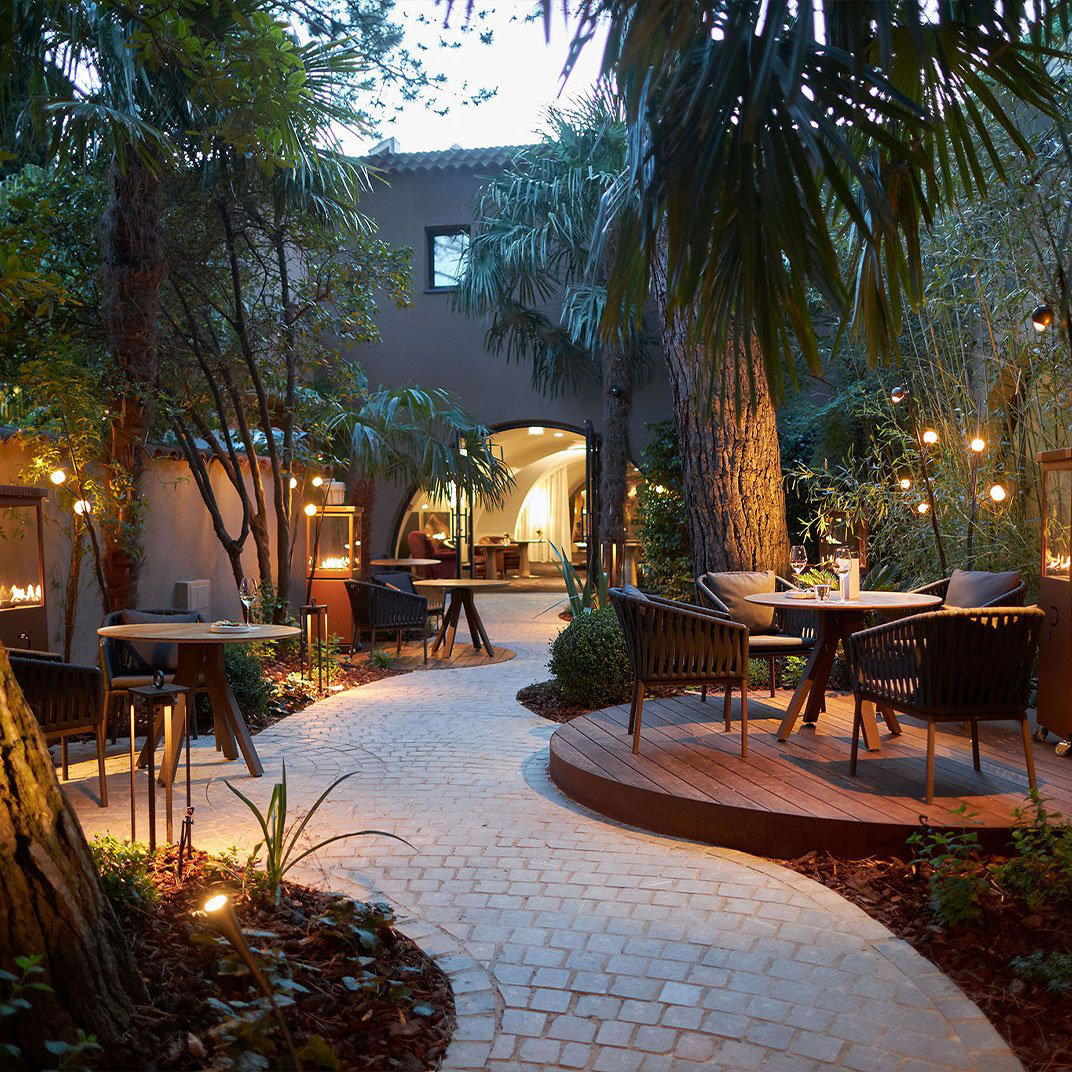
Bars in Serves Sur Rhone
Browse all →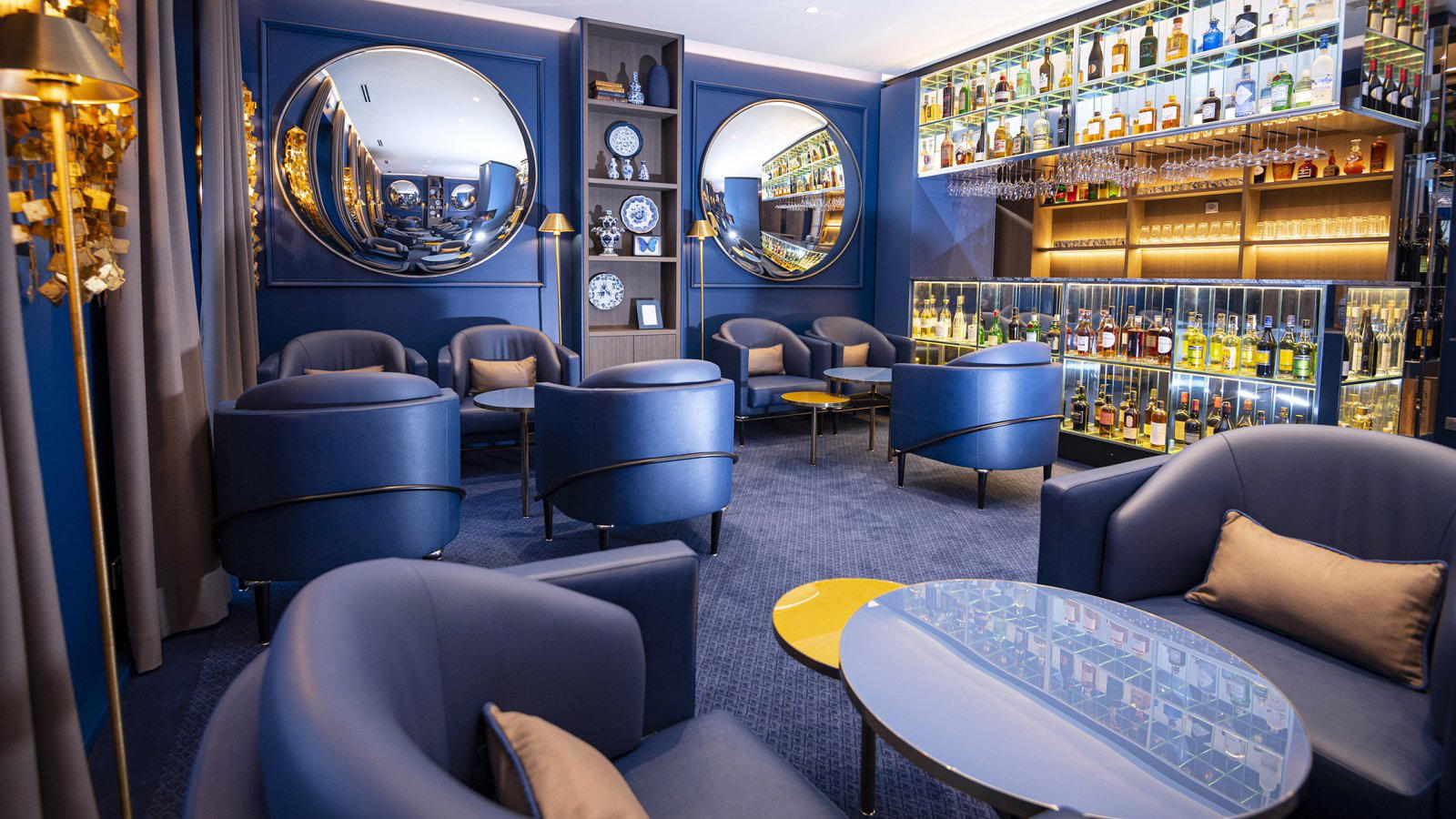
Hotels in Serves Sur Rhone
Browse all →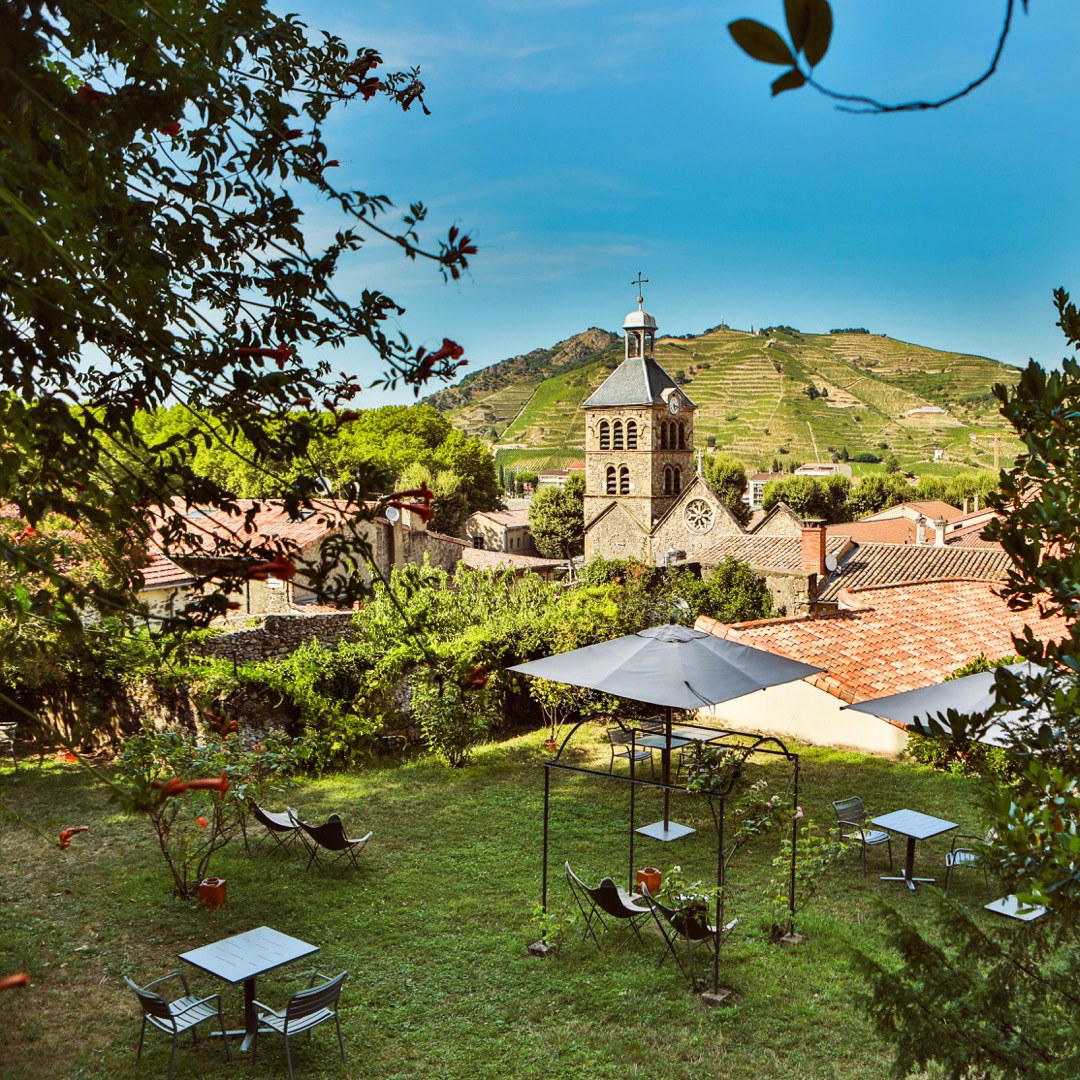

At a Glance
- Elegant
- Scenic
- Sophisticated
- Quiet
- Date Night
- Special Occasion
- Celebration
- Business Dinner
- Historic Building
- Hotel Restaurant
- Garden
- Sommelier Led
- Local Sourcing
- Organic
- Garden
Current opening hours
- Monday
- Closed
- Tuesday
- Closed
- Wednesday
- Closed
- Thursday
- 7–9 PM
- Friday
- 7–9 PM
- Saturday
- 7–9 PM
- Sunday
- Closed
Hours can change for holidays and private events. Last verified .
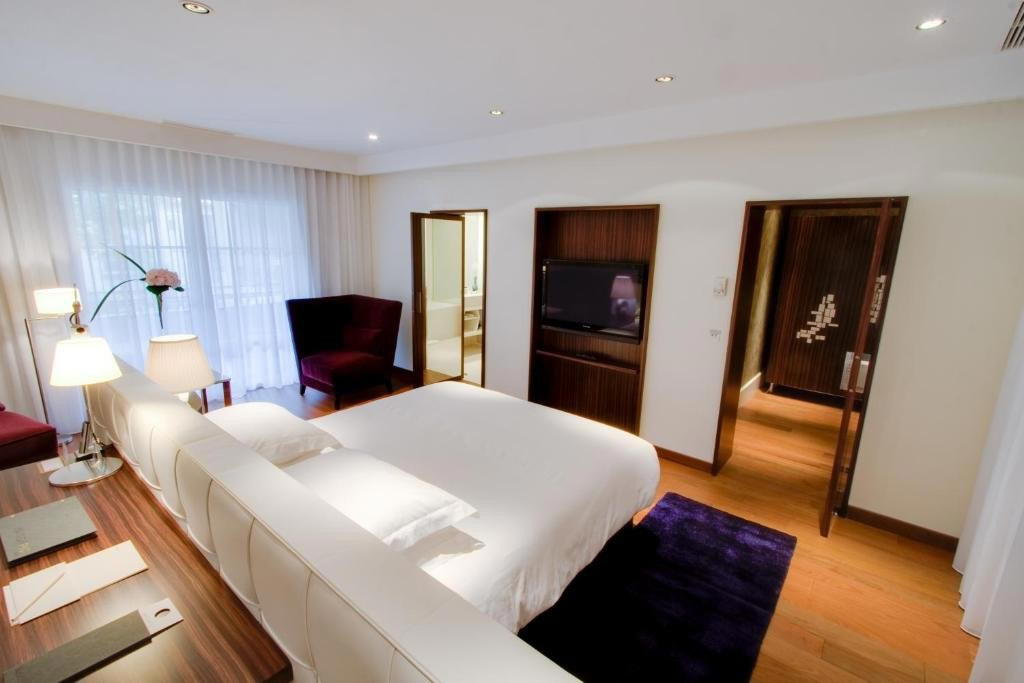
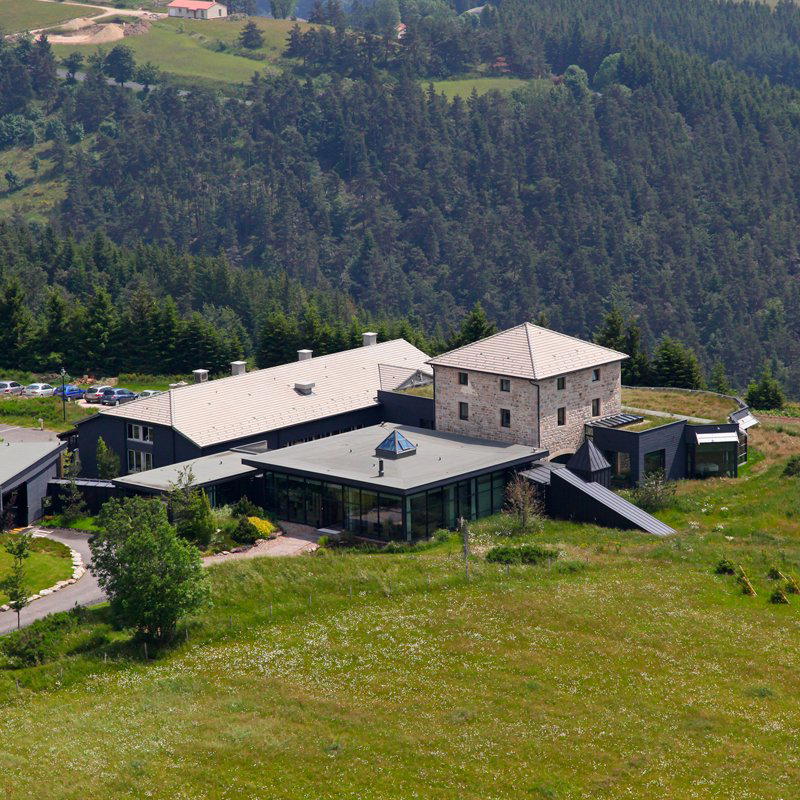
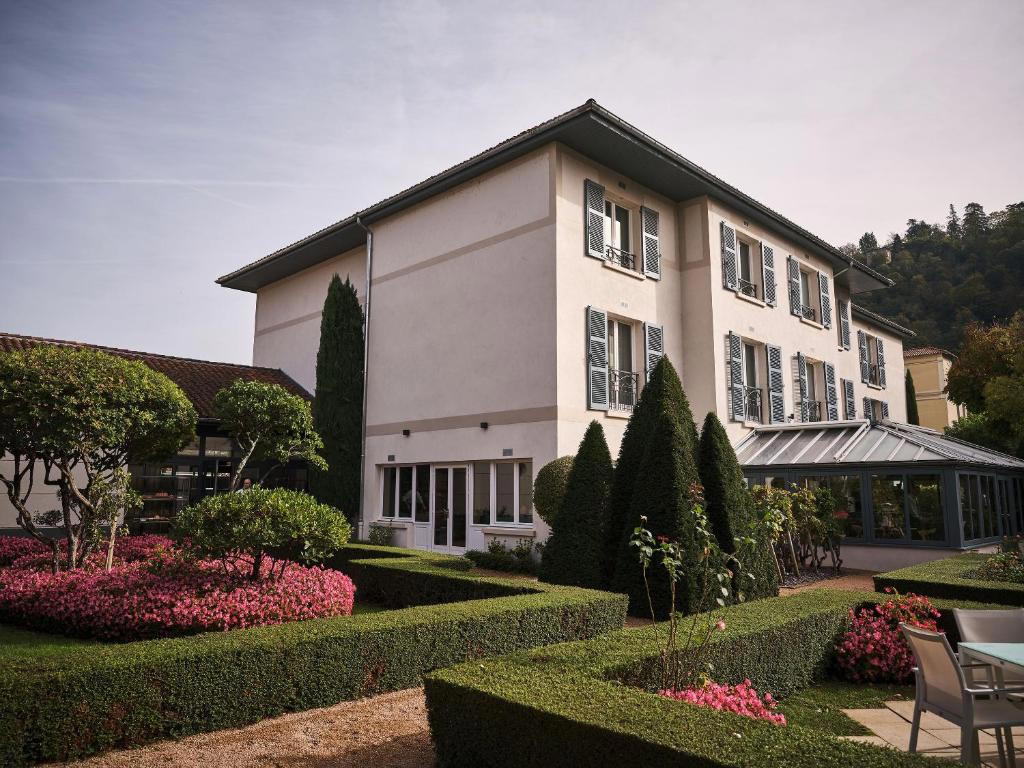
Elegant château setting with a peaceful, refined atmosphere tied to the surrounding gardens, heritage interiors, and Rhône Valley countryside.