Our verdict
Le 1961 sits in Epfig, a small Alsatian village on the Route des Vins where the vineyards press close to the street and the surrounding agricultural tradition shapes what ends up on the table. The address places it inside a regional dining culture that prizes proximity between field and fork, making ingredient provenance the natural frame through which to read the menu. For those travelling the wine route between Strasbourg and Colmar, it represents a reason to stop rather than pass through.

Pearl is the En Primeur Club membership app — saves, bookings, and concierge access live there. Same editors, same standards.
- Address
- 39 Rue des Alliés, 67680 Epfig, France
- Phone
- +33388577015
- Hours
- Mon–Tue ClosedWed–Fri 12–2 PM, 7–9 PMSat 7–9 PMSun 12–2 PM
- Website
- restaurantle1961.com
- Directions
- Get directions
The menu
What to order
- Foie Gras de Canard Poêlé
- Paleron de Boeuf
- Poisson de la Criée
- Vol-au-Vent de Volailles
Where Alsace Puts Its Ingredients First
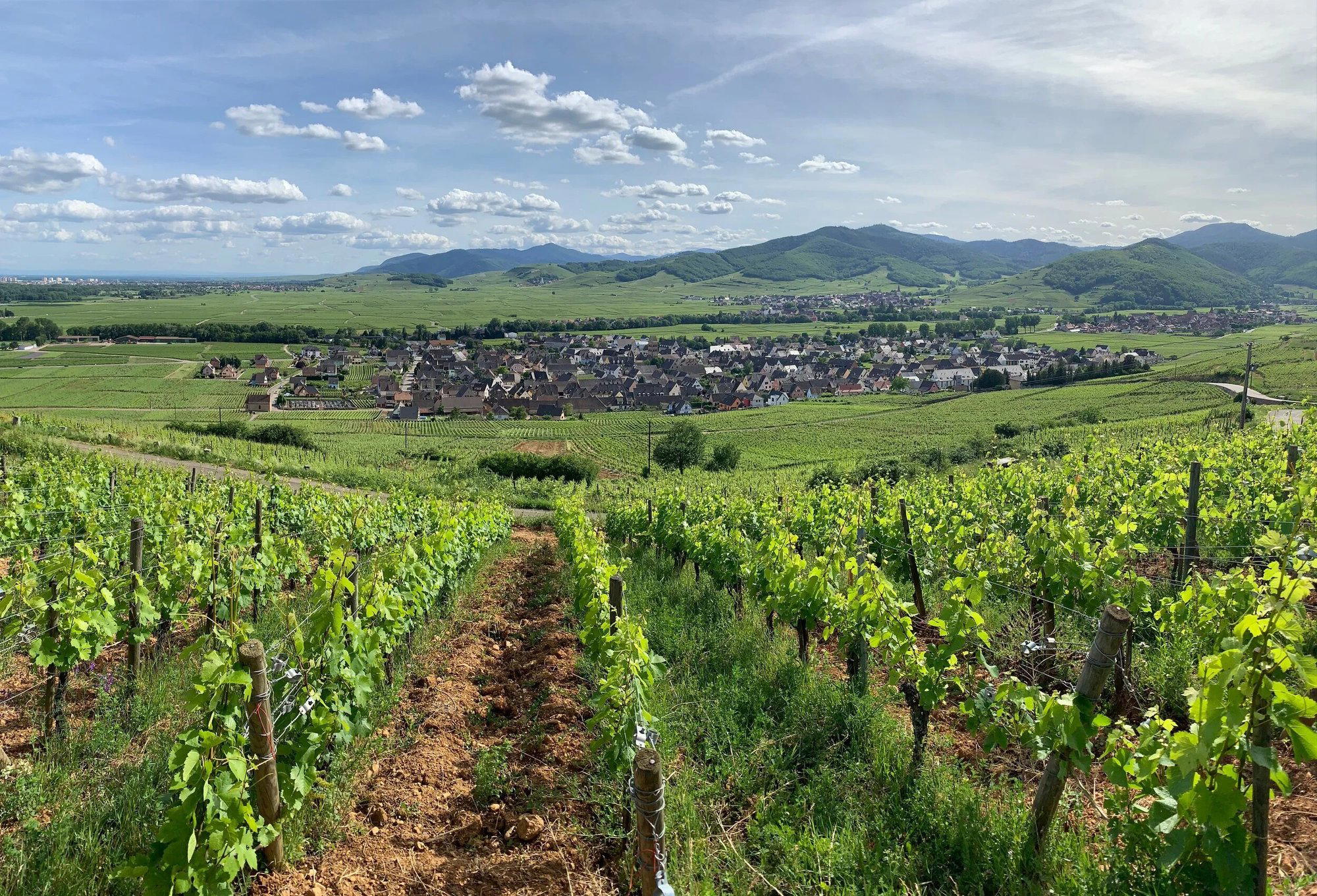
The Route des Vins d'Alsace passes through Epfig at a particular kind of pace. The village sits between Sélestat and Barr in the Bas-Rhin, surrounded by a dense patchwork of Riesling and Pinot Gris parcels that define the area's agricultural identity as precisely as any appellation map. Restaurants in this corridor operate inside that context whether they choose to or not. The ones that work well lean into it: local producers, short supply lines, and a menu calendar that acknowledges what the surrounding land is doing at any given point in the year. Le 1961, at 39 Rue des Alliés, sits squarely in that tradition.
Epfig is not a dining destination in the way that Colmar or Strasbourg pulls visitors from across the region. That is partly the point. A table in Epfig is shaped by its surroundings in a more immediate way: the producers are neighbours, the growing season is visible from the dining room window, and the menu responds to that proximity in ways that a city kitchen cannot easily replicate.
The Alsatian Ingredient Framework
Alsace occupies a specific position in French regional cooking. It shares a border with Germany and a culinary grammar built on choucroute, tarte flambée, baeckeoffe, and the freshwater fish pulled from the Rhine and its tributaries. But it also produces some of France's most precise aromatic whites, and the interaction between wine country and kitchen has long pushed Alsatian cooking toward a discipline around sourcing that other French regions associate more loosely with terroir. The same attention that goes into a Grand Cru Riesling parcel at Ribeauvillé or Andlau tends to inform how serious restaurants in the area think about their vegetable gardens, their charcuterie suppliers, and their poultry sources.
This is the context in which ingredient sourcing becomes the editorial frame for Le 1961. Restaurants along the Route des Vins operate inside a supply chain that is, by European standards, unusually dense with quality producers. The Alsatian plain between the Vosges foothills and the Rhine produces asparagus, mirabelle plums, wild garlic, and game in seasons that define the regional table as much as any technique. A kitchen at this address in Epfig has access to that network in a way that a restaurant in Paris, however decorated, must compensate for through logistics. For comparison, consider how Mirazur in Menton built its identity around its own garden and the Mediterranean's proximity, or how Bras in Laguiole made the Aubrac plateau's wild plants central to its entire culinary argument. Proximity to land is not incidental in these contexts; it is the architecture of the menu.
Epfig in the Alsatian Dining Map
The wine route dining scene in Alsace runs on a different axis than the region's prestige addresses. Auberge de l'Ill in Illhaeusern has held three Michelin stars for decades and represents the institutional high end of Alsatian fine dining, the kind of address that operates as a pilgrimage point for French gastronomy travellers. The villages between Strasbourg and Colmar, by contrast, host a different tier: smaller rooms, more personal formats, and a kitchen logic that answers to the surrounding community and the passing traveller rather than to the demands of a metropolitan dining public.
That positioning is not a limitation. Some of the most rigorous ingredient-focused cooking in provincial France happens at this scale, precisely because the economic pressure to perform for a Michelin audience is lower and the relationship with local producers can be more direct. Auberge du Vieux Puits in Fontjoncouse is a useful reference point from another part of provincial France: a village address that built a serious culinary reputation on the back of regional sourcing and format discipline, not urban visibility. The parallel holds in Alsace.
Visitors travelling between Strasbourg and Colmar who treat Epfig as a through-point are making a navigational error. The village is roughly 35 kilometres south of Strasbourg along the D35 wine route, close enough for a day trip but better suited as a stop within a slower itinerary that prioritises the vineyards and villages over speed. The surrounding Bas-Rhin wine country rewards that kind of pace, and a meal in the village fits the rhythm of the route more naturally than a detour to a city table.
The name Le 1961 carries a date, which in any serious European restaurant context is worth noting. It places the address in a tradition rather than outside one.
Against the major French tables, Le 1961 does not compete in the same category as Alléno Paris au Pavillon Ledoyen or Assiette Champenoise in Reims, both of which operate at the top tier of French gastronomy with full Michelin recognition and the pricing structures that accompany it. A village address in the Bas-Rhin works at a different register. The more instructive comparison is with places like Georges Blanc in Vonnas, which built a significant reputation from a village in the Ain, demonstrating that provincial placement is not an obstacle to culinary seriousness when the sourcing and format are handled with care.
For travellers who approach provincial French cooking through the ingredient lens rather than the award tier, the address on Rue des Alliés in Epfig offers something that a L'Oustau de Baumanière in Les Baux or an AM par Alexandre Mazzia in Marseille cannot: rootedness in a specific village's agricultural moment. See our full Epfig restaurants guide for further context on where Le 1961 sits within the local scene.
Planning Your Visit
Epfig is leading approached by car. The village is on the D35 Route des Vins, accessible from the A35 motorway at the Sélestat or Barr exits. Public transport connections from Strasbourg exist via regional train to Sélestat or Barr, with the village requiring a short taxi or bicycle connection from either station. The wine route is quiet enough that driving remains the practical choice for most visitors, particularly if the plan involves stopping at producers between meals. Visiting in spring for Alsatian asparagus season, or in autumn when the vendange brings the wine villages to life, aligns the meal with the regional ingredient calendar at its most active.
Frequently asked questions
Would Le 1961 be comfortable with kids?
Epfig is a quiet village on the Route des Vins, and restaurants in this setting tend toward relaxed, unhurried dining rather than formal service rituals. Nothing in Le 1961's profile at 39 Rue des Alliés suggests a high-ceremony format that would make families unwelcome.
What should I expect atmosphere-wise at Le 1961?
The address places Le 1961 in a village of a few thousand residents between Sélestat and Barr, which sets the register immediately: this is wine-country Alsace, not a city dining room chasing a scene. Expect the pace and proportion of a Route des Vins table, where the room is likely to reflect the agricultural rhythm of the Bas-Rhin rather than metropolitan noise.
Is Le 1961 in Epfig worth visiting if you're driving the Route des Vins d'Alsace?
Epfig sits directly on the D35 Route des Vins between Sélestat and Barr, making Le 1961 at 39 Rue des Alliés a natural stopping point rather than a detour. The village lacks the visitor infrastructure of Ribeauvillé or Riquewihr, which means restaurants here draw a higher proportion of local trade — generally a useful signal about consistency. For travellers covering the Bas-Rhin section of the wine route by car, it warrants a reservation alongside the drive rather than an afterthought stop.
What's the best thing to order at Le 1961?
Alsatian cooking in this corridor of the Bas-Rhin typically draws on the region's charcuterie, freshwater fish, and seasonal produce traditions. Asking the kitchen what is running that day is, in any serious regional French restaurant, the more reliable strategy than arriving with a fixed order in mind.
Where is Le 1961 located?
Le 1961 is located at 39 Rue des Alliés, 67680 Epfig, France, Epfig.
How hard is it to get a table at Le 1961?
Summer weekends along the Route des Vins do draw visitors in volume, so advance contact remains advisable between June and September.
What's the standout thing about Le 1961?
The name itself carries weight in European restaurant context: a date embedded in a restaurant's identity almost always signals something the house considers foundational, whether a founding year, a family reference, or a vintage of significance. Le 1961 sits in Epfig, a village the Route des Vins passes through at a quieter register than the region's prestige addresses, which positions it as a place making a specific argument about place rather than chasing external recognition.
A Quick Peer Check
Comparable venues nearby, for context on price, style, and recognition.
| Venue | Cuisine | Price | Awards | Notes |
|---|---|---|---|---|
| Le 1961This venue — the venue you are viewing | Contemporary French Seasonal Cuisine | $50–100 | Not listed | Not listed |
| Brasserie Le Landersheim | French Brasserie with Mediterranean Influences | $30–50 | Not listed | Landersheim |
| Restaurant Saint-Florent | Traditional French Alsatian | $20–30 | Not listed | Oberhaslach |
| S'geisstuewel | Traditional Alsatian French Bistro | Not listed | Not listed | Geispolsheim |
| Zuem Strissel | Traditional Alsatian Winstub | $30–50 | Not listed | Centre |
| Un Cantalou à Strasbourg | French Wine Bar & Cheese Selection | $30–50 | Star Wine List | Centre |
Continue exploring
More in Epfig
Restaurants in Epfig
Browse all →

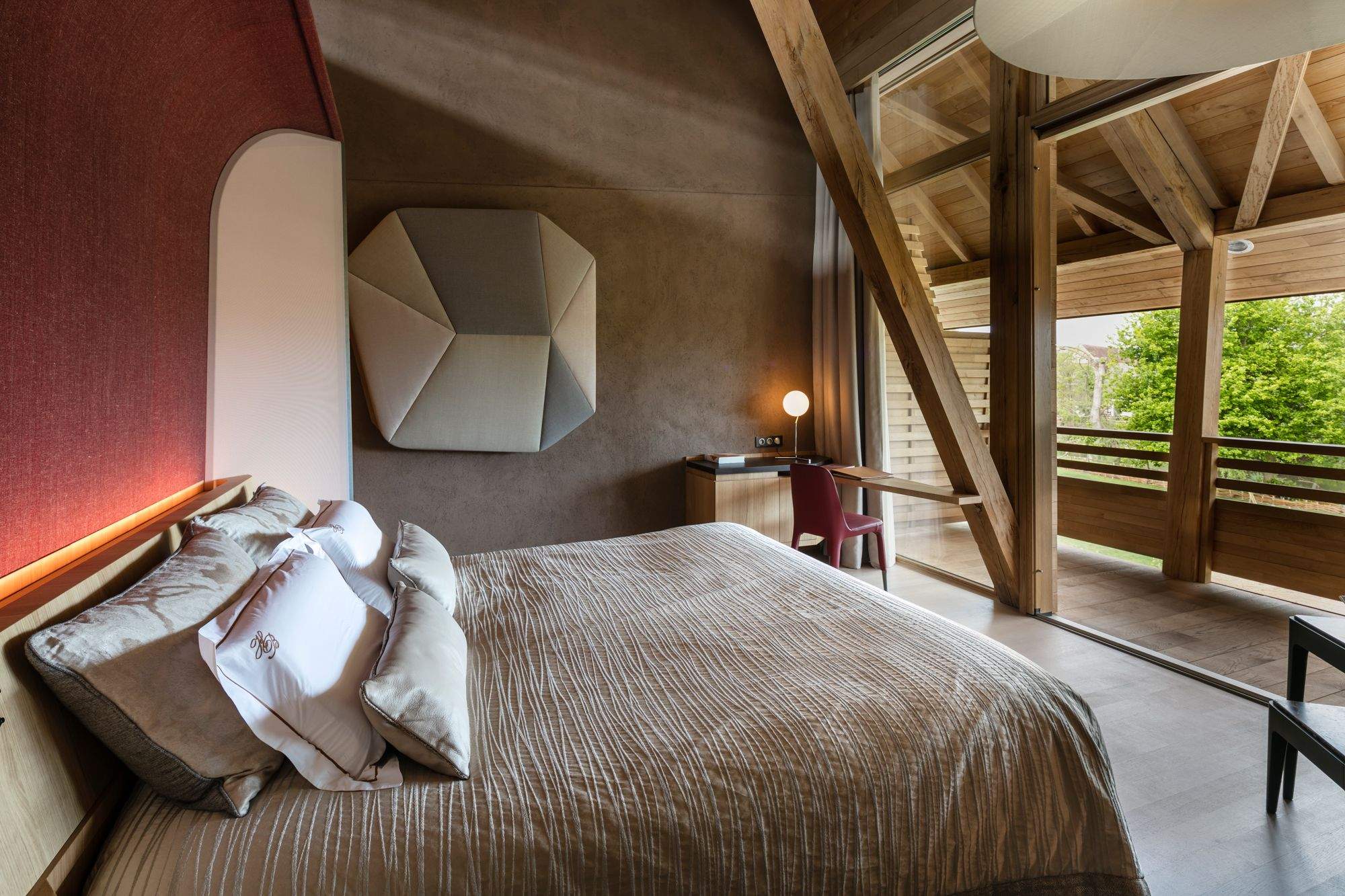
Bars in Epfig
Browse all →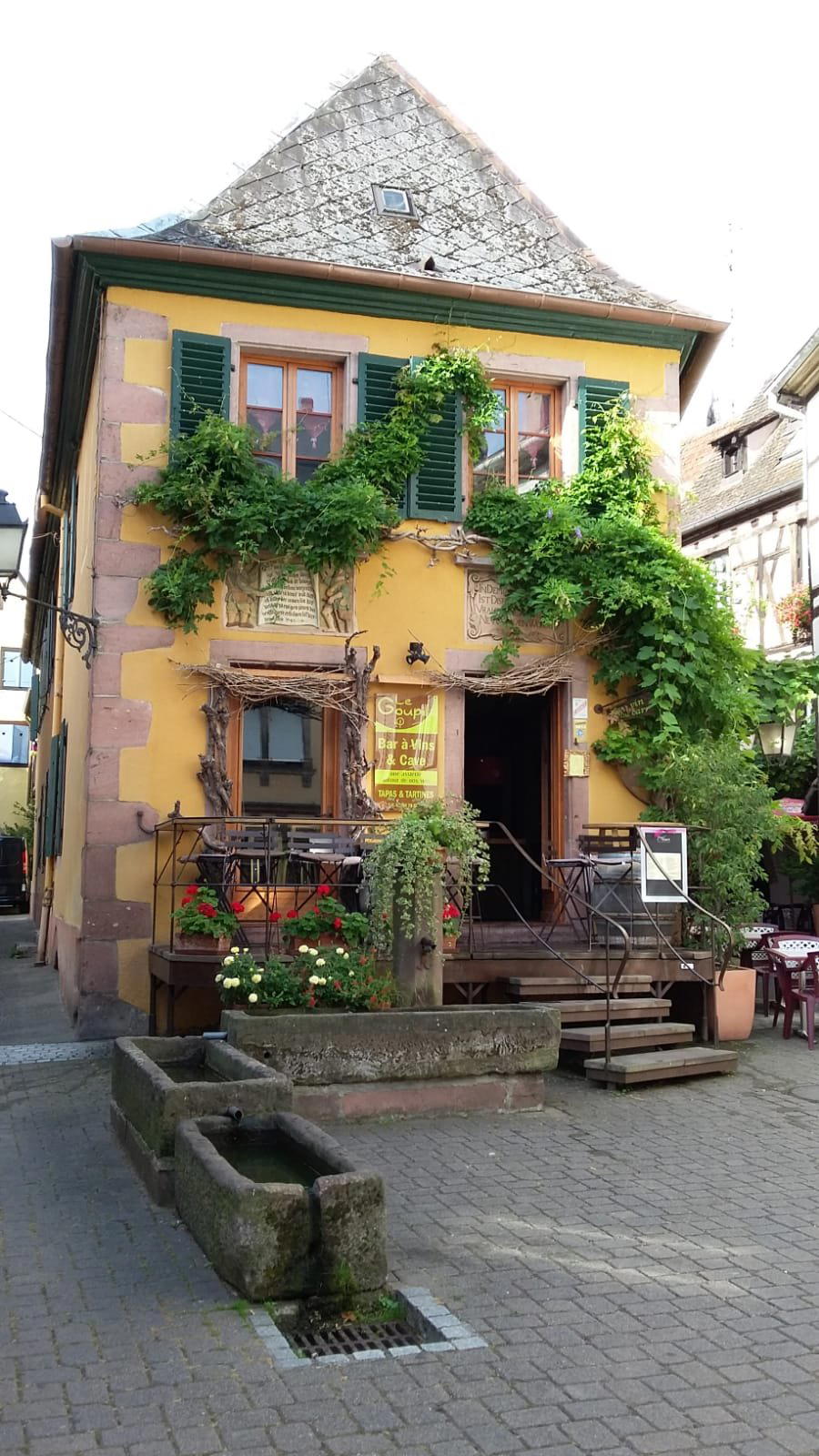


Hotels in Epfig
Browse all →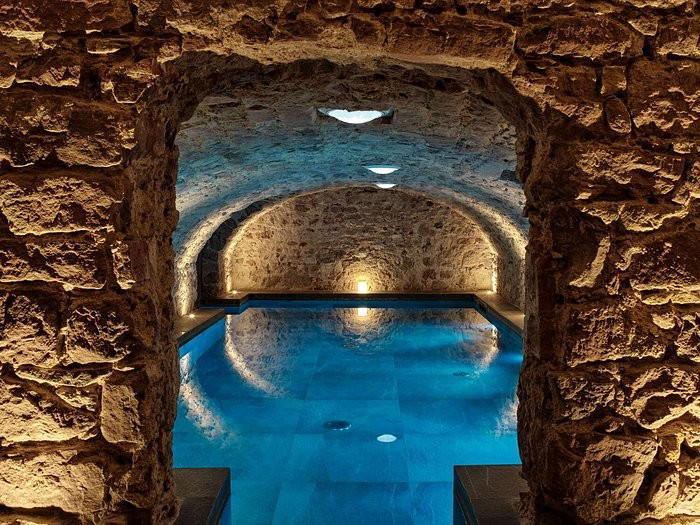
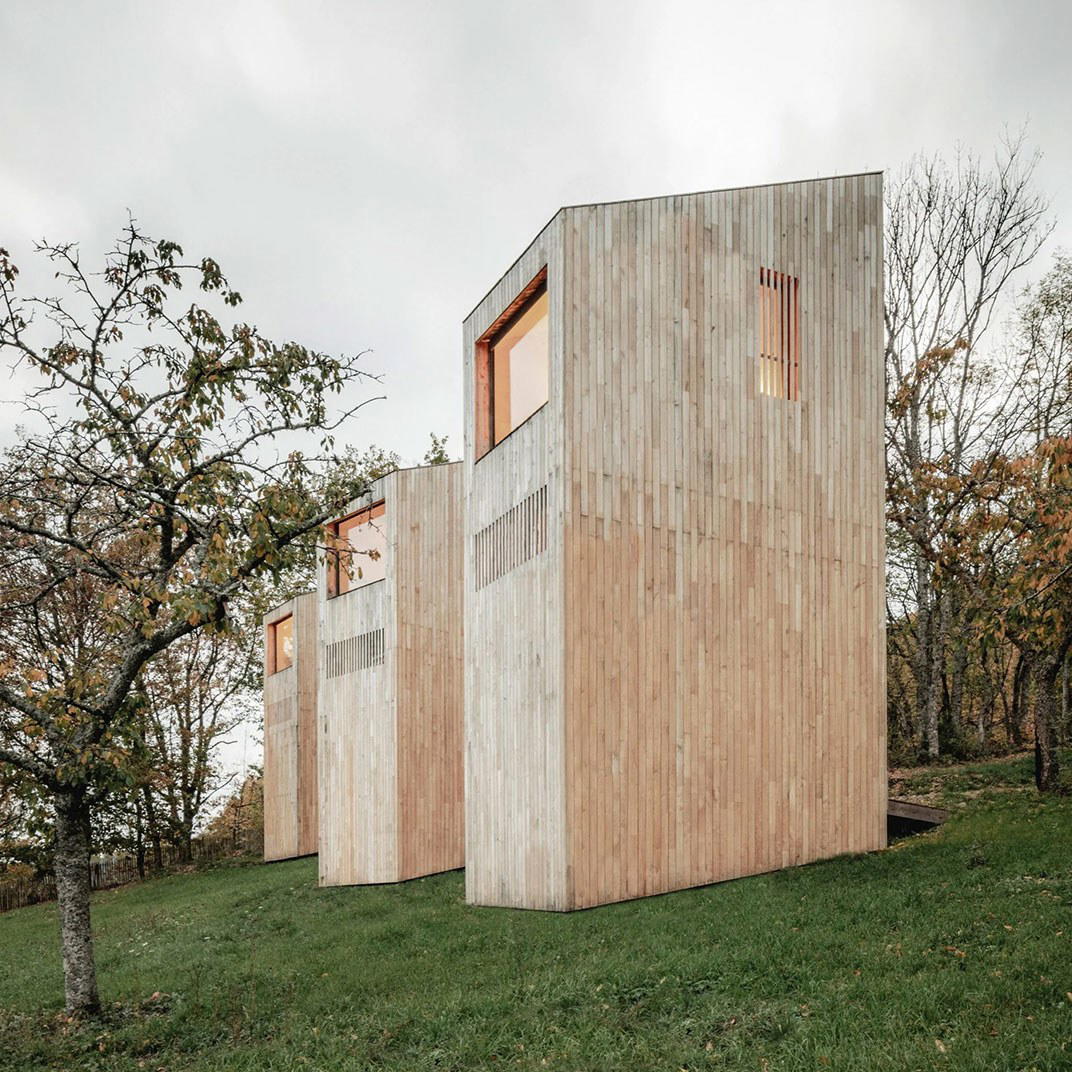
Le 1961
The wine
- Wine program
- Curated wine list
- Extensive wine list
- Sommelier-led
Details
- Intimate
- Cozy
- Elegant
- Quiet
- Date Night
- Business Dinner
- Special Occasion
- Standalone
- Extensive Wine List
- Sommelier Led
- Local Sourcing
- Farm To Table
- A La Carte
- Prix Fixe
- Wine
- Beer
- Vegetarian Friendly
- Allergy Accommodating
Current opening hours
- Monday
- Closed
- Tuesday
- Closed
- Wednesday
- 12–2 PM, 7–9 PM
- Thursday
- 12–2 PM, 7–9 PM
- Friday
- 12–2 PM, 7–9 PM
- Saturday
- 7–9 PM
- Sunday
- 12–2 PM
Hours can change for holidays and private events. Last verified .
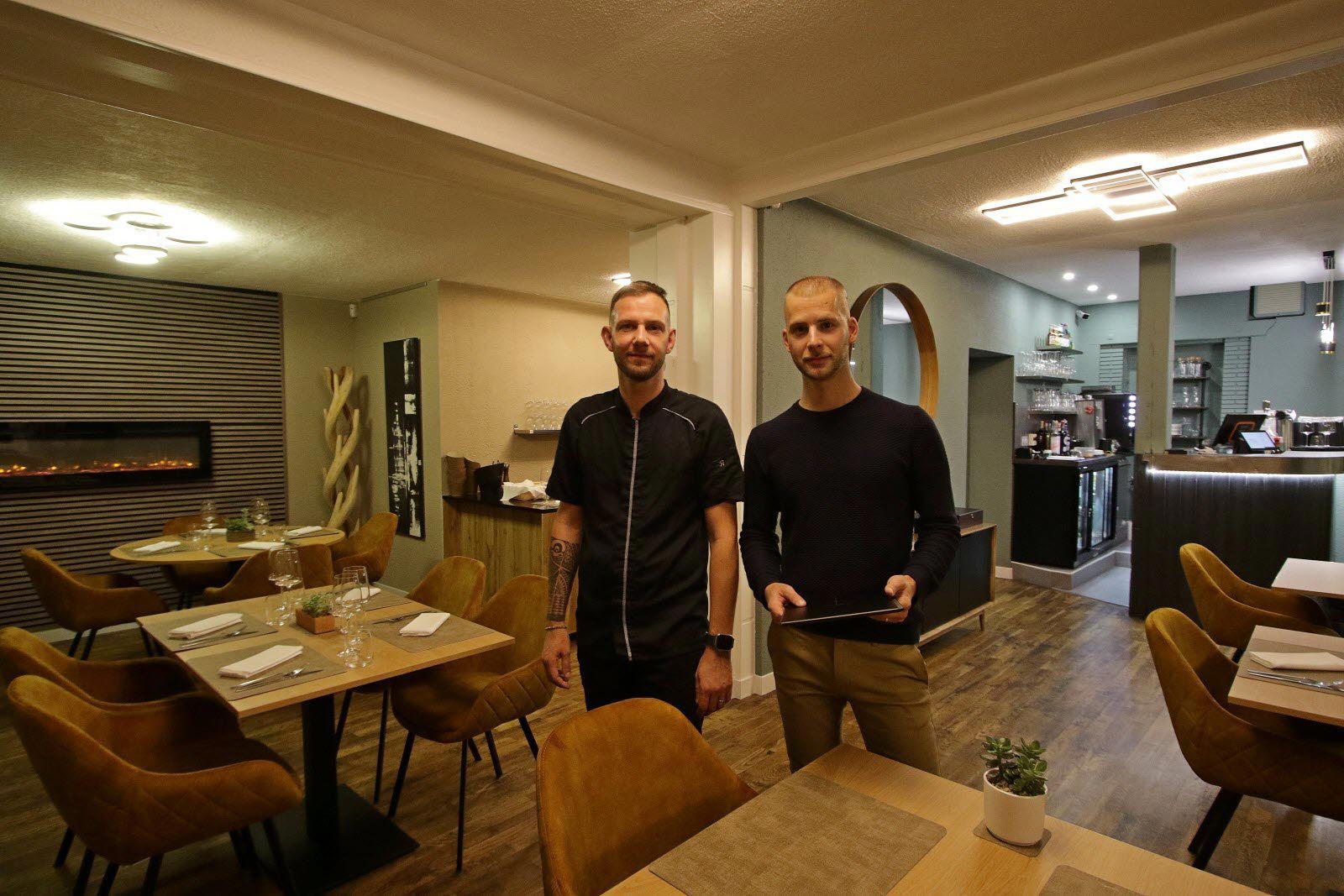
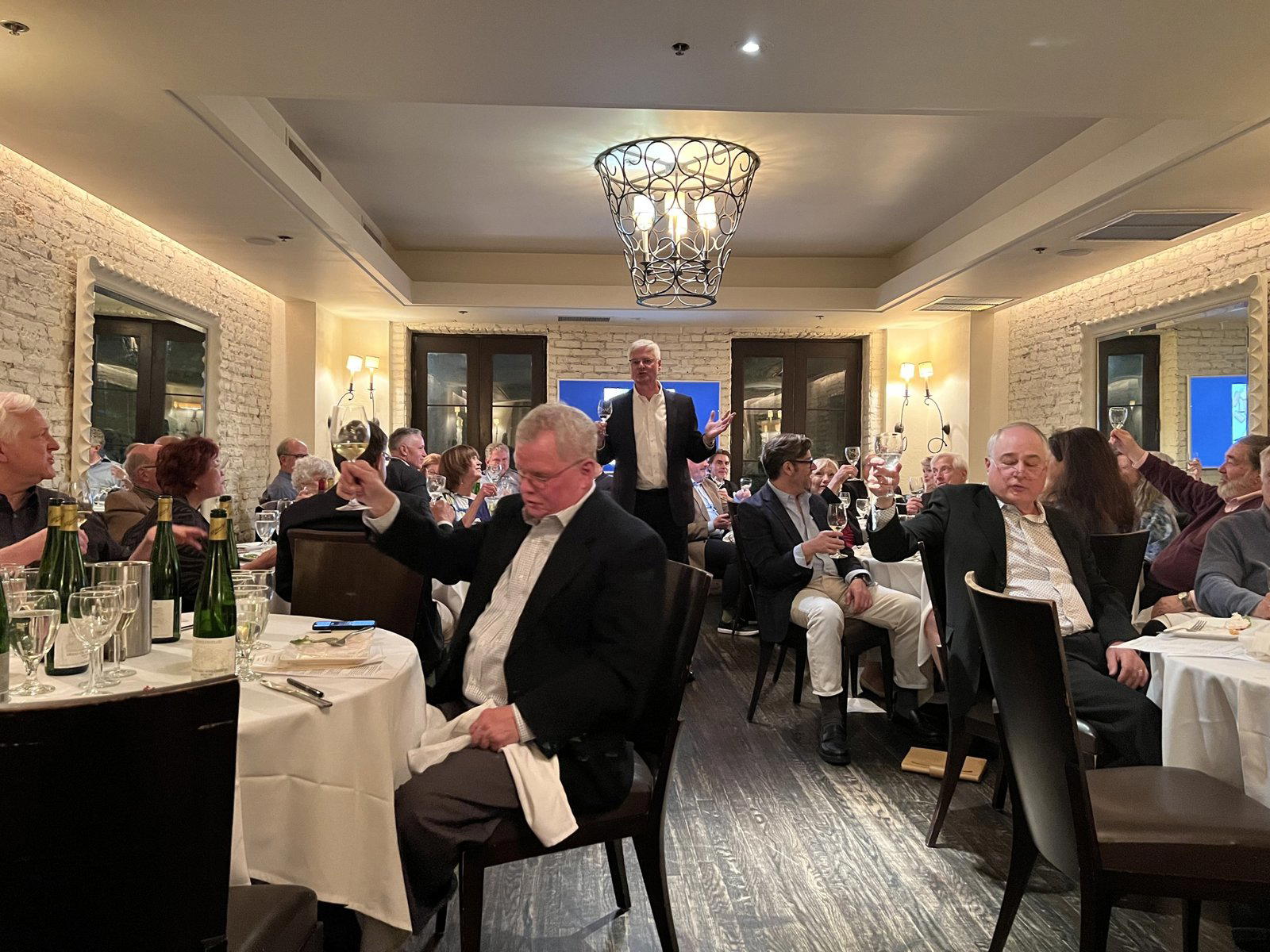
Warm, tastefully decorated interior with neat decor, comfortable seating, and a calm, spacious atmosphere that feels cocooning and welcoming.